
Review · NEPAL COOKING CLASSES
MoMo or Dal Bhat Cooking Class at Aama Kitchen in Pokhara
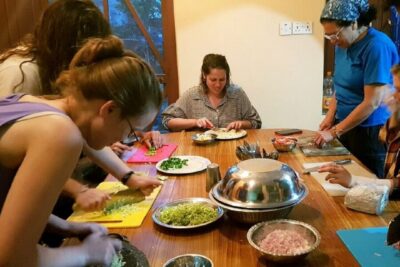
The best part of this Pokhara class is the setting: you cook in a real family apartment, not a polished school kitchen. Aama leads the session, with hosts including Sadaha and Shanta praised for their patience, warmth, and clear help. You choose between momos and dal bhat, then make the meal from the ground up.
I like two things here. First, you get hands-on practice, including the tricky business of folding momos. Second, the family setting gives you a chance to ask about spices, vegetables, festivals, and everyday Nepali food. The main consideration is that this is an active cooking class, not a demonstration, and it may not suit people with food allergies.
Key points to know before booking
- Choose your main dish: Select momos or dal bhat in the booking comments.
- Cook in a family home: The class takes place in Aama’s apartment, about 25 minutes from Lakeside.
- Expect real participation: You will prepare, cook, and eat the food rather than simply watch.
- Learn beyond the recipe: The session can include talk about spices, produce, farming seasons, and Nepali customs.
- Private three-hour experience: Hotel pickup and return are included for Lakeside accommodations.
- Good value at $28: The price covers transport, ingredients, instruction, equipment, and the meal you prepare.
A family kitchen instead of a cooking studio
Aama Kitchen offers the sort of food lesson that makes sense in Pokhara. You are picked up at your hotel in the Lakeside area and driven roughly 25 minutes to the family home. That ride matters because it takes you out of the main visitor zone and into a more ordinary home setting.
Do not expect a restaurant with a row of cooking stations or a formal classroom. This is a homely family apartment, with cooking facilities described as clean and suitable for the class. That simplicity is part of the appeal, but it also means you should arrive ready for a personal, hands-on visit rather than a highly produced show.
The family head, known as Aama, teaches the class. The name means mother or respected older woman in Nepali usage, and it fits the tone of the experience. Instruction is friendly and practical, with time for questions. Some sessions have been led or supported by Sadaha and Shanta, both praised for their patience and cooking skill.
If you are alone, the private format can work especially well. One solo participant found the family atmosphere welcoming rather than awkward. If you are traveling as a family, the class gives children and adults something useful to do together, though everyone should be comfortable taking part in food preparation.
More Cooking Classes in Nepal:
- Half day cooking class in Thamel kathmandu
★ 5.0 · 607 reviews - Kathmandu: Local Women-Led Nepali Cooking & Momo Class
★ 4.9 · 360 reviews - Kathmandu: Local Lead Nepali Cooking & Momo-Making Class
★ 5.0 · 212 reviews
Choosing momos or dal bhat
You need to choose your dish when booking, in the comment section. That small step is important because momos and dal bhat offer two different views of Nepali cooking.
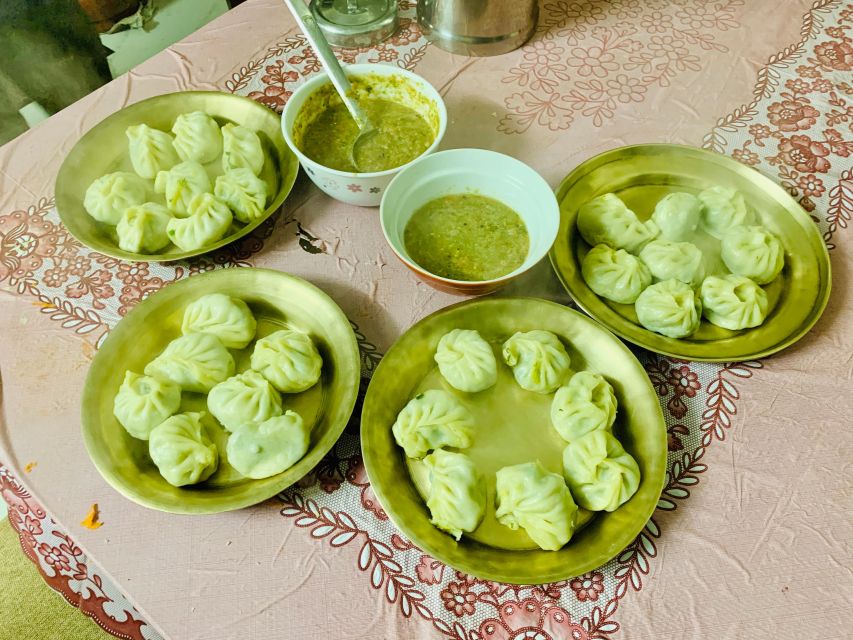
Momos are Nepal’s famous dumplings. You will help prepare the filling, work with the dough, shape the dumplings, and cook them. Folding takes practice. Do not worry if your first attempts look more like small parcels than neat restaurant dumplings. Patience is part of the lesson, and the instructors are used to helping beginners.
The momo option is likely the more playful choice. You can see the results quickly, and shaping each dumpling gives the class a clear hands-on rhythm. It also gives you a recipe you can try at home. If you already eat momos around Pokhara, learning how they are made adds a useful layer to every plate that follows.
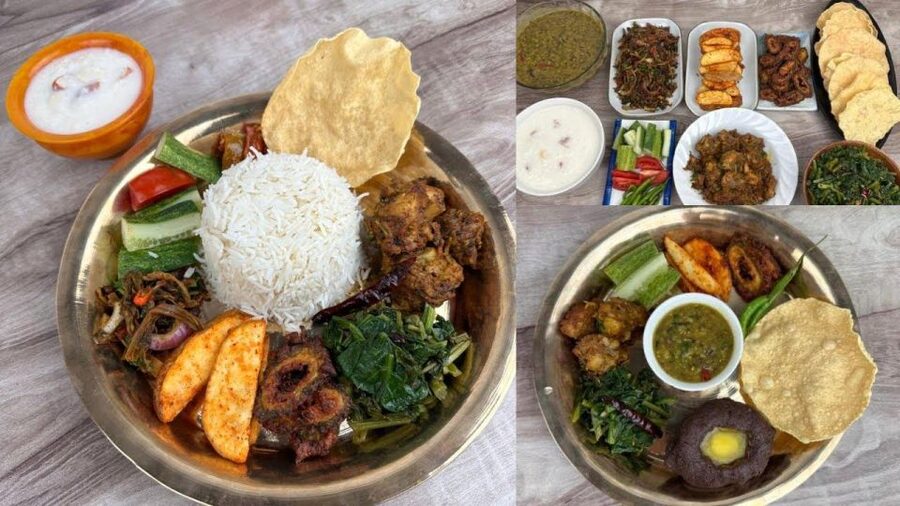
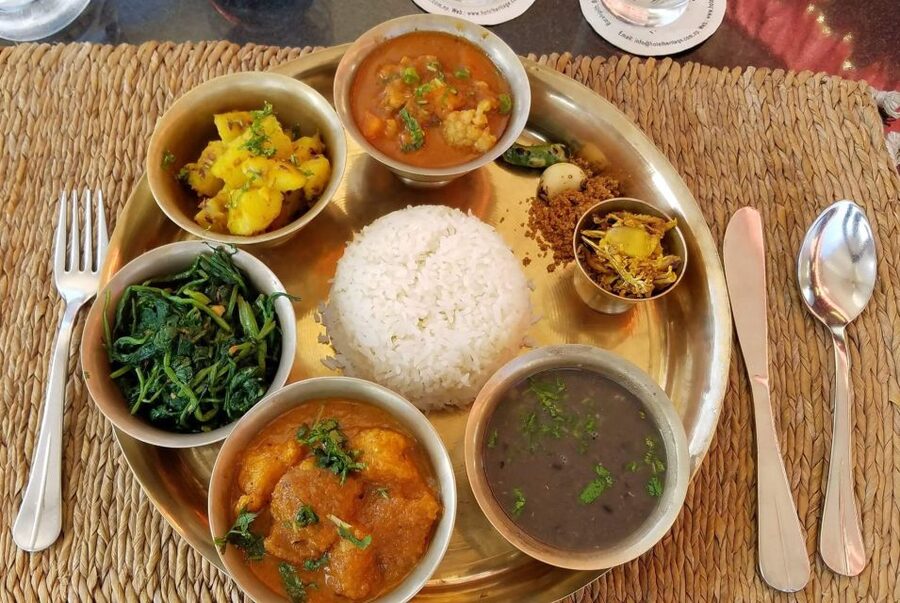
Dal bhat is the deeper look at everyday Nepali food. The meal usually centers on rice and lentil soup, with vegetable dishes, curry, and other accompaniments. The class covers the different elements of the plate, not just one recipe. That makes it a better choice if you want to understand how a standard Nepali meal comes together.
The dal bhat session can also include talk about spices, vegetables, where ingredients come from, and harvest times. One class held during a festival included a tika and a small ceremony, giving the food lesson a direct link to local customs. That kind of cultural detail is not guaranteed on every date, but it shows how the home setting can add more than cooking instruction.
What happens during the three hours
Your pickup is from a Lakeside hotel, and you should wait in the lobby 10 minutes before the scheduled time. The return drive to the hotel is included after the meal, so you do not need to arrange separate transport to the home or back into town.
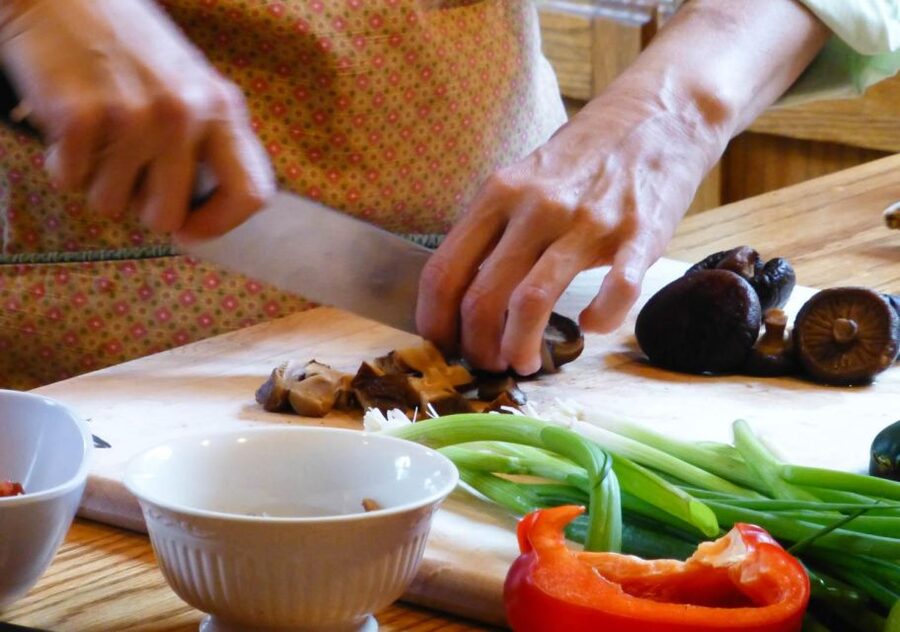
At the house, the class begins with an introduction to the selected dish and its ingredients. The English or Hindi-speaking instructor explains the steps, and you can ask questions as you work. The pace is intended for participation, so you should expect to chop, mix, shape, season, and cook rather than stand at the edge of the kitchen.
The cooking itself is the heart of the visit. You get to see how a Nepalese home cook handles ingredients and balances flavors. With dal bhat, you may spend more time moving between several components. With momos, the focus is more concentrated on dough, filling, folding, and cooking.
Once everything is ready, you eat what you have made. This is a simple but important part of the experience. You can taste the effect of the spices while the instructions are still fresh, and you can ask why a dish tastes the way it does.
Before leaving, you can take the recipe home. That gives the class value after your Nepal trip, especially if you keep notes. One participant specifically planned to recreate dal bhat at home, while another said the class helped turn a favorite restaurant food, momos, into something they could make themselves.
Why the home setting matters
Nepali food is closely tied to family routines. A formal class can teach you ingredients and techniques, but a home kitchen gives you a better sense of how the food fits into daily life. You are not only learning a dish. You are sitting with a family, asking questions, and seeing the setting where the cooking normally happens.
The strongest part of the experience is the welcome. The family has been described as kind, friendly, patient, and willing to talk. A solo participant felt included, while a family group enjoyed meeting Aama and her two sons. That is a useful sign for anyone who wants conversation as well as instruction.
You should keep your expectations realistic. This is not a broad lecture on all of Nepal’s food regions, and the information will depend on the instructor and the dish you choose. It is a close-up lesson in home-style food, delivered in a small private setting.
That personal scale is also why the experience feels different from eating a prepared meal at a restaurant. You have time to ask about a spice, understand a preparation step, or try a fold again. The class is not just about getting a plate of food quickly.
Same region, a different dish to learn:
- Local Women Lead Nepali Cooking Class
★ 5.0 · 125 reviews - Nepalese Kitchen in Pokhara: Momos or Dal Bhat Cooking Class
★ 5.0 · 67 reviews - Kathmandu: Local Women-Lead Nepali Cooking & Momo Class
★ 4.9 · 45 reviews - Kathmandu: Local Lead Nepali Cooking & Momo Making Class
★ 4.9 · 40 reviews
How good is the food?
The prepared meal receives some of the strongest praise. The momo filling and finished dumplings have been described as delicious, and the dal bhat has been called the best food one participant ate in Nepal. Those comments are subjective, of course, but they fit the class’s main strength: you are learning from a family cook who makes this style of food regularly.
Your results will depend partly on your own cooking skills. A beginner may produce uneven dumplings or need extra guidance with seasoning. That is not a failure. It is the point of a hands-on class, and the instructors are reported to be encouraging when the folding goes wrong.
If you select dal bhat, you may appreciate the way the meal brings several tastes together: lentils, rice, vegetables, spices, and curry. If you select momos, you get a more focused lesson and a satisfying final dish. I would choose dal bhat for a better understanding of Nepali home cooking and momos for a lighter, more playful session.
Food allergies require caution. The activity is not considered suitable for people with food allergies, and the available information does not promise customized menus or separate preparation. If that applies to you, ask before booking rather than assuming substitutions will be possible.
Price, transport, and practical value
At $28 per person, the class is fairly priced for a three-hour private experience that includes hotel transport, ingredients, equipment, instruction, and the meal. The 25-minute drive each way is part of the cost, and it saves you the trouble of arranging a taxi to an unfamiliar home.
The value is strongest if you want personal contact and practical skills. If you only want a quick meal, a restaurant will cost less time and may cost less money. If you want to learn how the dish is made and take the recipe home, the class offers more lasting value.
Transport quality has received a 93 percent perfect score, which supports the usefulness of the pickup service. Still, allow the full three hours plus driving time in your day. Starting times depend on availability, so check the schedule before planning another activity immediately afterward.
The class is wheelchair accessible, and the group is private. Those are useful advantages for people who prefer a quieter visit or need a more personal pace. You should still confirm any specific mobility needs when booking, since the class takes place in a family apartment and the supplied details do not describe every feature of the home.
Wear comfortable clothes and shoes. Cooking can be messy, and you will be moving around and working with ingredients. Leave large bags and luggage behind because they are not allowed.
Who will enjoy Aama Kitchen most?
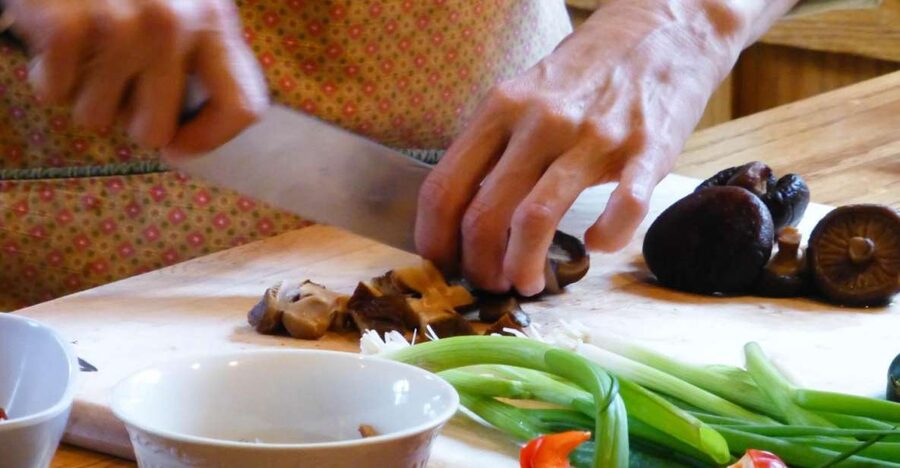
I would recommend this class to anyone who has already eaten momos or dal bhat in Nepal and wants to understand the food better. It also suits first-time visitors who want one direct meeting with a local family during a stay in Pokhara.
It is a particularly good fit for:
- Couples who want an activity with conversation and food
- Families looking for a shared kitchen project
- Solo visitors who enjoy personal contact
- People who like collecting recipes from their trips
- Anyone curious about spices, vegetables, and Nepali food customs
It may be less suitable if you dislike cooking, want a polished professional kitchen, or have a serious food allergy. The class depends on participation, so you should not book it expecting to sit and watch.
The language options are English and Hindi. That makes the session accessible to many visitors, and the question period is useful if you want more than a quick demonstration. Ask about the dish, ingredients, cooking methods, or local food traditions while you have the cook in front of you.
Helpful booking advice
Choose your dish before you arrive and clearly write momos or dal bhat in the booking comments. If you leave that decision until the day, the cooking team may not have the same preparation time for your preferred option.
Plan to wait in your hotel lobby 10 minutes before pickup. Keep your bags small, wear comfortable clothes, and leave luggage at the hotel. Since the class is private, you can use the question time well by thinking of two or three things you want to learn about Nepali cooking.
The activity allows free cancellation up to 24 hours before the start time for a full refund. You can also reserve now and pay later, which helps if your Pokhara plans are still changing.
Should you book this Pokhara cooking class?
Book it if you want more than a restaurant meal and like the idea of cooking with a local family in a real home. The warm instruction, private format, hotel transfers, and choice between two classic dishes make the $28 price sensible.
Choose momos for a fun, focused lesson with plenty of shaping practice. Choose dal bhat if you want a fuller look at the structure of a Nepali home meal and the role of spices and vegetables.
Skip it if you have food allergies, dislike hands-on cooking, or prefer a formal culinary school. For everyone else, Aama Kitchen offers a friendly way to connect food with family life in Pokhara, and you leave with more than a full stomach: you take home a recipe and a better sense of how Nepali meals are made.
FAQ
Where does the cooking class take place?
The class takes place in Aama’s family home, about 25 minutes by car from the Lakeside area of Pokhara.
What dishes can I learn to cook?
You can choose either Nepalese momos or dal bhat. Write your choice in the comments when booking.
How long does the activity last?
The cooking class lasts three hours. Hotel pickup and return transport are included for accommodations within the Lakeside area.
Is hotel pickup included?
Yes. Round-trip pickup and drop-off are included for hotels within the Lakeside area. Wait in the hotel lobby 10 minutes before the scheduled pickup.
What languages does the instructor speak?
Instruction is available in English and Hindi.
Is the class private?
Yes. The activity is offered as a private group experience.
What should I bring?
Wear comfortable shoes and comfortable clothes. Large bags and luggage are not allowed.
Can I cancel for a refund?
Yes. You can cancel up to 24 hours in advance for a full refund. Reserve now and pay later is also available.
Newest classes around Nepal
- Kathmandu: 3-Hours of Cooking Class with Meals★ 5.0 · 10 reviews
- Pokhara: 3 Hour MoMo cooking class★ 4.5 · 10 reviews
- Pokhara: Nepali Cooking Class and Momo Making Workshop★ 5.0 · 6 reviews
- Nepalese Kitchen in Pokhara: Momos or Dal Bhat Cooking Class★ 5.0 · 67 reviews
- Local Women Led Nepali Cooking Class★ 5.0 · 6 reviews
- Kathmandu: Women-Led Cooking Class & Momo Making-Local Taste★ 4.8 · 15 reviews
- Kathmandu: Nepali Cooking Class with Hotel Pickup★ 4.1 · 5 reviews
- Kathmandu: Local Women-Lead Nepali Cooking & Momo Class★ 4.9 · 45 reviews
Nepal Cooking Classes, compared.
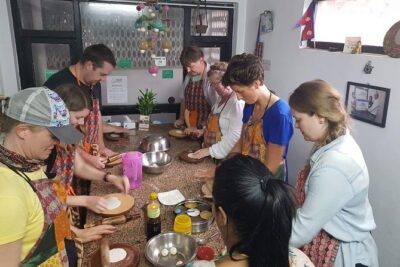
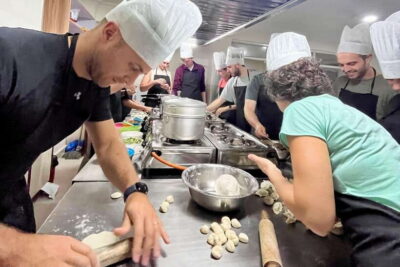
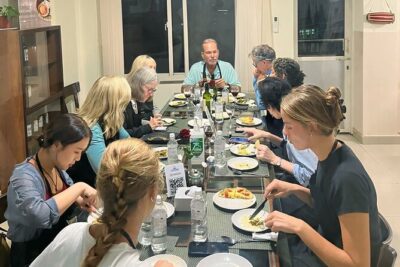
Nepalese Kitchen in Pokhara: Momos or Dal Bhat Cooking Class
Read our review →
Women-Led Cooking Class & Momo Making-Local Taste
Read our review →Browse the lists this tour appears in