
Review · KATHMANDU COOKING CLASSES
Kathmandu: Local Women-Led Nepali Cooking & Momo Class
The best part of this Kathmandu class is that you do not simply watch a chef work. You visit a local market, help choose ingredients, then make the meal from the ground up. Momos and dal bhat are the main focus, but you may also prepare chatamari, bara, yomari, curry, thukpa, or a dessert.
I like the hands-on format, where you make dough, fillings, sauces, and finished dishes yourself. I also like the friendly teaching style of Nish, Nishma, Bikram, Vikram, and the wider academy team. They explain each step in clear English and keep the mood relaxed. The main consideration is that the exact menu, meeting point, and pickup arrangement depend on the option you book.
What makes this class worth your time
- Market shopping comes first: Choose vegetables, spices, and other ingredients before cooking.
- Momo technique is the star: Make the dough, filling, folds, and dipping sauce yourself.
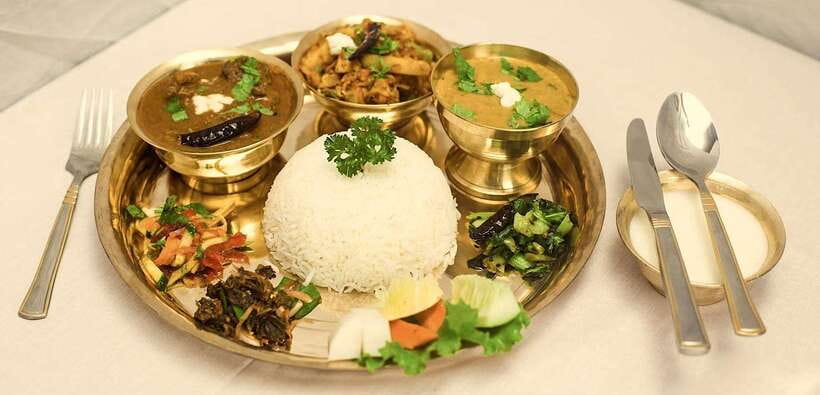
- More than dumplings: Add dishes such as dal bhat, chatamari, bara, yomari, or carrot pudding.
- Women-led local teaching: Nish and Nishma frequently lead the class with warmth, patience, and humor.
- A full meal at the end: Sit down to eat the food you prepared, with Nepali masala tea included.
Starting with a market walk in Thamel
The class usually begins with a short market or shop visit in and around Thamel. Depending on your selected option, you may meet at the Kathmandu Cooking Academy or arrange pickup from a location within Kathmandu.
This first stage gives the lesson a useful purpose. You are not looking at spices as museum objects. You are deciding what to buy for the meal you will soon cook. You get a closer look at the vegetables, spices, meat, and other ingredients used in everyday Nepali kitchens.
I like this part because it connects the finished plate to the raw materials. You can ask why a certain spice is used, how ingredients are selected, and which items suit vegetarian or meat dishes. The market visit also makes the class feel tied to Kathmandu rather than staged as a cooking demonstration in isolation.
The market stop may be fairly brief, so do not expect a full food tour or a long explanation of every stall. One useful improvement would be more detailed commentary about the different ingredients. If that matters to you, ask questions as you shop. The instructors are open to discussion, and the small-group format makes it easier to get their attention.
Arrive about 15 minutes early. Meeting points can vary, and one participant found that the route suggested by Google Maps involved a steep hill. The academy is within walking distance of some Thamel hotels, but pickup is available if you choose that option and provide your hotel details in advance.
More Cooking Classes in Kathmandu:
- Half day cooking class in Thamel kathmandu
★ 5.0 · 607 reviews - Kathmandu: Local Lead Nepali Cooking & Momo-Making Class
★ 5.0 · 212 reviews - Local Women Lead Nepali Cooking Class
★ 5.0 · 125 reviews
Learning the Nepali kitchen with Nish and Nishma
After shopping, you move into the cooking session. The experience lasts about three hours in its standard form, including the market visit, preparation, cooking, and meal tasting. Some options list a total duration of two to four hours, so check the starting time and chosen menu before booking.
The class is led in English. Names appearing in the teaching team include Nish, Nishma, Bikram, Vikram, Vicky, and Jojo. Nish and Nishma receive especially warm praise for their patience, clear explanations, humor, and ability to make quieter participants feel involved.
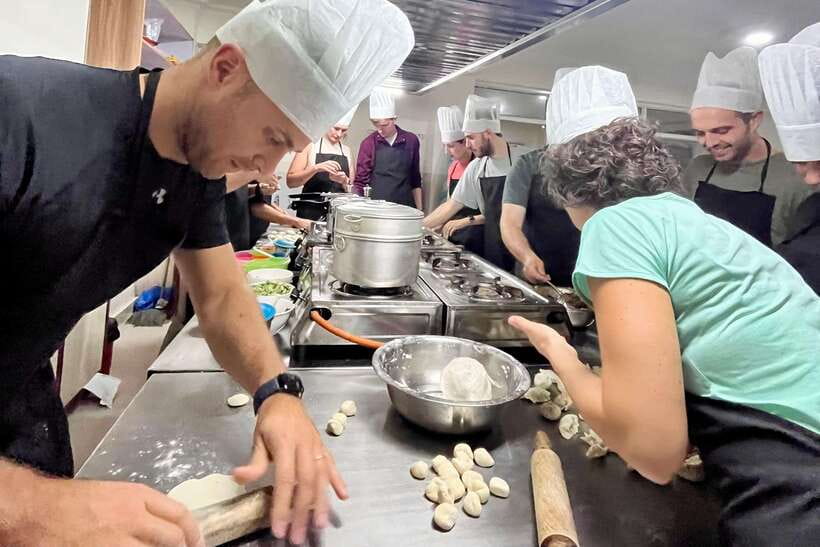
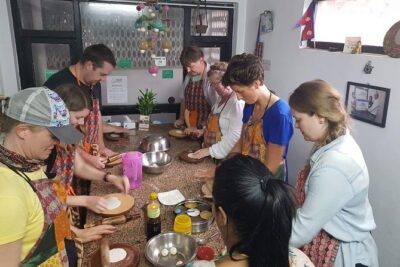
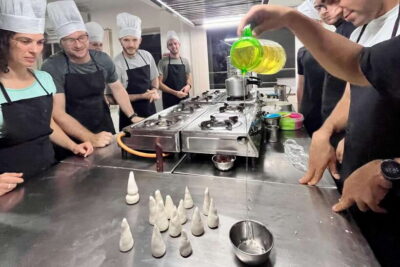
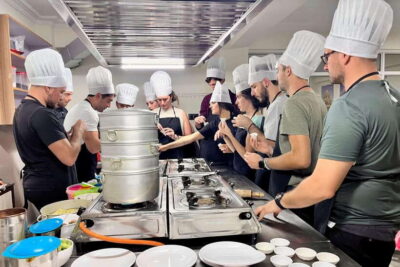
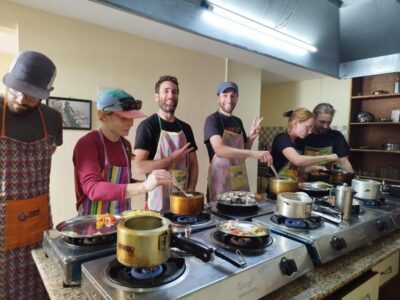
This is a practical class, not a lecture. You may chop vegetables, mix fillings, knead dough, shape dumplings, prepare sauces, and help cook several dishes. In a larger group, the work is shared so that everyone has a job. In a smaller group, you may get more direct guidance at each stage.
That balance matters. A cooking class can be disappointing when one person handles the important work while everyone else watches. Here, the format is designed around participation. You should expect flour on your hands, repeated attempts at momo folding, and plenty of time to ask questions.
The kitchen is described as clean and organized, with cooking equipment and accessories provided. Aprons are available, and comfortable clothing is sensible. You do not need to be an experienced cook. The instructors adjust their help for beginners, while people who already cook can ask about spice balance, dough texture, or methods they want to repeat at home.
Making momos from dough to dipping sauce
Momos are the central lesson, and this is where the class earns its place on a Kathmandu itinerary. You learn how to make the dough, prepare vegetable or meat filling, portion the mixture, fold the dumplings, and make the dipping sauce.
The choice may include chicken, vegetarian, or buffalo momos, depending on the selected menu and available ingredients. One participant specifically chose buffalo momo, while another prepared both vegetable and chicken fillings. If you have a preference, state it ahead of time rather than assuming every option includes every filling.
Folding looks easy when a skilled cook does it. Your first few may look less tidy. That is part of the fun, and the instructors do not rush the process. Several people left feeling confident enough to try making momos at home, which is a good sign that the lesson focuses on repeatable technique rather than a one-time show.
You also learn how the filling is seasoned and how the dipping sauce brings the dumpling together. The result is not just a plate of food. It is a useful home-cooking skill, especially if you enjoy making meals with friends or family after returning home.
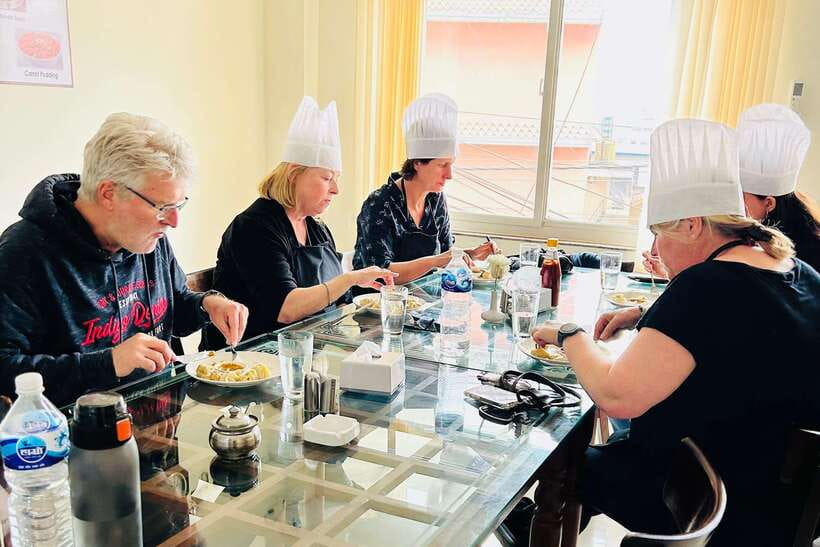
Come hungry. Portions are described as plentiful, and the class often produces enough food for a full meal. One practical touch is that leftovers may be packed to take away if you cannot finish everything.
Adding dal bhat and other Nepali dishes
Momos are the main attraction, but the class can cover much more. Dal bhat is one of the core choices. This familiar Nepali meal combines rice, lentil soup, vegetables, and curry, and it gives you a better sense of how a complete everyday meal fits together.
You may also choose additional dishes from the available menu. Options include:
- Chatamari: A Nepali flatbread often compared with pizza, topped with vegetables, meat, or other ingredients.
- Bara: A crisp-edged lentil patty with a soft center.
- Yomari: A sweet dumpling filled with jaggery and sesame seeds.
- Chicken curry with roti: A spice-filled main dish paired with flatbread.
- Thukpa: A hearty noodle soup with Tibetan roots that is now common in Nepali food culture.
- Mushroom choila: A spicy marinated mushroom dish.
- Carrot pudding: A sweet finish with a soft, fragrant texture.
- Masala tea: Black tea prepared with warming spices and served during the lesson.
The exact combination depends on the option you select. Some people make three dishes, such as momo, chatamari, and kheer. Others prepare dal bhat, momos, and carrot pudding. If you want a particular dish, confirm that it is available before the session begins.
I like the range because it shows that Nepali food is not limited to dumplings. You can taste crisp snacks, rice and lentils, flatbreads, soup, spicy vegetable dishes, and sweets in one sitting. The class also allows vegetarian choices, and dietary needs can be discussed in advance.
Be specific about allergies, medical conditions, gluten-free needs, vegan preferences, or other restrictions when booking. One participant with both vegan and gluten-free requirements was accommodated with millet flour, but advance notice remains important. Do not wait until the kitchen is already preparing the food.
Same region, a different dish to learn:
- Kathmandu: Local Women-Lead Nepali Cooking & Momo Class
★ 4.9 · 45 reviews - Kathmandu: Local Lead Nepali Cooking & Momo Making Class
★ 4.9 · 40 reviews - Kathmandu: Women-Led Cooking Class & Momo Making-Local Taste
★ 4.8 · 15 reviews - Kathmandu: 3-Hours of Cooking Class with Meals
★ 5.0 · 10 reviews
Eating what you cooked in a friendly small group
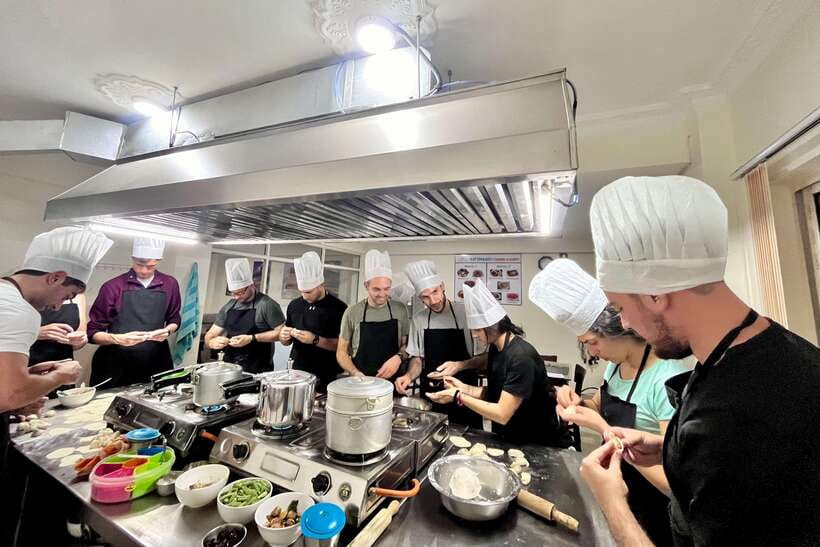
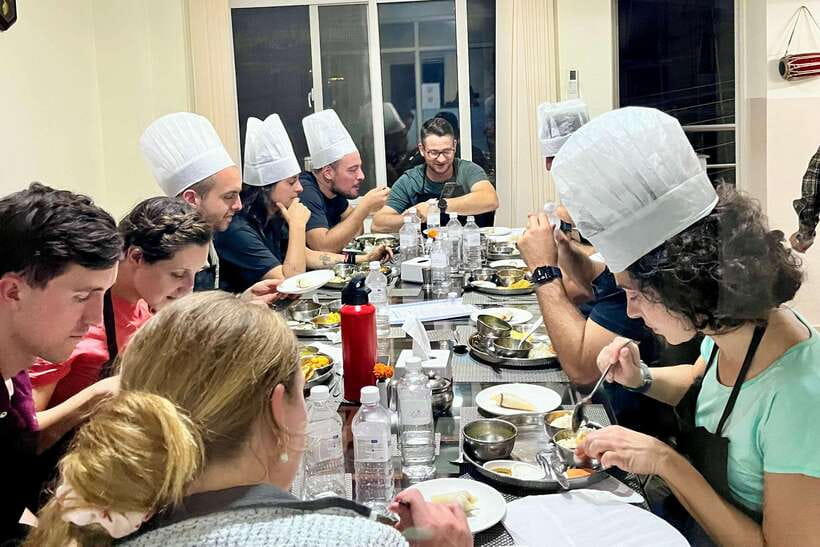
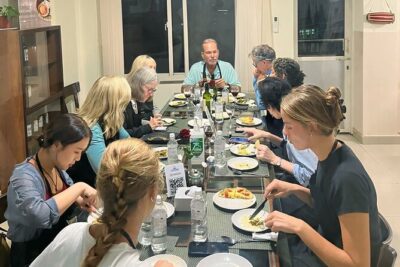
The final meal is the payoff. You sit down with the food you helped prepare, along with masala tea and, in some cases, small local tastings such as peanut sadeko. The meal is social, and there is time to talk with the instructors and other people in the group.
This works well for solo visitors. You are not simply being shown around by a guide and then sent on your way. The shared tasks create easy conversation, even if you arrive knowing no one. Couples, families, and friends can also enjoy the class because everyone can take part at a different level.
The teaching style is one of the strongest features. Nish is often described as warm, funny, and patient, while Nishma is praised for clear instructions and positive energy. Bikram and Vikram are also noted for being friendly, organized, and easy to communicate with. The names and staff mix may vary, but the class is designed around local instruction rather than a foreign chef presenting simplified Nepali food.
The class has a social side, but it is not a party. If you prefer a quiet, highly private lesson, a small group may still feel more public than a one-to-one session. On the other hand, the group setting makes the experience more relaxed and keeps the price low.
What the $4 price really means
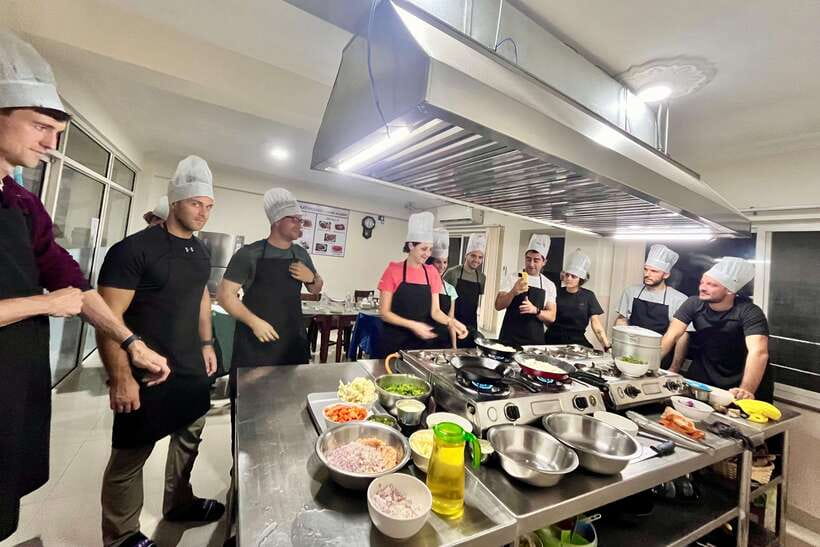
At the listed price of $4 per person, this is an exceptional value if the same rate is available for your date and selected option. You receive instruction, ingredients for the cooking session, kitchen equipment, a market or shop visit, masala tea, and the food you prepare. Hotel transportation is included only when you choose a pickup option.
The low price makes this especially appealing if you are watching your Kathmandu budget. A restaurant meal would feed you, but it would not teach you how to make momo dough, shape dumplings, or understand the ingredients in your plate.
Still, check the booking details carefully. Price can vary by option, menu, pickup, and availability. Specialty or alcoholic drinks are not included. A physical recipe book also costs extra, though a PDF recipe book can be shared through WhatsApp if you request it after the class.
The value is strongest for people who want skills and contact with local food culture, not just a quick meal. If you only want to eat momos, a restaurant is faster. If you want to know how they are made and try the technique yourself, this class gives you much more for the time.
Practical points before you book
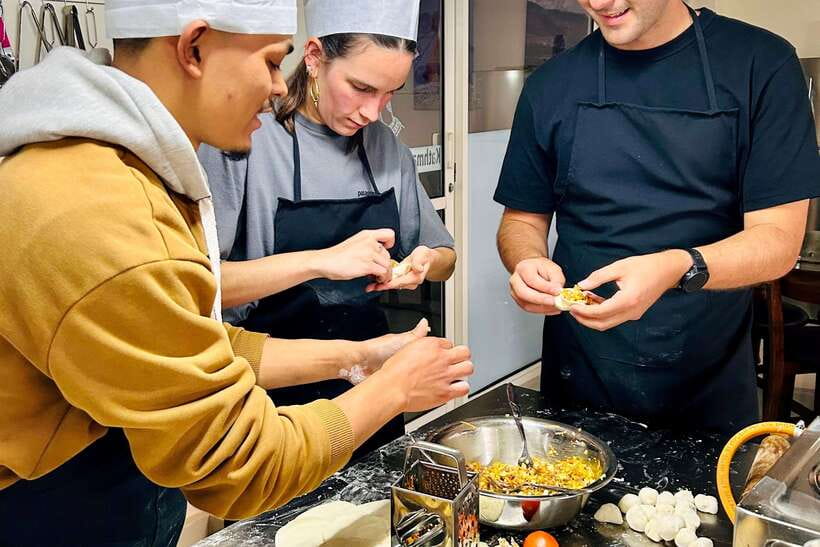
The class is best suited to adults, families with older children who can take part in kitchen tasks, solo visitors, and anyone interested in Nepali food. It is also a good rainy-day or rest-day activity between sightseeing plans because it lasts roughly three hours rather than taking up a full day.
You should arrive early and wear comfortable clothes. An apron and equipment are provided, but cooking is still a hands-on activity. Bring a camera if you want photographs of the market, ingredients, or finished dishes.
The experience is not suitable for wheelchair users or people with visual impairments. The academy may involve stairs, and access can be awkward depending on your route. Ask about the meeting point and physical setup before booking if mobility is a concern.
Cancellation is flexible up to 24 hours before the activity for a full refund. You can also reserve now and pay later, which helps if your Kathmandu plans may shift.
Who should choose this Kathmandu cooking class
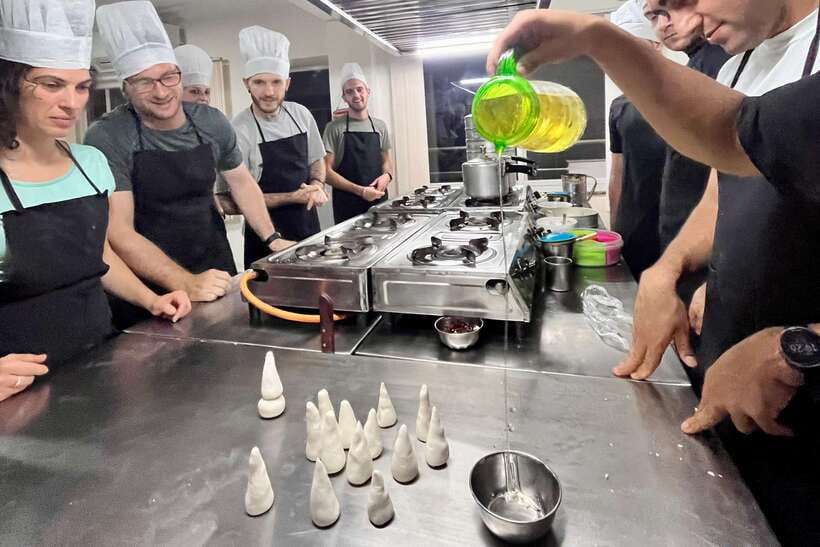
Choose it if you want to meet local instructors, learn a useful dish, and eat a substantial meal afterward. It suits people who like to participate rather than sit and watch, and the small-group setup gives you a fair chance to ask questions.
It is particularly good for momo fans, curious eaters, budget-conscious visitors, and anyone hoping to recreate Nepali food at home. The recipe PDF is useful after the class, though you need to request it by WhatsApp.
Think twice if your schedule is extremely tight, you dislike group activities, or you need guaranteed access without stairs. Also check the menu if you have a strict diet, since the available dishes and ingredients depend on the option you select.
Should you book it?
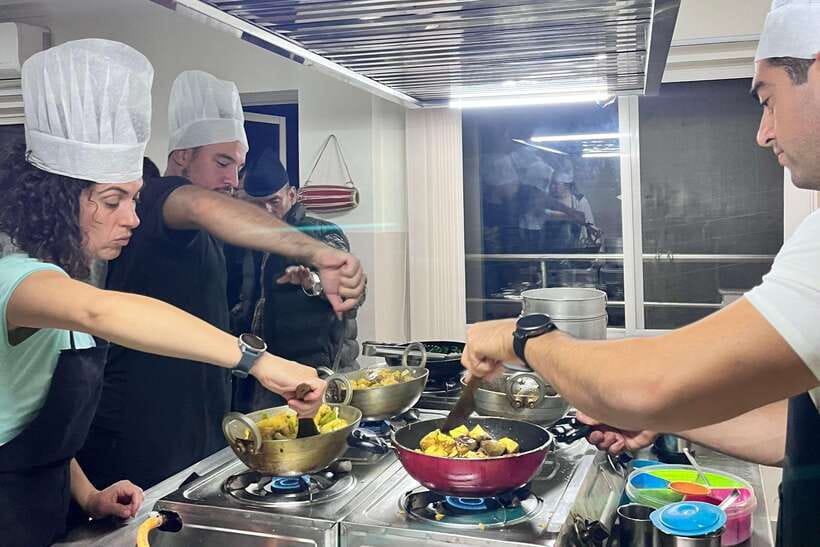
I would book this class if you have three spare hours in Kathmandu and want more than another restaurant meal. The market visit, patient instruction, generous tasting session, and chance to make several dishes give it real value, especially at the listed price.
Pick a menu that includes momo and at least one dish you do not already know. Arrive hungry, give the academy advance notice about dietary needs, and confirm pickup, location, and menu details. If you do that, this is an easy way to turn a few hours in Thamel into a meal, a practical cooking lesson, and a better understanding of Nepali food.
FAQ
How long does the Kathmandu cooking class last?
The usual experience lasts about three hours, including the market visit, cooking session, and meal tasting. Available options may show a duration of two to four hours.
Where does the class take place?
The cooking session takes place in Thamel at or near the Kathmandu Cooking Academy. The meeting point can vary by booking option.
Is hotel pickup available?
Yes. Pickup and drop-off are available if you select that option. Pickup service is offered from locations within Kathmandu, and you should provide your hotel details when booking.
What food will I learn to cook?
Momo and dal bhat are the main dishes. Depending on the menu, you may also prepare chatamari, bara, yomari, chicken curry, roti, thukpa, mushroom choila, carrot pudding, or another Nepali dish.
Can I choose vegetarian food?
Vegetarian and meat options are available. Tell the provider about your food preferences or restrictions in advance so the menu can be arranged appropriately.
Is the class taught in English?
Yes. The listed teaching language is English.
Are ingredients and cooking equipment included?
Yes. Ingredients for the class, cooking equipment, accessories, and step-by-step instruction are included.
Is masala tea included?
Yes. Nepali masala tea is served during the lesson.
Can I get the recipes after the class?
Yes. You can request a PDF recipe book through WhatsApp after the class. Physical recipe books are available for an additional cost.
Newest classes around Kathmandu
- Kathmandu: 3-Hours of Cooking Class with Meals★ 5.0 · 10 reviews
- Local Women Led Nepali Cooking Class★ 5.0 · 6 reviews
- Kathmandu: Women-Led Cooking Class & Momo Making-Local Taste★ 4.8 · 15 reviews
- Kathmandu: Nepali Cooking Class with Hotel Pickup★ 4.1 · 5 reviews
- Kathmandu: Local Women-Lead Nepali Cooking & Momo Class★ 4.9 · 45 reviews
- Cook with Lisha: Nepali and Newari Cooking Class★ 5.0 · 2 reviews
- Kathmandu: Local Lead Nepali Cooking & Momo Making Class★ 4.9 · 40 reviews
- Kathmandu: About 3-hour Cooking Class Experience near Thamel★ 5.0 · 3 reviews
Kathmandu Cooking Classes, compared.
Women-Led Cooking Class & Momo Making-Local Taste
Read our review →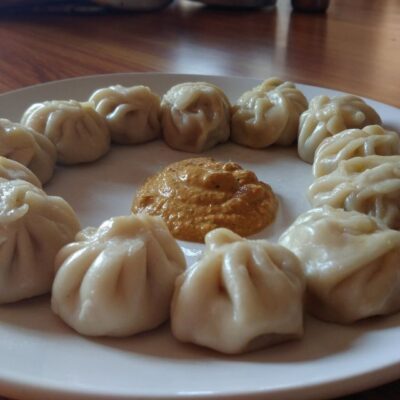
Half Day Cooking Class in Thamel with Local Market Visit
Read our review →Browse the lists this tour appears in