
Review · KATHMANDU COOKING CLASSES
Cook with Lisha: Nepali and Newari Cooking Class
Kathmandu’s best food lesson may happen in a family home, not a restaurant. With Lisha guiding you through dal bhaat, momos, yomari, and Newari dishes, you get practical cooking time plus a look at how food fits into daily Nepali life. The private setting and family welcome are the real draw.
I like the choice of dishes, especially the chance to compare everyday dal bhaat with a more elaborate Newari khaja set. I also like the flexible approach: you can discuss spice levels, dietary preferences, and your main interests before Saturday. Arith’s hosting and conversation add useful context about Nepal beyond the kitchen.
The main consideration is timing and location. This is a three-hour Saturday class after 12 pm at a private home near Bliss Apartment, and transport costs extra. People with food allergies should not book, and special ingredients or a preferred meat other than chicken may raise the price.
Key points at a glance
- Cook in Lisha’s family home: This is a small, personal class rather than a standard restaurant workshop.
- Choose your Nepali menu: Learn dal bhaat with rice or dhido, then add momos, yomari, or a Newari khaja set.
- Eat the food you prepare: The $20 fee includes ingredients, recipes, and a full meal.
- Set the spice level in advance: Tell Lisha your preferences before arrival, especially if you are not used to hot food.
- Add a local market visit: A market stop can be arranged for an extra charge and gives the ingredients more context.
- Plan around Saturday afternoon: The class runs every Saturday after noon, with transport available for an added fee.
A Kathmandu cooking class built around family life
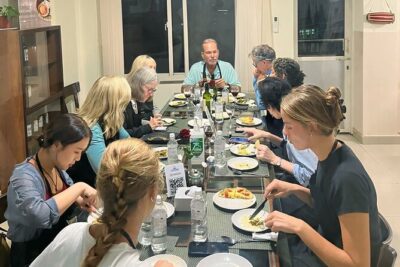
I like this experience because the setting changes the feel of the lesson. You are not simply shown a recipe, handed a plate, and sent on your way. You enter Lisha’s home in Kathmandu and cook with a host from a typical Newari family.
That matters in Nepal, where food is closely tied to family routines, festivals, religion, and regional identity. Lisha can introduce you to dishes that many visitors know only by name, while the family setting gives the meal a more personal frame. The class is offered to a private group, so you should have more room to ask questions and shape the session around your interests.
Arith is also part of the hosting team. One especially useful feature is the chance for conversation beyond cooking. Arith has been described as a welcoming host who can discuss Nepal’s political and social life, giving you a broader sense of the country while the food is prepared.
The experience has earned a perfect rating from two verified bookings, with praise focused on warmth, personal attention, tasty food, and the ease of the homestay setting. That is a small sample, so I would not treat it as a guarantee. Still, both accounts point to the same strength: this is as much a family encounter as a cooking lesson.
More Cooking Classes in Kathmandu:
- Half day cooking class in Thamel kathmandu
★ 5.0 · 607 reviews - Kathmandu: Local Women-Led Nepali Cooking & Momo Class
★ 4.9 · 360 reviews - Kathmandu: Local Lead Nepali Cooking & Momo-Making Class
★ 5.0 · 212 reviews
What happens after you arrive near Bliss Apartment
The meeting point is near Bliss Apartment, with the class held at Lisha’s home in Kathmandu. Exact transport is not included, but you can arrange a pickup or other transport for an additional fee if you notify the host in advance.
The lesson lasts three hours and begins on Saturday after noon. That makes it a useful afternoon activity, though you should not assume a morning start or a daily schedule. Check the available start time when booking and allow enough time to reach the home without rushing.
You should wear comfortable clothes and bring a camera if you want to record the food preparation. Smoking indoors, alcohol, drugs, loud behavior, littering, and intoxication are not allowed. These rules fit the setting: you are entering a private home, not a large commercial kitchen.
The family atmosphere is one of the chief benefits, but it also means you should arrive with a respectful, flexible attitude. Let the host know in advance about food preferences, spice tolerance, and any special requests. The more clearly you communicate before the class, the better the menu can fit you.
Dal bhaat, Nepal’s everyday plate
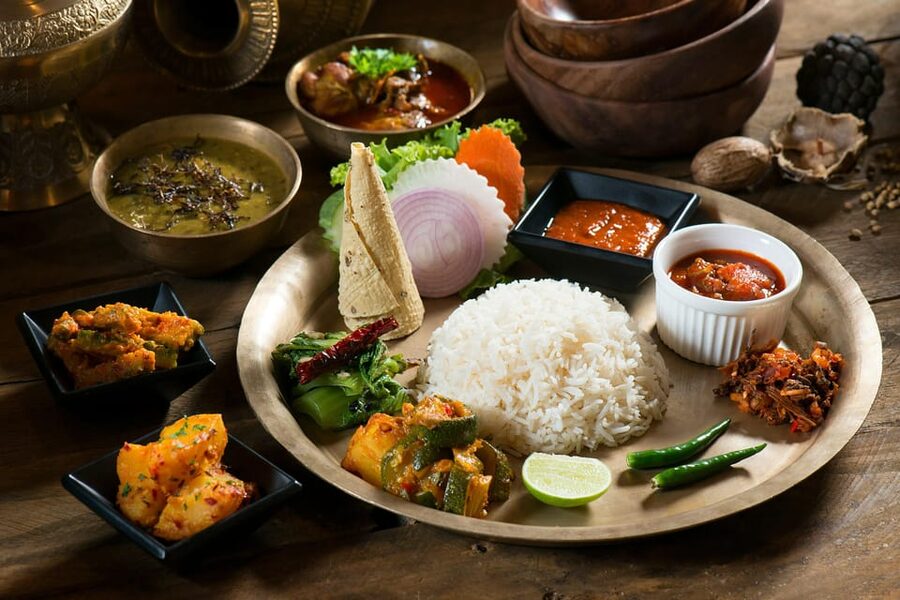
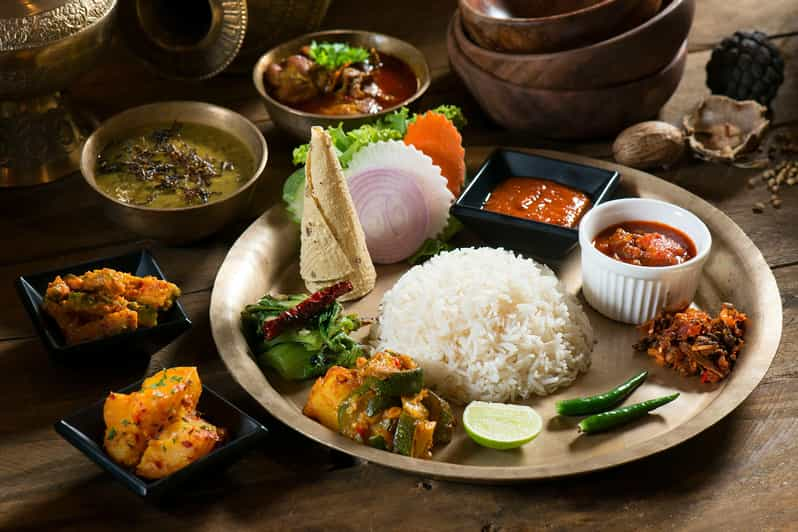
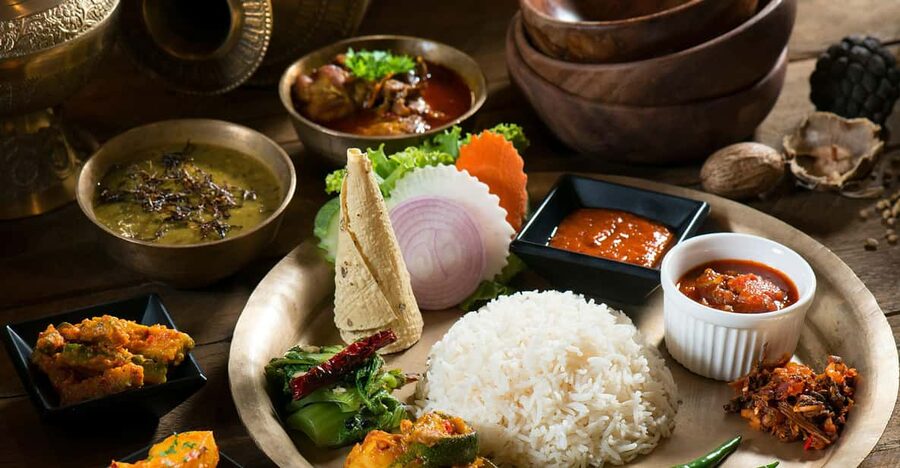
Dal bhaat is the central course, and it is the best starting point if you want to understand ordinary Nepali food. The meal pairs dal, or lentil soup, with bhaat, rice, along with vegetables, saag, achar, salad, ghee, and a vegetable or non-vegetable curry.
You may also choose dhido instead of rice. Dhido is a traditional porridge made from stone-ground cornmeal, millet flour, or buckwheat flour. It has a different texture and gives you a taste of a staple that is less familiar to many international visitors.
The value here is not only learning one recipe. You get to see how a Nepali meal is built from several parts that balance one another: lentils, grains, vegetables, pickle, greens, curry, and fat. Achar brings sharpness and heat, while ghee adds richness. The plate becomes a lesson in how Nepali home cooking works.
I would choose dal bhaat if this is your first visit to Nepal or your first cooking class with Lisha. It is the clearest route into the country’s food culture, and the recipe should be useful after you return home. The class includes recipes for the dishes prepared, so you are not left with only a pleasant memory and a vague idea of what went into the meal.
Folding momos by hand
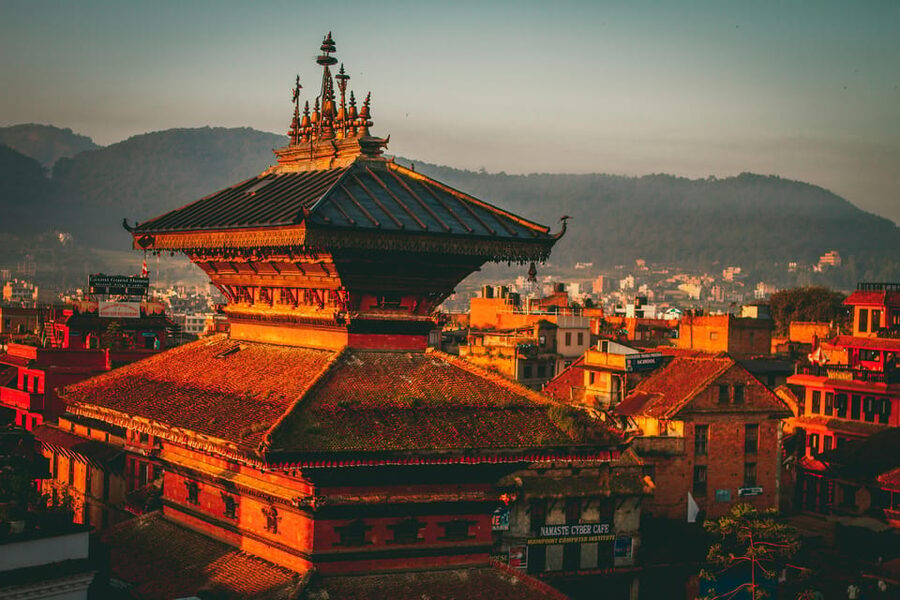
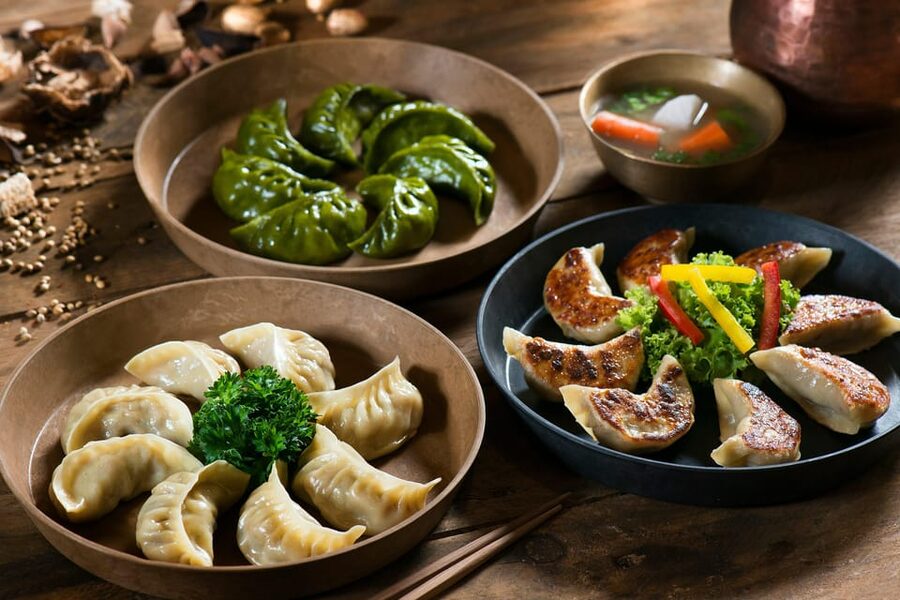
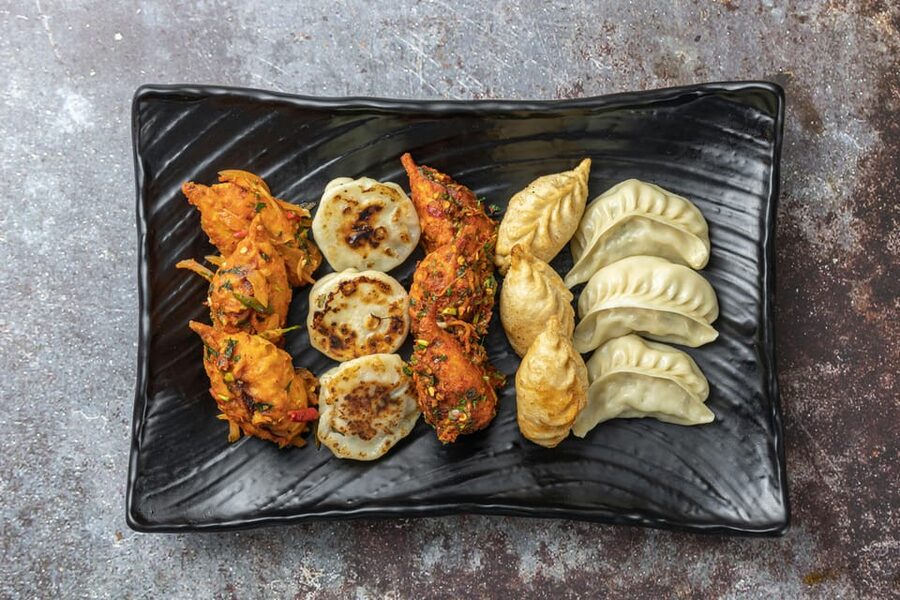
Momos are an optional part of the class, but they may be the most enjoyable choice for hands-on work. You learn to make the dough, prepare the filling, and use different folding methods. The class covers steamed and fried versions, with meat or vegetable fillings.
The distinction between steamed and fried momos is useful because it shows how one basic dumpling can change in texture and flavor. You can also see how dough thickness and folding affect the final result. If you have never shaped momos before, do not expect perfect pleats on your first try. The point is to learn the method and enjoy the process.
You can request vegetable or meat fillings, but the supplied information specifically notes that chicken is the standard included meat option. Choosing another meat costs an additional $3 to $5. Tell the host ahead of time if you want something beyond basic vegetables or chicken, since premium or unusual ingredients may cost extra.
Momos suit visitors who want a class with a clear, repeatable technique. They are also a good choice if your group has mixed interests, since one person can focus on folding while others work on the dal bhaat or another course.
Same region, a different dish to learn:
- Local Women Lead Nepali Cooking Class
★ 5.0 · 125 reviews - Kathmandu: Local Women-Lead Nepali Cooking & Momo Class
★ 4.9 · 45 reviews - Kathmandu: Local Lead Nepali Cooking & Momo Making Class
★ 4.9 · 40 reviews - Kathmandu: Women-Led Cooking Class & Momo Making-Local Taste
★ 4.8 · 15 reviews
Yomari and the Newari calendar
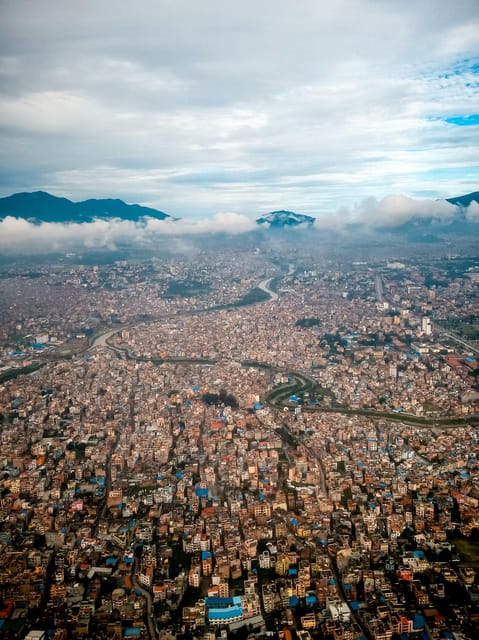
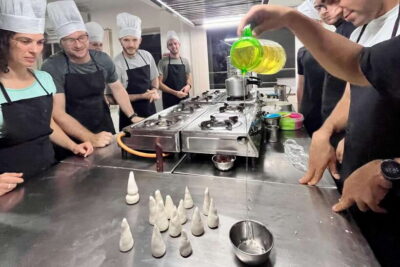
Yomari is another optional course, and it offers more cultural context than a simple snack lesson. You learn how to shape this traditional Newari delicacy and hear about its connection to Yomari Punhi, a Newari festival associated with the dish.
The class includes the cultural meaning, symbolism, and rituals connected with Yomari Punhi. That makes this choice worthwhile if you are curious about Newari traditions, not just cooking technique. It also gives you a dish with a clear place in local culture rather than a generic dessert.
Because the available information does not specify the filling or exact preparation sequence, ask Lisha what will be included when you arrange the class. The key benefit is the link between food and festival practice. You are not simply learning to make a shaped sweet, you are learning why that shape and dish matter.
The Newari khaja set is the big tasting course
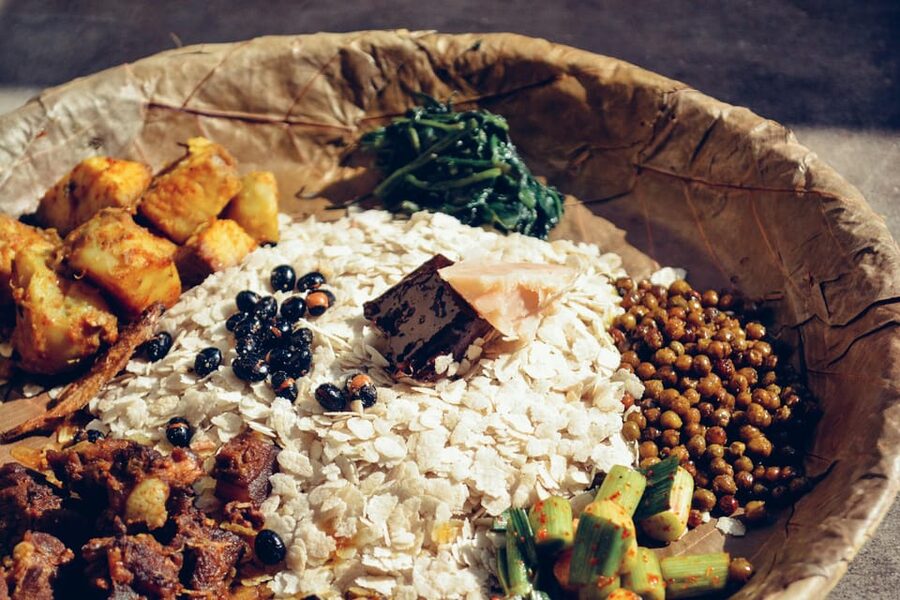
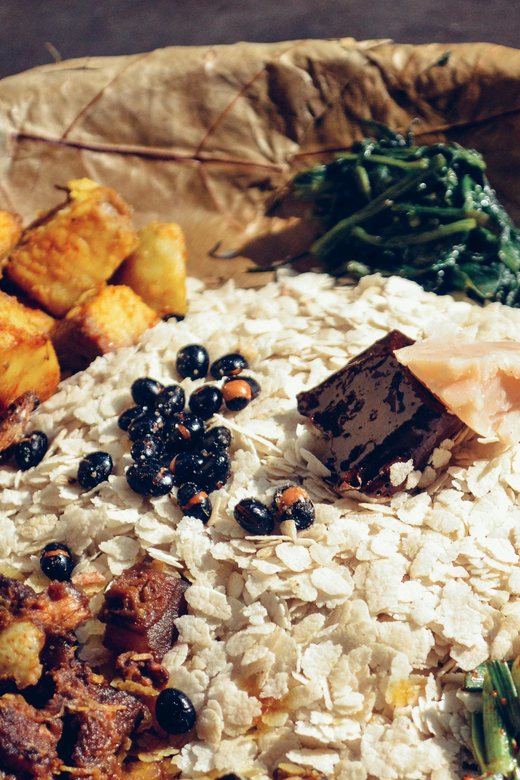
The Newari khaja set is the most elaborate menu offered. It includes beaten rice, fried soya beans, choila, alu sadheko, achar, alu tama with soya beans, bara, and a vegetable or non-vegetable curry.
This is a strong choice if you want a broad taste of Newari cooking in one sitting. Instead of focusing on one main dish, you work through several preparations with different textures, spice levels, and ingredients. Beaten rice and fried soya beans provide a firm, dry contrast to curries and pickles. Bara adds another preparation to the plate, while choila brings a more assertive savory element.
The khaja set may take more attention and coordination than a simple dal bhaat lesson because there are several components. That is part of its appeal, but it may feel like too much if you want a relaxed introduction or have only three hours. Ask the host in advance how the menu will be arranged and how many items you will actively prepare.
I would choose this course if you already know you enjoy spicy food and want the strongest Newari focus. If you are cautious with heat, say so before booking. The spice level can be adjusted to your taste when arranged with the host, which is a major help for anyone who struggles with hot food.
Why the $20 price is good value
At $20 per person, the class is priced well for a three-hour private food experience in Kathmandu. The fee includes the hands-on lesson, ingredients for the selected dishes, recipes, the meal you prepare, taxes, and service charges.
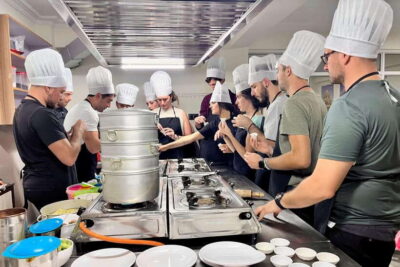
That is better value than paying for a cooking demonstration where you only watch. You take part in the preparation, eat a full meal, and leave with written recipes. The private group format also gives the session a more personal feel than a large class.
There are several possible additions to budget for. Transport to and from the home is extra, as is a market visit. Premium ingredients and special requests may cost more, and meat other than chicken adds $3 to $5. Ask about those charges before confirming your menu so the low base price does not surprise you later.
The included meal is important. Kathmandu has no shortage of inexpensive places to eat, so the value is not simply food for $20. You are paying for instruction, access to a local home, family conversation, and a meal you helped create. If you mainly want a cheap lunch, a restaurant will be simpler. If you want a personal food lesson, this price makes sense.
The people who will enjoy this most
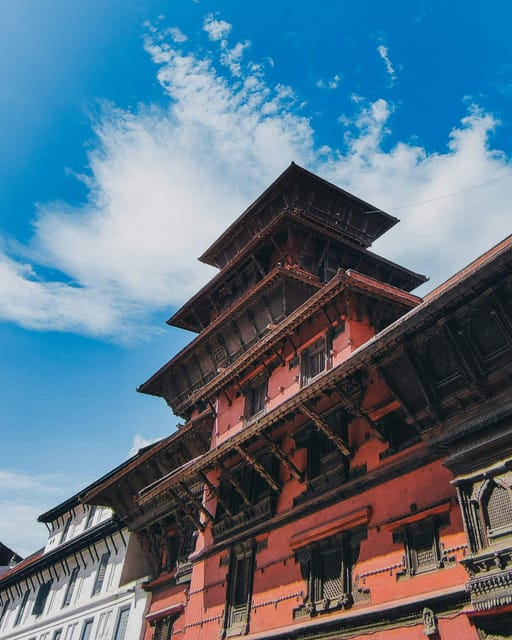
I would recommend the class to first-time visitors who want more than restaurant sampling. It is also a good match for home cooks, curious beginners, couples, private groups, and anyone interested in Newari culture.
You do not need to be an experienced cook. The class is designed for both novices and more seasoned cooks, and the private format should make it easier to ask basic questions without feeling rushed. If you already cook often, focus on momos, yomari, or the khaja set for techniques and ingredients that may be less familiar.
This is less suitable for people with food allergies, since the activity is specifically listed as unsuitable for them. It may also disappoint someone who expects a fixed, tightly timed professional kitchen class. The menu is flexible, the venue is a home, and the experience depends on communication with the host.
Practical choices before booking Saturday afternoon
Contact the host before booking with four details: your preferred dishes, spice tolerance, dietary restrictions, and transport needs. Also state if you want a market visit or a meat choice other than chicken.
The language options are Nepali, Hindi, and English. That gives you a useful range for discussing recipes and ingredients, especially if someone in your group is more comfortable in Hindi or Nepali.
Free cancellation is available up to 24 hours before the class for a full refund, and you can reserve now and pay later. Even with that flexibility, I would sort out the menu early because special ingredients and transport require advance planning.
The class takes place every Saturday after noon. If your Kathmandu schedule is tight, confirm the exact start time and avoid placing it too close to another major activity. Three hours is enough for a proper meal and lesson, but not enough to absorb a long delay at the start.
Should you book Cook with Lisha?
Book this class if you want a personal Kathmandu food experience built around family hospitality, not just a checklist of recipes. The strongest reasons are the home setting, the choice between dal bhaat and a Newari khaja set, the practical momo work, and the chance to talk with Lisha and Arith about Nepali life.
Choose dal bhaat for the most familiar introduction, momos for hands-on shaping, yomari for Newari festival context, or the khaja set for the widest range of flavors. At $20, the class offers good value once you count the meal, ingredients, recipes, and private instruction.
I would skip it if you have food allergies, need a morning activity, or dislike planning around a Saturday afternoon home visit. For everyone else, especially visitors who want a warm connection to Kathmandu food culture, this is a thoughtful and fairly priced choice.
FAQ
Where does the cooking class take place?
The class takes place at Lisha’s home in Kathmandu, with the meeting point near Bliss Apartment.
How long does the class last?
The cooking class lasts three hours.
On which day is the class available?
Classes are held every Saturday after 12 pm. Check availability for the exact starting time.
How much does the class cost?
The listed price is $20 per person.
What dishes can I learn to prepare?
You can learn dal bhaat with rice or dhido, and you can arrange optional momo making, yomari making, or a Newari khaja set.
Is the food included in the price?
Yes. The class includes the ingredients for the selected courses and a full meal made during the session.
Can the spice level be adjusted?
Yes. Tell the host about your preferred spice level before the class so the food can be prepared accordingly.
Is transportation included?
No. Transportation to and from the class is not included, but it can be arranged for an additional fee if requested in advance.
Can I cancel the booking?
Yes. You can cancel up to 24 hours in advance for a full refund, and you can reserve now and pay later.
Newest classes around Kathmandu
- Kathmandu: 3-Hours of Cooking Class with Meals★ 5.0 · 10 reviews
- Local Women Led Nepali Cooking Class★ 5.0 · 6 reviews
- Kathmandu: Women-Led Cooking Class & Momo Making-Local Taste★ 4.8 · 15 reviews
- Kathmandu: Nepali Cooking Class with Hotel Pickup★ 4.1 · 5 reviews
- Kathmandu: Local Women-Lead Nepali Cooking & Momo Class★ 4.9 · 45 reviews
- Kathmandu: Local Lead Nepali Cooking & Momo Making Class★ 4.9 · 40 reviews
- Kathmandu: About 3-hour Cooking Class Experience near Thamel★ 5.0 · 3 reviews
- Kathmandu: Cooking Class in Nepal★ 5.0 · 2 reviews
Kathmandu Cooking Classes, compared.
Women-Led Cooking Class & Momo Making-Local Taste
Read our review →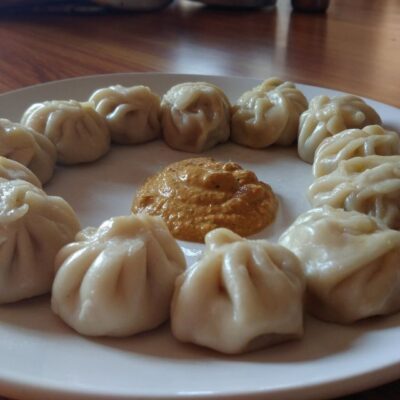
Browse the lists this tour appears in