
Review · KATHMANDU COOKING CLASSES
Local Women Lead Nepali Cooking Class
The best part of this Kathmandu experience is the combination of hands-on cooking and local hospitality. You begin with masala chai, choose one of three menus, and then prepare the dishes yourself with guidance from women who enjoy teaching Nepali food and culture. Sessions may be led by Sabita and Sushila, two instructors praised for their warmth, humor, and patience.
I like the direct connection to local farmers and indigenous ingredients, and I like that you receive a recipe book instead of leaving with only a full stomach. The main consideration is time: four hours is a sizable part of your Kathmandu schedule, and the class requires a minimum number of participants and good weather.
Key points
- Masala chai welcome: Begin with a traditional Nepali gesture of hospitality before cooking starts.
- Three menus: Choose the menu that best suits your appetite and dietary needs.
- Local ingredients: The school works with local farmers and focuses on indigenous Nepali flavors.
- Real participation: You chop, mix, shape, and cook with guidance instead of watching a demonstration.
- Lunch included: Sit down to eat the meal you prepared during the class.
- Recipe book included: Take home a useful reminder of the dishes and methods you learned.
Why this cooking class works in Kathmandu
Kathmandu gives you plenty of chances to eat Nepali food, but eating a plate of dal bhat or momos only tells you part of the story. This class lets you see how ingredients, spices, and cooking habits come together. You are not simply served a meal. You take part in making it.
The school is in the heart of Thamel, a convenient base for many visitors. That central location matters in Kathmandu, where traffic can make a short journey feel much longer. You can reach the class by public transportation, and pickup is offered, though the booking information also lists Tribhuvan Airport as the starting meeting point. Confirm the exact pickup arrangement before you go.
The experience lasts about four hours. That gives you enough time for an unhurried welcome, menu selection, spice introduction, cooking, and lunch. It is best treated as a half-day activity rather than a quick food stop.
More Cooking Classes in Kathmandu:
- Half day cooking class in Thamel kathmandu
★ 5.0 · 607 reviews - Kathmandu: Local Women-Led Nepali Cooking & Momo Class
★ 4.9 · 360 reviews - Kathmandu: Local Lead Nepali Cooking & Momo-Making Class
★ 5.0 · 212 reviews
Starting with chai and a choice of menus
Your arrival begins with masala chai. In Nepal, offering tea is a familiar sign of welcome, so this opening sets the tone better than a quick roll call and apron handout would. You have a moment to settle in, meet the instructors, and get ready to work with unfamiliar ingredients.
Next, you choose from three menus. The exact dishes available depend on the menu options offered that day, so you should review the choices when booking or contact the school if you have a particular dish in mind. The important point is that you are not locked into a single meal without discussion.
This is also when the instructors ask about dietary restrictions and allergies. Tell them clearly what you cannot eat before cooking begins. The school presents the session as suitable for discussing dietary needs, but you should still explain the seriousness of any allergy in advance.
The menu choice gives the class a little flexibility for couples, families, and solo participants. It also keeps the food central. You are choosing what you will later prepare and eat, rather than watching someone else cook a fixed set of dishes.
Learning the spices behind Nepali food
Before the practical work begins, you receive an introduction to regional spices used in Nepali cooking. This part is easy to underestimate. A spice lesson helps you understand why Nepali food tastes different from the Indian, Tibetan, or Southeast Asian dishes you may already know.
The value is not only in memorizing names. You begin to notice how aroma, heat, earthiness, and freshness are balanced. If you cook at home, this explanation can help you make sensible substitutions later rather than throwing spices into a pan without a plan.
The school’s focus on indigenous ingredients adds another useful layer. Ingredients are sourced directly from local farmers, with an emphasis on preserving Nepali culinary traditions. That connection makes the class feel tied to Nepal rather than designed as a generic South Asian cooking lesson.
You may not leave knowing every regional variation of Nepali cuisine. You will, however, have a better sense of how the ingredients in your meal fit into the country’s food culture.
Cooking instead of watching
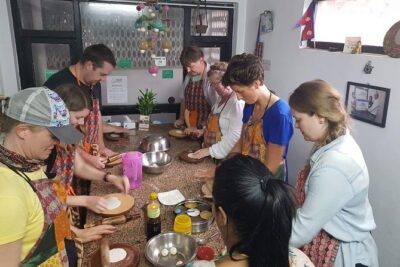
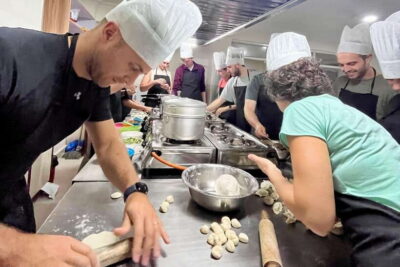
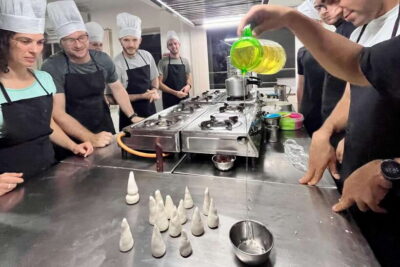
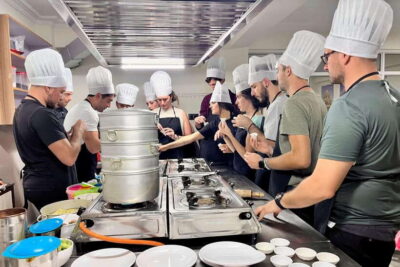
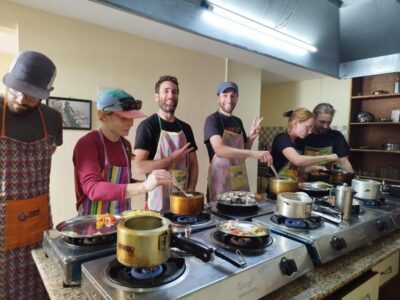
The class is built around participation. You cook the dishes yourself while the instructors guide you through the process. That makes this a good choice if you want practical skills and not just a demonstration.
You should expect to handle the ingredients and follow instructions step by step. The women leading the class are described as upbeat, attentive, and happy to teach. Their easy manner seems to be a large part of the experience, especially for solo participants who might otherwise feel awkward joining a group cooking session.
The social side can be lively. Singing, dancing, laughter, and conversation have all been part of the atmosphere described by participants. That will appeal to you if you like a cooking class with personality. If you prefer a quiet, formal lesson, the cheerful energy may feel less controlled.
English is offered as the class language. The session also gives you a chance to learn a few Nepali words if you want to take part in that exchange. The interaction works both ways, with the instructors helping you understand Nepali food while you may share your own language or cooking habits.
The group can have up to 16 people. That is large enough for a social setting but still manageable for a hands-on lesson, provided the class is well organized. If you want individual attention at every stage, a group of this size may feel less personal than a private class.
Same region, a different dish to learn:
- Kathmandu: Local Women-Lead Nepali Cooking & Momo Class
★ 4.9 · 45 reviews - Kathmandu: Local Lead Nepali Cooking & Momo Making Class
★ 4.9 · 40 reviews - Kathmandu: Women-Led Cooking Class & Momo Making-Local Taste
★ 4.8 · 15 reviews - Kathmandu: 3-Hours of Cooking Class with Meals
★ 5.0 · 10 reviews
Eating the meal you prepared
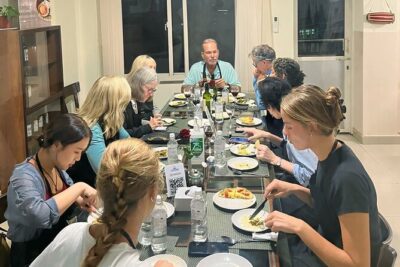
Lunch is included, and it comes after the cooking. This is more satisfying than stopping for a snack because you get to see the result of your own work. You can judge the balance of spices, texture, and seasoning while the instructions are still fresh in your mind.
The food is described as fresh, filling, and delicious, but the bigger value is the connection between preparation and meal. You understand what went into the dish because you helped make it. That can change how you order Nepali food later in your trip.
You should not expect a tasting menu or a restaurant-style service. This is a cooking school, and the meal is the payoff for the work you have done. The emphasis is on learning and sharing food, not on a polished dining room presentation.
One practical benefit is that you are not left with cleanup duties. The instructors handle the washing and tidying after the meal, allowing you to relax and enjoy the final part of the class. That is a small detail, but it makes a half-day cooking session feel more comfortable.
Meeting Sabita, Sushila, and the women who lead the class
Sabita and Sushila are two names associated with especially warm, personal sessions. Their teaching style is described as friendly, attentive, and full of joy. You may meet them, though the specific instructors working on your date are not guaranteed in the supplied details.
The women-led format is not just a label. It shapes the tone of the class. The teaching appears informal and welcoming, with room for conversation, shared stories, and humor. That can make it easier for a solo participant to join in, and couples have also found it a pleasant way to spend an afternoon together.
The cultural exchange is another strength. You learn about Nepali food and may practice Nepali words, while the class creates space for conversation between people from different places. It feels more personal than a standard demonstration in which the instructor speaks and the audience takes notes.
At the same time, you should understand that the class is social. It is not designed as a silent technical workshop. The singing and dancing reported during some sessions may not happen every time, but they give you a sense of the relaxed spirit.
What the $30 price includes
At $30 per person, the price is reasonable for a four-hour experience that includes instruction, ingredients, lunch, and a recipe book. Kathmandu has cheaper meals, of course, but this is not simply the cost of lunch. You are paying for the teaching, food preparation, cultural context, and time spent with the instructors.
The recipe book improves the value. Without it, the class might remain a pleasant memory that is difficult to recreate. With it, you have a written aid for making the dishes at home and remembering the techniques after your Nepal trip.
The price also makes this a practical choice for a first introduction to Nepali food. You can learn several dishes and basic spice ideas without committing to a costly private lesson. Since the group can reach 16 people, the experience is likely to feel more social than exclusive.
I would book it if you want an activity that combines food and conversation. I would think twice if your main goal is a long, technical lesson focused on advanced knife skills or restaurant-level cooking.
Timing, transport, and the Thamel location
The class is located in Thamel, Kathmandu’s main visitor district. Its central position is useful if you are staying nearby or already planning to spend time in the area. It also makes the class easier to combine with other sightseeing, though you should allow extra time for Kathmandu traffic.
Pickup is offered, and the activity information lists Tribhuvan Airport as the start point. Because the school is described as being in Thamel, clarify the exact pickup and meeting instructions before the day of the class. Detailed directions are especially useful in Kathmandu, where nearby streets and landmarks can be confusing.
The class ends back at the meeting point. That is convenient because you do not need to arrange a separate return transfer after lunch. The experience is also near public transportation.
Mobile tickets are accepted, and confirmation is provided at booking. You should keep the confirmation available on your phone, particularly if you are arranging pickup or need to confirm the meeting location.
Who will enjoy this experience most
I would recommend this class to you if you enjoy learning through doing. It suits curious eaters, couples, solo visitors, and anyone who wants a break from sightseeing. The welcoming style also makes it a good choice if you are traveling alone and want a friendly group activity.
It is particularly useful for people who plan to cook Nepali food at home. The recipe book, spice introduction, and practical work give you something to take beyond Kathmandu. You may not reproduce every ingredient perfectly, but you will have a better starting point.
Families and mixed-age groups may also like the relaxed format, although the available information does not specify a minimum age. Ask the provider if you are booking with young children or anyone who needs special assistance.
You may prefer another activity if you dislike group participation, are looking for a private lesson, or have a very strict allergy that requires complete control over ingredients. Dietary restrictions can be discussed, but you should confirm the arrangements before booking.
Booking and cancellation details
This experience is often booked about 17 days ahead, so I would not leave it until the final day of your Kathmandu stay. The class is popular enough that an earlier reservation makes sense, especially if your schedule is tight.
You can cancel for a full refund up to 24 hours before the start time. Changes or cancellations made less than 24 hours before the start time are not refunded. The cutoff follows local time.
The class requires good weather and a minimum number of participants. If poor weather or insufficient enrollment causes cancellation, you are offered another date or experience, or a full refund. Keep that in mind when placing the class on an important departure day.
Should you book the Nepali cooking class?
Book this experience if you want to meet local women, cook an authentic Nepali meal, and learn enough to try the dishes again at home. The $30 price is fair for four hours of instruction, lunch, ingredients, and a recipe book.
The main tradeoff is the group format and lively social mood. You should also confirm the pickup point, menu choices, and dietary arrangements before booking. For a practical, friendly introduction to Nepali cuisine in central Kathmandu, this is a strong choice.
FAQ
Where does the cooking class take place?
The school is located in the heart of Thamel in Kathmandu, Nepal.
How long does the experience last?
The cooking class lasts approximately four hours.
What is included in the price?
The experience includes the cooking class, lunch, ingredients used during the session, and a Namaste Cooking School recipe book.
Is pickup available?
Pickup is offered. The activity information lists Tribhuvan Airport as the start meeting point, so confirm the exact pickup details before the class.
Where does the class finish?
The activity ends back at the meeting point.
How many people can join the class?
The maximum group size is 16 people.
What language is the class offered in?
English is offered as the class language.
Can I choose what to cook?
You choose from three menus during the session. Dietary restrictions and allergies are also discussed at that stage.
Do I receive recipes after the class?
Yes. You receive a Namaste Cooking School Recipe Book at the end of the half-day course.
What is the cancellation policy?
You can cancel at least 24 hours before the start time for a full refund. Cancellations or changes made less than 24 hours before the start time are not refunded. If the class is canceled because of poor weather or insufficient enrollment, you are offered another date or experience, or a full refund.
Newest classes around Kathmandu
- Kathmandu: 3-Hours of Cooking Class with Meals★ 5.0 · 10 reviews
- Local Women Led Nepali Cooking Class★ 5.0 · 6 reviews
- Kathmandu: Women-Led Cooking Class & Momo Making-Local Taste★ 4.8 · 15 reviews
- Kathmandu: Nepali Cooking Class with Hotel Pickup★ 4.1 · 5 reviews
- Kathmandu: Local Women-Lead Nepali Cooking & Momo Class★ 4.9 · 45 reviews
- Cook with Lisha: Nepali and Newari Cooking Class★ 5.0 · 2 reviews
- Kathmandu: Local Lead Nepali Cooking & Momo Making Class★ 4.9 · 40 reviews
- Kathmandu: About 3-hour Cooking Class Experience near Thamel★ 5.0 · 3 reviews
Kathmandu Cooking Classes, compared.
Women-Led Cooking Class & Momo Making-Local Taste
Read our review →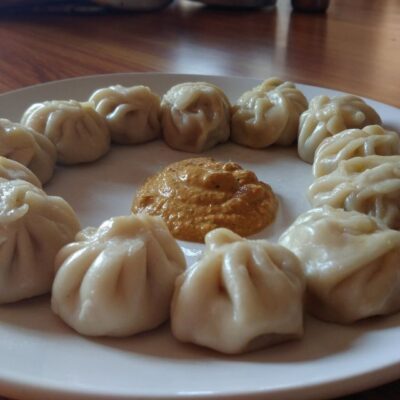
Half Day Cooking Class in Thamel with Local Market Visit
Read our review →Browse the lists this tour appears in