
Review · KATHMANDU COOKING CLASSES
Local Women Led Nepali Cooking Class
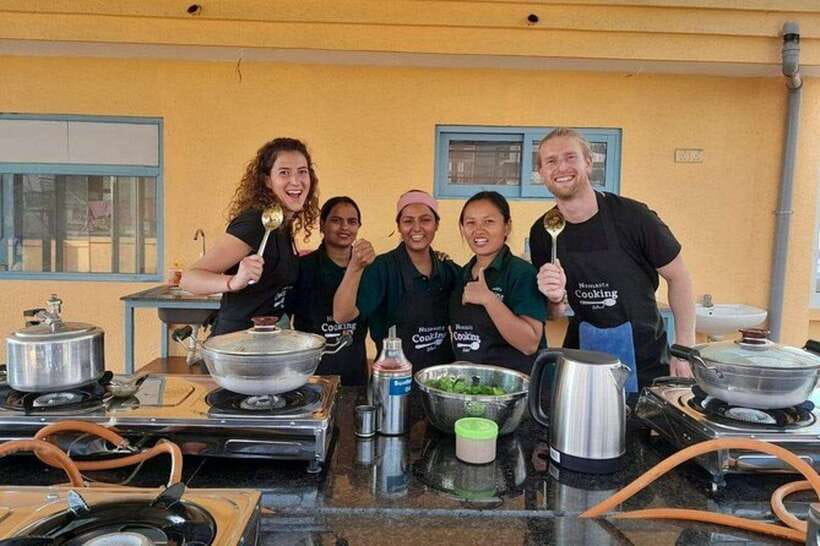
Namaste Cooking School puts the most meaningful part of Nepal on your plate: food tied to local farms and personal stories. In a three-hour class in central Thamel, you cook a Nepali meal from entree to main course to dessert, then sit down to eat what you made.
I like the small limit of eight people, which gives the class a friendly, social feel, and I like that your $30 supports a women-led school built around empowerment. The main drawback is that the exact menu is not listed in advance, so you will need to ask what dishes are planned if you have strong food preferences or dietary needs.
The class has earned a 5.0 rating from six verified bookings. The clearest pattern is simple: the women leading the session bring warmth, humor, and plenty of energy. One recent group described three hours of laughter and a generous meal, which sounds about right for a cooking class where the social side matters almost as much as the food.
Key points to know before booking
- Three hours in the heart of Thamel: You can fit this class neatly into a day of sightseeing, shopping, or evening plans.
- A women-led social mission: The cooking school is powered by women who survived trafficking and now work as skilled leaders and hosts.
- Farm-to-table ingredients: Local farmers supply the ingredients, giving the class a direct link to Nepali food production.
- You cook and eat a full meal: The menu covers entree, main course, and dessert, with lunch or dinner included.
- Small English-language group: Eight people is the maximum, so this is more personal than a large demonstration.
- Good booking flexibility: You can cancel up to 24 hours before the experience for a full refund, and reserve now while paying later.
Why this Thamel cooking class matters
A cooking class can be a pleasant way to fill an afternoon. This one gives you a clearer connection to Nepal than a restaurant meal alone.
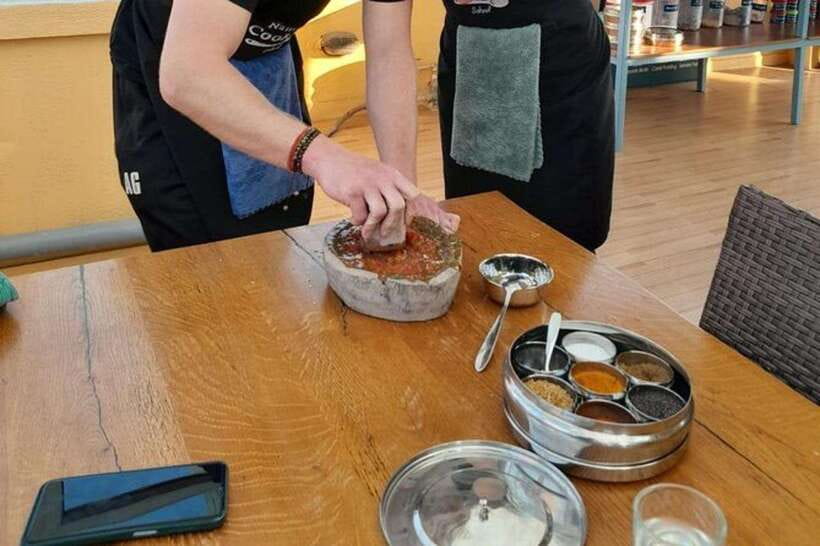
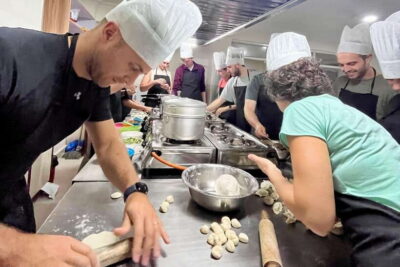
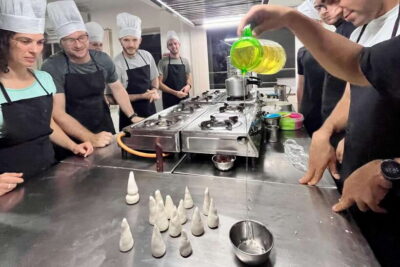
At Namaste Cooking School, the ingredients come from local farmers, and the class is built around the idea of preserving authentic Nepali cooking. You are not simply watching a chef prepare food behind a counter. You take part in the process, learn how the dishes come together, and then eat the result at the same table.
That connection matters in Nepal, where food often carries family tradition, regional identity, and everyday practicality. The school links those culinary traditions with a social purpose. Its women leaders are survivors of trafficking, and the work gives them a place to build confidence, income, and a future on their own terms.
I appreciate that the mission is part of the activity rather than a separate donation pitch. You support the school by showing up, cooking, and taking part. The experience asks you to pay attention to the people behind the meal, not just the flavors in front of you.
More Cooking Classes in Kathmandu:
- Half day cooking class in Thamel kathmandu
★ 5.0 · 607 reviews - Kathmandu: Local Women-Led Nepali Cooking & Momo Class
★ 4.9 · 360 reviews - Kathmandu: Local Lead Nepali Cooking & Momo-Making Class
★ 5.0 · 212 reviews
Arriving in Thamel and getting settled
The school is located in Thamel, Kathmandu’s main visitor district. That central location makes the class easy to add to a day in town. You can schedule it between other plans without arranging a long ride across the city.
A pickup service is advertised, but hotel pickup and drop-off are not included in the basic activity. Confirm the arrangement before booking if you want transport. The supplied details are clear about the location, but not about whether pickup is available for an additional fee or only by special arrangement.
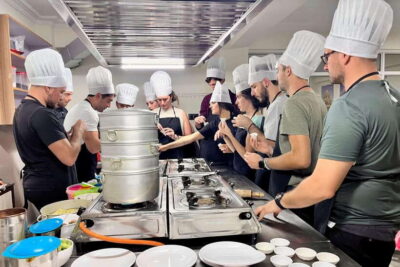
Once you arrive, expect the class to begin with an introduction to the cooking session and the food you will prepare. The instruction is in English. The group is capped at eight, a useful size for a hands-on class because you are less likely to spend the whole time waiting for your turn.
The school’s tone appears to be informal and social. Recent feedback describes the women leading the class as friendly, warm, and full of energy. That is important here. Cooking is more fun when the instruction feels like a shared activity rather than a strict lesson.
From entree to dessert in three hours
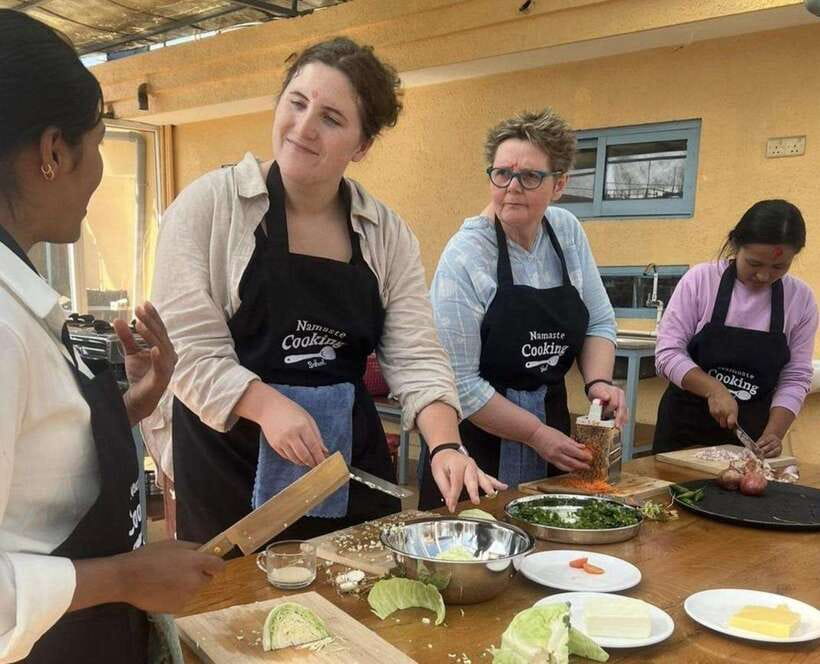
The three-hour schedule is long enough to make a proper meal but short enough to fit into a busy Kathmandu itinerary. The class includes a menu that moves from entree to main course and dessert.
The exact dishes are not specified, so I would not book this expecting one particular curry, dumpling, or sweet. Instead, think of the menu as a broad introduction to Nepali cooking. If you have allergies, follow a vegetarian diet, or need other changes, ask the school before booking because the available information does not confirm how dietary requests are handled.
The first stage is likely to involve preparing the ingredients and learning how the dishes fit together. This is where a small class helps. With only eight people, you have a better chance to follow the preparation closely and ask questions in the moment.
As the meal develops, you get to see how several courses work together. That is more useful than learning one isolated recipe. You can pay attention to the balance between the entree, main course, and dessert, then repeat the meal later with the recipe booklet provided at the end.
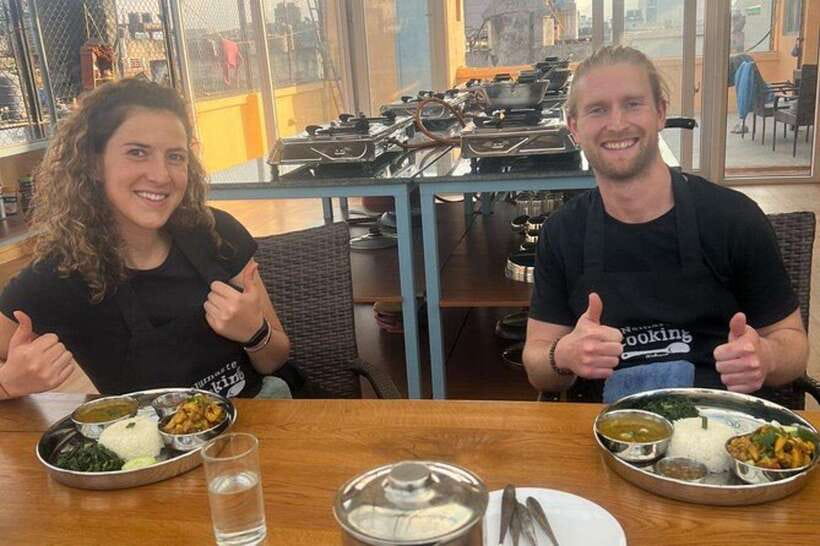
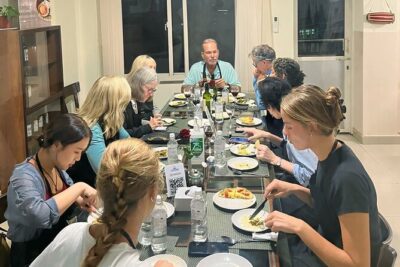
The meal itself is included. You do not prepare food and then leave hungry, which sounds obvious but is not always true of short cooking activities. Here, lunch or dinner with the dishes you make is part of the experience, giving the final part of the class a relaxed payoff.
The people behind the kitchen
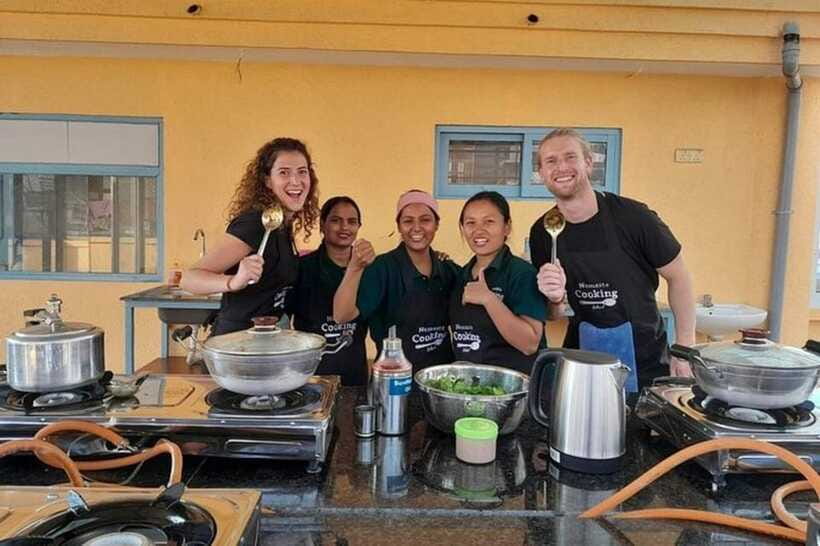
The strongest reason to choose this activity is the women who run it. Namaste Cooking School describes its team as women who survived trafficking. The school presents them as capable professionals and leaders, not as objects of pity.
That distinction matters. A responsible social enterprise should give people control and dignity, and this class places the women at the center of the work. They teach, guide, cook, and welcome you. Your participation helps support that model while allowing you to learn something practical.
The available feedback points to a happy, easygoing atmosphere. One recent experience included four women leading the session, with plenty of laughter and a substantial meal at the end. Another praised the hosts for their warmth and skill. Those details suggest that the human contact is not an extra feature. It is the heart of the class.
You should still approach the social mission with respect. Listen to what the instructors choose to share, focus on their work, and avoid treating personal histories as entertainment. The best contribution you can make is to take the class seriously, enjoy the food, and value the women as teachers and professionals.
Same region, a different dish to learn:
- Local Women Lead Nepali Cooking Class
★ 5.0 · 125 reviews - Kathmandu: Local Women-Lead Nepali Cooking & Momo Class
★ 4.9 · 45 reviews - Kathmandu: Local Lead Nepali Cooking & Momo Making Class
★ 4.9 · 40 reviews - Kathmandu: Women-Led Cooking Class & Momo Making-Local Taste
★ 4.8 · 15 reviews
What the $30 price includes
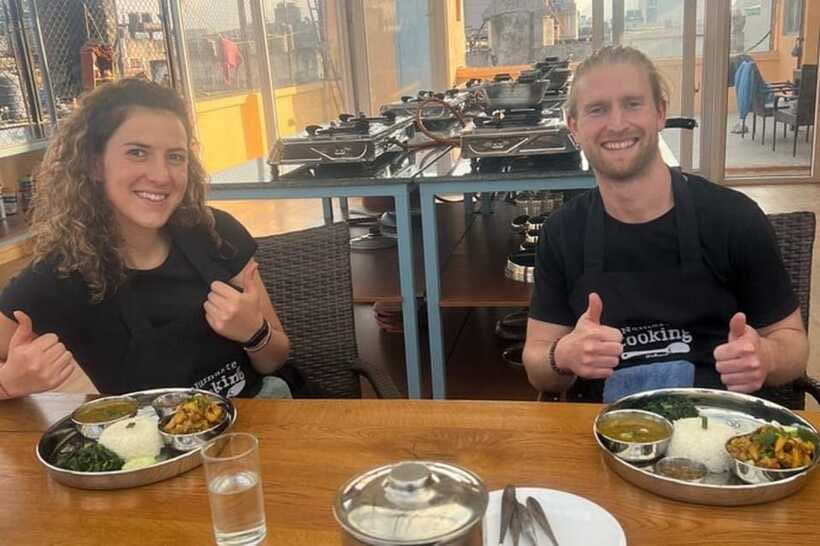
At $30 per person, the class is fairly priced for a three-hour activity that includes ingredients, instruction, and a full meal. You also receive a recipe booklet and a certificate of participation.
The meal is the obvious part of the value, but it is not the whole calculation. You are paying for an English-language lesson, a small group, fresh ingredients sourced from local farmers, and a social enterprise led by women survivors of trafficking. Compared with a standard lunch, it costs more. Compared with a private cooking lesson or a longer organized food activity, it offers a solid package.
The recipe booklet adds lasting value. You can make the dishes again after leaving Nepal, which turns the class into a useful travel memory rather than a meal that disappears the moment you walk out the door.
The certificate is a pleasant extra, though I would not use it as a reason to book. Its real value is symbolic. The important keepsake is the food knowledge and the connection to the people who taught you.
Personal expenses are not included. The basic price also does not include hotel pickup and drop-off. Keep a little room in your budget for those costs if you want transport arranged.
A small group with a friendly rhythm
The maximum group size is eight, and that number suits the format well. A class this size can feel social without becoming noisy or impersonal.
You will likely spend much of the session working near other participants, sharing tasks, and comparing results. The feedback describes a lot of laughter, so this is not an austere culinary lecture. If you enjoy meeting people over food, the atmosphere should suit you.
That same social quality may not appeal to everyone. If you want a private lesson focused only on technique, ask about a private option before booking. The supplied details describe a small group, not an individual session.
The class is conducted in English. That makes the basic instruction accessible to English-speaking visitors, though the activity does not list other language options. If you need another language, confirm availability first.
Planning the timing and cancellation
The class lasts three hours, but starting times are not fixed in the information provided. You need to check availability for the date and time that fit your schedule.
I would avoid placing the class too close to another booking. Cooking sessions can run on a social rhythm, and you will want enough time to finish the meal rather than rush away just as everyone sits down.
You can cancel up to 24 hours in advance for a full refund. The reserve-now, pay-later option also helps if your Kathmandu plans are still shifting. These policies are useful for a city itinerary where weather, transport, and sightseeing plans can change.
Who will enjoy this most
I would recommend this class to you if food is one of the main ways you understand a place. It is also a good fit if you want a practical activity in Thamel instead of another sightseeing stop.
The class suits:
- First-time visitors who want an introduction to Nepali cuisine
- Couples and friends looking for a relaxed shared activity
- Solo visitors who enjoy meeting people in a small group
- Home cooks who want recipes they can use after the trip
- People who prefer spending money with a women-led local enterprise
- Anyone with a free three-hour slot in central Kathmandu
I would hesitate if you need a precisely published menu, guaranteed dietary substitutions, or private instruction. None of those details is confirmed. Ask before booking rather than hoping the class can adapt on the day.
I would also avoid treating this as a high-end culinary performance. The appeal is participation, local connection, and a meal made together. It is not presented as a formal chef certification course or a luxury dining event.
Practical strengths and possible limits
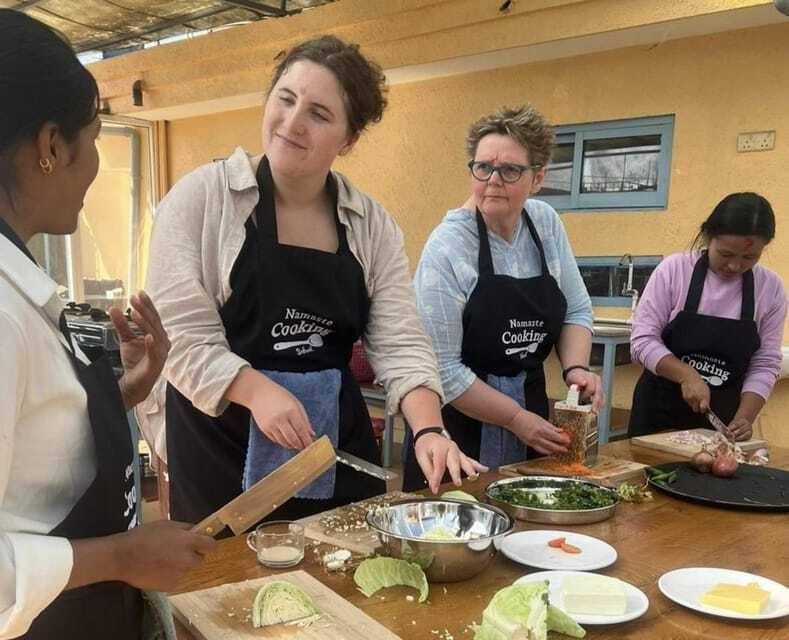
The location is a major strength. Thamel is easy to reach within central Kathmandu, and the class can anchor part of your day without requiring a full-day trip.
The women-led mission is another clear strength. You get a direct, useful way to support an organization focused on empowerment while learning about food from local farmers.
The main limitation is the lack of menu detail. Some people are happy to be surprised. Others want to know the exact dishes before paying. The same issue applies to dietary needs, since no specific policy is provided.
Transport also needs a careful look. Pickup service is mentioned, but hotel pickup and drop-off are listed as not included. Confirm what is available and what it costs before you rely on a pickup plan.
Should you book Namaste Cooking School?
Book this class if you want a warm, hands-on introduction to Nepali food with a clear social purpose. The $30 price covers the ingredients, a full lunch or dinner, recipes, and three hours of instruction in a small English-speaking group. More important, your money supports women who are building independent lives through skilled work.
The class is especially appealing for people who value personal connection over a polished tourist show. You will leave with food memories, a recipe booklet, and a better sense of how local cooking can carry culture and community.
Before you commit, ask about the day’s menu, dietary requests, and the exact pickup arrangement. If those points work for you, Namaste Cooking School offers one of the more worthwhile ways to spend an afternoon or evening in Thamel.
FAQ
Where is Namaste Cooking School located?
It is located in Thamel, in the Bagmati Zone of Nepal.
How long does the cooking class last?
The experience lasts three hours.
How much does the class cost?
The listed price is $30 per person.
What food will I prepare?
The class includes a menu covering an entree, a main course, and dessert. The exact dishes are not specified.
Is a meal included?
Yes. Lunch or dinner with the dishes you prepare is included.
Are ingredients provided?
Yes. All cooking ingredients are included.
Is hotel pickup included?
No. Hotel pickup and drop-off are not included in the activity price, although a pickup service is mentioned as available. Confirm the details before booking.
Can I cancel for a full refund?
Yes. You can cancel up to 24 hours before the experience for a full refund.
Newest classes around Kathmandu
- Kathmandu: 3-Hours of Cooking Class with Meals★ 5.0 · 10 reviews
- Kathmandu: Women-Led Cooking Class & Momo Making-Local Taste★ 4.8 · 15 reviews
- Kathmandu: Nepali Cooking Class with Hotel Pickup★ 4.1 · 5 reviews
- Kathmandu: Local Women-Lead Nepali Cooking & Momo Class★ 4.9 · 45 reviews
- Cook with Lisha: Nepali and Newari Cooking Class★ 5.0 · 2 reviews
- Kathmandu: Local Lead Nepali Cooking & Momo Making Class★ 4.9 · 40 reviews
- Kathmandu: About 3-hour Cooking Class Experience near Thamel★ 5.0 · 3 reviews
- Kathmandu: Cooking Class in Nepal★ 5.0 · 2 reviews
Kathmandu Cooking Classes, compared.
Women-Led Cooking Class & Momo Making-Local Taste
Read our review →
Browse the lists this tour appears in