Review · BOLOGNA COOKING CLASSES
Bologna: Pasta Cooking Class, Ragu, Spritz, Wine & Gelato
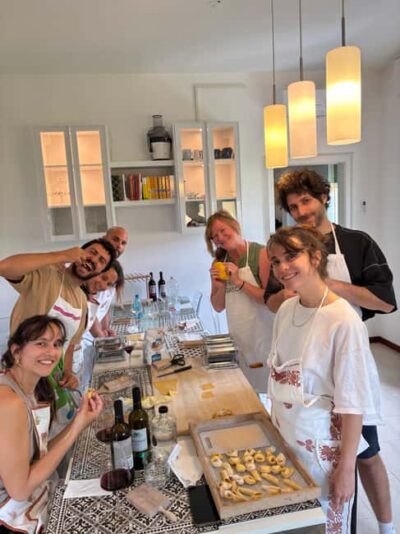
Bologna’s best cooking lesson starts with a rolling pin, not a machine. You’ll mix flour and eggs by hand, roll the dough thin, cut your own tagliatelle, and eat it with house ragù. Along the way, you’ll prepare a Casoni Spritz and share food with a small international group in a central kitchen.
I like the generous menu, especially the opening piadina, Mortadella, and Pignoletto, followed by Sangiovese, Parmigiano Reggiano, coffee, amaro, and gelato. I also like that the class teaches a real technique you can repeat at home, with recipes sent as a PDF afterward.
The main limitation is that you do not make the ragù yourself. It is prepared in advance, so this is a pasta-making lesson with a ragù tasting, not a full sauce workshop. You’ll also need to manage a large flight of stairs, and the class is not suitable for vegans, vegetarians, or people with gluten intolerance.
Key points to know before booking
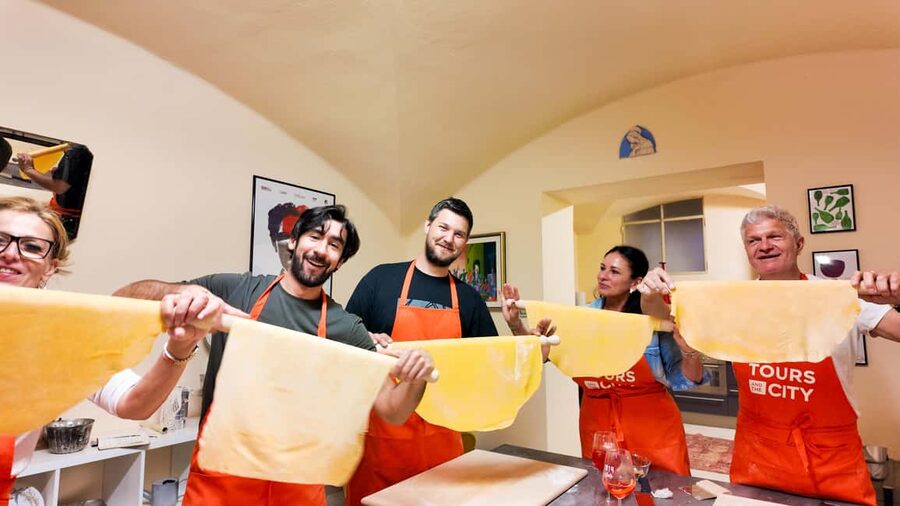
- Hand-rolled tagliatelle: You make the dough, roll it with a pin, slice it, and cook it yourself.
- Aperitivo before the work begins: Start with piadina, Mortadella, and local Pignoletto sparkling wine.
- Casoni Spritz lesson: Prepare a regional herbal spritz rather than simply being handed an Aperol Spritz.
- Ragù and Parmigiano Reggiano: Your pasta is served with house-made Bolognese ragù and 24-month-aged cheese.
- A full three-hour meal: Coffee, amaro, gelato with balsamic vinegar, water, soft drinks, and wine are part of the experience.
- Good social format: Icebreaker games and shared tables help solo visitors, couples, and families mix easily.
Why this Bologna pasta class works so well
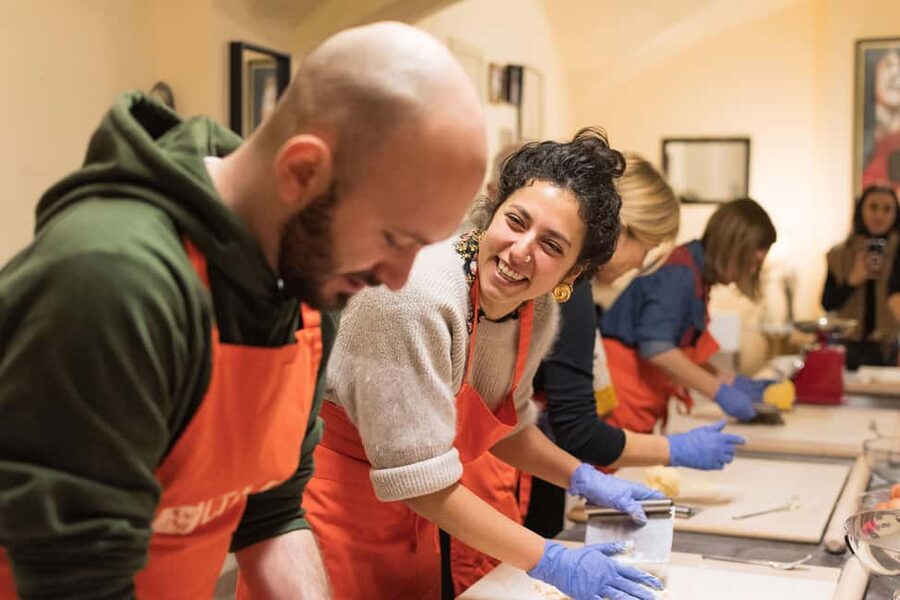
This is not just a quick demonstration followed by a plate of pasta. You spend real time handling the dough, making a drink, sitting down to eat, and learning how the food fits into Bologna’s cooking culture.
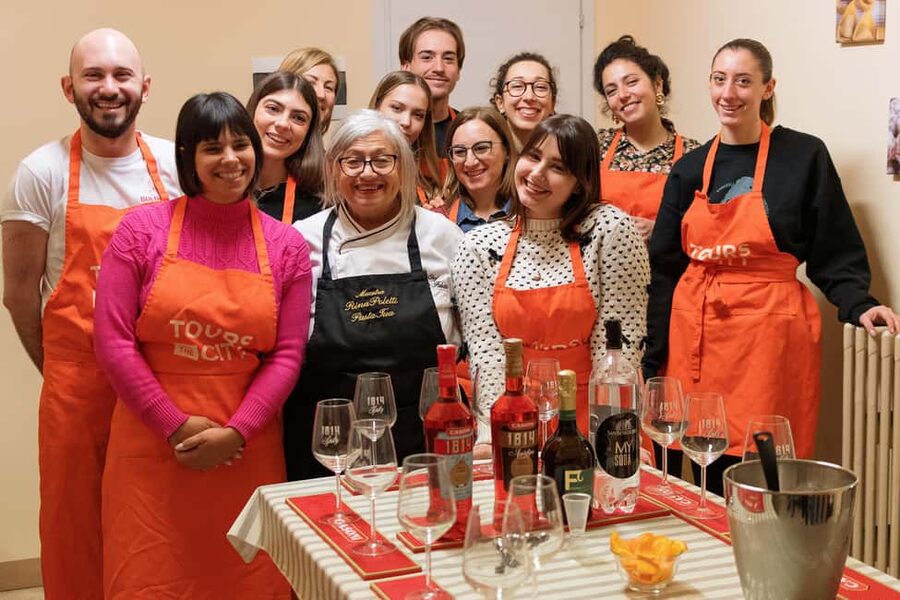
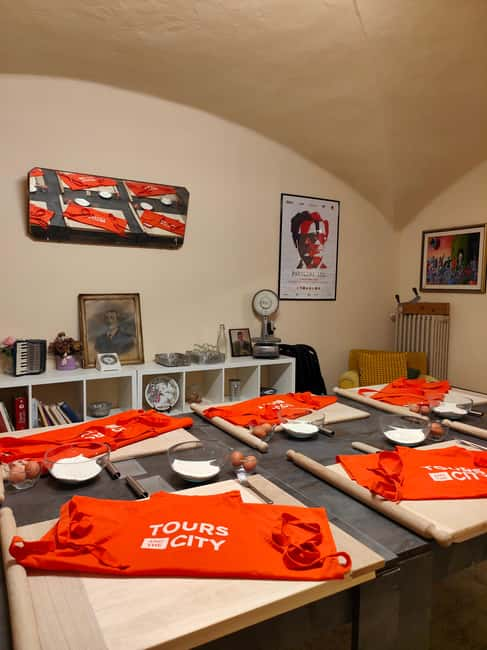
The setting is a traditional kitchen in the city center. Your guides meet you outside at the exact booking time and wear orange aprons, which makes them easy to spot. The teaching language is English, and the instructor team changes from session to session. Names that appear frequently in the sessions include Stella, Valentina, Roberta, Beatrice, Luca, Martina, Steffi, Claudia, and Lucilla.
The format is friendly without requiring you to arrive with a group. Icebreaker games are used while the dough rests or during pauses in the work. That matters if you are traveling alone, and it also helps families and couples avoid being stuck at a table with strangers who never speak.
The class has earned a 4.9 rating from 775 reviews, with 93 percent of participants giving it a perfect transport and experience score. More important than the number is the pattern in the feedback: the instructors are repeatedly praised for patience, clear explanations, and a cheerful manner. That is useful here because pasta dough can be stubborn, especially the first time you roll it.
More Cooking Classes with Wine Tasting in Bologna
- Bologna Local Pasta Cooking Class, Ragu, Spritz, Wine & Gelato
★ 5.0 · 527 reviews - Bologna: Pasta and Tiramisu Cooking Class with Wine
★ 4.7 · 507 reviews - Bologna: Pasta and Tiramisu Small Group Cooking Class with Wine
★ 5.0 · 409 reviews
The opening aperitivo: piadina, Mortadella, and Pignoletto
The first course is a simple introduction to Emilia-Romagna. You receive piadina, the thin flatbread associated with the region, alongside Mortadella and a glass of Pignoletto, a local sparkling white wine.
This opening is more than a snack. It gives you time to meet the other people in the class before flour appears on the table. It also introduces three regional staples without burying them under a long lecture.
I like this start because it feels properly Italian. Food arrives first, conversation follows, and the lesson begins at an easy pace. If you have already eaten a heavy lunch, keep that in mind. The class includes several tasting stages, and the opening plate is only the beginning.
Soft drinks and unlimited water are included, so you do not need to keep ordering beverages. The alcohol is spread through the class rather than limited to one drink at the end, which makes the experience social but also means you should pace yourself.
Making the Casoni Spritz
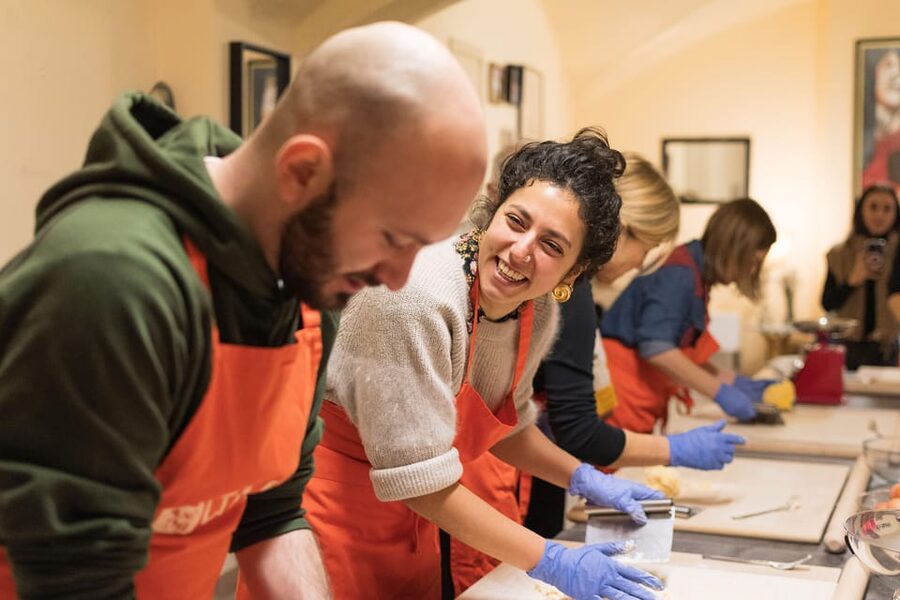
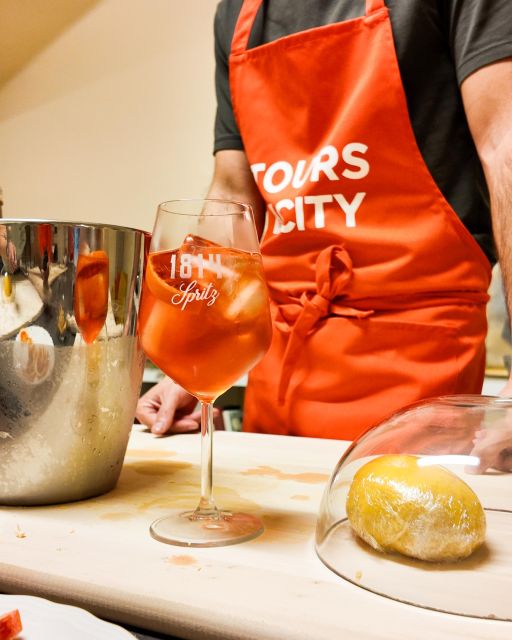
Before or during the pasta work, you prepare a Casoni Spritz. Casoni is an Emilia-Romagna producer known for spirits made with local herbs and older regional recipes. This gives the drink a different character from the familiar orange Aperol version.
You are not simply handed a cocktail. The guides explain how to prepare it, and you can sip it as the class continues. It is a clever addition because it breaks up the hands-on work and gives everyone another easy topic of conversation.
The class materials describe this as a signature local cocktail, and the drink is one of the features that makes the session different from a basic tagliatelle lesson. If you like food classes with a bit of regional drink culture, this is a real plus.
If alcohol is not your thing, the included water and soft drinks give you an alternative. The activity is still centered on pasta, so you do not lose the main lesson by skipping the spritz.
Rolling tagliatelle with a sfoglina
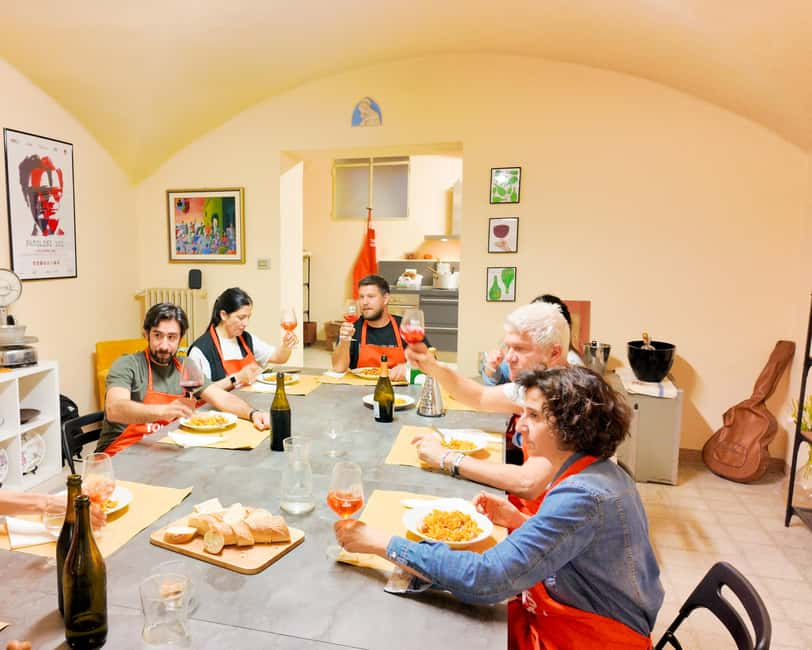
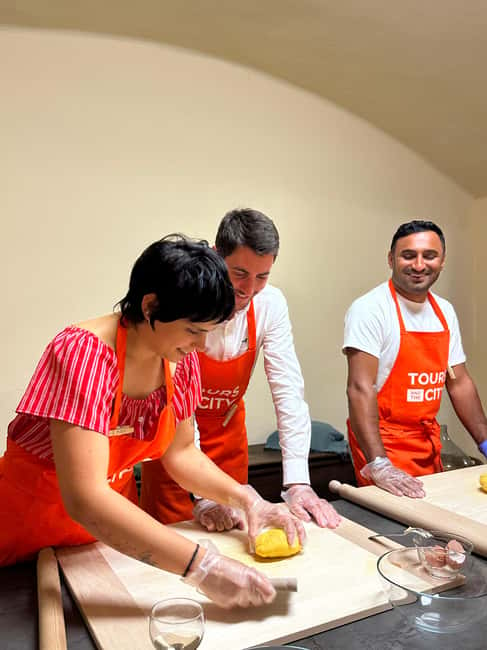
The central lesson is the pasta. Under the direction of an English-speaking local sfoglina, you make dough from fresh eggs and flour, then work it by hand.
There are no pasta machines. You mix, knead, flatten, and roll the dough with a traditional rolling pin. That is the right method for understanding the feel of the dough. You learn to notice when it is too sticky, too dry, or not yet thin enough.
Next comes shaping and slicing. Tagliatelle should be cut into long ribbons, and the guides show you how to reach the right width. Some people will produce tidy strands right away. Others will create a few pasta ribbons with adventurous shapes. Either way, the point is to learn the movement and understand what to repeat in your own kitchen.
The instructors are patient with beginners. That comes through in the way the sessions are run, with clear demonstrations followed by time for each person to try. Guides such as Valentina, Stella, Steffi, Roberta, and Beatrice have received especially warm praise for making the process relaxed and easy to follow.
This is also a useful class for families. Children can take part in the shaping and cutting, although comfortable clothing and shoes are sensible because flour and kitchen work are involved. One family described it as a good experience for adults and children alike.
More Cooking Classes with Wine Tasting in Italy
- Bologna: Pasta Tagliatelle al Ragu Cooking Class with Wine
★ 4.7 · 225 reviews - Bologna: In-Home Italian Pasta Making Workshop with Wine
★ 4.7 · 131 reviews - Bologna: Pasta Cooking Class, Ragu & Wine with Local Host
★ 4.9 · 113 reviews - Bologna: Tagliatelle & Ragù Home Cooking Class with wine
★ 4.5 · 55 reviews
The ragù course you will not prepare yourself
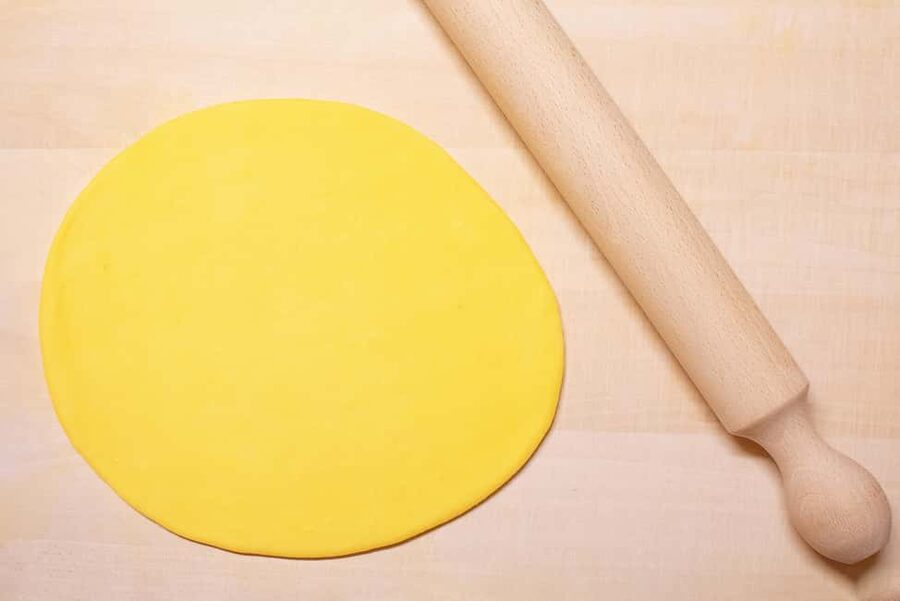
Your tagliatelle is served with a house ragù made in advance. The sauce is prepared each week according to a family tradition, using the kind of slow, careful cooking associated with Bolognese food.
This is the biggest point to understand before booking. The lesson covers pasta, spritz, and tasting, but not the preparation of the ragù itself. If you want to learn how to build the sauce from meat, vegetables, tomatoes, and cooking time, you will need another class.
Still, the decision makes sense within a three-hour program. Making pasta from scratch already takes hands-on time, and a properly cooked ragù needs longer than the class schedule allows. Preparing it ahead means you eat a finished sauce rather than a rushed one.
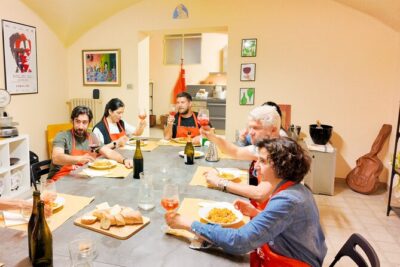
Your tagliatelle is topped with 24-month-aged Parmigiano Reggiano from a local dairy. The result is the dish Bologna is famous for: fresh egg pasta, substantial ragù, and sharp, nutty cheese. You also receive regional Sangiovese red wine while the pasta is cooked and served.
Leftovers can be taken away. That small detail adds value, especially if you are too full to finish the whole portion after the aperitivo, spritz, wine, and dessert.
Coffee, amaro, and gelato with a local twist
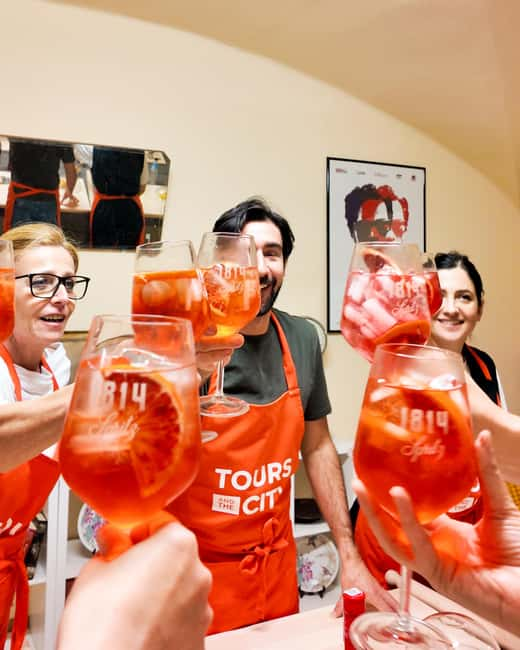
The final course keeps the regional theme going. You finish with Moka coffee, a bitter digestif called amaro, and gelato with balsamic vinegar.
The gelato is described as a mystery dessert and a local tradition, so you should not expect a standard scoop of chocolate or vanilla. Balsamic vinegar adds a sweet and sharp note, which makes the ending more distinctive than a routine dessert stop.
Coffee comes from a Modena roastery, and the spirits used in the experience come from Emilia-Romagna. These details show how the class tries to use nearby producers rather than treating the meal as a generic Italian cooking event.
I like the pacing of this ending. You have already learned a skill and eaten the main course, so the coffee and digestif give everyone time to sit, talk, and let the meal settle. It feels closer to a long Italian meal than to a lesson that ends the moment the pasta reaches the plate.
What the three hours feel like
The schedule combines instruction, cooking, eating, and conversation. You begin with the aperitivo, prepare the spritz, make the dough, wait while it rests, shape the tagliatelle, cook it, and sit down for the meal.
The pauses are useful rather than wasted. The instructors use them for explanations, conversation, and games that help the group get to know each other. Several sessions have been praised for turning complete strangers into a relaxed table of diners by the end.
The three-hour length is about right for this format. A shorter class would likely rush the dough work or cut out the meal. A longer session might be enjoyable for serious cooks, but it would not suit everyone in a busy Bologna itinerary.
The class is especially useful if you have only a short stay in the city. You get food, regional drinks, a practical cooking skill, and some local cultural context in one block of time. Schedule it on a day when you do not already have a large dinner planned.
Ingredient choices and community connections
The class uses local flour and free-range eggs from the Bologna province, Parmigiano Reggiano from a nearby dairy, coffee from Modena, and spirits from Emilia-Romagna. These are not decorative details. They help explain why the food tastes tied to the region rather than simply Italian in a broad sense.
The experience also has a community-minded element. Extra pasta is donated to a nearby church, and one participant specifically appreciated this use of food that might otherwise go to waste. You do not need to do anything extra to take part, but it adds a useful local connection to the lesson.
Recipes are available by email as PDF files. That makes the class more useful after your trip, though you should request them rather than assume a printed booklet will be placed in front of you.
Price, value, and who should book
At $79 per person, the price covers three hours of instruction, the aperitivo, spritz ingredients, local wines, pasta, ragù, Parmigiano Reggiano, coffee, amaro, gelato, water, soft drinks, and any leftovers you take home.
That is strong value if you want a meal as well as a lesson. A simple pasta class might cost less, but it would not necessarily include several regional drinks, a full dessert course, or the chance to eat what you made at the same table.
The value is less clear if you are mainly interested in learning ragù. Since the sauce is prepared in advance, a sauce-focused cook should choose a different activity. You should also consider the alcohol included in the price. It is a benefit for many people, but not a reason to book if you do not drink.
This class suits:
- First-time pasta makers who want clear, hands-on instruction
- Couples and families looking for an evening activity
- Solo visitors who enjoy meeting people over food
- Anyone interested in Emilia-Romagna ingredients and drinks
- People with limited time in Bologna who want one substantial food experience
It does not suit vegans, vegetarians, or people with gluten intolerance. Serious food allergies should be discussed before booking, since the organizers may not be able to host every dietary need.
Wear comfortable clothes and shoes. You will spend time standing and working with flour, and the meeting point includes a large flight of stairs. The class is not recommended for people who need a wheelchair or crutches.
Should you book this Bologna cooking class?
I would book it if you want more than a plate of pasta and prefer an activity where you meet people, learn a useful technique, and eat a generous meal afterward. The strongest parts are the patient instruction, the old-fashioned rolling-pin method, the Casoni Spritz, and the long finish with coffee, amaro, and gelato.
I would skip it if your main goal is to make ragù from start to finish, or if stairs, gluten, eggs, meat, or alcohol are serious concerns. For everyone else, the $79 price buys a well-filled three hours and a practical memory you can carry into your own kitchen.
FAQ
How long does the pasta cooking class last?
The experience lasts three hours. Starting times vary, so you should check availability for your preferred date.
Is the class taught in English?
Yes. The instructor language is English.
Do I make the ragù during the class?
No. The ragù is prepared in advance. You make the tagliatelle and eat it with the house-made ragù.
What food and drinks are included?
The experience includes piadina, Mortadella, Pignoletto sparkling wine, a Casoni Spritz, Sangiovese red wine, tagliatelle with ragù, Parmigiano Reggiano, water, soft drinks, Moka coffee, amaro, and gelato with balsamic vinegar.
Can I take leftover pasta home?
Yes. Leftovers may be taken away, and recipes can be requested by email in PDF format.
Is the class suitable for dietary or mobility restrictions?
The experience is not suitable for vegans, vegetarians, or people with gluten intolerance. You should report serious food allergies in advance, though the organizers may not be able to accommodate every allergy. There is a large flight of stairs, so the class is not recommended for people who need a wheelchair or crutches.
More Tiramisu and Dessert Classes in Bologna
- Bologna: Original Lasagna & Gelato Class at a Cooking School
★ 4.9 · 59 reviews - Gelato Making Class in Bologna City center Cooking School
★ 4.7 · 43 reviews
More Pasta Making Classes in Bologna
- Authentic Bologna Home Cooking Class: Tagliatelle & Tortellini
★ 4.5 · 136 reviews - Bologna: Pasta & Tiramisu Cooking Class at a Local’s Home
★ 4.9 · 67 reviews - Bologna: Pasta & Tiramisu Cooking Class at a Local’s Home
★ 4.9 · 54 reviews - Learn and taste the real bolognese ragù and pasta making
★ 4.8 · 32 reviews
Newest classes around Bologna
- Tortelloni and Tagliatelle Cooking Class in Bologna + Wine★ 3.0 · 2 reviews
- 3 hour Lasagna Bolognese cooking class★ 5.0 · 6 reviews
- Bologna Walking Tour & Traditional Cooking Class with Wine★ 5.0 · 3 reviews
- Pasta Making Class: Tagliatelle & Bolognese Sauce★ 5.0 · 15 reviews
- Home Cooking: Pasta Making with Natural Colors in a Tiny Group★ 5.0 · 6 reviews
- Traditional Bolognese Cooking Class in Bologna with Giovanna S★ 5.0 · 6 reviews
- Cesarine: Market Tour & Cooking Class at Local’s Home in Bologna★ 5.0 · 19 reviews
- Bolognese Cooking Class with Margherita in the Historic Center★ 5.0 · 26 reviews
Bologna Cooking Classes, compared.
Bologna Local Pasta Cooking Class, Ragu, Spritz, Wine & Gelato
Read our review →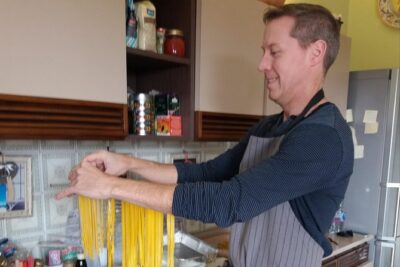
Pastamama, Home Cooking Classes at Grace’s Home
Read our review →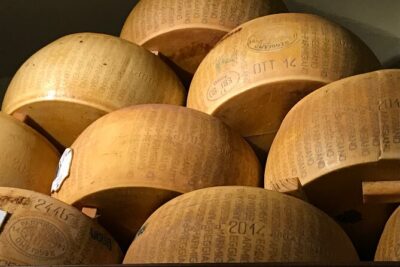
Pasta and Tiramisu Small Group Cooking Class with Wine
Read our review →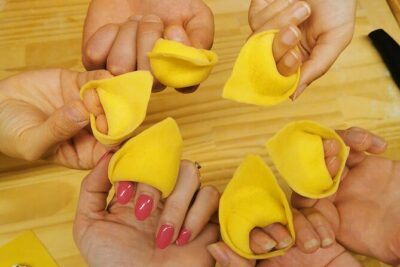
Bologna on the plate, Cooking Class with Alessia
Read our review →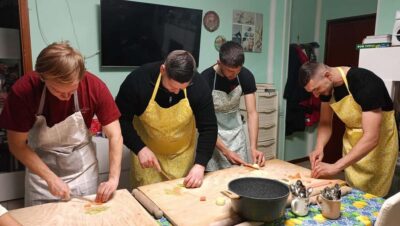
Pasta Tagliatelle al Ragu Cooking Class with Wine
Read our review →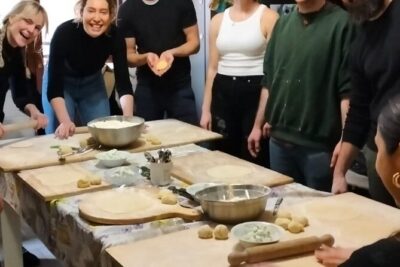
Authentic Bologna Home Cooking Class: Tagliatelle & Tortellini
Read our review →