
Review · BOLOGNA COOKING CLASSES
Learn and taste the real bolognese ragù and pasta making
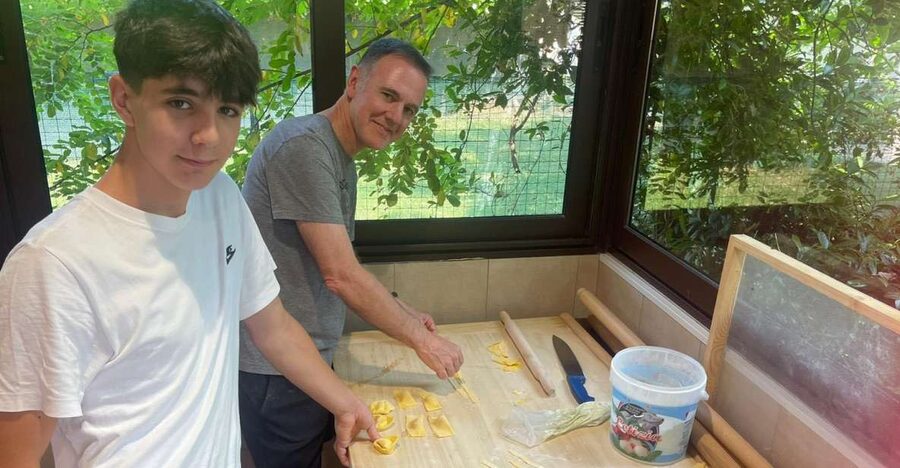
Bologna’s most famous dish is not a sauce from a jar. It is slow-cooked ragù served with fresh pasta, and this hands-on workshop shows you how the two parts come together. You’ll work with pasta dough, shape traditional forms, and prepare the real Bolognese ragù in a setting designed to feel like a local grandmother’s home.
I like the small-family atmosphere and the fact that the lesson ends with a proper lunch or dinner, not just a bite at the counter. I also like the flexibility around ingredients, since personal requests may be possible. The main caution is group size: one class had 15 people, which made the pasta-making section feel crowded, and the location is outside Bologna’s central area.
Key points before you book
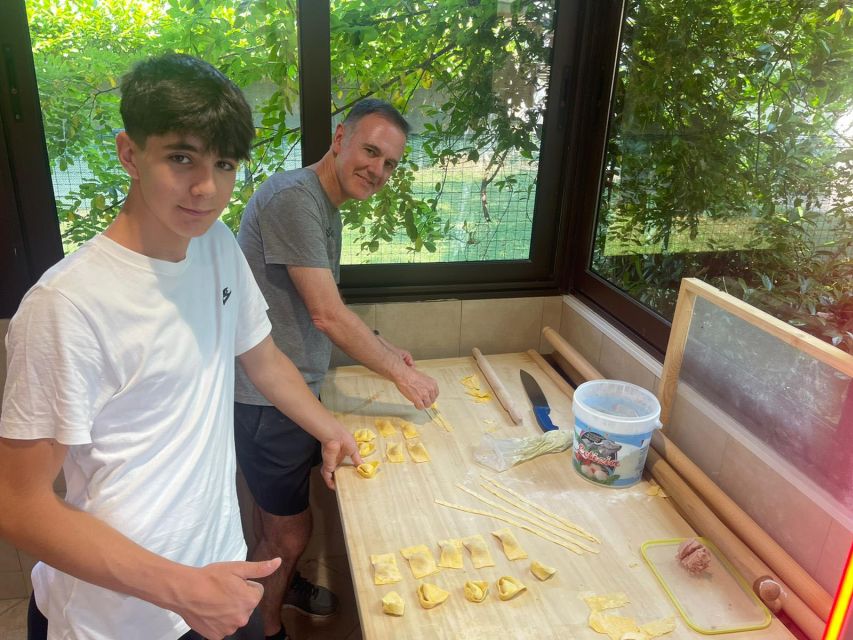
- Learn three classic pasta shapes: Depending on the session, you may prepare tortelloni, farfalle, or tagliatelle.
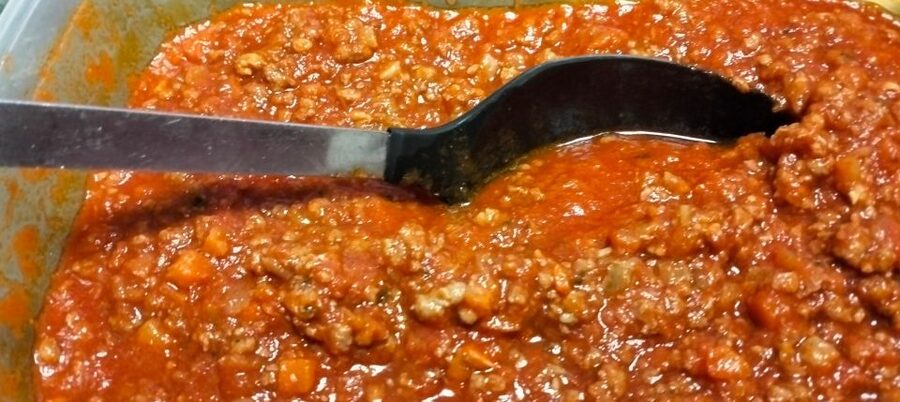
- Make traditional Bolognese ragù: The class follows an original family recipe rather than a generic tomato sauce.
- Eat what you prepare: Lunch or dinner includes wine, water, coffee, and a sweet surprise.
- Expect a warm home-style setting: The venue has wide spaces and aims for the feel of a nonna’s house.
- Plan your return trip: Via Lincoln is outside the city center, and getting a taxi afterward may be difficult.
- Bring the right clothes: Comfortable shoes and clothes matter when you are standing and working with dough.
Why this class is about more than pasta
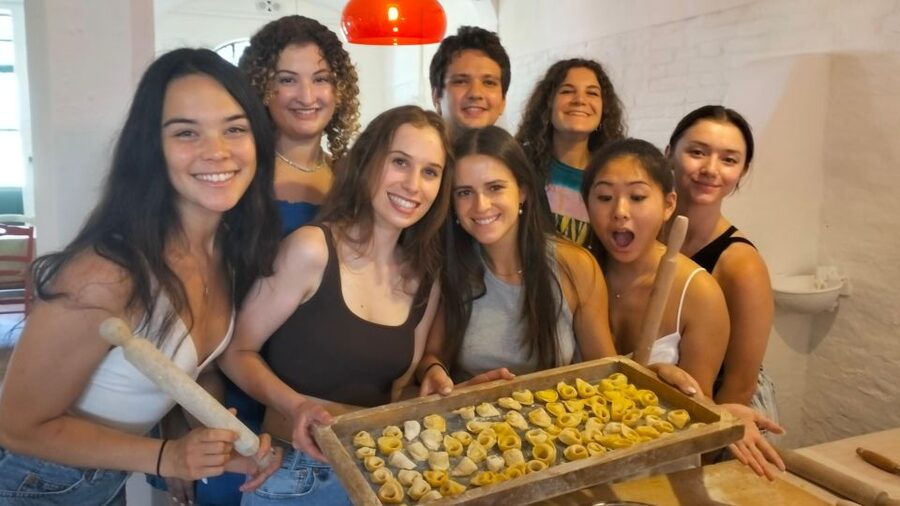
Bologna is closely tied to fresh egg pasta, and this experience focuses on the basic skills behind that reputation. You are not simply watching a cook plate tagliatelle. You are learning how pasta is made by hand and how ragù becomes the main partner for it.
That distinction matters. Many visitors know Bolognese sauce as a familiar red meat sauce served with spaghetti. In Bologna, the traditional version is associated with fresh pasta and a careful cooking method. This class gives you a practical sense of that local food culture without requiring a full day in a cooking school.
The session lasts 2.5 hours, which is a useful middle ground. It is long enough to include instruction, preparation, and a meal, but short enough to fit around other plans in Bologna. You should still avoid scheduling it too close to a museum reservation or train departure. Cooking classes often run on the rhythm of the food, not the clock.
The overall rating is 4.8 from 32 ratings, with especially strong marks for the clear explanations, relaxed pace, generous welcome, and quality of the meal. That makes this a good choice if you want an activity with a social side as well as something useful to take home.
More Pasta Making Classes in Bologna
- Bologna: Pasta Cooking Class, Ragu, Spritz, Wine & Gelato
★ 4.9 · 775 reviews - Bologna Local Pasta Cooking Class, Ragu, Spritz, Wine & Gelato
★ 5.0 · 527 reviews - Bologna: Pasta and Tiramisu Cooking Class with Wine
★ 4.7 · 507 reviews
Arriving at Via Lincoln 60
The meeting point is number 60 on Via Lincoln, in front of a playground and near numbers 56 and 58. You should look for the entrance and buzz Mattioli or Frusteri.
This is not a city-center meeting point, so allow extra time to find it. The practical issue is not getting there so much as getting back. One participant had trouble finding a taxi after the class and was directed to a nearby bus instead. I would check your return route before arriving, especially if you have evening plans or luggage.
The setting is described as wide and home-like rather than a tight restaurant kitchen. That should make the class easier for people who want room to work, though the experience can still feel crowded if the group is large. The size of the pasta-making group is worth asking about when you book.
The venue is wheelchair accessible. That is useful, but cooking work can involve standing, reaching, and moving around a work surface. If you need a particular arrangement, contact the provider before the class rather than assuming every station will be identical.
Mixing dough and shaping handmade pasta
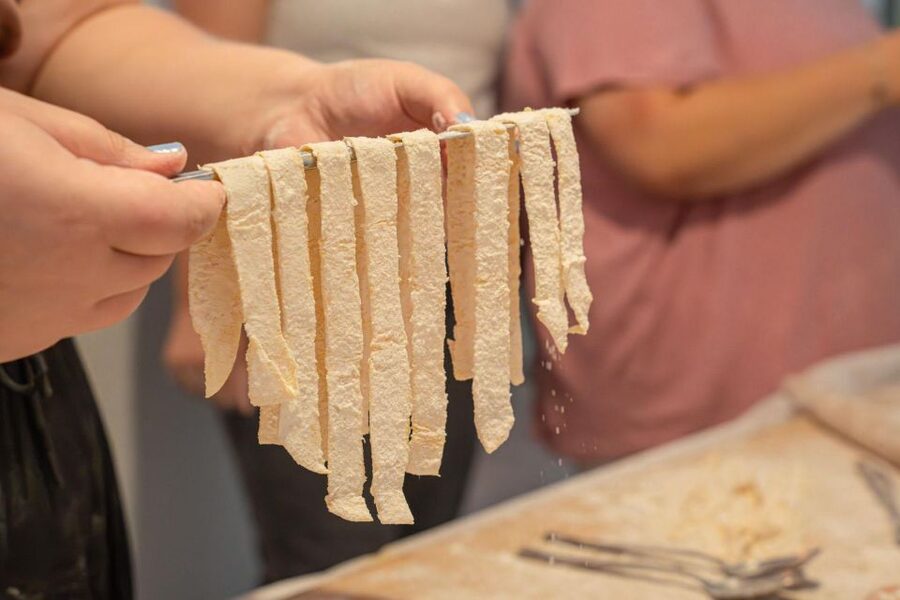
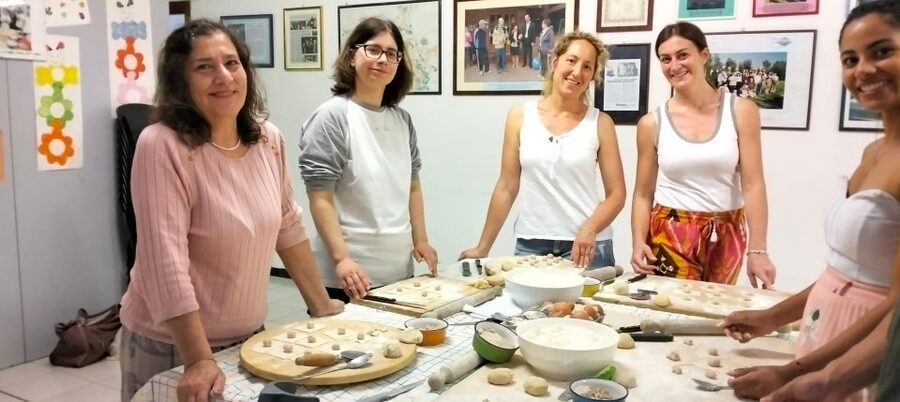
The central part of the workshop is the pasta lesson. You may prepare tortelloni, farfalle, and tagliatelle, with the exact selection depending on the session and the group.
Each shape teaches something different. Tagliatelle is the most direct way to see how a sheet of dough becomes long ribbons. Farfalle gives you a chance to shape smaller pieces by hand. Tortelloni requires more care, since filling and folding must work together without tearing the dough.
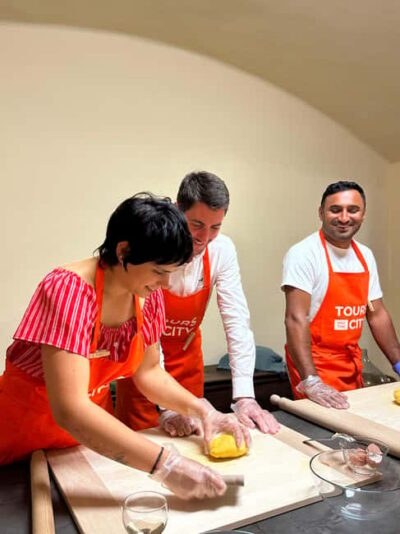
The best part of this format is that the work is shared. You are not expected to arrive with professional cooking skills. The instructor explains the steps, and a previous participant specifically praised the clear, patient instruction. The lesson is intended to make the process familiar, not intimidating.
Irene is the named host connected with the class, and one participant specifically suggested asking her to show how each pasta is dressed for serving. That is good advice. The pasta shape is only half the story. Sauce, portioning, and presentation affect how the dish tastes and how you might repeat it at home.
If your group is large, do not expect every person to have a completely separate station or equal time with the dough. A group of 15 made the pasta section feel crowded for one participant. That does not cancel out the value of the class, but it changes the experience from an intimate lesson to a lively shared workshop.
Preparing the real Bolognese ragù
The ragù lesson gives the pasta its local identity. The class follows a traditional Bolognese recipe associated with local nonne, or grandmothers. The supplied details do not specify every ingredient or cooking time, so you should not expect a printed formula with exact quantities unless the host provides one during class.
What you can expect is a lesson centered on the relationship between fresh pasta and ragù. The sauce is not treated as an afterthought. You learn why the pasta needs a sauce that complements its shape and texture, and you see the difference between a homemade preparation and a basic everyday pasta topping.
Ingredient changes may be possible if you make a personal request. Ask before booking or as early as possible, since a request may depend on what the kitchen can prepare. This is helpful for some dietary preferences, but the class is specifically listed as unsuitable for vegans. Do not book it expecting a plant-based menu.
The lesson is also not suitable for anyone with a cold. That rule makes sense in a hands-on kitchen where several people are working with food at close range. Children under six are not suitable for this activity, and babies under one year are also excluded.
Same region, a different dish to learn:
- Pastamama, Home Cooking Classes at Grace’s Home
★ 5.0 · 521 reviews - Bologna: Pasta and Tiramisu Small Group Cooking Class with Wine
★ 5.0 · 409 reviews - Bologna on the plate, Cooking Class with Alessia
★ 5.0 · 260 reviews - Bologna: Pasta Tagliatelle al Ragu Cooking Class with Wine
★ 4.7 · 225 reviews
Sitting down to lunch or dinner
Once the cooking is finished, you eat the food prepared during the session. The meal includes wine, water, coffee, and a sweet surprise.
That final meal is a major part of the value. A cooking lesson can feel expensive if you leave with only a small sample. Here, the price includes instruction and a complete social meal, so you are paying for both the activity and the food served afterward.
The meal also gives you a chance to taste the results while the techniques are still fresh. You can compare the pasta shapes, see how the ragù works with them, and ask questions about serving. If you want Irene to demonstrate the finishing and plating, request that during the cooking portion rather than waiting until the meal is already on the table.
Wine is included, but the information does not specify how much or what style. Water and coffee are also included, along with the sweet course. If you have allergies or strict dietary needs, ask about the menu in advance. The option to request ingredient changes is useful, but it should not be treated as a guarantee.
The atmosphere is meant to feel like time with a local family. That makes the meal more personal than a standard restaurant visit, though the experience may feel less polished than a formal cooking school. You are choosing warmth and contact with local food customs over a highly structured professional kitchen.
Is $88 a fair price?
At $88 per person, this is not the cheapest way to eat pasta in Bologna. You can find a plate of tagliatelle for far less. The comparison is not quite fair, though, because this price covers a 2.5-hour lesson, hands-on preparation, a full lunch or dinner, wine, water, coffee, and dessert.
I consider the price reasonable if you value the teaching and the social setting. You are learning methods you can use again, not just buying a meal. The experience is especially worthwhile for someone who has always wanted to make fresh pasta but has never had a patient guide nearby.
The value is less clear if your main goal is simply to taste Bolognese food. In that case, a good local restaurant will offer more choice and may cost less. This class makes sense when you want to understand the work behind the dish and spend part of your day with a local family.
Group size affects the value. A small or moderate group should give you more time with the dough and more chances to ask questions. A larger group can still be fun, but your personal time at the work surface may be limited. If hands-on practice is your top priority, ask about the expected number of participants before paying.
Language, pace, and the feel of the lesson
The class is offered in English and Italian. That makes it accessible to people who do not speak Italian, while still preserving a local feel.
A cooking lesson is often easier to follow than a history talk because the actions are visible. You can watch a fold, repeat it, and correct your technique. Clear demonstrations matter more than long explanations, and the class has been praised for making the steps easy to understand.
You should expect a relaxed atmosphere rather than a rushed demonstration. The purpose is to become familiar with dishes that made Bologna famous, not to race through a professional kitchen syllabus. Comfortable clothes and shoes are recommended, and bare feet, smoking, and vaping are not allowed.
The family-home style is one of the experience’s strongest features. It gives the class a sense of place without needing a formal lecture about Bologna. You learn through the food, the way the pasta is handled, and the shared meal at the end.
Who will enjoy this most?
I would recommend this experience to adults, couples, friends, and families with older children who enjoy practical activities. It suits you if you want to meet local people, eat a substantial meal, and leave with a better understanding of fresh pasta.
It is also a good pick for a first cooking class. The focus stays on a few famous dishes rather than trying to cover all of Emilia-Romagna’s cooking. You can concentrate on dough, pasta shapes, ragù, and serving.
You may want a different activity if you are vegan, have a cold, need a very quiet setting, or dislike group work. It is also not right for children under six. People who want a polished, restaurant-style demonstration should ask about group size and the exact structure before booking.
The class is wheelchair accessible, but accessibility needs can vary within a working kitchen. Contact the provider if you require a particular amount of space or seating.
Booking and timing advice
Free cancellation is available up to 24 hours before the start for a full refund. You can also reserve now and pay later, which helps if your Bologna schedule is still changing.
Check the available starting times before committing. The 2.5-hour duration does not include extra time for finding the venue or returning to the center. I would arrive early at Via Lincoln 60 and save the meeting details on your phone.
For the return, check the nearby bus options in advance. A taxi may not be easy to find after the meal, and one participant needed directions to the bus around the corner. This is a small issue, but it can become a large one if you are trying to catch a train.
Bring comfortable shoes and clothes that can handle flour and kitchen work. Avoid planning anything that requires formal clothing immediately afterward.
Should you book this Bolognese cooking class?
Book it if you want a real cooking lesson followed by a full meal, not simply a pasta tasting. The strongest reasons to go are the traditional ragù, handmade pasta shapes, family-style setting, clear instruction, and the chance to eat what you prepare.
Before booking, confirm the group size and mention any ingredient requests. Keep your return route in mind, and do not choose this class if you are vegan or bringing a child under six.
For food-focused time in Bologna, this is a solid value at $88. It gives you a useful skill, a substantial meal, and a closer look at the home cooking that defines the city. Just expect a shared workshop, not a private lesson.
FAQ
How long does the Bolognese cooking class last?
The activity lasts 2.5 hours, including the cooking lesson and the lunch or dinner afterward.
What pasta dishes will I learn to make?
The workshop may include tortelloni, farfalle, and tagliatelle. The exact pasta selection can vary by session.
Is lunch or dinner included?
Yes. The experience includes a lunch or dinner with wine, water, coffee, and a sweet surprise.
Is the class available in English?
Yes. Instruction is offered in English and Italian.
Where is the meeting point?
Meet at number 60 Via Lincoln, in front of a playground, near numbers 56 and 58. Buzz Mattioli or Frusteri.
Can I cancel the booking?
You can cancel up to 24 hours in advance for a full refund. Reserve now and pay later is also available.
Newest classes around Bologna
- Tortelloni and Tagliatelle Cooking Class in Bologna + Wine★ 3.0 · 2 reviews
- 3 hour Lasagna Bolognese cooking class★ 5.0 · 6 reviews
- Bologna Walking Tour & Traditional Cooking Class with Wine★ 5.0 · 3 reviews
- Pasta Making Class: Tagliatelle & Bolognese Sauce★ 5.0 · 15 reviews
- Home Cooking: Pasta Making with Natural Colors in a Tiny Group★ 5.0 · 6 reviews
- Traditional Bolognese Cooking Class in Bologna with Giovanna S★ 5.0 · 6 reviews
- Bolognese Cooking Class with Margherita in the Historic Center★ 5.0 · 26 reviews
- Private Market Tour and Cooking Class in Bologna with Giovanna C★ 5.0 · 20 reviews
Bologna Cooking Classes, compared.
Pasta Cooking Class, Ragu, Spritz, Wine & Gelato
Read our review →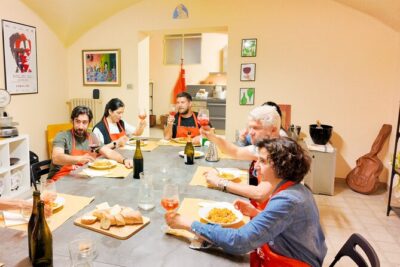
Bologna Local Pasta Cooking Class, Ragu, Spritz, Wine & Gelato
Read our review →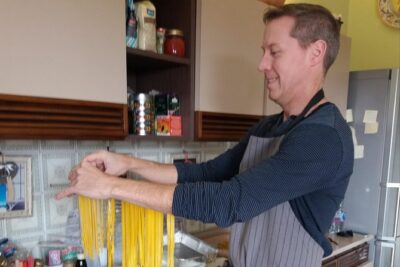
Pastamama, Home Cooking Classes at Grace’s Home
Read our review →
Pasta and Tiramisu Small Group Cooking Class with Wine
Read our review →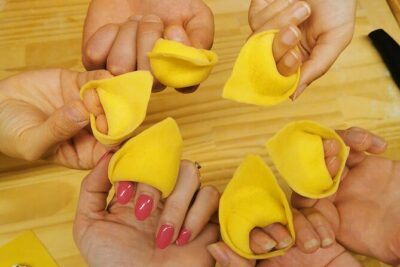
Bologna on the plate, Cooking Class with Alessia
Read our review →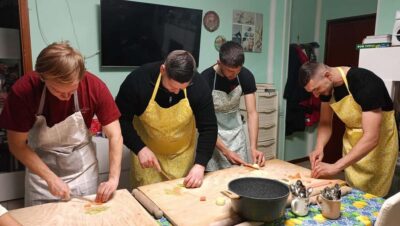
Pasta Tagliatelle al Ragu Cooking Class with Wine
Read our review →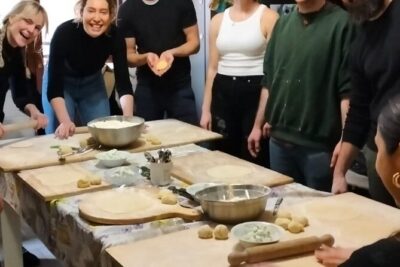
Authentic Bologna Home Cooking Class: Tagliatelle & Tortellini
Read our review →Browse the lists this tour appears in