
Review · SEOUL COOKING CLASSES
From Forest to Table: A Hansik Cooking Journey in Seoul
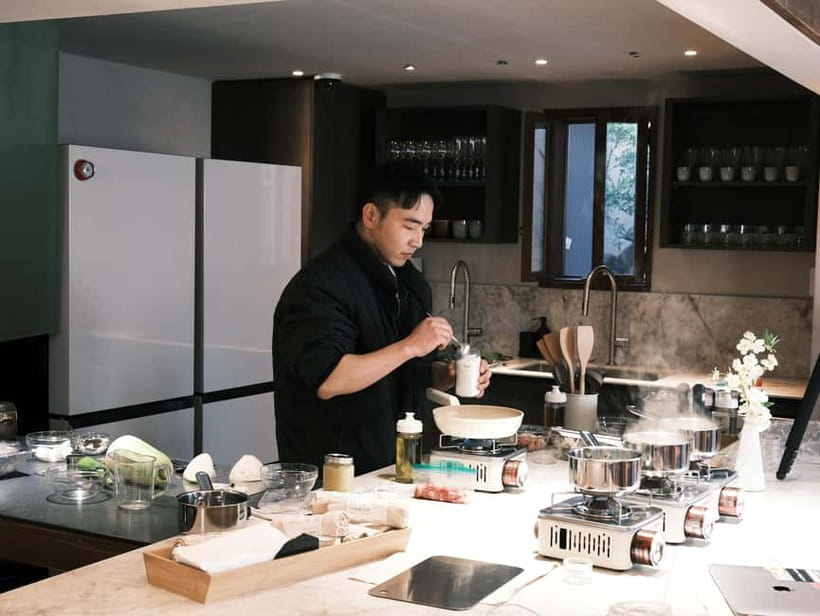
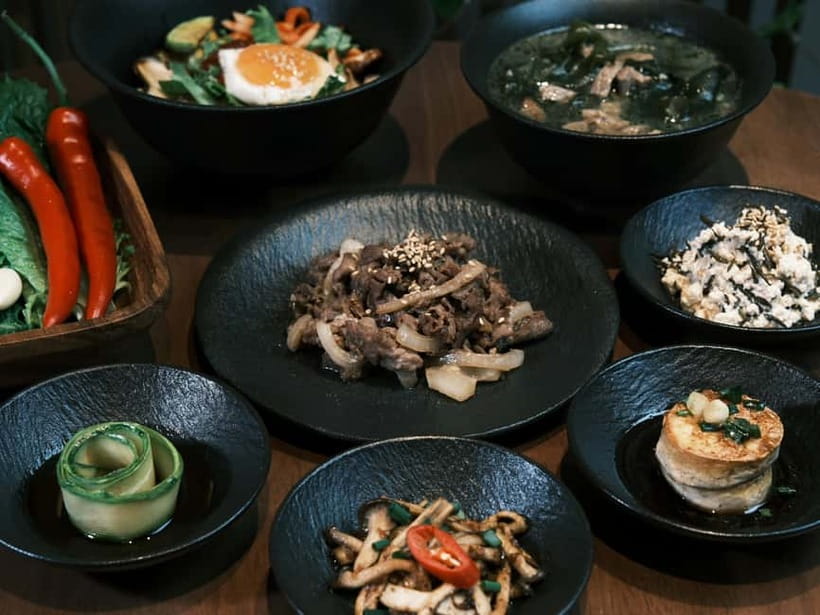
The best part of this Seoul cooking class is that you do not simply make one signature dish and go home. With Woody guiding you, you prepare a full Korean meal in a calm Hanok-inspired studio, including four side dishes, bibimbap, soup, a main course, and dessert. I especially like the choice of your own soup and main dish and the chance to learn in a small group limited to eight people.
I also like that the meal includes samgyeopsal grilled by Woody, served with fresh vegetables for lettuce wraps. The main drawback is that this is not a good fit for vegans, vegetarians, or people with food allergies, and three and a half hours of cooking may feel long if you want a quick food activity.
Key points at a glance
- A complete Korean meal: Prepare four side dishes, bibimbap, soup or stew, a chosen main dish, and dessert.
- Your menu is partly personal: Each person selects their own soup and main from the available options.
- Woody leads the class: He teaches in English and Korean with a calm, patient style suited to beginners.
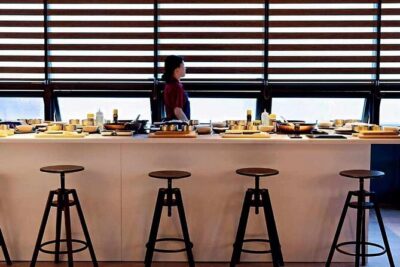
- A welcoming studio setting: The Hanok-inspired space is modern, clean, cozy, and designed for a relaxed meal.
- More than cooking: Start with Korean tea and food culture, then finish with samgyeopsal, traditional liquor, recipes, and a small gift.
- A compact group: With no more than eight participants, you get hands-on time without a crowded classroom.
A full Korean meal instead of a single cooking demonstration
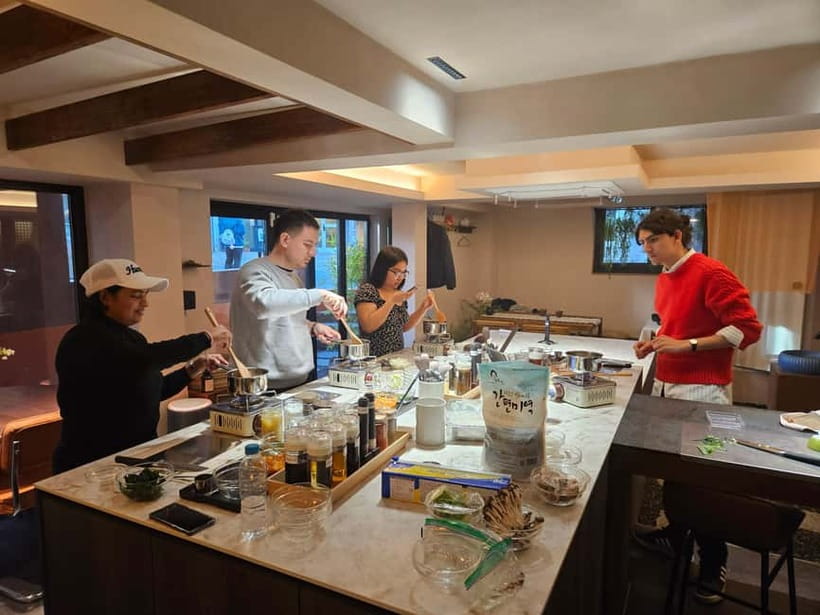
Soop Table gives you a proper Korean home-dining lesson, not a quick class built around one dish. Over 210 minutes, you work through several parts of a meal and then sit down to eat what you prepared.
The menu includes four side dishes, one soup or stew, one main dish of your choice, and bibimbap. That list sounds ambitious, but the work is organized into manageable steps. You do not need previous cooking experience, and the class is taught in English, with Korean also available.
I like this format because Korean meals are built around variety. A bowl of rice and one main dish does not tell the whole story. Side dishes bring different colors, textures, and flavors to the table. Bibimbap shows how those ingredients come together in one bowl, while soup and grilled pork make the meal feel complete.
You should arrive ready to eat a lot. The finished meal is substantial, especially with the samgyeopsal and ssam vegetables added by Woody. If you have a small appetite, the pace and amount of food may be more than you need.
More Cooking Classes in Seoul:
- Local Home Korean Cooking Class & Market Adventure in Seoul
★ 5.0 · 1,024 reviews - Master Korean traditional cooking with a Kimchi chef
★ 5.0 · 385 reviews - Seoul: Korean Cooking Class at a Local Home and Market Tour
★ 5.0 · 348 reviews
Beginning with tea and Korean food culture
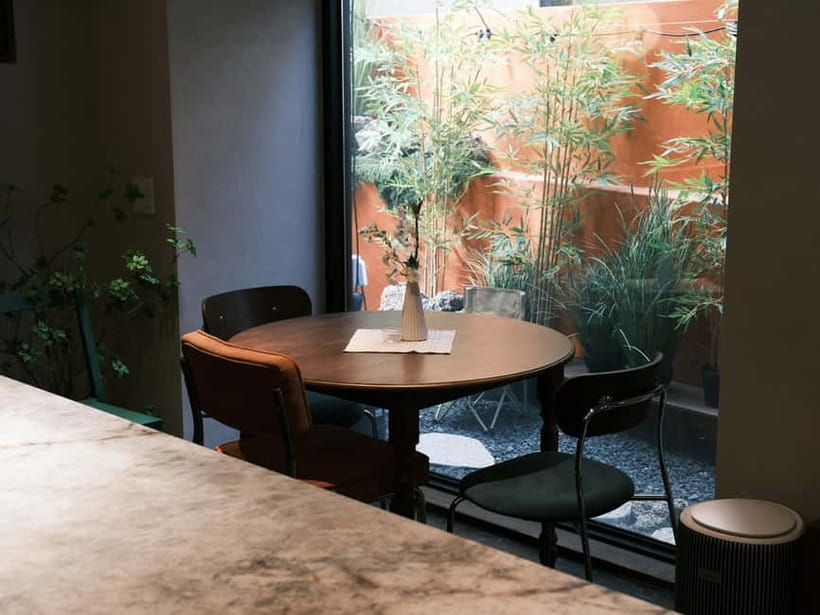
The class begins with a traditional Korean tea and a short conversation about Korean food culture. This is a useful opening because it gives the cooking some context before the chopping and mixing start.
The host grew up learning from her mother, a Korean food artisan, and later spent time across all six continents exploring food and culture. The experience is now led by Woody, whose teaching style comes across as warm, patient, and well organized. He also shares local recommendations, which can be useful if you want ideas for the rest of your time in Seoul.
The tea helps set a slower pace. You are not rushed straight into a crowded work station or a long list of instructions. The setting, soft music, and Korean-style design create a more personal feel than a large commercial kitchen.
That calm atmosphere matters during a class with many dishes. Some people will move quickly, while others will need more time with the instructions. Woody’s approach allows beginners to keep up without making more experienced cooks feel ignored. One participant with culinary training attended alongside people with little cooking experience, and the class was still able to work for everyone.
Choosing your main dish and soup
One of the most useful features is the personal menu choice. Each person selects a main dish and a soup or stew from the options offered during the class. The available choices can include dishes such as bulgogi, dakgalbi, and different Korean soups, though the exact menu may vary.
This choice makes the class more appealing to a mixed group. One person may want to learn bulgogi, while another prefers a spicy chicken dish or a particular soup. You are not all forced to prepare the same plate, and you get to taste and compare different dishes at the shared meal.
The choice also gives the class a more practical purpose. If you already have a favorite Korean dish, you can focus on learning how it is built. If you are new to Korean food, Woody can guide you through the options and explain the ingredients.
A small caution: the class is not designed around dietary substitution. Vegans and vegetarians cannot take part, and people with food allergies are specifically advised not to book. Korean cooking often uses shared sauces, fermented ingredients, seafood products, meat, or other items that can be difficult to separate in a small kitchen.
Preparing four side dishes from scratch
The side dishes are where you get a good feel for everyday Korean cooking. You work with fresh local ingredients and traditional techniques, preparing four different banchan-style dishes as part of the meal.
These are not just decorations for the table. Side dishes show how Korean meals balance salty, spicy, sweet, sour, crisp, and soft elements. Making several of them helps you understand why a Korean table can feel generous even when each individual dish is small.
The hands-on approach is important. You are not just watching Woody stir a pot while someone else handles the ingredients. You take part in the preparation, follow the steps, and learn how the pieces fit together.
The recipes are beginner-friendly, but you should still expect an active session. You will need comfortable clothes, and you may spend much of the class standing, handling ingredients, and moving between tasks. The apron and cooking tools are provided.
Same region, a different dish to learn:
- Seoul: Korean Cooking at Seoul Cooking Club!
★ 5.0 · 311 reviews - Korean Cooking at Seoul Cooking Club
★ 5.0 · 220 reviews - Seoul: Taste of Korea, Authentic Home Style Cooking Class
★ 4.9 · 166 reviews - Seoul: Royal Seoul Cooking Class in a 100-Year-Old Hanok
★ 5.0 · 96 reviews
Plating bibimbap with your own sense of order
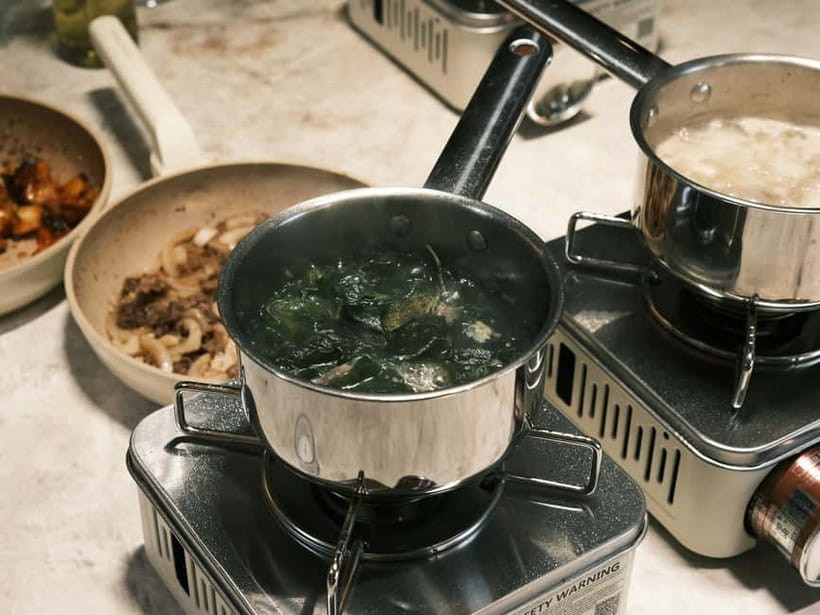
Bibimbap is one of the class highlights because you do not simply eat it from a restaurant bowl. You prepare the ingredients and arrange them into a finished dish.
The plating gives you a chance to see how Korean food uses color and balance. Separate vegetables and toppings become a composed meal, then come together when mixed. It is also one of the easiest dishes to remember after returning home because the method can be adapted to ingredients you find locally.
I like that bibimbap is included alongside the chosen main and soup rather than replacing them. You get to learn a familiar Korean favorite while also seeing less obvious parts of a home meal.
The class provides a digital recipe by photo after the session. This is useful because you will prepare several dishes in a short period, and it is easy to forget exact quantities or sequence once you leave. The recipe support gives you a better chance of repeating the meal at home.
Woody’s grilled samgyeopsal and ssam
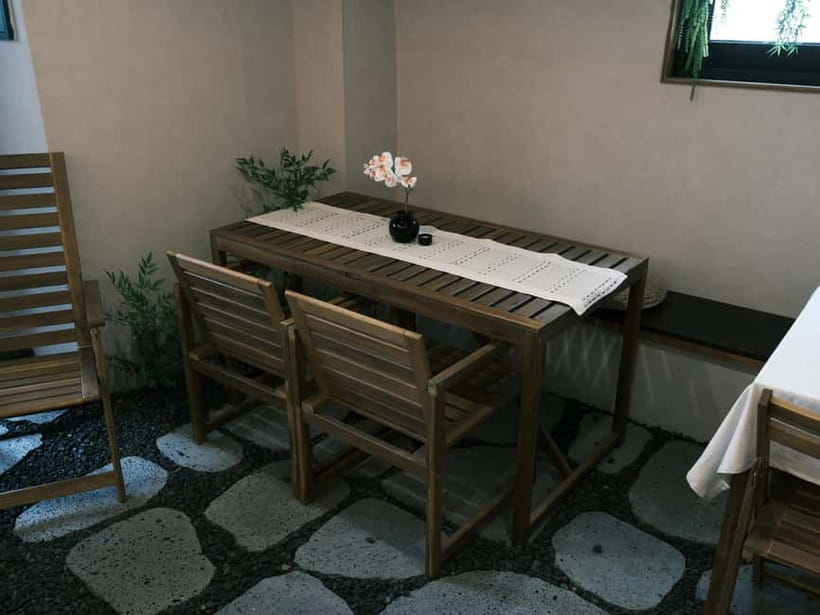
While you prepare the meal, Woody personally grills samgyeopsal, or Korean pork belly, and serves it with fresh seasonal vegetables for ssam. You wrap the pork and accompaniments in lettuce, following a familiar Korean way of eating.
This part is handled by the host rather than added as another complicated cooking assignment. That is a smart choice. You already have plenty to prepare, and the grilled pork adds a warm, social dish without making the class feel overloaded.
The samgyeopsal also changes the rhythm of the meal. After the hands-on preparation, you can share a dish cooked by the host and focus on eating together. It gives the final table a home-style quality, with some food prepared by you and some served by the person teaching you.
Adults also receive one glass of traditional Korean distilled liquor. Extra alcoholic drinks are not included, so you should not expect an open bar or a long drinks service. Filtered water is available during the meal.
Sitting down in the Hanok-inspired studio
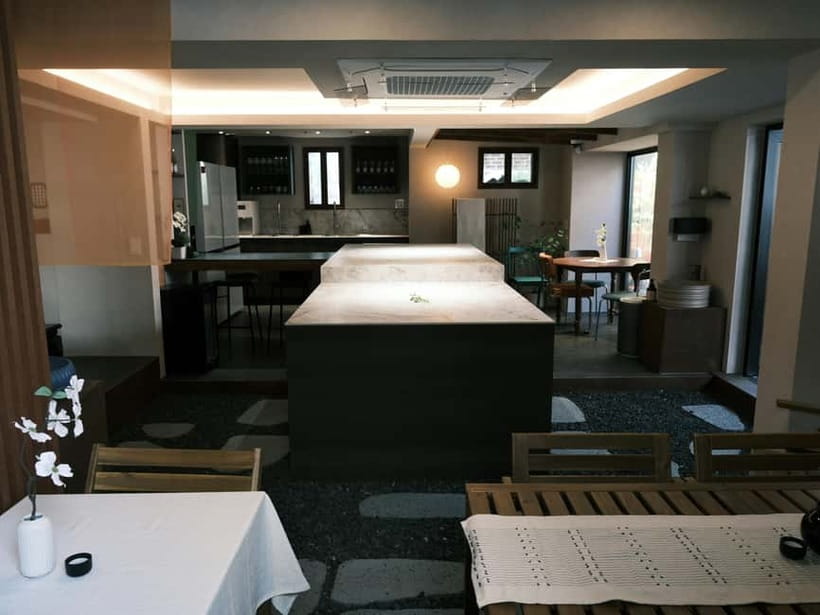
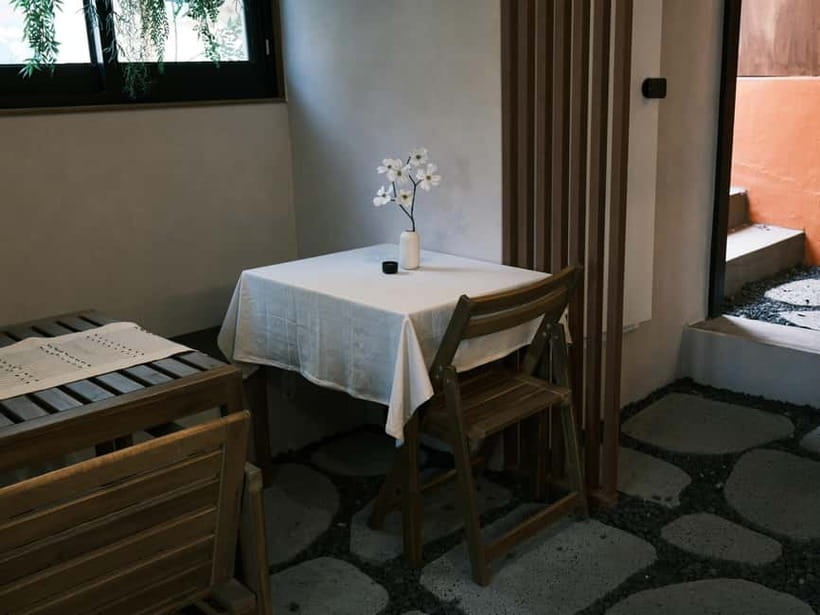
The setting is one of the strongest parts of the experience. Soop Table is designed as a warm, Hanok-inspired studio rather than a plain classroom. The space is described as modern, clean, beautiful, and cozy, with soft music that keeps the mood gentle.
That design supports the class without turning it into a photo set. You cook in the same space where you later sit down to eat, so the transition feels natural. After several hours of preparation, the shared table becomes part of the lesson.
The small-group limit of eight is important here. You get more direct contact with Woody than you would in a large cooking school, and the intimate room suits the conversational style. Families, couples, and small groups of friends can work together without feeling lost in a crowd.
The activity is not ideal if you want a fast stop between major sights. Three and a half hours is a real commitment. I would schedule it as a main activity for the day, not something to squeeze between a museum and an evening reservation.
Dessert and the final shared meal
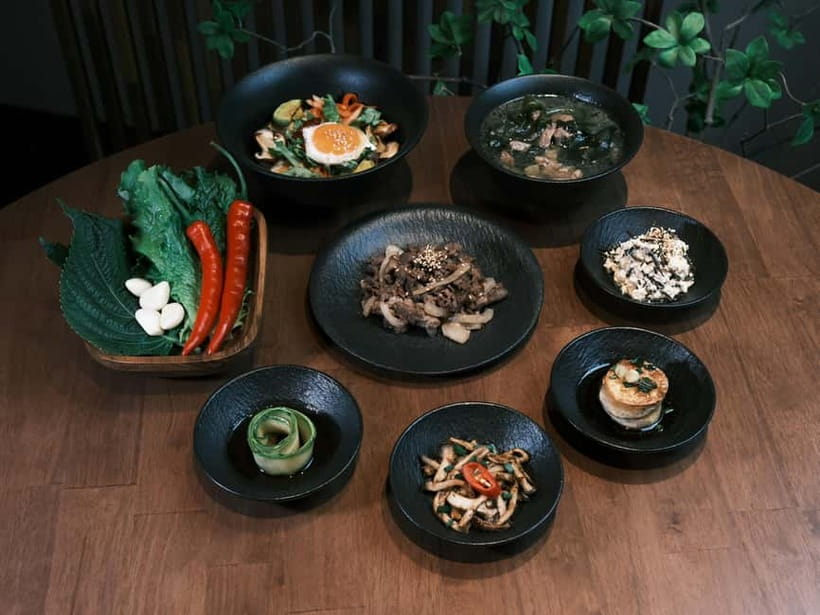
After the savory dishes, you finish with a simple Korean dessert. Some sessions have included hotteok, a warm Korean sweet pancake, though the exact dessert may vary.
The dessert gives the class a satisfying end and adds one more piece of Korean food culture. It also helps balance the serious amount of savory food on the table. By this point, you will likely be ready to sit, talk, and eat rather than begin another demanding recipe.
The meal is shared, and conversation is part of the experience. Woody talks about his path to opening the cooking studio and offers local suggestions. The tone is less formal than a restaurant meal and more like being welcomed into someone’s cooking space.
A small souvenir gift is provided at the end. It is not a major part of the value, but it is a thoughtful finish. Handmade craft items are also available for purchase at the venue, though those are extra.
Is the $89 price fair?
At $89 per person, this is not Seoul’s cheapest food activity. The price makes more sense when you count what is included: 210 minutes of instruction, all ingredients, use of the kitchen and tools, an apron, a full shared meal, four side dishes, bibimbap, soup, a selected main, grilled samgyeopsal, a glass of traditional liquor for adults, dessert, filtered water, a digital recipe, and a small gift.
You are also paying for the small group and the amount of food. A cheaper class may teach one dish, offer less hands-on time, or skip the full meal. Here, the experience works as both a cooking lesson and a substantial lunch or dinner.
I would consider it good value for food-focused visitors who want practical skills and conversation. It is less compelling for someone who only wants to taste Korean food or who prefers a quick market tour. Transportation is not included, so you must make your own way to Soop Table, also called The Hansik Atelier.
The flexible booking terms help if your Seoul plans are still changing. You can reserve and pay later, and cancellation is free up to 24 hours in advance for a full refund.
Who should book this Seoul cooking class?
I would recommend it to first-time cooks, committed food lovers, couples, families with children aged 10 and older, and anyone who wants a slower cultural activity in Seoul. The class can suit people with different cooking abilities because Woody explains each step clearly and does not rush slower participants.
It is also a good pick if you want to take something home beyond photographs. The digital recipes let you try the dishes again, and the class gives you a clearer sense of how Korean meals are assembled.
I would not choose it for a short Seoul visit when every hour is assigned to sightseeing. I would also avoid it if you have serious food restrictions, do not eat meat, or dislike shared meals. The class is built around Korean home dining, not a customizable allergy-safe cooking lesson.
Should you book From Forest to Table?
Book this experience if you want to spend an afternoon making and eating a broad Korean meal in a calm, personal setting. The strongest reasons are the menu choice, patient English instruction, small group size, attractive studio, generous meal, and recipe to use at home.
Skip it if you want a short demonstration, a budget snack, or a fully vegetarian menu. For everyone else, the $89 cost is reasonable for the quantity of food and the three and a half hours of guided cooking. I would come hungry, wear comfortable clothes, and treat it as one of your main Seoul activities rather than a filler between other plans.
FAQ
Where does the cooking class take place?
The meeting point is Soop Table, The Hansik Atelier, in Seoul.
How long does the experience last?
The class lasts 210 minutes, or three and a half hours.
How many people can join the class?
The group is limited to eight participants.
Is the class taught in English?
Yes. The instructor speaks English and Korean, and the cooking class is guided in English.
What food will I prepare?
You will prepare four side dishes, bibimbap, one soup or stew, one main dish of your choice, and a simple Korean dessert.
Can I choose my own main dish?
Yes. Each person selects their own main dish and soup from the choices available during the class.
Is samgyeopsal included?
Yes. Woody grills samgyeopsal and serves it with fresh seasonal vegetables for lettuce wraps.
Can vegans, vegetarians, or people with food allergies join?
No. The activity is not suitable for vegans, vegetarians, or people with food allergies.
What is included in the price?
The price includes welcome tea, ingredients, cooking instruction, apron and tools, the shared meal, samgyeopsal, one glass of traditional Korean distilled liquor for adults, dessert, filtered water, a digital recipe sent by photo, and a small souvenir gift.
Newest classes around Seoul
- Seoul: Korean Home Visit, Cooking & Cultural Experience★ 5.0 · 2 reviews
- Seoul: Korean Kimchi Cooking Class in the Heart of the City★ 5.0 · 3 reviews
- Seoul: Premium Korean Feast Cooking Class★ 5.0 · 3 reviews
- Seoul: Kimchi Dishes Cooking Class with Wine Pairing★ 4.7 · 38 reviews
- Seoul: Korean Cooking Class with Local Grocery Shopping★ 5.0 · 13 reviews
- (Seoul) Korean Cooking Class with a Professional Chef★ 5.0 · 14 reviews
- Seoul: Authentic Korean Cooking Class and Market Tour★ 5.0 · 6 reviews
- Seoul: Cooking Class and Tour with Michelin-Trained Chef★ 5.0 · 11 reviews
Seoul Cooking Classes, compared.
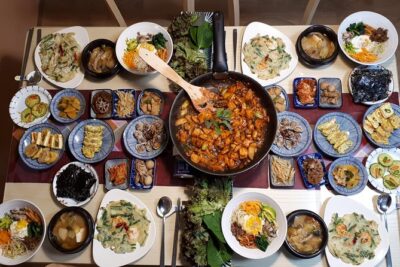
Local Home Korean Cooking Class & Market Adventure in Seoul
Read our review →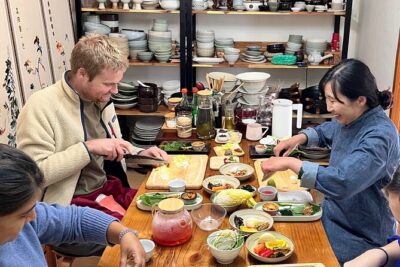
Master Korean traditional cooking with a Kimchi chef
Read our review →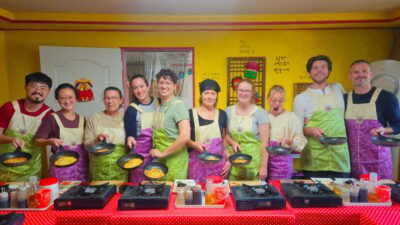
Korean Cooking Class at a Local Home and Market Tour
Read our review →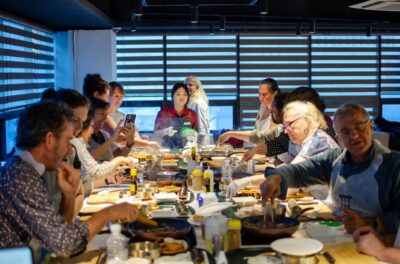
Taste of Korea, Authentic Home Style Cooking Class
Read our review →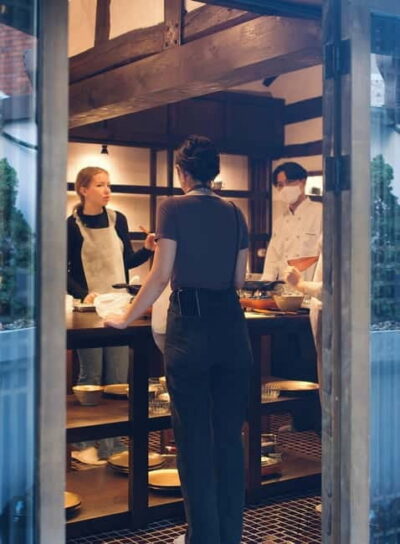
Royal Seoul Cooking Class in a 100-Year-Old Hanok
Read our review →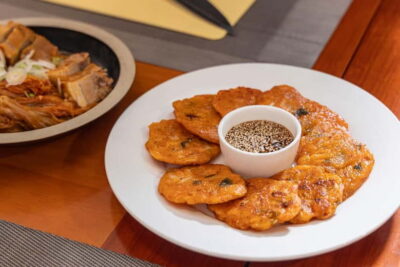
Browse the lists this tour appears in