
Review · TOKYO COOKING CLASSES
Unique Private Cooking Class with a Tokyo Local Emi
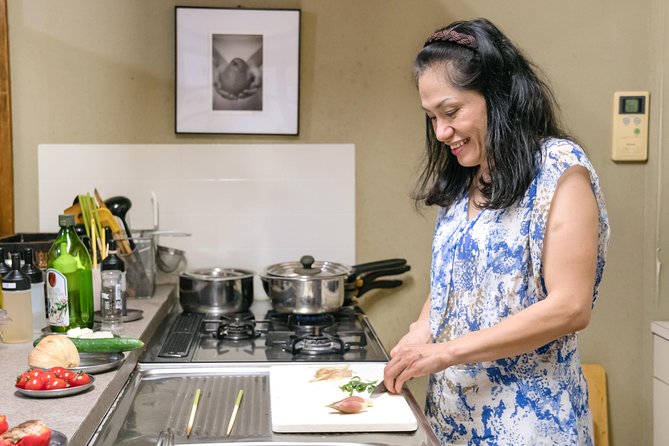
Cooking three Japanese home dishes in a local setting gives you something more useful than another restaurant meal: recipes you can make again. Emi leads the class at her home or cooking studio, teaching at a relaxed pace while you prepare, cook, eat, and talk about Japanese food and daily life.
I like the private format, since your group gets Emi’s full attention, and I like the practical menu planning. You can choose three dishes, ask for changes, and learn the small techniques that make gyoza, tempura, ginger pork, or karaage work at home. The main drawback is that everyone must eat the same selected menu, and groups of four or more need to book well ahead.
Key points to know before booking
- Choose three dishes at least four days ahead: Emi prepares one shared menu for the entire group.
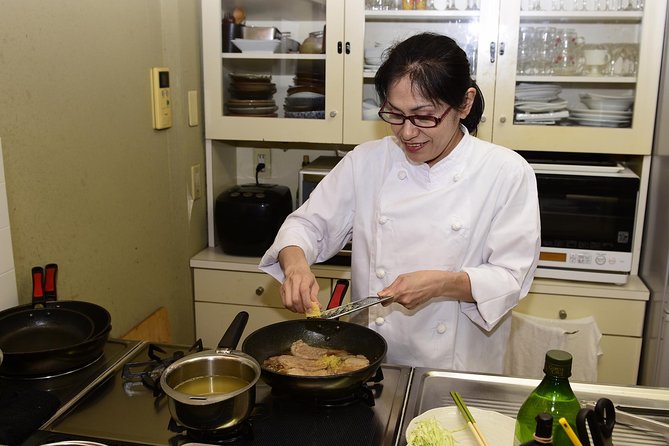
- Cook in a home or studio: Groups of two or three on weekends may meet at Emi’s home, while weekday groups and groups of four or more use the studio.
- The meal is part of the class: Food, tea, barley tea, and sake are included, so arrive hungry.
- Plan on three hours: Cooking takes about 1.5 to 2 hours, followed by a sit-down meal.
- The class is hands-on: You prepare the food rather than simply watching a demonstration.
- Nerima adds travel time: The meeting point is in western Tokyo, with Nerima Station and the Oedo Line useful for planning the rest of your day.
Cooking Japanese home food with Emi
Tokyo is famous for polished restaurant food, but home cooking tells you something different about Japan. It shows how familiar dishes are prepared in an ordinary kitchen, how ingredients are handled, and how a meal comes together without the ceremony of a formal dining room.
That is the appeal of this experience. Emi does not simply place finished dishes in front of you. You help prepare them, follow each step, and eat the results at the end. The class is private, so the pace can suit your group rather than a room full of strangers.
The tone is social as well as practical. Emi talks about Japanese customs, food, and life in Tokyo while you cook. Participants describe her as warm, patient, funny, and easy to talk with. Her English has been described as very good, which matters when you are learning details such as texture, timing, and the difference between a quick stir and a proper one.
You begin with mugi-cha, or barley tea, before cooking starts. This simple welcome sets the mood. After the cooking, you sit down with the meal and sake, along with green tea or more barley tea. Emi also supplies the recipes, so the class can continue in your own kitchen after the holiday.
More Private Cooking Classes in Japan
- Private Home Cooking in Yanaka – Local Flavors in a Warm Setting
★ 5.0 · 173 reviews - Tokyo: Private Japanese Cooking Class with a Local Chef
★ 5.0 · 81 reviews - Private Kyoto Sushi Cooking Class & Tea Ceremony with Emika
★ 5.0 · 66 reviews
Choosing the menu four days in advance
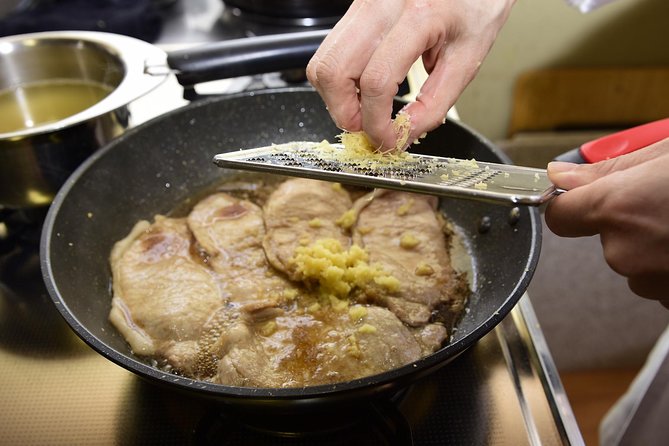
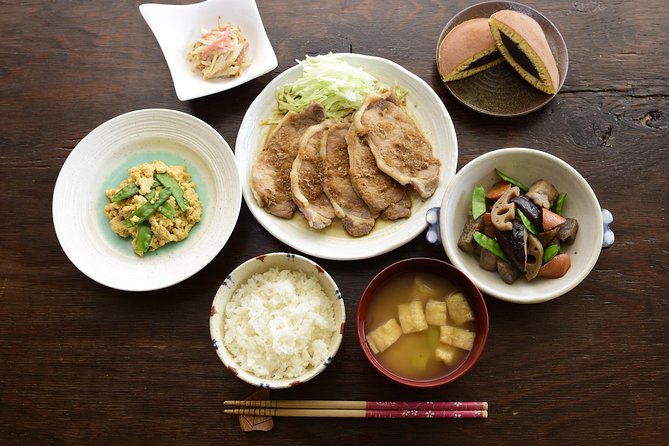
The food is the main decision to make before you book. Emi offers a range of Japanese home-style dishes, and you can choose any three from her menu. The exact options can vary, but the classes have included gyoza, yakisoba, ginger-fried pork, tempura, tonkatsu, onigiri, karaage, miso soup, shrimp dishes, salmon with hijiki seaweed, and vegetable preparations.
The menu feels different from a standard restaurant order. You may learn how to fold gyoza from scratch, season pork with ginger, prepare tempura, or make a simple meal from a few well-planned ingredients. One group prepared shrimp gyoza, vegetarian yakisoba, and ginger-fried pork. Another made tempura, tonkatsu, and onigiri. These are useful choices because they cover several techniques and can be repeated at home.
You need to choose together. Every person in the group prepares the same main dish, so this is not the place for each participant to order a separate meal. Send your menu choice to Emi at least four days before the class. If she does not hear from you, she selects the menu herself.
The menu can be adapted for allergies, dietary restrictions, and cooking preferences. Vegetarian cooking is possible, but the menu for the whole group may change to suit it. Okonomiyaki contains fish granule soup stock, so ask about the ingredients if that dish is under consideration.
I would treat the menu email as part of the experience, not a minor booking chore. Think about what you want to learn. Gyoza offers hands-on shaping, tempura teaches careful frying, and ginger pork gives you a simple dish with a strong home-cooking payoff.
What the three-hour schedule feels like
The experience lasts about three hours. The cooking itself usually takes 1.5 to 2 hours, followed by time to sit down and eat what you have made.
The first stage is a welcome with tea and a conversation about the menu. Then Emi demonstrates and explains the work while you take part. The class is not designed as a show where you watch a professional do everything. You chop, mix, fold, season, and cook, with Emi correcting you when needed.
That hands-on approach can be especially useful for dishes that look simple but require feel. Folding gyoza, for example, takes practice. Several participants appreciated Emi’s patience when their wrappers did not cooperate. Tempura also benefits from instruction because texture and timing matter more than a long list of ingredients.
As the dishes finish, Emi brings the meal together. You sit down with the food, share sake, and talk about what you have cooked. This final meal is not an add-on. It gives you a chance to taste the results while the method is still fresh in your mind.
The pace sounds relaxed rather than rushed. Music, conversation, and laughter have been part of some classes, but the main focus remains the food. If you want a quiet technical lesson, explain that in advance. If you enjoy conversation, Emi can also help with questions about Tokyo and Japanese customs.
Home setting or cooking studio?
The setting depends on your date and group size. A weekend group of two or three may be hosted at Emi’s home. Groups of four or more, and groups attending on a weekday, use her cooking studio.
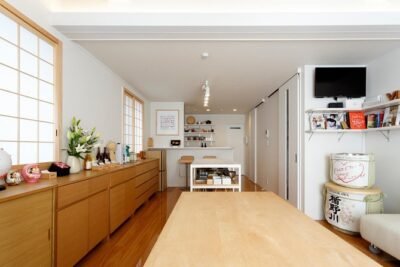
The home setting can feel especially personal. You get a look at a normal domestic environment rather than a commercial classroom, and the meal has the character of being welcomed into someone’s kitchen. At the same time, a home kitchen is likely to be compact. One participant noted that the cooking area was small enough for one person to work while another watched and took photographs.
The studio is the more practical choice for larger groups. It should give everyone more room to take part, though there are about 10 steps leading to it. Mention accessibility concerns when booking.
The meeting details need careful attention. The stated start point is Nerima City Hall, at 6-chōme-12-1 Toyotamakita, Nerima City, Tokyo 176-8501, while studio sessions meet directly at the cooking studio. Emi may arrange to meet you at a station or provide directions, but you should read the final instructions closely and allow time for Tokyo navigation.
The activity ends at the same general meeting point. Hotel pickup and drop-off are not included.
More Private Cooking Classes in Tokyo:
- PRIVATE Authentic Balinese Cooking Class in Ubud at Putu’s Home
★ 5.0 · 644 reviews - Rome: Pasta Making Class with Tiramisu & Wine PRIVATE OPTION
★ 4.8 · 404 reviews - Private Market Tour & Cooking Class in Puerto Vallarta with Manu
★ 5.0 · 241 reviews - Private Cooking Class with 5 dishes of your choice
★ 5.0 · 227 reviews
Getting to Nerima and adding a local stop
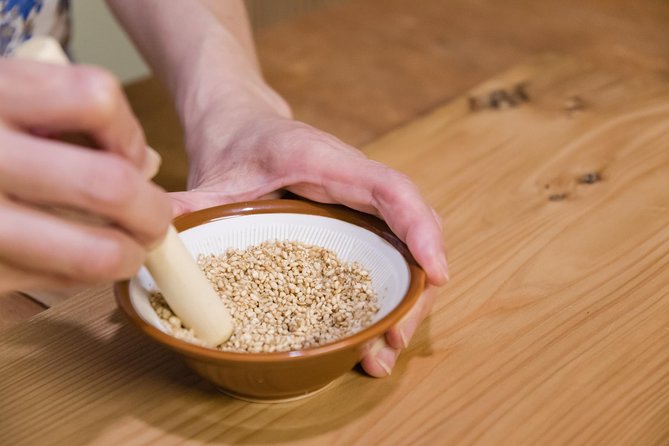
Nerima is outside the main sightseeing core of Tokyo, which is both a benefit and a planning issue. You will not be walking straight from the class to the Ginza department stores or Senso-ji without allowing for transport.
The Oedo Line makes the area useful for a day that includes other stops. The line connects from Azabu-Juban to Nerima without a transfer, which can help if you plan to visit TeamLab Borderless in Azabudai Hills. The Harry Potter Museum in Tokyo is about a 20-minute walk from Emi’s apartment, though you should confirm the best route and timing before building your day around both activities.
After the meal, Emi can take you to one additional local stop before dropping you at Nerima Station. You can choose a Japanese sweet shop, a Japanese tea and pottery shop, or a supermarket. Tell her in advance and choose one.
This optional stop is a nice way to extend the lesson. A supermarket visit can help you identify sauces, snacks, or ingredients you saw in the kitchen. A tea and pottery shop shifts the focus toward Japanese table culture. A sweet shop gives you a small taste of the city’s everyday food scene. It is only one stop, so make your choice based on what you most want to remember.
What the price includes at $99
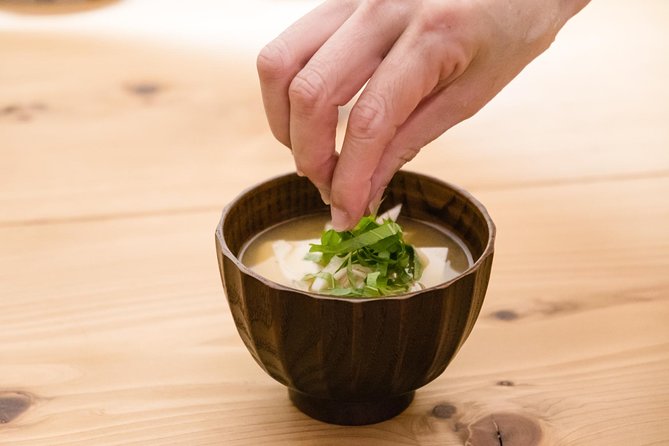
At $99 per person, this is not just a cooking demonstration. The fee covers a private class, the ingredients, the meal, green tea, barley tea, sake, and recipes to take home.
The value depends on how much you care about participation. If you only want to eat Japanese food, Tokyo offers cheaper options. If you want a private lesson, a local conversation, a full meal, and practical recipes, the price is easier to justify. You also avoid the impersonal feel of a large class, since only your group takes part.
The class can be a good use of a rainy afternoon or an evening when you want a break from sightseeing. It also gives couples and small groups a shared activity rather than another meal where one person chooses what everyone orders.
There are a few cost-related details to keep in mind. Children aged 10 and older pay the adult price, and children aged nine and under cannot join. Group discounts may be available, but larger groups must plan two or three months ahead because studio space can fill.
The strongest parts of the experience
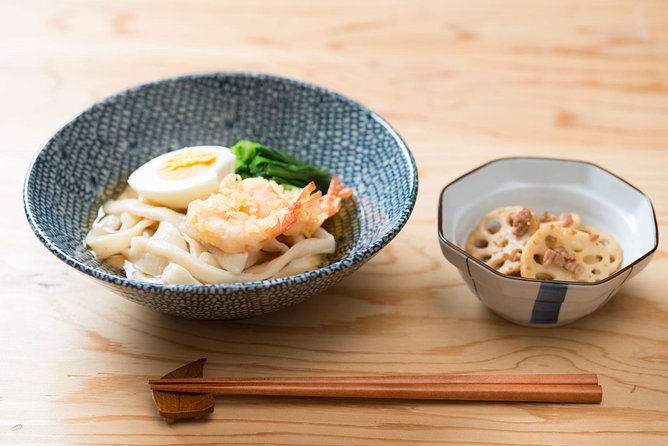
The most praised quality is Emi herself. She is described as patient when people struggle, attentive to questions, and generous with local advice. She has helped participants find a supermarket, a cake shop, a pottery and tea shop, and places to visit elsewhere in Tokyo.
That personal care can extend beyond the cooking. In one case, Emi stayed in contact after a participant lost a wallet and offered suggestions until it was found. You should not book the class expecting a personal concierge, but this gives you a sense of how involved she can be with a small group.
The second strength is the amount of actual cooking. You are not seated at a counter while Emi prepares everything. The class gives you time to handle the food and make mistakes in a friendly setting. That makes the recipes more memorable.
The third is the meal afterward. Cooking can be tiring, and it is satisfying to sit down with the finished dishes rather than rush straight back onto the train. The sake and tea add a social finish without turning the class into a formal tasting.
The main limitation is the shared menu. A group with mixed tastes or serious dietary needs must communicate clearly before arrival. Also, the class is in Nerima, not central Tokyo, and the home kitchen can be tight for two or three people who all want to work at once.
Who should book this class?
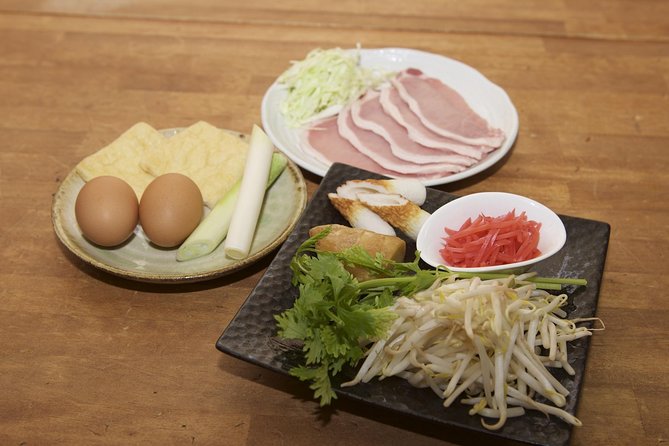
I would choose this experience for couples, families with older children, friends, and solo visitors who want real conversation with a Tokyo local. It works well for people who enjoy food but do not need a professional chef certificate or a polished cooking-school setup.
It is also a strong choice if you want to bring part of Japan home. The recipes, simple techniques, and ingredient advice make the experience useful after the trip. You can cook the dishes again instead of leaving with only photographs.
I would think twice if your schedule is packed with central Tokyo sights. The trip to Nerima takes planning, and the class lasts about three hours before you add transport. I would also reconsider if your group cannot agree on one menu or if accessibility makes stairs difficult.
Book early for four or more people, especially on a weekend or during a busy travel period. Smaller groups have more flexibility, but you still need to send menu preferences four days ahead.
Cancellation and practical details
Free cancellation is available up to 24 hours before the start time for a full refund. Changes or cancellations made less than 24 hours before the start time are not accepted for a refund.
Confirmation is provided at booking, and the activity is near public transportation. Since the home or studio arrangement depends on your date and group size, read Emi’s meeting instructions carefully and contact her directly after booking about food restrictions and menu choices.
Should you book Emi’s Tokyo cooking class?
Book it if you want a private, friendly lesson that combines cooking with a real local exchange. The strongest reasons are the hands-on format, the recipes, the flexible menu, and the chance to share a home-style meal with Emi over tea and sake.
Skip it if you want a quick central-Tokyo activity, a separate dish for every person, or a formal cooking school with lots of space. For everyone else, $99 buys a useful three-hour experience, not just lunch. Arrive hungry, choose your menu early, and leave enough time to reach Nerima without rushing.
FAQ
How long does the cooking class last?
The experience lasts approximately three hours. Cooking takes about 1.5 to 2 hours, followed by time to eat the prepared dishes.
What food and drinks are included?
Food and drinks are included. You receive green tea, barley tea, and sake, along with the meal you prepare.
How many dishes will I make?
You will choose three dishes from Emi’s menu, although the experience may include three to four home-style dishes depending on the menu.
Can I choose the menu?
Yes. You should send your menu preference to Emi at least four days before the class. If she does not receive your choice, she selects a menu for your group.
Can the menu accommodate allergies or vegetarian diets?
You should report allergies, dietary restrictions, and cooking preferences when booking and then contact Emi directly. Vegetarian requests can be accommodated, but the menu for the whole group may change.
Does everyone in the group cook the same food?
Yes. Everyone prepares the same main dish, so the group needs to agree on the menu.
Where does the class take place?
Weekend groups of two or three may cook at Emi’s home. Groups of four or more, and weekday groups, use her cooking studio. Studio participants meet directly at the studio according to the provided instructions.
Is the class suitable for children?
The experience is not suitable for children aged nine and under. Children aged 10 and older are charged the same price as adults.
Can Emi take me somewhere after the class?
If you arrange it in advance, Emi can take you to one of three types of local stops: a Japanese sweet shop, a Japanese tea and pottery shop, or a supermarket. She can then drop you at Nerima Station.
Newest classes around Tokyo
- Tokyo: Sushi roll and side dish cooking experience★ 5.0 · 2 reviews
- Tokyo: Sushi Making Experience & Japanese Cooking Class★ 5.0 · 2 reviews
- Tokyo: Real Ramen & Dumpling Cooking with Master Chef★ 5.0 · 10 reviews
- Tokyo: Sushi and Ramen Cooking Class with Sake Pairing Set★ 5.0 · 81 reviews
- Tokyo: Sushi Cooking Class with Sake Tasting★ 4.8 · 55 reviews
- Tokyo: Kawaii Bento Cooking Class – Cute Character Lunchbox★ 4.9 · 55 reviews
- Tokyo: Gyoza Making from Scratch – Ultimate Cooking Class★ 5.0 · 2 reviews
- Tokyo: Night Cooking Class: 5 Home-Cooked Japanese Dishes★ 4.9 · 13 reviews
Tokyo Cooking Classes, compared.
Ramen & Gyoza Cooking Class in Tokyo with Local Supermarket Visit
Read our review →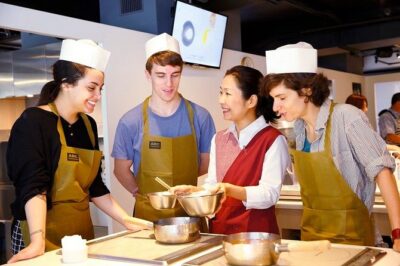
Tokyo Tsukiji Fish Market Tour and Sushi Making Lesson
Read our review →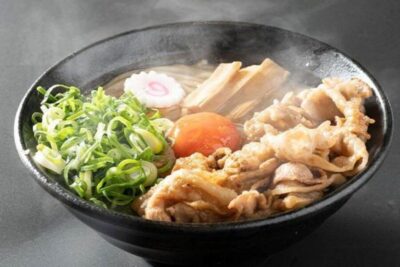
Easy Ramen Cooking Experience in Kabukicho, Shinjuku
Read our review →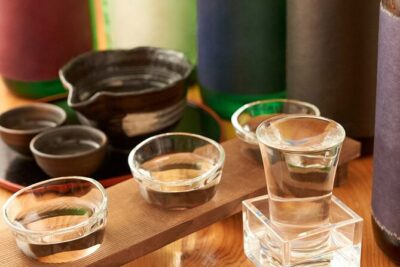
Ramen and Sushi Cooking Class with Sake Pairing Set in Tokyo
Read our review →
Tokyo Washoku 4-hour Cooking Class: From Market to Table
Read our review →
Small-Group Wagyu Beef and 7 Japanese Dishes Tokyo Cooking Class
Read our review →
Private Home Cooking in Yanaka – Local Flavors in a Warm Setting
Read our review →Browse the lists this tour appears in