
Review · TOKYO COOKING CLASSES
Tokyo: Gyoza Making from Scratch – Ultimate Cooking Class
The best part of this Tokyo cooking class is that you make the entire gyoza, not just the filling. You knead the dough, mix the pork filling, fold each dumpling, and pan-fry the finished batch. That gives you a much better feel for Japanese home cooking than simply watching a chef work.
I like the practical focus and the friendly English instruction from Tamae and Saori. I also like that you get soup, a side dish, several dipping sauces, a recipe, and downloadable photos along with the meal. The main consideration is the two-hour schedule. It is enough time for a focused class, but not a long, relaxed cooking workshop.
Key points to know before booking
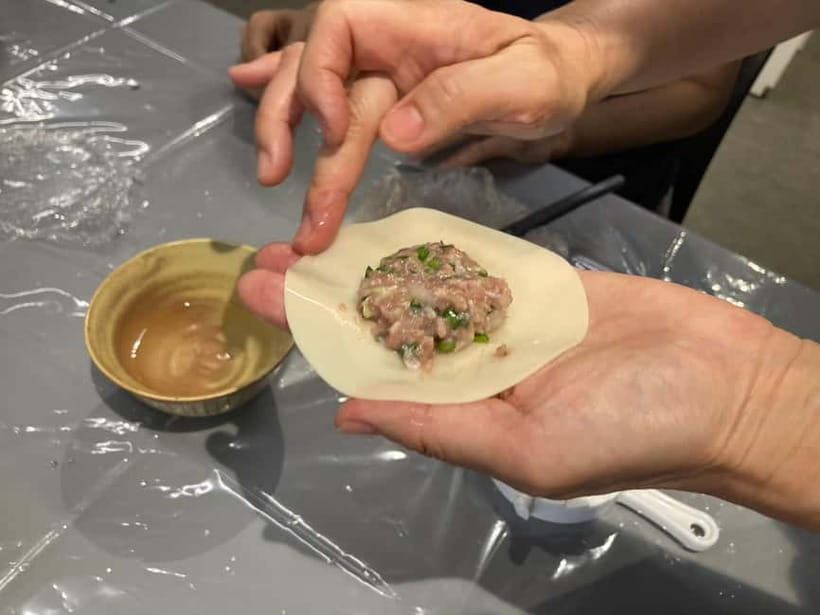
- You make the wrappers from scratch: Compare handmade dough with store-bought wrappers and learn why texture changes.
- The class teaches juicy filling: You learn the small preparation details that keep the gyoza moist rather than dry.
- You cook yaki-gyoza: Pan-fried dumplings are the main event, with folding and cooking techniques shown step by step.
- The class is in central Tokyo: The studio will be near Shinjuku, Chiyoda, or Minato, with the exact address sent three days before the reservation.
- You leave with useful extras: An English recipe helps you repeat the meal at home, and downloadable photos record the class.
- Chicken is possible by request: Ask at least 48 hours ahead if you need chicken instead of pork.
Starting with dough instead of a packet
This class begins where many home cooks usually take a shortcut: with the gyoza wrapper. You will make the dough from scratch, an important part of the lesson because the wrapper controls the dumpling’s bite, strength, and texture.
That makes this more than a quick recipe demonstration. You get to see the process from the first mixture through kneading and shaping. The class also lets you compare handmade wrappers with store-bought ones, so you can decide later when scratch cooking is worth your time at home.
The exact kitchen sequence may move quickly because the class lasts two hours. You should expect a hands-on pace, with the instructor keeping the group moving from one stage to the next. That is good for anyone who wants to cook rather than sit and take notes, but less suitable if you prefer a slow culinary lecture.
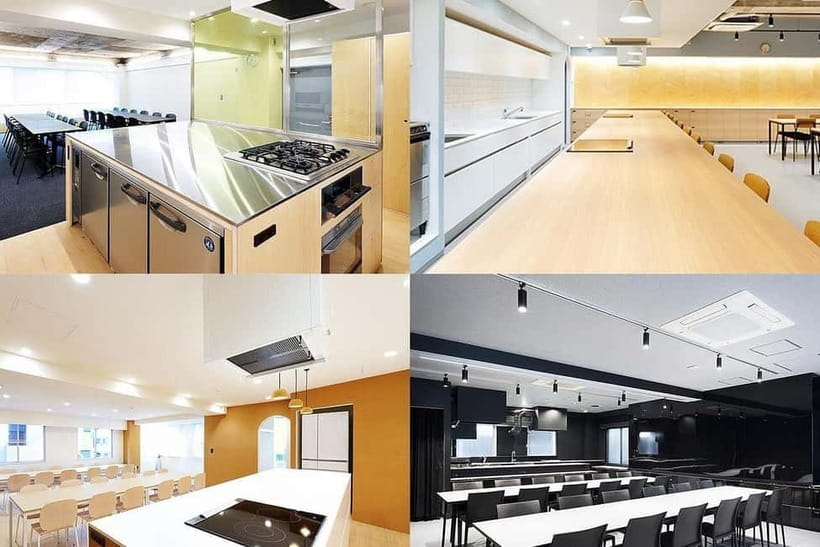
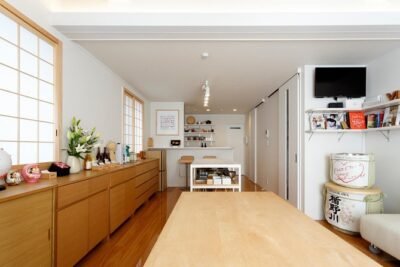
The studio is a modern Patia cooking space in central Tokyo. You will be assigned to a location near Shinjuku, Chiyoda, or Minato, and the exact address arrives three days before your reservation. Do not rely on the map pin shown during the booking process, since the supplied information warns that it can display a different location.
More Cooking Classes in Tokyo:
- Ramen & Gyoza Cooking Class in Tokyo with Local Supermarket Visit
★ 5.0 · 823 reviews - Tokyo: Easy Ramen Cooking Experience in Kabukicho, Shinjuku
★ 4.6 · 321 reviews - Ramen and Sushi Cooking Class with Sake Pairing Set in Tokyo
★ 5.0 · 291 reviews
Building a filling that stays juicy
Once the dough is underway, you prepare the filling from fresh ingredients. The class focuses on the secrets behind a juicy gyoza filling, which is one of the most useful skills here. A dumpling can look perfect and still taste dry, so learning how the filling is mixed and handled matters more than memorizing a long ingredient list.
The standard filling is pork. If you prefer chicken, you can request a change at least 48 hours before the class. That deadline is worth noting, especially if you avoid pork for personal, dietary, or religious reasons. The provided information does not list other filling substitutions, so you should not assume that every dietary request can be handled.
I like this part of the lesson because it connects technique with results. You are not just assembling food for the sake of the activity. You are learning why the filling should stay moist and flavorful after cooking.
An English-speaking instructor guides you through each step. The class has been led by Tamae and Saori, whose instruction helped participants learn details they only partly understood before arriving. That is a useful distinction. Many people have eaten gyoza or watched a short recipe video, but a live instructor can correct the small errors that make dumplings split, dry out, or lose their shape.
Folding gyoza without panic
Folding is where the class becomes both practical and social. The instructor demonstrates the technique, then you fold your own dumplings. You will quickly discover that making a neat row of gyoza takes more control than it appears to require.
The point is not to produce identical restaurant pieces on your first attempt. It is to learn how to close the wrapper securely, shape the dumpling, and avoid wasting the filling. The class gives you repeated practice, which is more useful than folding one sample and moving on.
I would treat this as a good activity for families and mixed-age groups because the task is clear and tactile. The class is described as suitable for everyone from young children to seniors, with the English-speaking instructor providing step-by-step guidance. Still, people with back problems should take note that the activity is not considered suitable for them.
Your finished gyoza will probably have a personal touch. That is part of the appeal. Handmade dumplings do not need to look factory-perfect to taste good, and the folding stage gives you a direct connection to the meal you will eat a little later.
Pan-frying the finished dumplings
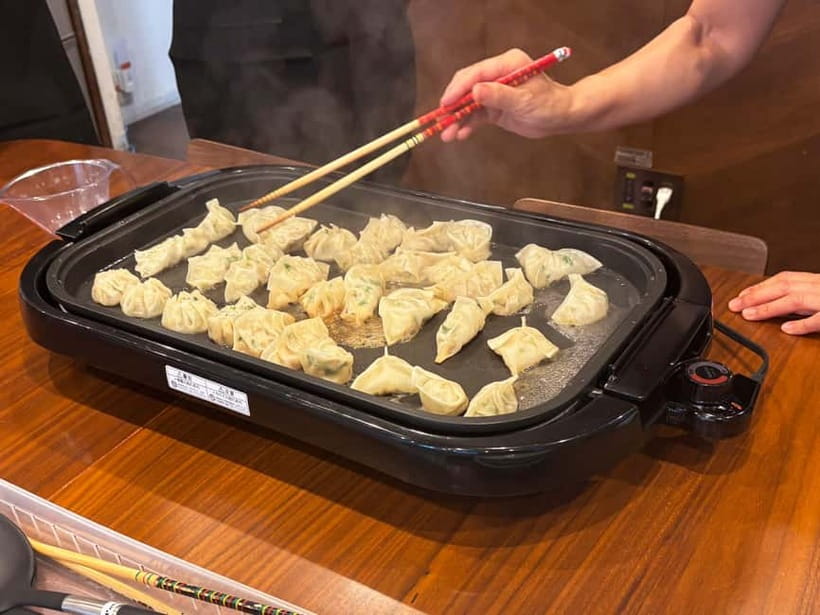
The main cooking method is yaki-gyoza, or pan-fried gyoza. You will learn how to cook the dumplings after folding them, aiming for the contrast that makes this style popular: a browned base with a tender wrapper and juicy filling.
This is where the earlier work pays off. Handmade dough reacts differently from a packet wrapper, and you get to taste the result rather than simply hear about it. The class specifically includes a comparison between handmade and store-bought wrappers, giving you a practical reason to pay attention to texture.
The cooking stage also adds a little pressure. Dumplings need the right timing, and the pan-frying process is not as passive as boiling a pot of water. An instructor is there to guide you, but you still take part in the cooking rather than watching from the side.
The information provided does not state the group size or whether each person cooks at an individual station. You should expect a modern cooking studio, but it is wise to understand that the exact working setup may depend on the class arrangement. The two-hour duration keeps this part focused rather than sprawling.
Same region, a different dish to learn:
- Tokyo Tsukiji Fish Market Tour and Sushi Making Lesson
★ 5.0 · 390 reviews - Tokyo: Wagyu and 7 Japanese Dishes Cooking Class
★ 4.9 · 273 reviews - Tokyo Washoku 4-hour Cooking Class: From Market to Table
★ 5.0 · 253 reviews - Small-Group Wagyu Beef and 7 Japanese Dishes Tokyo Cooking Class
★ 5.0 · 190 reviews
Soup, side dish, and dipping sauces
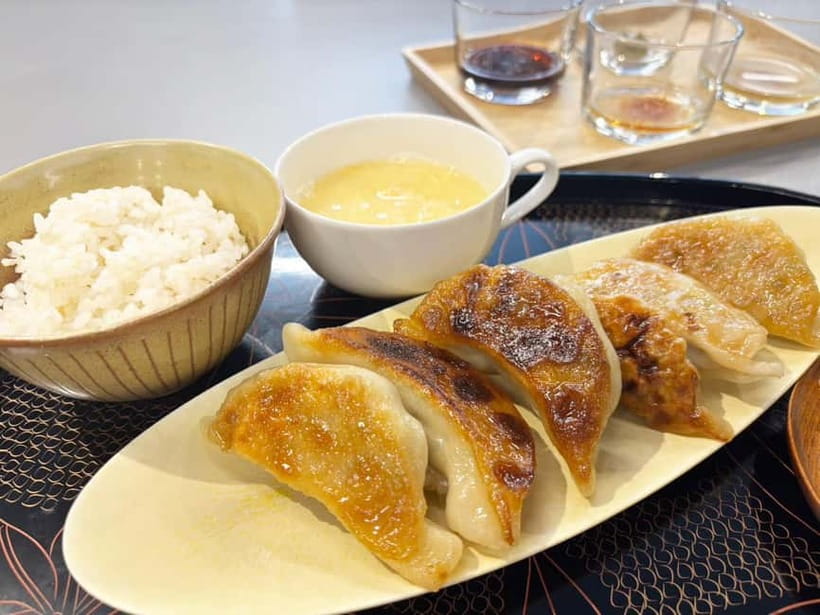
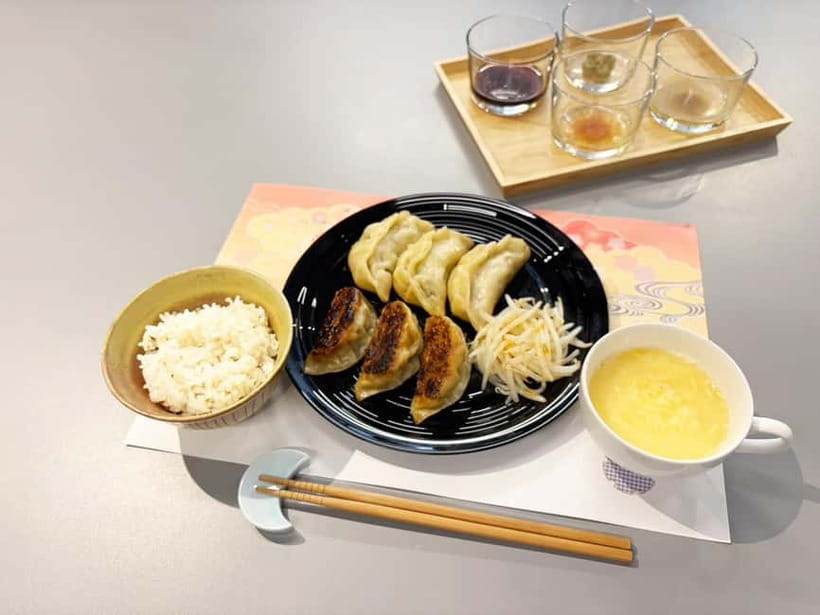
Gyoza is the main dish, but the meal includes more than dumplings. You will also prepare soup and a side dish, then sit down to eat the meal you made. Those additions give you a better picture of how gyoza fits into a Japanese meal at home.
Several dipping sauces are provided for tasting. This is a small but valuable detail because sauce changes the character of the dumpling. You can compare the handmade gyoza with different accompaniments instead of treating the dumpling as a single fixed flavor.
The meal also makes the $90 price easier to judge. You are paying for instruction, hands-on preparation, ingredients, a prepared meal, an English recipe, and downloadable photographs. It is not the cheapest way to eat gyoza in Tokyo, but it offers something a restaurant meal cannot: you learn the process and leave with a recipe you can use again.
For a short visit, this can be a good use of an afternoon or morning. You get food, a cultural activity, and a practical skill in one two-hour booking. If your only goal is to taste inexpensive dumplings, a restaurant will be better value. If you want to understand how they are made, the class earns more of its cost.
What the central Tokyo setting means for your plans
The studios are near Shinjuku, Chiyoda, and Minato, three central Tokyo areas. The exact venue is not fixed in the general booking information, so you will receive the address three days before the reservation date.
That arrangement gives the provider some flexibility, but it requires you to leave room in your schedule. Check the final address as soon as it arrives and plan your route before the class day. Since hotel pickup and drop-off are not included, you are responsible for reaching the studio on time.
Arriving early is sensible. The instructions ask you to be at the designated studio before the scheduled start time, and a cooking class cannot easily wait for late arrivals once dough and filling are underway. Allow extra time for finding the building, especially if the final address is unfamiliar.
The location also makes this easy to combine with a day in central Tokyo. You might pair the class with sightseeing near the assigned ward, but avoid packing a distant attraction immediately before it. The class is short, and arriving calm is better than rushing in with your phone still open to a train map.
The value of the recipe and photos
The English recipe is one of the most useful takeaways. You do not have to rely on memory after returning home, and the recipe gives you a starting point for repeating the dough, filling, folding, and cooking process.
The downloadable photos are a pleasant extra. They capture the experience without requiring you to stop cooking to take pictures. Since the images are available later for download, you can concentrate on the instructor and the food during the class.
Neither item replaces the value of the hands-on lesson, but both extend it. The recipe helps you cook again, while the photos preserve the day. For someone looking for a souvenir that is more useful than another small purchase, this combination works well.
Who will enjoy this class most
I would recommend this experience to anyone who likes food enough to want to understand the work behind it. It suits first-time cooks because the instructor guides you through each stage, and it also suits people who already know gyoza but want to improve their wrappers, filling, or folding.
Families may appreciate the clear sequence and the chance for children and older relatives to take part. The activity is not only about eating. Kneading, filling, folding, and cooking give each person a job.
English speakers will find the format straightforward because instruction is provided in English. The class is also a good match for visitors who want a meal built into their activity rather than a long restaurant search after a morning of sightseeing.
I would be more cautious if you have back problems, since the activity is specifically listed as unsuitable for people with that concern. I would also contact the provider before booking if you have allergies or dietary restrictions beyond the stated pork-to-chicken change. The available information confirms chicken by request, but it does not promise other substitutions.
Timing, cancellation, and booking details
The experience lasts two hours, with starting times dependent on availability. That makes it easy to fit into a Tokyo itinerary, but you should still protect the full time block. Cooking at a group studio is not an activity to squeeze between two tight reservations.
The cost is $90 per person. I see the value in that price if you care about instruction and want to recreate the dish at home. The price is harder to justify if you simply want a filling meal, since Tokyo offers many ways to eat gyoza without paying for a lesson.
You can reserve now and pay later, which helps if your schedule is still changing. Cancellation is free up to 24 hours before the start time for a full refund. Those terms reduce the risk of booking early, though you still need to confirm the exact studio address when it is sent.
Smoking is not allowed, including indoors. That is a basic studio rule, but it is worth knowing before you arrive.
Should you book this gyoza class?
Book it if you want a hands-on food lesson rather than a restaurant stop. The strongest reasons are the from-scratch wrappers, the focus on juicy filling, the chance to learn folding and pan-frying, and the recipe that lets you repeat the meal at home.
I would especially choose it for a short Tokyo visit, a family activity, or a rainy-day plan that gives you something useful to do indoors. The class has received a five-star rating from the supplied booking record, with the specific praise focused on the tasty food and the finer details taught by Tamae and Saori.
Skip it if you are looking for a long, leisurely culinary workshop, need extensive dietary customization, or only want the cheapest gyoza meal available. At $90, you are paying for instruction and participation, not just lunch. For the right kind of food-focused visitor, that is the point.
FAQ
How long does the gyoza cooking class last?
The class lasts two hours.
Where is the cooking class held?
It is held at a Patia cooking studio near Shinjuku, Chiyoda, or Minato. The exact location is provided three days before the reservation date.
Is the class taught in English?
Yes. The instructor language is English.
What will I make during the class?
You will make gyoza dough and filling from scratch, fold the dumplings, and cook pan-fried gyoza. You will also prepare soup and a side dish.
Can I request chicken instead of pork?
Yes. Chicken filling is available on request if you make the request at least 48 hours in advance.
Are meals included?
Yes. The cooking experience and meals are included.
Do I receive anything after the class?
You receive an English recipe and downloadable photographs taken during the experience.
Is hotel pickup included?
No. Hotel pickup and drop-off are not included. You must reach the designated cooking studio before the start time.
Newest classes around Tokyo
- Tokyo: Sushi roll and side dish cooking experience★ 5.0 · 2 reviews
- Tokyo: Sushi Making Experience & Japanese Cooking Class★ 5.0 · 2 reviews
- Tokyo: Sushi Cooking Class with Sake Tasting★ 4.8 · 55 reviews
- Tokyo: Real Ramen & Dumpling Cooking with Master Chef★ 5.0 · 10 reviews
- Tokyo: Sushi and Ramen Cooking Class with Sake Pairing Set★ 5.0 · 81 reviews
- Tokyo: Night Cooking Class: 5 Home-Cooked Japanese Dishes★ 4.9 · 13 reviews
- Tokyo: Kawaii Bento Cooking Class – Cute Character Lunchbox★ 4.9 · 55 reviews
- Tokyo: Japanese Home-style Cooking Class with Meal★ 4.5 · 3 reviews
Tokyo Cooking Classes, compared.
Ramen & Gyoza Cooking Class in Tokyo with Local Supermarket Visit
Read our review →
Tokyo Tsukiji Fish Market Tour and Sushi Making Lesson
Read our review →
Easy Ramen Cooking Experience in Kabukicho, Shinjuku
Read our review →
Ramen and Sushi Cooking Class with Sake Pairing Set in Tokyo
Read our review →
Tokyo Washoku 4-hour Cooking Class: From Market to Table
Read our review →
Small-Group Wagyu Beef and 7 Japanese Dishes Tokyo Cooking Class
Read our review →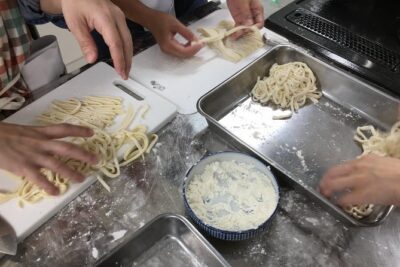
Private Home Cooking in Yanaka – Local Flavors in a Warm Setting
Read our review →Browse the lists this tour appears in