
Review · SEOUL COOKING CLASSES
Seoul: Taste of Korea, Authentic Home Style Cooking Class
Korean cooking becomes much easier once someone shows you the rhythm of it. At this Seoul class, Chef Jennifer sets up individual stations and guides you through several home-style dishes, from rolling gimbap to seasoning budae jjigae. You cook, eat, and learn the story behind the food instead of simply watching a demonstration.
I like the small groups of up to 10 and the careful preparation: ingredients are portioned, equipment is ready, and instructions are given one step at a time. I also like the generous meal, with seasonal banchan, Sikhye, Makgeolli, snacks, dessert, and drinks included. The one thing to consider is the menu. Budae jjigae includes Spam, hot dogs, beans, and other processed ingredients, so it may not suit everyone seeking a more traditional or health-focused Korean meal.
Key points at a glance
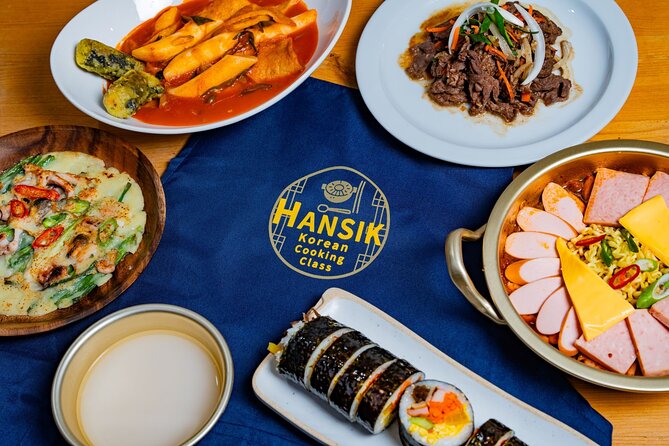
- Four dishes in one class: You may prepare gimbap, tteokbokki, haemul pajeon, and budae jjigae.
- Chef Jennifer teaches in English: Her approach is patient, friendly, and easy to follow.
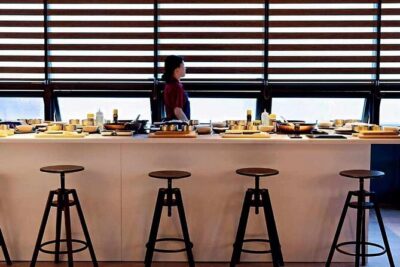
- Your own cooking station: You get to work with the food rather than stand behind a counter.
- A full meal is included: Eat your creations with banchan, Korean drinks, dessert, tea, coffee, and snacks.
- Good for dietary adjustments: Vegetarian substitutions and some meat-free accommodations have been provided.
- Convenient Seoul location: The meeting point is about a five-minute walk from Gyeongbokgung Subway Station.
What this Seoul cooking class is really like
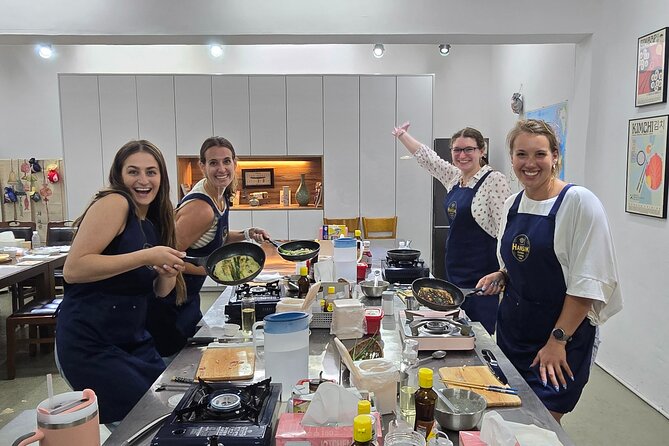
This is a hands-on Korean cooking lesson with a generous meal attached. You are not simply shown how a dish is made and then served a sample. You chop, mix, cook, assemble, and taste the results as the class moves along.
The pace is designed for beginners. Chef Jennifer demonstrates each stage, explains the ingredients, and checks how everyone is doing. You can work at your own speed, which matters if you are new to Korean sauces, unfamiliar vegetables, or the slightly different methods used in Korean home cooking.
The class usually covers four dishes. The advertised menu includes gimbap, tteokbokki, haemul pajeon, and budae jjigae, though the exact combination may vary. Some sessions focus on two dishes at a time before everyone sits down to eat, then continue with the next recipes.
That format works well. You get a break from cooking, can taste the food while it is fresh, and have time to ask questions before moving on. It also keeps the three-hour session from becoming one long stretch of standing at a work surface.
More Cooking Classes in Seoul:
- Local Home Korean Cooking Class & Market Adventure in Seoul
★ 5.0 · 1,024 reviews - Master Korean traditional cooking with a Kimchi chef
★ 5.0 · 385 reviews - Seoul: Korean Cooking Class at a Local Home and Market Tour
★ 5.0 · 348 reviews
Meeting Chef Jennifer near Gyeongbokgung
The class meets near Gyeongbokgung Subway Station on Seoul’s Orange Line, also known as Line 3. Use Exit 2, then walk straight for about five minutes toward Woori Bank. The entrance is in a small alley between the bank and the K-Pop Store.
This is not a grand restaurant entrance, so allow a few extra minutes to find the alley. Having the meeting instructions ready on your phone will help. The class is in a clean, spacious cooking studio with dedicated stations, rather than a crowded restaurant kitchen.
The location works nicely if you are already visiting Gyeongbokgung Palace or the surrounding historic district. You can pair the class with palace sightseeing, but do not schedule yourself too tightly. A cooking lesson involves washing, preparing, eating, and taking photographs, and the class is intended to feel relaxed rather than rushed.
Starting with drinks, snacks, and Korean food culture
The welcome sets a friendly tone. You may receive a drink, Korean snacks, tea, coffee, or a fruit-based beverage before the cooking begins. Traditional drinks are part of the experience too, including Sikhye, a sweet Korean rice punch, and Makgeolli, a lightly milky rice wine.
These small touches help explain how Korean food is enjoyed beyond the main dish. A meal is not just one large plate in the middle of the table. It often includes side dishes, drinks, contrasting textures, and something sweet at the end.
Chef Jennifer also explains the background of the dishes and how they fit into Korean food culture. This is one of the strongest parts of the class because the recipes become easier to remember when you understand why they are prepared and served in a certain way.
The setting is social without requiring you to arrive with a group. Solo visitors can work alongside other participants, and families can take part together. Children have joined the class successfully, including two boys aged 11 and 13, though an adult should use judgment about what suits each child.
Rolling gimbap and handling Korean ingredients
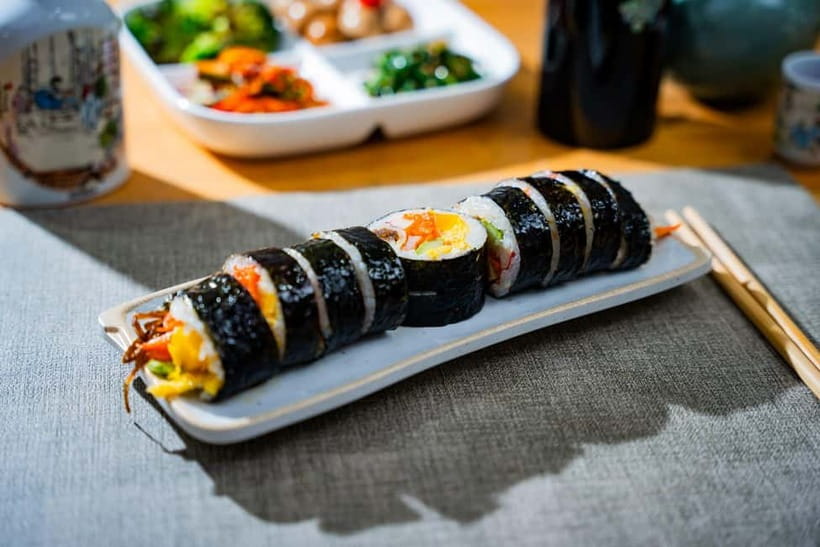
Gimbap is a useful dish to learn because it is portable, practical, and easy to recreate at home once you know the method. You will work with seasoned rice and fillings, then learn how to roll everything tightly in seaweed.
It looks simple, but the rolling technique takes a little care. Too much filling makes the roll split, while loose rice makes it difficult to slice neatly. Chef Jennifer’s step-by-step guidance is helpful here, especially if this is your first attempt.
Tteokbokki gives you a different lesson in Korean cooking. The rice cakes are cooked with gochujang, Korea’s fermented red chili paste, creating the spicy, slightly sweet sauce many people recognize from Korean street food.
These dishes show two sides of Korean food. Gimbap is orderly and mild enough to adapt, while tteokbokki brings a stronger sauce and chewy texture. You learn not only recipes, but also how Korean cooks balance rice, spice, sweetness, and texture.
Same region, a different dish to learn:
- Seoul: Korean Cooking at Seoul Cooking Club!
★ 5.0 · 311 reviews - Korean Cooking at Seoul Cooking Club
★ 5.0 · 220 reviews - Seoul: Royal Seoul Cooking Class in a 100-Year-Old Hanok
★ 5.0 · 96 reviews - Seoul: Kimchi Dishes Cooking Class with Wine Pairing
★ 4.7 · 38 reviews
Making haemul pajeon and budae jjigae
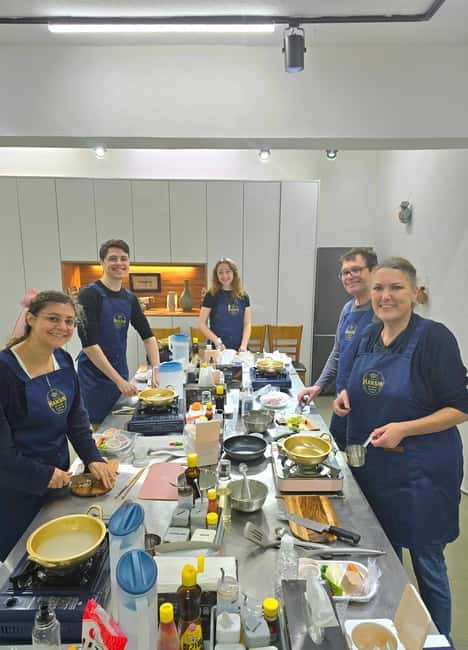
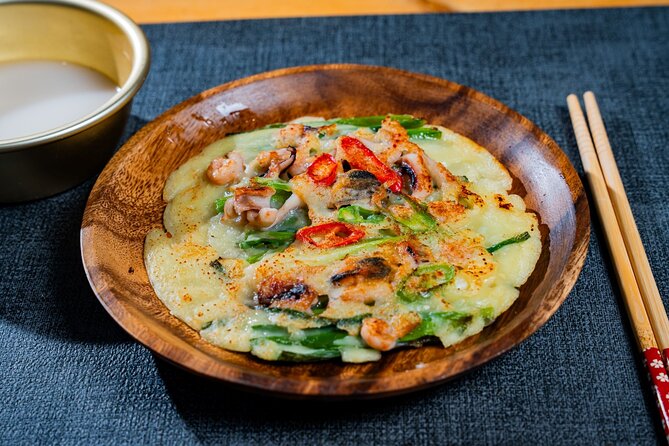
Haemul pajeon is a seafood and green onion pancake. You mix the batter, add the fillings, and cook it until the edges turn crisp while the center stays tender. The challenge is managing the heat and getting the pancake firm enough to turn without breaking.
It is a good recipe for home cooks because the ingredients are familiar enough to find, yet the result feels distinctly Korean. The green onions bring freshness, while the seafood adds savory flavor. If you enjoy cooking dishes meant for sharing, pajeon is especially useful.
Budae jjigae, or Korean military stew, is the most distinctive and potentially divisive recipe. It developed from postwar food traditions and commonly combines ingredients such as Spam, hot dogs, beans, noodles, and a spicy broth.
This dish has an important place in modern Korean food culture, but it is not what everyone expects from an authentic Korean cooking class. One participant specifically felt that processed meat did not fit their personal reason for studying Korean cuisine. That is a fair concern, especially if you prefer vegetable dishes, temple food, or classic recipes built around fresh ingredients.
Still, budae jjigae gives you a useful lesson in Korean comfort food and the way a dish can carry social history. If you do not eat red meat, substitutions have been made in the past. Vegetarian substitutions have also been provided, but you should share dietary needs when booking or before cooking begins.
Eating what you make, plus plenty of extras
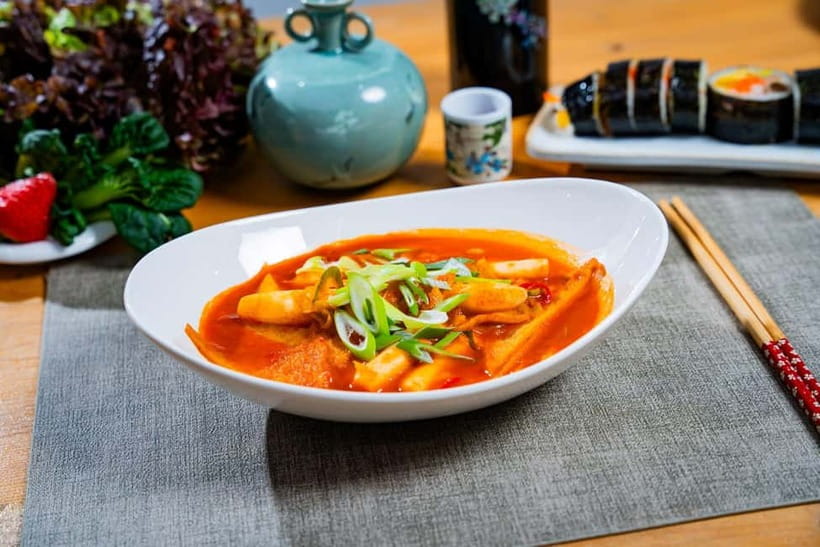
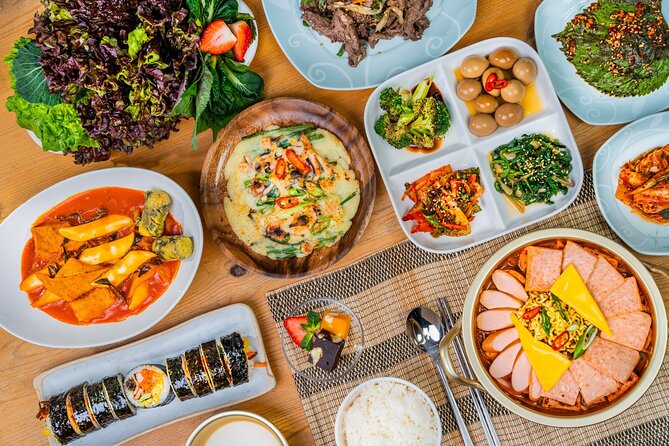
The best part of the schedule is sitting down to eat the food you have prepared. The meal comes with seasonal banchan, the small side dishes that give Korean dining its variety. You may also receive extra dishes, snacks, drinks, and dessert beyond the four main recipes.
You should arrive hungry. Several people found the portions large enough to leave them completely full, and some food can be taken away if you cannot finish it. Bags have been provided for leftovers, although one person wished a sturdier container had been available for the soup.
There is also time to photograph the dishes before eating. That may sound minor, but it is useful if you want a visual reminder of how the food should look when you make it at home.
The inclusion of Sikhye, Makgeolli, dessert, tea, coffee, water, and snacks adds real value to the $89 price. You are paying for instruction, ingredients, equipment, a full meal, and recipes sent by email, not just a short demonstration.
Why the small group matters
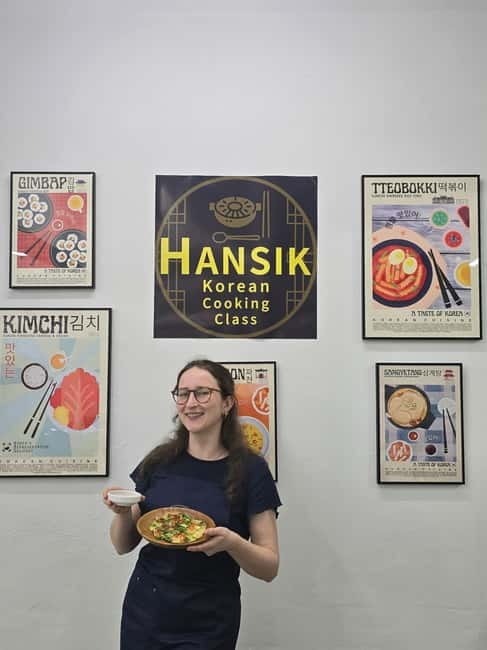
With a maximum of 10 participants, Chef Jennifer can watch each person’s technique. That matters when you are rolling gimbap, turning pajeon, or adjusting the seasoning in a stew.
Some sessions have had only two to four participants. A tiny group gives you more direct attention and makes it easier to ask questions. A full group will feel more social, but the individual stations keep you from waiting for someone else to finish before you can cook.
The class is also suitable for people who are not confident in the kitchen. Instructions are repeated when needed, and ingredients are prepared in advance to keep the process manageable. You still do the real work, but you are not expected to arrive with professional knife skills.
Chef Jennifer’s style is warm and encouraging. She explains cooking methods, gives ratios for making larger portions, and shares practical tips that help you repeat the recipes at home. The recipes sent by email are an important part of the value because they turn a pleasant afternoon into something you can use later.
Who should book, and who might skip it
I would recommend this class if you want to do more than eat Korean food in Seoul. It suits first-time visitors, solo visitors, families, couples, and anyone who likes learning through food.
You do not need to be an experienced cook. In fact, beginners may get the most from the class because the instruction starts with the basics and builds carefully. The experience also works well for people who want a social activity but do not want a large tour group.
Vegetarians should not automatically rule it out. Substitutions have been arranged successfully, and one vegetarian participant received alternatives for every dish. Still, confirm your needs in advance, since the standard menu includes seafood, meat, and processed ingredients.
You may want to skip it if you dislike cooking, need a very light meal, or want a class focused only on ancient or refined Korean cuisine. Budae jjigae is hearty and modern, and the quantity of food is substantial.
Is $89 a fair price?
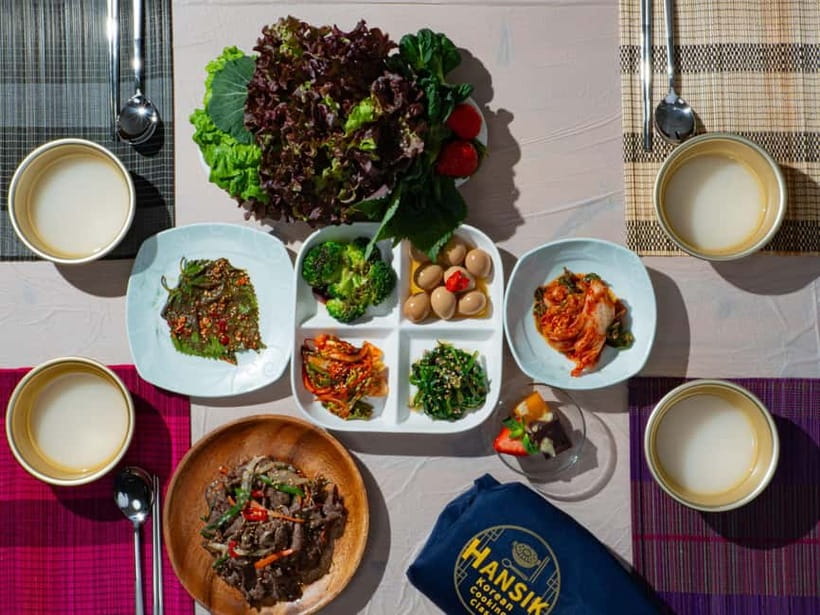
At $89 per person, this is not the cheapest way to sample Korean food. You could eat several inexpensive meals in Seoul for less. The comparison is not quite fair, though, because this price includes a three-hour activity, instruction from a professional chef, all ingredients and equipment, multiple dishes, side dishes, drinks, dessert, and recipes.
The value is strongest if you will actually use what you learn. Gimbap, tteokbokki, and pajeon are practical recipes to recreate, and the class explains how to scale portions. If you only want to eat Korean food, a market visit will cost less and offer more choice.
For a visitor with limited time, the class also combines food, culture, and a social setting in one booking. You leave with a full meal and skills that are more lasting than a single restaurant stop.
Timing, language, and booking details
The class lasts three hours, with morning and evening sessions available depending on the date. English is the teaching language.
You can reserve without paying immediately, which helps if your Seoul plans are still shifting. Cancellation is free up to 24 hours before the class for a full refund.
The class is limited to 10 people, so the smaller sessions may fill quickly. Plan to arrive at the Gyeongbokgung Subway Station meeting point with enough time to find the alley and Woori Bank.
My verdict on Hansik Korean Cooking Class
Book this class if you want a friendly, useful introduction to Korean home cooking and you enjoy eating a proper meal after working for it. Chef Jennifer’s clear teaching, individual stations, cultural explanations, and generous portions make the experience feel personal rather than packaged.
The menu is not perfect for everyone. Budae jjigae relies on processed ingredients, and the meal may be too large if you prefer light food. But for most visitors, the combination of four recipes, banchan, drinks, dessert, and take-home instructions makes $89 reasonable.
Come hungry, tell the chef about dietary needs, and leave room in your schedule. You will likely eat more than expected and leave with recipes you can make long after Seoul is behind you.
FAQ
Where does the Korean cooking class meet?
The meeting point is at Gyeongbokgung Subway Station, Orange Line 3, Exit 2. Walk straight for about five minutes toward Woori Bank. The entrance is in a small alley between the bank and the K-Pop Store.
How long does the cooking class last?
The class lasts three hours. Morning and evening sessions are available, depending on the date and starting time.
What language is the class taught in?
The class is taught in English.
How many people can join the class?
The class is limited to 10 participants, making it a small-group activity.
Which Korean dishes will I make?
The menu includes gimbap, tteokbokki, haemul pajeon, and budae jjigae. The exact dishes may vary by session.
Is the food included in the price?
Yes. You eat the dishes prepared during the class, along with Korean seasonal banchan and other included food.
Are drinks and dessert included?
Yes. The inclusions include water, Korean snacks, tea, coffee, Sikhye, Makgeolli, Korean desserts, and other drinks.
Are ingredients and cooking equipment provided?
Yes. All ingredients and equipment are included, and each participant has a dedicated cooking station.
Can vegetarians or people with dietary requirements join?
Vegetarian substitutions and some other dietary accommodations have been provided. Tell the provider about your requirements before the class so suitable arrangements can be made.
Can I cancel the booking?
You can cancel up to 24 hours in advance for a full refund. You can also reserve now and pay later to keep your plans flexible.
Newest classes around Seoul
- Seoul: Korean Home Visit, Cooking & Cultural Experience★ 5.0 · 2 reviews
- Seoul: Korean Kimchi Cooking Class in the Heart of the City★ 5.0 · 3 reviews
- Seoul: Premium Korean Feast Cooking Class★ 5.0 · 3 reviews
- Seoul: Kimchi Dishes Cooking Class with Wine Pairing★ 4.7 · 38 reviews
- Seoul: Korean Cooking Class with Local Grocery Shopping★ 5.0 · 13 reviews
- (Seoul) Korean Cooking Class with a Professional Chef★ 5.0 · 14 reviews
- Seoul: Authentic Korean Cooking Class and Market Tour★ 5.0 · 6 reviews
- Seoul: Cooking Class and Tour with Michelin-Trained Chef★ 5.0 · 11 reviews
Seoul Cooking Classes, compared.
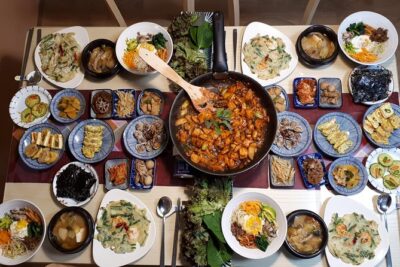
Local Home Korean Cooking Class & Market Adventure in Seoul
Read our review →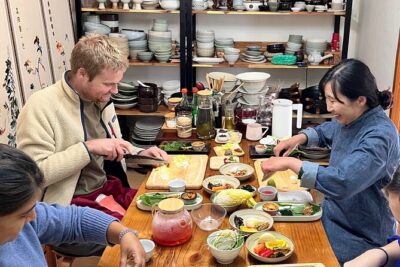
Master Korean traditional cooking with a Kimchi chef
Read our review →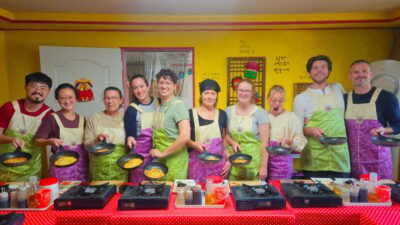
Korean Cooking Class at a Local Home and Market Tour
Read our review →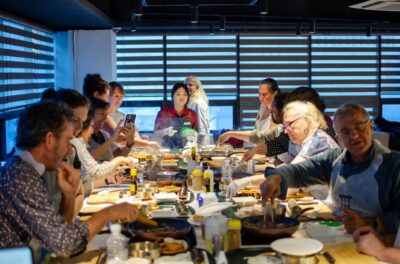
Royal Seoul Cooking Class in a 100-Year-Old Hanok
Read our review →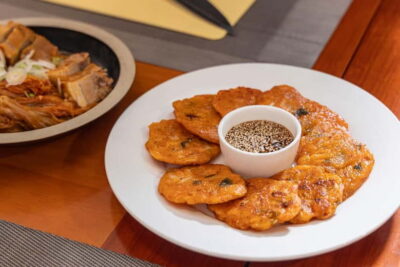
Temple Vegan Cooking Class & Oriental Medicine Tour
Read our review →Browse the lists this tour appears in