
Review · SEOUL COOKING CLASSES
Seoul: Korean Kimchi Cooking Class in the Heart of the City
Kimchi is not just a side dish in Korea. In this two-hour class near Gyeongbokgung Palace, you’ll use it in three different ways: crisp in a pancake, folded into fried rice, and softened into a cool white-kimchi noodle dish. The small group, capped at eight, should make it easier to ask questions and keep your hands busy.
I especially like the practical focus on ingredients you can find in your own city, and the relaxed pace that works for beginners. The makgeolli adds a proper Korean touch, while the secret dish keeps the meal from feeling too neatly scripted. The main drawback is the meeting point: it is on the third floor, and the information about wheelchair access conflicts with the warning that the class cannot accommodate wheelchair users or people needing special assistance.
The Kimchi Lessons That Matter Most
- Three distinct kimchi dishes: Make kimchi-buchimgae, kkakdugi fried rice with bacon and egg, and baek-kimchi with noodles and broth.
- Fermentation made practical: Learn how Korean cooks balance salty, sour, spicy, bold, and mild flavors.
- Near Gyeongbokgung Palace: The class fits neatly into a day exploring Seoul’s Jongno District.
- A small English-speaking group: Eight participants is the maximum, giving the chef room to guide each person.
- Makgeolli and a secret dish: Try Korean rice wine, or choose a nonalcoholic drink, and expect one extra food surprise.
- A useful take-home skill: Learn how to locate Korean ingredients in your own city, not just how to follow one recipe.
Why This Class Is More Than a Kimchi Demonstration
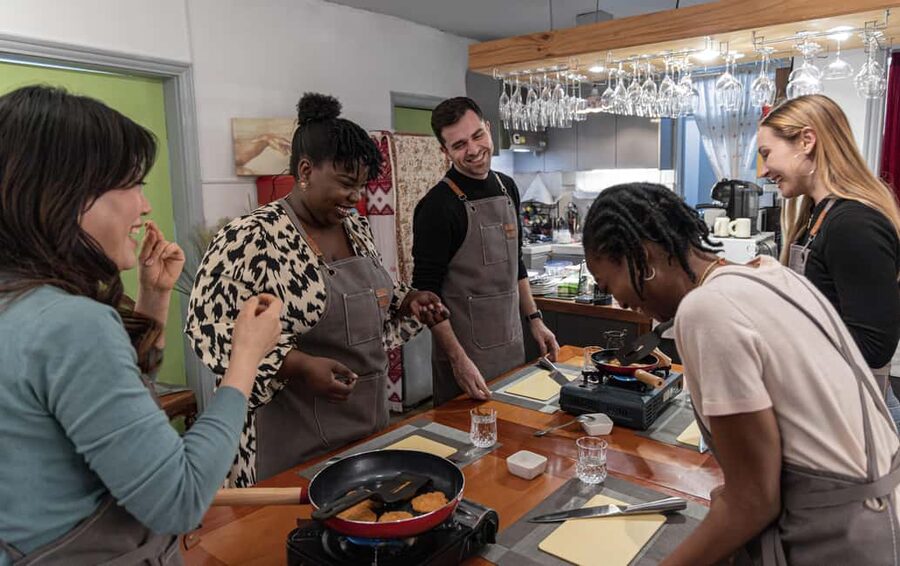
Many Korean food classes show you one famous dish and send you on your way. This one uses kimchi as a starting point for a small Korean dinner.
That matters because kimchi changes character depending on how you use it. In a pancake, it brings salt, tang, and crisp edges. In fried rice, it becomes a strong seasoning that works with bacon, vegetables, and egg. In baek-kimchi, it takes a gentler route, paired with broth and noodles rather than heat.
I like this three-part structure because you are not simply learning a jar recipe. You are learning how to balance a meal. The chef explains fermentation, ingredient pairing, and the difference between forceful and delicate flavors. For a curious beginner, that is more useful than memorizing a long list of measurements.
The class is taught in English. A small group of no more than eight should help keep the session personal, although the exact level of individual attention will depend on how many people attend and how the kitchen is arranged.
More Korean Classes in Seoul:
- Local Home Korean Cooking Class & Market Adventure in Seoul
★ 5.0 · 1,024 reviews - Master Korean traditional cooking with a Kimchi chef
★ 5.0 · 385 reviews - Seoul: Korean Cooking Class at a Local Home and Market Tour
★ 5.0 · 348 reviews
Finding the Third Floor Near Gyeongbokgung
The meeting point is at 36 Jahamun-ro 7-gil in Jongno District, on the third floor of a building with Cuisine La Cle restaurant on the first floor.
From Exit 2 of Gyeongbokgung Station, walk straight for about 200 meters. When you reach Woori Bank, turn left, pass the bar Cham, and look for the building with Cuisine La Cle downstairs. The class is above it.
Give yourself enough time to find the entrance. The directions are specific, but this is still a city street rather than a large attraction with a broad sign and a ticket desk. I would save the map link before leaving your hotel and avoid arriving at the last minute.
The location is one of the class’s strong points. You can pair it with Gyeongbokgung Palace, nearby museums, or a walk through Jongno. Since the class lasts only two hours, it fits well before or after sightseeing. You do not need to spend half a day crossing Seoul to reach it.
Washing Up and Starting With Korean Ingredients
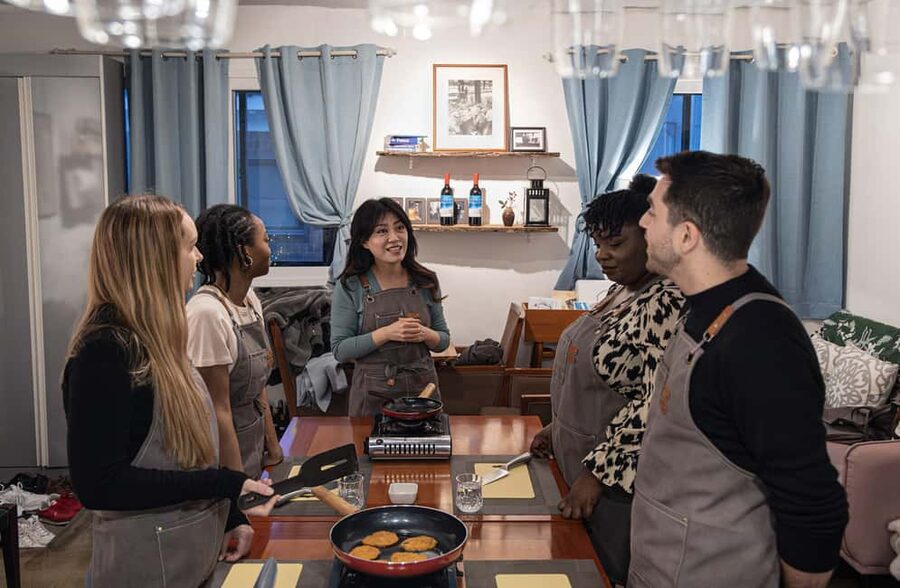
The class begins with a meeting with the chef, hand washing, and basic preparation. That sounds ordinary, but it sets the right tone. You are not watching a polished cooking show. You are getting ready to handle ingredients and build a meal.
One useful part of the session is the discussion of local ingredients. The chef helps you understand where to find Korean items in your own city. That can be the difference between a fun holiday activity and a skill you use again at home.
The supplied information does not name the chef, so you should not expect a particular instructor by name. What is clear is that the class is conducted in English and designed for different cooking levels. One recent booking described the experience as relaxed and comfortable for all levels, which fits the format: guided preparation, familiar techniques, and several dishes rather than one complicated centerpiece.
You will need to contact the provider before the class if you have dietary requirements. Do not wait until you arrive. The menu can change with availability, and advance notice gives the team the best chance to adjust the food.
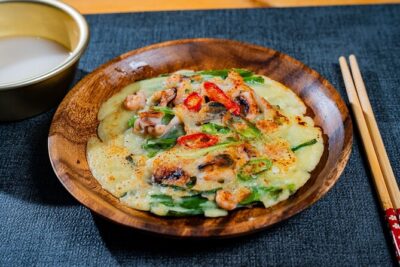
First Dish: Crisp Kimchi-Buchimgae
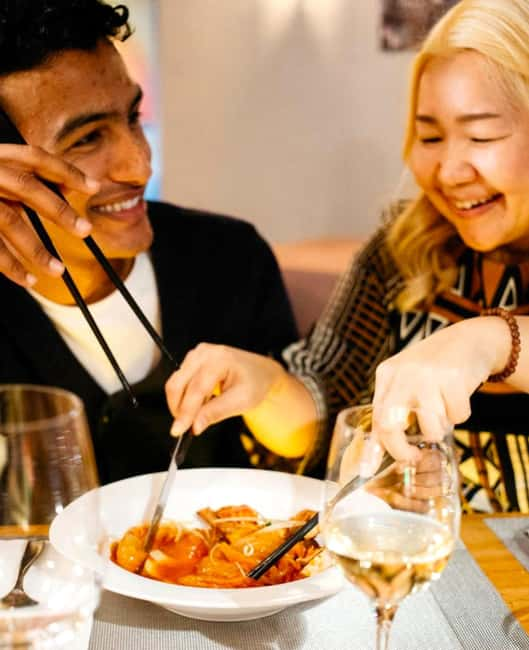
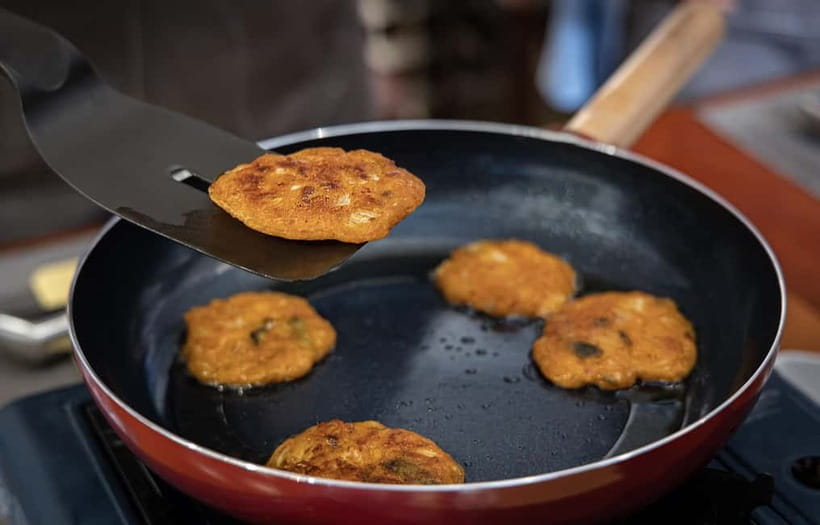
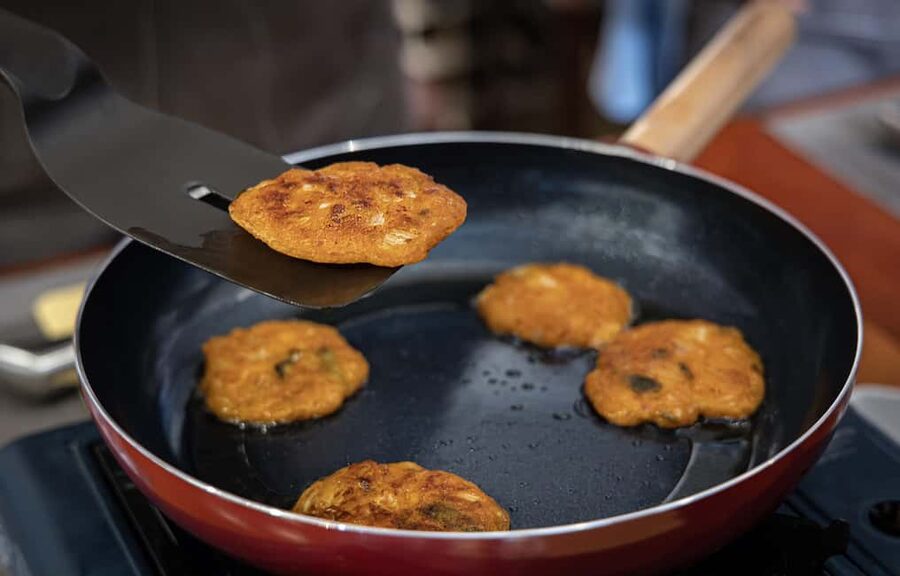
The first dish is kimchi-buchimgae, a Korean kimchi pancake. Think of it as a savory pancake with fermented cabbage doing most of the talking.
The appeal is the contrast. The outside should become crisp, while the kimchi gives the pancake a sour, salty, savory center. It is a good first recipe because you can immediately see how fermentation affects a cooked dish. Kimchi is not only eaten cold from a container. It can be turned into a batter-based meal with very little fuss.
For you, this is likely the most approachable part of the class. The technique is easy to understand, but getting a good texture requires attention to the pan and batter. The chef can show you how to judge the mixture and cooking stage rather than simply hand you a finished pancake.
This dish also gives the class an early lesson in restraint. Kimchi already brings strong seasoning, so the aim is not to pile on every flavor available. You learn to let one ingredient carry the dish.
More Cooking Classes in Seoul:
- Seoul: Korean Cooking at Seoul Cooking Club!
★ 5.0 · 311 reviews - Korean Cooking at Seoul Cooking Club
★ 5.0 · 220 reviews - Seoul: Taste of Korea, Authentic Home Style Cooking Class
★ 4.9 · 166 reviews - Seoul: Royal Seoul Cooking Class in a 100-Year-Old Hanok
★ 5.0 · 96 reviews
Second Dish: Kkakdugi Fried Rice With Bacon and Egg
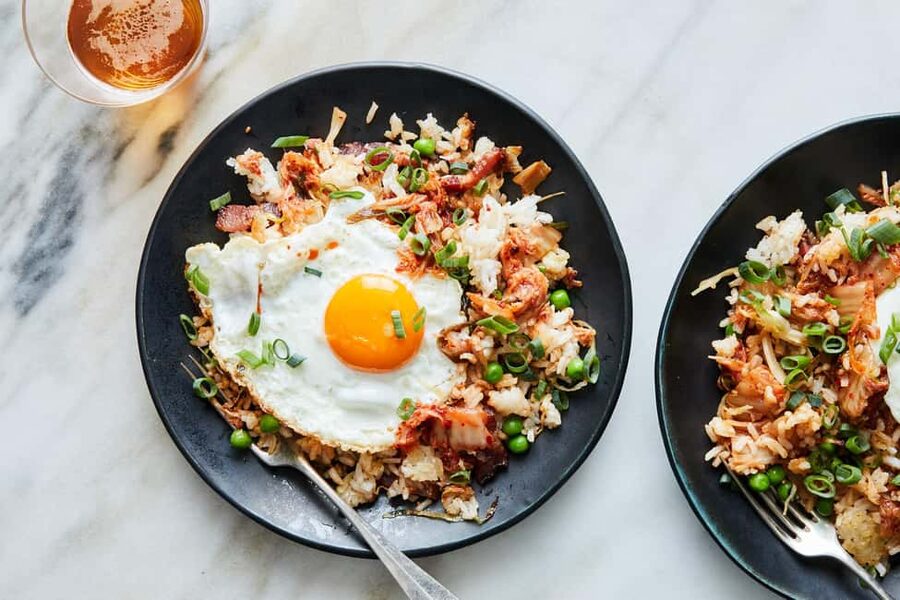
Next comes radish kimchi, known as kkakdugi. These chunky radish pieces have a different bite from cabbage kimchi, and the class uses them in a stir-fried rice dish with seasonal vegetables and bacon.
A golden fried egg goes on top. It is a familiar comfort-food arrangement, but the kkakdugi gives the rice a sharper Korean character. The radish adds texture and acidity, while the bacon supplies a smoky, salty note.
I like this part of the menu because it shows how Korean cooking can make a satisfying meal from leftovers and strong pantry ingredients. It is also probably the easiest dish to recreate after you return home. You can adapt the vegetables to what is available, and the class specifically includes guidance on finding suitable Korean ingredients outside Seoul.
Pay attention to how the chef uses the kimchi. You are not treating it as a garnish added at the end. It becomes part of the seasoning base for the rice. That distinction is useful when you cook at home, since too much extra salt or sauce can flatten the flavor.
The egg gives the dish a soft finish, but the cooking order matters. This is the sort of small detail that is more helpful in person than in a recipe card. You get to see how the parts come together and how the final bowl should feel.
Third Dish: Baek-Kimchi With Broth and Noodles
The final named dish takes a calmer route. Baek-kimchi, or white kimchi, is a non-spicy form of kimchi served with a delicate broth and noodles.
This is an important inclusion. If you think all kimchi must be hot and fiery, baek-kimchi corrects that idea quickly. Its appeal comes from freshness, mild fermentation, and gentle flavor rather than heat.
After two dishes with crisp edges, bacon, and pronounced seasoning, the noodle dish gives the meal balance. It also shows why Korean meals often work through contrast. One bite can be sharp and savory, the next cool and mild.
If you have a low tolerance for chili, this may be the dish you appreciate most. Still, contact the provider in advance about dietary needs. The class is not described as a dedicated allergy-free or vegetarian program, and the menu includes bacon and dairy-based tasting items elsewhere in the experience.
Makgeolli, Cheese, and the Secret Dish
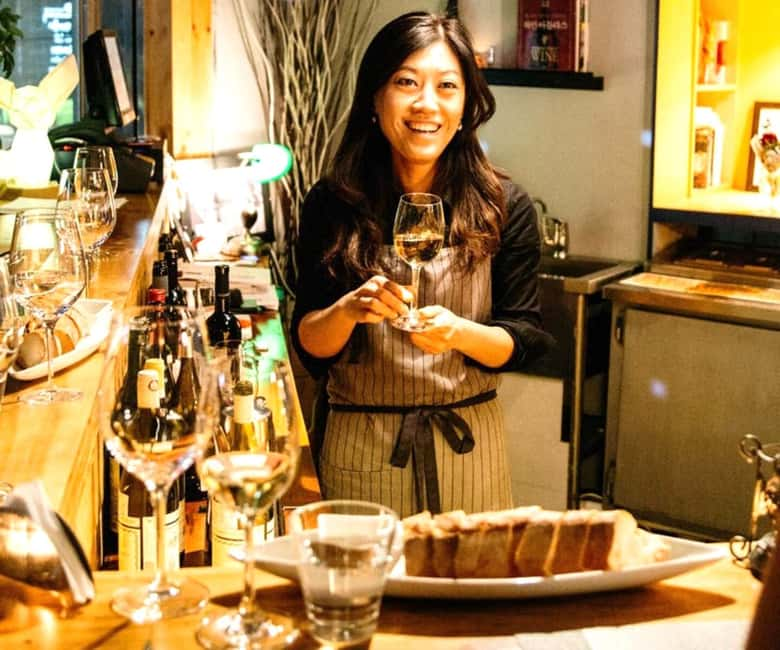
Makgeolli, a Korean rice wine, is included with the class. The legal drinking age in South Korea is 18. If you do not drink alcohol, an alcohol-free beverage is available, along with water.
The drink suits the food. Makgeolli is part of Korea’s everyday food culture, and having it alongside kimchi dishes makes the meal feel more connected to local dining habits. You do not need to drink it to enjoy the class, and the nonalcoholic option keeps the experience open to more people.
The food also includes a secret dish. Its exact identity is not given, so you should treat it as a bonus rather than plan your meal around it. The extra item gives the chef some freedom to respond to seasonal ingredients and keeps the class from feeling like a rigid checklist.
There are also tastings of cheeses, eggplant parmigiana, and lemon amaretti cookies listed among the highlights. These items do not form part of the three named kimchi dishes, so expect them as additional tastes rather than a separate cooking lesson. Their presence suggests a broader food-hosting style, but the Korean kimchi recipes remain the main reason to book.
The menu can change based on availability. That is worth accepting from the start. You are paying for a guided food experience, not a guarantee that every ingredient will appear exactly as printed.
What the Two-Hour Format Means for You
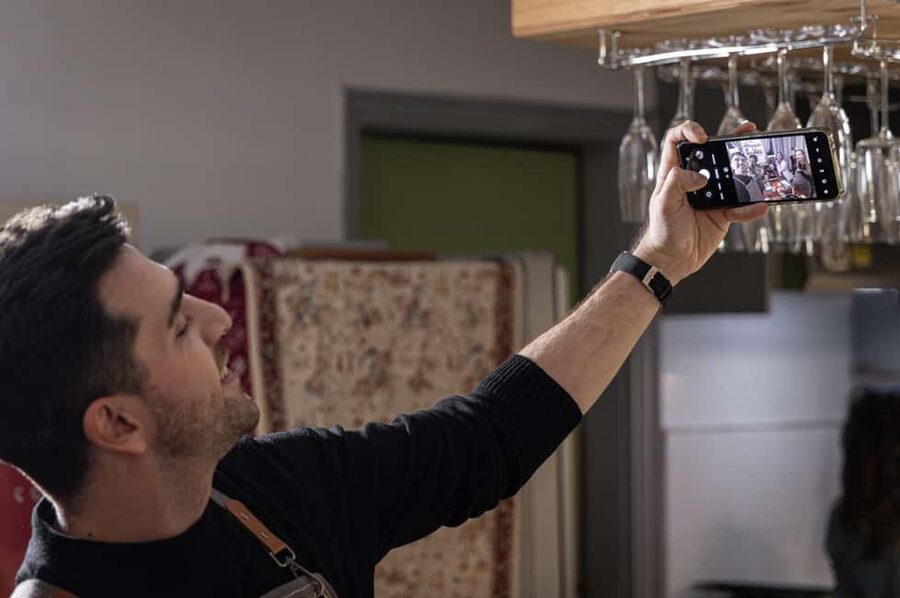
Two hours is long enough to prepare several dishes, eat, ask questions, and learn a few useful principles. It is not long enough for a full fermentation project from raw cabbage to finished kimchi. The class teaches you how to work with kimchi and understand fermentation, rather than having you wait through the entire fermentation process.
That short format makes sense in Seoul. You can fit the class around palace sightseeing without giving up the rest of your day. It also keeps the cooking focused. You will not spend most of the session listening to a long lecture.
The tradeoff is that some steps may move quickly. If you are an experienced home cook, you may want more technical detail about fermentation time, storage, salt ratios, or regional variations. The description promises the secrets of fermentation and flavor balance, but it does not promise a specialist fermentation course.
For a first introduction, the mix is well judged. You learn enough to understand the food, prepare three dishes, and continue experimenting at home.
Price and the Value of a Small Group
At $86 per person, this is not a cheap meal. You could eat plenty of Korean food in Seoul for less, especially if your main aim is simply to try kimchi.
The value is in the guided work. The price includes the kimchi pancake, a seasonal-vegetable stir-fry, baek-kimchi, makgeolli or a nonalcoholic drink, water, and the secret dish. You also receive instruction in English and a class limited to eight participants.
I would see the cost as reasonable for someone who wants a hands-on activity rather than another restaurant stop. It makes less sense if you are looking for a quick tasting or trying to keep daily expenses low.
The small group matters here. With eight people or fewer, the chef has a better chance to correct your technique, answer questions, and explain ingredient choices. A larger class might offer the same menu but less personal guidance.
The included palace-area location adds practical value, too. You can connect the class with one of Seoul’s major sights and avoid spending additional time and money on transport.
Who Should Book This Seoul Kimchi Class
I would recommend this class to you if you enjoy food experiences that teach a repeatable skill. It is particularly suitable for:
- First-time visitors who want a clear introduction to Korean food culture
- Beginner cooks who prefer hands-on guidance
- Home cooks interested in fermentation and ingredient pairing
- Small groups seeking an English-language activity
- People planning to visit Gyeongbokgung Palace on the same day
- Diners who want more than a standard restaurant meal
It is also a good choice for mixed cooking levels. The class is described as comfortable for beginners and experienced cooks alike, and the three recipes allow different types of participation.
I would pause before booking if you need wheelchair access or special physical assistance. One part of the information calls the activity wheelchair accessible, while another says wheelchair users and people with mobility impairments cannot be accommodated. The safer approach is to treat it as unsuitable unless the provider confirms otherwise in writing.
You should also ask ahead about allergies, vegetarian needs, alcohol, and other dietary concerns. The menu includes bacon, dairy-related tasting items, and alcohol, even though an alcohol-free drink is available.
Booking Details Worth Knowing
The class is operated by Secret Food Tours and taught in English. Pickup and dropoff are not included, so you will make your own way to the Jongno meeting point.
You can cancel up to 24 hours before the start time for a full refund. A reserve-now, pay-later option is also available, which helps if your Seoul schedule is still shifting.
The class has a five-star rating from three verified bookings, including a November 2025 booking that praised how much information it provided about kimchi, Korean cooking culture, and Korea more broadly. Another October 2025 booking gave a strong recommendation and highlighted the enjoyment of the cooking lesson. The sample is small, but the praise points to the experience’s main strength: a relaxed class that teaches more than a single recipe.
Should You Book It?
Book this class if you want to understand how kimchi works across a Korean meal, not just taste it from a small dish beside barbecue. You will make three contrasting foods, learn practical ingredient tips, and eat in a small English-speaking group close to Gyeongbokgung Palace.
Skip it if you want a low-cost meal, a full technical course in long-term fermentation, or guaranteed wheelchair access. For most food-minded visitors, the $86 price is justified by the hands-on format, the small group, the extra dish, and the chance to turn a famous Korean ingredient into a skill you can use at home.
FAQ
How long does the Korean kimchi cooking class last?
The class lasts two hours.
Where does the class meet?
It meets on the third floor at 36 Jahamun-ro 7-gil in Jongno District, Seoul. From Exit 2 of Gyeongbokgung Station, walk about 200 meters, turn left at Woori Bank, pass the bar Cham, and look for the building with Cuisine La Cle restaurant on the first floor.
Which dishes will I prepare?
You will prepare kimchi-buchimgae, a kimchi pancake; a stir-fried rice dish using kkakdugi, seasonal vegetables, and bacon, topped with an egg; and baek-kimchi with broth and noodles.
Is a drink included?
Yes. Makgeolli, Korean rice wine, is included. An alcohol-free drink and water are also available.
Is the class taught in English?
Yes. The instructor language is English.
Can I request a dietary adjustment?
You should contact the provider in advance with any dietary requirement so the team can determine how best to accommodate it. The menu and timing can change depending on availability.
Is the class suitable for wheelchair users?
The information is inconsistent. It describes the activity as wheelchair accessible but also says that wheelchair users and people with mobility impairments cannot be accommodated. Contact the provider before booking, and do not assume access is available.
Newest classes around Seoul
- Seoul: Korean Home Visit, Cooking & Cultural Experience★ 5.0 · 2 reviews
- Seoul: Premium Korean Feast Cooking Class★ 5.0 · 3 reviews
- Seoul: Kimchi Dishes Cooking Class with Wine Pairing★ 4.7 · 38 reviews
- Seoul: Korean Cooking Class with Local Grocery Shopping★ 5.0 · 13 reviews
- (Seoul) Korean Cooking Class with a Professional Chef★ 5.0 · 14 reviews
- Seoul: Authentic Korean Cooking Class and Market Tour★ 5.0 · 6 reviews
- Seoul: Cooking Class and Tour with Michelin-Trained Chef★ 5.0 · 11 reviews
- Seoul: Royal Seoul Cooking Class in a 100-Year-Old Hanok★ 5.0 · 96 reviews
Seoul Cooking Classes, compared.
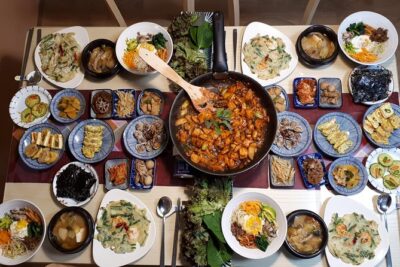
Local Home Korean Cooking Class & Market Adventure in Seoul
Read our review →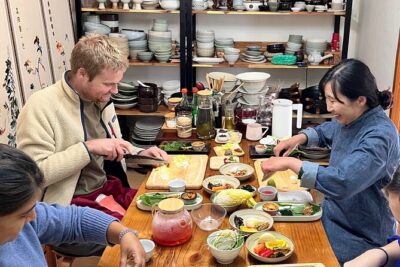
Master Korean traditional cooking with a Kimchi chef
Read our review →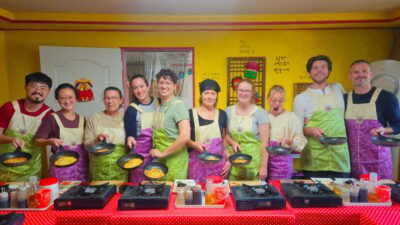
Korean Cooking Class at a Local Home and Market Tour
Read our review →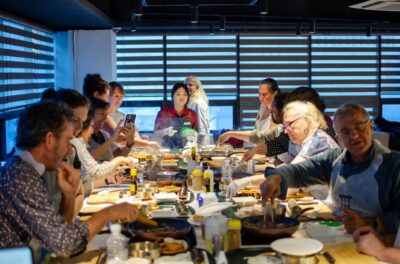
Taste of Korea, Authentic Home Style Cooking Class
Read our review →
Royal Seoul Cooking Class in a 100-Year-Old Hanok
Read our review →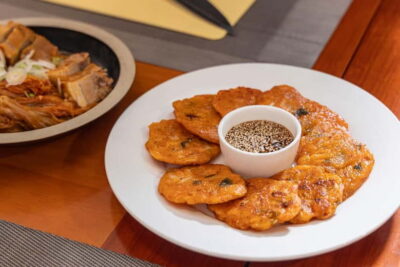
Browse the lists this tour appears in