
Review · SEOUL COOKING CLASSES
Seoul: Korean Cooking at Seoul Cooking Club!
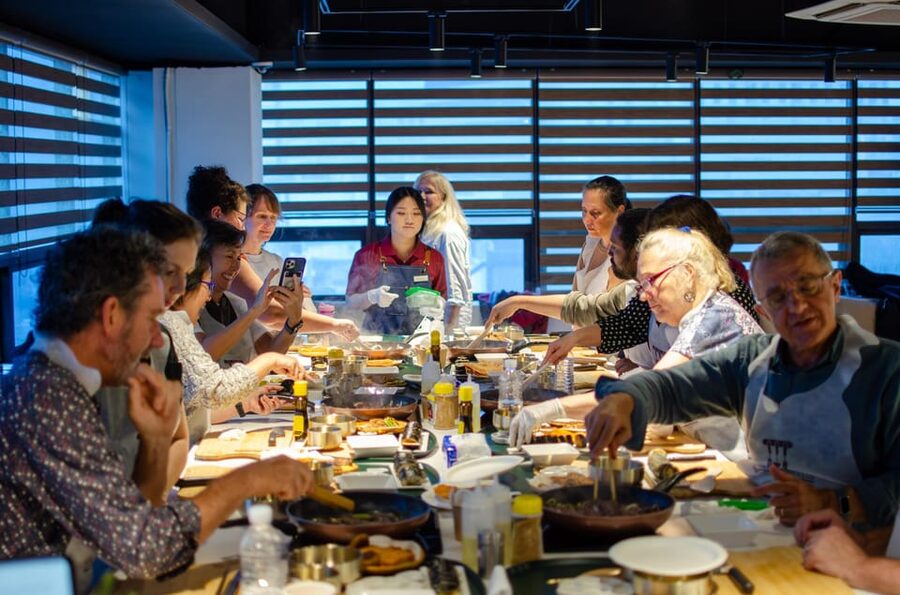
The best part of this Seoul cooking class is the sheer range of food you prepare in one sitting. In 150 minutes, you work through seven or more Korean dishes, taste about ten side dishes, and finish with dessert and traditional drinks. It is less a single recipe lesson than a guided tour through the Korean table.
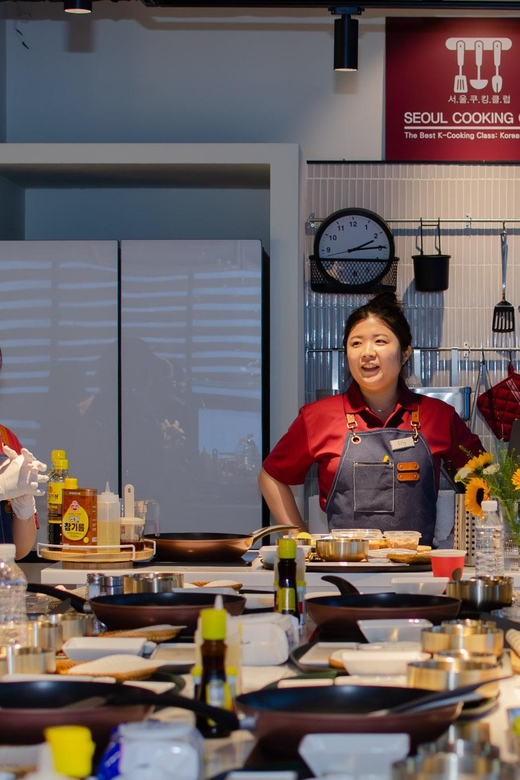
I especially like the clear English instruction and the useful recipe book you receive afterward. Chefs such as Sally, Olivia, Grace, and Elly explain not only what to do, but where dishes come from and how Koreans eat them. The one thing to consider is the $109 price, which is high for a cooking class, although the generous meal and number of dishes make the cost easier to justify.
Key points to know before booking
- Seven-dish format: Prepare jeon, japchae, bulgogi, Jeonju bibimbap, and other Korean favorites in one class.
- English-speaking chefs: Sally, Olivia, Grace, and Elly have led sessions with clear, patient instruction.
- A full meal, not just a demonstration: You cook, taste as you go, then sit down to eat the finished dishes.
- Central Jongno location: The studio is about 15 metres from Jonggak Station, Line 1, Exit 12.
- Recipe book included: You can recreate the dishes at home instead of leaving your new skills in Seoul.
- Come hungry: Portions are generous, and takeaway containers may be available for leftovers.
A full Korean menu in 150 minutes
Seoul Cooking Club gives you a broad introduction to Korean home-style food rather than focusing on one famous dish. The class typically includes three or four types of jeon, several main dishes, banchan, drinks, and dessert.
That range matters. Korean meals are built around contrast: soft and crisp textures, mild and spicy flavors, meat and vegetables, warm dishes and cool pickles. You get a better sense of that balance here than you would from cooking only bulgogi or bibimbap.
The pace is active but organized. Ingredients and equipment are prepared before you begin, so you are not spending half the class washing vegetables or searching for utensils. That makes the session accessible if you are new to Korean cooking, though it also means this is not a from-scratch lesson covering every preparation technique.
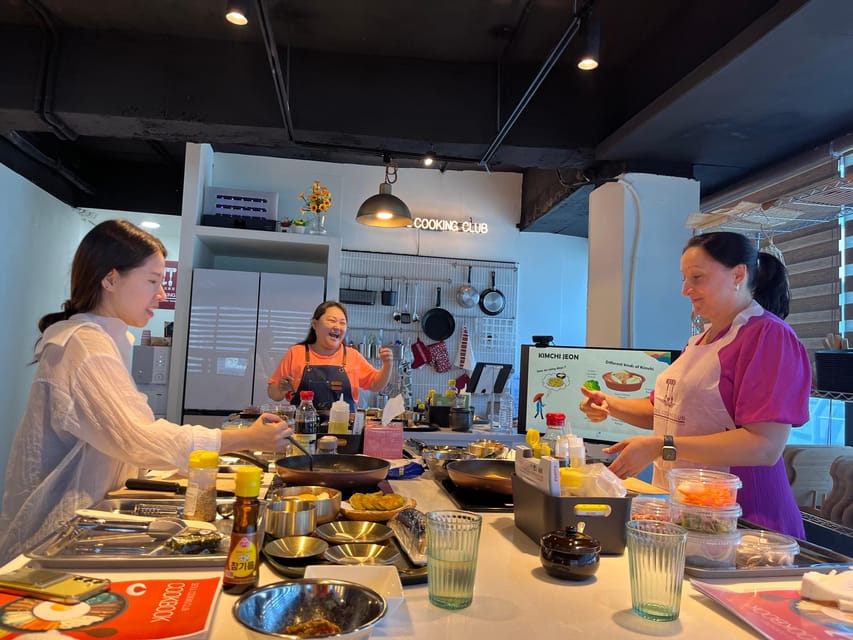
You work at your own station with guidance from the chef. Assistants may help clear used tools and keep the work area tidy, which lets you concentrate on the cooking. That small detail is valuable in a class with this many dishes.
More Korean Classes in Seoul:
- Local Home Korean Cooking Class & Market Adventure in Seoul
★ 5.0 · 1,024 reviews - Master Korean traditional cooking with a Kimchi chef
★ 5.0 · 385 reviews - Seoul: Korean Cooking Class at a Local Home and Market Tour
★ 5.0 · 348 reviews
Starting with jeon, Korea’s small savory pancakes
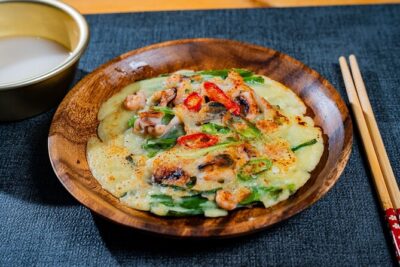
The appetizer portion centers on jeon, small pan-fried pancakes that appear in many Korean meals and celebrations. Depending on the session, you may prepare three or four varieties from a selection that includes donggrangttaeng, pollack pancake, pajeon, beef pancake, tofu pancake, and sesame leaf pancake.
Pajeon is the most familiar name to many visitors. It usually combines seafood and green onions in a savory batter. The other versions show how flexible jeon can be, with meat, fish, tofu, or fragrant sesame leaves changing the character of the dish.
This is a good first course because the method is approachable. You learn how to portion the mixture, coat ingredients, and pan-fry them until cooked through and lightly browned. The technique is simple enough for beginners, but the results feel distinctly Korean.
You also get to compare several fillings at once. That is more useful than tasting a single pancake in a restaurant because you can see how the same basic cooking method handles different ingredients.
Japchae, bulgogi, and bibimbap bring the main meal together
The main cooking section covers three Korean staples: japchae, bulgogi, and Jeonju bibimbap.
Japchae combines glass noodles with stir-fried vegetables. It is often described as a noodle dish, but the vegetables and seasoning are just as important as the noodles. You learn how the ingredients work together without turning the dish into a heavy sauce-based meal.
Bulgogi brings sliced beef seasoned with soy sauce into the class. It is one of the easiest dishes to recognize on Korean menus, but cooking it yourself helps you notice the role of the marinade and the balance between savory, sweet, and aromatic flavors.
Jeonju bibimbap gives you a chance to assemble a complete Korean rice bowl. The dish combines rice with vegetables and other toppings, usually finished with seasoning and a spicy sauce. The appeal is partly visual, but the real lesson is how separate ingredients become one meal when combined at the table.
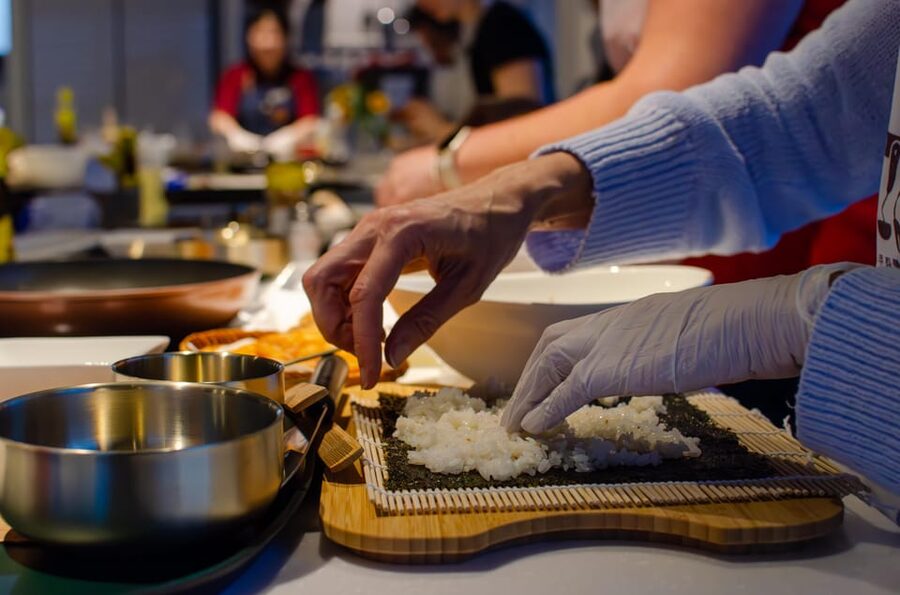
Some sessions may also include gimbap, based on the dishes prepared in past classes. The exact menu can change, so you should treat the published selection as a guide rather than a promise that every possible dish will appear on your date.
Banchan explains how Korean meals are built
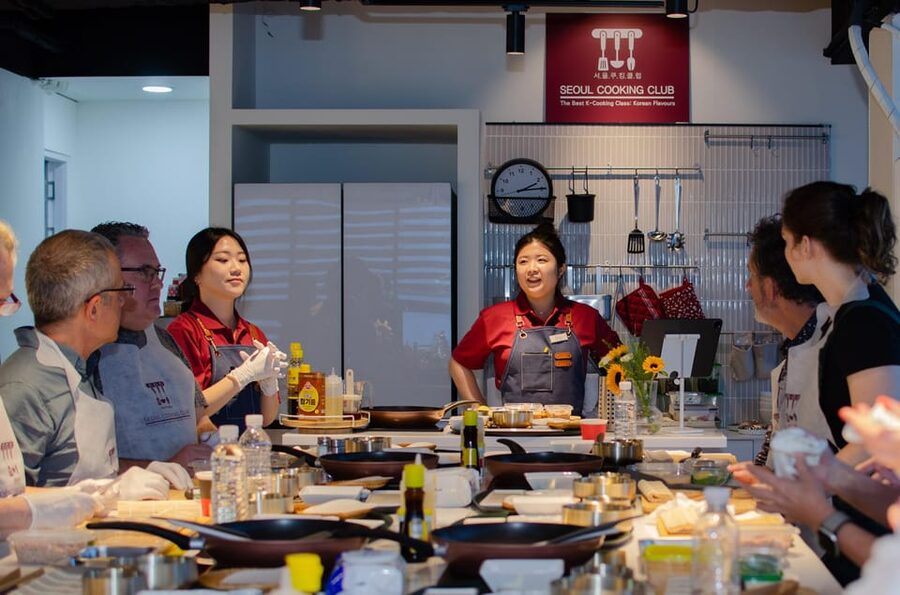
Alongside the main dishes, you taste a selection of approximately ten banchan, or side dishes. Examples include kimchi, radish kimchi, seasoned soybean sprouts, seasoned spinach, spicy cucumber, stir-fried anchovy, and Korean egg roll.
This part of the class may be the most useful for understanding Korean dining. Banchan are not simply extra plates placed on the table. They add acidity, heat, sweetness, crunch, and freshness to the meal, allowing you to change each bite of rice, noodles, or meat.
You also get to see that Korean food is not defined only by chili. Some side dishes are fresh and mild, some are salty and savory, and others bring a sharp fermented flavor. The mix gives the final meal much more variety than the main dishes alone.
Because the side dishes are served in small portions, you can taste widely without filling up too early. Still, the total amount of food is substantial. I would avoid scheduling a large meal immediately afterward.
More Cooking Classes in Seoul:
- Korean Cooking at Seoul Cooking Club
★ 5.0 · 220 reviews - Seoul: Taste of Korea, Authentic Home Style Cooking Class
★ 4.9 · 166 reviews - Seoul: Royal Seoul Cooking Class in a 100-Year-Old Hanok
★ 5.0 · 96 reviews - Seoul: Kimchi Dishes Cooking Class with Wine Pairing
★ 4.7 · 38 reviews
Drinks and dessert make this a proper meal
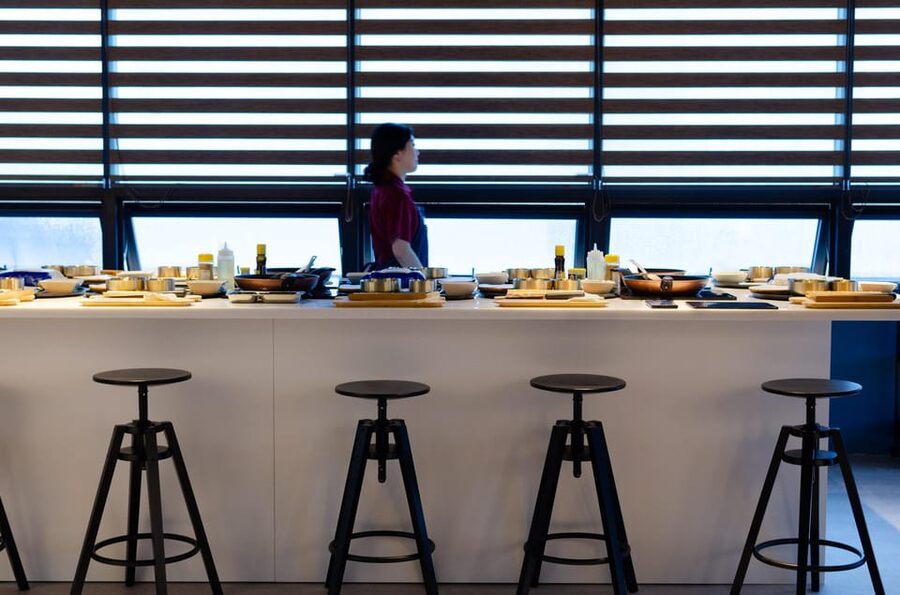
The class includes water, sikhye, and Korean tea. Sikhye is a sweet rice drink often served after a meal, and it gives you another small look at Korean food traditions beyond the better-known savory dishes.
Dessert changes from day to day. Bingsu, a popular Korean shaved ice dessert, may be included. It is a fitting finish after a meal built around many warm and savory plates, though the exact sweet course is not fixed.
The structure is closer to a shared Korean meal than to a quick cooking demonstration. You prepare the food, sample ingredients and side dishes along the way, and then sit down to enjoy the finished spread.
English instruction from patient, practical chefs
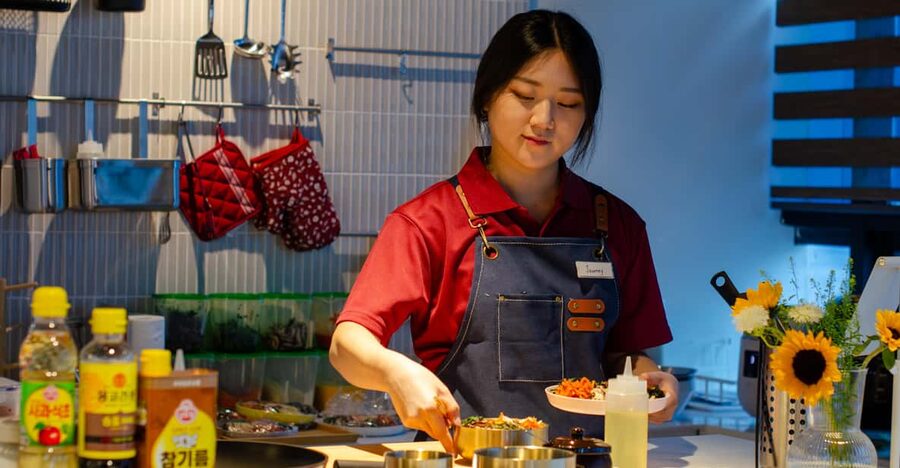
The class is taught in English, which removes one of the main worries visitors can have about a cooking lesson abroad. The chefs explain each step clearly and allow time for questions.
Sally is described as warm and easy to follow, with a friendly manner that helps beginners settle in. Olivia has led sessions praised for patient explanations and useful cooking tips. Grace is known for explaining the origins of the dishes and Korean food customs in detail, while Elly has guided classes with an upbeat, engaging style.
The instructor changes, so you should not book based on a guarantee of one particular chef. The useful point is that the teaching style is designed for international visitors. Even participants with little kitchen experience have been able to follow the recipes.
The chefs also appear willing to discuss dietary needs. Gluten-free arrangements have been handled successfully, and some participants with food restrictions were given suitable options. You should still explain your needs before booking or as early as possible, since the published menu includes common allergens such as wheat, soy, seafood, meat, and sesame.
A clean studio near Jonggak Station
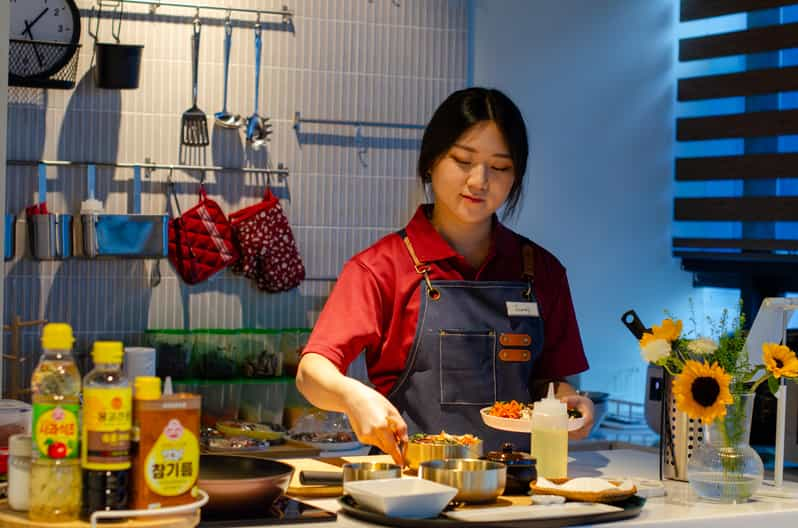
Finding the class is easy if you follow the directions carefully. Take Seoul Metro Line 1 to Jonggak Station and use Exit 12. The studio is about 15 metres from the exit.
Walk straight, then take the first right around the corner of Pascucci. Look for the orange facade of Good Game Zone. The cooking studio is in the same building on the seventh floor.
The central location works well with a day of sightseeing. Insadong, Ikseondong, Gwangjang Market, Myeongdong, and Gyeongbokgung Palace are all nearby, with the palace listed as about a ten-minute walk away. You can schedule the class between visits to Jongno’s shops, markets, palaces, and evening entertainment.
There is no hotel pickup or drop-off. That is not a problem for most visitors because the metro access is unusually direct, but leave enough time to find the correct entrance in the building.
Choosing brunch, lunch, or early dinner
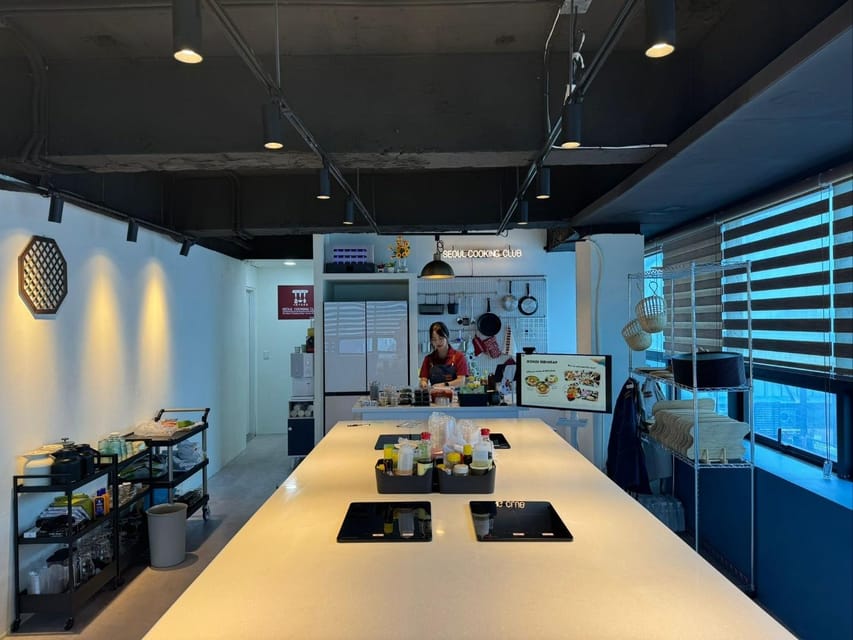
Three sessions run each day from Monday through Sunday, giving you a useful choice of timing. A brunch class can work well if you want your main meal before an afternoon of sightseeing. A lunch session breaks up a day in central Seoul, while an early dinner lets you cook before exploring Jongno at night.
Think about the meal size when choosing your time. This is not a small snack between attractions. You will prepare and eat a large spread, so the class works best when you can give it your full attention.
Closed-toe shoes are required. The activity is wheelchair accessible, and children under 16 cannot participate. Those limits are worth checking before you book, especially for families planning a shared activity.
Is $109 a fair price?
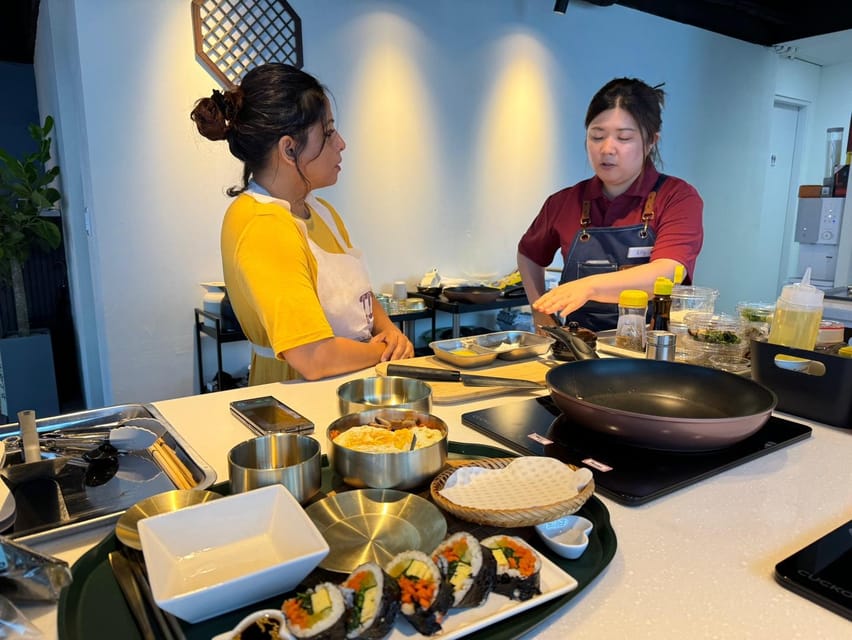
At $109 per person, Seoul Cooking Club is not a budget meal or a low-cost demonstration. You could eat several Korean dishes for less in Seoul, especially at a market or casual restaurant.
The value comes from the combination of instruction, participation, food, cultural context, drinks, dessert, and the recipe book. You are not paying only for the final plate. You are paying for an English-speaking chef, a prepared cooking station, guided practice, and the chance to learn dishes that are difficult to understand from a menu alone.
The number of recipes helps the calculation. You may prepare seven dishes in a single session, plus sample around ten side dishes. Several participants have also had enough food to take leftovers away in containers, though takeaway should not be treated as a guaranteed inclusion.
I would consider it good value for anyone who genuinely enjoys food and wants a skill to bring home. It is less compelling if you only want a cheap lunch or if you dislike group cooking.
What to expect from the group setting
This is a social class, not a private chef lesson. You share the room with other participants and work through the recipes together. That can be a plus if you are traveling alone, since the cooking gives you an easy way to meet people without forcing conversation.
Small groups can make the session feel especially personal. On quieter dates, participants have been able to ask many questions and receive more individual help. Larger sessions may feel more lively but give you slightly less one-to-one time.
The prepared ingredients keep the class moving, and the assistant support helps prevent the workstations from becoming cluttered. You still do real cooking, but you are not expected to manage every part of a professional kitchen.
A useful souvenir for your own kitchen
The recipe book is one of the smartest parts of the experience. Korean food can seem difficult to reproduce at home because unfamiliar sauces, noodles, pickles, and side dishes are often presented without much explanation.
A written guide gives you a way to repeat the dishes while the instructions are still fresh. The tote bag is a pleasant extra, and takeaway containers may let you enjoy the food again later. Bring your appetite, but do not assume you must finish everything during the meal.
The class also gives you a better sense of which dishes are realistic for home cooking. Japchae, bibimbap, jeon, and bulgogi can be broken into manageable steps, especially once you understand the seasonings and preparation order.
Who should book Seoul Cooking Club
I would recommend this class to first-time visitors who want more contact with Korean food than a restaurant meal provides. It also suits solo visitors, couples, families with older teenagers, and anyone who likes a practical souvenir.
It is particularly helpful if you want English instruction and a central location. The class is not limited to expert cooks, and you do not need to arrive with advanced skills.
I would think twice if you are watching your budget, have a very restricted diet that has not been confirmed in advance, or prefer a quiet private lesson. The class is also a poor fit for children under 16, who are not permitted to join.
Should you book it?
Book Seoul Cooking Club if you want a generous Korean meal and a real introduction to several dishes in one sitting. The combination of clear English instruction, prepared stations, central metro access, recipe book, and broad menu makes it easy to fit into a Seoul itinerary.
The $109 price deserves a careful look, but the class includes far more than a demonstration. You leave with cooking practice, cultural context, and recipes you can use at home. For a food-focused day in Seoul, it is a strong choice. Just wear closed-toe shoes, arrive hungry, and leave room in your schedule for a very substantial meal.
FAQ
Where is Seoul Cooking Club located?
It is in central Seoul, about 15 metres from Jonggak Station on Line 1, Exit 12. The studio is on the seventh floor of the building next to Good Game Zone, with an orange facade.
How long does the cooking class last?
The class lasts 150 minutes, or two and a half hours.
What language is the class taught in?
The instructor teaches in English.
What dishes will I prepare?
The class includes three or four types of jeon, japchae, bulgogi, Jeonju bibimbap, and banchan. The exact selection can change, and some sessions may also include gimbap.
How many dishes are included?
You prepare three or four starters and three main dishes, along with Jeonju bibimbap and Korean side dishes. The full session may include seven or more dishes.
Are drinks and dessert included?
Yes. The class includes water, sikhye, Korean tea, and a Korean dessert. Bingsu may be offered, and dessert choices change by day.
Is hotel pickup included?
No. Hotel pickup and drop-off are not included. You make your own way to Jonggak Station.
Can I take leftovers home?
Takeaway containers and bags have been provided for leftovers during some sessions, but takeaway is not listed as a guaranteed inclusion. Plan to eat the meal during the class.
Is the class suitable for children?
No. Participants must be at least 16 years old.
What should I bring?
Bring closed-toe shoes. The cooking studio is wheelchair accessible.
Newest classes around Seoul
- Seoul: Korean Home Visit, Cooking & Cultural Experience★ 5.0 · 2 reviews
- Seoul: Korean Kimchi Cooking Class in the Heart of the City★ 5.0 · 3 reviews
- Seoul: Premium Korean Feast Cooking Class★ 5.0 · 3 reviews
- Seoul: Kimchi Dishes Cooking Class with Wine Pairing★ 4.7 · 38 reviews
- Seoul: Korean Cooking Class with Local Grocery Shopping★ 5.0 · 13 reviews
- (Seoul) Korean Cooking Class with a Professional Chef★ 5.0 · 14 reviews
- Seoul: Authentic Korean Cooking Class and Market Tour★ 5.0 · 6 reviews
- Seoul: Cooking Class and Tour with Michelin-Trained Chef★ 5.0 · 11 reviews
Seoul Cooking Classes, compared.
Local Home Korean Cooking Class & Market Adventure in Seoul
Read our review →
Master Korean traditional cooking with a Kimchi chef
Read our review →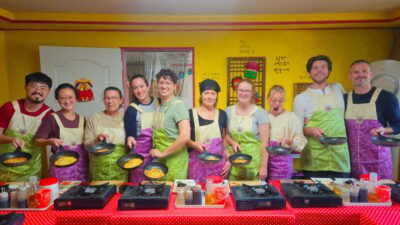
Korean Cooking Class at a Local Home and Market Tour
Read our review →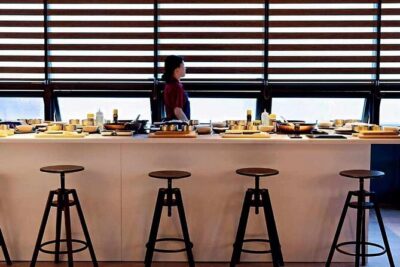
Taste of Korea, Authentic Home Style Cooking Class
Read our review →
Royal Seoul Cooking Class in a 100-Year-Old Hanok
Read our review →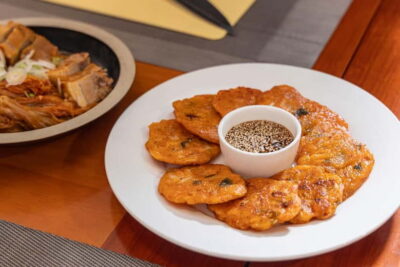
Temple Vegan Cooking Class & Oriental Medicine Tour
Read our review →Browse the lists this tour appears in