
Review · SEOUL COOKING CLASSES
Seoul: Korean Home Visit, Cooking & Cultural Experience
The best part of this Seoul experience happens away from palaces and shopping streets: you enter a real Korean home, cook beside a local host, and sit down to eat together. Bibimbap, kimbap, and bulgogi may be on the menu, but the real subject is daily life.
I like the small size, limited to five people, and the chance to learn from ordinary family recipes rather than a restaurant chef. I also like the longer four-hour option, which may include hanbok, Hangul writing, or traditional games. The main thing to consider is that English ability and home arrangements vary, and some homes use floor seating.
Key points at a glance
- Cook with a local family: Prepare classic dishes and eat the meal together in a private home.
- Feel Korean jeong: Shared food and conversation create the warm, personal contact this program is built around.
- Choose two or four hours: The shorter visit centers on cooking and eating, while the longer option adds cultural activities.
- Keep the group small: No more than five participants allows for direct conversation and personal attention.
- Expect a different host each time: Sena and Nan-young have hosted warmly, but each visit depends on the family you are matched with.
- Plan for practical differences: The host’s English level, seating, menu, and activities can vary, so send dietary information ahead of time.
Why a Korean home visit feels different from sightseeing
Seoul gives you plenty of polished sights. You can visit a palace, browse a market, and eat in restaurants where the menu is easy to understand. This program offers something less tidy and more personal: a few hours inside the daily world of a Korean family.
You are not simply watching a demonstration. You help prepare food, ask questions, listen to stories, and share a meal at the same table. That matters because Korean food is closely tied to care and family life. Cutting vegetables or mixing sauce gives conversation somewhere to go, and the kitchen often becomes more useful than a formal lecture.
The program also introduces jeong, a Korean idea of affection and closeness built through shared time. It is not a single dish or custom you can check off a list. You notice it in the host’s effort to make you comfortable, the curiosity directed toward your own life, and the easy bond that can form over food.
This is still a planned activity, not a spontaneous invitation from someone you meet on the street. But the setting and small group make it feel personal. You visit a host’s home directly, rather than moving through a standard sightseeing route.
More Korean Classes in Seoul:
- Local Home Korean Cooking Class & Market Adventure in Seoul
★ 5.0 · 1,024 reviews - Master Korean traditional cooking with a Kimchi chef
★ 5.0 · 385 reviews - Seoul: Korean Cooking Class at a Local Home and Market Tour
★ 5.0 · 348 reviews
Arriving at the host’s home in Seoul
Your host’s address and detailed information arrive by email after booking. Do not rely on the address shown elsewhere during the booking process. The instructions specifically tell you to ignore that meeting point and go to the host’s home using the separate confirmation.
Transportation to and from the home is not included, so leave enough time to reach the address. Arriving on time is especially important here. A host may have bought ingredients, prepared the kitchen, and arranged the room around your arrival.
The exact home setting will differ. Some houses may feel modern, while some traditional homes may use floor seating. If sitting on the floor is uncomfortable for you, ask about the arrangement before booking rather than assuming every home has Western-style chairs and tables.
The group limit is five people. That is a useful middle ground. You have enough company for conversation, but not so many people that the host turns into a stage performer. If you are traveling alone, the small format may make it easier to speak with the family. If you are with friends or family, you should still expect to share attention with other participants if the group fills.
Cooking bibimbap, kimbap, or bulgogi
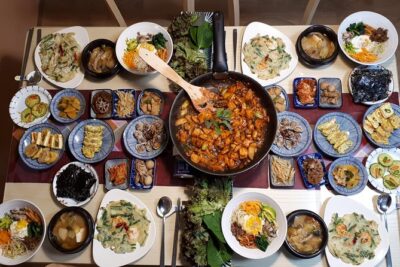
The cooking portion is the heart of the visit. Possible dishes include bibimbap, kimbap, and bulgogi, though your exact menu depends on the host and the arrangements for that day.
You may receive a hands-on lesson, a demonstration, or a mix of both. The balance can vary. One host, Sena, gave a particularly effective combination of showing the technique and allowing participants to take part. That arrangement is useful for beginners because you can watch the tricky steps first, then try them with guidance.
Bibimbap offers a good introduction to the Korean habit of combining rice, vegetables, sauce, and other toppings in one bowl. Kimbap shows how ingredients are arranged and rolled. Bulgogi brings you closer to a familiar Korean flavor profile through marinated meat. The activity is not presented as professional chef training, and that is part of its appeal. You are learning home cooking, not restaurant production.
All standard ingredients and cooking materials are included. Special ingredients or menu changes beyond ordinary dietary accommodations are not included, so contact the provider before the visit if you have allergies, restrictions, or cultural food preferences.
There is one important warning: the activity is listed as unsuitable for people with gluten intolerance. Even if you usually manage a restriction carefully, do not assume that a home kitchen can provide a safe alternative. Send your information to [email protected] in advance, and ask for a clear answer before paying.
Sharing the homemade meal
After the preparation, you eat what you helped make. This is more than a reward at the end of the lesson. The meal gives you time to ask about ingredients, family habits, celebrations, and the small routines that do not appear in a guidebook.
The food is made by everyday families using recipes passed through generations. That does not mean every dish will be elaborate or restaurant-perfect. It means the meal reflects the host’s own household and methods, which can be more revealing than a standardized menu.
One recent visit hosted by Nan-young and her daughter included extra attention to special requests, friendly conversation, and food that the participant found memorable. That detail points to one of the program’s strengths: hosts may adapt the visit in personal ways when they can.
You should also arrive with realistic expectations. A family home is not a restaurant, and the menu is not fully fixed in the way a commercial cooking class might be. If you need a certain dish, ingredient, or preparation method, ask ahead. If you are open to the host’s cooking, the uncertainty becomes part of the cultural exchange.
More Cooking Classes in Seoul:
- Seoul: Korean Cooking at Seoul Cooking Club!
★ 5.0 · 311 reviews - Korean Cooking at Seoul Cooking Club
★ 5.0 · 220 reviews - Seoul: Taste of Korea, Authentic Home Style Cooking Class
★ 4.9 · 166 reviews - Seoul: Royal Seoul Cooking Class in a 100-Year-Old Hanok
★ 5.0 · 96 reviews
What the four-hour option adds
The two-hour format is best if you want the essential experience: visit a home, cook, eat, and talk. It fits neatly into a busy Seoul schedule and gives you a personal encounter without using half a day.
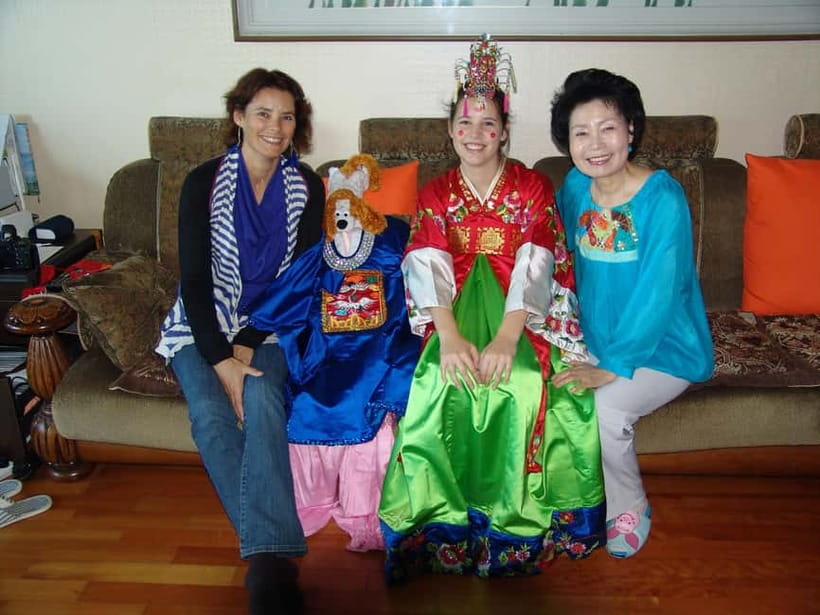
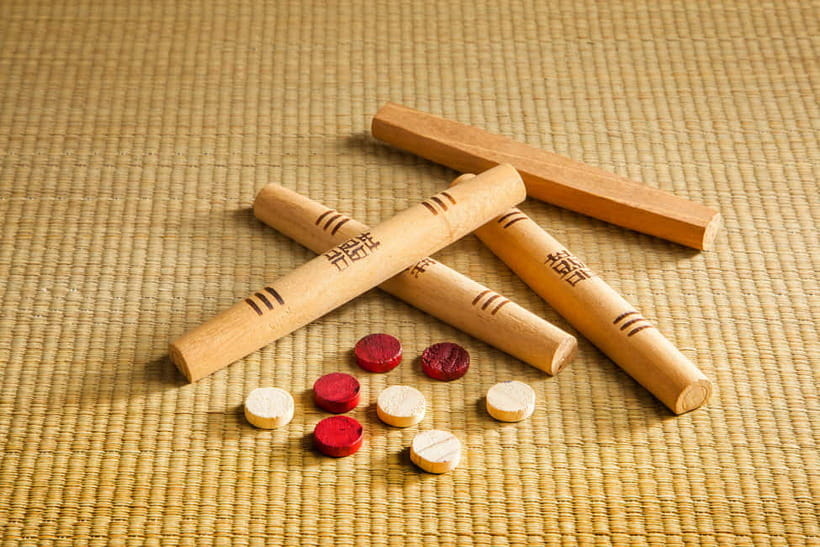
The four-hour option allows more breathing room. Depending on the host, you might try on hanbok, learn to write messages in Hangul, play yutnori or tuho, hear stories about Korea, or talk at greater length about family life and personal goals.
These activities are not guaranteed as a fixed package. They depend on the host’s background and availability. One host may have family clothing ready for hanbok practice, while another may focus on writing or games. Think of the longer choice as extra time for cultural activities, not a promise of every item listed.
That flexibility can work in your favor. You may get an activity that connects with your host’s interests and family experience. It can also be a drawback if you want a tightly timed itinerary with exact stops and content. Choose the four-hour visit because you want conversation and room for the unexpected, not because you need a checklist.
English, conversation, and the human side
The program operates in English and Korean. Hosts can engage in conversation, but their English proficiency varies. You will get more from the visit if you are patient, willing to use simple language, and comfortable with pauses or gestures.
This is not a setting where perfect translation is required for every sentence. Cooking gives you shared actions, and food provides easy subjects. Still, a highly detailed discussion about politics, family history, or cooking technique may be harder with some hosts than others.
The best approach is to bring a little curiosity. Ask how often the family cooks a dish, what foods they eat on ordinary days, or how a traditional game works. Share a little about your own meals and home life, too. The exchange works in both directions. You are not only receiving a lesson about Korea.
The hosts are selected to welcome people into their homes, and the program has more than 12,000 hosts across Korea. That large network also means your experience will be personal to the particular host you meet. Sena and Nan-young, along with Nan-young’s daughter, have shown how warm and flexible a host can make the visit, but you should not expect every household to have the same personality or speaking style.
What the $100 price really buys
At $100 per person, this is more expensive than ordering Korean food or joining a large group class. The price includes the home visit, cooking instruction, ingredients, materials, the meal, and the host’s time. The four-hour option also includes the cultural activities offered by your host.
The stronger value is the access. You are paying for a small-group invitation into a private home and for a few hours of direct contact with a local family. That is difficult to reproduce through ordinary sightseeing.
The value is weaker if your main goal is simply to eat Korean food cheaply or learn a highly technical recipe. A restaurant meal costs less, and a formal cooking school may offer more consistent instruction. This program makes sense when personal connection matters as much as the food.
Photos are provided by some hosts, but not all. Treat them as a possible extra, not a promised part of the purchase. Souvenirs, personal expenses, and transportation are also on you.
Who should book this experience
I would point this program toward people who want to understand how Koreans live, eat, and spend time together. It is a good match for solo visitors, couples, families, and small groups who prefer conversation to a packed sightseeing schedule.
It can also work well for repeat visitors to Seoul. If you have already seen the main palaces and markets, a home visit gives you a new way to think about the city. You are not collecting another landmark. You are learning through a family table.
The experience suits people who enjoy participation. You may chop, stir, roll, write, play, ask questions, and adjust to the host’s style. It is less suitable for anyone who wants to remain an observer or follow a rigid schedule.
Children may find the food preparation and traditional games interesting, but the supplied details do not specify age limits or child arrangements. Ask before booking if you are bringing children. The same advice applies to mobility needs, since some homes may use floor seating and no general accessibility details are provided.
Pets and weapons or sharp personal objects are not allowed. More broadly, this is a personal, non-commercial exchange. Basic courtesy matters. Be respectful of the home, arrive on time, and follow the host’s guidance.
Timing, cancellation, and small practical matters
The experience lasts two to four hours, with start times depending on availability. The shorter and longer formats are not interchangeable, so select the option that fits your schedule and your appetite for conversation.
You can cancel up to two days in advance for a full refund. The host’s address arrives separately after booking, so check your email carefully and contact the provider if the instructions are unclear.
Tell the provider about dietary restrictions, allergies, and cultural preferences before the visit. Standard accommodations may be possible, but special ingredients and major menu changes are not included. The gluten intolerance warning deserves particular attention.
Bring an open attitude rather than a long list of demands. A few simple questions prepared in advance can help if conversation slows. You might ask about the dish, the family’s usual meals, Korean holidays, or the meaning of a game.
Should you book the Seoul home visit?
Book it if you want human contact, home cooking, and a small group rather than another polished sightseeing stop. The strongest parts are the shared meal, the chance to cook with a local family, and the warm personal exchange built around jeong.
Choose the two-hour option if your schedule is tight and food is your main interest. Choose four hours if you want time for hanbok, Hangul, games, or longer conversation, while accepting that the exact activities depend on your host.
I would skip it if you have gluten intolerance, need a guaranteed menu, or prefer formal instruction in a controlled classroom. For everyone else, the $100 price is reasonable when you see it as payment for access, time, ingredients, and a personal connection that ordinary Seoul sightseeing rarely provides.
FAQ
How long does the Korean home visit last?
You can choose a two-hour or four-hour experience. The longer option may include additional cultural activities offered by the host.
What food might I learn to cook?
Possible dishes include bibimbap, kimbap, and bulgogi. The exact menu depends on the host and the arrangements for your visit.
Is the meal included?
Yes. The experience includes cooking and enjoying a homemade Korean meal, along with standard ingredients and cooking materials.
How many people can join?
The experience is limited to five participants, creating a small-group setting with personal attention.
What cultural activities are available in the four-hour option?
Depending on the host, you might try hanbok, learn to write in Hangul, play yutnori or tuho, or hear stories about Korean culture and daily life.
Is the host’s home address provided in advance?
Yes. The host’s address and detailed information are sent by email after booking. You should ignore the displayed meeting point and use the separate confirmation.
Is transportation included?
No. You are responsible for getting to and from the host’s home.
Can I request dietary accommodations?
You should send information about allergies, dietary restrictions, and cultural preferences to [email protected] before the visit. Special ingredients or meal changes beyond standard accommodations are not included, and the activity is listed as unsuitable for people with gluten intolerance.
Can I cancel for a refund?
Yes. You can cancel up to two days in advance for a full refund.
Newest classes around Seoul
- Seoul: Korean Kimchi Cooking Class in the Heart of the City★ 5.0 · 3 reviews
- Seoul: Premium Korean Feast Cooking Class★ 5.0 · 3 reviews
- Seoul: Korean Cooking Class with Local Grocery Shopping★ 5.0 · 13 reviews
- (Seoul) Korean Cooking Class with a Professional Chef★ 5.0 · 14 reviews
- Seoul: Kimchi Dishes Cooking Class with Wine Pairing★ 4.7 · 38 reviews
- Seoul: Authentic Korean Cooking Class and Market Tour★ 5.0 · 6 reviews
- Seoul: Cooking Class and Tour with Michelin-Trained Chef★ 5.0 · 11 reviews
- Seoul: Royal Seoul Cooking Class in a 100-Year-Old Hanok★ 5.0 · 96 reviews
Seoul Cooking Classes, compared.
Local Home Korean Cooking Class & Market Adventure in Seoul
Read our review →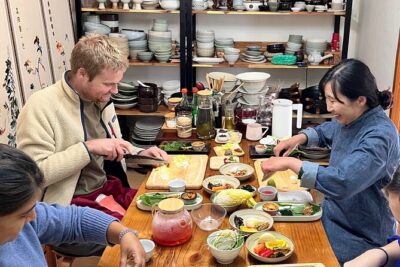
Master Korean traditional cooking with a Kimchi chef
Read our review →
Korean Cooking Class at a Local Home and Market Tour
Read our review →
Taste of Korea, Authentic Home Style Cooking Class
Read our review →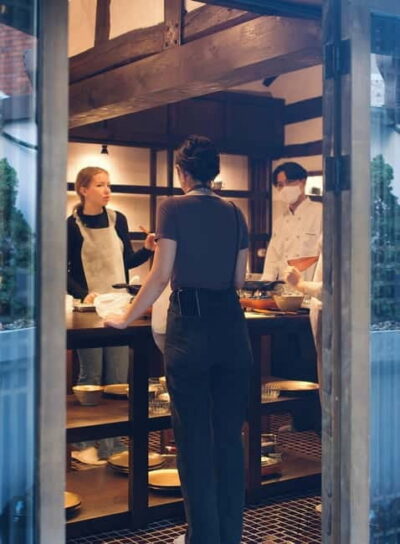
Royal Seoul Cooking Class in a 100-Year-Old Hanok
Read our review →
Browse the lists this tour appears in