
Review · SEOUL COOKING CLASSES
(Seoul) Korean Cooking Class with a Professional Chef
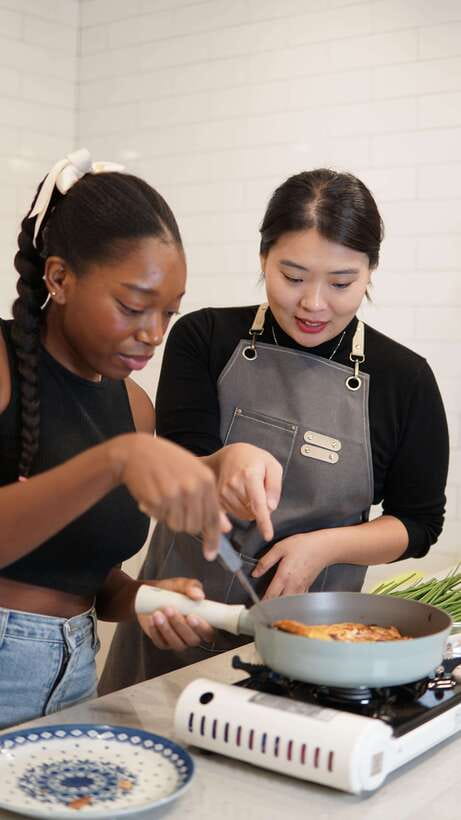
The most appealing part of this class is its tiny size: no more than three people cook at their own stations with Da-ye, a chef and longtime Korean cuisine teacher. This feels closer to a private kitchen lesson than a large tourist demonstration. You learn practical home-cooking habits, not just a few motions to copy.
I like the choice of different menus by day, including Korean home meals, street food, and a vegan class. I also like the useful finish: you sit down to eat with rice, kimchi, and drinks, then leave with recipe cards and photos. The main drawback is the fixed schedule. You need to match your visit to the right day, and the two-and-a-half-hour length includes both cooking and eating.
Key points to know before booking
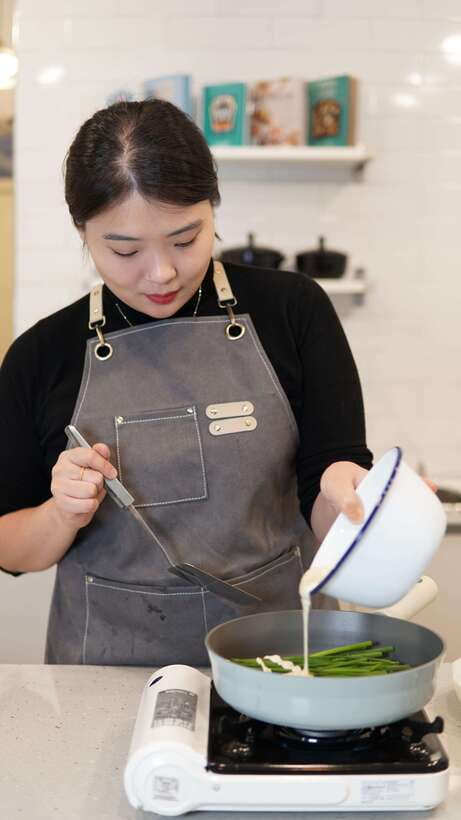
- Three-person maximum: You cook at your own station with close guidance from Da-ye.
- Chef Da-ye leads in English: Her training in hotel culinary arts and 12 years of teaching shape the class.
- Menus change by weekday: Pick from home cooking, Korean street food, or vegan dishes.
- You eat your finished meal: Rice, kimchi, drinks, and a welcome drink are included.
- Useful take-home material: Recipes, photos, and videos help you repeat the dishes later.
- Adults only: The class is not suitable for children under 18, and spectators cannot wait inside.
A small cooking studio with a personal feel
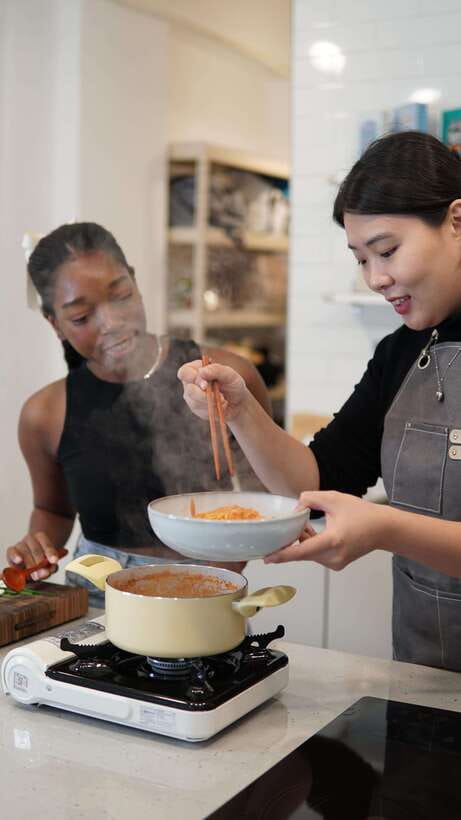
Ricely Cooking Studio is in Gyeonggi Province, outside central Seoul, and the class is led by Da-ye. Her background gives the lesson a useful mix of Korean tradition and practical cooking sense. She studied hotel culinary arts in South Korea, later worked with different cuisines in Europe, and has taught Korean food to people from many cultures for about 12 years.
That background matters because Korean food can look simple while hiding a lot of small decisions. How you season a stew, handle a pancake batter, cut ingredients, or balance salty and spicy flavors can change the finished dish. In a large class, those details are easy to miss. With only three participants, you have a better chance to ask why a step matters and get a correction at your own station.
Da-ye also has experience adapting Korean recipes for different eating habits, cultures, and religions. That makes the class a sensible choice if you are interested in vegetarian or vegan food, though you should select the dedicated Friday vegan session when booking rather than assume every menu can be changed.
The studio is not set up for spectators. Only paid participants who are actively taking the lesson may remain inside while class is in progress. If one person in your party wants to watch without cooking, this is not the right arrangement.
More Korean Classes in Seoul:
- Local Home Korean Cooking Class & Market Adventure in Seoul
★ 5.0 · 1,024 reviews - Master Korean traditional cooking with a Kimchi chef
★ 5.0 · 385 reviews - Seoul: Korean Cooking Class at a Local Home and Market Tour
★ 5.0 · 348 reviews
Choose your menu by the day you visit
The menu is the most important booking detail. The class does not offer one general recipe every day. Each weekday has its own focus, so check the calendar before you reserve.
Monday and Tuesday: three Korean home dishes
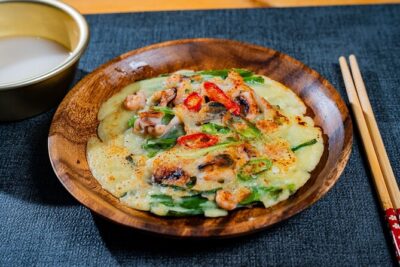
The Monday and Tuesday menu includes beef bulgogi, seafood pa-jeon, and pork kimchi jjigae. Together, these give you a solid introduction to the Korean table.
Bulgogi is the familiar sweet-savory beef dish, but the value here is learning how it fits into a home meal rather than treating it as a stand-alone restaurant order. Seafood pa-jeon is a Korean spring onion pancake, giving you a different cooking task and texture. Pork kimchi jjigae adds a warm stew to the meal, with the sharp flavor of kimchi balanced by the rest of the table.
This is the best pick if you want a broad introduction to everyday Korean cooking. You get a main meat dish, a pancake, and a stew in one sitting. It is also likely to be the most useful menu for someone planning to cook Korean food at home after the trip.
Wednesday: Korean street food
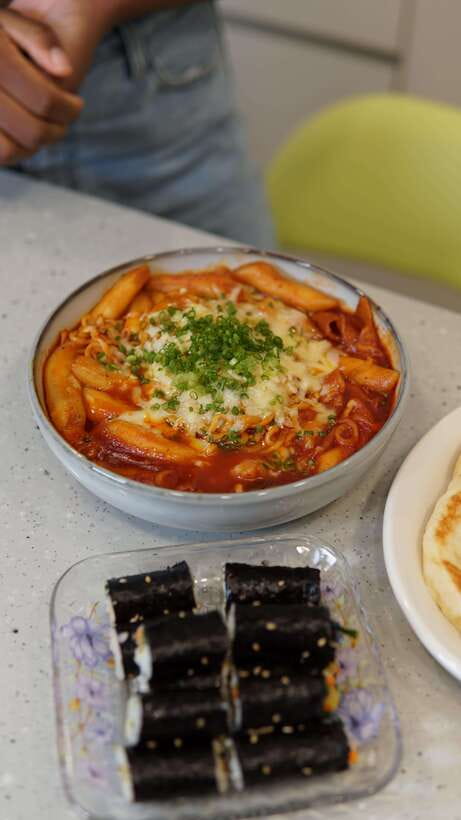
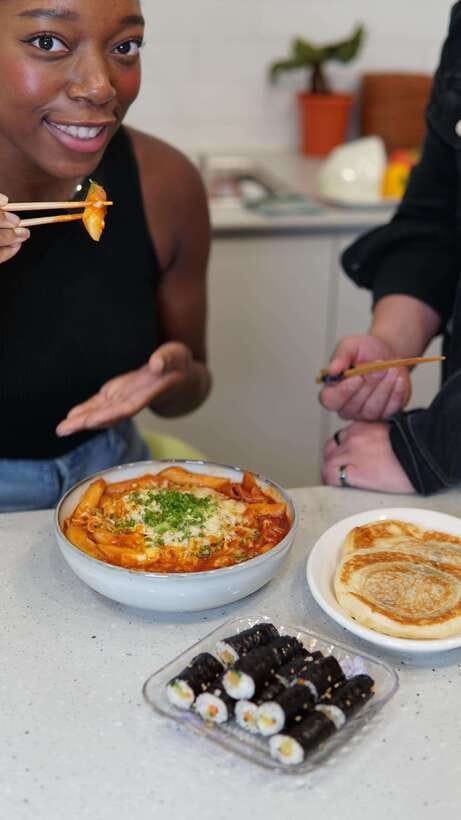
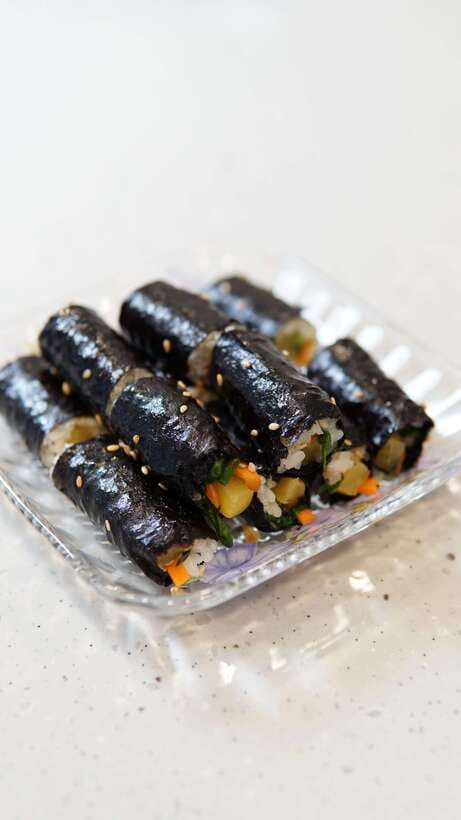
Wednesday shifts from home cooking to bunsik, the Korean style of casual street food. The menu includes tteok-bokki, Korean fried chicken called dakgangjeong, and mini kimbap.
This session has a more snack-focused feel. Tteok-bokki brings chewy rice cakes and a spicy sauce, while dakgangjeong offers crisp fried chicken with a Korean seasoning style. Mini kimbap adds a compact rice-and-filling dish that is easy to recognize as street food but still teaches careful preparation.
Choose Wednesday if you are more curious about the food sold at casual eateries and market stalls than about a full family meal. The dishes also offer a nice range of textures, from chewy to crisp to tightly rolled. The tradeoff is that this menu may feel less like a complete home dinner than the Monday, Tuesday, or Thursday options.
More Cooking Classes in Seoul:
- Seoul: Korean Cooking at Seoul Cooking Club!
★ 5.0 · 311 reviews - Korean Cooking at Seoul Cooking Club
★ 5.0 · 220 reviews - Seoul: Taste of Korea, Authentic Home Style Cooking Class
★ 4.9 · 166 reviews - Seoul: Royal Seoul Cooking Class in a 100-Year-Old Hanok
★ 5.0 · 96 reviews
Thursday: another Korean home-cooking set
Thursday’s menu includes dakgalbi, kimchi jeon, and doenjang jjigae. Dakgalbi is a seasoned chicken dish, kimchi jeon is a kimchi pancake, and doenjang jjigae is a soybean paste stew.
This menu gives you a second look at Korean home cooking without repeating the Monday and Tuesday dishes. The soybean paste stew is especially useful for understanding a different flavor base from kimchi jjigae. The kimchi pancake also shows how a familiar fermented ingredient can work in a crisp, simple dish.
Pick Thursday if you want Korean food with strong, savory flavors and a menu that feels firmly rooted in the home kitchen. As with the other sessions, you should confirm the exact date and starting time before planning the rest of your day.
Friday: vegan Korean home cooking
Friday is the dedicated vegan menu, with bibimbap, japchae, and doenjang jjigae. This is the clearest choice for anyone who avoids meat or wants a plant-based Korean meal.
Bibimbap brings together rice and assorted prepared ingredients. Japchae is made with Korean glass noodles, and doenjang jjigae provides the stew component. The menu gives you three different formats rather than asking you to settle for a meat dish with one ingredient removed.
Because Da-ye has taught people with varied dietary habits and has worked with vegan and vegetarian recipes, this class may also suit anyone who wants to understand plant-based Korean cooking on its own terms. Still, state your dietary needs when booking, and select Friday if you require a vegan menu.
What the two-and-a-half hours actually include

The advertised duration is two and a half hours, but that time covers both instruction and the meal you prepare. This is important when planning your day. It is not two and a half hours of nonstop hands-on cooking followed by a separate restaurant visit.
The session begins with a welcome coffee or another drink. From there, Da-ye guides you through the selected menu while you work at your own station. The small group gives the class a calm rhythm. You can watch a technique, try it yourself, and ask for help without competing with a room full of other participants.
The exact order of the cooking steps is not specified, so I would not expect a rigid, minute-by-minute demonstration. The point is the guided process and the chance to prepare the dishes yourself. Da-ye shares the kinds of tips used by Koreans at home, which is more useful than simply watching a chef perform every step.
After the cooking, you sit down and eat what you made. Complimentary rice, kimchi, and drinks are provided alongside the dishes from your menu. Some diners have also had enough food left to take back to their hotel, though the amount will depend on the menu and portion size.
Photos and videos are included, as are recipe cards. That makes the end of the class more than a quick meal. You have a record of the session and written instructions to use when you return home.
Why the three-person limit matters
The group size is one of the strongest reasons to consider this class. With a maximum of three participants, the lesson can respond to the people in front of Da-ye. You are not standing at the back of a room trying to see a cutting board or waiting several minutes for a turn.
That intimacy also helps with questions. If you are unsure how a sauce should look, how a pancake should cook, or how a stew should be balanced, you can ask right away. The supplied information does not promise a private lesson every time, but a booking of one or two people may result in a private or nearly private class, depending on the date.
The small size has a practical limit: there are very few places in each session. You should not treat this like a drop-in activity. Check availability early, especially if you need the Friday vegan class or one exact weekday.
The setting is also social. Past participants have enjoyed talking with Da-ye during the class, and she has offered suggestions for things to do around Seoul. That is a pleasant extra, but the main benefit is still the cooking instruction.
The value of a $105 cooking class
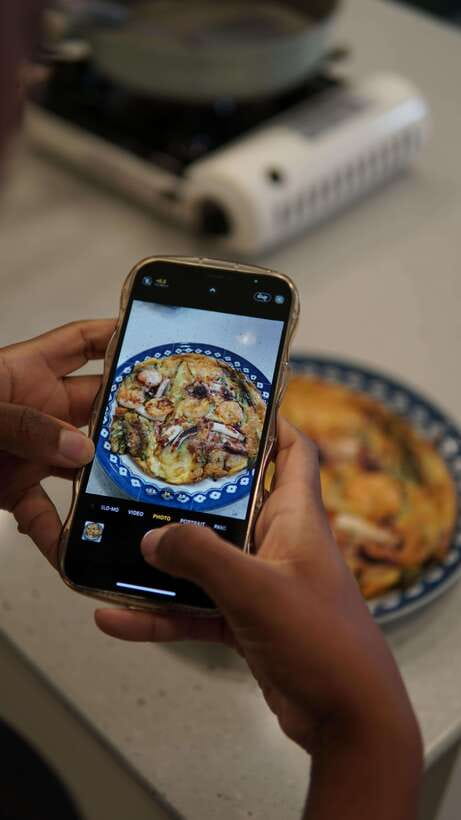
At $105 per person, this is not the cheapest way to eat Korean food. You could order several dishes in Seoul for less. The price makes more sense if you value instruction, a very small group, a full meal, and take-home material.
You are paying for a two-and-a-half-hour activity with an experienced chef, a welcome drink, the cooking session, the food you prepare, rice, kimchi, drinks, recipe cards, photos, and videos. The experience also gives you a chance to ask questions that a restaurant meal cannot answer. Why does this stew taste different from another one? How can you recreate the pancake? Which ingredients matter most? Those are the points that can make the cost worthwhile.
I would be less enthusiastic about the price if you only want a quick taste of Korean food or a short demonstration. You should book this for the hands-on part, not simply for lunch. The strongest value comes when you plan to use the recipes later or want a personal introduction to Korean food traditions.
The possibility of leftovers adds a small practical benefit. A full meal during the session, plus food to take back to your hotel in some cases, can make the price easier to accept. Still, leftovers are not guaranteed, so do not book on that basis alone.
Who will get the most from this class
This experience suits adults who like to cook, ask questions, and eat the results. It is a good match for a first visit to South Korea if you want context for dishes you will see elsewhere during your trip. It also works for repeat visitors who have already eaten Korean food and now want to understand how it is made.
The Friday class is the clear fit for vegans. The other weekday menus include meat or seafood, so choose carefully rather than assuming substitutions are available. Da-ye’s experience with different dietary habits is helpful, but the published menus are still specific.
It is also a good option for couples, friends, or solo visitors who prefer a quiet lesson over a large group activity. The English instruction removes a major barrier, and the small format gives you more contact with the teacher.
This is not suitable for children under 18. It is also not suitable for a noncooking companion who wants to sit nearby and watch. Every person inside during class must be a paid participant taking part in the lesson.
Practical planning for your Seoul itinerary
The location is listed as Gyeonggi Province, South Korea, rather than central Seoul. Make sure you check the precise meeting details and allow enough time to reach the studio. The supplied information does not give a travel route or journey time, so do not build a tight connection with another activity.
The class lasts 2.5 hours, and starting times vary by availability. Your cooking class should be treated as a substantial part of the day, especially when you add transportation to and from Gyeonggi Province.
The schedule is simple but easy to overlook:
- Monday and Tuesday: beef bulgogi, seafood pa-jeon, and pork kimchi jjigae
- Wednesday: tteok-bokki, dakgangjeong, and mini kimbap
- Thursday: dakgalbi, kimchi jeon, and doenjang jjigae
- Friday: vegan bibimbap, japchae, and doenjang jjigae
Free cancellation is available up to 24 hours before the activity for a full refund. You can also reserve now and pay later, which helps if you are still arranging your Seoul plans. Those flexible terms are useful, but they do not remove the need to choose the correct menu day.
Should you book Ricely Cooking Studio?

Book it if you want to do more than eat Korean food. The best reasons are the three-person maximum, Da-ye’s long teaching experience, the choice of focused menus, and the practical recipes and photos you receive afterward.
I would choose Monday or Tuesday for a broad introduction to Korean home cooking, Wednesday for street food, Thursday for another savory home-style set, and Friday for a vegan meal. I would skip it if you want a cheap meal, dislike hands-on activities, need a child-friendly outing, or cannot spare two and a half hours.
For an adult who enjoys food and wants a personal connection to Korean cooking, $105 can be fair value. Just match the weekday to your appetite, check the Gyeonggi Province location, and remember that the class is for active participants only.
FAQ
Where does the Korean cooking class take place?
The class takes place at Ricely Cooking Studio in Gyeonggi Province, South Korea.
How long does the cooking class last?
The class lasts 2.5 hours. This includes both the cooking instruction and the time spent eating the food you prepare.
How many people can join the class?
The group is limited to a maximum of three participants.
Is the class taught in English?
Yes. English is the listed instruction language.
Who teaches the cooking class?
Da-ye leads the class. She owns Ricely Cooking Studio and has taught Korean cuisine to people of different ages and nationalities for about 12 years.
What dishes can I learn to cook?
The menu depends on the weekday. Options include Korean home meals with bulgogi or dakgalbi, street food such as tteok-bokki and dakgangjeong, and a Friday vegan menu with bibimbap, japchae, and doenjang jjigae.
Is there a vegan cooking class?
Yes. Friday’s menu is vegan Korean home cooking and includes bibimbap, japchae, and doenjang jjigae.
Are food and drinks included?
Yes. A welcome coffee or drink is included, along with the meal you prepare, rice, kimchi, and additional complimentary drinks.
Are recipes and photos provided after class?
Yes. Recipe cards, photos, and videos are included after the class.
Can children or spectators attend?
The class is not suitable for children under 18. Only paid participants who are actively taking the lesson may be inside while class is in progress, and there is no waiting area for friends or family members.
Can I cancel the booking?
You can cancel up to 24 hours in advance for a full refund. A reserve-now, pay-later option is also available.
Newest classes around Seoul
- Seoul: Korean Home Visit, Cooking & Cultural Experience★ 5.0 · 2 reviews
- Seoul: Korean Kimchi Cooking Class in the Heart of the City★ 5.0 · 3 reviews
- Seoul: Premium Korean Feast Cooking Class★ 5.0 · 3 reviews
- Seoul: Kimchi Dishes Cooking Class with Wine Pairing★ 4.7 · 38 reviews
- Seoul: Korean Cooking Class with Local Grocery Shopping★ 5.0 · 13 reviews
- Seoul: Authentic Korean Cooking Class and Market Tour★ 5.0 · 6 reviews
- Seoul: Cooking Class and Tour with Michelin-Trained Chef★ 5.0 · 11 reviews
- Seoul: Royal Seoul Cooking Class in a 100-Year-Old Hanok★ 5.0 · 96 reviews
Seoul Cooking Classes, compared.
Local Home Korean Cooking Class & Market Adventure in Seoul
Read our review →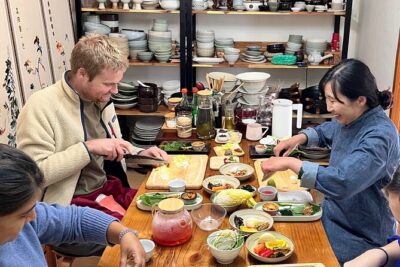
Master Korean traditional cooking with a Kimchi chef
Read our review →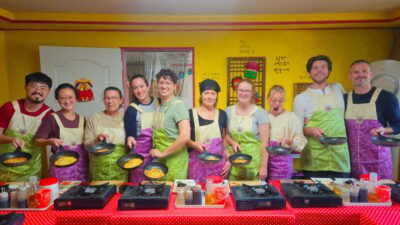
Korean Cooking Class at a Local Home and Market Tour
Read our review →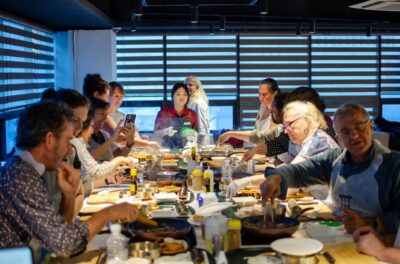
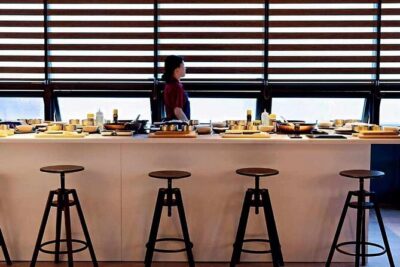
Taste of Korea, Authentic Home Style Cooking Class
Read our review →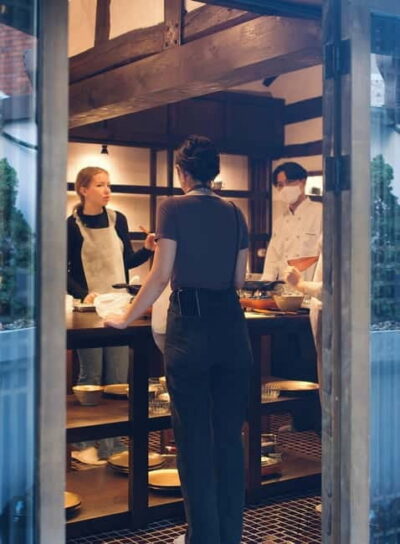
Royal Seoul Cooking Class in a 100-Year-Old Hanok
Read our review →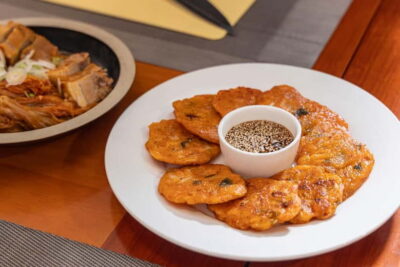
Browse the lists this tour appears in