
Review · SEOUL COOKING CLASSES
Seoul: Cooking Class and Tour with Michelin-Trained Chef
A market visit with a Michelin-trained chef is the hook here, but the real pleasure is practical: you shop for ingredients at Mangwon Market, then use them in a nearby kitchen. Chef Pano leads the English-language session, showing you useful knife skills and guiding each step without turning the class into a cooking exam.
I like the direct connection between the market and the meal, and I like that the class includes Korean pancakes, soup, side dishes, and makgeolli rather than a single dish. The small group, capped at eight, should make it easy to ask questions. The one drawback is the tight 150-minute schedule, so this is a focused introduction, not a long market tour or a full Korean cooking course.
Key points to know
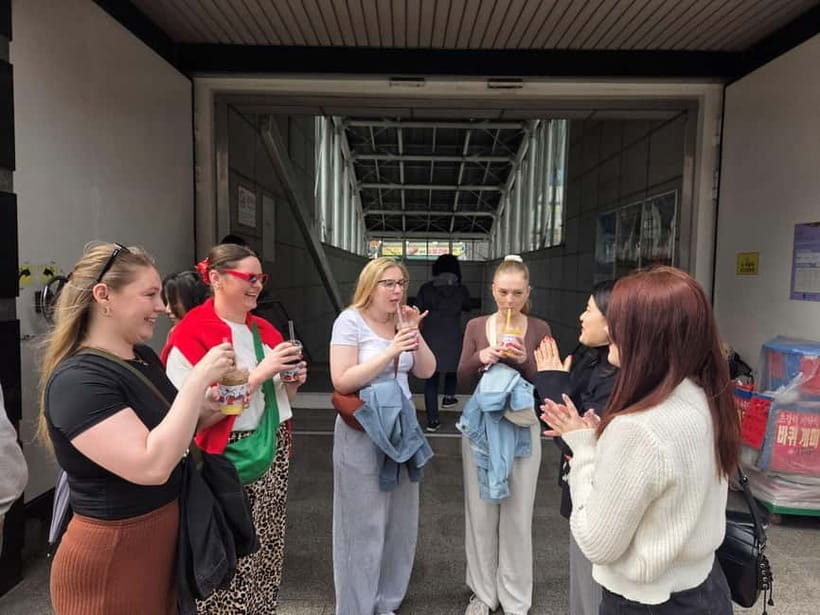
- Mangwon Market comes first: Shop for ingredients, learn about Korean food, and taste street foods before cooking.
- Chef Pano teaches hands-on: You prepare the food yourself and receive clear, step-by-step guidance, including basic knife technique.
- Jeon is the main dish: Make several types of Korean pancakes and eat them with traditional makgeolli.
- The meal goes beyond pancakes: Soup and several side dishes prepared by the chef round out the table.
- Small groups matter: The class allows up to eight people, though a quieter date could become a very personal session.
- Nearly everything is covered: Ingredients, cooking equipment, market activities, food, drinks, and a commemorative photo are included for $83.
Why Mangwon Market makes a good starting point
The experience begins at the Connecting Mangwon sign in front of Mangwon Station Exit 2 on Seoul Subway Line 6. You meet the guide there, then head into Mangwon Market to see the ingredients before they reach the cooking table.
That order matters. Korean food can look familiar on a menu but less obvious in a market. A guided walk gives you a quick lesson in what people buy, how ingredients are used, and which foods are worth tasting on the spot. You are not simply shown a market and sent along. You help choose what will go into your meal.
The market portion also gives the class a local setting. You see food in its everyday retail form, then handle and cook it later. That simple link makes the meal easier to remember than a demonstration held in an isolated kitchen.
You will also taste Korean street foods during the visit. The supplied details do not specify which snacks appear on a particular day, so you should treat this as a chance to sample what is available rather than a fixed tasting menu. Market stock can change, and that is part of the point.
More Cooking Classes in Seoul:
- Local Home Korean Cooking Class & Market Adventure in Seoul
★ 5.0 · 1,024 reviews - Master Korean traditional cooking with a Kimchi chef
★ 5.0 · 385 reviews - Seoul: Korean Cooking Class at a Local Home and Market Tour
★ 5.0 · 348 reviews
Shopping for ingredients with Chef Pano
Chef Pano guides the shopping and explains the foods connected to the dishes you will prepare. This is one of the strongest parts of the experience for anyone who wants more than a recipe card.
You can ask about ingredients as you see them, then watch how they fit into Korean home cooking. The shopping also gives you a better sense of the balance between fresh produce, prepared foods, and market staples. You are not expected to arrive with a shopping list or any cooking experience.
A practical benefit is that all market-tour supplies and cooking ingredients are included. You do not need to carry cash for a required ingredient purchase or worry about finding a specialty shop before class. Transportation to the meeting point is not included, so plan your subway ride to Mangwon Station separately.
From market stalls to the cooking studio
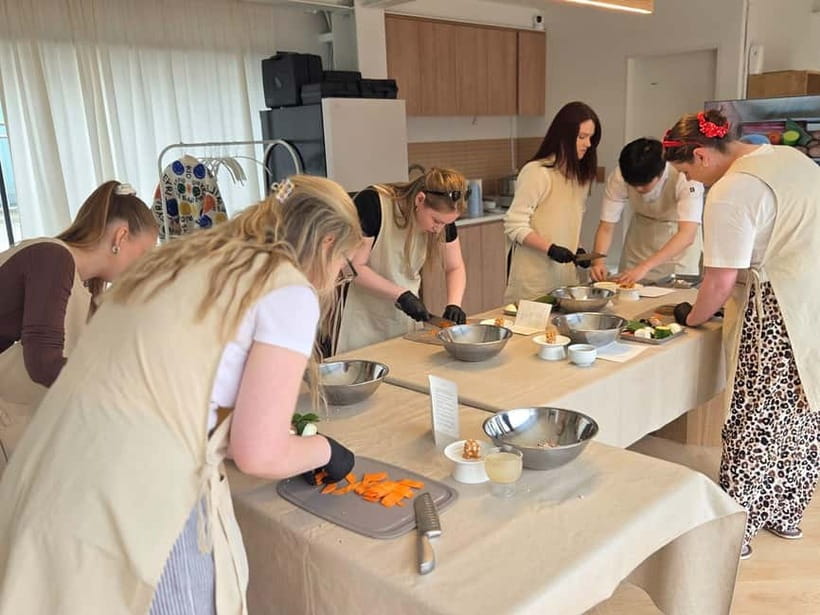
After the market visit, the group goes to a nearby cooking studio. The short transfer keeps the 150-minute schedule efficient and means less time is lost crossing Seoul.
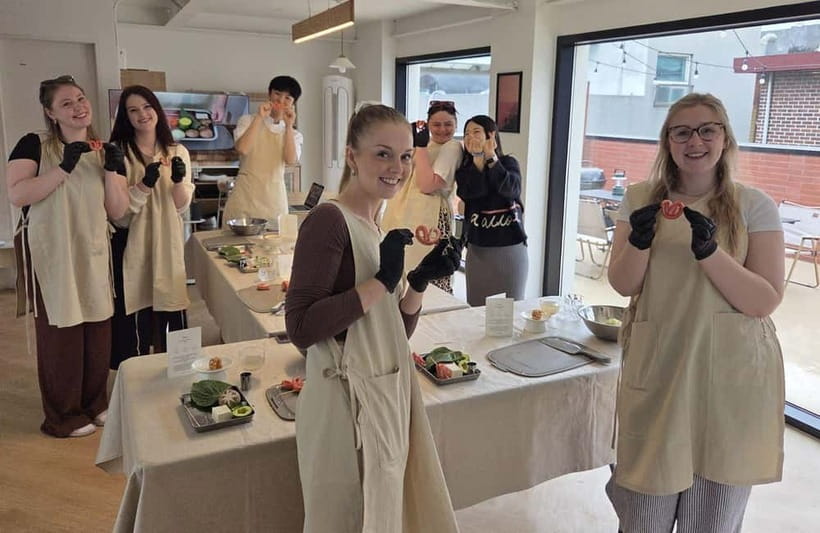
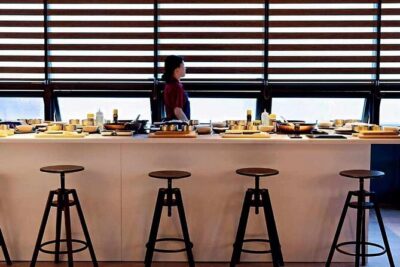
The kitchen is described as cozy, which suits the scale of the class. With a maximum of eight participants, you should have a better chance to see the demonstrations and receive help than in a large cooking school. On a quiet date, the group can be much smaller. One couple booked a session with no other participants and received a highly personal class, though you should not count on having the studio to yourself.
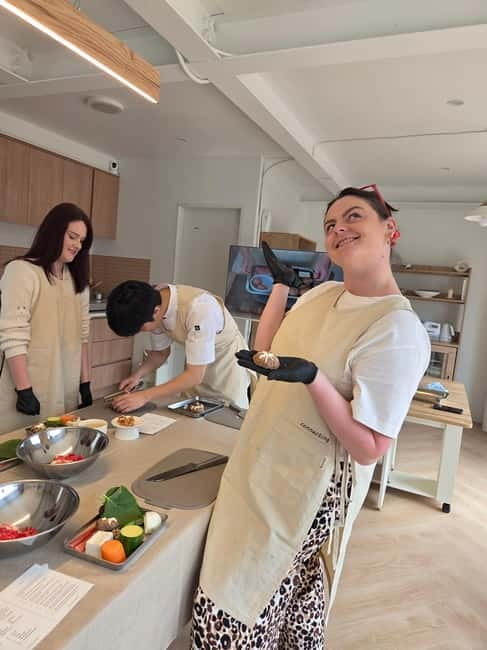
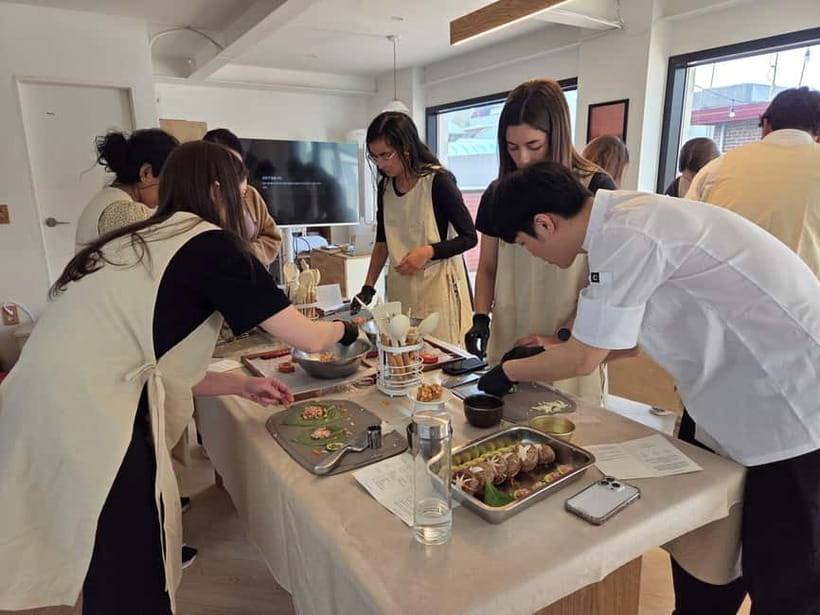
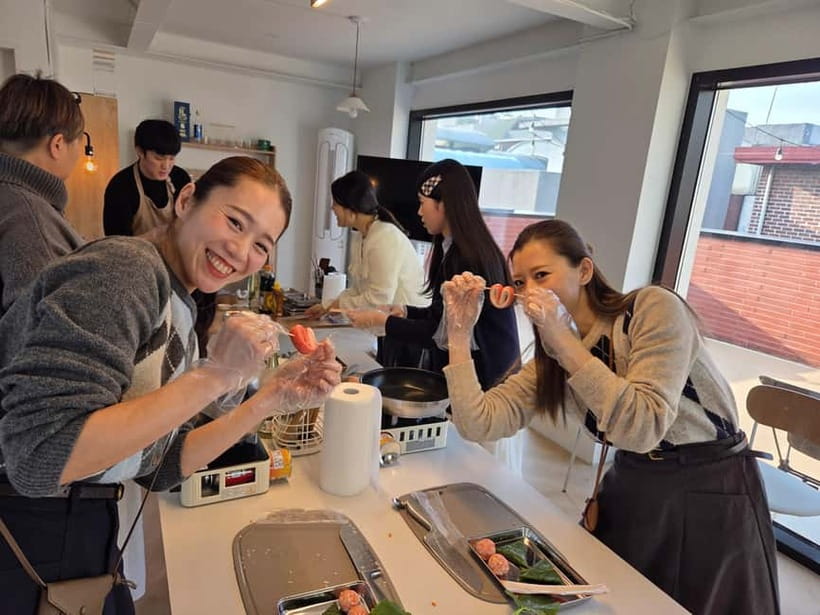
Chef Pano begins with clear instructions and lets you do the work. You can expect to chop, prepare, and cook rather than simply watch a chef perform. One useful detail from the class format is the attention to knife handling. Pano has shown participants the proper way to hold a knife, a small lesson that can make the cooking safer and more comfortable.
The instructions are designed for beginners. You do not need to prepare ingredients ahead of time, bring equipment, or study Korean recipes before arriving. That makes this a good choice for a first cooking class, especially if you want a social activity that does not demand much advance planning.
Making Korean jeon from scratch
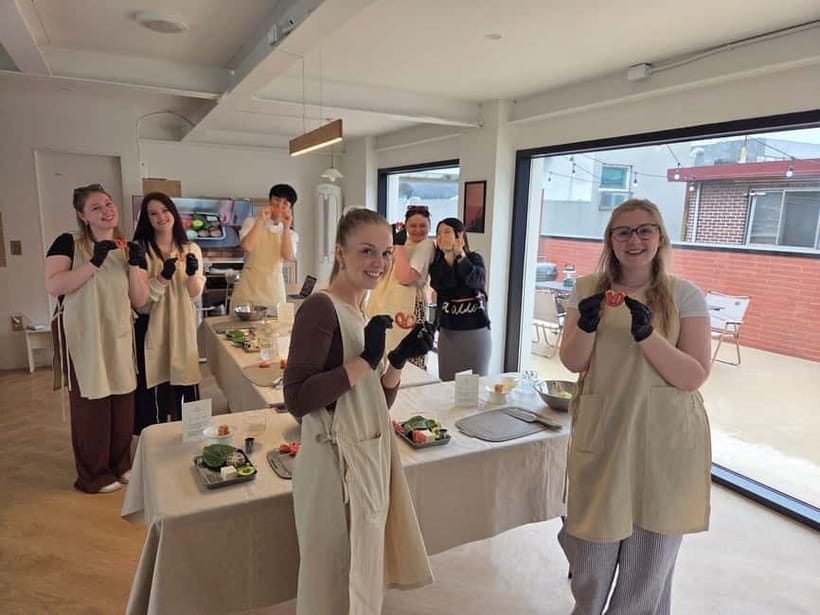
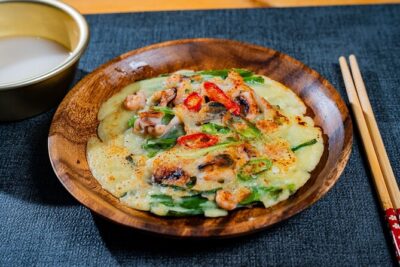
The main cooking project is jeon, a family of Korean savory pancakes. You prepare several types rather than making one identical pancake over and over. That gives you a quick look at how one broad Korean dish can take different forms.
The hands-on format is important here. You get a feel for mixing, shaping, and cooking the pancakes, then eat the result while the work is still fresh in your mind. The class is not built around a polished chef demonstration where you only take notes.
The exact varieties can vary, and the supplied information does not name each one. Still, the format gives you a useful introduction to a familiar Korean food and shows how market ingredients become a shared meal.
Expect guidance at each stage. Pano has been described as giving step-by-step instructions, which should help if you are not confident with a knife or have little cooking experience. You can also chat with him as you work, so the class combines technique with food and culture.
Same region, a different dish to learn:
- Seoul: Korean Cooking at Seoul Cooking Club!
★ 5.0 · 311 reviews - Korean Cooking at Seoul Cooking Club
★ 5.0 · 220 reviews - Seoul: Taste of Korea, Authentic Home Style Cooking Class
★ 4.9 · 166 reviews - Seoul: Royal Seoul Cooking Class in a 100-Year-Old Hanok
★ 5.0 · 96 reviews
A proper table with soup, side dishes, and makgeolli
The meal does not end with the pancakes. The chef serves a traditional Korean soup and several side dishes alongside the jeon. That makes the meal feel more like a Korean table than a single-item tasting.
The side dishes are prepared by the chef, while the pancakes are your own work. I like that split because it gives you a complete meal without requiring you to cook every part under a short time limit. You get to focus on the main technique and still sample more of the food culture.
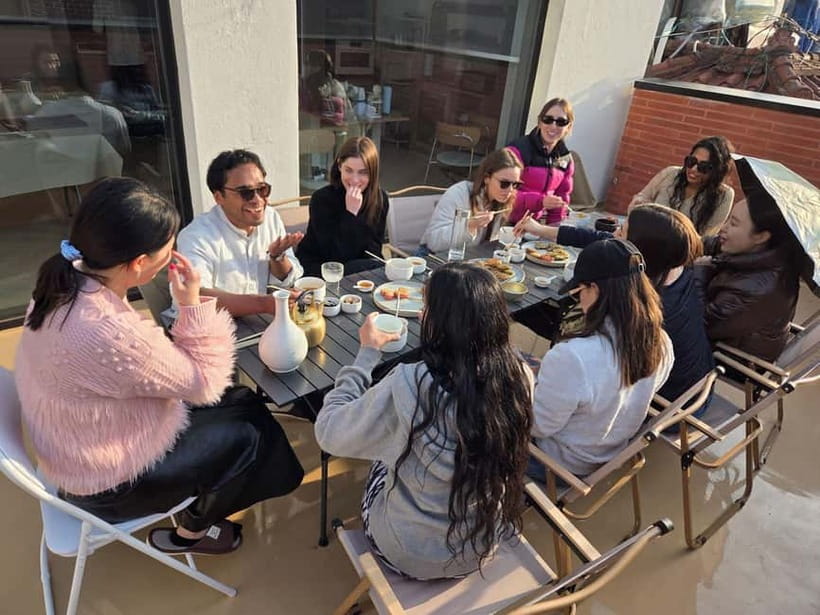
Makgeolli, a traditional Korean rice wine, is served with the meal. It is a natural match for jeon and adds a social Korean touch to the sitting-down portion. Alcohol is part of the stated experience, so you should keep that in mind when deciding if this class suits your group.
The activity information does not specify the number or names of side dishes, the soup style, or the makgeolli brand. If those details matter to you, ask the provider before booking. The menu can also be affected by food allergies and available ingredients.
Conversation with a Michelin-background chef
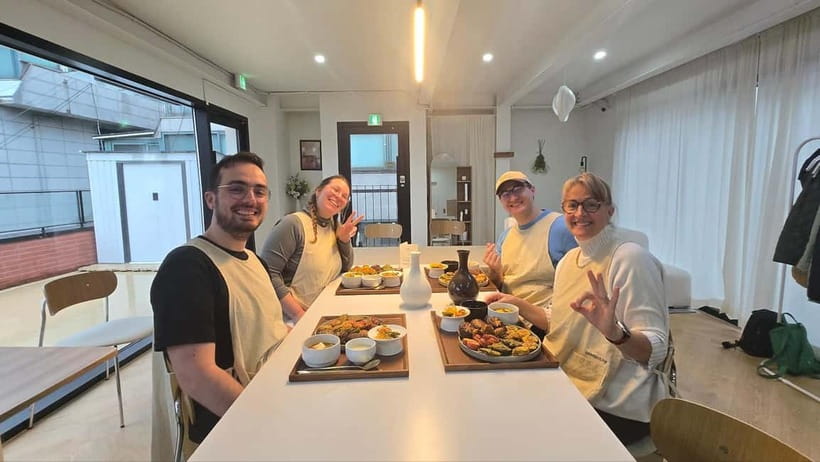
Chef Pano is presented as a former Michelin-starred chef, and the class uses that background in a practical way. You are not paying for a formal fine-dining meal. You are getting access to a chef who can explain technique, food, and Korean culture while you cook.
The atmosphere is intended to be conversational. You have time to chat with Pano, ask questions, and take part in a traveler networking session with the other participants. That social element can be a real advantage if you are visiting Seoul alone or want an evening activity with people from different countries.
The networking portion also means the experience is not purely instructional. You should expect conversation around the table, not just a silent cooking lesson. If you prefer a private class or want to move at your own pace, the eight-person limit helps, but this still has a social design.
English is the stated tour language. You should be comfortable following spoken English instructions, particularly during knife work and cooking steps.
The commemorative photo and the pace of the class
A commemorative photo shoot is included near the end of the experience. It is a small feature, but it gives you a record of the activity beyond food photographs taken during the meal.
The schedule runs for 150 minutes, or two and a half hours. That is enough time for a market introduction, tastings, shopping, cooking, eating, conversation, and a photo, but it is not generous. The class works because the market and studio are nearby and the menu is planned in advance.
You should arrive ready to keep moving. The market portion is not an open-ended shopping trip, and the cooking portion follows a set rhythm. If you want hours of browsing or a detailed lesson on many Korean dishes, this will feel short. If you want one well-shaped food activity that fits neatly into a Seoul itinerary, the timing is useful.
Wear something comfortable for cooking, though no special clothing or preparation is required. The provided information does not state if aprons are supplied, so you may wish to ask if you are concerned about splashes.
The $83 price and what it covers
At $83 per person, the price is reasonable for a small-group experience that combines a guided market tour, street-food tastings, ingredient shopping, a cooking class, a full meal, makgeolli, chef interaction, networking, and a photo.
The value improves because ingredients and cooking supplies are included. You are also not paying separately for the food you prepare or the side dishes served at the table. The main extra cost to plan for is your own transportation to and from Mangwon Station.
For comparison, this is not simply a two-hour recipe lesson. The market visit gives the experience a stronger sense of place, while the chef-led instruction adds a professional angle. Still, price-sensitive visitors should remember that the class is focused on jeon and related meal items, not a broad survey of Korean cuisine.
The perfect fit is someone who wants an active food experience and appreciates having the meal included. If you only want to eat Korean food, a restaurant will usually be simpler. If you want to understand a dish by shopping for it and making it yourself, the $83 fee covers a useful bundle.
Food allergies and what to tell the provider
The provider asks you to report food allergies in advance and can prepare an alternative dish. Do not wait until you arrive. Send the information before the class so the kitchen has time to plan.
The data does not promise accommodation for every dietary preference, nor does it list common allergens in the menu. If you have a serious allergy, explain it clearly and ask what alternative dish can be prepared before booking.
Vegetarian, vegan, halal, and other dietary needs are not specifically described. You should not assume that the standard jeon, soup, side dishes, or makgeolli fit your requirements without confirmation.
Who will enjoy this Seoul food experience
I would recommend this class to you if you:
- Want to visit a local market with a guide rather than browse alone
- Like hands-on activities more than passive demonstrations
- Are curious about Korean food but do not have much cooking experience
- Enjoy meeting people in a small group
- Want a full meal during the activity
- Appreciate a chef who can explain technique and culture
- Have about two and a half hours available near Mangwon
Families, couples, solo visitors, and small groups can all fit the format. The class is especially useful early in a Seoul stay because the market and food lessons may help you recognize dishes and ingredients later in your trip.
I would be more cautious if you need a fully private experience, want a long market visit, avoid alcohol, or have dietary needs that require careful menu control. The provider can prepare an alternative dish for allergies, but other restrictions should be confirmed directly.
Getting there and planning the day
The meeting point is the Connecting Mangwon sign in front of Exit 2 at Mangwon Station on Subway Line 6. That precise meeting point is helpful, but you still need to allow time to find the exit and locate the sign.
Transportation is not included. The tour begins at the station, so you can handle the subway journey on your own and avoid paying for a separate pickup service. Plan to arrive with enough time to identify the guide and settle in before the market walk starts.
Starting times vary. Check availability for the date you want, since the activity does not list one fixed daily departure. The booking terms allow free cancellation up to 24 hours before the start time, and you can reserve now and pay later, which helps if your Seoul plans are still shifting.
Should you book the Mangwon cooking class?
Book it if you want to connect a real Seoul market with a meal you prepare yourself. The strongest features are the direct market-to-kitchen route, Chef Pano’s patient step-by-step teaching, the small group, and the complete meal with soup, side dishes, and makgeolli.
Think twice if you want a long culinary course, a private dining experience, or a fixed menu with every ingredient listed in advance. For most food-curious visitors, though, $83 buys more than a recipe lesson. It gives you a guided look at Mangwon Market, practical cooking time, a social meal, and a clear taste of Korean food culture within one well-planned afternoon or evening.
FAQ
Where does the Seoul cooking class meet?
Meet at the Connecting Mangwon sign in front of Mangwon Station Exit 2 on Seoul Subway Line 6.
How long does the activity last?
The activity lasts 150 minutes, or two and a half hours.
What language is the tour conducted in?
The live tour guide speaks English.
How many people can join the class?
The small group is limited to eight participants.
Who teaches the cooking class?
Chef Pano leads the experience. He has a former Michelin-starred background and teaches the market visit and cooking session.
What food will I cook?
You will prepare several types of jeon, or Korean pancakes.
What else is served with the jeon?
A traditional Korean soup, several side dishes prepared by the chef, and makgeolli are served with the pancakes.
Are ingredients and cooking equipment included?
Yes. All ingredients and cooking supplies needed for the market tour and cooking class are included.
Can the class accommodate food allergies?
You should tell the provider about food allergies in advance. An alternative dish can be prepared.
Is transportation included?
No. You are responsible for getting to and from the meeting point at Mangwon Station.
Can I cancel for a full refund?
Yes. You can cancel up to 24 hours in advance for a full refund. You can also reserve your place and pay later.
Newest classes around Seoul
- Seoul: Korean Kimchi Cooking Class in the Heart of the City★ 5.0 · 3 reviews
- Seoul: Premium Korean Feast Cooking Class★ 5.0 · 3 reviews
- Seoul: Korean Home Visit, Cooking & Cultural Experience★ 5.0 · 2 reviews
- Seoul: Kimchi Dishes Cooking Class with Wine Pairing★ 4.7 · 38 reviews
- Seoul: Korean Cooking Class with Local Grocery Shopping★ 5.0 · 13 reviews
- (Seoul) Korean Cooking Class with a Professional Chef★ 5.0 · 14 reviews
- Seoul: Authentic Korean Cooking Class and Market Tour★ 5.0 · 6 reviews
- Seoul: Royal Seoul Cooking Class in a 100-Year-Old Hanok★ 5.0 · 96 reviews
Seoul Cooking Classes, compared.
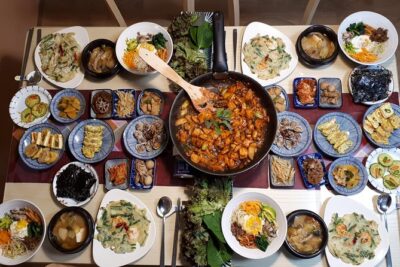
Local Home Korean Cooking Class & Market Adventure in Seoul
Read our review →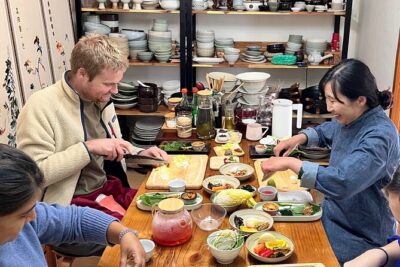
Master Korean traditional cooking with a Kimchi chef
Read our review →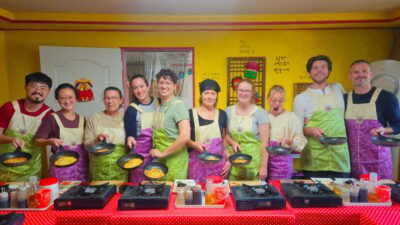
Korean Cooking Class at a Local Home and Market Tour
Read our review →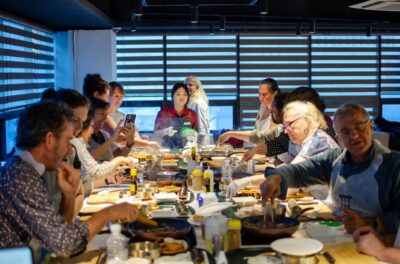
Taste of Korea, Authentic Home Style Cooking Class
Read our review →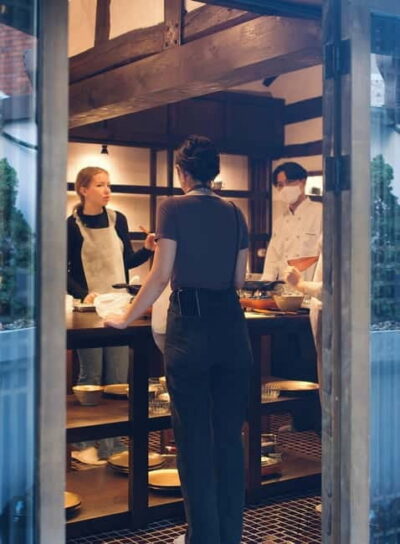
Royal Seoul Cooking Class in a 100-Year-Old Hanok
Read our review →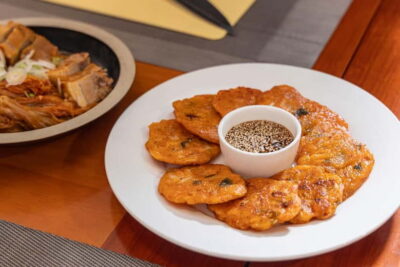
Browse the lists this tour appears in