Review · ROME COOKING CLASSES
Rome: Pasta Cooking Class with Market Visit and Wine
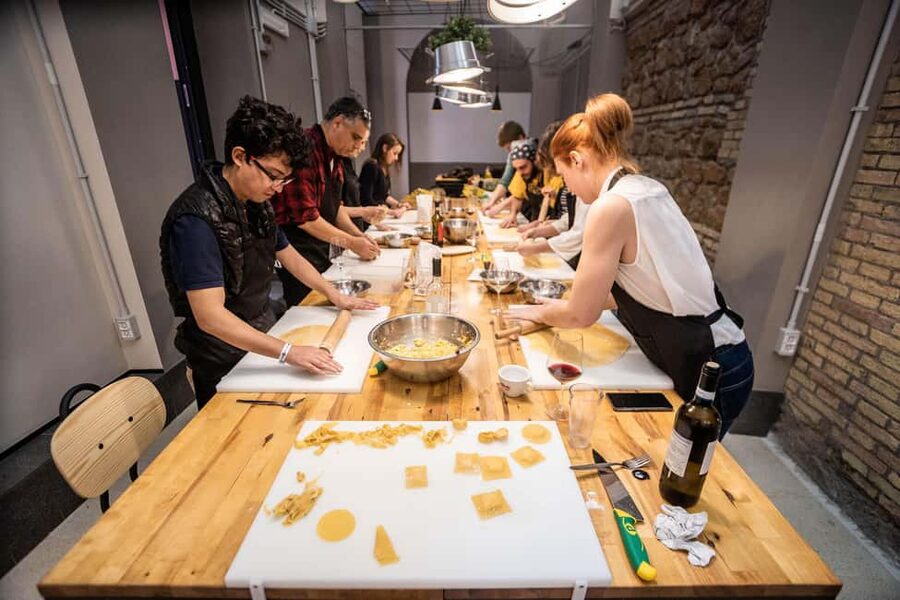
Rome’s best food lessons begin before the kitchen. This one starts with a walk to Nomentano Market, where chef Marco introduces you to the ingredients that will become lunch. Back at the Kitchen of Mamma, you make pasta by hand, shape ravioli and tortellini, prepare sauces, and sit down to eat your work.
I like the market visit because it gives the class a local setting instead of treating pasta as a staged tourist trick. I also like the generous range of techniques: you may work with several pasta shapes, fillings, and sauces rather than only rolling one batch of spaghetti. The main consideration is that the advertised timing can vary, and the activity is unsuitable for anyone with gluten intolerance.
Key points
- Nomentano Market first: Walk with the chef to see fresh seasonal produce and gather ingredients for the class.
- Marco is the main attraction: He teaches in English or Italian, answers questions patiently, and keeps the mood relaxed and funny.
- Several pasta styles: Depending on the class, you may make linguine, ravioli, tortellini, and other shapes.
- A full meal is included: Eat the pasta you prepare with sauces, a glass of Italian wine, coffee, and limoncello.
- Useful take-home material: You receive recipes and a participation certificate.
- Plan about four hours: Some descriptions may suggest a longer session, but the actual experience has often taken roughly four hours.
From Nomentano Market to the Kitchen of Mamma
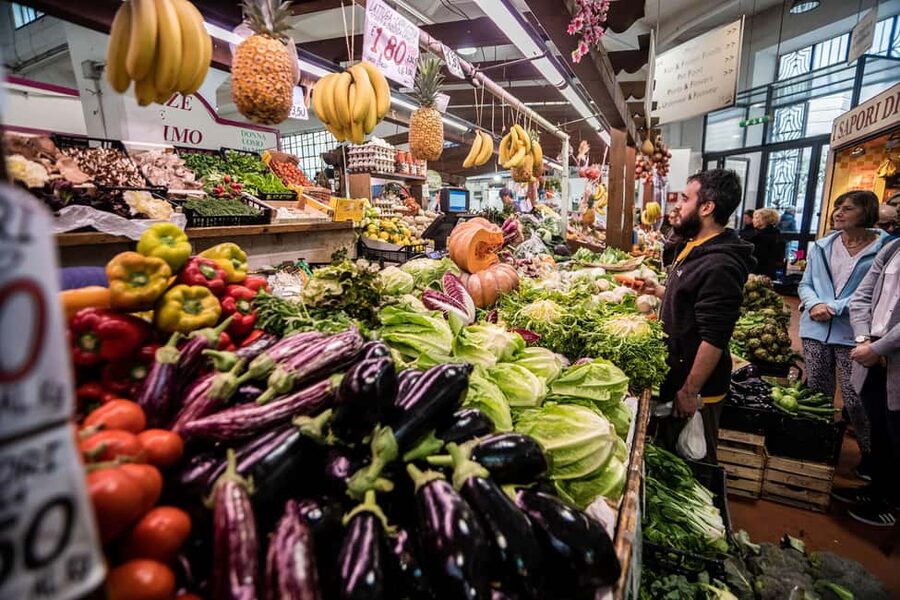
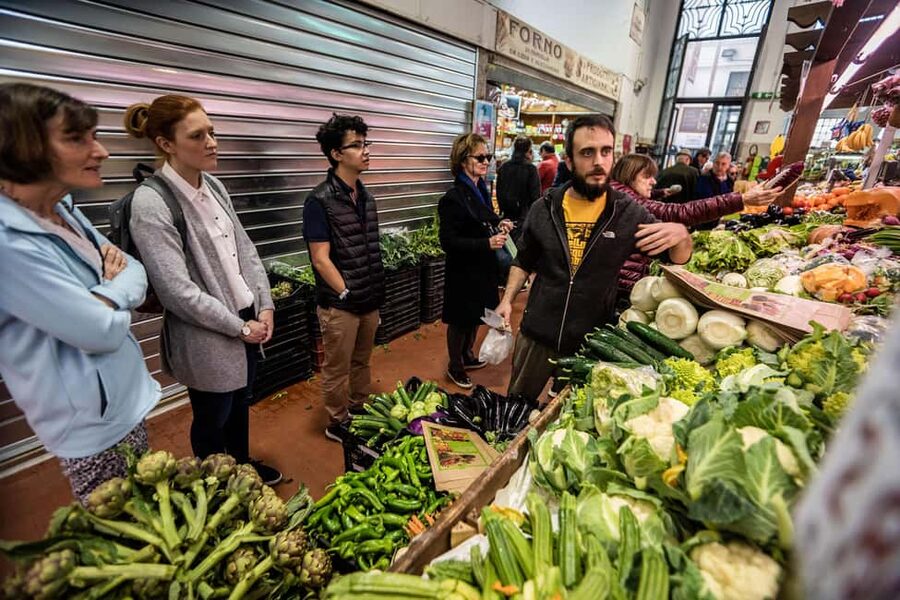
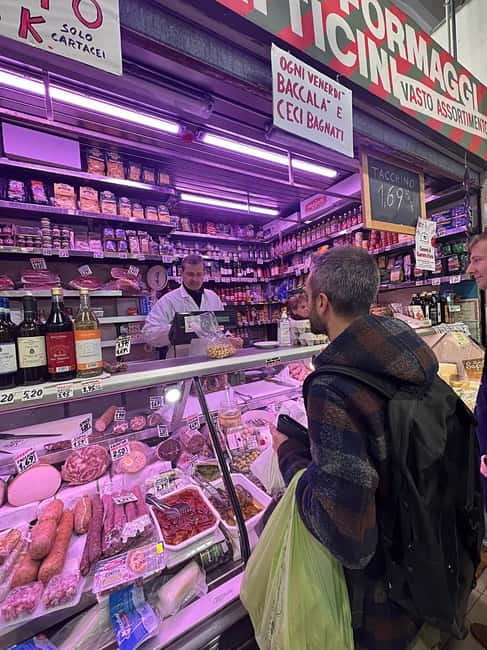
The class meets at Via Palestro 51, near Rome’s Termini area, and begins with a short walk to Nomentano Market. The market visit is more than a quick shopping errand. You get a look at the produce, meat, fish, and other products used in Roman cooking, while the chef explains why certain ingredients suit particular fillings and sauces.
That first walk also gives the chef room to talk about Rome and Italian food customs. Marco has used the route to share stories about Roman history, local cooking, and the way he selects ingredients. You are not simply handed a bowl of flour and told to copy a recipe. You see where the meal begins.
The market itself is an important part of the value. Many Rome cooking classes stay inside a studio. Here, you see food in a neighborhood setting and learn how the chef thinks about freshness, season, and combinations. The market is indoors, according to the information provided, and the walk takes only a few minutes.
Do not expect a full food tour with a long list of tastings. The market visit is tied to the cooking lesson, so its purpose is to introduce ingredients and gather what is needed. That keeps the day focused, but anyone hoping to spend hours browsing market stalls may find this portion brief.
More Cooking Classes with a Market Tour in Italy
- Authentic Roman Cooking Class & Market Experience
★ 5.0 · 363 reviews - Rome: Market and Cooking Class at a Local’s Home
★ 4.0 · 3 reviews - Cooking Class and Lunch at a Tuscan Farmhouse with Local Market Tour from Florence
★ 5.0 · 4,831 reviews
Rolling Pasta at Your Own Work Station
Back at the Kitchen of Mamma, you work through the basic dough. No previous cooking skill is required. The class is designed for beginners, and the chef demonstrates each step before moving around the room to check your work.
One useful detail is that participants have individual work stations. That matters more than it may sound. Pasta dough can be sticky, dry, too thick, or uneven, and having your own space lets you practice instead of merely watching someone else handle the dough.
The lesson covers the fundamentals: combining the ingredients, kneading, rolling, cutting, and shaping. You learn that pasta-making is less about fancy equipment than about texture and feel. The chef can show you when the dough needs more work and how thin it should become before cutting or filling.
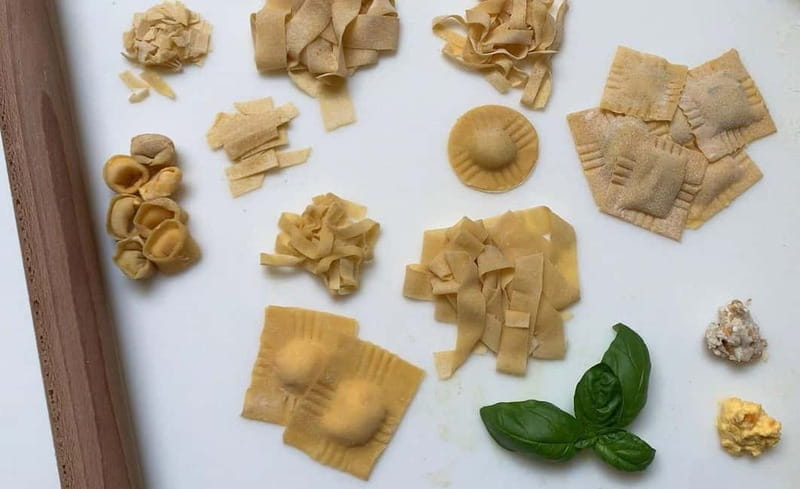
You may prepare several shapes during the session. The exact selection can change, but past classes have included linguine, ravioli, tortellini, and other cuts. One particularly useful part is the chance to make filled pasta. Folding tortellini takes more care than cutting noodles, and the chef offers hands-on corrections when the shape refuses to cooperate.
This is not a silent demonstration. You make the pasta yourself, then watch the chef prepare fillings and sauces. Some guests have noted that not every ingredient is cooked entirely by each participant. That is normal for a group lesson, and it allows the meal to include more than one sauce without turning the class into a very long shift in a restaurant kitchen.
Fillings, Sauces, and Roman Food Sense
The recipes go beyond the familiar Roman trio of carbonara, amatriciana, and cacio e pepe. Depending on the menu, you might work with combinations such as pumpkin, ricotta, sage, and mushrooms. Ravioli with pumpkin and ricotta has been a memorable part of the meal for many people who have taken the class.
You can also expect the chef to prepare more than one sauce for the pasta. Past sessions have included a meat-based bolognese, along with other sauces suited to the shapes and fillings. The emphasis is not only on following measurements. Marco explains why a filling works with a particular pasta and how sauce changes the final dish.
That practical reasoning is one of the class’s strongest features. At home, you can copy a recipe, but you also need to know what to do when the dough feels wrong or when a sauce is too heavy for delicate pasta. The class gives you a foundation for making those judgments.
Dietary communication matters here. Vegetarian needs have been accommodated in past sessions, and the chef has asked about restrictions before preparing meat sauce. Still, you should communicate your needs when booking or at the start. The activity is specifically listed as unsuitable for people with gluten intolerance, so this is not the right choice if you need a gluten-free kitchen.
Lunch With Wine, Coffee, and Limoncello
The reward arrives at the table. After the pasta is prepared and cooked, you sit down for lunch and eat what the group has made. The meal includes pasta with the sauces, a glass of Italian wine, coffee, and limoncello.
This changes the feel of the class. You are not rushing out after the final demonstration. You have time to taste the food, compare results, and talk with the chef and other participants. The shared meal also gives you a chance to ask follow-up questions that might not occur while your hands are covered in flour.
The wine is part of the experience, not a separate tasting course. It helps create a relaxed lunch, but you should keep the drinking in proportion if you have an afternoon of sightseeing afterward. Coffee and limoncello finish the meal in a familiar Italian fashion.
Portions have been described as generous, and some people have been allowed to take extra food home. That detail may vary by session, so do not treat it as guaranteed. The included lunch still adds real value to the $103 price, especially in central Rome, where a pasta meal and drinks can quickly add up.
More Cooking Classes with Wine Tasting in Italy
- Rome: Pasta Making Class with Wine, Limoncello, and Dessert
★ 4.9 · 3,177 reviews - Fettuccine & Tiramisù: Cooking Class with Wine & Limoncello
★ 4.9 · 2,103 reviews - Pasta Making & Wine Tasting with Dinner in Frascati from Rome
★ 5.0 · 1,326 reviews - Rome Cooking Class: Make Pasta, Dine & Drink Wine With Local Chef
★ 5.0 · 1,263 reviews
The Value of a Four-Hour Cooking Class
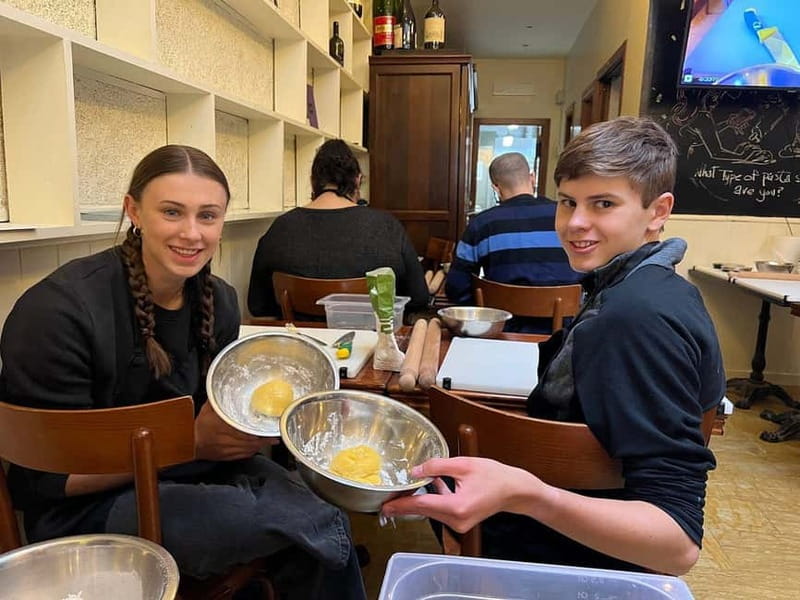
At $103 per person, this is not the cheapest food activity in Rome. It is also more than a short pasta demonstration. The price includes the market walk, instruction, the ingredients, the meal, wine, coffee, limoncello, recipes, and a participation certificate.
The strongest value comes from the amount of active practice. You are not only watching a chef shape pasta. You are making dough, learning several forms, helping with filled pasta, eating the finished dishes, and gaining recipes to use later.
The market visit adds a second layer. It connects the finished plate with the produce and products selected at the start. If you only want a quick class focused on one recipe, a shorter lesson could suit you better. If you want a social half-day with food, conversation, and practical instruction, this price is easier to justify.
The class has also received strong marks over a long period, with a stated rating of 4.9 from 277 reviews. The repeated praise centers on Marco’s teaching style, patience, humor, and ability to give individual help. That consistency matters because a cooking class depends heavily on the instructor. A great recipe cannot rescue a disorganized lesson.
Marco’s Teaching Style
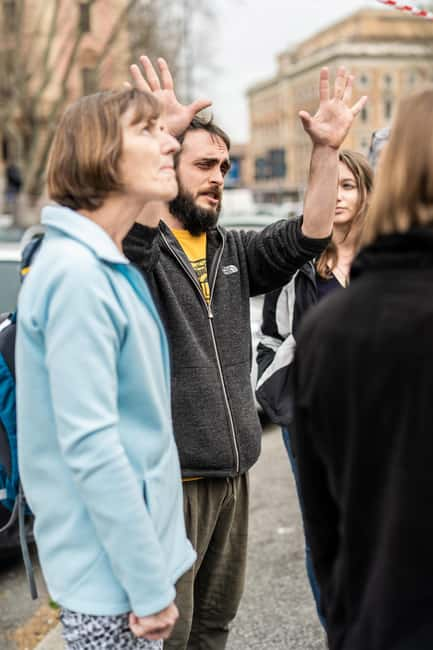
Marco is usually the chef and guide named for this experience. His role goes beyond demonstrating technique. He leads the market walk, explains the ingredients, shares Roman stories, prepares fillings and sauces, and checks each person’s dough and pasta shapes.
You should expect a social class rather than a formal culinary school. Marco uses humor to put beginners at ease, and the atmosphere is designed to encourage questions. That helps if you are nervous about making pasta for the first time or worried that your tortellini will look less than perfect.
His attention to individual stations is another advantage. He moves around the table, checks the dough, and offers corrections when needed. This is especially useful during shaping, when small errors can cause ravioli to open during cooking.
The tone may not suit someone seeking a quiet, highly structured professional workshop. The class includes conversation, wine, history, and personal stories. For most people, that is the point. You are learning a Roman food skill in a friendly setting, not taking an examination in pasta production.
Timing, Meeting Point, and Practical Planning
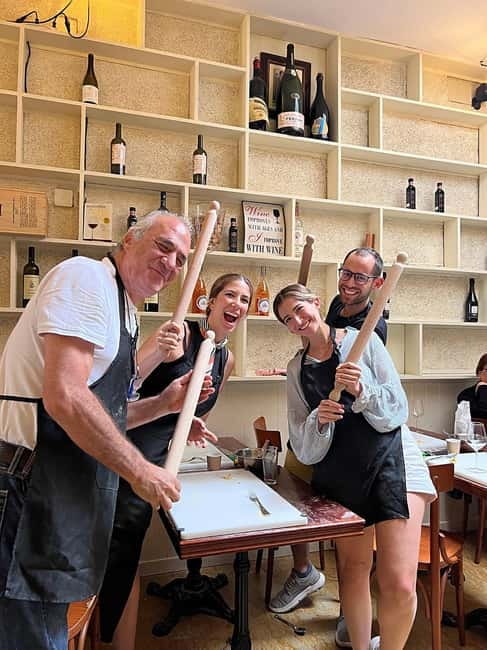
The stated duration is four hours, with start times depending on availability. One description has apparently suggested six hours, while an actual session lasted closer to four. I would plan on four hours and leave extra room around it in your day, especially if you want to browse the market or continue lunch conversation.
Arrive at least 10 minutes early at Via Palestro 51, 00185 Rome. The activity is offered in English and Italian. If you need a particular language, check the available session before booking.
Wear clothes you can cook in comfortably. Flour, sauce, and food preparation are central to the activity, so this is not the moment for your most delicate outfit. The information supplied does not specify accessibility details, so contact the provider if mobility or other access needs are important to you.
The provider is Yellowsquare Rome. You can cancel up to 24 hours before the activity for a full refund, and the booking option allows you to reserve now and pay later. Those terms are useful if your Rome schedule is still shifting.
Who Will Enjoy This Most
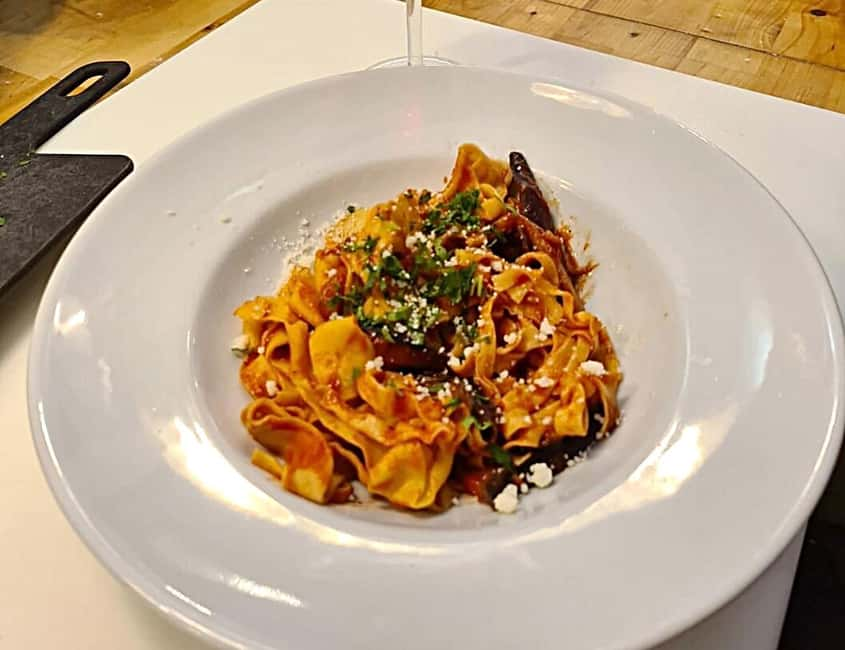
This class suits couples, families, solo visitors, and anyone who wants a meal with a practical souvenir attached. The recipes give you something concrete to use at home, while the certificate is a lighthearted reminder of the day.
Families should find the hands-on format appealing, though younger children will need to stay engaged for several hours. The class has worked well for groups, and the individual work stations make it easier for each person to take part.
It is also a good choice if you have already seen the Colosseum, Vatican Museums, and major fountains and want a different side of Rome. The market and kitchen shift your attention from monuments to everyday food culture.
I would choose another activity if you have a severe gluten restriction, dislike group dining, or want a specialist lesson devoted to one narrow technique. I would also avoid scheduling it immediately before an important timed visit. The length and meal make it a substantial part of your day.
Should You Book the Pasta Class?
Book it if you want to make several types of pasta, eat a proper lunch, and learn from a personable chef rather than watch a polished kitchen show. The market walk, individual work stations, recipes, and relaxed meal give the activity more substance than a quick pasta lesson.
Skip it if you need gluten-free food or want complete control over every part of the cooking. For everyone else, $103 buys a useful mix of local context, hands-on practice, food, and time with Marco. Leave the class with your recipes, a full stomach, and enough confidence to try tortellini at home, even if the first batch needs a little extra patience.
FAQ
How long does the pasta cooking class last?
The stated duration is four hours. Start times vary, so check availability for the session you want.
Where does the activity meet?
You meet at Via Palestro 51, 00185 Rome. Arrive at least 10 minutes before the start time.
Is the market visit included?
Yes. The activity includes a walking tour to Nomentano Market, where you see fresh seasonal ingredients and gather products for the cooking class.
Who teaches the class?
The chef and guide is usually Marco. The activity is offered in English and Italian.
Do I need previous cooking experience?
No. The class is designed for beginners, and the chef explains the pasta-making steps and helps participants at their work stations.
What food and drinks are included?
The activity includes lunch with pasta, a glass of Italian wine, coffee, and limoncello. Recipes and a participation certificate are also included.
Can someone with gluten intolerance take the class?
No. The activity is listed as unsuitable for people with gluten intolerance.
More Pasta Making Classes in Rome
- 3 in 1 Cooking Class near Navona: Fettuccine, Ravioli & Tiramisu
★ 5.0 · 7,376 reviews - Rome Cooking Class: Make Pasta and 3 Spritz Cocktails
★ 5.0 · 2,937 reviews - Rome: 3-in-1 Fettuccine, Ravioli, and Tiramisu Cooking Class
★ 4.9 · 2,704 reviews - Rome: Fettuccine Pasta Cooking Class in Rome’s City Center
★ 4.8 · 2,414 reviews
More Cooking Classes with Wine Tasting in Rome
- Rome: Combo Pizza and Pasta Cooking Class with Wine
★ 4.6 · 1,180 reviews - Rome: Pasta Making with Wine Tasting and Dinner in Frascati
★ 4.9 · 979 reviews - Super Fun Pasta & Gelato Class by Vatican with Wine + Oil Tasting
★ 5.0 · 726 reviews - Rome: Traditional Pasta Making Class with Wine & Gelato
★ 4.9 · 677 reviews
Newest classes around Rome
- Testaccio: Home Cooking Cacio e Pepe, Amatriciana, Carbonara★ 4.9 · 57 reviews
- Super Fun Pasta and Gelato Cooking Class by the Vatican★ 5.0 · 6 reviews
- Spritz and Spaghetti Traditional Cooking Class in Rome★ 4.9 · 30 reviews
- ROME:Hands-On Lasagna & Marsala Tiramisu Cooking Experience”★ 5.0 · 3 reviews
- Rome: Vatican Food Tours, Cooking classes & Free Tours★ 4.9 · 11 reviews
- Rome: Trastevere Pasta Making Class★ 4.9 · 33 reviews
- Rome: Small Group Pasta cooking class near Piazza Navona★ 4.9 · 8 reviews
- Rome: Traditional Cooking Class in the Jewish Ghetto★ 4.9 · 75 reviews
Rome Cooking Classes, compared.
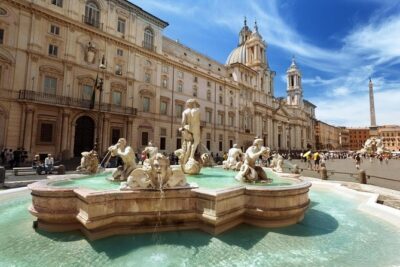
3 in 1 Cooking Class near Navona: Fettuccine, Ravioli & Tiramisu
Read our review →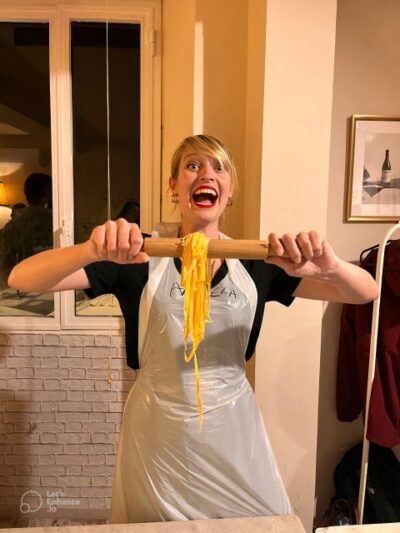
Pasta Making Class with Wine, Limoncello, and Dessert
Read our review →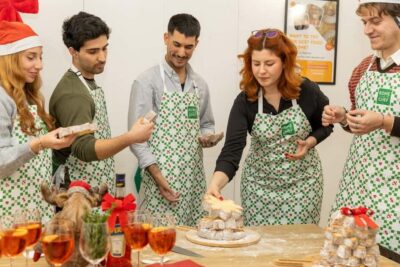
Rome Cooking Class: Make Pasta and 3 Spritz Cocktails
Read our review →
3-in-1 Fettuccine, Ravioli, and Tiramisu Cooking Class
Read our review →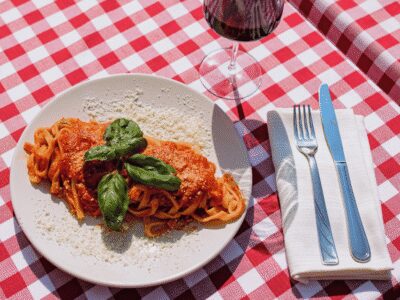
Fettuccine Pasta Cooking Class in Rome’s City Center
Read our review →
Fettuccine & Tiramisù: Cooking Class with Wine & Limoncello
Read our review →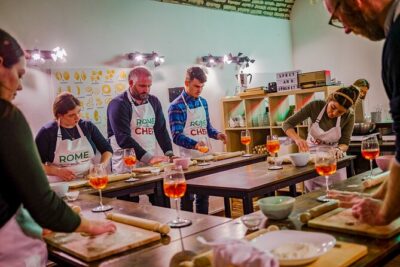
Pasta Cooking Class Near the Colosseum with 3 Spritz Cocktails
Read our review →