
Review · ROME COOKING CLASSES
Rome: Small Group Pasta cooking class near Piazza Navona
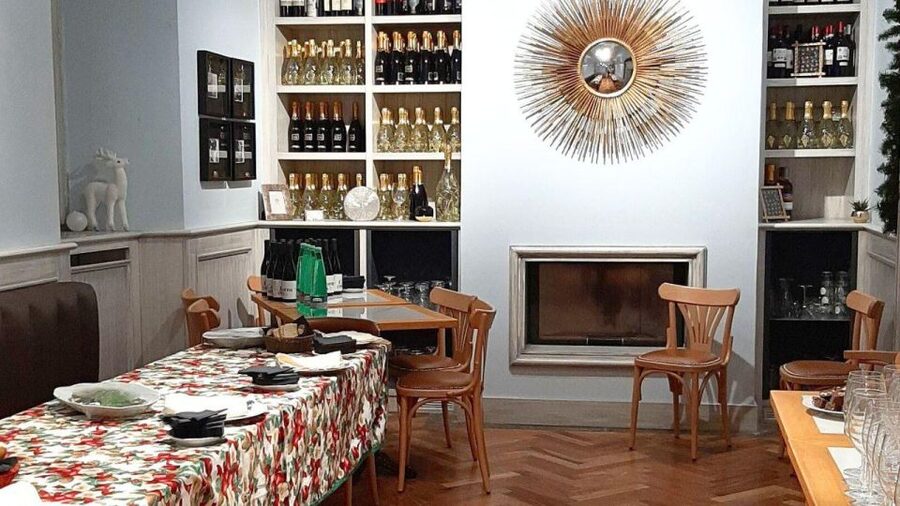
The best part of this experience is that you do not just eat Roman food, you make it. In a room only five minutes from Piazza Navona, you work with an Italian chef to shape fresh pasta, choose a sauce, and sit down to eat what you made. The six-person limit keeps the class personal rather than turning it into a cooking lecture.
I like the easy location and the generous food lineup. You get prosciutto and artisan cheese before the pasta, prosecco during the lesson, wine or a non-alcoholic cocktail with the meal, then tiramisu and limoncello. I also like that Chef Davide and interpreter Iheb are named as part of the teaching team, which is useful if you want help across English, Spanish, or French.
The main consideration is price: at $147.27 per person, this costs more than a simple pasta meal. You are paying for instruction, drinks, dessert, and a very small group, so it makes the most sense if the hands-on lesson matters as much as dinner.
Key points at a glance
- Five minutes from Piazza Navona: Easy to pair with an afternoon or evening in central Rome.
- Six people maximum: You should have room to ask questions and get help with the dough.
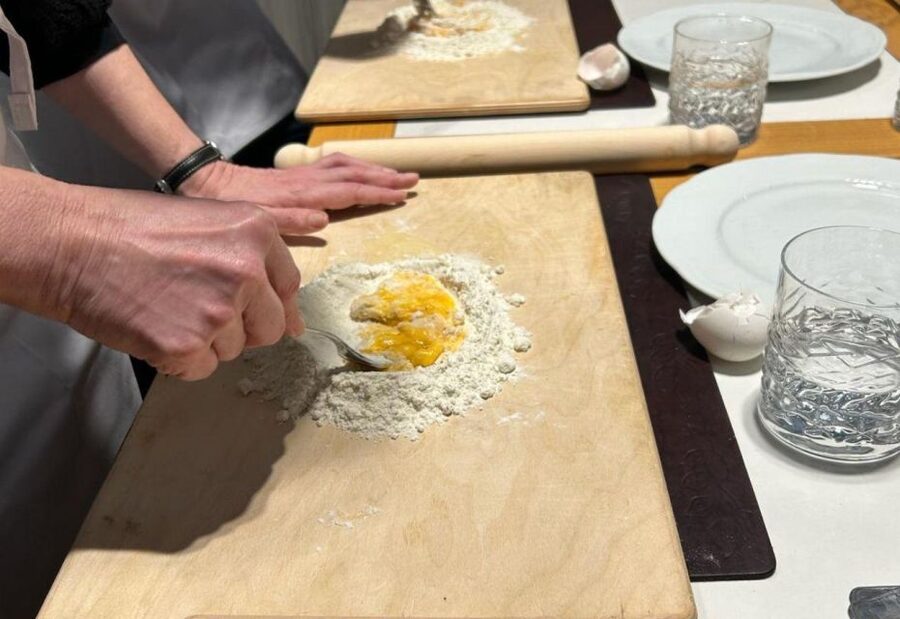
- Three pasta shapes: You may make fettuccine, tonnarelli, or maltagliati, with a sauce of your choice.
- A full food-and-drink menu: Prosciutto, artisan cheese, prosecco, wine or a non-alcoholic cocktail, tiramisu, and limoncello are included.
- English, Spanish, and French support: Chef Davide and interpreter Iheb are associated with the class.
- Flexible booking terms: You can cancel up to 24 hours ahead for a full refund and reserve without paying immediately.
A pasta lesson in the heart of Rome
This class gives you a useful change of pace from Rome’s churches, ruins, and crowded streets. You spend three hours near Piazza Navona, making food with your hands and then eating it at the same table. That setting makes the activity feel social without requiring a full day outside the city center.
The location is one of the strongest practical points. Piazza Navona is one of Rome’s easiest places to reach on foot during a sightseeing day, and the class is only about a five-minute walk from the square. You can fit it between major sights, though you should check the exact starting time before building your plans around it.
The class is limited to six participants. That number matters. Pasta dough needs attention, and a large demonstration group can leave you watching instead of working. With six people, you should have a better chance to see the chef’s technique, ask for help, and get corrections while shaping or cutting the dough.
The class is wheelchair accessible, another useful detail for planning. The available teaching languages are English, Spanish, and French. Chef Davide and interpreter Iheb are named in connection with the experience, and their presence can make the instructions easier to follow for a mixed-language group.
More Pasta Making Classes in Rome
- 3 in 1 Cooking Class near Navona: Fettuccine, Ravioli & Tiramisu
★ 5.0 · 7,376 reviews - Rome: Pasta Making Class with Wine, Limoncello, and Dessert
★ 4.9 · 3,177 reviews - Rome Cooking Class: Make Pasta and 3 Spritz Cocktails
★ 5.0 · 2,937 reviews
Prosciutto and cheese before the cooking begins
The food starts before the pasta. You receive a selection of prosciutto and artisan cheeses, along with a glass of prosecco. This is more than a small snack. It gives the class a relaxed beginning and lets you settle in before handling flour and dough.
I like this order. You do not arrive hungry and then wait through a long lesson for the main course. The opening spread also gives you a taste of Italian ingredients without turning the class into a formal tasting session.
The prosecco is included as one glass. Later, you receive one glass of wine or a non-alcoholic cocktail. If you do not drink alcohol, the second option is helpful, though the included prosecco means the class is not entirely alcohol-free by default.
The exact cheeses and prosciutto are not specified, so do not book this expecting a particular regional producer or a set tasting menu. Think of this part as a pleasant introduction to Italian table food before the main activity.
Making fettuccine, tonnarelli, or maltagliati
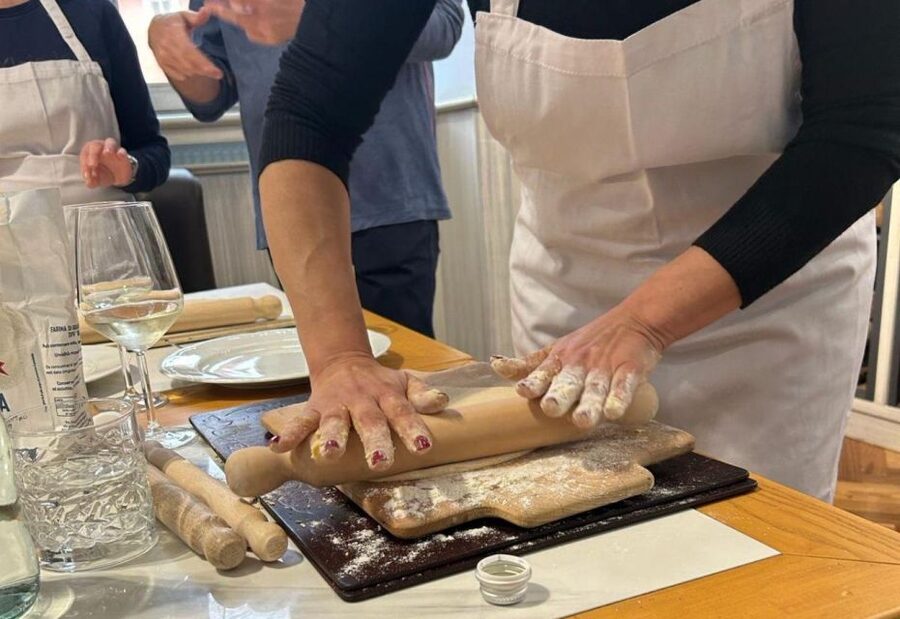
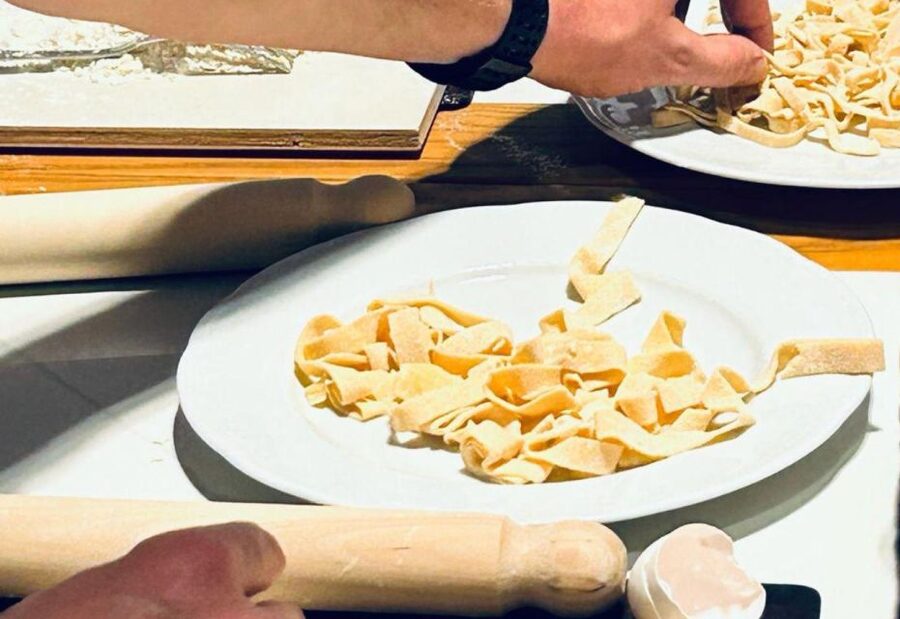
The central lesson is fresh pasta made from scratch. Depending on the class arrangement, you may work with fettuccine, tonnarelli, or maltagliati. These shapes give you different textures and styles to think about, and the choice makes the activity more personal than simply following one fixed recipe.
Fettuccine is familiar and easy to picture: long ribbons that hold a sauce well. Tonnarelli is another long pasta shape, often thicker and more substantial. Maltagliati means irregularly cut pieces, so it offers a little more freedom and less pressure to make every piece identical.
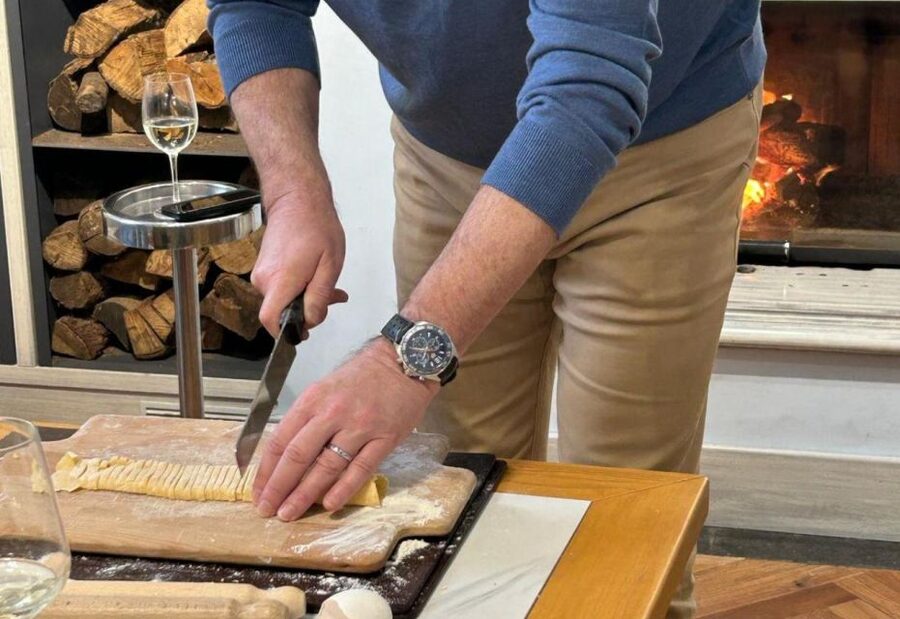
The chef demonstrates the process, and you follow along. The value here is practical. You are not just watching pasta being made in front of you. You are learning the basic sequence of working the dough, shaping it, cutting it, and pairing it with sauce.
The information provided does not specify every recipe or the exact ingredients used. That is worth keeping in mind if you need a precise cooking syllabus. You are promised a choice of fresh ingredients and sauce, but the available choices may depend on the session.
The small group should help most during this stage. If your dough feels too dry or your cuts look uneven, you can ask for advice rather than quietly guessing. You also get the pleasure of comparing shapes at the table without turning the class into a contest.
Choosing a sauce and eating your own work
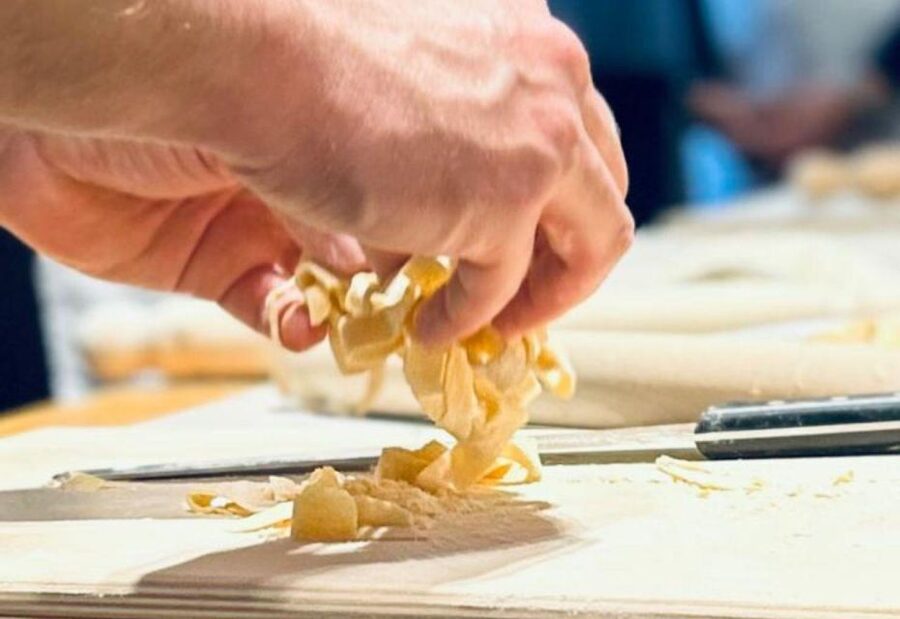
Once the pasta is ready, you receive your handmade pasta with a sauce of your choosing. This is an important part of the experience because the meal is tied directly to the work you have just done.
I prefer classes that let you eat what you make. It gives the lesson a clear payoff, and you can better understand how the pasta shape works with the sauce. A thick or substantial shape may feel different from a delicate ribbon, and that small comparison is part of the learning.
The menu promises fresh ingredients, but it does not list the sauce choices. You should ask about those options if you have dietary restrictions or strong preferences. The provided details also do not identify vegetarian, vegan, or allergy-specific substitutions, so do not assume they are available without checking.
Your meal is paired with one glass of wine or a non-alcoholic cocktail. That keeps the class from feeling like a rushed cooking demonstration followed by a separate meal. You cook, sit down, and enjoy the result as part of the same three-hour experience.
Same region, a different dish to learn:
- Rome: 3-in-1 Fettuccine, Ravioli, and Tiramisu Cooking Class
★ 4.9 · 2,704 reviews - Rome: Fettuccine Pasta Cooking Class in Rome’s City Center
★ 4.8 · 2,414 reviews - Fettuccine & Tiramisù: Cooking Class with Wine & Limoncello
★ 4.9 · 2,103 reviews - Pasta Cooking Class Near the Colosseum with 3 Spritz Cocktails
★ 5.0 · 1,686 reviews
Tiramisu made in front of you
Dessert is not simply placed on the table at the end. The chef prepares tiramisu in front of you and explains the process. You are encouraged to note the tips, which could be useful if you want to recreate it at home.
This is a nice second lesson because it shifts the focus away from pasta. You get to watch a classic Italian dessert come together, then taste it after your main course. The activity therefore covers more than one familiar dish without adding another booking to your schedule.
The provided details do not say that each participant makes an individual tiramisu. Instead, the dessert is whipped up before you and served as part of the meal. Expect a demonstration and tasting, not necessarily a second hands-on cooking project.
The class finishes with one shot of limoncello. It is a small touch, but it gives the meal a distinctly Italian ending. If you do not drink alcohol, remember that limoncello is included, while the non-alcoholic alternative is specified for the wine or cocktail portion rather than for every drink.
What the six-person format is really worth
A maximum of six people is the clearest reason this class can justify its cost. In a large class, the chef must divide attention among many workstations. Here, you have a better chance to ask about dough texture, pasta thickness, sauce pairing, and tiramisu technique.
The small size also suits families and couples who want a shared activity rather than a formal meal. One of the strongest comments about the experience describes it as a great time for the whole family, with Chef Davide and interpreter Iheb keeping the session enjoyable. That points to a friendly teaching style, though the exact tone can vary with the group and instructor on your date.
Small groups are not perfect for everyone. If you prefer to keep to yourself, the social setup may feel more involved than dining at a restaurant. You will be working at close range with a handful of other people, and the class works best when everyone is willing to take part.
The three-hour length is also worth considering. It is long enough to make the class feel substantial, but it takes a meaningful part of your day. I would not place it between two tightly timed museum reservations. Give yourself room to walk to the venue, find the meeting point, and enjoy the meal without watching the clock.
Is $147.27 a fair price?
At $147.27 per person, this is a premium activity. You are not paying only for a plate of pasta. The price includes a three-hour class, personal instruction in a six-person group, prosciutto, artisan cheese, prosecco, wine or a non-alcoholic cocktail, handmade pasta with sauce, tiramisu, and limoncello.
If you compared the price with a casual Roman lunch, it would look high. That is the wrong comparison. The better question is how much you value a meal that also gives you a cooking lesson and a skill you can use later.
The price is easier to defend for someone who wants one special food experience in Rome. It is less appealing if your main goal is simply to eat cheaply, or if you already plan several food tours and cooking classes during the same trip.
The inclusion of drinks and dessert helps. Many cooking classes charge extra for wine, and some finish with a small sample rather than a complete meal. Here, you receive several courses and drinks as part of the stated package.
Still, I would check the exact menu and start time before booking. The class promises your choice of sauce and fresh ingredients, but it does not provide a full list of recipes or dietary substitutions. Those details can affect how much value you receive.
Who should book this class?
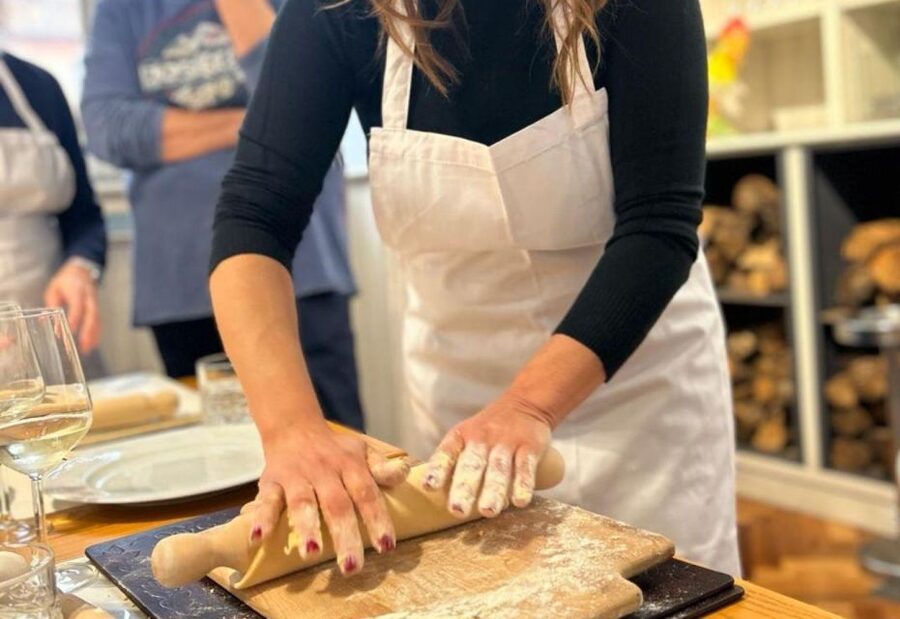
I would recommend it to you if you want to do more than photograph Roman food. The hands-on format suits curious cooks, families, couples, and anyone who likes a social meal with a practical skill attached.
It is also a good choice if you are staying or sightseeing near Piazza Navona. The short walk from the square makes it easy to add to a central Rome itinerary without arranging separate transport.
The class may suit first-time pasta makers best. You do not need to arrive with advanced skills, and the chef’s guidance should help you through the main steps. It also works for experienced home cooks who want to compare their method with an Italian chef’s approach, though the class may feel basic if you already make fresh pasta often.
You should be more cautious if you need a strictly defined menu. The pasta shapes, sauces, and fresh ingredients have some flexibility, but the full choices are not listed. Ask before reserving if allergies, dietary rules, or alcohol-free participation are important to you.
The language choice is another practical point. English, Spanish, and French are offered, and Chef Davide and interpreter Iheb are associated with the session. If you are most comfortable in one of those languages, the instructions should be easier to follow.
Booking details that matter
The activity lasts three hours, and starting times vary. Check the available time before booking, especially if you are building the class around Piazza Navona, dinner, or an evening performance.
You can cancel up to 24 hours in advance for a full refund. You can also reserve now and pay later, which helps if your Rome schedule is still taking shape.
The class is wheelchair accessible. The group remains limited to six participants, and the teaching languages are English, Spanish, and French.
The experience provider is Alecu Andreea. The listed rating is 4.9 from eight reviews, with especially strong praise for the friendly atmosphere, the family appeal, and the warm work of Chef Davide and interpreter Iheb. That is a small review sample, so I would treat it as encouraging rather than conclusive.
Should you book it?
Book this class if you want a central Rome activity that combines instruction, a full meal, and conversation at a small table. The five-minute walk from Piazza Navona, six-person limit, and generous food-and-drink package make it easy to fit into a sightseeing day and more personal than a large cooking demonstration.
Skip it if you only want the cheapest way to eat pasta, or if you need a fully published menu before committing. At $147.27, the value comes from the complete experience: making the pasta, learning the tiramisu method, and enjoying the result with prosecco, wine or a non-alcoholic cocktail, and limoncello.
FAQ
How long does the pasta cooking class last?
The class lasts three hours.
Where is the class located?
It takes place near Piazza Navona in Rome, about a five-minute walk from the iconic square.
How many people can join the class?
The group is limited to a maximum of six participants.
Which pasta shapes can I make?
You may make fettuccine, tonnarelli, or maltagliati, depending on the class arrangement.
Is food and drink included?
Yes. The package includes prosciutto and artisan cheese, one glass of prosecco, one glass of wine or a non-alcoholic cocktail, handmade pasta with your chosen sauce, tiramisu, and one shot of limoncello.
Which languages are available?
Instruction is available in English, Spanish, and French.
Is the activity wheelchair accessible?
Yes, the activity is listed as wheelchair accessible.
Can I cancel or pay later?
You can cancel up to 24 hours in advance for a full refund. You can also reserve your place and pay later.
Newest classes around Rome
- Testaccio: Home Cooking Cacio e Pepe, Amatriciana, Carbonara★ 4.9 · 57 reviews
- Super Fun Pasta and Gelato Cooking Class by the Vatican★ 5.0 · 6 reviews
- Spritz and Spaghetti Traditional Cooking Class in Rome★ 4.9 · 30 reviews
- ROME:Hands-On Lasagna & Marsala Tiramisu Cooking Experience”★ 5.0 · 3 reviews
- Rome: Vatican Food Tours, Cooking classes & Free Tours★ 4.9 · 11 reviews
- Rome: Trastevere Pasta Making Class★ 4.9 · 33 reviews
- Rome: Traditional Cooking Class in the Jewish Ghetto★ 4.9 · 75 reviews
- Rome: Traditional Pasta and Tiramisu Cooking Class★ 5.0 · 4 reviews
Rome Cooking Classes, compared.
3 in 1 Cooking Class near Navona: Fettuccine, Ravioli & Tiramisu
Read our review →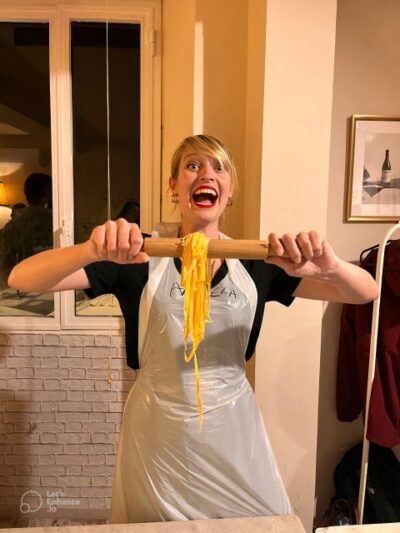
Pasta Making Class with Wine, Limoncello, and Dessert
Read our review →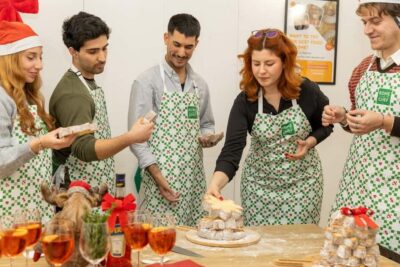
Rome Cooking Class: Make Pasta and 3 Spritz Cocktails
Read our review →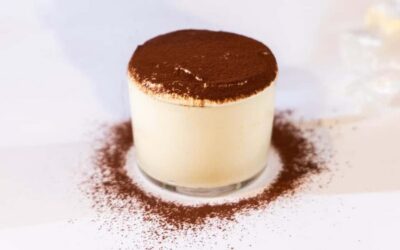
3-in-1 Fettuccine, Ravioli, and Tiramisu Cooking Class
Read our review →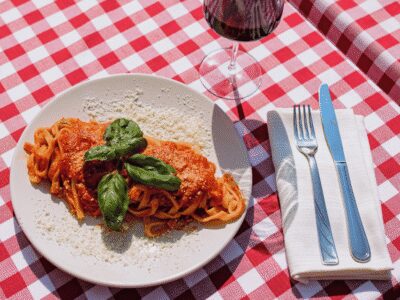
Fettuccine Pasta Cooking Class in Rome’s City Center
Read our review →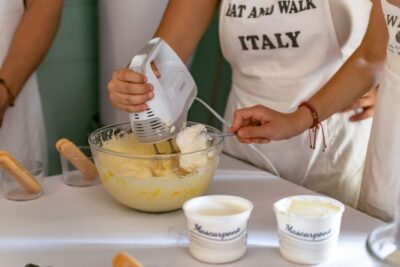
Fettuccine & Tiramisù: Cooking Class with Wine & Limoncello
Read our review →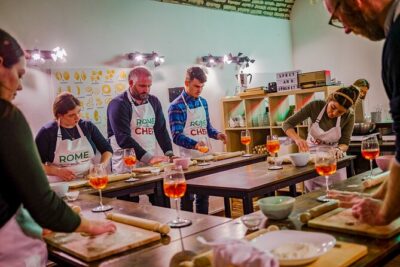
Pasta Cooking Class Near the Colosseum with 3 Spritz Cocktails
Read our review →
Enjoy Spritz and Pasta Making in Piazza Navona
Read our review →Browse the lists this tour appears in