
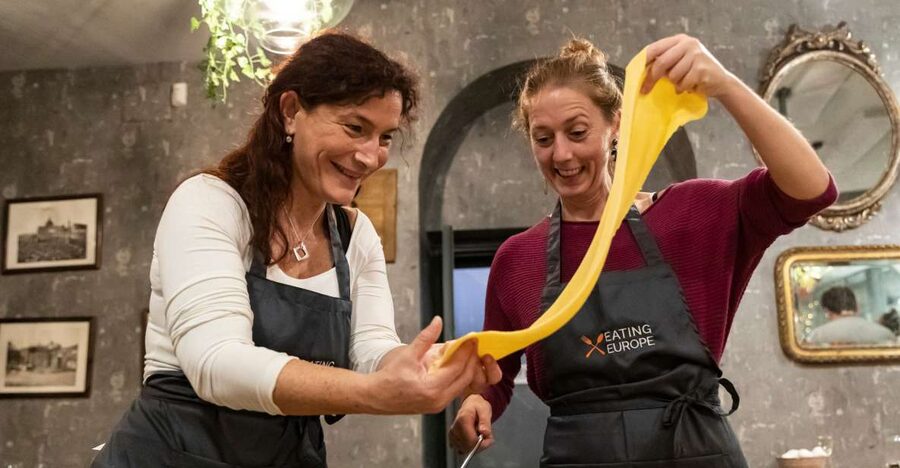
Review · ROME COOKING CLASSES
Rome: Trastevere Pasta Making Class
Trastevere’s best feature is that you do not simply sit down to a pasta lesson. You first walk its cobbled lanes, taste local street food, visit San Cosimato Food Market, and learn how Romans judge a proper gelato. Then you make fettuccine and ravioli at the old-school trattoria Rione XIII, with wine flowing as you work.
I like the mix of eating and doing. You get porchetta, supplì, coffee, pastries, and gelato, then learn a useful skill you can try at home. I also like the guides’ personal touch. Toni, Jasmin, Valentina, Kat, Ricardo, Valter, and Davide have all led highly praised sessions, with particular praise for their warmth and patience. The main drawback is that this is a walking tour on uneven cobblestones, so it is not suitable for people with mobility impairments.
Key points to know before booking
- San Cosimato Food Market adds local flavor: You see an everyday Trastevere market rather than only visiting major sights.
- Porchetta and supplì set the tone: The food stops are more than a quick snack, giving you a taste of Roman street-food culture.
- You make two types of pasta: The hands-on lesson covers both fettuccine and ravioli.
- Unlimited wine is included during the class: Alternative beverages are available if wine is not for you.
- Gelato gets its own lesson: You learn how to tell authentic gelato from lesser versions.
- The pace suits couples and families: Children age four and younger go free, though the walking and cooking format may not suit every young child.
Trastevere food beyond the postcard view
Trastevere is famous for narrow lanes, worn buildings, and a lively evening atmosphere. This experience uses the neighborhood as a food classroom. Instead of moving straight to a kitchen, you begin with a guided stroll through back streets and food stops.
That opening matters. Pasta making can happen almost anywhere, but tasting Roman food in the neighborhood where it is sold gives the class a stronger sense of place. I like that the tour starts with food you can buy and eat right away, before asking you to prepare your own meal.
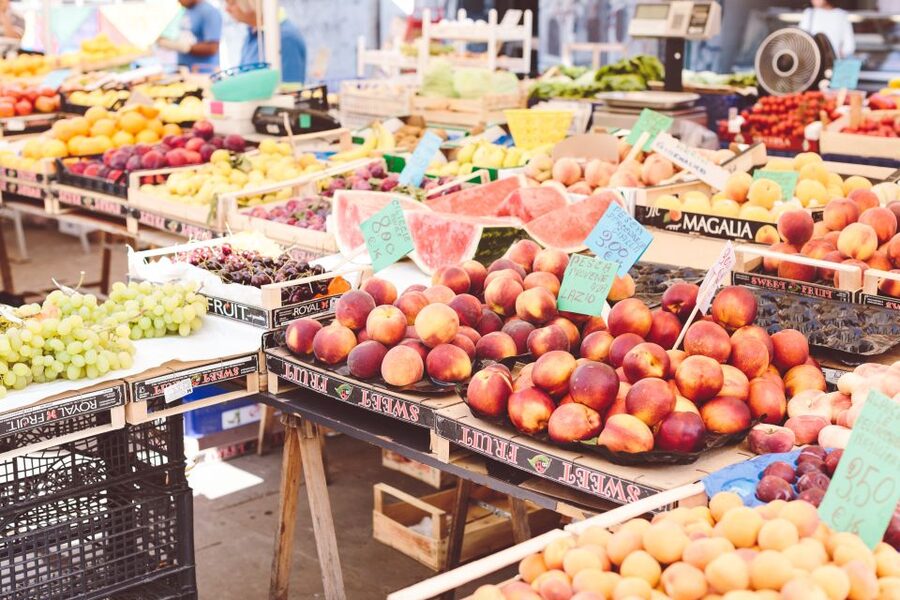
The route includes coffee, pastries, street food, and porchetta. You also visit San Cosimato Food Market, one of the more useful stops for anyone curious about how locals shop and eat. The market helps connect the ingredients on your plate with the produce and prepared foods sold in the neighborhood.
You should expect a lot of tasting during the first part. The portions are meant to introduce you to several foods rather than replace the meal later in the class. If you arrive having just eaten a large lunch, you may find the early stops harder to appreciate.
More Pasta Making Classes in Rome
- 3 in 1 Cooking Class near Navona: Fettuccine, Ravioli & Tiramisu
★ 5.0 · 7,376 reviews - Rome: Pasta Making Class with Wine, Limoncello, and Dessert
★ 4.9 · 3,177 reviews - Rome Cooking Class: Make Pasta and 3 Spritz Cocktails
★ 5.0 · 2,937 reviews
Porchetta, supplì, and the first tastes
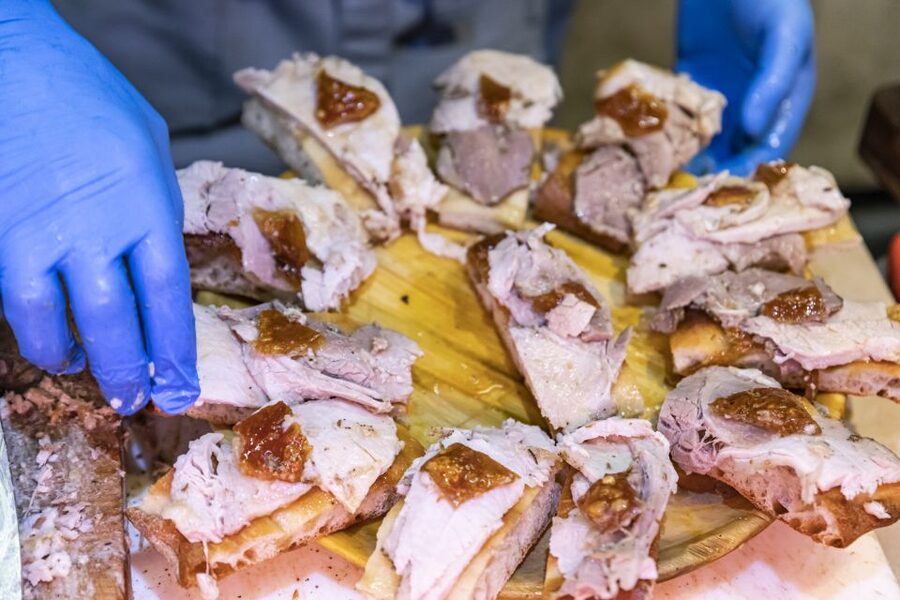
Porchetta is one of the key food stops. This seasoned roast pork is a Roman favorite, and tasting it from a local shop gives you a direct introduction to the city’s casual food culture. It is a useful contrast to the pasta course that follows: porchetta is prepared for you, while the pasta depends on your own hands.
Supplì is another important taste. These fried rice snacks are a familiar Roman street food, and they show how much of the city’s everyday cooking is designed to be eaten while walking. Coffee and pastries add a lighter start, while the market visit brings in more products and local context.
The exact order of tastings can depend on the starting time and the guide. You should also tell the operator about dietary restrictions before the tour. People with severe or life-threatening allergies cannot take part for safety reasons, so this is not an activity to book casually if you have a serious food allergy.
The food stops are especially useful if you want recommendations for later meals. Guides such as Toni, Ricardo, and Davide have been praised for sharing tips about places to eat and products to buy. I would keep your phone or a small note ready for names, because the market and shop stops may give you ideas for the rest of your Rome stay.
San Cosimato Food Market and a more local Rome
San Cosimato Food Market is not presented as a grand monument. That is part of its appeal. You get a look at an outdoor market tied to daily life in Trastevere, with food as the main subject rather than an excuse for sightseeing.
A guide can explain what you are seeing, how particular foods fit into Roman cooking, and what is worth tasting. That makes the stop more helpful than simply passing through the stalls on your own. You may already know Italian food basics, but the guide’s explanations can help you notice the difference between a dish made for residents and a version designed mainly for visitors.
The market also breaks up the route. Three hours of cooking and eating in one room could feel long, while three hours of walking and tasting keeps the experience moving. The tradeoff is that you spend part of the time on foot, and the cobblestones can be tiring. Comfortable walking shoes are a must.
The tour operates rain or shine. Bring an umbrella if the forecast looks unsettled, and carry a bottle of water. There is no hotel pickup or drop-off, so you need to reach the meeting point yourself. Look for the guide carrying a purple Eating Europe bag.
The pasta lesson at Rione XIII
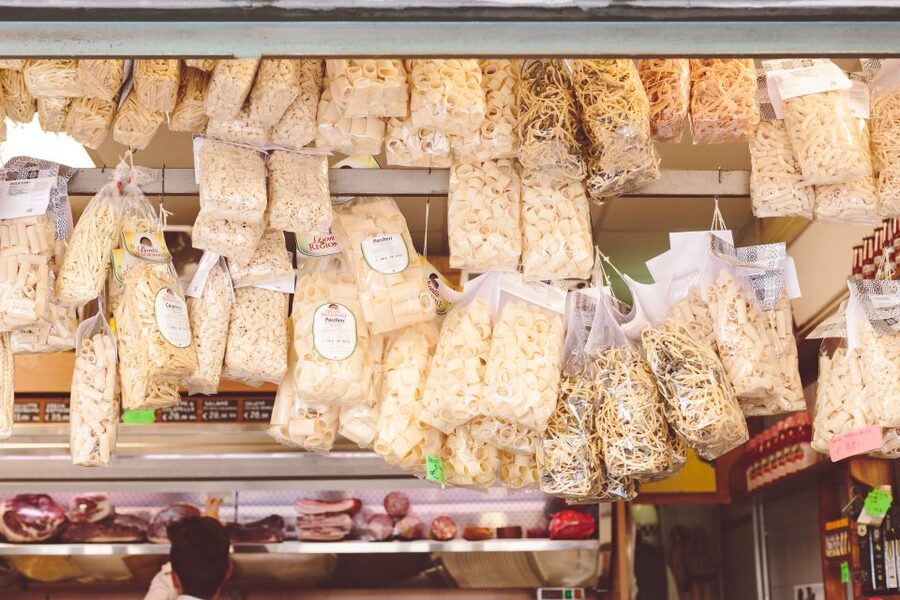
The heart of the experience takes place at Rione XIII, described as an old-school trattoria in Trastevere. Here you shift from tasting Roman food to preparing it.
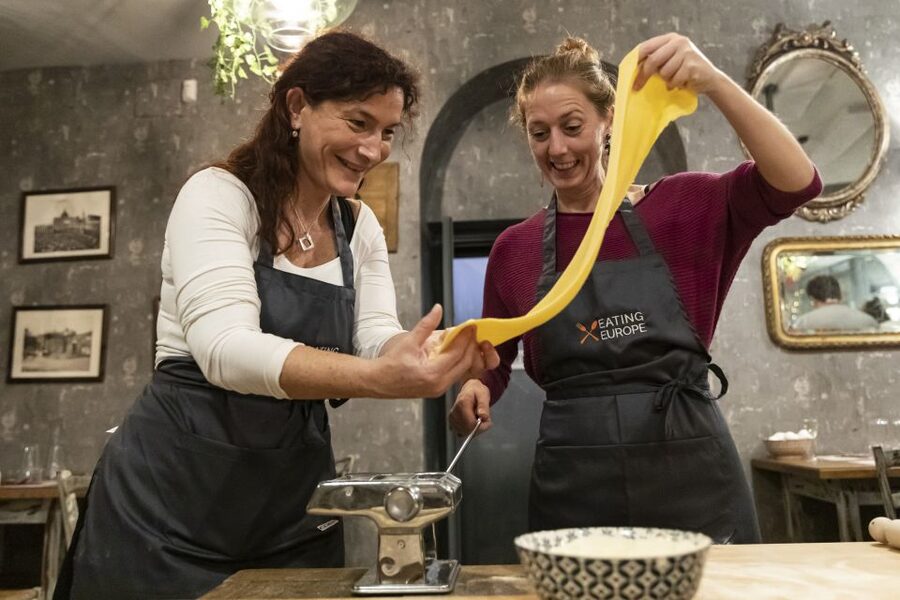
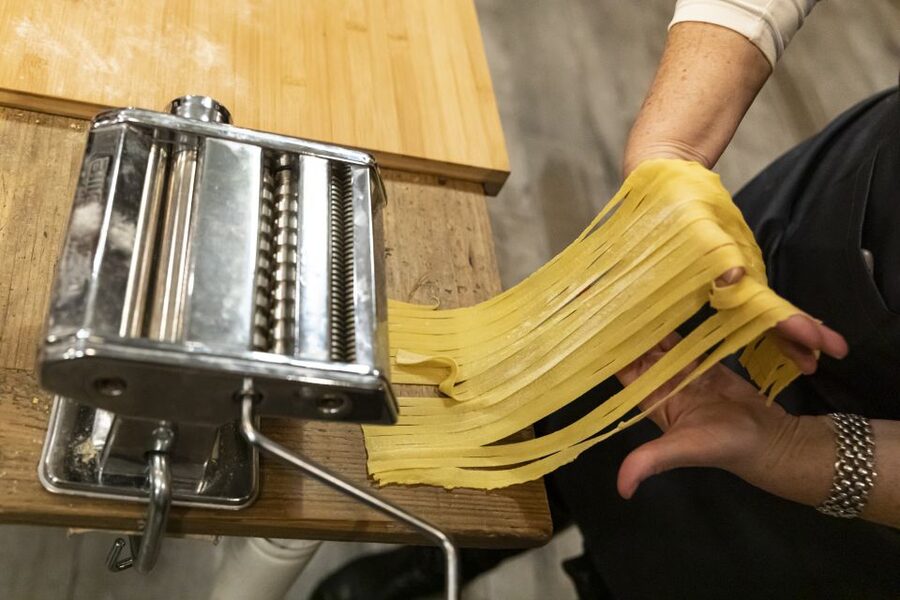
The lesson focuses on fresh pasta and ravioli. You make fettuccine and ravioli by hand, following the chef’s instructions from the basic dough work through shaping. That hands-on format is the chief reason to choose this experience over a standard food walk. You are not only watching a demonstration. You are expected to work with the pasta yourself.
Several people who took the class with Toni, Jasmin, Valter, or Davide found the process less intimidating than expected. That is useful to know if you have never made pasta. A good instructor can make the dough feel manageable, explain what to look for, and help you correct mistakes before they reach the plate.
The class also works well for families with older children and for couples who want an activity with a shared result. You can talk, cook, and eat in the same session. Children four and under are complimentary, but the operator does not describe a separate children’s program, so parents should decide if their young child can handle the walking and kitchen work.
The cooking portion is not a formal culinary school course. You will learn practical techniques, but the emphasis is on a relaxed Roman meal and social experience. If you want advanced instruction on pasta shapes, sauces, or regional culinary theory, you may find the class fairly introductory.
Same region, a different dish to learn:
- Rome: 3-in-1 Fettuccine, Ravioli, and Tiramisu Cooking Class
★ 4.9 · 2,704 reviews - Rome: Fettuccine Pasta Cooking Class in Rome’s City Center
★ 4.8 · 2,414 reviews - Fettuccine & Tiramisù: Cooking Class with Wine & Limoncello
★ 4.9 · 2,103 reviews - Pasta Cooking Class Near the Colosseum with 3 Spritz Cocktails
★ 5.0 · 1,686 reviews
Eating your own pasta with unlimited wine
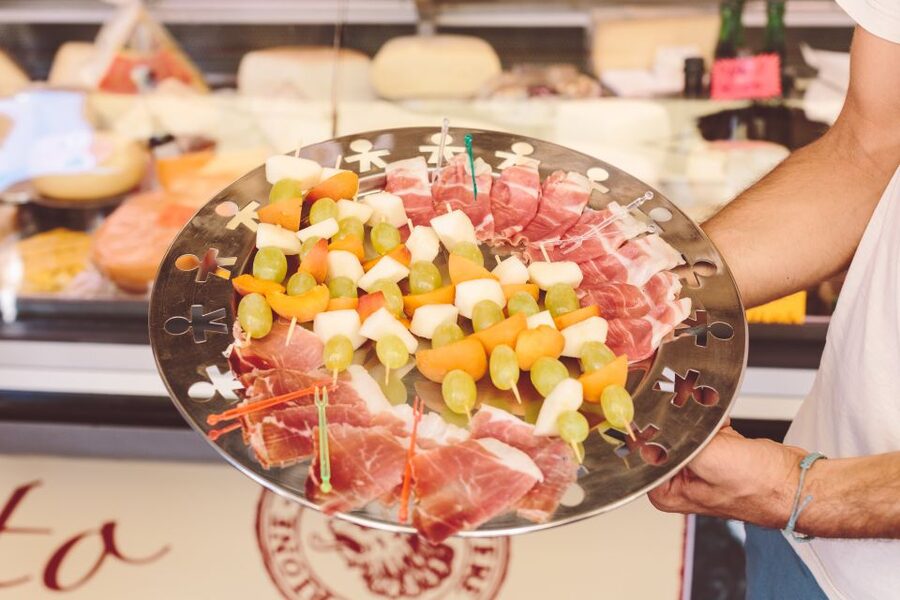
After the work comes the reward: you sit down and eat the pasta you helped make. That gives the meal a satisfying rhythm. You have already tasted prepared foods, but this course feels personal because you shaped the pasta yourself.
Unlimited wine is included during the pasta-making session. For many people, this is a major part of the value, especially when comparing the price with a simple pasta class that charges extra for drinks. Alternative beverages are available, so you do not need to drink wine to take part.
I would still think about the wine policy in practical terms. Unlimited does not mean you need to drink heavily, and the tour includes walking before and after the class. Pace yourself, drink water, and remember that the session lasts three hours. If you are traveling with children, non-wine options are available, but the adults’ wine service remains part of the class.
The guides receive the strongest praise for making this section relaxed rather than stiff. Toni and Jasmin, in particular, have been singled out for making people feel welcome and keeping the mood light. That matters in a cooking class, where a rushed or overly formal instructor can make beginners nervous.
Finishing with organic gelato
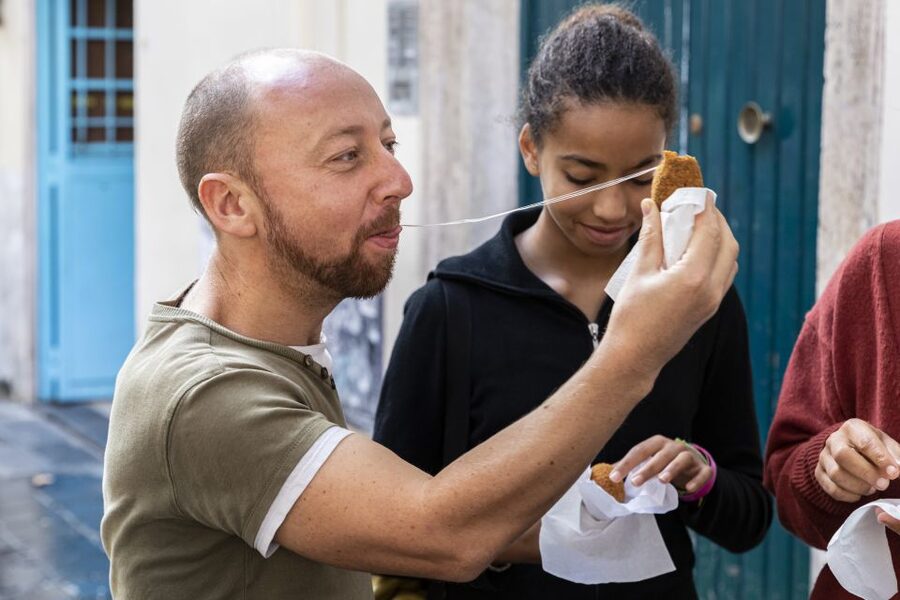
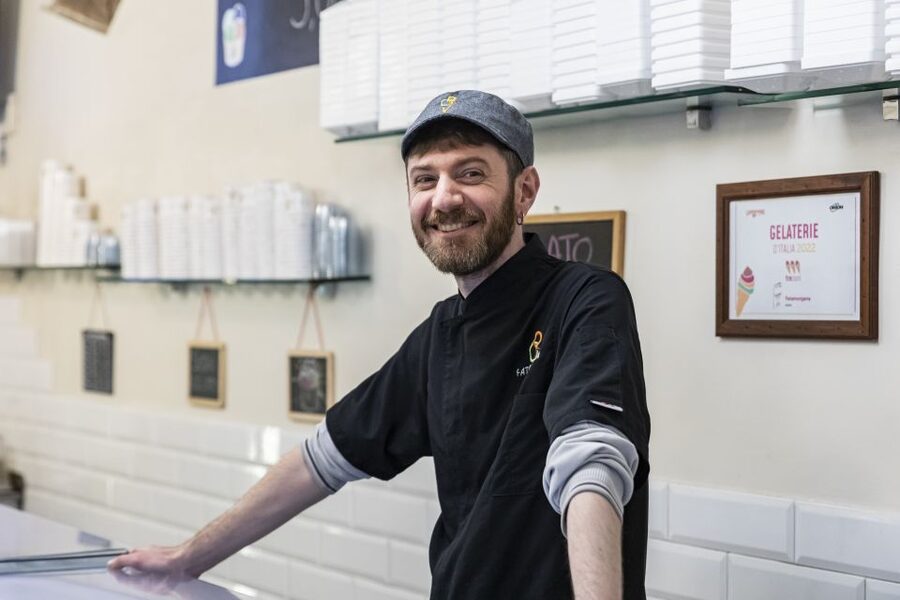
The last food stop is gelato. You visit a favored gelateria and taste organic gelato while learning how to spot authentic gelato from imitations.
That short lesson is practical for the rest of your Rome visit. Gelato shops can look similar from the street, but the appearance and presentation can offer clues. You do not have to become an expert, but you should leave with a better sense of what to look for when choosing a shop later.
The gelato ending also makes sense from a pacing point of view. After savory street food, pasta, and wine, a cool sweet finish keeps the tour from feeling too heavy. Several people have described the gelato as one of the highlights, including a mother and daughter who also appreciated the history and restaurant tips woven into the experience.
Because the tour ends with food rather than transport, plan your next stop with some flexibility. The operator does not provide hotel drop-off, and the exact finish point should be confirmed when booking if you have a tight evening plan.
Is $98 a fair price?
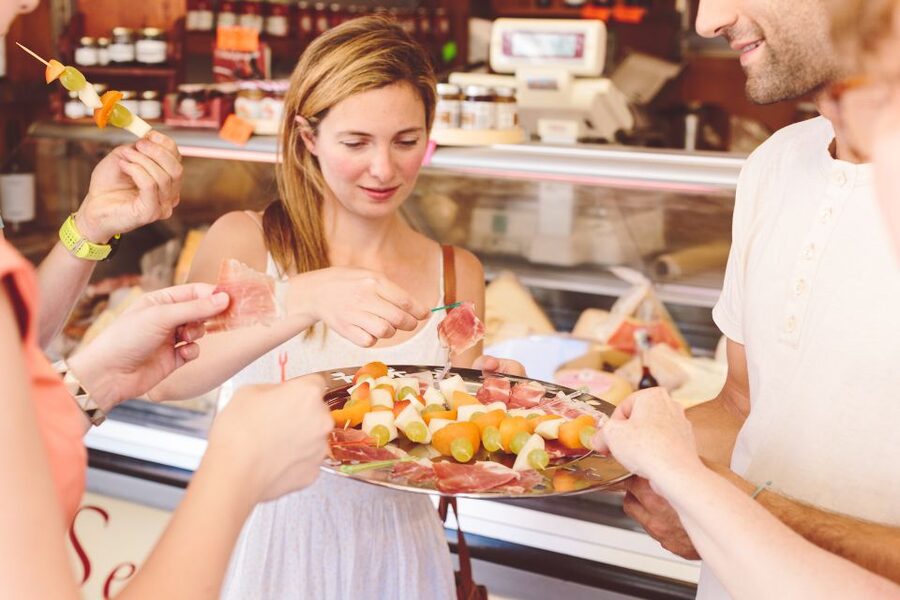
At $98 per person, this is not a budget snack walk. But the price includes a guided neighborhood tour, several food tastings, a market visit, a pasta lesson, the meal you prepare, unlimited wine during the class, and gelato.
I see the value in the combination. A cheaper food walk may give you several tastes but no cooking lesson. A basic pasta class may teach you to make dough but offer little connection to Rome’s streets or food shops. This experience joins both formats in three hours.
The value is strongest if you plan to eat every included component and want to learn a skill you can use at home. Several people who took the class said they planned to make pasta after returning home, and one person felt inspired to buy a pasta maker. That is a good sign for anyone who wants more than a one-time meal.
The price is less appealing if you dislike group food activities, do not drink wine, or already have extensive pasta-making experience. You still receive alternative drinks and the neighborhood tastings, but the class’s central appeal is the combination of cooking and social eating.
A private group is available. The supplied information does not give the private-group price or size, so ask before booking if privacy is important to you.
Who will enjoy this Trastevere experience?
I would recommend this tour to couples who want a relaxed shared activity, families with children old enough to walk and participate, and first-time visitors who want food context without booking a full-day excursion.
It also suits anyone who has always wanted to make fresh pasta but felt unsure where to start. The instructors’ patient approach, especially from Toni, Jasmin, Valter, and Davide, appears to be a key part of the experience. You get enough guidance to make the task approachable without turning the afternoon into a technical lecture.
Food-focused visitors will appreciate the range. Coffee, pastries, porchetta, supplì, market products, homemade pasta, wine, and gelato create a broad taste of Rome in a short time.
I would be cautious if you have limited mobility. The tour uses cobblestone back streets and includes walking, and it is specifically not suitable for people with mobility impairments. Severe food allergies are also a serious concern, since people with life-threatening allergies cannot participate.
Timing, meeting point, and useful preparation
The total duration is three hours, with several possible starting times depending on availability. Since the activity operates in all weather, check the forecast and bring an umbrella when needed.
Wear comfortable walking shoes. Trastevere’s cobblestones are part of its character, but they are not kind to thin soles or uncomfortable sandals. Bring water, especially during warm weather.
Your guide will be waiting with a purple Eating Europe bag. There is no hotel pickup, so allow enough time to reach the meeting point without rushing. The tour is conducted in English by a live guide.
Cancellation is free up to 24 hours before the activity for a full refund, and you can reserve now and pay later. Those policies help if your Rome schedule is still shifting, but I would still provide dietary information at booking rather than hoping it can be handled on the day.
Should you book it?
Book this if you want Rome through food, not just through monuments. The strongest part is the sequence: local tastings in Trastevere, San Cosimato Market, hands-on fettuccine and ravioli, wine with the meal, and gelato to finish.
The $98 price makes sense for anyone who values both a substantial food experience and a cooking lesson. I would skip it if you want a quiet restaurant meal, need step-free access, or have a severe food allergy. For everyone else, especially couples and families seeking a friendly activity, this offers a useful taste of Roman life and a skill you can take home.
FAQ
How long does the Trastevere pasta-making tour last?
The activity lasts three hours.
What language is the tour conducted in?
The tour is conducted in English with a live English-speaking guide.
What foods are included?
The experience includes tastings such as coffee, pastries, supplì, porchetta, street food, and gelato, along with the pasta you make during the class.
Do I make the pasta myself?
Yes. You take part in making fresh pasta, including fettuccine and ravioli, with guidance from a chef.
Is wine included?
Yes. Unlimited wine is included during the pasta-making portion. Alternative beverages are available.
Where does the cooking class take place?
The pasta lesson takes place at the old-school trattoria Rione XIII in Trastevere.
Is a visit to a market included?
Yes. The walking portion includes a visit to San Cosimato Food Market.
Are children allowed to join?
Yes. The activity is suitable for families, and children age four and younger are complimentary.
Is hotel pickup included?
No. Hotel pickup and drop-off are not included. You need to reach the meeting point yourself, where the guide will carry a purple Eating Europe bag.
Can I cancel for a refund?
Yes. You can cancel up to 24 hours in advance for a full refund. You can also reserve now and pay later.
Newest classes around Rome
- Testaccio: Home Cooking Cacio e Pepe, Amatriciana, Carbonara★ 4.9 · 57 reviews
- Super Fun Pasta and Gelato Cooking Class by the Vatican★ 5.0 · 6 reviews
- Spritz and Spaghetti Traditional Cooking Class in Rome★ 4.9 · 30 reviews
- ROME:Hands-On Lasagna & Marsala Tiramisu Cooking Experience”★ 5.0 · 3 reviews
- Rome: Vatican Food Tours, Cooking classes & Free Tours★ 4.9 · 11 reviews
- Rome: Small Group Pasta cooking class near Piazza Navona★ 4.9 · 8 reviews
- Rome: Traditional Cooking Class in the Jewish Ghetto★ 4.9 · 75 reviews
- Rome: Traditional Pasta and Tiramisu Cooking Class★ 5.0 · 4 reviews
Rome Cooking Classes, compared.
3 in 1 Cooking Class near Navona: Fettuccine, Ravioli & Tiramisu
Read our review →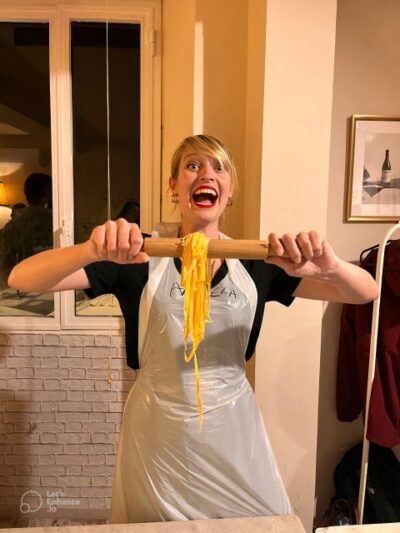
Pasta Making Class with Wine, Limoncello, and Dessert
Read our review →
Rome Cooking Class: Make Pasta and 3 Spritz Cocktails
Read our review →
3-in-1 Fettuccine, Ravioli, and Tiramisu Cooking Class
Read our review →
Fettuccine Pasta Cooking Class in Rome’s City Center
Read our review →
Fettuccine & Tiramisù: Cooking Class with Wine & Limoncello
Read our review →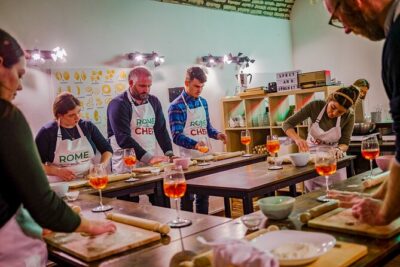
Pasta Cooking Class Near the Colosseum with 3 Spritz Cocktails
Read our review →
Enjoy Spritz and Pasta Making in Piazza Navona
Read our review →Browse the lists this tour appears in