
Review · ROME COOKING CLASSES
Rome: 3-in-1 Fettuccine, Ravioli, and Tiramisu Cooking Class
Rome’s best souvenir may be a recipe you can make at home. In this three-hour workshop, you prepare tiramisu, fettuccine, and ravioli by hand, then sit down to eat the results with a drink. It is a good break from ancient stones and crowded piazzas, with a useful skill at the end.
I like the clear, hands-on format, and I like that the class covers both pasta dough and dessert. The English-speaking chefs, including Lori, Carlotta, Mattia, Mimi, Leo, and Tommy, keep the mood light while helping people at different skill levels. The main consideration is pace: fitting three dishes into one session can feel rushed, and a class of around 19 or 20 people means you will not receive constant one-to-one attention.
- Three Roman-style dishes in one class: Prepare tiramisu, ravioli, and fettuccine rather than focusing on only one recipe.
- A meal is included: Eat your pasta and dessert after the cooking, with wine or a non-alcoholic drink.
- Choose your fettuccine sauce: Options include tomato and basil, cacio e pepe, and amatriciana.
- Central Rome setting: Meet at Restaurant Gusto on Via Giuseppe Zanardelli 14.
- A sociable format: You cook alongside people from different countries and share the meal afterward.
- Good flexibility: You can cancel up to 24 hours before the activity for a full refund and reserve without paying immediately.
Three Roman favorites from one worktable
This class gives you a lot for the price. At $81 per person, you are not paying only for a demonstration. You are paying for instruction, ingredients, a sit-down meal, water, and a drink at the end.
The menu also has a sensible rhythm. Tiramisu requires time to chill or set, so you begin with dessert. Then you turn to pasta dough, which is the part most people hope to learn. The meal comes after the practical work, when the kitchen staff prepares or finishes your creations for serving.
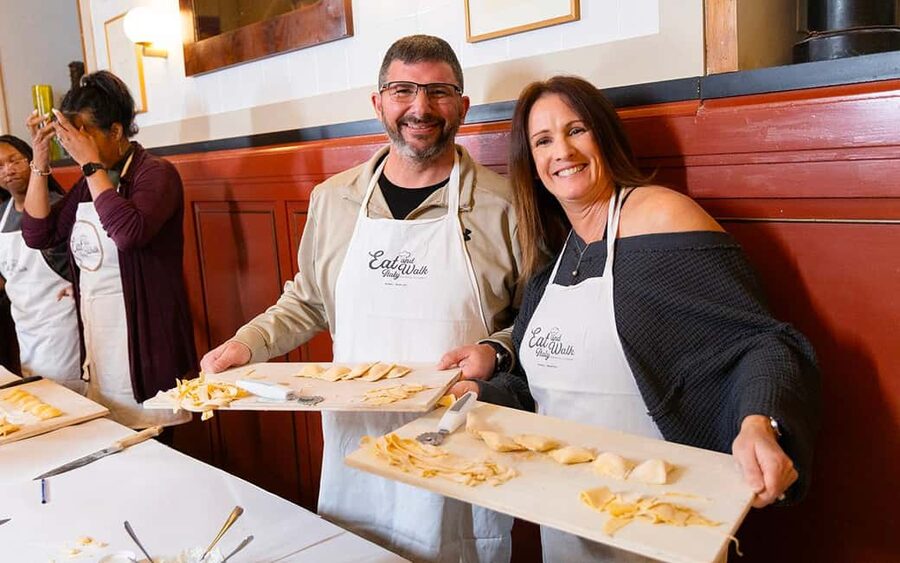
You will not simply watch a chef roll dough from a distance. You work with the ingredients and shape the pasta yourself. That makes the lesson useful after Rome, especially if you want to repeat it with family or friends.
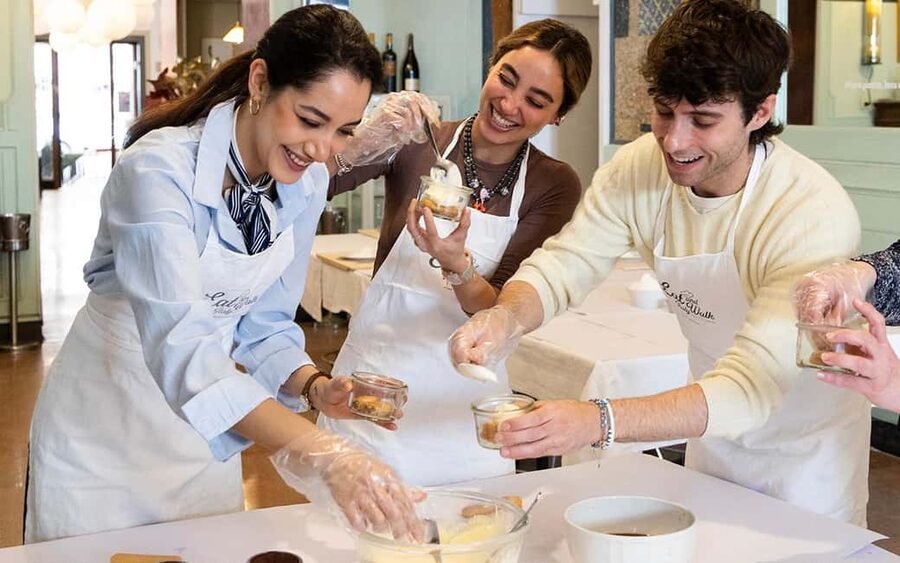
The tradeoff is that this is a group workshop, not a private cooking lesson. One recent class had about 20 people, and another group included ages 15 to 83. That broad mix can make the atmosphere friendly, but some people will need to wait briefly for help. The instructors generally move around the room and check on individual participants.
Arriving at Restaurant Gusto on Via Giuseppe Zanardelli
The meeting point is Restaurant Gusto, at Via Giuseppe Zanardelli 14 in central Rome. Check your start time carefully, since several class times may be offered.
The restaurant setting matters. You are not cooking in a formal culinary school with a stiff classroom feel. You are in a restaurant where the meal can be served after the preparation, so the session has a natural finish rather than ending with a recipe card and a goodbye.
Wear something comfortable and expect to work with flour, dough, fillings, and dessert ingredients. Pets are not allowed, and the activity is not suitable for children under four. The venue is wheelchair accessible, which makes this one of the more practical food activities for visitors who need step-free access.
The class is taught in English. That helps if you want to understand why the dough needs a certain texture, how fillings change with the seasons, or which sauce suits a particular pasta shape.
More Pasta Making Classes in Rome
- 3 in 1 Cooking Class near Navona: Fettuccine, Ravioli & Tiramisu
★ 5.0 · 7,376 reviews - Rome: Pasta Making Class with Wine, Limoncello, and Dessert
★ 4.9 · 3,177 reviews - Rome Cooking Class: Make Pasta and 3 Spritz Cocktails
★ 5.0 · 2,937 reviews
Starting with tiramisu before the pasta
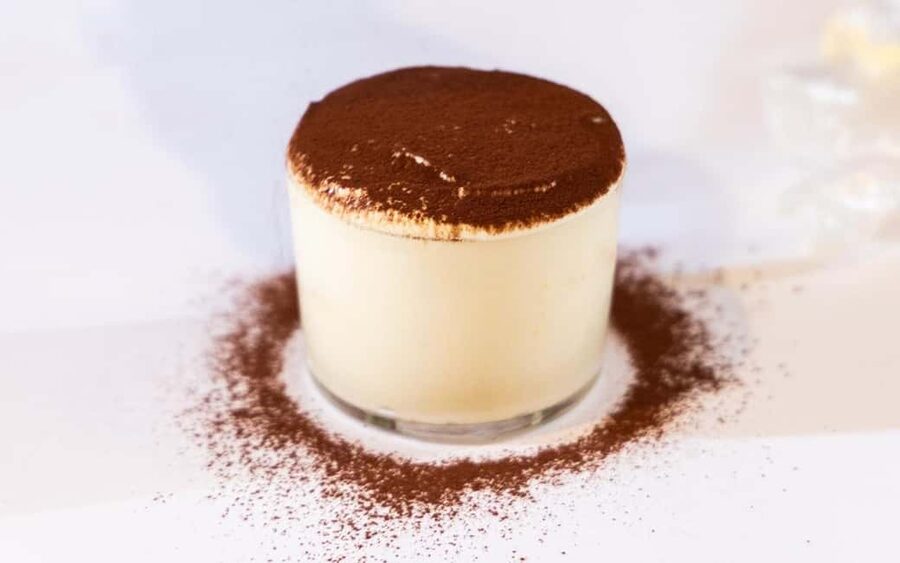
Beginning with tiramisu is more than a sweet opening. It is a smart use of time. You learn the dessert first, then move on to the dough while the tiramisu rests.
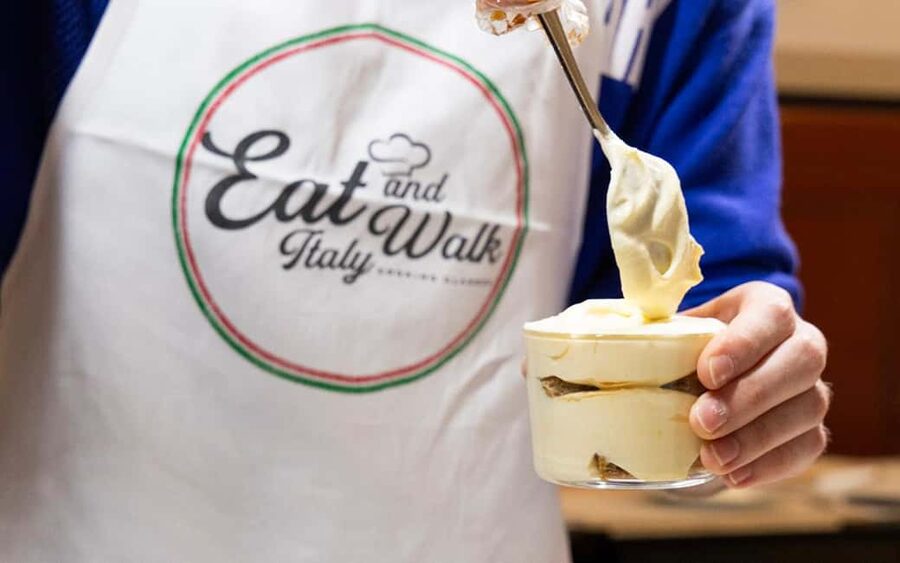
The class presents tiramisu as a traditional Italian dessert, and you prepare it yourself rather than receiving a ready-made portion. The method is described as easy to follow, which is useful for beginners who want a dish they can recreate without buying special equipment.
This first stage also gives you a quick win. Pasta dough can take more work and patience, while tiramisu lets you get involved immediately. If you are attending with a partner, it is a relaxed way to settle into the room before the flour appears.
Do not expect a long pastry course. The attraction is the combination of three dishes in one class, not an advanced study of Italian desserts. You will learn a practical version of tiramisu that fits into a busy group session.
Making pasta dough by hand
The pasta portion is the heart of the class. The chef explains how to make the dough and helps you work it into two forms, fettuccine and ravioli.
Fettuccine gives you the basic lesson in rolling and cutting. Ravioli adds another skill because you must place filling, fold the dough, and seal the edges. That contrast is useful. You are not simply repeating one shape twice.
The class also covers which fillings work best in different seasons. That is the sort of advice that makes a cooking lesson worth remembering. It moves beyond a fixed recipe and helps you think about how Italian cooking changes with available ingredients.
You should expect flour on your hands and a little trial and error. One participant described making a first dough successfully, while another felt slightly rushed while completing everything. That is a fair warning. Listen closely during the demonstration, then ask for help early if your dough feels too dry, sticky, or difficult to handle.
The chefs tend to be the strongest part of the session. Lori has been praised for giving attention to individuals while keeping the whole class involved. Mattia has worked well with groups containing very different ages and cooking backgrounds. Tommy has been described as funny, patient, and good at keeping the class moving. These details matter because the instructor sets the pace and the mood.
Choosing your fettuccine sauce
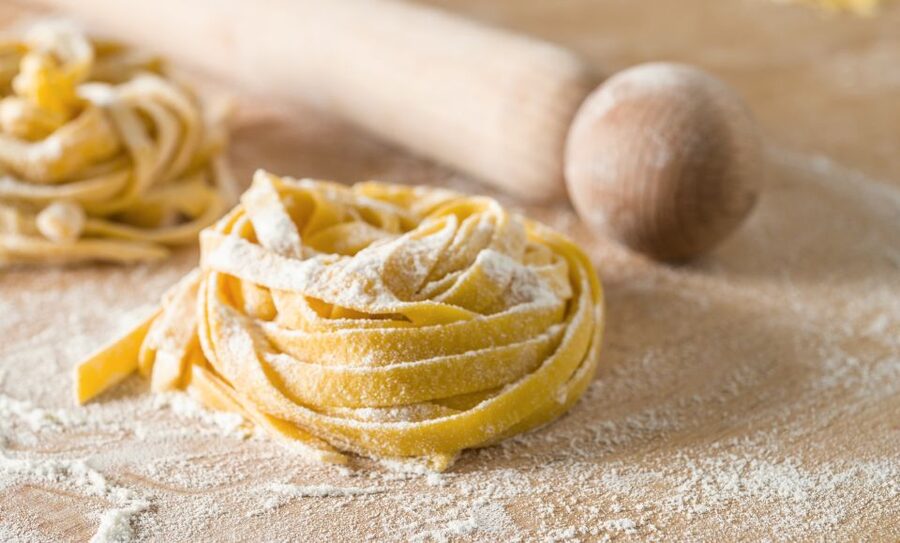
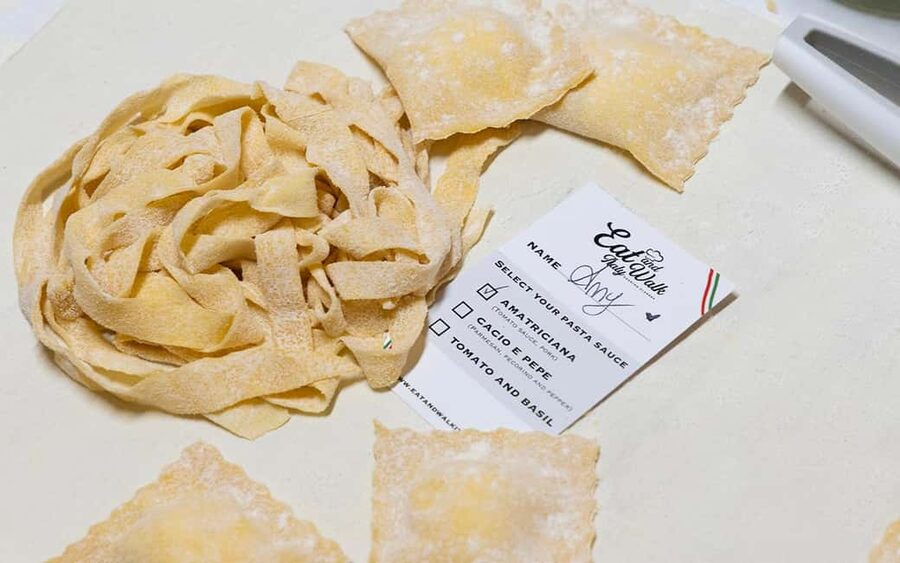
Once you have made the pasta, your fettuccine is served with a sauce of your choice. The stated options are tomato and basil, cacio e pepe, or amatriciana.
These choices give you three different tastes of Rome and central Italy:
- Tomato and basil: The simplest option, with a clean tomato flavor.
- Cacio e pepe: A Roman classic built around cheese and pepper.
- Amatriciana: A stronger tomato-based sauce with a savory character.
Ravioli comes with butter and sage. That is a restrained pairing, allowing the pasta and filling to do most of the work. It also shows you why a fresh pasta dish does not always need a heavy sauce.
The exact filling and preparation details may depend on the chef and the session, so do not treat this as a fixed restaurant menu with unlimited choices. The important point is that you make the pasta yourself, select a fettuccine sauce, and then eat the finished meal.
More Tiramisu and Dessert Classes in Rome
- Fettuccine & Tiramisù: Cooking Class with Wine & Limoncello
★ 4.9 · 2,103 reviews - Rome: Pasta & Tiramisu Cooking Class near the Spanish Steps
★ 4.8 · 1,395 reviews - Cooking Class in the Heart of Rome: Pizza and Tiramisu Making
★ 5.0 · 1,330 reviews - 2-in-1 Pasta and Tiramisu Cooking Masterclass in Rome
★ 5.0 · 832 reviews
Sitting down with wine and limoncello
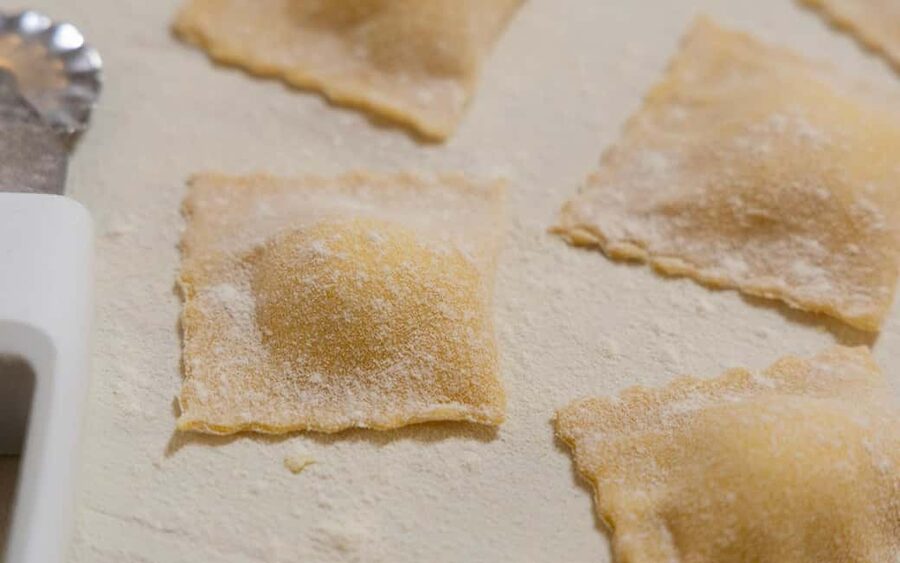
The final meal is the reward for the work. You receive fettuccine with your selected sauce, ravioli with butter and sage, and tiramisu. Water is included, along with a glass of wine or a non-alcoholic beverage.
You can finish with a glass of limoncello or coffee. Limoncello gives the meal a distinctly Italian close, while coffee is the better choice if you prefer something warm and less sweet.
The meal also changes the social feel of the class. You are no longer standing over a worktable. You sit with the food you helped prepare and have time to talk with the people around you. Several people have described meeting friendly participants from different countries, which is one of the pleasant extras of a group food activity.
There is one small quality-control note. One person found the white wine was served warm. That will not define every session, but it is worth keeping expectations sensible. The included drink is part of the package, not a full wine tasting.
The instructor may continue helping during the meal rather than sitting down with the group. If you want more time with the chef at the table, this may feel like a missed opportunity. Still, the meal itself is included, and you get to taste the pasta and dessert you made.
How the three-hour schedule feels
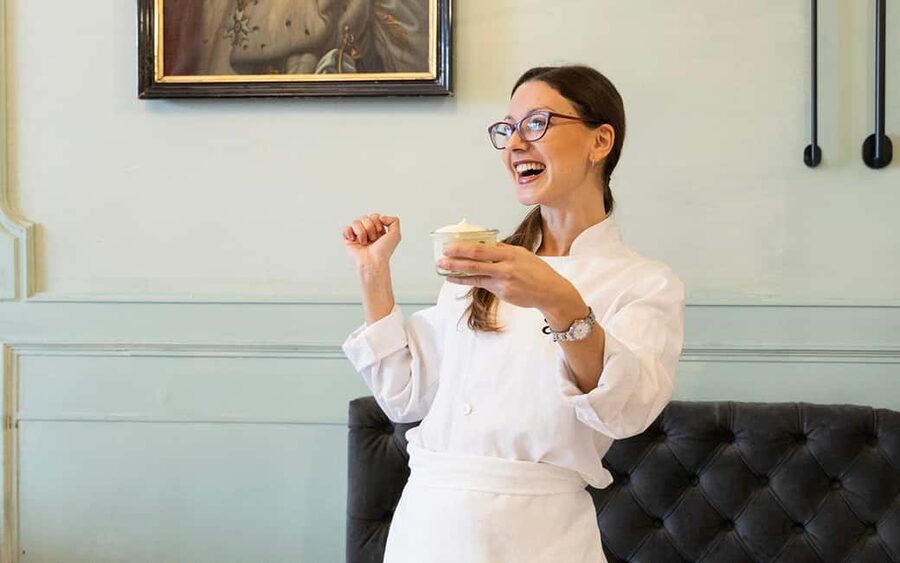
The advertised duration is three hours, though one participant described finishing in about two hours. Timing can depend on group size, the chef, and how quickly the pasta work moves.
I would allow the full three-hour window when planning your day. That gives you room for the lesson, shaping the food, cooking, and eating without placing a tight reservation immediately afterward.
The class works best when you arrive ready to participate. It is not a good choice if you want to sit back, take a few photos, and leave quickly. You will get more from it if you pay attention to the dough demonstration and ask questions while the chef is nearby.
At the same time, the activity is accessible to beginners. You do not need advanced kitchen skills. The chefs explain the steps in English, and recent classes have included both teenagers and older adults. The format is active without requiring you to be a professional cook.
Who will get the most from this class
This is especially well suited to couples, families with older children, and friends who want a shared activity. It also works for solo visitors because the group structure gives you an easy way to meet people.
I would recommend it to anyone who enjoys learning by doing. If you already make fresh pasta regularly, the basic instruction may feel familiar. You may still enjoy the social setting and the chance to compare techniques, but this is aimed more at beginners and casual home cooks than at specialists.
The class is also a good option for a birthday or anniversary trip. One couple used it as part of a 30th birthday celebration, and another couple enjoyed it as part of a birthday visit. Cooking together gives the occasion something more lasting than another restaurant meal.
Families should note the age restriction. Children under four are not suitable for the activity, and younger children may find the dough work and three-course schedule demanding. Older children and teenagers can take part, especially when an adult helps them stay focused.
Value at $81 per person
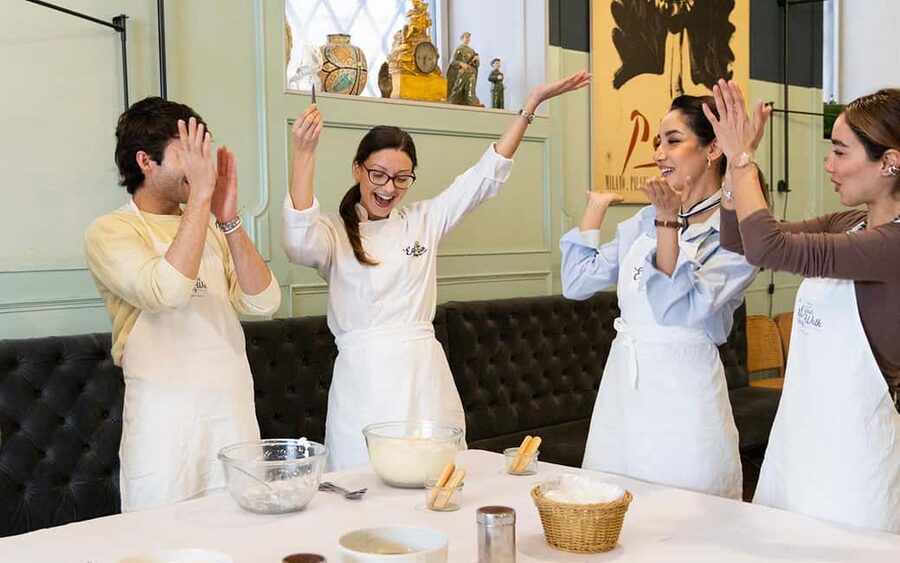
At $81, this is not the cheapest meal in Rome. You can eat pasta for less. But the price becomes more reasonable when you count the instruction, ingredients, cooking activity, three dishes, drink, and dessert.
You also receive something you can take home without carrying a souvenir through airport security: the method for making fresh pasta and tiramisu. One participant was especially pleased to receive recipes, though recipe distribution may depend on the session. If that matters to you, ask the chef before leaving.
The strongest value is the combination of activity and meal. You spend part of the afternoon or evening learning, then eat the result. If you would otherwise book a cooking class and a separate dinner, this package can make sense.
The weaker value comes if you want a small, private group or a polished wine experience. The class may include around 19 or 20 people, and the wine is a simple included drink rather than a carefully selected pairing.
Practical details before you book
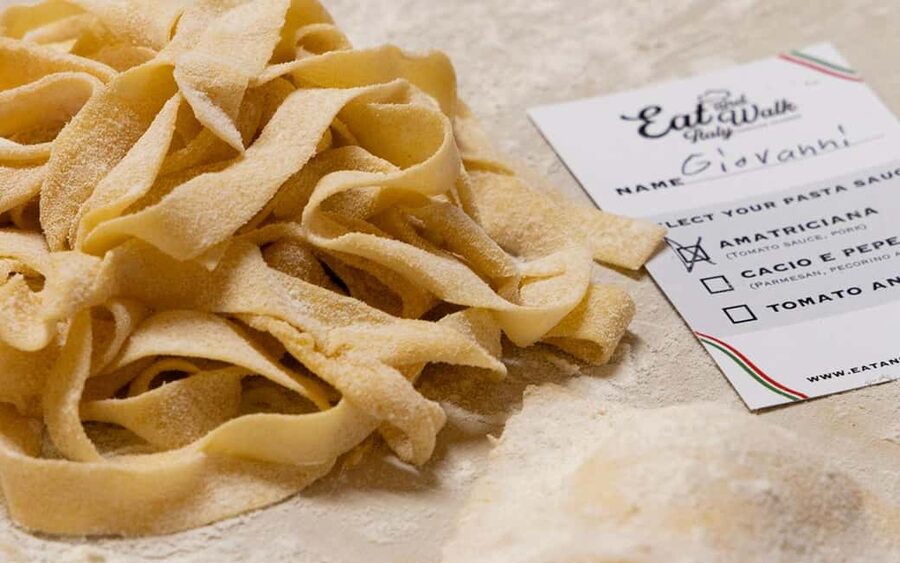
The experience lasts about three hours, and the available starting times should be checked before booking. Meet at Restaurant Gusto, Via Giuseppe Zanardelli 14, and confirm the address on the day so you do not confuse it with another restaurant.
The activity is conducted in English and is wheelchair accessible. Pets are not allowed, and children under four cannot take part.
Cancellation is flexible up to 24 hours before the start time for a full refund. You can also reserve now and pay later, which helps if your Rome schedule is still changing.
I would avoid placing this class immediately before a major timed attraction. The activity may finish earlier than the full estimate, but it is wiser to keep the rest of the day open.
Should you book the fettuccine, ravioli, and tiramisu class?
Book it if you want a practical, social break from sightseeing and like the idea of eating what you make. The class covers three recognizable Italian dishes, uses an English-speaking chef, and offers enough instruction for a beginner to repeat the recipes at home.
Skip it if you dislike group activities, need a quiet private lesson, or already have extensive fresh-pasta skills. You may find the pace brisk, particularly during the dough work.
For most visitors, I think the combination is strong: fresh pasta, tiramisu, a central Rome location, and a relaxed meal for $81. Try to arrive ready to work, ask questions early, and choose the sauce you most want to understand. That approach gives you more than a meal. It gives you a useful Roman cooking memory.
FAQ
How long does the cooking class last?
The advertised duration is three hours. Actual timing can vary, with one recent session finishing in about two hours.
Where does the class meet?
The meeting point is Restaurant Gusto at Via Giuseppe Zanardelli 14 in central Rome.
Which dishes will I prepare?
You will prepare tiramisu, fettuccine, and ravioli from scratch with guidance from an English-speaking chef.
Which sauces are available for the fettuccine?
You can choose tomato and basil, cacio e pepe, or amatriciana.
What comes with the meal?
The meal includes fettuccine with your chosen sauce, ravioli with butter and sage, tiramisu, water, and either a glass of wine or a non-alcoholic beverage. You also receive limoncello or coffee.
Is the activity taught in English?
Yes. The instructor language is English.
Is the class wheelchair accessible?
Yes, the activity is wheelchair accessible.
Can children attend the class?
Children under four are not permitted to take part. The supplied information does not give a maximum age or a general family age limit.
Can I cancel my booking?
Yes. You can cancel up to 24 hours in advance for a full refund. A reserve-now, pay-later option is also available.
Newest classes around Rome
- Testaccio: Home Cooking Cacio e Pepe, Amatriciana, Carbonara★ 4.9 · 57 reviews
- Super Fun Pasta and Gelato Cooking Class by the Vatican★ 5.0 · 6 reviews
- Spritz and Spaghetti Traditional Cooking Class in Rome★ 4.9 · 30 reviews
- ROME:Hands-On Lasagna & Marsala Tiramisu Cooking Experience”★ 5.0 · 3 reviews
- Rome: Vatican Food Tours, Cooking classes & Free Tours★ 4.9 · 11 reviews
- Rome: Trastevere Pasta Making Class★ 4.9 · 33 reviews
- Rome: Traditional Cooking Class in the Jewish Ghetto★ 4.9 · 75 reviews
- Rome: Small Group Pasta cooking class near Piazza Navona★ 4.9 · 8 reviews
Rome Cooking Classes, compared.

3 in 1 Cooking Class near Navona: Fettuccine, Ravioli & Tiramisu
Read our review →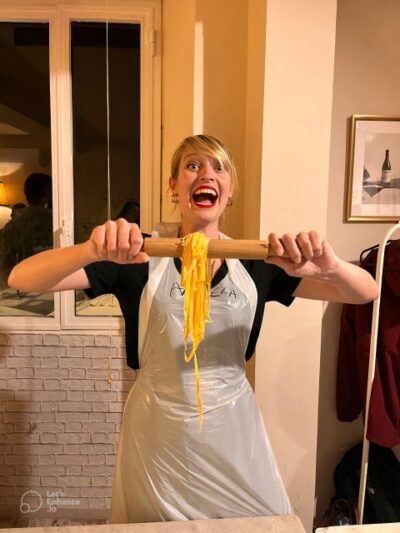
Pasta Making Class with Wine, Limoncello, and Dessert
Read our review →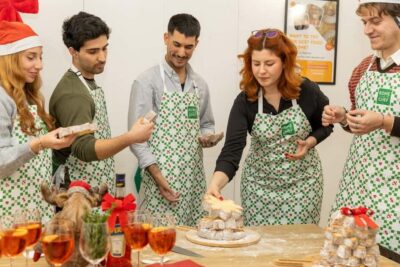
Rome Cooking Class: Make Pasta and 3 Spritz Cocktails
Read our review →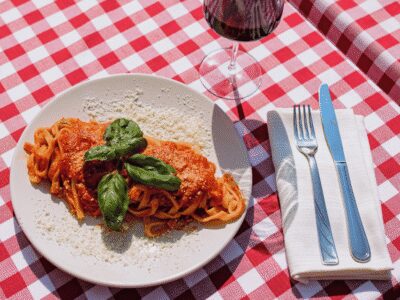
Fettuccine Pasta Cooking Class in Rome’s City Center
Read our review →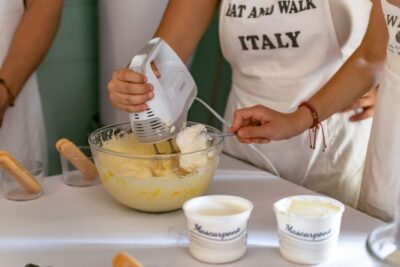
Fettuccine & Tiramisù: Cooking Class with Wine & Limoncello
Read our review →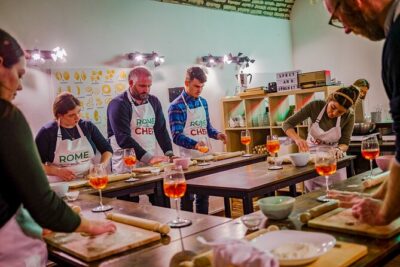
Pasta Cooking Class Near the Colosseum with 3 Spritz Cocktails
Read our review →
Enjoy Spritz and Pasta Making in Piazza Navona
Read our review →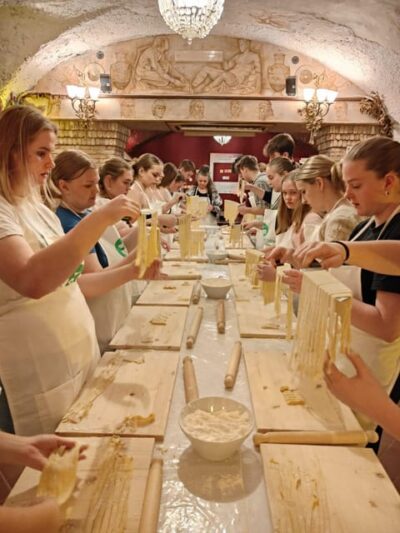
Pasta & Tiramisu Cooking Class near the Spanish Steps
Read our review →Browse the lists this tour appears in