
Review · ROME COOKING CLASSES
ROME:Hands-On Lasagna & Marsala Tiramisu Cooking Experience”
The best part of this Rome cooking class is that you do not simply watch a chef assemble pasta. You make the lasagna from scratch, including the dough, Bolognese sauce, and béchamel, then prepare Marsala tiramisu while the main course bakes. I like the small group of up to eight and the way the class turns into a shared meal at Coquinaria near the Vatican.
I also like the generous food-and-drink package: bruschetta, spritz, wine, a soft drink, coffee, and limoncello are included. Chef Lorenzo is praised for useful shortcuts and practical techniques. The main consideration is time: three hours is a good chunk of a Rome day, and the free-flowing drinks may not suit anyone looking for a quiet, strictly instructional lesson.
Key points to know before booking
- You make the complete lasagna from scratch: Dough, Bolognese, béchamel, assembly, and baking are all part of the lesson.
- Marsala tiramisu is included: You prepare dessert yourself rather than simply receiving it at the end.
- The group is limited to eight people: That keeps the class more personal and gives you room to take part.
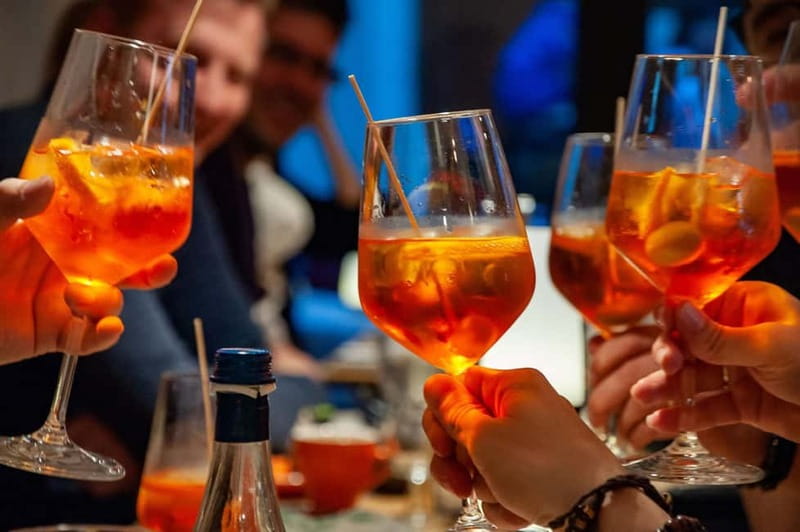
- Drinks are part of the experience: Spritz, wine, soft drinks, coffee, and limoncello are included, along with bruschetta.
- The setting is Coquinaria near the Vatican: The class takes place in a loved local restaurant and ends there with a shared meal.
- Dietary needs can be arranged: Vegetarian, dairy-free, and gluten-free requests should be given in advance.
Making Sunday lasagna near the Vatican
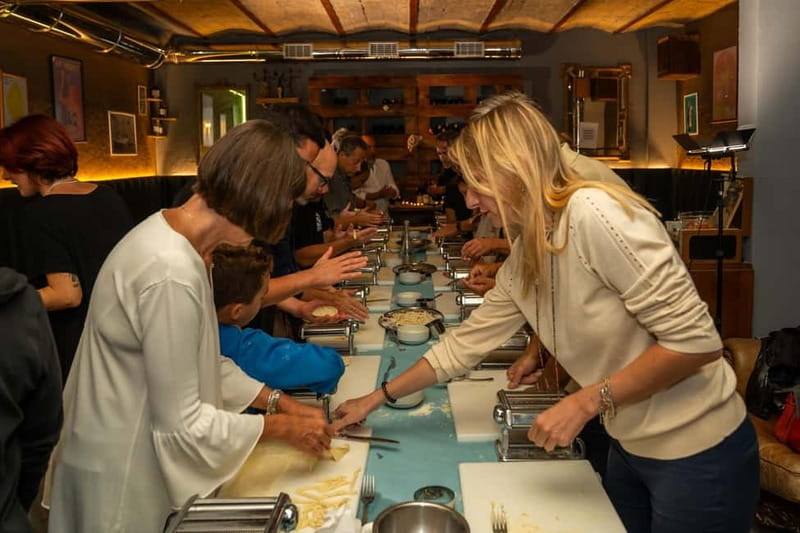
Lasagna is a smart choice for a Rome cooking class because it teaches several basic Italian kitchen skills in one dish. You are not just folding a single pasta shape or decorating a dessert. You work through dough, sauce, a creamy béchamel, seasoning, layering, and timing.
The class presents lasagna as an Italian family meal, especially the sort of dish associated with a long Sunday lunch. That context matters. You learn not only what goes into the dish, but why it is built in layers and why the finished food is meant to be shared.
The class takes place at Coquinaria, a local restaurant near the Vatican. Your meeting point and ending point are the same, which keeps the day simple. You will not need to change locations halfway through the lesson or carry ingredients around Rome.
The English-speaking instruction is useful for a hands-on class. Cooking terms can be confusing when you are working quickly, so clear directions matter. The small group limit of eight should also make it easier to follow the chef, ask questions, and get involved instead of watching from the back.
More Tiramisu and Dessert Classes in Rome
- 3 in 1 Cooking Class near Navona: Fettuccine, Ravioli & Tiramisu
★ 5.0 · 7,376 reviews - Rome: Pasta Making Class with Wine, Limoncello, and Dessert
★ 4.9 · 3,177 reviews - Rome: 3-in-1 Fettuccine, Ravioli, and Tiramisu Cooking Class
★ 4.9 · 2,704 reviews
Starting with fresh lasagna dough
The first major task is the pasta dough. You learn the chef’s method for making lasagna sheets and get a chance to work with the dough yourself. That is more useful than receiving a finished sheet of pasta because you can repeat the process at home.
The lesson is also a chance to see the difference between a dish made from basic ingredients and one assembled from ready-made products. Fresh dough takes attention and a little patience. If you are hoping for a fast demonstration with a quick tasting, this class will feel more involved.
Chef Lorenzo is specifically praised for sharing shortcuts and techniques that improve everyday cooking. That is one of the stronger reasons to book this class. A recipe gives you quantities, but a practical tip can help you judge texture, timing, or consistency the next time you cook without a chef beside you.
The available information does not give exact quantities or the full recipe, so you should not expect a printed formula to answer every question. Still, you receive a recipe to take home, which gives you a useful starting point for recreating both dishes.
Building the Bolognese and béchamel
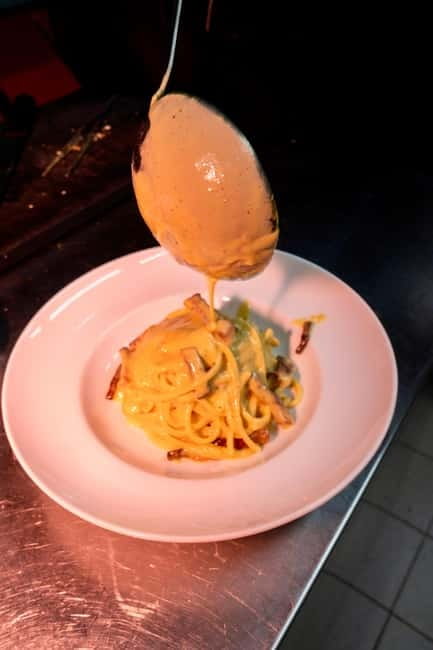
After the pasta, the class covers the two sauces that give lasagna its character. The Bolognese provides the savory, meaty layer, while the homemade béchamel adds a smooth, creamy contrast.
This is where the lesson earns its keep. Many home cooks know lasagna as a set of supermarket ingredients, but making the sauces yourself shows how the final dish gets its balance. You can see how a sauce should look before it is layered and how the two components work together rather than simply covering the pasta.
The class description promises a flavorful Bolognese and a rich, creamy béchamel, with the chefs explaining their methods as you work. The instruction is not limited to stirring a pot. You assemble your own lasagna, and the chef shares advice along the way.
That personal assembly is important. Each person has a direct hand in the finished dish, instead of contributing to one large tray that belongs to the whole room. It also means you can pay attention to the order of the layers and the amount of sauce used.
A possible limitation is that small-group cooking classes can move at the pace of the room. If one person needs extra help or the group is especially social, the three-hour schedule may feel full. The friendly atmosphere is part of the appeal, but it is not the right format for someone who wants a silent, highly technical pasta workshop.
Bruschetta and spritz while you cook
The lesson includes an aperitivo of bruschetta al pomodoro, with spritz available as you cook. This gives the class a relaxed Italian rhythm rather than making it feel like a formal schoolroom.
I like this part because it makes sense culturally and practically. A little food and a drink help turn the cooking into a social meal, and the tomato bruschetta gives you something to enjoy before the lasagna is ready. You are not waiting three hours to eat.
At the same time, the drink service changes the character of the class. This is designed as a convivial lunch with instruction, not an intense culinary certification course. If you want detailed technical coaching at every minute, the social side may distract you. If you like cooking with conversation and a glass of wine, it should fit well.
The drinks included are unusually generous for the price. You receive spritz, free-flow wine, a soft drink, coffee, and limoncello, as well as the aperitivo. The exact amount you consume is up to you, but the package means you do not have to keep adding small restaurant charges during the class.
Same region, a different dish to learn:
- Rome Cooking Class: Make Pasta and 3 Spritz Cocktails
★ 5.0 · 2,937 reviews - Rome: Fettuccine Pasta Cooking Class in Rome’s City Center
★ 4.8 · 2,414 reviews - Fettuccine & Tiramisù: Cooking Class with Wine & Limoncello
★ 4.9 · 2,103 reviews - Pasta Cooking Class Near the Colosseum with 3 Spritz Cocktails
★ 5.0 · 1,686 reviews
Preparing Marsala tiramisu
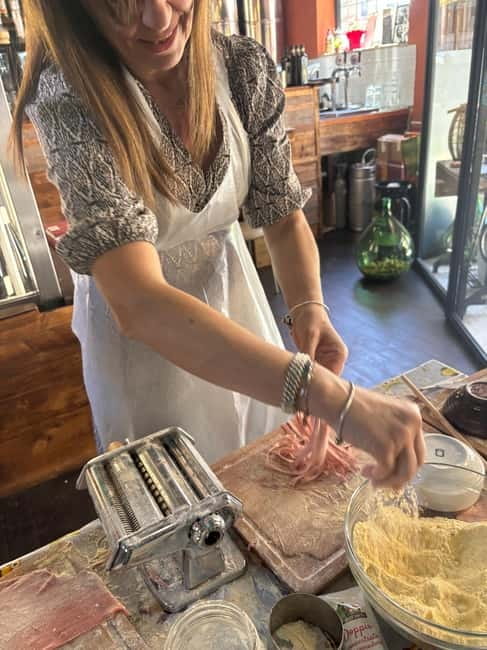
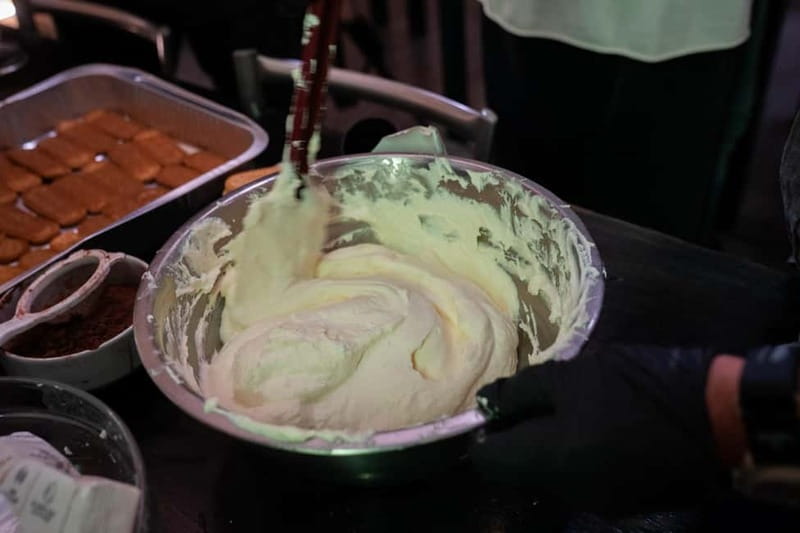
While the lasagna bakes, the lesson shifts to dessert. You prepare Marsala tiramisu, giving the class a second recipe that is easier to repeat at home than many elaborate Italian desserts.
Marsala adds a distinct Italian touch and sets this apart from a basic coffee tiramisu lesson. You learn the history and preparation of the dessert, then finish the meal with what you made.
One useful detail comes from the class itself: the chef can adjust parts of the recipe to suit individual preferences. A participant had coffee replaced with chocolate milk, which shows that the kitchen is willing to personalize the dessert when possible. Do not assume every substitution will be automatic, but it is worth asking during booking or at the start.
The same applies to dietary needs. Vegetarian, dairy-free, and gluten-free arrangements can be made if you provide notice. That is especially important for lasagna and tiramisu, since both commonly contain ingredients that require careful replacement. Contact the provider in advance rather than waiting until you arrive.
Sitting down to eat what you made
Once the dishes are ready, you sit down in the restaurant and eat the lasagna and tiramisu. This final meal is not an extra tasting added to the class. It is the payoff for the work you have just done.
The lunch is described as family-style and convivial. That gives the experience a different feel from a standard restaurant meal. You have made the food, watched it come together, and can discuss the process while eating it.
Wine continues with the meal, and coffee and limoncello finish the experience. Limoncello is a fitting last drink after a hearty pasta lunch, though anyone avoiding alcohol should rely on the included soft drink and ask about alternatives.
The setting may also appeal to people who want a meal near the Vatican without booking a separate food tour. You meet at Coquinaria and finish there, so the class can fit before or after sightseeing in the area. Since starting times vary, check the schedule before planning your Vatican visit around it.
What the three-hour schedule means
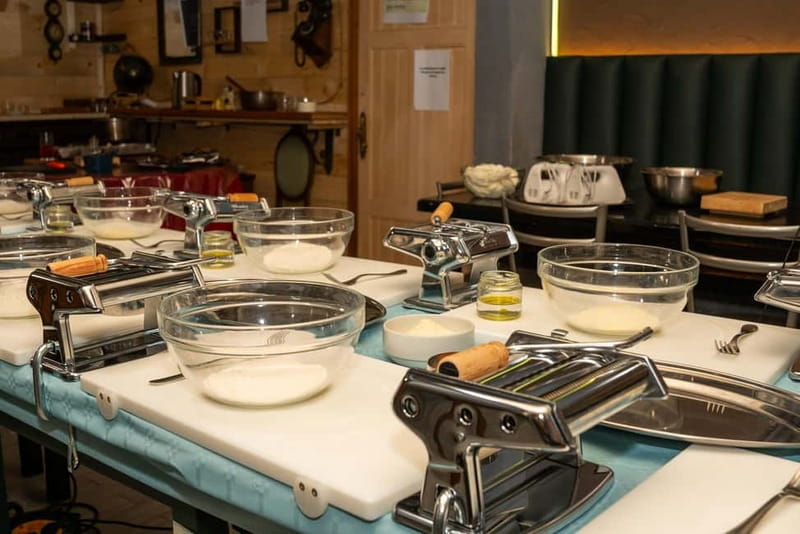
Three hours is long enough to cover two recipes and eat, but it is not an all-day cooking school. You should expect a steady sequence of preparation, instruction, cooking, and lunch.
The pace also depends on the group size. With no more than eight participants, you are likely to have more direct contact with the chef than in a large demonstration class. The class can also feel more personal if only a few people book. In one case, two people had the chef’s full attention, which allowed for a flexible and relaxed lesson.
That flexibility is one of the experience’s strongest features. The chef can respond to the group, offer shortcuts, and adjust certain ingredients. But it also means the class may not run like a rigid script with every minute planned. I would choose this format for learning useful techniques and enjoying a meal, not for measuring every culinary step with professional precision.
Because the class includes alcohol and lunch, avoid placing a demanding sightseeing appointment immediately afterward. You may want time to eat slowly, finish your coffee, and make your way back into Rome’s busy streets.
Is the $67.19 price good value?
At $67.19 per person, the value is strong if you want a meal, several drinks, and hands-on instruction in one booking. The cost includes the cooking lesson, ingredients and tools, bruschetta, spritz, wine, a soft drink, coffee, limoncello, and the full meal.
The price is especially attractive for two people who would otherwise pay separately for a restaurant lunch and drinks after a shorter demonstration. You also leave with recipes and techniques, not just a plate of food.
The value is less clear if you do not drink alcohol or do not care about making pasta. A large part of the appeal is the social lunch, so a person seeking only a quick lasagna tasting may find a simpler restaurant meal more suitable.
The small group helps justify the cost. Eight is still enough for a friendly table, but it is far more manageable than a large class where you spend most of the time watching. The three positive ratings supplied for this experience focus on the warm welcome, delicious food, flexibility, and useful instruction, which are the parts that matter most for the price.
Who will enjoy Coquinaria’s cooking class?
I would recommend this to couples, families, friends, and solo visitors who enjoy food as a way to meet people. The family-style setup makes it a good choice if you like conversation and do not want a formal lesson.
It also suits cooks at different levels. Beginners can follow the chef through the full process, while more experienced home cooks can pick up shortcuts and technique tips from Lorenzo or the chef leading the class.
You should book it if you want to make a proper meal, not just sample pasta. The class is also a good fit for anyone staying near the Vatican who wants a structured activity that ends where it begins.
I would hesitate if you have only a short window in Rome, dislike group activities, or want a very quiet meal. The free-flowing drinks and social atmosphere are central to the format. They make the experience warm and relaxed, but they are not for everyone.
Final decision: book it for the food and the company
Book this class if you want practical Italian recipes, a small group, and a generous lunch near the Vatican. The strongest reasons are the complete hands-on process, the chance to make both lasagna and Marsala tiramisu, and the chef’s willingness to share useful shortcuts and make reasonable adjustments.
The three-hour schedule and social drink service are the main things to consider. Give advance notice for vegetarian, dairy-free, or gluten-free needs, and check the starting time before fitting it around Vatican sightseeing.
For $67.19, Coquinaria offers more than a cooking demonstration. You make the meal, sit down to eat it, and leave with recipes for two Italian classics. That is a fair trade for part of a Rome afternoon.
FAQ
Where does the cooking class meet?
The class begins at Coquinaria, a local restaurant near the Vatican. It also ends back at the same meeting point.
How long does the experience last?
The cooking class and meal last three hours. Starting times vary, so check availability when booking.
What will I learn to cook?
You will make lasagna from scratch, including the dough, Bolognese sauce, béchamel, and final assembly. You will also prepare Marsala tiramisu.
Are drinks included?
Yes. The experience includes spritz, free-flow wine, a soft drink, coffee, and limoncello. Bruschetta al pomodoro is also included as an aperitivo.
How large is the group?
The class is limited to eight participants. In some cases, the group may be smaller.
Can dietary requirements be accommodated?
Vegetarian, dairy-free, and gluten-free requests can be arranged. You should provide this information in advance so the experience can be personalized.
Is the class taught in English?
Yes. The listed instruction language is English.
Newest classes around Rome
- Testaccio: Home Cooking Cacio e Pepe, Amatriciana, Carbonara★ 4.9 · 57 reviews
- Super Fun Pasta and Gelato Cooking Class by the Vatican★ 5.0 · 6 reviews
- Spritz and Spaghetti Traditional Cooking Class in Rome★ 4.9 · 30 reviews
- Rome: Vatican Food Tours, Cooking classes & Free Tours★ 4.9 · 11 reviews
- Rome: Trastevere Pasta Making Class★ 4.9 · 33 reviews
- Rome: Small Group Pasta cooking class near Piazza Navona★ 4.9 · 8 reviews
- Rome: Traditional Cooking Class in the Jewish Ghetto★ 4.9 · 75 reviews
- Rome: Traditional Pasta and Tiramisu Cooking Class★ 5.0 · 4 reviews
Rome Cooking Classes, compared.
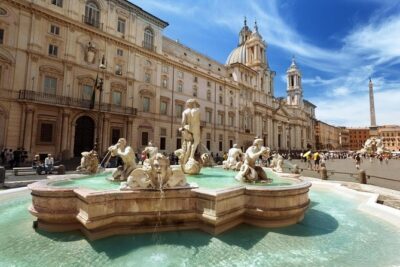
3 in 1 Cooking Class near Navona: Fettuccine, Ravioli & Tiramisu
Read our review →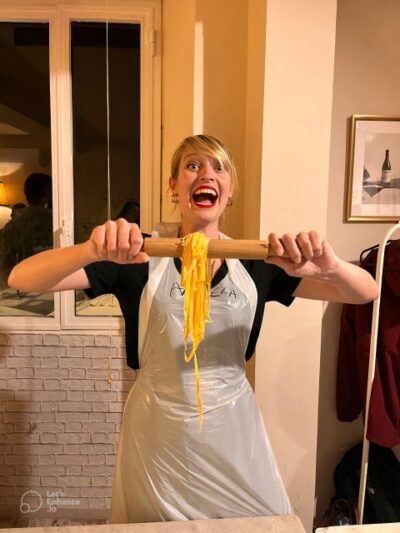
Pasta Making Class with Wine, Limoncello, and Dessert
Read our review →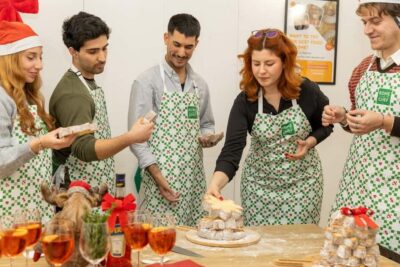
Rome Cooking Class: Make Pasta and 3 Spritz Cocktails
Read our review →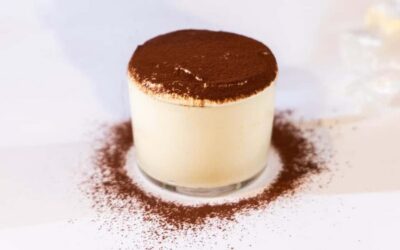
3-in-1 Fettuccine, Ravioli, and Tiramisu Cooking Class
Read our review →
Fettuccine Pasta Cooking Class in Rome’s City Center
Read our review →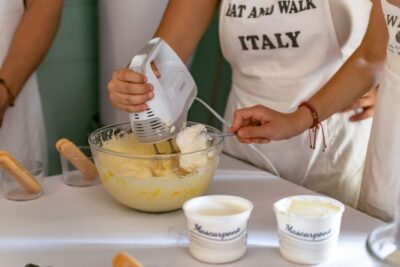
Fettuccine & Tiramisù: Cooking Class with Wine & Limoncello
Read our review →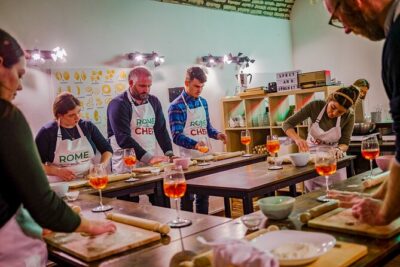
Pasta Cooking Class Near the Colosseum with 3 Spritz Cocktails
Read our review →
Enjoy Spritz and Pasta Making in Piazza Navona
Read our review →Browse the lists this tour appears in