Review · ROME COOKING CLASSES
Rome: Pasta Making Class with Wine, Limoncello, and Dessert
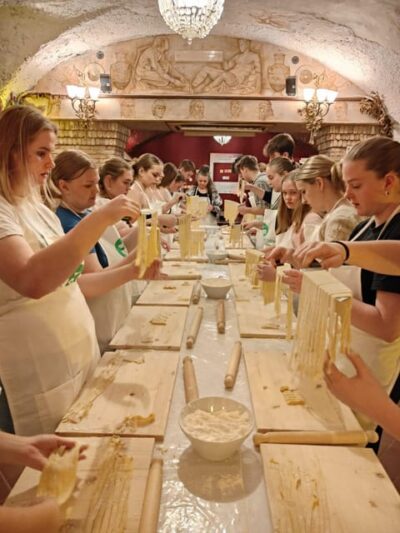
Rome’s pasta class has a simple promise: you make three kinds of fresh pasta, then sit down and eat what you made. The hands-on work takes place inside Palazzo Grazioli, a historic building a few minutes from the Pantheon and Piazza Venezia, so you can add a useful dose of cooking to a day of sightseeing.
I like the small groups of up to 10, which give the chef time to check your dough and shaping. I also like the friendly, social finish, with pasta, Tuscan wine, dessert, and limoncello around a communal table. The main catch is dietary: this is not suitable for vegans or people with gluten, lactose, or nut allergies.
Key points at a glance
- Three pasta shapes: Make ravioli, tortelli, and fettuccine from egg and flour dough.
- A central Rome setting: Find the school on Via della Gatta, close to the Pantheon and Piazza Venezia.
- Chefs who teach as they cook: Instructors including Giorgio, Olga, Christian, and Fabrizio are praised for patience, humor, and individual help.
- A full meal afterward: Eat the pasta you prepared with tomato sauce plus freshly made butter and sage sauce.
- Italian extras included: Organic Tuscan wine, dessert, and a shot of limoncello are part of the three-hour session.
- Recipes for home: Take an English recipe booklet so the class does not end when you leave Rome.
Making pasta inside Palazzo Grazioli
The setting gives this class more character than a standard cooking studio. You enter through Via della Gatta 14, at the rear corner of Palazzo Grazioli, in central Rome. The nearby streets make this easy to pair with a visit to the Pantheon, Piazza Venezia, or other sights in the historic center.
Look for the bell marked Pastamania. The street takes its name from the marble cat statue near the entrance, a small detail worth noticing before you start cooking.
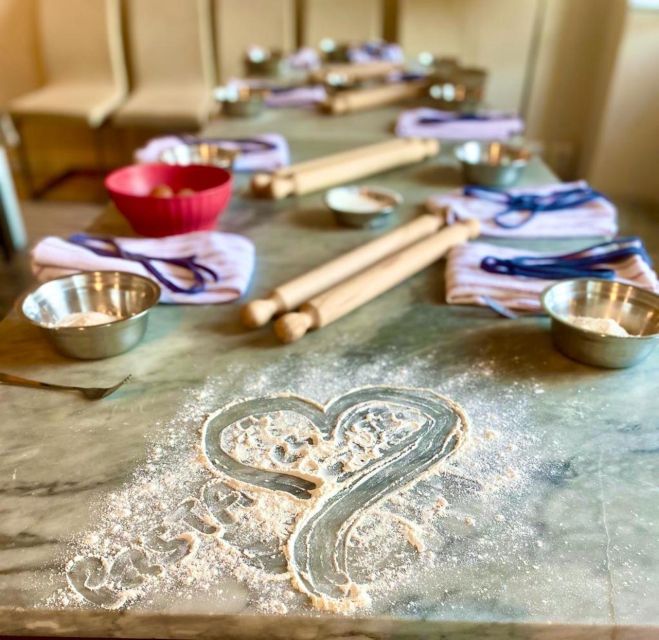
Once inside, the class begins with an introduction to pasta-making. You are not simply watching a chef prepare dinner. You put on an apron, pick up a rolling pin, and work with the dough yourself. That matters because fresh pasta is less mysterious once you have felt how the dough changes under your hands.
The English-speaking chef explains the basic method, then guides you through the work in stages. The instructors named in the recent class schedule include Giorgio, Olga, Christian, Fabrizio, Marco, Martina, Roberto, and Noemi. The teaching style can vary from chef to chef, but the strongest pattern is clear: the class is designed for beginners, and the chef checks each person as the work moves along.
More Cooking Classes with Wine Tasting in Italy
- Fettuccine & Tiramisù: Cooking Class with Wine & Limoncello
★ 4.9 · 2,103 reviews - Pasta Making & Wine Tasting with Dinner in Frascati from Rome
★ 5.0 · 1,326 reviews - Rome Cooking Class: Make Pasta, Dine & Drink Wine With Local Chef
★ 5.0 · 1,263 reviews
The dough: flour, eggs, and a little patience
The foundation is traditional egg pasta made with flour and eggs. You knead the mixture, roll it out, and learn how to judge its texture. This is the part where a patient instructor helps most, since small differences in moisture and pressure can change the dough.
You should expect to make mistakes. Pasta dough can be sticky, dry, too thick, or uneven at first. That is part of the value. You learn why the dough needs more work, how thin it should become, and how to handle it without tearing.
The class is practical rather than technical for its own sake. You receive explanations while your hands are busy, so the information has an immediate use. If you are cooking with children aged eight or older, the activity can work well, although younger participants will need to follow the chef closely and share some of the more exact tasks.
Wear comfortable clothes suitable for cooking. Flour and sauce are friendlier to an apron than to your best Roman dinner outfit.
Three shapes, three different skills
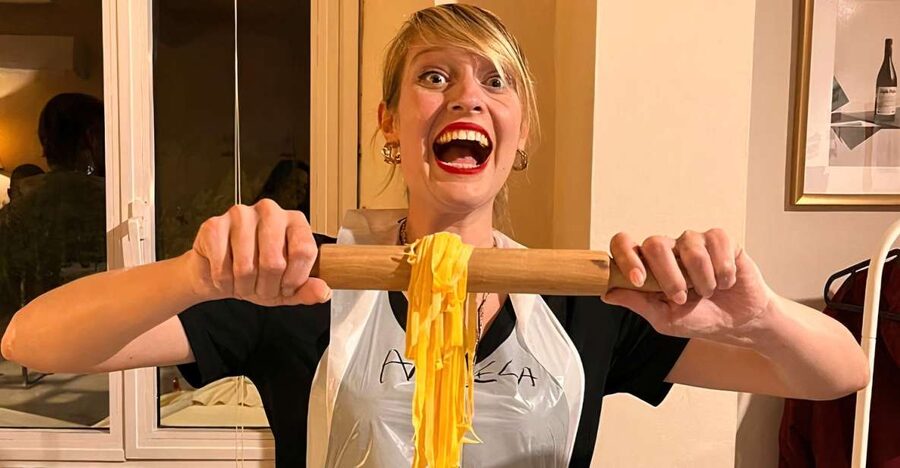
The class covers ravioli, tortelli, and fettuccine. That mix gives you more than one basic cutting exercise.
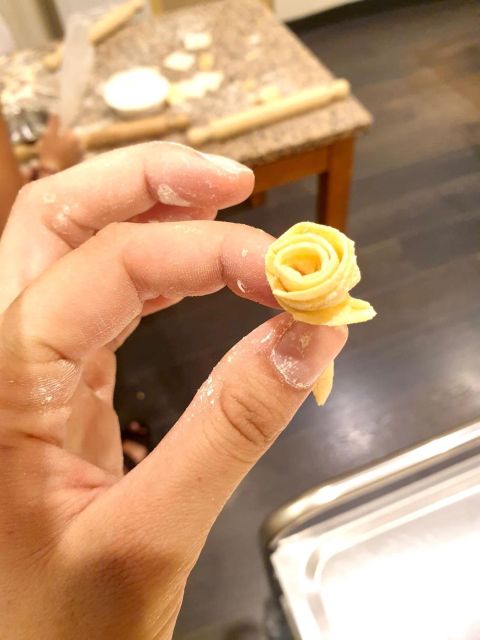
Ravioli and tortelli are filled pasta, so you learn to place the filling, seal the dough, and remove air pockets before cutting. A clean seal is important. If the edges are not pressed firmly, the filling can escape during cooking.
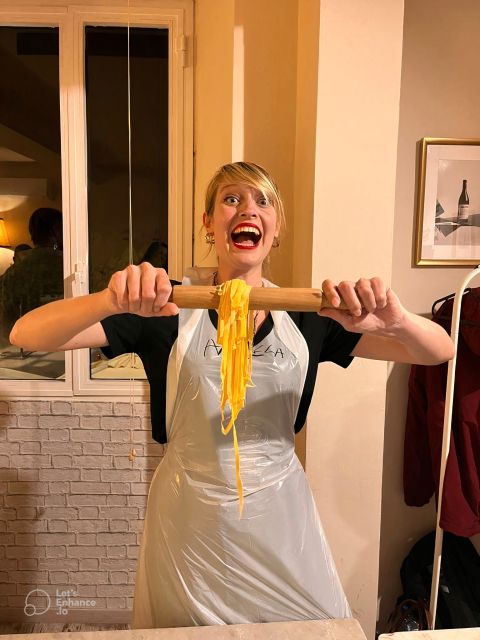
Fettuccine gives you a different task. You roll and cut the dough into long ribbons, learning how thickness affects the final bite. It is a useful contrast to filled pasta, since the shape is simpler but the cutting needs to be even.
Each person prepares their own pasta. The chef works around the group, helping with rolling, folding, and shaping. That individual attention is one reason the small group limit matters. With as many as 10 people, the class still has a social feel, but the instructor has a reasonable chance to correct a problem before it becomes a plate of broken pasta.
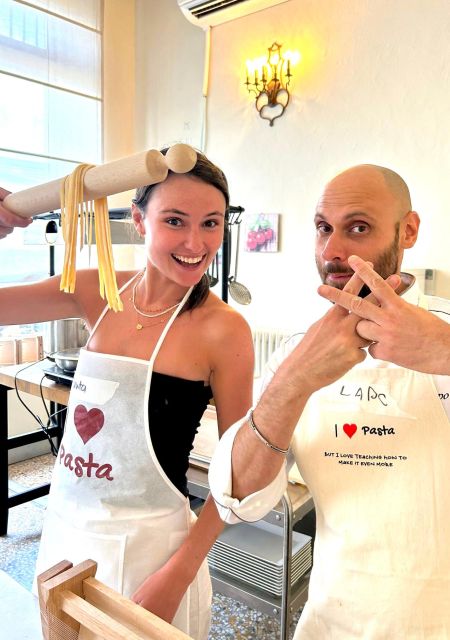
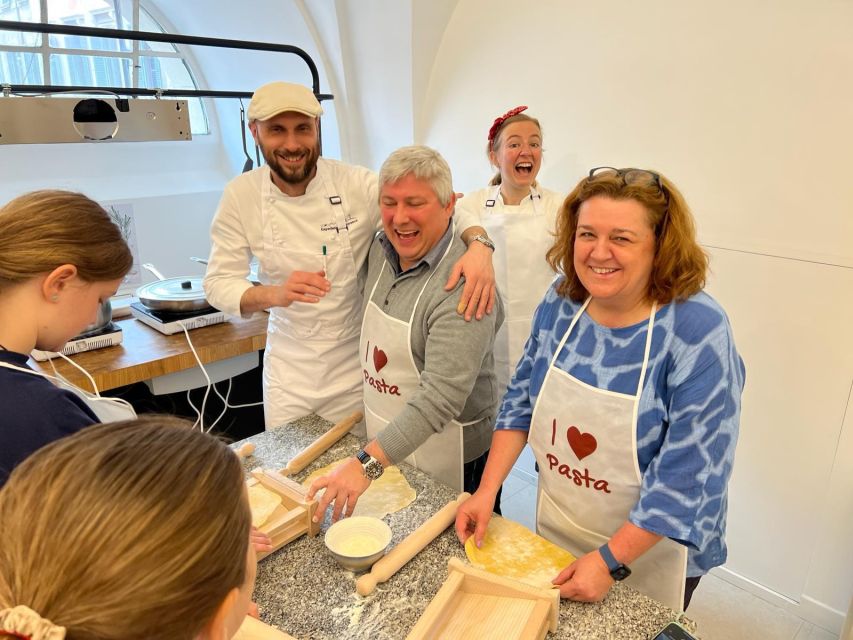
Do not expect a quiet, formal lesson. The strongest classes have a relaxed mood, plenty of questions, and a fair amount of joking. Giorgio is often singled out for his humor, while Olga, Christian, and Fabrizio are praised for patience and clear instruction. The right chef can make a basic cooking lesson feel like an evening with an outgoing Italian friend.
Watching the sauces come together
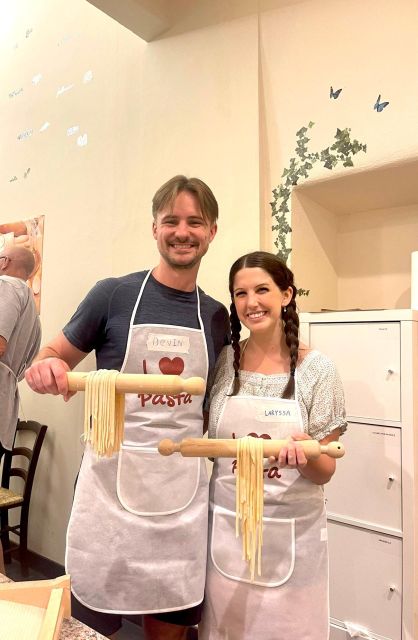
While you make the pasta, the kitchen handles the sauces. The signature tomato sauce simmers in advance, giving it time to develop a fuller taste before the meal.
The ravioli and tortelli receive a butter and sage sauce prepared by the instructor during the class. Watching that sauce come together helps explain why filled pasta does not need a heavy topping. Butter and sage let the pasta and filling remain the focus.
The chef also cooks the pasta for the group. This is helpful because fresh pasta cooks faster than dried pasta, and the timing can be easy to miss at home. You get to see how the shapes are handled and when they are ready, then eat the results while they are fresh.
The meal is served from the pasta made during the session, cooked together in one pot to reflect the feel of an Italian family meal. That communal approach is part of the experience, though it also means you should not expect a separate plated tasting menu for each person.
More Cooking Classes with Wine Tasting in Rome
- Rome: Combo Pizza and Pasta Cooking Class with Wine
★ 4.6 · 1,180 reviews - Rome: Pasta Making with Wine Tasting and Dinner in Frascati
★ 4.9 · 979 reviews - Super Fun Pasta & Gelato Class by Vatican with Wine + Oil Tasting
★ 5.0 · 726 reviews - Rome: Traditional Pasta Making Class with Wine & Gelato
★ 4.9 · 677 reviews
A generous finish with wine and dessert
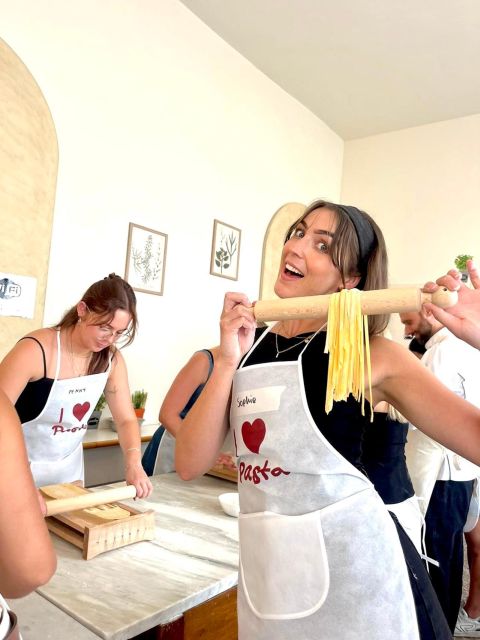
After the preparation, you sit around a large shared table. The class includes organic Tuscan wine from the school’s own farm, Dalle Nostre Mani. The wine adds to the meal without turning the activity into a wine tasting. You are there to eat, talk, and compare the shapes you have just made.
Alcohol is served only to people of legal drinking age. If you do not drink, alternatives are available according to the experience details, but you should mention this when booking so the team can plan for you.
Dessert and limoncello finish the class. The exact dessert can vary, with chocolate salami mentioned in one recent session, along with cake in the general description. Limoncello is served as a shot, so this is a proper end to the meal rather than a separate tasting course.
The shared table is a real strength for solo visitors and small groups. You can talk with people from different countries while the chef cooks. If you are traveling with family or friends, the class gives you something to do together without requiring anyone to be an experienced cook.
Why the $48 price makes sense
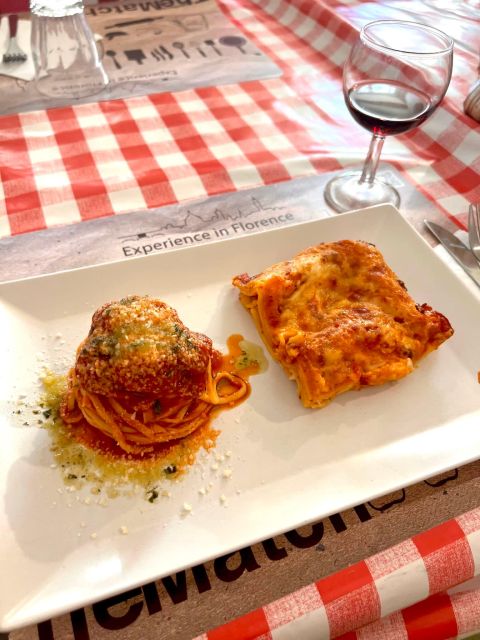
At $48 per person, this is good value if you want both an activity and a meal in central Rome. The price covers three hours of instruction, the pasta-making session, the food you prepare, wine, dessert, limoncello, and recipe booklets.
A cooking class can look expensive beside a simple plate of pasta. That comparison misses the point. You are paying for the instruction, the workspace, the ingredients, the chef’s time, and a social evening in addition to dinner. The meal alone is not the whole product.
The value is strongest if you were already planning to eat in the historic center. You get an organized evening near major sights, and the recipes give you something useful to take home. The class is less attractive if you want a quick meal, dislike group activities, or prefer to choose every dish from a restaurant menu.
The recent rating is 4.9 from more than 3,000 ratings, and the perfect-score share for transport and activity arrangements is listed at 87 percent. Those figures suggest a reliable experience, but they do not remove the practical limits. Your meal depends on the group working at roughly the same pace, and the class follows a set menu rather than personal choice.
Who will enjoy the three-hour format
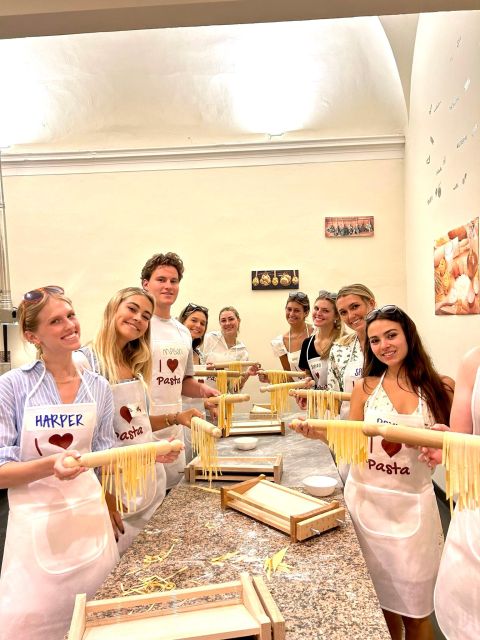
I would choose this for couples, families, groups of friends, solo visitors, and older children who enjoy making things with their hands. It also suits a first visit to Rome because the class gives you a cultural activity near the center without taking an entire day.
The three-hour length is about right. You have enough time to learn, eat, and talk, but the class does not consume a full sightseeing day. It may fit especially well on an evening when you want a planned dinner rather than another restaurant decision.
Families can work well here. A three-generation group ranging from age 20 to 75 enjoyed the format, and younger adults have also found it easy to follow. Children must be at least eight years old.
This is also a sensible choice for a corporate or school group, since the work is collaborative and the meal creates time for conversation. Do not book it if you need a fully private class, though. The standard setup is a small shared group, with private-feeling sessions possible only if your party fills the available places.
Dietary limits you should take seriously
The class offers vegetarian options and asks you to report dietary needs when booking. That does not mean every restriction can be handled.
The experience cannot accommodate vegan diets, gluten sensitivity, or lactose intolerance. It is also listed as unsuitable for people with nut allergies. Since the pasta is made with wheat and eggs, and the meal includes butter and dessert, you should not assume that substitutions will be possible at the table.
If you avoid alcohol, tell the provider in advance. Nonalcoholic alternatives have been available in class, but wine and limoncello are included for those who want them.
The cooking school is not suitable for wheelchair users or people with mobility impairments. The available information does not promise step-free access or special mobility support, so ask the provider directly before booking if you have a less obvious access need.
Meeting point and timing tips
Plan to reach Via della Gatta 14 with a little extra time. The school is in a busy historic area, and the entrance is at the back corner of Palazzo Grazioli rather than on a large, obvious square.
Ring the bell marked Pastamania when you arrive. You do not need hotel pickup or drop-off, and those services are not included.
The activity lasts three hours, but the exact start time depends on availability. It is smart to avoid booking a major timed attraction immediately afterward. The meal and conversation are part of the class, and rushing away would spoil the relaxed ending.
Cancellation is flexible up to 24 hours before the activity for a full refund, and you can reserve now and pay later. A minimum number of participants is required. If that number is not reached, the provider will offer another date or time, or a full refund.
What you take home
The most useful souvenir is not a shop-bought pasta cutter, though the cooking school may have equipment and ingredients available for purchase. You receive detailed English recipe booklets so you can repeat the dough, shapes, and sauces at home.
That turns the lesson into more than a one-night meal. The first attempt in your own kitchen may be less tidy than the class, but you will understand the process far better than if you had only watched a chef prepare fresh pasta.
The class can also change how you order pasta in Italy. After shaping filled pasta yourself, you notice its thickness, sealing, and sauce more clearly. A familiar Roman meal becomes easier to appreciate when you know how much work sits behind it.
Should you book this Rome pasta class?
Book it if you want a friendly, hands-on evening that combines food, instruction, and conversation. The central location, three pasta shapes, small group size, included meal, and recipe booklet make the $48 price fair.
I would especially recommend it to first-time pasta makers, families with children aged eight or older, and anyone who wants a break from museums and monuments. The best part is the full arc: mix the dough, shape the pasta, watch it cook, then eat it with wine and dessert.
Skip it if you need vegan, gluten-free, lactose-free, or nut-free food, or if mobility access is important. Also skip it if you want a quiet, private dinner rather than a social class. For everyone else, this is an easy way to meet people, learn a useful Italian skill, and put a homemade meal at the center of your Rome day.
FAQ
Where does the pasta-making class take place?
It takes place at the Pastamania cooking school at Via della Gatta 14, 00186 Roma, inside the historic Palazzo Grazioli. The entrance is at the rear corner of the building.
How long does the experience last?
The class lasts three hours. Starting times depend on availability.
Which pasta shapes will I make?
You will prepare ravioli, tortelli, and fettuccine using egg and flour dough.
Is the class taught in English?
Yes. The listed instructor language is English.
What food and drinks are included?
The class includes the pasta-making lesson, the meal made from your pasta, organic Tuscan wine, dessert, and a shot of limoncello.
Can children join the class?
Yes. Participants must be at least eight years old.
Can the class accommodate dietary restrictions?
Vegetarian options are available if you notify the provider in advance. The class cannot accommodate vegan diets, gluten sensitivity, lactose intolerance, or nut allergies.
What happens if I need to cancel?
You can cancel up to 24 hours in advance for a full refund. You can also reserve now and pay later.
More Tiramisu and Dessert Classes in Rome
- Rome: Pasta & Tiramisu Cooking Class near the Spanish Steps
★ 4.8 · 1,395 reviews - Cooking Class in the Heart of Rome: Pizza and Tiramisu Making
★ 5.0 · 1,330 reviews - 2-in-1 Pasta and Tiramisu Cooking Masterclass in Rome
★ 5.0 · 832 reviews - Rome Cooking Class: Make Pizza and Pasta with Wine & Dessert
★ 4.5 · 651 reviews
More Pasta Making Classes in Rome
- 3 in 1 Cooking Class near Navona: Fettuccine, Ravioli & Tiramisu
★ 5.0 · 7,376 reviews - Rome Cooking Class: Make Pasta and 3 Spritz Cocktails
★ 5.0 · 2,937 reviews - Rome: 3-in-1 Fettuccine, Ravioli, and Tiramisu Cooking Class
★ 4.9 · 2,704 reviews - Rome: Fettuccine Pasta Cooking Class in Rome’s City Center
★ 4.8 · 2,414 reviews
Newest classes around Rome
- Testaccio: Home Cooking Cacio e Pepe, Amatriciana, Carbonara★ 4.9 · 57 reviews
- Super Fun Pasta and Gelato Cooking Class by the Vatican★ 5.0 · 6 reviews
- Spritz and Spaghetti Traditional Cooking Class in Rome★ 4.9 · 30 reviews
- ROME:Hands-On Lasagna & Marsala Tiramisu Cooking Experience”★ 5.0 · 3 reviews
- Rome: Vatican Food Tours, Cooking classes & Free Tours★ 4.9 · 11 reviews
- Rome: Trastevere Pasta Making Class★ 4.9 · 33 reviews
- Rome: Small Group Pasta cooking class near Piazza Navona★ 4.9 · 8 reviews
- Rome: Traditional Cooking Class in the Jewish Ghetto★ 4.9 · 75 reviews
Rome Cooking Classes, compared.
3 in 1 Cooking Class near Navona: Fettuccine, Ravioli & Tiramisu
Read our review →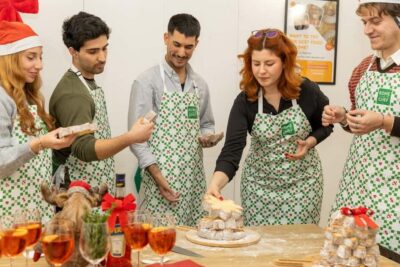
Rome Cooking Class: Make Pasta and 3 Spritz Cocktails
Read our review →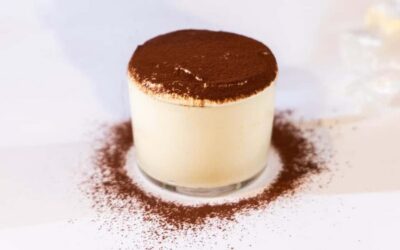
3-in-1 Fettuccine, Ravioli, and Tiramisu Cooking Class
Read our review →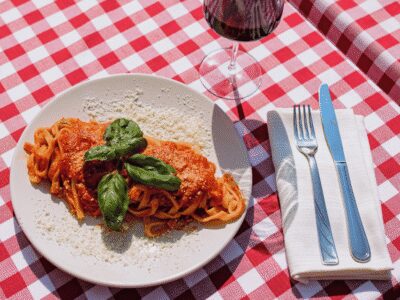
Fettuccine Pasta Cooking Class in Rome’s City Center
Read our review →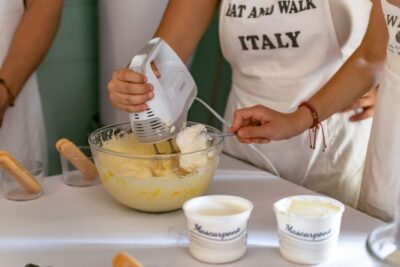
Fettuccine & Tiramisù: Cooking Class with Wine & Limoncello
Read our review →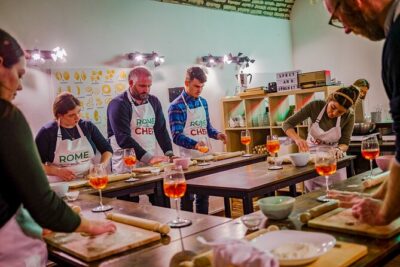
Pasta Cooking Class Near the Colosseum with 3 Spritz Cocktails
Read our review →
Enjoy Spritz and Pasta Making in Piazza Navona
Read our review →