
Review · OSAKA COOKING CLASSES
Osaka Sake Tasting with Takoyaki Cooking
Osaka’s famous octopus balls become your dinner in this hands-on takoyaki class, followed by a guided tasting of Japanese sake. Momo, a sake sommelier and former brewer, explains what is in your glass without turning the lesson into a lecture. You cook, eat, ask questions, and learn how to choose sake later in Japan.
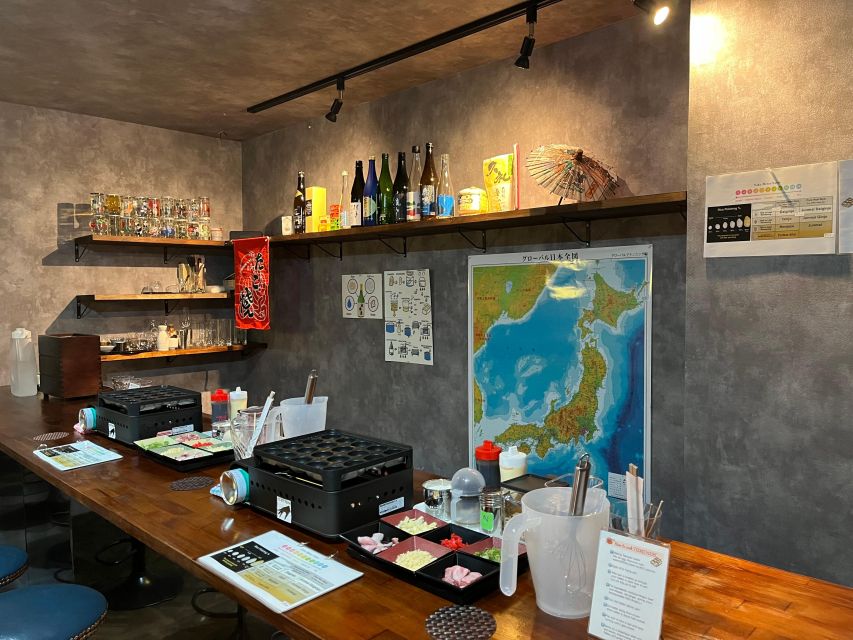
I like the small six-person limit, which keeps the class personal, and I like the useful mix of culture and food. You do not simply watch someone spin takoyaki on a hot plate. You make your own batch, try different fillings, then taste sake selected by an expert. The main caution is that the tasting can be generous, so this is not just a few polite sips. Come hungry, pace yourself, and use the soft drinks and water available if needed.
Key points
- Momo’s sake lesson: Learn from an English-speaking sake sommelier who also worked as a brewer.
- Your own takoyaki: Cook the Osaka specialty yourself, with fillings that can include octopus, wagyu beef, cheese, kimchi, and corn.
- More than 10 sake choices: The seasonal menu gives you room to compare styles and find what suits your taste.
- Near Namba: The class takes place at MOMO to SAKE, on the second floor of the building, with easy access from central Osaka.
- A true small group: The maximum is six participants, though some sessions may be smaller or private.
- Good for mixed groups: Adults can taste sake while children or non-drinkers choose soft drinks.
Why takoyaki and sake make such a good Osaka lesson
Takoyaki is more than a snack to tick off in Osaka. It is part of the city’s everyday food culture, and making it gives you a better sense of why the dish is so popular. The batter is poured into round molds, fillings are added, and the balls must be turned as they cook. That last step is where the fun begins. The first ones may look a little lopsided, but they are yours.
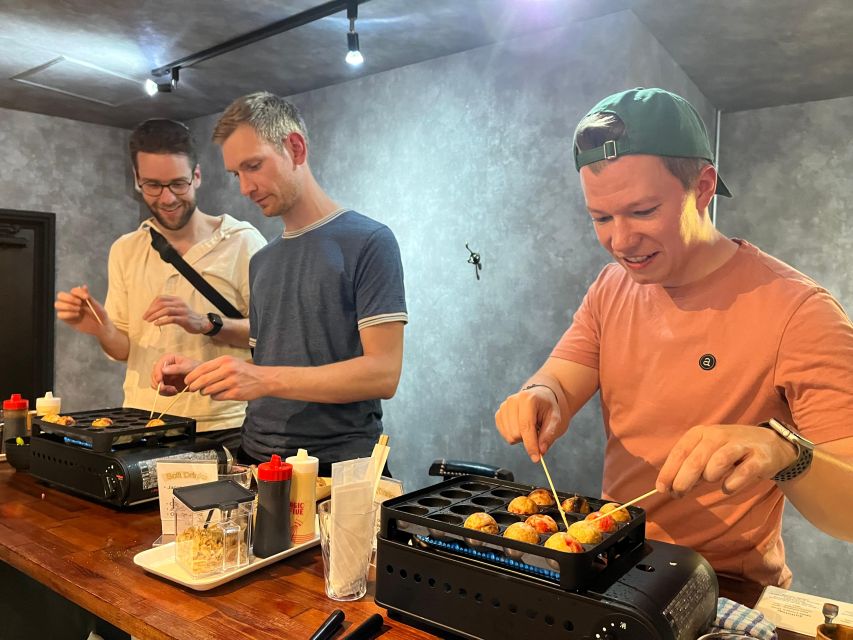
Momo teaches a local recipe and helps you through the process without taking over. That matters. A cooking demonstration can be pleasant, but this class asks you to handle the picks, manage the heat, and turn the takoyaki yourself. You get the pleasure of eating food that you have made, along with a practical skill you can try again at home.
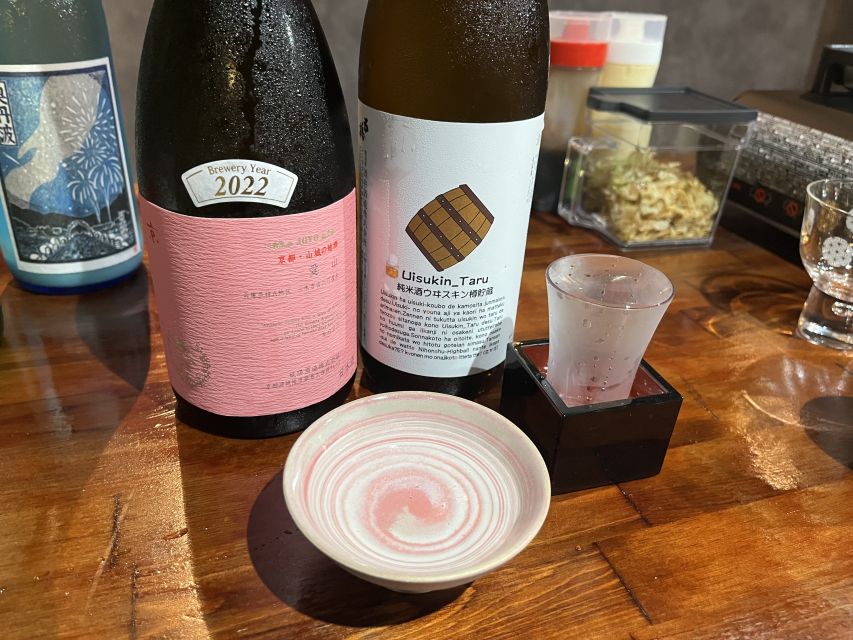
The sake portion adds a second layer. Instead of treating sake as one generic Japanese drink, Momo introduces differences in style, taste, grading, and production. You learn the basics of rice, brewing, and the way sake is made, then use that information as you taste.
I especially like this pairing because the food gives the lesson a clear purpose. Takoyaki is savory, warm, and filling. Sake can be dry, fragrant, light, full-bodied, or gently sweet. Tasting the two together helps you notice what you like. It also gives you confidence when you walk into a sake bar later, where a long Japanese menu can otherwise feel like a guessing game.
More Drinks Outings in Osaka:
- Osaka: Cooking Class & Sake Tasting with Local Market Visit
★ 4.8 · 31 reviews - Osaka: Okonomiyaki Cooking Class with Beer or Soft Drink
★ 4.9 · 9 reviews - Ramen and Sushi Cooking Class with Sake Pairing Set in Tokyo
★ 5.0 · 291 reviews
Finding MOMO to SAKE near Osaka Namba
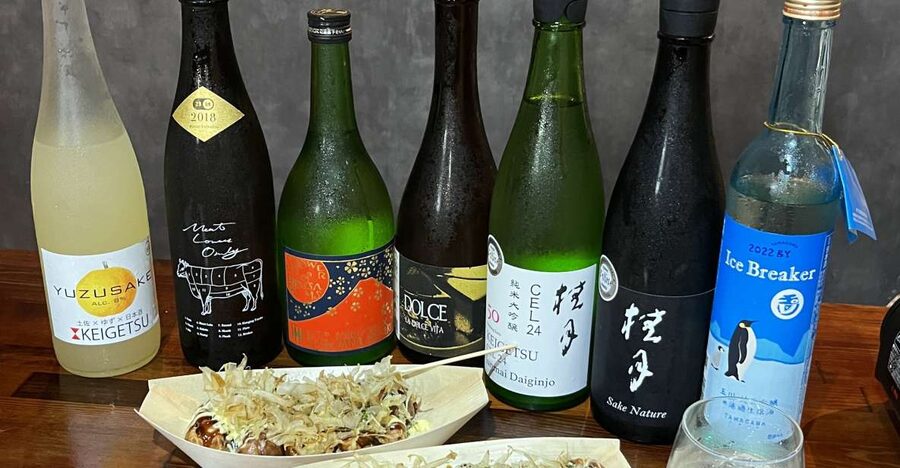
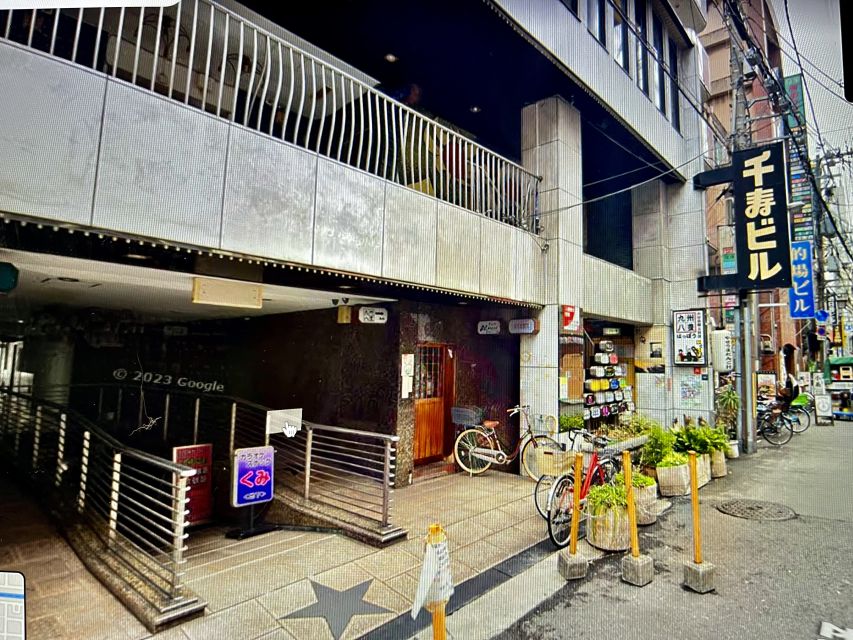
The meeting point is MOMO to SAKE, located on the second floor of the building. The experience is promoted as easy to reach from the main Namba area, making it a practical choice for a day spent around Dotonbori, Shinsaibashi, or nearby central Osaka.
The upstairs setting is part of the appeal. This is not a large tour with a microphone and a fixed line of people moving from station to station. The group is capped at six, and sessions can be intimate enough to feel like a private lesson. One session described by a participant had only one person, while other classes have included couples, families, and groups of friends.
Allow a few extra minutes to find the building and reach the second floor. The supplied details identify the venue clearly, but they do not give a street address or station exit, so check the final booking information before setting out.
The two-hour length is well judged. You have enough time to cook without rushing, learn the sake basics, taste several examples, and eat your food. It is short enough to fit into an Osaka afternoon or evening without taking over your day.
Making takoyaki from batter to dinner
The cooking part is active from the start. You receive the ingredients and instructions, then follow Momo’s guidance as the takoyaki cooks. You can expect the class to focus on the basic technique, rather than simply placing a finished plate in front of you.
The round shape looks easy until you try to form it. You turn the pieces as the outside cooks, adding batter where needed and working toward a neat ball. This is a friendly kind of cooking challenge. You do not need professional kitchen skills, and imperfect pieces still taste good.
The standard filling includes octopus, but the class has room for variations. Ingredients mentioned for different sessions include wagyu beef, cheese, kimchi, and corn. That makes the meal more flexible for people who do not eat octopus or want to experiment. A participant with coeliac disease was also accommodated, but food needs should be discussed in advance rather than assumed to be covered automatically.
The cooking is particularly suitable for families. Children can take part in making the food and choose soft drinks while adults taste sake. Keep in mind that the activity includes a hot cooking surface and alcohol, so parents will need to supervise younger children closely.
The best moment comes when you sit down to eat what you made. The food is not an afterthought or a small sample. Several participants found the homemade takoyaki so satisfying that they wanted to buy a takoyaki pan and continue the experiment at home. If you have already eaten a great deal that day, this is the place where you may wish you had saved room.
Learning sake from a former brewer
Momo’s background gives the tasting real substance. She is a sake sommelier and former brewer, so the class covers both the drink in your glass and the work behind it. You learn about sake’s history and culture, the making process, basic categories, and ways to think about flavor.
The useful part is the plain explanation. Sake can seem intimidating because labels use unfamiliar terms and bottles vary widely in taste. Momo breaks the subject into manageable pieces, then lets you compare examples rather than memorize a long list of rules.
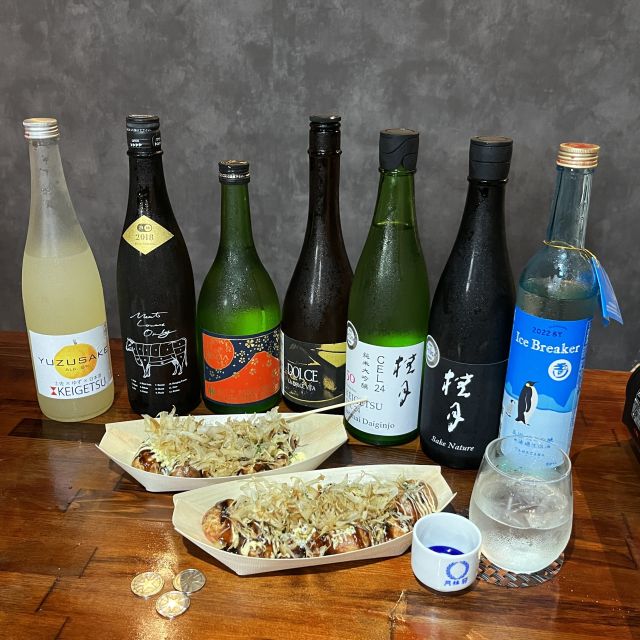
You will hear about differences in style and grading, then taste enough examples to notice patterns. Some participants sampled seven or eight sakes during their session, while the experience offers more than 10 types from a seasonal menu. The exact number poured can vary, so you should not treat the advertised selection as a promise that every bottle will be served.
The selection changes with the season. That is a strength for repeat visitors, since the tasting is not tied to one permanent flight. It also means the exact bottles available on your date may differ from those described by someone who attended at another time.
Momo helps you choose based on your own preferences. If you like something light and crisp, or prefer a stronger, rounder, sweeter, or more aromatic style, say so. The purpose is not to declare one sake the best. It is to help you understand your palate and order with more confidence during the rest of your Japan trip.
More Food and Drink Outings in Osaka:
- Okonomiyaki&Takoyaki for Families:Osaka Street Food Festival
★ 5.0 · 4 reviews - Small Group Cooking Class & Market Food Tour in Florence
★ 5.0 · 1,574 reviews - Pasta Making & Wine Tasting with Dinner in Frascati from Rome
★ 5.0 · 1,326 reviews - Paella Cooking Class, Wine Tasting & Central Market in Valencia
★ 5.0 · 1,150 reviews
Tasting after cooking, not before
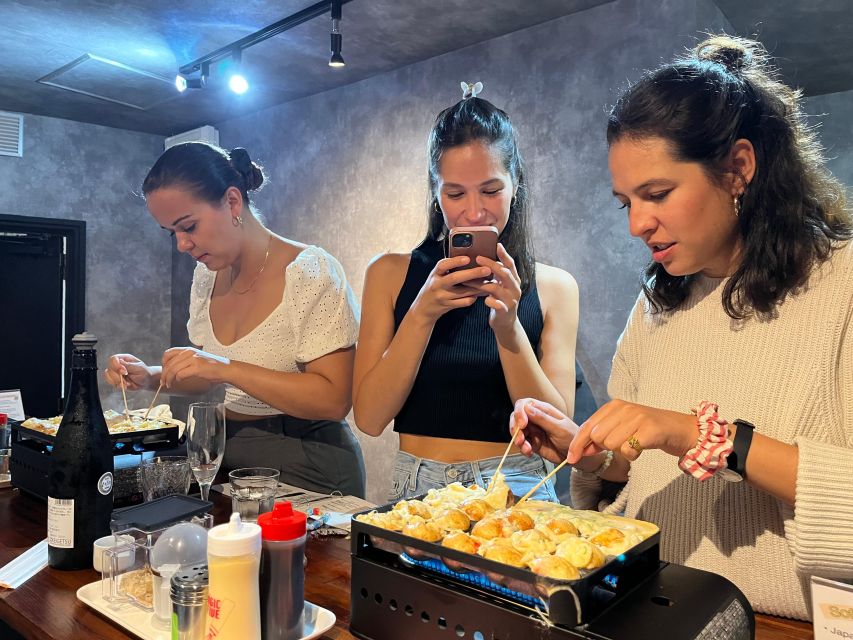
The order of the session matters. You cook first, then enjoy the takoyaki with the sake. This is sensible for both comfort and safety. You are not trying to manage a hot plate while already drinking, and the food gives you a proper base before the tasting begins.
Pours may be more generous than the word tasting suggests. Several accounts describe substantial servings and as many as seven different sakes. I would plan this as a drinking experience with food, not as a token sampling stop.
Take your time. You do not have to finish every pour, and soft drinks are included. Water and snacks have also been provided during some sessions. If you want to visit a sake bar afterward, keep that plan flexible and do not schedule anything that depends on you drinking a large amount.
The food and drink work well together, but the class is not designed for someone seeking a formal, silent sommelier session. Conversation is a major part of the experience. Momo answers questions about sake and, according to the supplied feedback, often talks with participants about life in Japan and suggests nearby local bars after the class. If you want a relaxed social evening, that is a plus. If you prefer a highly structured tasting with technical notes only, the chatty approach may feel less focused.
What $70 buys you
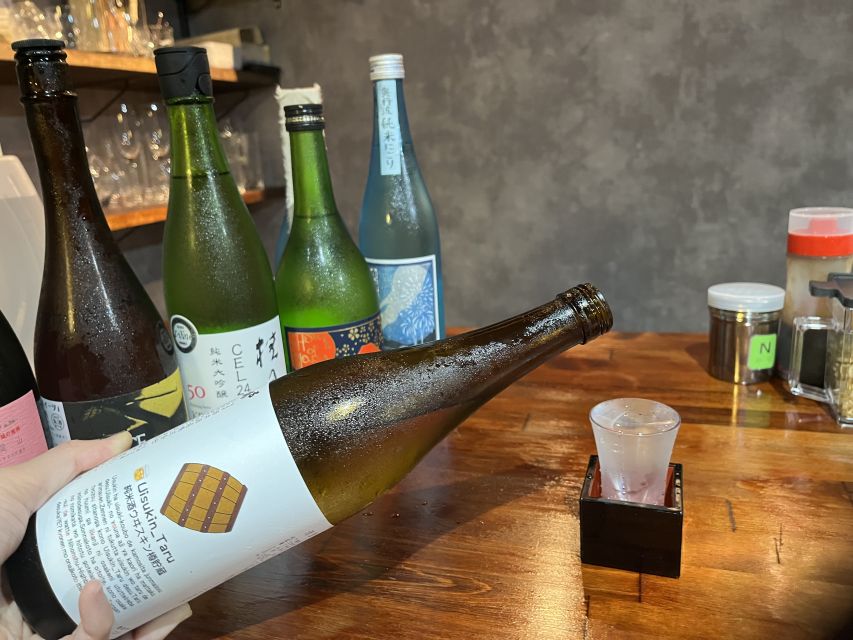
At $70 per person, the price includes the ingredients, cooking instruction, more than 10 sake options, soft drinks, and an English-speaking local expert. The value depends on what you want from a food activity.
For a simple meal of takoyaki, the cost would be high. You are paying for much more than the finished food. The fee covers a two-hour lesson, a small group, hands-on cooking, several sake pours, and access to someone with brewing and tasting experience. In Osaka, that combination is more useful than a standard restaurant meal if you want to understand what you are eating and drinking.
The small group improves the value. With a limit of six people, Momo can help you turn the takoyaki, answer individual questions, and guide your sake choices. A crowded class would make the cooking less personal and reduce the chance to discuss your preferences.
The value is also stronger for people who plan to keep drinking sake during the trip. A short lesson can save you from ordering at random later. You may leave knowing which styles you enjoy and what to look for on a menu or bottle label.
The price is less attractive if you do not drink alcohol and are joining only for the food. Soft drinks are available, but the sake education is a major part of the activity. Non-drinkers can still enjoy the cooking, though they should decide if that half of the experience justifies the full price.
Who will enjoy this most
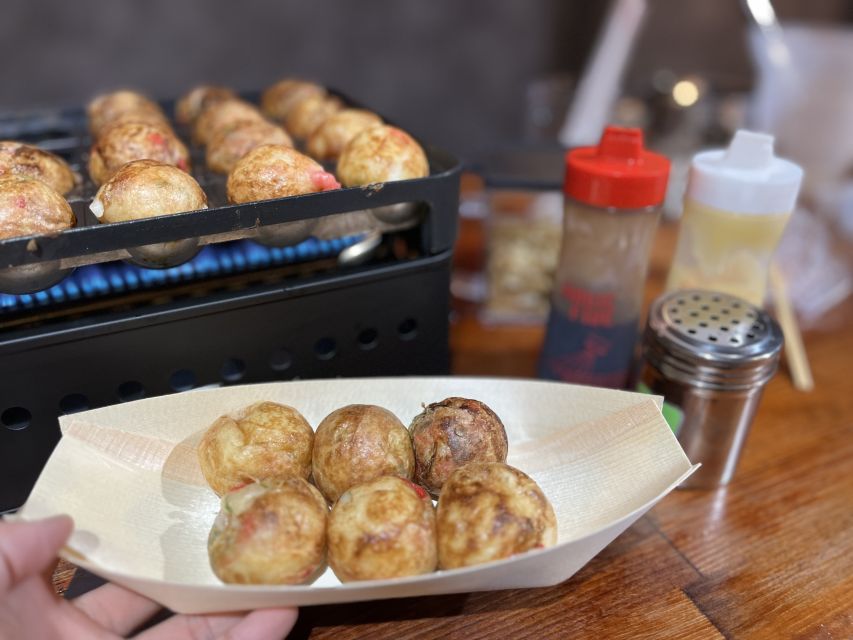
I would recommend this class to first-time visitors who want a clear introduction to two Osaka favorites. It suits couples, small groups of friends, solo participants, and families with older children. The relaxed teaching style also works well for people who feel unsure about sake and want permission to ask basic questions.
Food lovers who already know takoyaki may still enjoy the class because you make it yourself and can try fillings beyond octopus. Sake fans will appreciate the chance to compare seasonal bottles with guidance from someone who has worked in brewing.
The experience may not suit you if you dislike group conversation, cannot drink alcohol, or want a quiet formal tasting. It is also not ideal if you have a strict food allergy and expect every dietary issue to be handled automatically. Contact the provider before booking and explain your needs clearly.
The age mix can be broad. One group included adults from their mid-40s through their 70s, while other sessions included young children. You do not need to be fit or particularly athletic. The main requirements are curiosity, a willingness to cook, and enough appetite for a meal of takoyaki.
Practical details that affect your choice
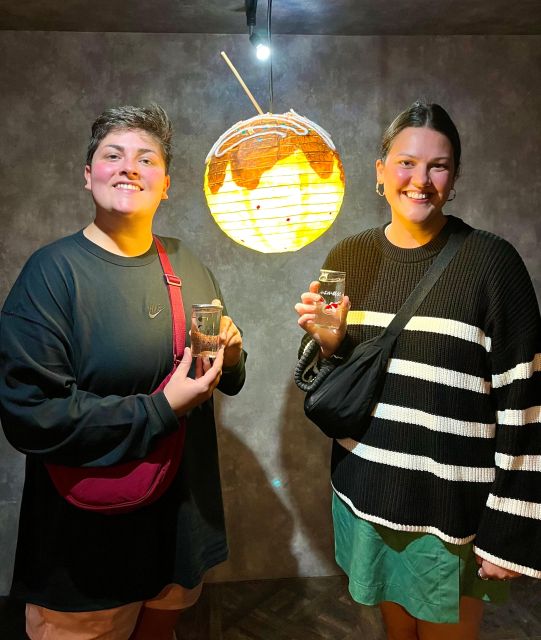
The class lasts two hours and is offered in English and Japanese. The small group limit is six participants. You can reserve now and pay later, which helps if your Osaka schedule is still shifting, and cancellation is free up to 24 hours in advance for a full refund.
Book an early session if you want to use your new sake knowledge during the same evening. A later session works well as dinner, but remember that the tasting may be generous. If you have a morning tour the next day, pace yourself.
Arrive ready to cook. Wear something comfortable and avoid clothing you would be upset to spot with a little food or sauce. The supplied information does not specify an apron, seating arrangement, or exact menu, so do not build your expectations around those details.
The class can be a good first food activity in Osaka. Afterward, you will recognize the technique when you watch takoyaki cooks working in the street, and you will have a better idea of what to order when you see sake on a menu.
Should you book the Osaka sake and takoyaki class?
Book it if you want an active cultural experience rather than a passive tasting. The strongest reasons are Momo’s personal teaching, the small group size, the chance to make your own food, and the practical sake guidance you can use elsewhere in Japan.
I would especially choose it early in an Osaka visit. The takoyaki lesson gives you a new appreciation for the city’s street food, while the sake class helps you order with less guesswork later. The $70 price is fair when you take the food, instruction, generous tasting, and small group into account.
Skip it if you want only a quick snack, do not drink, or dislike lively conversation. For everyone else, this is a warm, useful two hours near Namba, with enough food and sake to feel like a proper evening rather than a brief demonstration.
FAQ
Where does the sake and takoyaki experience take place?
It takes place at MOMO to SAKE, on the second floor of the building, with easy access from the main Osaka Namba area.
How long does the activity last?
The experience lasts two hours.
How many people can join the class?
The group is limited to six participants. Some sessions may be smaller.
What languages are available?
Instruction is available in English and Japanese.
How much does the experience cost?
The listed price is $70 per person.
How many types of sake can I try?
More than 10 types of Japanese sake are available from a seasonal menu. The number actually poured can vary by session, with some sessions including seven or eight samples.
Are soft drinks included?
Yes. Soft drinks are included for participants who do not want sake, including children.
Can I cancel for a full refund?
Yes. You can cancel up to 24 hours in advance for a full refund.
More Sake Tastings in Osaka
- Tokyo: Sushi and Ramen Cooking Class with Sake Pairing Set
★ 5.0 · 81 reviews - Tokyo: Sushi Cooking Class with Sake Tasting
★ 4.8 · 55 reviews
Newest classes around Osaka
- Okonomiyaki&Takoyaki for Families:Osaka Street Food Festival★ 5.0 · 4 reviews
- Osaka Okonomiyaki Cooking Experience for Families & Groups★ 4.9 · 8 reviews
- Osaka: Gluten-Free Ramen and Gyoza Cooking Class★ 5.0 · 42 reviews
- Osaka : Exclusive Tea Ceremony & Wagashi Cooking★ 5.0 · 2 reviews
- Osaka: Okonomiyaki Cooking Class with Beer or Soft Drink★ 4.9 · 9 reviews
- Osaka: Japanese Cooking Class with Matcha Experience★ 5.0 · 4 reviews
- Osaka: Cooking Class & Sake Tasting with Local Market Visit★ 4.8 · 31 reviews
- Osaka: Cooking Class Ramen & Gyoza Course in Nanba★ 4.9 · 86 reviews
Osaka Cooking Classes, compared.
Sushi Making Osaka! Popular Sushi Class in Japan!
Read our review →
Osaka Cooking Class: Okonomiyaki &Japanese cuisines experience
Read our review →
Roll and Authentic Sushi Making Class in Dotonbori
Read our review →
Cooking Class & Sake Tasting with Local Market Visit
Read our review →Browse the lists this tour appears in