
Review · KYOTO COOKING CLASSES
Kyoto: Wagashi (Japanese sweets) Cooking near Fushimiinari
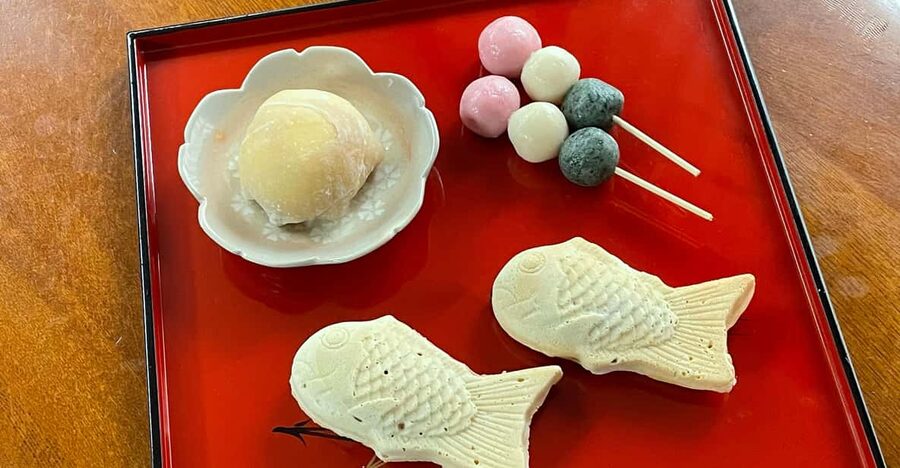
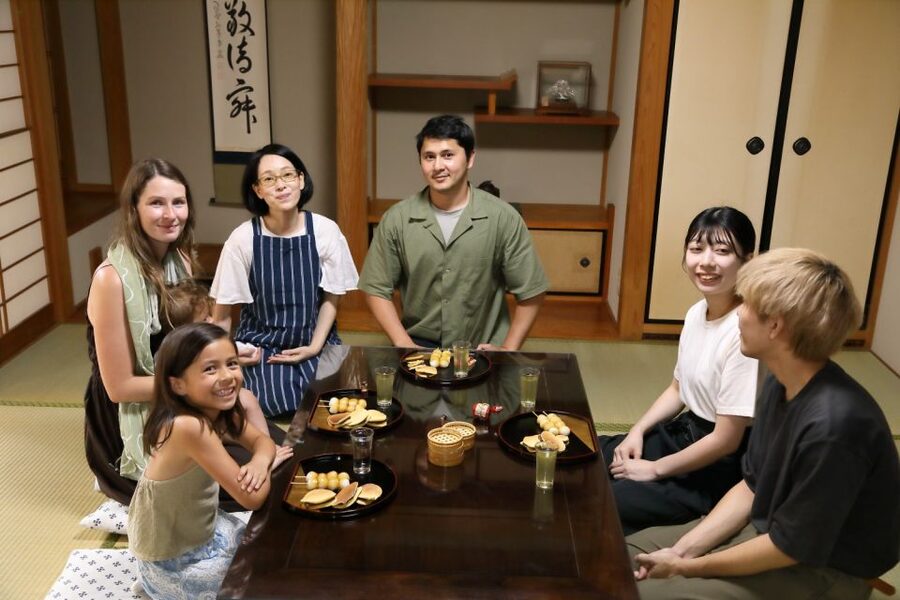
Kyoto’s wagashi class turns a sweet snack into a hands-on cultural lesson. You’ll work in an authentic Japanese home near Fushimi Inari, prepare about three kinds of sweets, and finish with matcha in a tatami room facing the garden. Instructor Miho teaches in clear English and adds useful notes on ingredients, technique, and Japanese customs.
I especially like the small group limit of six, which gives you room to ask questions and work at your own pace. I also like that this is real cooking, not a short demonstration followed by a tasting. The main consideration is that the class takes 150 minutes and has limited accessibility: children under six and wheelchair users cannot take part.
- A real hands-on class: You prepare the sweets yourself after Miho demonstrates each step.
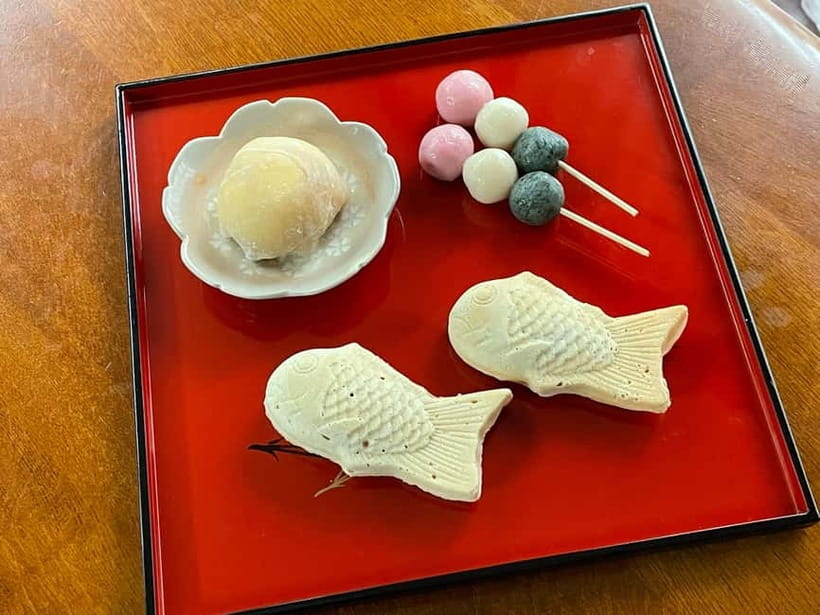
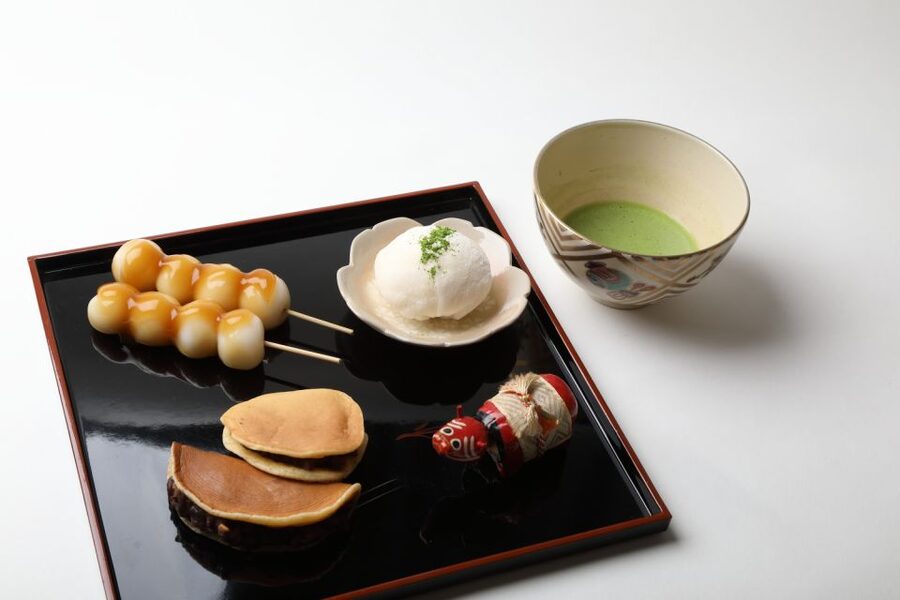
- Three sweets in one visit: Examples from recent menus include mochi, dango, dorayaki, and mochi ice cream, though the selection changes with the season.
- A traditional finish: Sit in a washitsu, or Japanese-style room, enjoy your sweets, and drink tea while looking into the garden.
- Clear English instruction: The class is taught entirely in English by licensed guide interpreters.
- Flexible group size: The maximum is six people, and on quieter dates you may receive a private class.
- Good for families and vegetarians: Children aged 12 and below need a guardian, and vegetarian and vegan cooking can be arranged with advance notice.
A Sweet Introduction to Kyoto Culture
Wagashi are more than pretty Japanese desserts. Their shapes, colors, fillings, and seasonal ingredients often connect them to tea culture and the changing year. You won’t receive a long lecture on every point, but the class gives you a practical way to understand these sweets by making them with your own hands.
The setting matters. Instead of meeting in a large commercial kitchen, you enter a traditional Japanese house with tatami rooms and garden views. The mood is closer to being invited into a local home for tea than joining a standard sightseeing stop.
That setting also gives the class a welcome pause from Kyoto’s busiest sights. Fushimi Inari is famous for its long tunnel of red torii gates, and the area can feel crowded. This activity offers a quieter two and a half hours nearby, with plenty of sitting, talking, and careful work.
Starting With Tea and a Demonstration
The class begins with time to settle into the Japanese room. Depending on the session, you may be welcomed with tea and a small seasonal bite such as sweet potato before the cooking starts. This gentle opening helps you adjust to the tatami setting and gives Miho a chance to explain the plan.
Miho demonstrates each recipe in front of you before you begin. That order is useful because wagashi can look simple while requiring a little care. The texture of rice flour dough, the handling of sweet bean paste, and the shaping of the finished pieces all make more sense once you have watched the process.
The instruction is in English, and the class is designed so you can follow along without guessing at unfamiliar steps. Miho also answers questions about the ingredients and offers practical tips, including where you might buy supplies for making the sweets at home.
More Tiramisu and Dessert Classes in Kyoto:
- 3 in 1 Cooking Class near Navona: Fettuccine, Ravioli & Tiramisu
★ 5.0 · 7,376 reviews - Florence: Pasta & Tiramisu Cooking Class with Unlimited Wine
★ 4.9 · 6,708 reviews - Rome: Pasta Making Class with Wine, Limoncello, and Dessert
★ 4.9 · 3,177 reviews
Making About Three Kinds of Wagashi
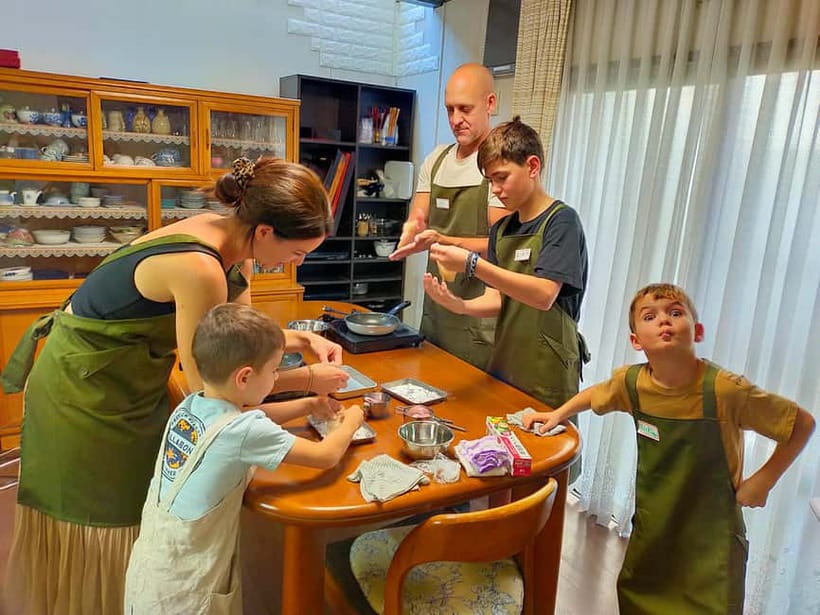
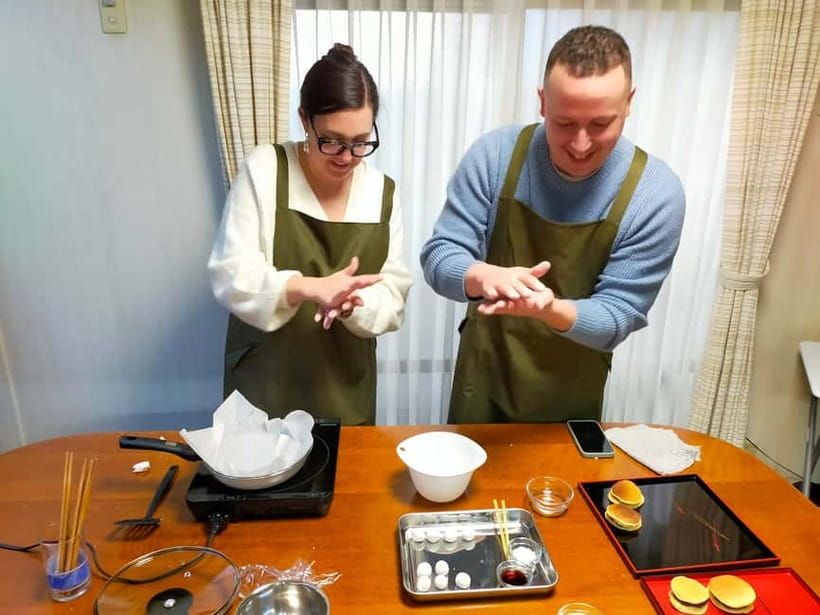
The cooking is the heart of the experience. You work alone or with a partner, depending on your booking and the group around you. The class is hands-on, so you are not simply watching an instructor produce perfect sweets while you wait for the tasting.
The exact menu changes with the season. Past sessions have included dango, mochi, dorayaki, and mochi ice cream. That seasonal approach is fitting for wagashi, since Japanese sweets often change in appearance and ingredients throughout the year.
You may find some steps easier than expected. One useful surprise is that mochi can be quite approachable when someone shows you the method clearly. Other steps require more patience, especially if you want your sweets to look neat and balanced.
Do not worry about producing professional-looking pieces. The value is in learning the basic method, handling the ingredients, and understanding how the sweets come together. You’ll also have the satisfaction of eating something you made yourself.
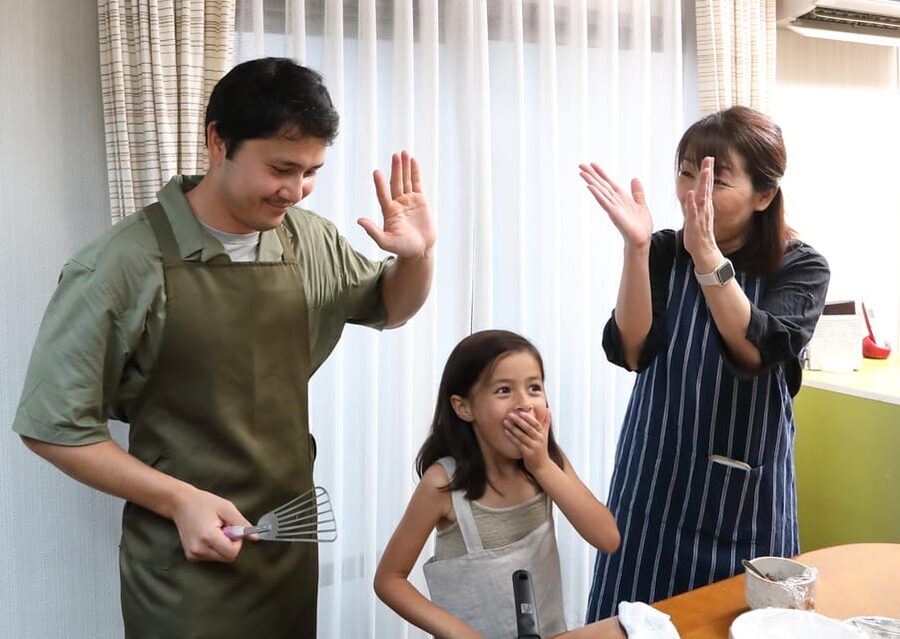
The class works well for couples, friends, and families with older children. One parent brought children aged eight and ten, while another family joined with a twelve-year-old daughter who had wanted to learn how to make mochi. Children aged 12 and below must participate with a guardian, and children under six are not accepted.
Miho’s Personal Teaching Style
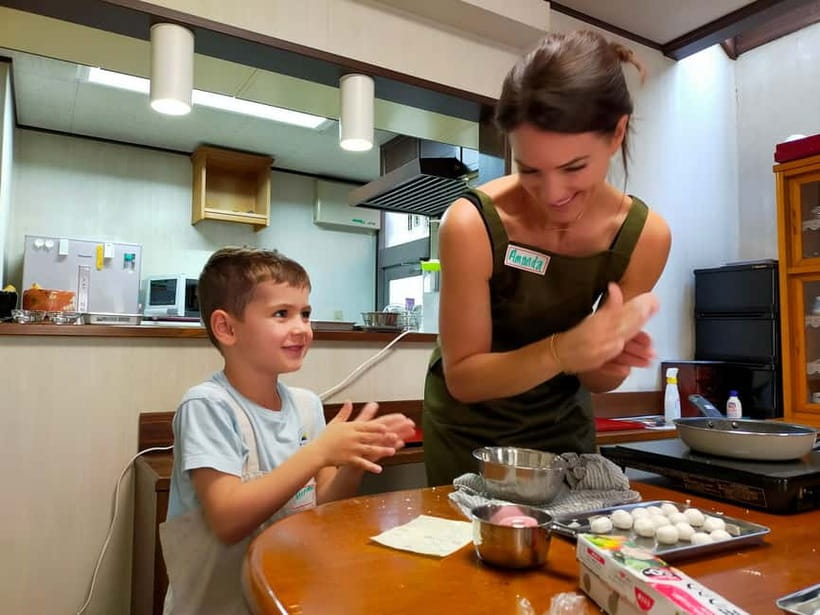
Miho is the named instructor most often associated with this class, and her role goes beyond reading out a recipe. She explains each step, watches your technique, and adjusts her help to your pace. If you are confident in the kitchen, you can keep moving. If you need another explanation, the small group format makes it easy to ask.
Her English is described as clear, and she also brings the wider context of Japanese food and culture into the session. You might learn how ingredients are used, why certain sweets are shaped in a particular way, or how matcha fits into the final presentation.
A useful feature is the conversation. In a class of six or fewer, you have a chance to ask questions about Kyoto, Japanese food, or places to visit. On dates with only one booking, the class may become private, giving you more time with Miho and allowing the session to move at your own pace.
That private possibility is not guaranteed, but it is one reason the small maximum matters. Even with a full group, six people is far more manageable than a large workshop where you might spend much of the time waiting.
Eating the Sweets in a Washitsu
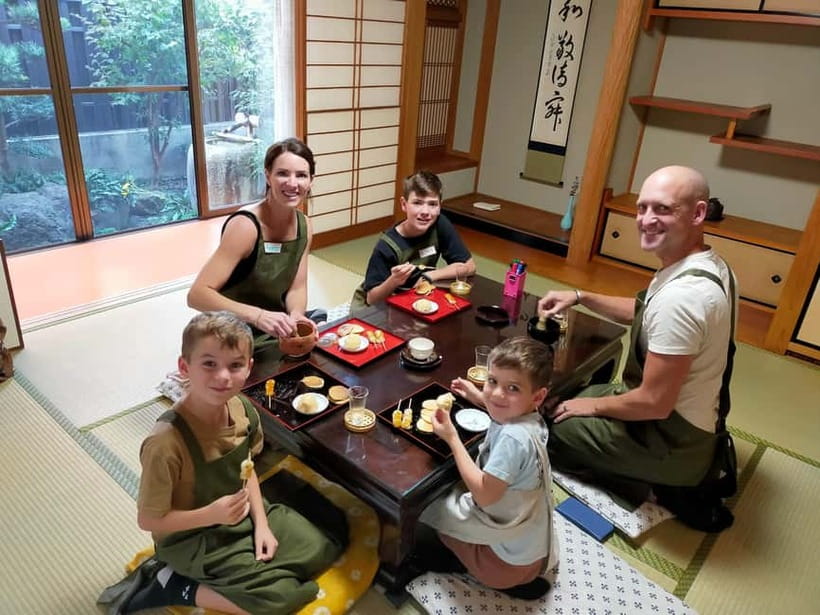
After the cooking, you take your sweets into the traditional room and arrange them with tea. The final presentation is part of the pleasure. You are not rushing through a paper cup at a crowded food stall. Instead, you sit on the tatami and look toward the garden while eating what you have prepared.
Matcha is included, and the experience can include a short lesson in preparing whisked matcha. This adds another hands-on detail to the class and helps connect the sweets with the tea setting.
The garden view is not a separate sightseeing stop, and you should not book this expecting a major garden tour. Its value is in the quiet backdrop. After the concentration of mixing, shaping, and cooking, the room gives you time to slow down and enjoy the result.
You may also have enough sweets to take some away. The quantity depends on the menu and your preparation, but several participants were able to keep leftovers for later. That makes the experience feel like a small cooking lesson rather than an expensive tasting where everything disappears in a few bites.
More Sushi and Japanese Classes in Kyoto:
- Ramen Cooking Class at Ramen Factory in Kyoto
★ 5.0 · 1,937 reviews - Kyoto: Ramen Cooking Class at a Ramen Factory with Souvenir
★ 4.9 · 532 reviews - Kyoto: Ramen, Gyoza, and Onigiri Cooking Class
★ 5.0 · 445 reviews - Kyoto: Japanese Washoku Bento Small Group Cooking Class
★ 5.0 · 380 reviews
What the $84 Price Gets You
At $84 per person, this is not the cheapest way to eat Japanese sweets. You can buy mochi, dorayaki, or dango for far less at a shop or department-store food hall. The price is easier to justify if you value instruction, a small group, and access to a traditional home.
The fee includes all cooking ingredients and seasonings, tea, the English-speaking instructor, and taxes. You do not need to shop for supplies before arriving or pay extra for the matcha session.
I see the strongest value in the combination of three things: genuine participation, cultural context, and the home setting. You are paying for time with an instructor, not only for the food itself. The recipes are also simple enough that you may be able to try them again at home with ingredients from an Asian supermarket.
The value is weaker if you only want a quick dessert tasting or if you have little interest in cooking. It is also less suitable if your schedule is packed tightly around Fushimi Inari, since you need to set aside the full 150 minutes rather than fitting in a brief snack stop.
Timing and Group Details Near Fushimi Inari
The class lasts 150 minutes, or two and a half hours. Starting times vary, so you need to check availability for your chosen date. Hotel pickup and drop-off are not included, so plan your own way to the meeting point near Fushimi Inari.
The location can fit nicely into a day in southeastern Kyoto. You might pair it with a visit to Fushimi Inari before or after the class, but allow enough time for your appointment. The torii-gate route can take longer than expected if you walk far up the mountain, so avoid scheduling the class immediately after an ambitious hike unless you are comfortable watching the clock.
The maximum group size is six. That keeps the class personal and makes it easier for every person to handle the ingredients. Solo bookings can be especially appealing because a quiet date may turn into an individual lesson.
Vegetarians are welcome, and the class is vegan friendly. Tell the provider about food restrictions in advance. Since the menu changes by season, advance notice is important if you need substitutions or want to confirm particular ingredients.
Who Will Enjoy This Class Most
This is a strong choice for anyone who likes Japanese food and wants to do more than photograph it. You’ll get the most from the class if you enjoy learning a recipe, asking questions, and taking time over small details.
It suits:
- Couples looking for a calm shared activity
- Families with children aged six and older, provided younger participants have a guardian
- Solo visitors who like the chance of a small or private lesson
- Vegetarians and vegans who give advance notice
- Anime and manga fans curious about sweets they have seen in Japanese stories
- Returning Kyoto visitors who want an activity beyond temples and shrines
It is less suited to very young children, wheelchair users, and anyone who wants a fast, highly active excursion. You also need to be comfortable sitting in a traditional Japanese room and taking part in food preparation.
A Few Practical Things to Know
Wear something that lets you work comfortably. The supplied information does not specify a dress code, but cooking is easier when sleeves and loose clothing stay out of the way.
The sweets are designed to be eaten during the class, and some may be available to take home. Treat them as fresh food rather than long-lasting souvenirs. If you want to recreate the recipes, ask Miho about ingredients and shopping sources before you leave.
The menu is not fixed. That is a plus if you enjoy seasonal Japanese food, but it means you should not book expecting one exact combination of desserts. If a particular sweet is your main reason for booking, confirm the current menu in advance.
Cancellation is flexible up to 24 hours before the activity for a full refund, and you can reserve now and pay later. Those terms help if your Kyoto schedule may change, but they do not replace checking the start time and meeting details carefully.
Should You Book the Wagashi Class?
Book this class if you want a personal Kyoto experience that combines cooking, tea, conversation, and a traditional home setting. The strongest reasons are the hands-on format, Miho’s clear English instruction, the small group size, and the calm finish with matcha and garden views.
Skip it if you only want to sample sweets cheaply, cannot sit comfortably in a Japanese-style room, or need wheelchair access. For most food-curious visitors, though, the $84 price is fair for 150 minutes of instruction and an experience you can carry home in the form of recipes, techniques, and a better sense of how wagashi fits into Japanese culture.
FAQ
Where does the wagashi cooking class take place?
The class takes place in an authentic Japanese house near Fushimi Inari in Kyoto, with traditional rooms and views of a garden.
How long does the activity last?
The class lasts 150 minutes, or two and a half hours.
How many people can join the class?
The group is limited to six participants. If few people book on your date, you may receive a private class.
What kinds of sweets will I make?
You prepare about three types of wagashi. The menu changes by season and may include sweets such as mochi, dango, dorayaki, or mochi ice cream.
Is the class taught in English?
Yes. The instructor teaches entirely in English. The instructors are licensed guide interpreters.
Are vegetarian and vegan participants welcome?
Yes. Vegetarians are welcome, and the class is vegan friendly. You must provide details about food restrictions in advance.
Are children allowed to join?
Children aged 12 and below must participate with a guardian. Children under six are not permitted to join the activity.
Newest classes around Kyoto
- Kyoto Udon & Tempura Cooking Class with Professional Chefs★ 3.8 · 3 reviews
- Kyoto Home Cooking Class &Supermarket tour near Fushimiinari★ 5.0 · 31 reviews
- Kyoto: Morning Japanese Bento Cooking Class★ 5.0 · 149 reviews
- Kyoto: Authentic Sushi Making Cooking Lesson★ 5.0 · 103 reviews
- Kyoto: Cooking class, learning how to make authentic sushi★ 4.2 · 9 reviews
- Authentic Japanese Cooking Experience at Izakaya restaurant★ 4.2 · 5 reviews
- Gyoza Cooking Class in Kyoto: Traditional Japanese Dumplings★ 5.0 · 12 reviews
- Private Plant-Based Japanese Cooking Class – Kyoto Edition★ 5.0 · 15 reviews
Kyoto Cooking Classes, compared.
Ramen Cooking Class at Ramen Factory in Kyoto
Read our review →
Ramen Cooking Class at a Ramen Factory with Souvenir
Read our review →
Japanese Washoku Bento Small Group Cooking Class
Read our review →
Kyoto Ramen and Gyoza Cooking Class with Professional Chefs
Read our review →

Gyoza Cooking Class in Kyoto: Traditional Japanese Dumplings
Read our review →Browse the lists this tour appears in