
Review · ROME COOKING CLASSES
Rome cooking: Gelato & Tiramisu with savoiardi Baking class
Rome’s sweetest lesson starts with a useful twist: you do not simply assemble tiramisu, you bake the savoiardi biscuits first. You then make a fruit-based gelato sorbet, so the class covers both a creamy classic and a dairy-free dessert.
I like the hands-on format, plus the recipes and home-cooking advice you take away. I also like the small-group setting, where instructors such as Camilla and Federica can explain each step and answer questions. The main drawback is that this is not a drop-in family activity for everyone: children under three, pregnant women, wheelchair users, and people with several listed medical or mobility conditions cannot take part.
Key points at a glance
- Bake the savoiardi yourself: Build tiramisu from its biscuit base instead of using ready-made cookies.
- Make fruit sorbet: Learn why water-based sorbet works for people avoiding dairy, with seasonal fruit at the center.
- Work in a real tiramisu shop: The lesson takes place in an operating dessert laboratory, not a hotel conference room.
- Eat what you make: The class ends with a tasting of your tiramisu and sorbet.
- Take home useful extras: Recipes, cooking tips, and, according to the class experience, possible gifts such as an apron or certificate.
- Plan for dietary limits: Alcohol-free and vegetarian recipes are included, but vegans and people with lactose intolerance are not accepted in the standard class.
Why baking the biscuits changes the tiramisu lesson
Many tiramisu classes begin with a tray of store-bought savoiardi. This one begins earlier, with the biscuits themselves. That adds a worthwhile bit of technique, because the texture of those light sponge fingers affects how the finished dessert absorbs its coffee and cream.
You are guided through the recipe step by step, rather than watching a chef do all the work. That matters if you want to repeat the dish at home. You leave with more than a taste of tiramisu: you have practiced the foundation and seen how the dessert comes together from the base upward.
The class is described as organic in its approach, with attention given to fresh, quality ingredients. You are introduced to the difference between good and poor ingredients before entering the kitchen. That may sound basic, but it is one of the more useful parts of a short cooking class. A recipe is only as good as the fruit, dairy, eggs, and other ingredients behind it.
The tiramisu is alcohol-free and suitable for vegetarians. That makes it an easy choice for many people, though you should still report dietary needs when booking.
More Tiramisu and Dessert Classes in Rome
- 3 in 1 Cooking Class near Navona: Fettuccine, Ravioli & Tiramisu
★ 5.0 · 7,376 reviews - Rome: Pasta Making Class with Wine, Limoncello, and Dessert
★ 4.9 · 3,177 reviews - Rome: 3-in-1 Fettuccine, Ravioli, and Tiramisu Cooking Class
★ 4.9 · 2,704 reviews
Starting near Via Natale del Grande
The meeting point is at the corner with Via Natale del Grande. You will need to make your own way there, since transportation to and from the activity is not included.
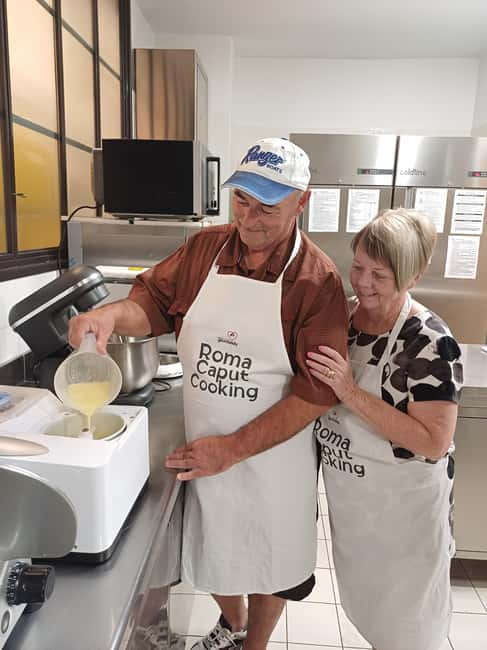
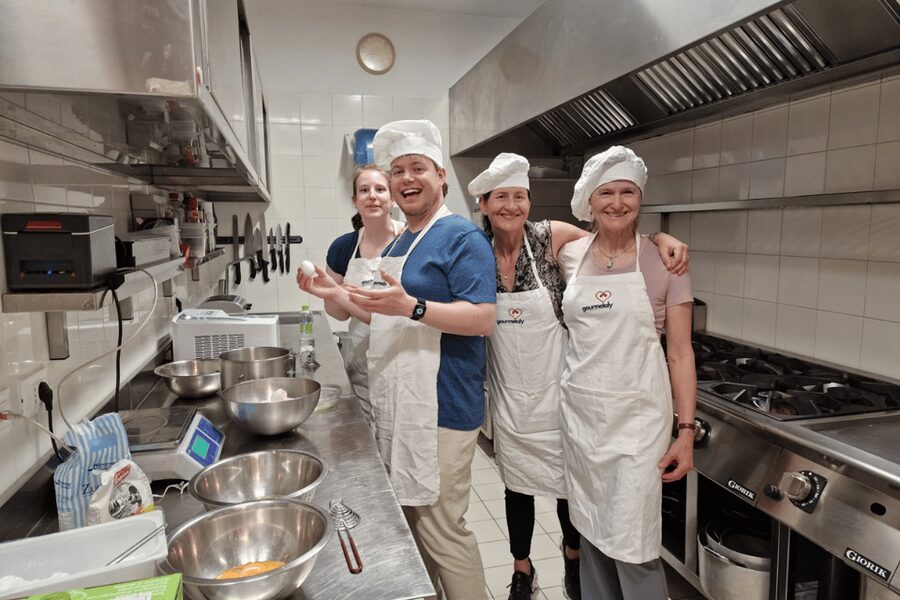
The class takes place inside an authentic laboratory belonging to a real tiramisu shop that is popular in town. The setting gives the lesson a working-kitchen feel. You are not just hearing a restaurant story or copying a recipe on a printed card. You put on an apron and hat, then enter the kitchen for the practical part of the session.
The small-group format is helpful here. A crowded cooking class can turn into a polite struggle for counter space. This experience is designed around direct participation, and the strongest feedback focuses on the instructors taking time to explain, correct, and answer questions. Camilla is described as patient and fun, while Federica is praised for being kind and informative.
Allow two and a half hours for the full activity. The kitchen lesson itself is listed as approximately two hours, with the remaining time allowing for arrival, tasting, and the final handover of recipes or other extras. Starting times vary, so check availability when you book.
Learning the basics of gelato sorbet
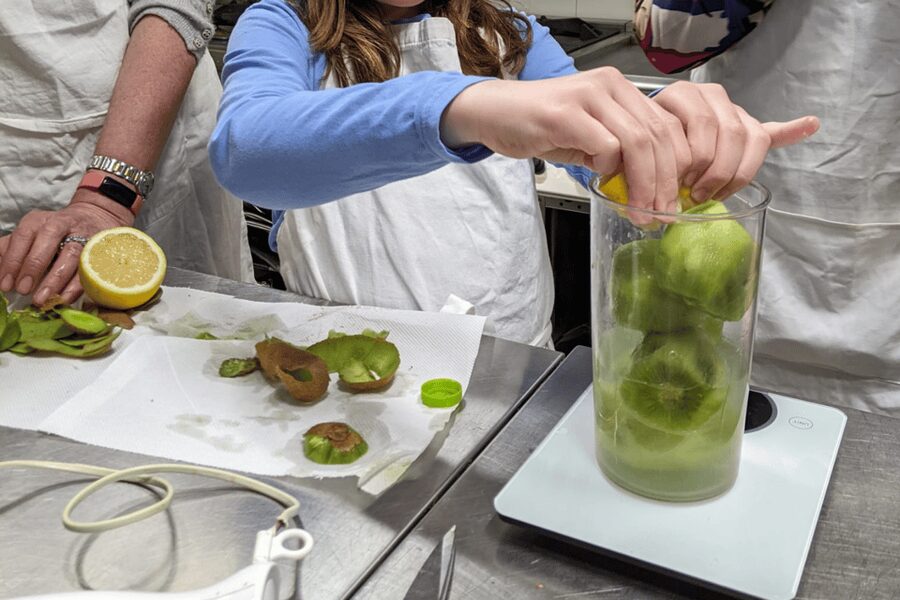
Before you make the dessert, you are introduced to the world of gelato and shown how to distinguish quality foods. The class then turns to sorbet, the water-based relative of gelato.
That distinction is useful. Sorbet does not rely on milk in the same way traditional gelato does, and the lesson presents it as suitable for lactose-intolerant and vegan diners in principle. The standard activity, however, lists vegans and people with lactose intolerance as not suitable, so do not assume the regular class will meet your needs. Ask about a private class and a price quote if you require a strict dietary adaptation.
The fruit is important. The lesson focuses on choosing quality fruit in season, and the finished flavor depends heavily on that choice. One reported class made strawberry sorbetto, and the fruit-forward dessert seems to be a central part of the experience rather than a token extra.
You will learn how a simple list of ingredients can produce a memorable dessert when the raw materials are right. That is a useful lesson for home cooks, especially if you live somewhere with good seasonal berries or stone fruit. The class does not turn sorbet into a complicated science project. It keeps the idea accessible and practical.
Baking savoiardi and building the tiramisu
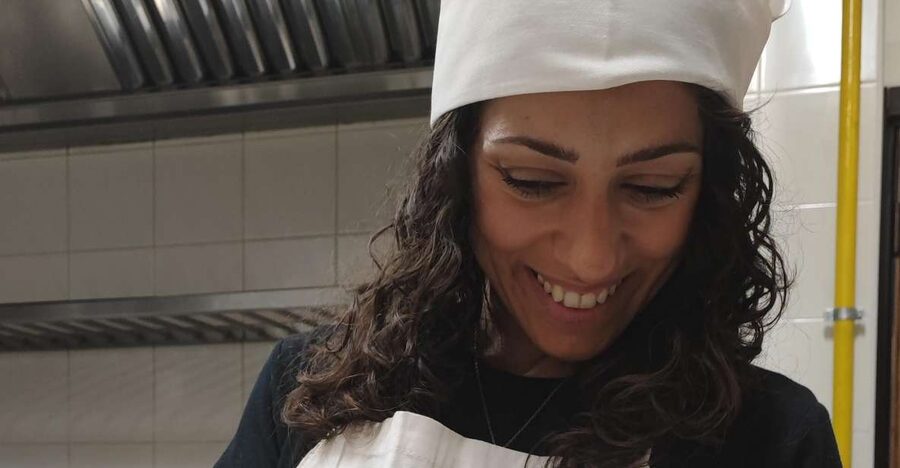
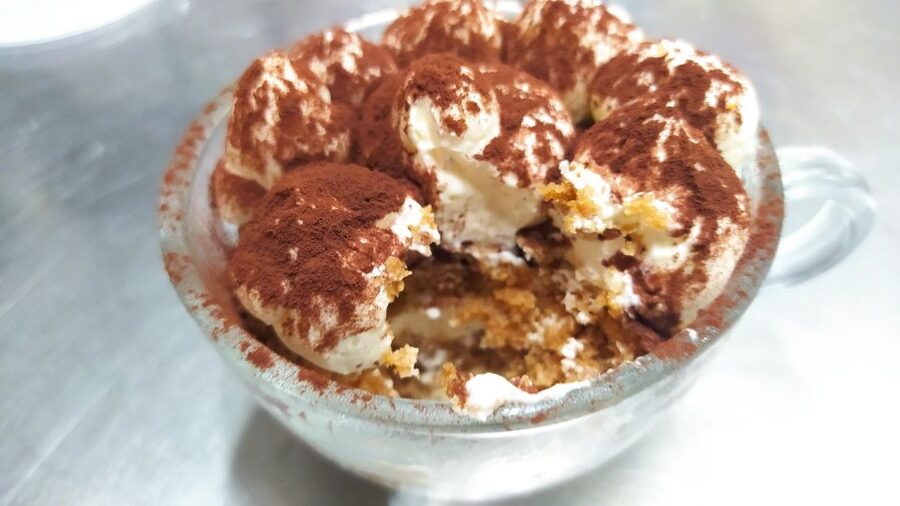
The tiramisu portion is the heart of the class. You begin with the biscuits, then follow the process through to the assembled dessert.
Because the class is intended to make you the cook rather than a spectator, expect to handle the work yourself. The instruction is described as step by step, which suits beginners who need a clear sequence. You should also expect the pace to include explanations of why each stage matters, not just directions to stir or layer.
The result is an artisanal tiramisu made from scratch. The practical benefit is clear: once you understand the biscuit base and the assembly, you can adapt the technique at home. The recipes provided at the end help, but the in-person tips may be just as valuable. One participant specifically appreciated advice for recreating the desserts after returning home.
The class is not built around alcohol. The tiramisu is alcohol-free, so you do not need to worry about a liqueur flavor or an alcohol requirement. It is also vegetarian.
Same region, a different dish to learn:
- Rome Cooking Class: Make Pasta and 3 Spritz Cocktails
★ 5.0 · 2,937 reviews - Rome: Fettuccine Pasta Cooking Class in Rome’s City Center
★ 4.8 · 2,414 reviews - Fettuccine & Tiramisù: Cooking Class with Wine & Limoncello
★ 4.9 · 2,103 reviews - Pasta Cooking Class Near the Colosseum with 3 Spritz Cocktails
★ 5.0 · 1,686 reviews
Tasting the finished desserts
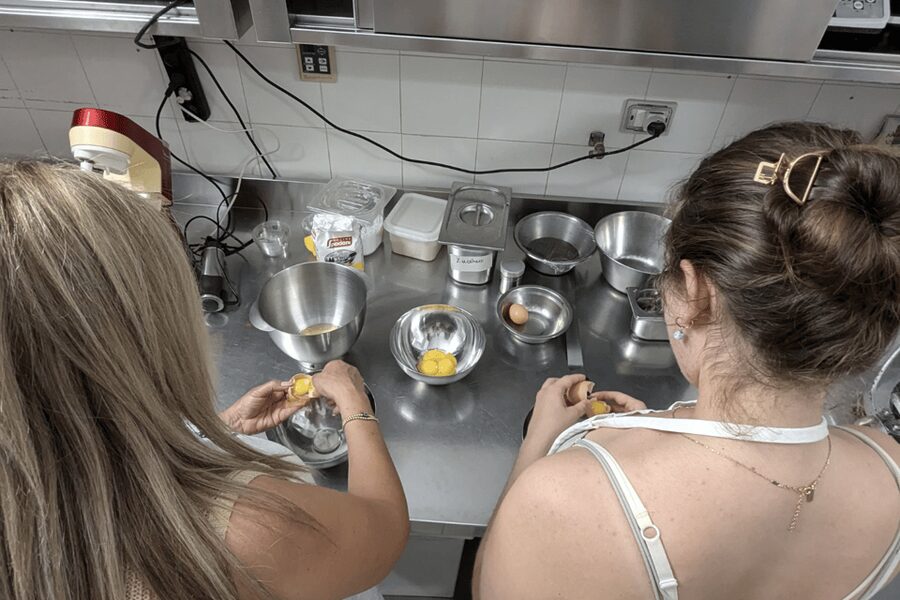
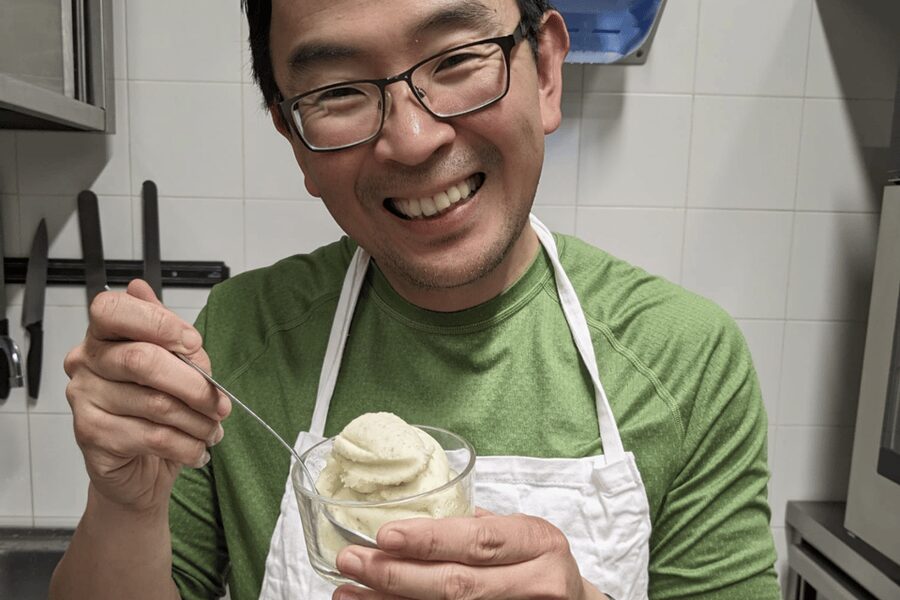
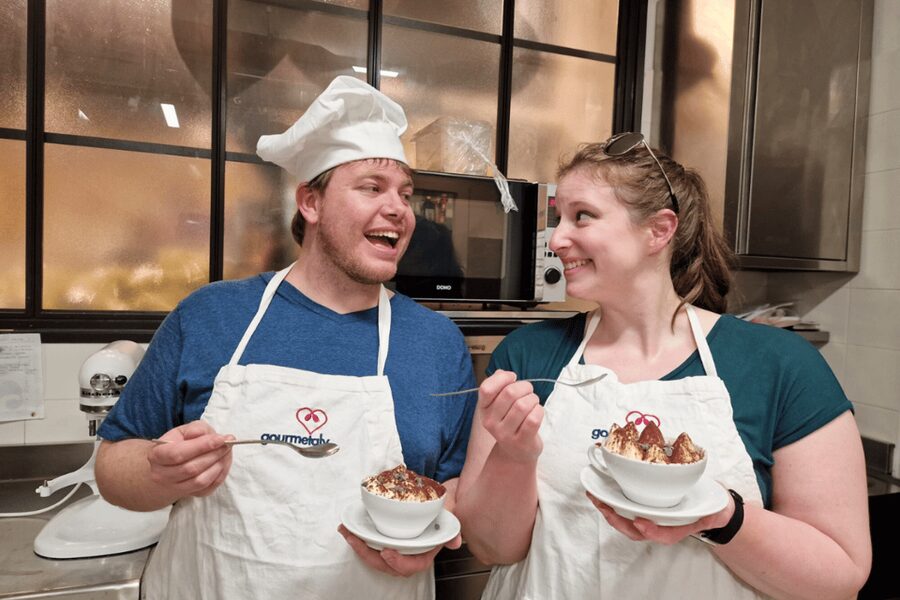
At the end, you taste both the tiramisu and the gelato sorbet you prepared. You are not sent away with an unfinished recipe and a promise that it will work later. The payoff comes during the class.
That tasting also gives you a chance to compare the two desserts. Tiramisu is soft, layered, and coffee-led, while sorbet is lighter and fruit-based. Together they make the class feel more complete than a single-dessert workshop.
The practical value of eating your own work is easy to miss. It lets you judge texture and sweetness while the instructions are still fresh. If your tiramisu is firmer, softer, sweeter, or more coffee-heavy than expected, you can ask what to change before you try it in your own kitchen.
Some participants have also received an apron and certificate, along with recipes. These extras may depend on the particular session, so I would treat them as a pleasant possibility rather than the main reason to book.
What the $80 price buys you
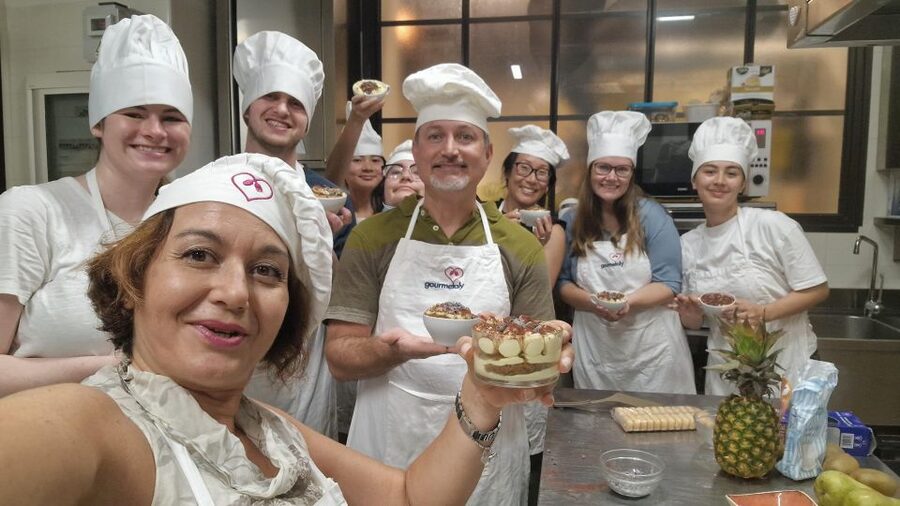
At $80 per person, this is not the cheapest dessert stop in Rome. You could buy tiramisu and gelato for far less. The question is not whether the tasting alone is worth $80. It is whether the combination of instruction, ingredients, kitchen access, hands-on work, and recipes fits your plans.
For a visitor who wants a real activity rather than another restaurant meal, the price is easier to justify. You get about two and a half hours of structured time, a professional chef, a local guide, a small-group setting, and the chance to eat the desserts you make. You also gain a recipe you can use after the trip.
The value is strongest if you cook at home or enjoy learning food traditions. It is weaker if you want a quick tasting, dislike kitchen work, or are mainly searching for a cheap snack. The lesson asks you to spend part of your Rome day indoors, so compare it with your other plans before booking.
The experience has earned a 4.9 rating from 21 published ratings, with praise centered on patient teaching, hands-on instruction, the fun atmosphere, and the quality of the finished tiramisu. That pattern points to a class whose main strength is the teacher and the practical format, not just the dessert itself.
Who will enjoy this class most
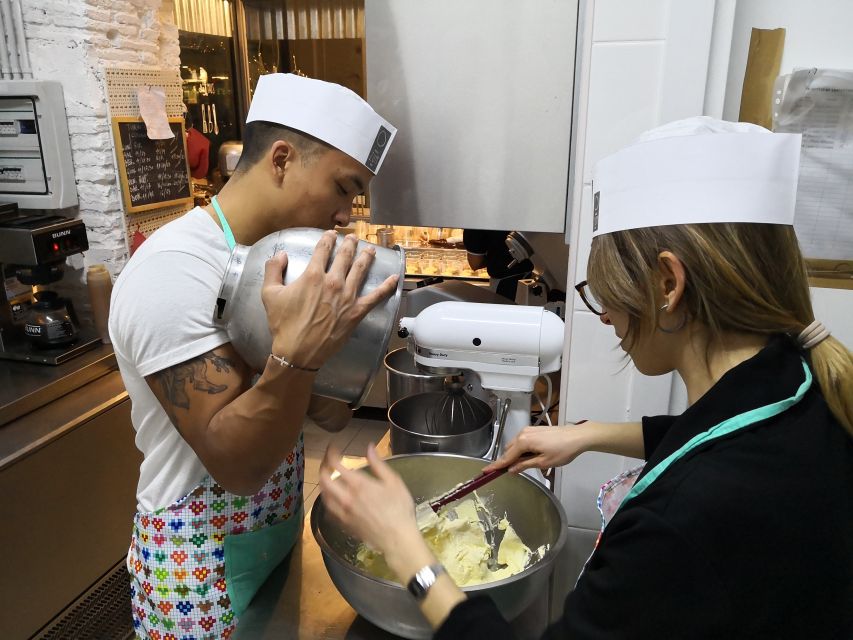
I would recommend this for couples, friends, solo visitors who enjoy small-group activities, and families with older children. One family found that the children enjoyed the full session, but children must be accompanied by an adult and those under three are not accepted.
It is also a good fit for a rainy afternoon or a break from Rome’s outdoor sights. The activity is indoors, focused, and long enough to feel like a proper part of your day rather than a short demonstration.
Food lovers will get the most from the ingredient discussion and the chance to repeat the recipes at home. Beginners should be comfortable here too, since the process is taught from the base and explained in stages.
This is not the right choice if you have limited mobility or use a wheelchair. The activity is also not suitable for people with epilepsy, pregnant women, babies under one year, or those who cannot manage the physical demands of the kitchen. Large bags and luggage are not allowed.
Dietary details you should check before booking
The standard class is vegetarian and alcohol-free. Sorbet is water-based, but that does not mean the regular activity is suitable for every vegan or lactose-intolerant participant. The listed restrictions specifically exclude vegans and people with lactose intolerance.
If you need a gluten-free or lactose-free version, a private class may be possible. You must contact the provider for a quote, and you should give all dietary requirements at the time of booking. Do not wait until you arrive at the kitchen.
This point is especially important for people with allergies or strict dietary rules. A dessert class involves flour, dairy, eggs, and shared kitchen surfaces, and the supplied information does not promise a standard allergen-free setup.
Timing, language, and booking flexibility
The class is offered in English and runs daily except Sunday. It lasts 2.5 hours, with the practical lesson taking approximately two hours.
You can cancel up to 24 hours in advance for a full refund. A reserve-now, pay-later option is also available, which helps if your Rome schedule is still shifting. Even with that flexibility, check the starting time and meeting point carefully, since you are responsible for reaching the corner near Via Natale del Grande.
Bring yourself ready to cook, but leave large bags and luggage behind. The activity is not designed as a storage stop between hotels or train connections.
Should you book this Rome dessert class?
Book it if you want to make, not merely eat, two Italian desserts. The homemade savoiardi give the tiramisu lesson real substance, while the strawberry or seasonal-fruit sorbet adds a second technique and a lighter finish.
I would also book it if you value patient instruction and want recipes you can use after your holiday. Camilla and Federica have both been singled out for clear, friendly teaching, and the small-group design gives you a better chance to ask questions.
Skip it if you are looking for a quick tasting, need a fully accessible activity, or have strict vegan or lactose-free requirements that have not been confirmed privately. For everyone else, $80 is a fair price for a hands-on dessert workshop, a complete tasting, and a useful skill you can carry home from Rome.
FAQ
Where does the cooking class meet?
The meeting point is at the corner with Via Natale del Grande. Transportation to and from the activity is not included.
How long does the experience last?
The full experience lasts 2.5 hours. The kitchen lesson itself takes approximately two hours.
What will I make?
You will bake savoiardi biscuits, prepare tiramisu from scratch, and make a fruit-based gelato sorbet.
Is the class taught in English?
Yes. The listed language is English, with a live tour guide and professional chef.
Is the tiramisu alcoholic?
No. The tiramisu is alcohol-free and suitable for vegetarians.
Is the class suitable for children?
Children must be accompanied by an adult, and children under three are not accepted. The activity is not suitable for babies under one year.
Can I attend with dietary restrictions?
You should provide dietary requirements when booking. A private class may be possible for gluten-free or lactose-free customers, but vegans and people with lactose intolerance are not suitable for the standard class.
Can I cancel or pay later?
You can cancel up to 24 hours before the activity for a full refund. A reserve-now, pay-later option is also available.
More Baking Classes in Rome
- Rome: Cannoli, Gelato, Tiramisu Baking & Cooking Class
★ 5.0 · 15 reviews - Lisbon: Pastel de Nata Baking Class
★ 4.9 · 2,106 reviews - Paris Croissant Small-Group Baking Class with a Chef
★ 5.0 · 910 reviews - Paris: French Croissant Baking Class with a Chef
★ 4.9 · 712 reviews
Newest classes around Rome
- Testaccio: Home Cooking Cacio e Pepe, Amatriciana, Carbonara★ 4.9 · 57 reviews
- Super Fun Pasta and Gelato Cooking Class by the Vatican★ 5.0 · 6 reviews
- Spritz and Spaghetti Traditional Cooking Class in Rome★ 4.9 · 30 reviews
- ROME:Hands-On Lasagna & Marsala Tiramisu Cooking Experience”★ 5.0 · 3 reviews
- Rome: Vatican Food Tours, Cooking classes & Free Tours★ 4.9 · 11 reviews
- Rome: Trastevere Pasta Making Class★ 4.9 · 33 reviews
- Rome: Small Group Pasta cooking class near Piazza Navona★ 4.9 · 8 reviews
- Rome: Traditional Cooking Class in the Jewish Ghetto★ 4.9 · 75 reviews
Rome Cooking Classes, compared.

3 in 1 Cooking Class near Navona: Fettuccine, Ravioli & Tiramisu
Read our review →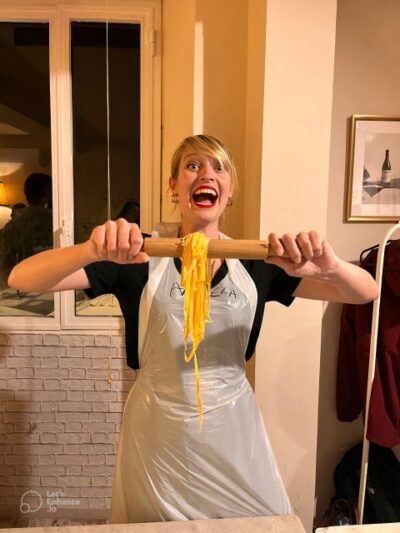
Pasta Making Class with Wine, Limoncello, and Dessert
Read our review →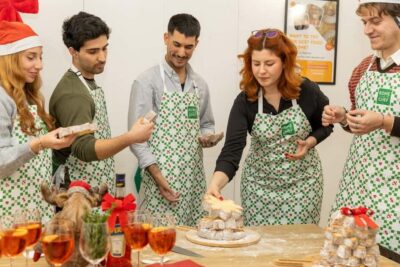
Rome Cooking Class: Make Pasta and 3 Spritz Cocktails
Read our review →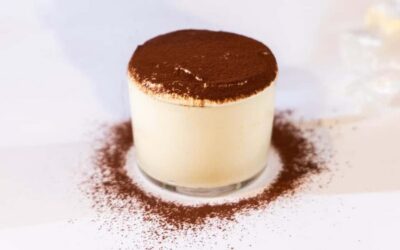
3-in-1 Fettuccine, Ravioli, and Tiramisu Cooking Class
Read our review →
Fettuccine Pasta Cooking Class in Rome’s City Center
Read our review →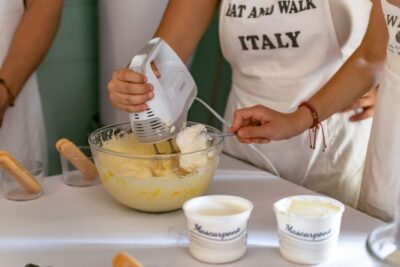
Fettuccine & Tiramisù: Cooking Class with Wine & Limoncello
Read our review →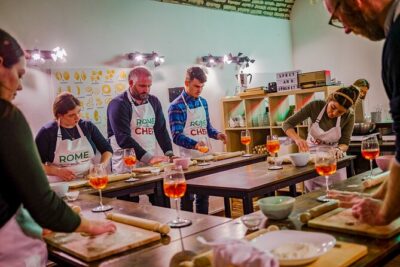
Pasta Cooking Class Near the Colosseum with 3 Spritz Cocktails
Read our review →
Enjoy Spritz and Pasta Making in Piazza Navona
Read our review →Browse the lists this tour appears in