
Review · PARIS COOKING CLASSES
Paris: French Croissant Baking Class with a Chef
Paris knows how to make breakfast feel like a proper event, and this 150-minute croissant class lets you work for the reward. At Maison Fleuret, an English-speaking pastry chef shows you how butter, dough, folding, and patience become flaky croissants, pain au chocolat, and cinnamon pastries.
I like the small groups of up to eight, which give the chef time to correct your shaping and answer questions. I also like that you make the pastries yourself rather than simply watching a demonstration, then take your baked goods home. The main drawback is the price: at $159 per person, this costs far more than breakfast at a Paris bakery, and you work in pairs, so a family of five may need to split up.
Key points to know before booking
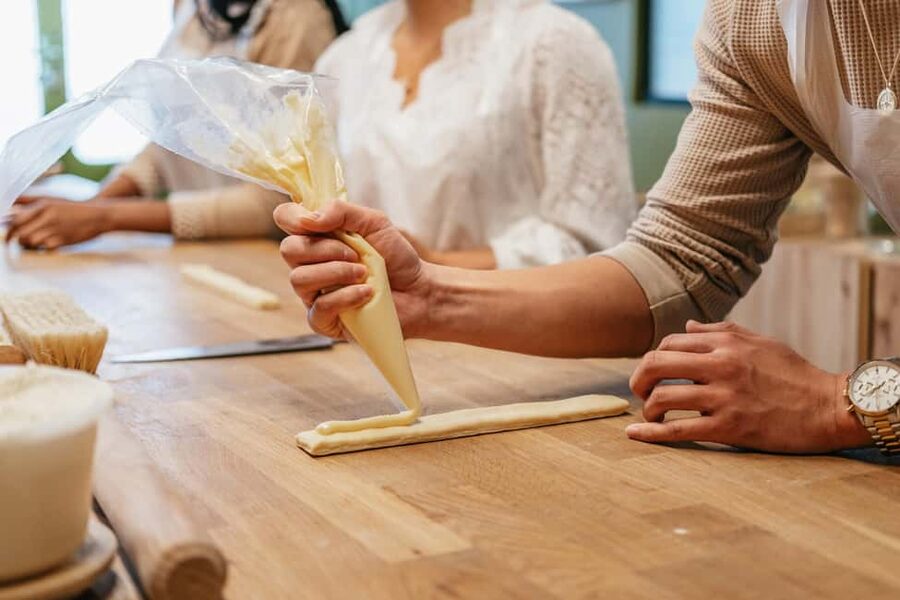
- You work hands-on with laminated dough, learning the folds and shaping that create flaky pastry.
- The class lasts 2.5 hours, long enough to cover technique, baking, tasting, and practical tips.
- You make more than standard croissants, with pain au chocolat and chocolate or cinnamon pastries also part of the session.
- The group is limited to eight people, making this a better choice for personal instruction than a large demonstration.
- Several instructors receive strong praise, including Felix, Guillaume, Alice, Erika, Ines, Ke, and Manel.
- You leave with pastries and recipes, giving the class value beyond the morning itself.
Starting at 3 Rue des 3 Portes on Paris’s Left Bank
The class begins at Maison Fleuret Ateliers Parisiens, located at 3 Rue des 3 Portes on the Left Bank. The school is near Notre Dame, which makes the location useful if you want to pair the class with a day around Île de la Cité, the Latin Quarter, or the Seine.
The meeting point is not a hotel pickup. You need to make your own way there and arrive ready to begin. One family reported that the area sits close to Notre Dame and other well-known stops, so you can build a sightseeing day around the class. Still, allow extra time for Paris Metro delays and crowded trains. One participant arrived late because of a busy Metro, and the chef waited rather than starting without the group, but punctuality is kinder to everyone in the room.
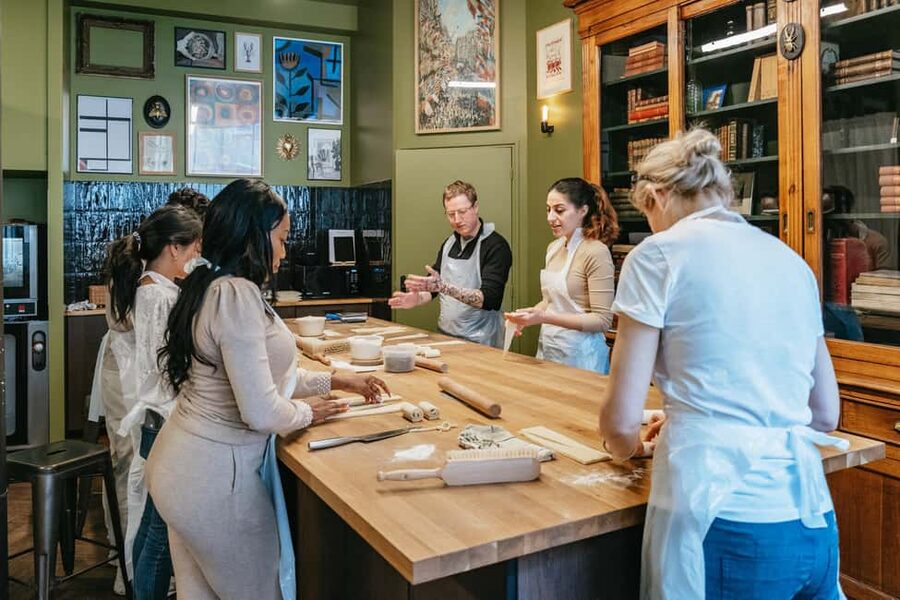
Maison Fleuret is presented as a pastry school rather than a casual tourist kitchen. The setting has the feel of a French home, with traditional details and a warm, workshop-like atmosphere. That matters because the room is part of the experience. You are not just checking off a cooking activity. You are spending part of your Paris day in a place designed around French food and daily life.
More Baking Classes in France
- Paris Croissant Small-Group Baking Class with a Chef
★ 5.0 · 910 reviews - Paris Macarons Small-Group Baking Class with a Chef
★ 5.0 · 316 reviews - Paris: Macaron Baking Class for Families and Kids
★ 4.7 · 270 reviews
What the 150-minute class actually covers
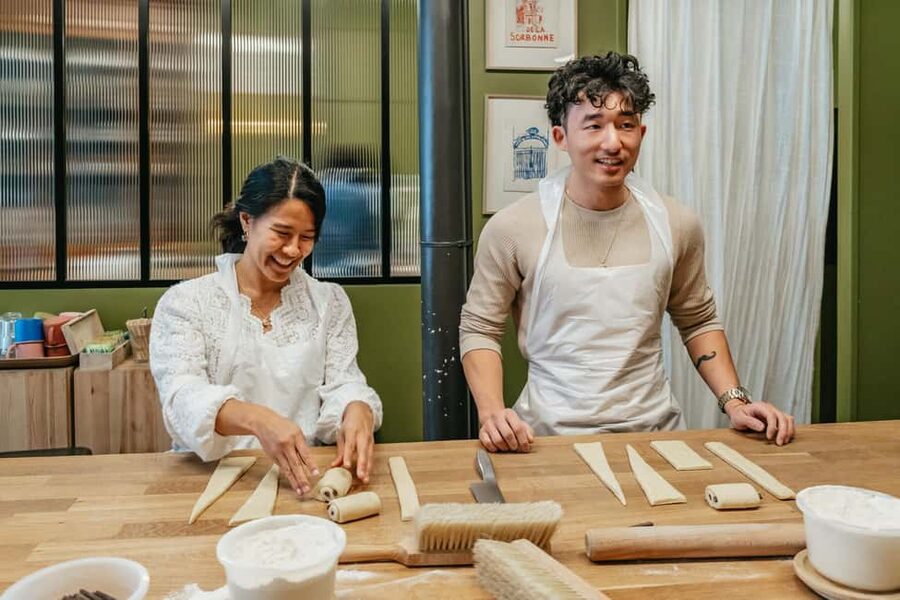
The class runs for two and a half hours. That is a useful length for croissants because laminated dough is not a quick recipe. You need time to handle the dough, fold in butter, roll it out, cut it, shape it, and bake it.
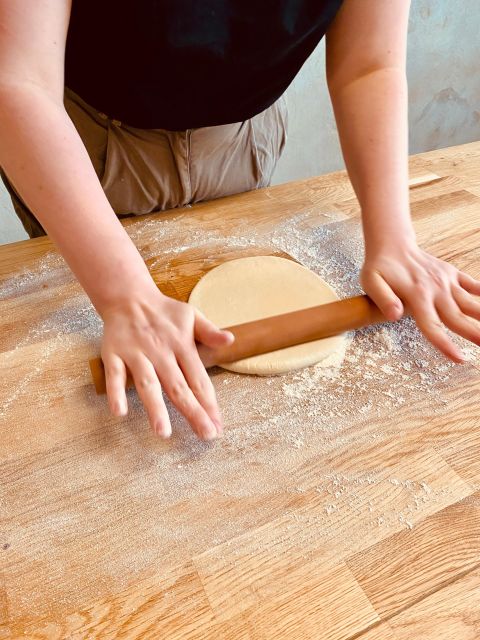
The chef leads you through the process step by step. You learn how to work with buttery puff pastry and how folding affects the final texture. The aim is not simply to hand you a recipe. You learn the movements and decisions that help create crisp layers and a tender center.
This is especially useful if you have tried croissants at home and ended up with dense dough or butter leaking everywhere. One participant came to Paris after struggling with homemade croissants and left with a recipe and a better grasp of the process. You should still expect practice at home. A pastry class can show you the method, but good lamination takes care and repetition.
The class also includes background on the croissant’s rise in France. You hear how it became popular with Parisians and the French in the early 20th century. It is a short food-history lesson, not a full lecture, but it helps place the pastry in French culture. The croissant is more than a shape in a bakery window. It is part of the country’s morning rhythm and its wider idea of enjoying food well.
From plain croissants to pain au chocolat
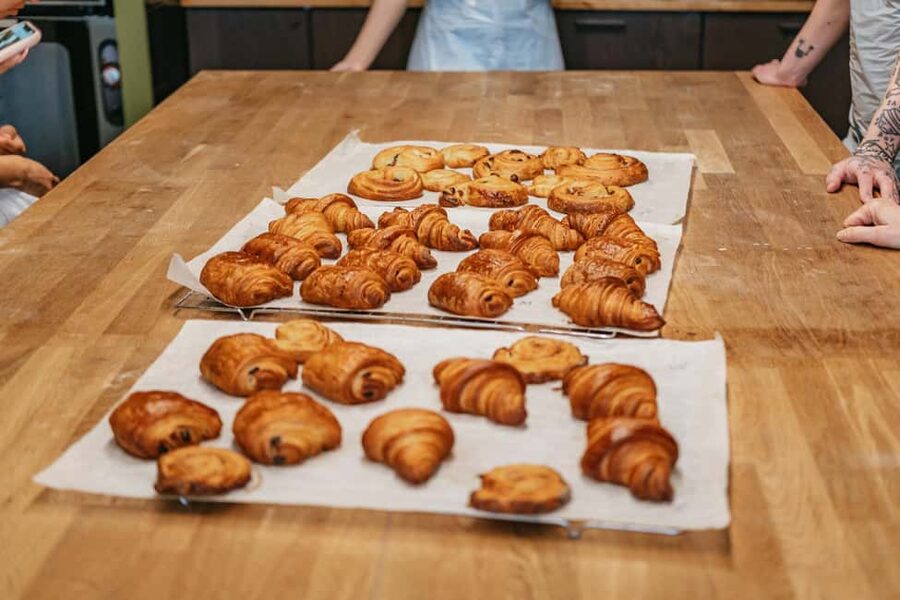
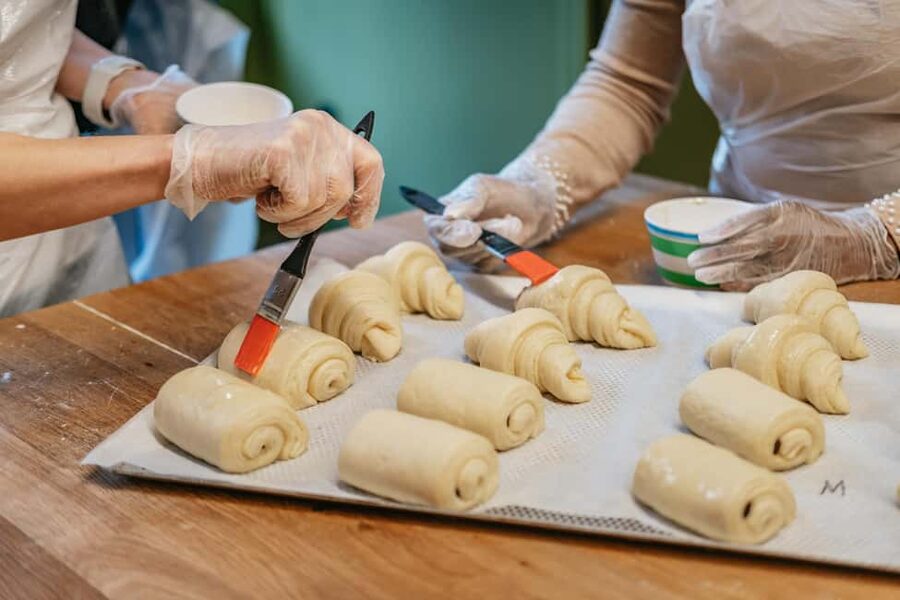
You do not spend the entire session making one type of pastry. Along with traditional croissants, the class covers pain au chocolat and additional pastries such as chocolate snails or cinnamon rolls.
That variety is one of the class’s best features. The basic dough teaches you the core technique, while the different shapes show how the same pastry can become several French bakery favorites. Children and teenagers often have more fun when there is more than one thing to make, and several families found the class worked well for young bakers.
The fillings also make the tasting more interesting. You can compare the plain buttery croissant with the chocolate version and see how shape and filling affect the finished pastry. Some participants specifically praised the pain au chocolat and cinnamon pastries as the best part of the meal.
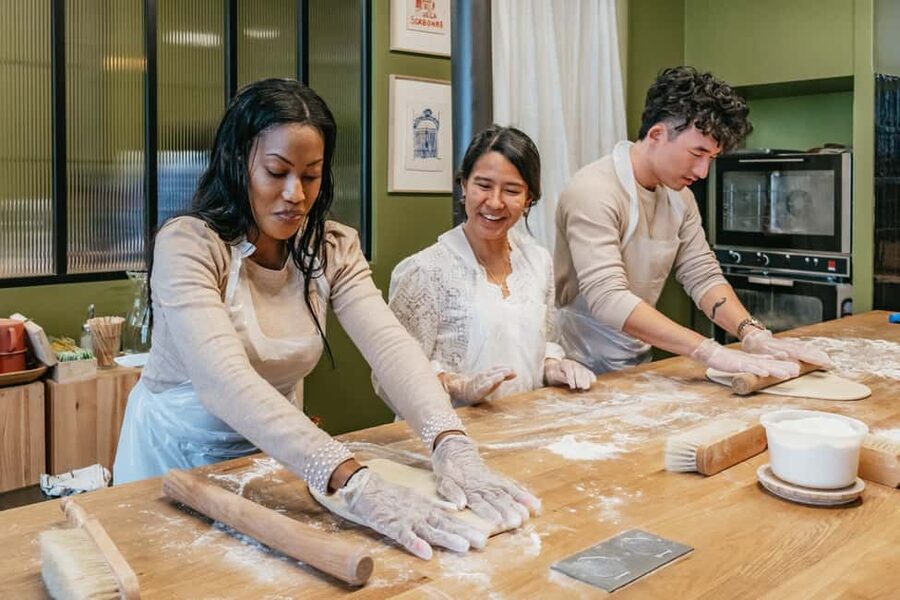
You are involved in the work rather than watching the chef do everything. That hands-on approach makes the final bite more satisfying, but it also means the result may not look perfect. Croissant dough can be awkward at first. The chef’s job is to keep the process clear and manageable, not to make every pastry look identical.
Why the chef matters in a pastry class
The instructor can make or break a technical class, and this experience has a deep bench of well-liked chefs. Felix is praised for combining serious pastry skills with humor. Guillaume is noted for patient, clear instruction and for checking that everyone understood each stage. Alice, Erika, Ines, Ke, Lauren, Leslie, Lyndsey, and Manel also received warm praise for being friendly, attentive, and easy to follow.
Names and staff can change by date, so you should not book solely to meet one particular chef unless the provider confirms that person. The useful pattern is the teaching style: English instruction, clear demonstrations, and help at the worktable.
That matters for beginners. You do not need prior baking experience. One participant with little or no baking knowledge found the class easy to follow, while another family learned enough to try the recipe at home. Experienced home bakers can also benefit because the chef can explain why the dough behaves as it does and point out errors as they happen.
The best instructors do more than recite directions. They explain how the butter should feel, why the dough needs careful handling, and how to shape each pastry. They also keep the mood light. The class is serious enough to teach real technique but relaxed enough for a family, couple, or group of friends to enjoy a morning together.
More Baking Classes in Paris
- Paris: Macaron Baking Class in Central Paris
★ 5.0 · 208 reviews - Paris: Croissant Baking Class with a Chef
★ 5.0 · 201 reviews - Paris French Baking Class Baguettes and Croissants in a Bakery
★ 4.5 · 172 reviews - Croissant Baking Class, Mastering the Art with a Pastry Chef
★ 5.0 · 116 reviews
Small groups, paired work, and family planning
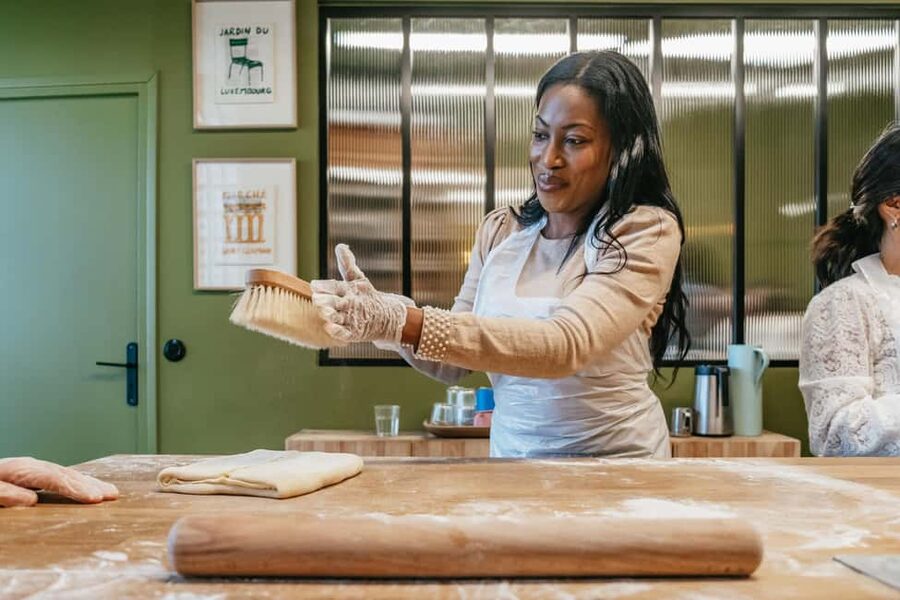
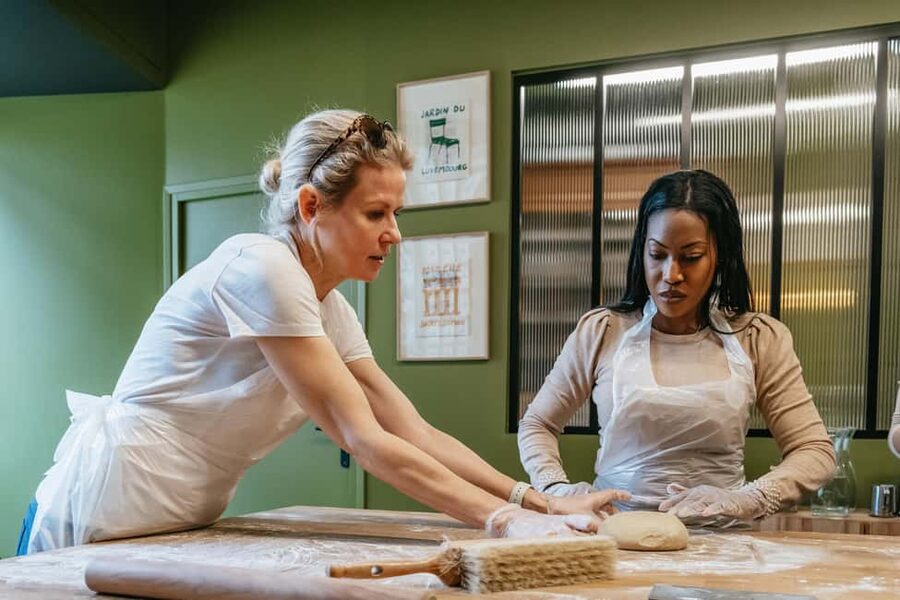
The maximum group size is eight. That is small enough for the chef to move around and give individual help. It also lets you ask questions without stopping a large crowd.
You usually work in pairs. For a couple, this is simple and social. For a family of four, it can work neatly. A family of five should know that one person may need to work with someone from another booking. That is not a major problem, but it is worth discussing before you reserve if keeping your family together is important.
The group can include different ages and experience levels. Families with children around 11 and 12, teenagers, adult children, and older participants have all found a place in the class. The setting is described as welcoming and supportive, including for participants who may need a little extra patience or flexibility.
Still, this is an active cooking session. You will handle dough and follow several stages in a set time. A child who loses interest quickly may not enjoy every minute. The class is best for children and teenagers who like making things, eating the results, or both.
The pastries you take home
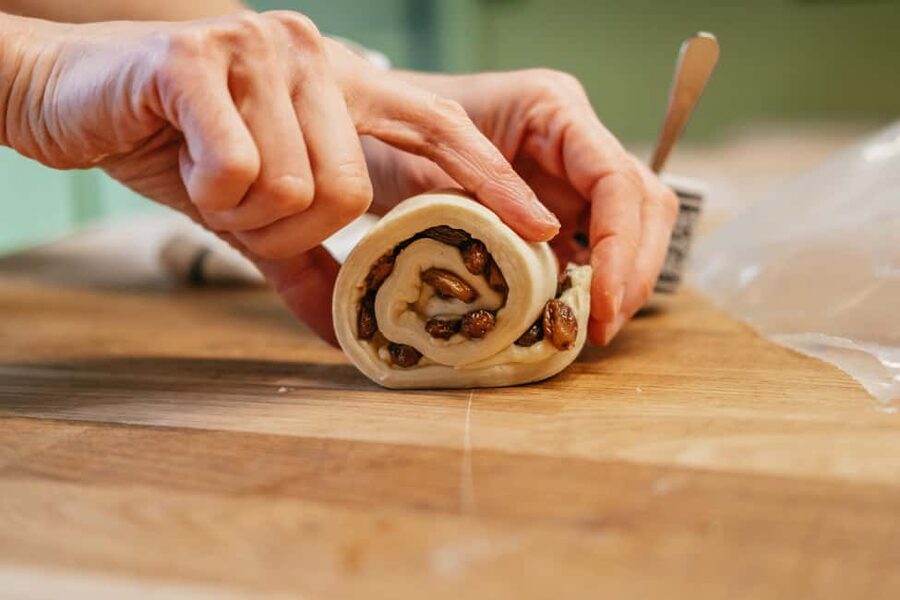
The most practical bonus is the food. You make a generous amount of pastry and take some home in bags. Several people used their croissants as breakfast for the next few days, which gives the experience a useful afterlife in the middle of a busy Paris visit.
You may be tempted to eat everything straight from the oven. The pastries are served fresh, and warm croissants are a strong argument for skipping breakfast before class. One participant even received pastries prepared by the baker so the class could taste them warm while saving their own batch for later.
Bring a plan for carrying food after the session. The information provided does not specify packaging beyond taking pastries home, so you should not expect long-term storage or a special transport container. If you are heading directly to museums or walking tours, keep the pastries level and eat the most delicate ones first.
Recipes are also sent afterward. That makes the class more useful than a one-time cooking show. You can try the method again at home, though one participant noted that the later recipe did not use quite the same ingredients as the class. Treat the recipe as a guide, and make a note of the products and proportions used during the workshop.
Is $159 a fair price?
At $159 per person, this is a premium activity. You could buy several excellent croissants in Paris for the same money. If you only want to taste French pastry, spend the money at bakeries instead.
The value comes from the instruction, the equipment, the chef’s attention, the small group, and the pastries you bring away. You are paying for access to a professional baking space and for the chance to learn a difficult technique in a friendly setting. If you plan to bake at home, that can make the price easier to justify.
I would also compare the cost with other hands-on Paris activities. A class can fill a rainy morning, give a family something everyone can do together, and create a skill you carry home. That is a different kind of souvenir from a magnet or postcard.
The price makes less sense if your schedule is tight, you dislike cooking, or you mainly want a quick taste. The class takes 2.5 hours, and you will be working for much of that time. For people who enjoy food and want a real activity rather than another guided walk, the cost is easier to defend.
A smart rainy-morning choice near Notre Dame
This is especially useful when Paris weather turns wet. The class gives you a warm indoor plan, and the food keeps the morning cheerful. You still get a connection to the city, since the setting, recipes, and discussion all point back to French food traditions.
I also like the idea of booking it early in your visit. You can use the skills and recipes during the rest of your stay, and the pastries can cover breakfast for another day or two. One participant specifically recommended scheduling it on the first or second day in Paris for that reason.
The location near Notre Dame helps with planning. After class, you can walk toward the river, visit nearby sights, or stop at a café. The provided details do not promise a restaurant or café stop as part of the class, so plan your own meal afterward if you want something savory.
Accessibility, language, and booking details
Instruction is in English. The experience is listed as wheelchair accessible, which is important for visitors who need step-free access, though you should confirm any personal mobility requirements before booking.
Hotel pickup and drop-off are not included. You meet at Maison Fleuret and return there when the session ends. The activity runs at scheduled start times, so check the available time before paying.
You can cancel up to 24 hours ahead for a full refund, and the reserve-now, pay-later option lets you hold a spot without paying immediately. These policies are useful when your Paris plans are still shifting, but they do not remove the need to check the exact booking terms at checkout.
Who should book this Maison Fleuret class?
Book it if you enjoy cooking, want to understand how croissants are made, or need a strong indoor activity for a Paris morning. It suits couples, families, teenagers, adult children, and beginners who like working with their hands.
It is also a good pick for anyone who has tried laminated dough at home and failed. You get a chance to see the process at close range and ask questions while the dough is in front of you.
Skip it if you want a low-cost breakfast, dislike group activities, or have no interest in baking after your holiday. The $159 price is not designed for a simple pastry tasting.
Should you book it?
I would book this class for a food-focused Paris trip, especially near the beginning of your stay. The small group, English-speaking chef, hands-on format, and pastries to take home give it more substance than a quick bakery visit.
The price is high, and paired work may require flexibility for larger families. But if you want a practical skill, a rainy-day plan, and a tasty memory tied to French daily life, Maison Fleuret makes a strong case. Just arrive on time, do not eat a heavy breakfast first, and leave room in your day for carrying home a bag of croissants.
FAQ
Where does the croissant class take place?
The class takes place at Maison Fleuret Ateliers Parisiens, at 3 Rue des 3 Portes on Paris’s Left Bank.
How long does the class last?
The class lasts 150 minutes, or 2.5 hours.
What language is the class taught in?
The instructor teaches the class in English.
What pastries will I make?
You learn to make traditional French croissants, pain au chocolat, and additional pastries such as chocolate snails or cinnamon rolls.
Is equipment included?
Yes. Cooking equipment and the chef instructor are included.
How many people are in the group?
The group is limited to eight participants.
Do I need previous baking experience?
No previous baking experience is required. The class is designed to teach the technique step by step, including for beginners.
Can I take the pastries home?
Yes. You make enough pastries to take some home after the class.
Is hotel transportation included?
No. Hotel pickup and drop-off are not included. You travel to and from the Maison Fleuret space yourself.
Is the class wheelchair accessible?
Yes. The activity is listed as wheelchair accessible.
Newest classes around Paris
- Paris: Millefeuille baking class with a chef★ 5.0 · 5 reviews
- Paris: Traditional Croissant Cooking Class With Local Baker★ 5.0 · 2 reviews
- Paris: The Soufflé Baking Class with Chef★ 4.5 · 2 reviews
- Paris: Lemon Tart Baking Class with a Pastry Chef★ 5.0 · 4 reviews
- Paris: Macaron Baking Class★ 4.4 · 26 reviews
- Paris: Hands-On Small Group Cooking Class★ 4.9 · 19 reviews
- Paris: Evening Cooking Class with Optional Market Visit★ 4.8 · 19 reviews
- Eclair Baking Class with A Pastry Chef★ 5.0 · 3 reviews
Paris Cooking Classes, compared.
Paris Cooking Class and Lunch with Wine plus Market Visit Option
Read our review →
Paris Croissant Small-Group Baking Class with a Chef
Read our review →
Paris Cooking Class: Learn How to Make Macarons
Read our review →
Paris Evening Cooking Class French Dinner and Market Visit Option
Read our review →
Paris French Cuisine Small Group Cooking Class with Lunch
Read our review →
Paris Macarons Small-Group Baking Class with a Chef
Read our review →
Browse the lists this tour appears in