
Review · PARIS COOKING CLASSES
Paris: Traditional Croissant Cooking Class With Local Baker
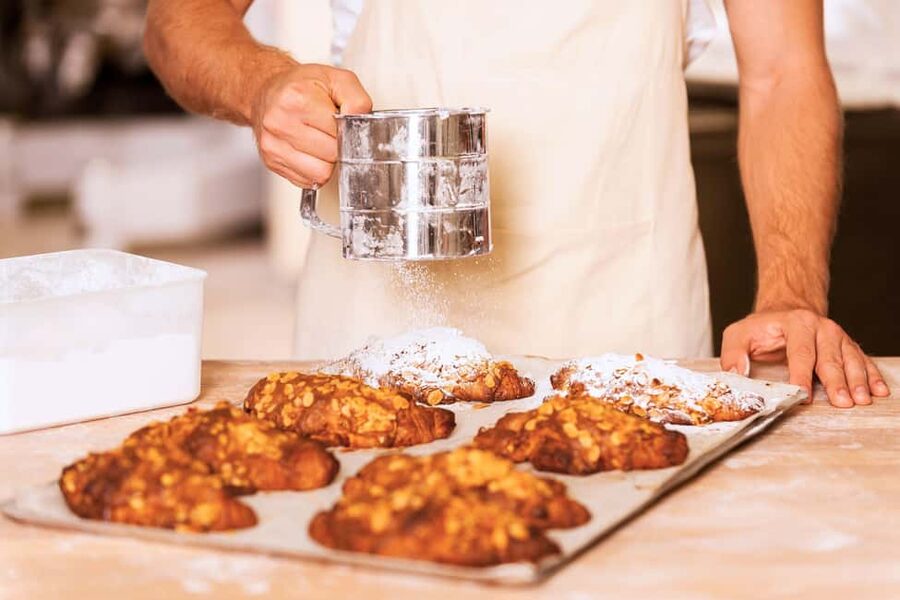
A warm oven, a French pastry chef, and only six places at the worktable: this Paris class puts you in the hands-on heart of baking. With Chef Fanny, you make dough from scratch, then shape bicolor croissants, chocolate-filled pains au chocolat, and raisin rolls with vanilla pastry cream. I like the small group and the chance to learn several classic pastries in one sitting. I also like that Fanny explains the cooking traditions behind the recipes, not just the motions.
The main catch is the adult-only rule. The published information says the class is not suitable for anyone under 18, even though one past booking included a 13-year-old participant. You should follow the stated age policy and confirm before booking if your party includes a teenager.
Key points for your Paris baking plan
- Chef Fanny leads the class: You get step-by-step instruction in English from a professional pastry chef.
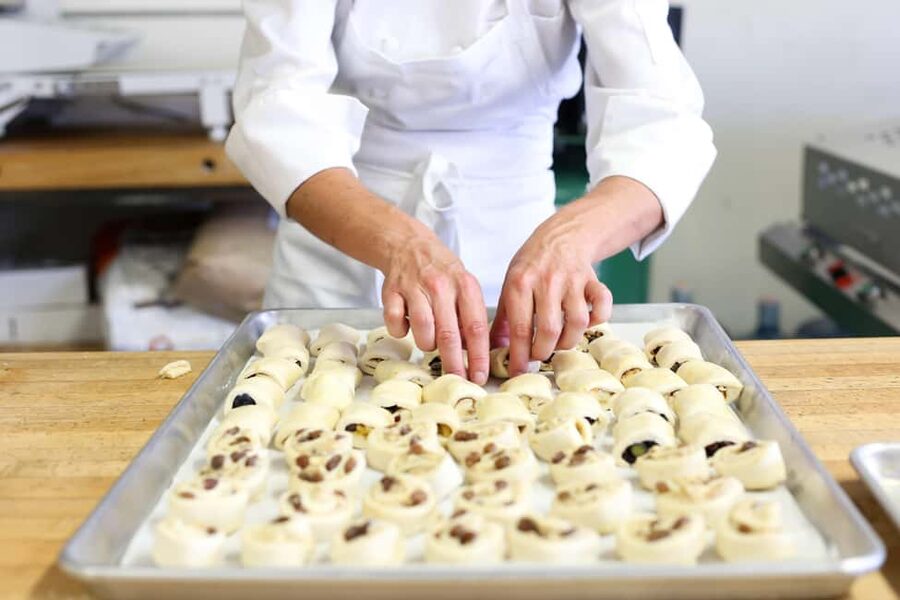
- Three French pastries in one session: Make bicolor croissants, pains au chocolat, and raisin rolls with vanilla pastry cream and raisins.
- Small group of six: The limited size should give you more room to ask questions and get help with dough and shaping.
- Three hours at Aux Fourneaux mais pas trop!: This is a focused cooking activity, not a quick demonstration.
- All ingredients and equipment are included: You only need suitable clothing, and you may bring a beverage.
- Price and flexibility: At $181 per person, the class suits visitors who want a serious hands-on food activity rather than a low-cost snack stop.
Why this class is different from a pastry tasting
Paris offers endless chances to eat a croissant. This class gives you a reason to slow down and learn why the pastry works.
You will prepare the dough from scratch with flour, eggs, sugar, fresh yeast, and milk. That matters because croissant dough is not simply bread dough with butter added at the end. The mixing, shaping, filling, and baking all affect the final result. Even when you do not leave ready to open a bakery, you will understand the process behind the pastries in every Paris café.
The class also goes beyond the standard croissant lesson. You work with three related pastries, each with a different finish. The bicolor croissant adds a two-tone look. The pain au chocolat brings a chocolate filling. The raisin roll uses vanilla pastry cream and raisins, giving you a softer, sweeter variation.
I like this range because it keeps the three-hour session from feeling repetitive. You learn one family of dough, then see how small changes in shape and filling create different French bakery favorites.
More Baking Classes in France
- Paris Croissant Small-Group Baking Class with a Chef
★ 5.0 · 910 reviews - Paris: French Croissant Baking Class with a Chef
★ 4.9 · 712 reviews - Paris Macarons Small-Group Baking Class with a Chef
★ 5.0 · 316 reviews
Meeting Chef Fanny at Aux Fourneaux mais pas trop!
The class takes place at Aux Fourneaux mais pas trop!, the venue named for the activity. You should arrive 10 minutes early for check-in. Transportation is not included, so plan your route across Paris before the class day rather than assuming a pickup service is provided.
Chef Fanny teaches in English, which makes the class workable for visitors who do not speak French. Her teaching style, as described by participants, combines practical tips with a cheerful manner. One attendee said Fanny made the pastry seem less difficult than expected and gave enough guidance to build confidence at home.
That is important with laminated pastry. The dough can look fussy when you first encounter it, especially when you are trying to shape even pieces and keep the work neat. A teacher who breaks each step into manageable actions can make the difference between a useful lesson and three hours of watching someone else bake.
The group is capped at six people. I would choose this format over a large cooking school if you want to ask questions or need a correction while shaping dough. A larger class might offer more social energy, but a six-person table gives you a better chance of personal help.
Starting with croissant dough from scratch
The first major stage is the dough. You work with the basic ingredients used in the class: flour, eggs, sugar, fresh yeast, and milk. The point is not simply to collect a recipe. You get a feel for how the dough comes together and why each ingredient matters.
Because the dough is made from the beginning, the class should appeal to home bakers who want skills they can use after Paris. You can ask about mixing, handling, shaping, and the small visual clues that tell you when the dough is ready for the next stage.
Do not expect a quick activity that produces pastries within the first few minutes. Good croissants take time, and a three-hour class reflects that. The session is built around learning a process rather than rushing to a finished plate.
Fanny also shares culinary and local cultural context as you work. That gives the class a wider purpose. You are not just copying a bakery recipe. You are learning how familiar French pastries fit into everyday food culture and Parisian baking traditions.
Shaping bicolor croissants
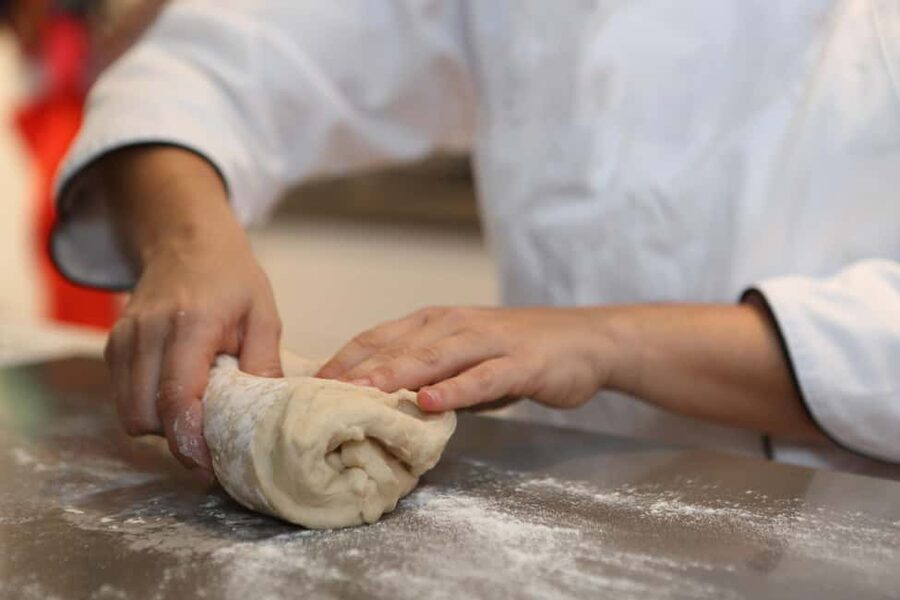
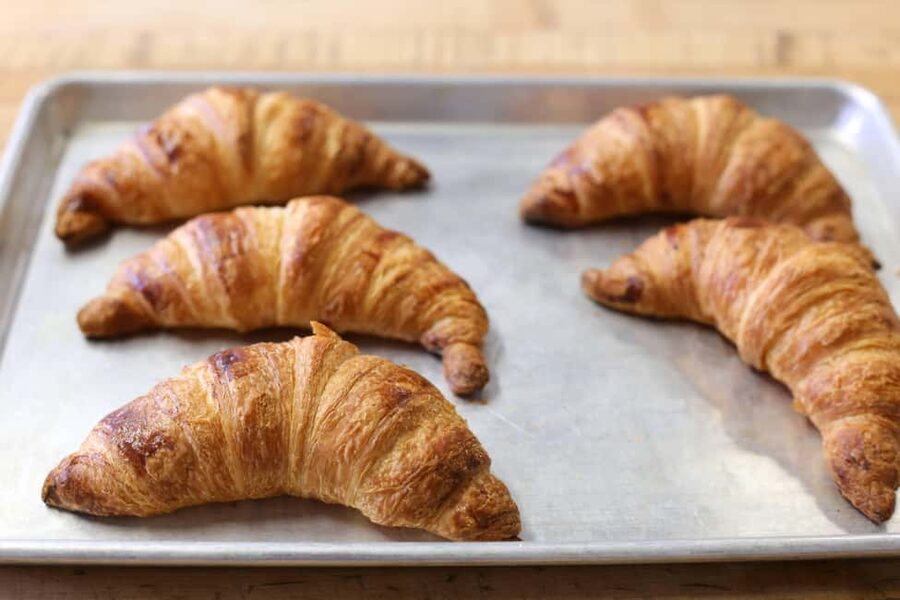
The bicolor croissant is one of the most distinctive parts of the menu. The two-tone design makes the pastry look more elaborate than an ordinary croissant, so this is a good choice if presentation matters to you.
You will learn how to shape the dough into the familiar curved form while working with the colored layers. The exact technique is taught in class, so you do not need to arrive with professional pastry skills. What you do need is patience and a willingness to follow each step carefully.
This is where a small group helps. Croissant shaping can be easy to understand in theory and awkward in your hands. Fanny can point out where a piece needs adjusting and show you how to create a more even result.
One useful lesson from the class is that attractive pastry is not only about taste. The shape, color, and filling all contribute to the finished item. If you enjoy food photography or want a memorable baking project from your trip, the bicolor croissant gives you a more unusual result than a plain roll.
More Baking Classes in Paris
- Paris: Macaron Baking Class for Families and Kids
★ 4.7 · 270 reviews - Paris: Macaron Baking Class in Central Paris
★ 5.0 · 208 reviews - Paris: Croissant Baking Class with a Chef
★ 5.0 · 201 reviews - Paris French Baking Class Baguettes and Croissants in a Bakery
★ 4.5 · 172 reviews
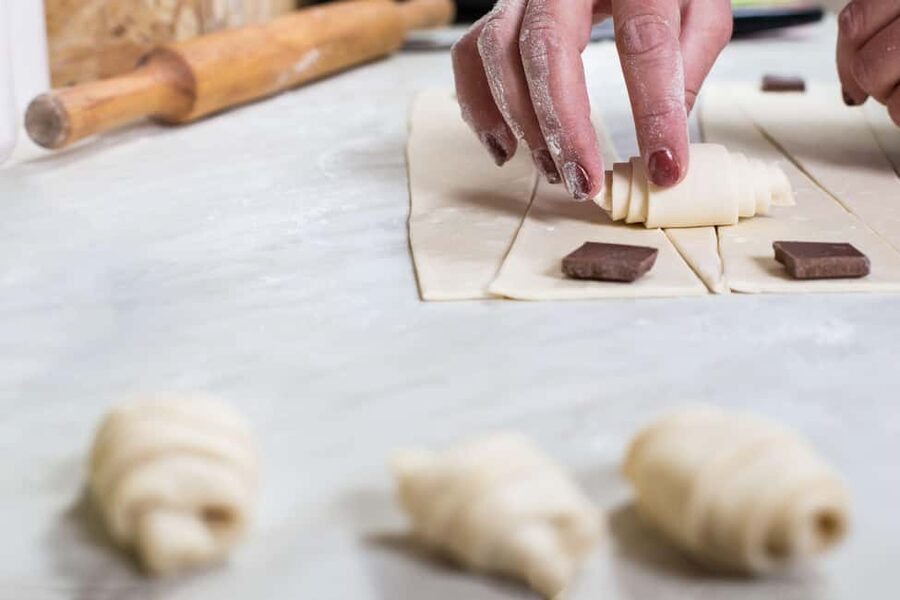
Making pains au chocolat with a chocolate filling
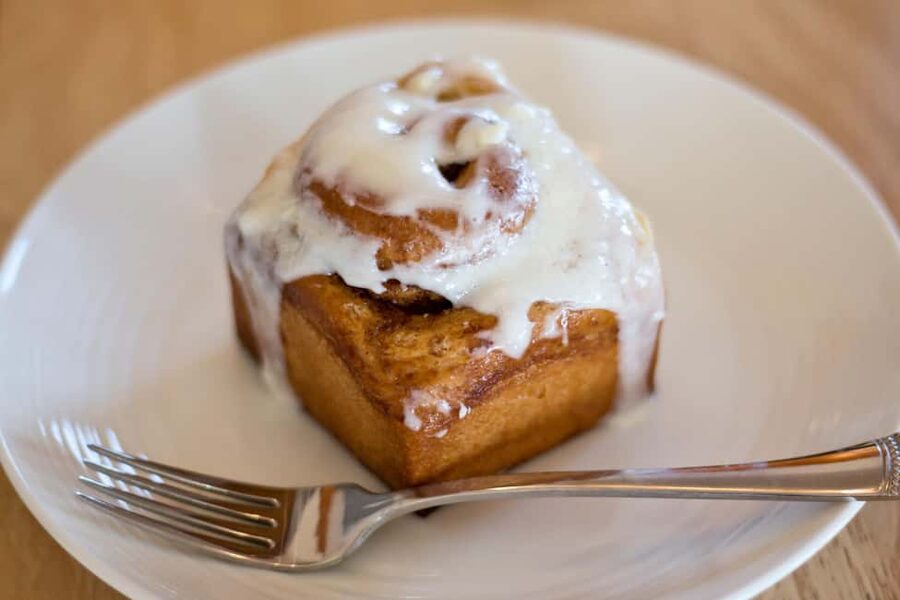
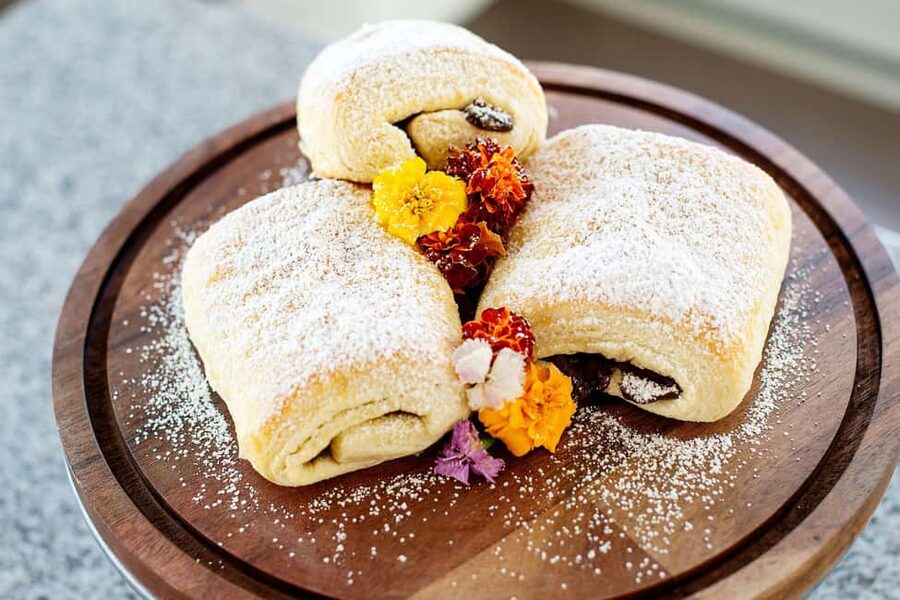
Next comes the pain au chocolat, made with a rich chocolate filling. This is likely the most immediately familiar pastry of the three, but making it yourself changes how you look at the version in a bakery case.
You will work on placing the filling and forming the pastry so the chocolate stays inside as it bakes. The lesson is practical: too little filling can disappear, while poor shaping can let it escape. These are the sorts of details that are easy to miss when you buy the finished pastry.
I like having this item in the class because it gives you a clear home-baking goal. Croissants can seem like a project reserved for serious bakers, but a well-made pain au chocolat gives you a concrete reason to try the method again.
The class does not promise that you will master professional pastry production in one afternoon or evening. It does give you direct practice with the dough and fillings, plus tips that can make a home attempt less intimidating.
Preparing raisin rolls with vanilla pastry cream
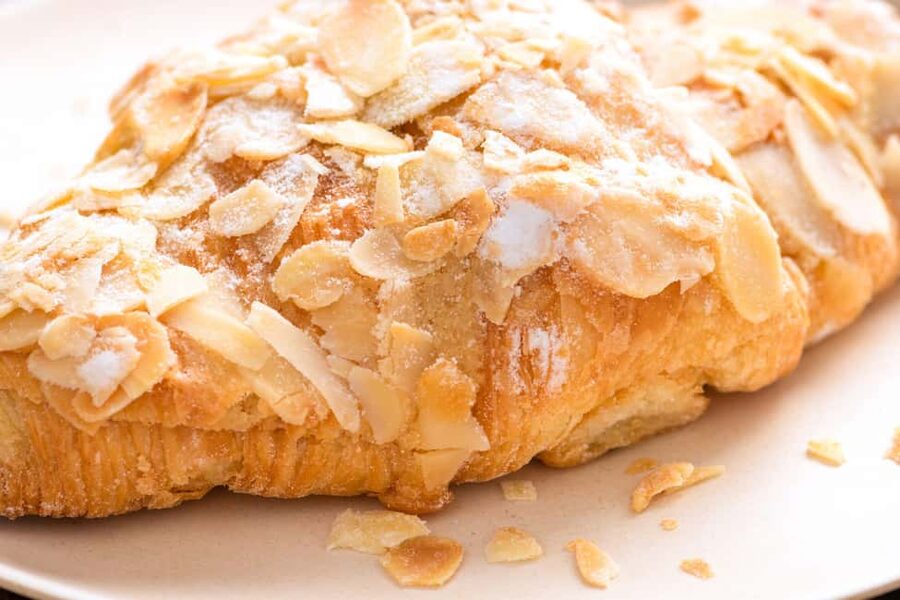
The raisin roll adds a different flavor and texture to the session. Instead of chocolate, you use vanilla pastry cream and raisins. This makes the recipe more than a variation on the croissant. It introduces a creamy filling and a fruit element that change the balance of the pastry.
I would pay close attention during this part if you are interested in French baking beyond the most famous café items. Raisin rolls are less visually dramatic than bicolor croissants, but they show how pastry dough can support a softer, custard-based filling.
The vanilla pastry cream is also a useful skill for home cooks. It is a separate preparation from the dough, so you get practice thinking about how fillings are made and how they should be paired with pastry. The raisins add sweetness and texture without making the recipe depend on chocolate.
Together, the three pastries make the menu feel worthwhile. You do not spend the whole class repeating one shape, and you leave with a better sense of the range of French viennoiserie.
What the three-hour schedule means for you
Three hours is long enough for a serious lesson but short enough to fit into a busy Paris itinerary. I would not place it immediately before a timed museum entry or a train departure. Baking has too many steps to make a tight schedule comfortable.
The class is best treated as a main activity for part of the day. You need to arrive 10 minutes early, check in, work through the recipes, and allow the session to finish before planning your next appointment. The exact starting time varies, so you should check availability before building your day around it.
This timing also affects the value. At $181 per person, you are paying much more than you would for a pastry and coffee. The price makes sense if you value instruction, a small group, included ingredients, and the chance to make several pastries yourself.
It makes less sense if you mainly want to taste French baking or take a short break between sightseeing stops. Paris has cheaper ways to eat a croissant. This class earns its price through participation and teaching.
What is included, and what you should bring
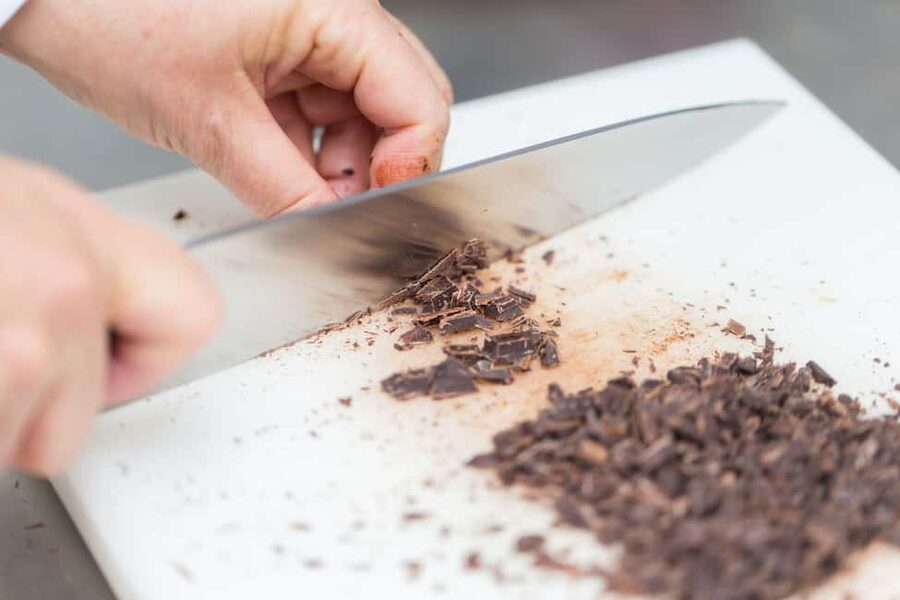
All equipment and ingredients are provided. You do not need to shop for flour, yeast, milk, chocolate, raisins, or pastry ingredients before arriving. That keeps the activity simple for visitors staying in a hotel or rental apartment.
Step-by-step instruction is also included. This is especially useful for first-time pastry makers, since you can follow the process under guidance rather than trying to decode a recipe alone.
You may bring your own beverage to enjoy during the class. No transportation is included, so you are responsible for reaching Aux Fourneaux mais pas trop! and returning afterward.
Wear comfortable clothes suitable for baking. The practical choice is clothing you can move in and do not mind wearing around flour and pastry ingredients. You should arrive 10 minutes early for check-in.
Who will get the most from this class
I would recommend this class to adults who enjoy cooking, French food, or useful activities that give a trip a personal memory. It is a good fit if you want to bring home a skill rather than another souvenir.
It also suits couples, friends, and solo visitors who like small-group instruction. With no more than six participants, the setting should feel more like a workshop than a lecture.
Home bakers may get the most long-term value. You can compare the class technique with your own methods and ask questions that arise when you try the recipes later. Beginners can also benefit because Fanny presents the work in clear stages.
The class is not the right choice for a quick, inexpensive food stop. The price is high, the session takes three hours, and the activity requires active participation. You should also plan around the adult-only policy. The stated rule excludes children under 18, even though one past booking included a 13-year-old. If that situation applies to you, contact the provider before paying.
Booking, cancellation, and practical flexibility
The activity allows free cancellation up to 24 hours before the start time for a full refund. That is useful when your Paris schedule is still changing, especially if you are balancing museum reservations, day trips, and restaurant bookings.
You can also reserve now and pay later. This lets you secure a place without paying at the time of booking, though you should still check the final booking terms for your selected date.
The limited capacity is worth considering. With only six places, a suitable date may not remain available, particularly if you want an evening session. Check the starting times before you commit to other plans.
The final taste of Paris
A pastry class will not replace the Eiffel Tower, the Louvre, or Versailles, and it does not try to. Its value comes from giving you three quiet hours with your hands busy and your attention on a food tradition that visitors often experience only from the customer side of a bakery counter.
Chef Fanny’s role is central. She teaches in English, explains the methods, and shares cultural background while you work. The strongest reason to book is the combination of her personal guidance and the small group, not simply the chance to eat a pastry at the end.
I would book this class if you want a hands-on Paris activity, have an interest in baking, and can justify the $181 price for instruction. I would skip it if your main goal is a cheap tasting or if your schedule cannot spare three relaxed hours.
For the right participant, it offers something a bakery visit cannot: you leave with a clearer understanding of croissant dough, three pastry styles to practice, and a story connected to the food you will keep noticing throughout France.
FAQ
How long is the Paris croissant class?
The class lasts three hours. You should also arrive 10 minutes early for check-in.
Who teaches the baking class?
Chef Fanny leads the class. Instruction is provided in English.
What pastries will I make?
You will make bicolor croissants, bicolor pains au chocolat with chocolate filling, and bicolor raisin rolls with vanilla pastry cream and raisins.
Are ingredients and equipment included?
Yes. All ingredients and equipment are included, along with step-by-step instruction.
Where does the class take place?
The class takes place at Aux Fourneaux mais pas trop! in the Ile-de-France region.
Is the class suitable for children?
The stated information says the activity is not suitable for children under 18. A past booking included a 13-year-old, but you should follow the published age rule and confirm directly if a participant is under 18.
Can I cancel the class or pay later?
You can cancel up to 24 hours before the class for a full refund. You can also reserve your place and pay later, which keeps your plans flexible.
Newest classes around Paris
- Paris: The Soufflé Baking Class with Chef★ 4.5 · 2 reviews
- Paris: Millefeuille baking class with a chef★ 5.0 · 5 reviews
- Paris: Lemon Tart Baking Class with a Pastry Chef★ 5.0 · 4 reviews
- Paris: Macaron Baking Class★ 4.4 · 26 reviews
- Paris: Hands-On Small Group Cooking Class★ 4.9 · 19 reviews
- Paris: Evening Cooking Class with Optional Market Visit★ 4.8 · 19 reviews
- Eclair Baking Class with A Pastry Chef★ 5.0 · 3 reviews
- Paris: Cooking Class with Ferrandi at Galeries Lafayette★ 4.9 · 15 reviews
Paris Cooking Classes, compared.
Paris Cooking Class and Lunch with Wine plus Market Visit Option
Read our review →
Paris Croissant Small-Group Baking Class with a Chef
Read our review →
Paris Cooking Class: Learn How to Make Macarons
Read our review →
Paris Evening Cooking Class French Dinner and Market Visit Option
Read our review →
Paris French Cuisine Small Group Cooking Class with Lunch
Read our review →
Paris Macarons Small-Group Baking Class with a Chef
Read our review →Browse the lists this tour appears in