
Review · PARIS COOKING CLASSES
Paris French Baking Class Baguettes and Croissants in a Bakery
Parisian bread is not just food. It is a daily ritual, a craft, and a source of fierce local pride. In this small bakery workshop, you go behind the counter and work with Didier, a passionate master baker, learning how baguettes are shaped and how croissant dough is folded, rolled, and baked.
I like the small maximum of 10 people, which gives you room to ask questions and get your hands on the dough. I also like the warm finish: you taste fresh bread and pastry straight from the oven instead of simply watching a demonstration. The main drawback is that the class spends much more time on baguettes than croissants, so anyone expecting to make a full batch of croissants from start to finish should adjust expectations.
Key points to know before booking
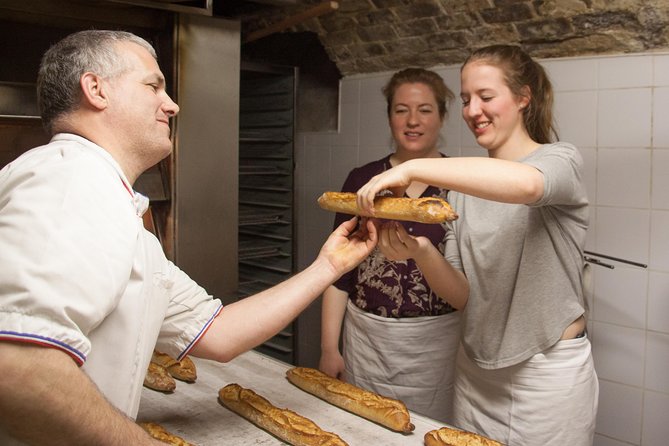
- Baguettes take center stage: You get the most hands-on practice with shaping and scoring bread.
- Croissants are taught partly as a demonstration: You roll and handle the dough, but the class does not take you through every stage of making croissants from scratch.
- Didier brings the personality: His humor, passion, flour work, and baking stories are a major part of the experience.
- English support is provided: A translator, often Luz, helps you follow the French instruction and ask questions.
- The class suits families: Children age 6 and up may attend with an adult, but they need to stay focused for about two and a half hours.
- It ends with something edible: You taste warm baguette and croissant, and you receive recipes for home baking.
Entering Le Petit Mitron near Oberkampf Bastille
Your meeting point is Boulangerie Pâtisserie Le Petit Mitron at 8 Rue Oberkampf in Paris’s 11th arrondissement. The class begins and ends at the bakery, so you do not spend time waiting for hotel pickup or riding across the city.
The location is near public transportation, which matters in Paris. Give yourself enough time to find the bakery and arrive before the start. One late arrival caused real trouble for a participant, and another scheduling problem left a group at the wrong time. Check your final confirmation carefully, especially if the operator has contacted you with a time change.
Once inside, you move into the working part of the bakery rather than sitting through a polished cooking show. That setting gives the class its appeal. You see the equipment, the flour, the ovens, and the physical work behind the bread sold in a French bakery.
The bakery also mills its own flour, a detail that adds substance to the lesson. Didier talks about flour, ingredients, and additives instead of treating baking as a vague matter of following a recipe. You get a clearer sense of why a few basic ingredients can produce such different results.
More Baking Classes in France
- Paris Croissant Small-Group Baking Class with a Chef
★ 5.0 · 910 reviews - Paris: French Croissant Baking Class with a Chef
★ 4.9 · 712 reviews - Paris Macarons Small-Group Baking Class with a Chef
★ 5.0 · 316 reviews
Didier, Luz, and the rhythm of the lesson
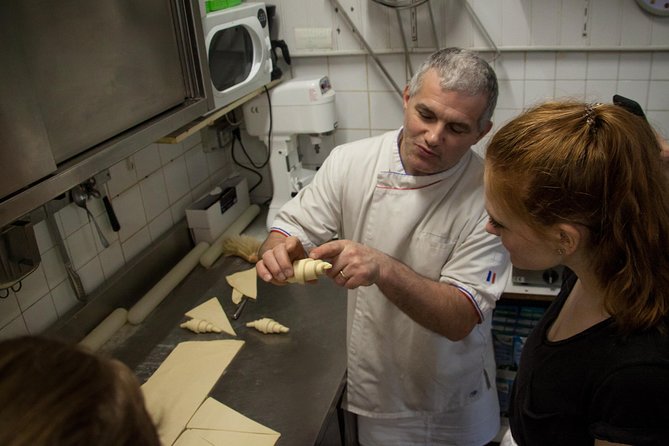
The baker does not speak English, so an English-speaking translator helps carry the class. Luz has been praised for keeping the explanations clear and for working well with Didier’s lively personality.
This arrangement can sound awkward on paper, but it gives the class a nice rhythm. Didier demonstrates, Luz explains, and then you try the technique. You can ask questions through the translator, and the format also lets you hear some French while still following the instruction.
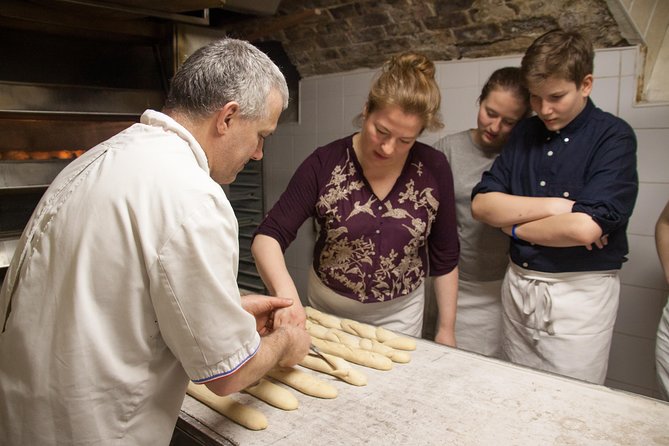
Didier is not presented as a distant chef performing for an audience. He works directly with the group, asks about your baking experience, and offers corrections when you need them. If you already bake at home, you can ask more technical questions. If you are new to dough, you can watch closely and copy the movements.
His humor is part of the lesson. The class is educational, but it is not stiff. Families have found that he gives children special attention, and several children have enjoyed the activity as much as the adults. That said, the session lasts about 2 hours and 30 minutes, with periods of close attention and hands-on work. A child who cannot focus for that long may find it tiring.
Why baguettes receive most of your attention
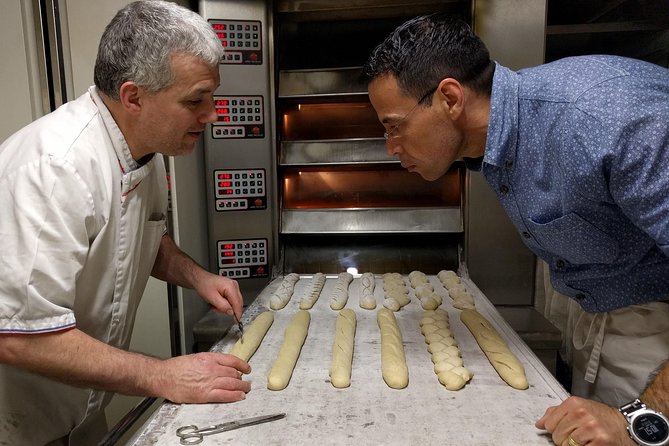
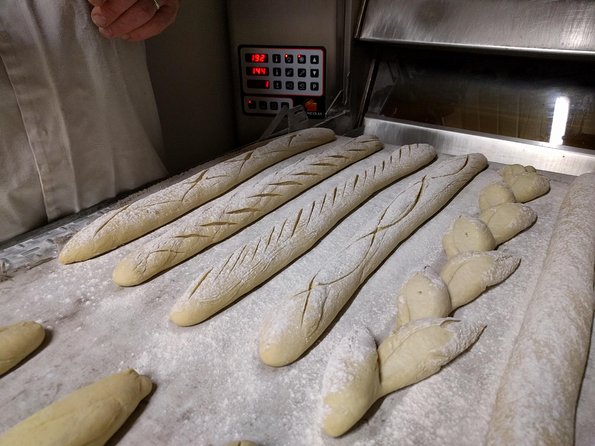
The baguette portion is the heart of the class. You learn how the dough is handled, shaped, and prepared for the oven. You may also get to make different patterns on the loaves and use the long wooden paddle to place or remove bread from the oven.
That practical work is valuable because baguette dough is deceptively simple. At home, the ingredients may be easy to find, but the handling takes practice. You need to understand how much pressure to use, how to shape the loaf without flattening it, and how to prepare it for baking.
The class moves quickly, especially when Didier is explaining several steps in succession. You will get more from it if you pay close attention and are willing to ask for a repeat. A little home baking experience helps, but it is not required. Beginners can follow along, while experienced bakers may notice details about flour, fermentation, shaping, and equipment.
Do not expect to mix and develop every batch of dough yourself. Some of the preparation is demonstrated rather than completed individually by each person. The hands-on work focuses more on shaping, rolling, handling, and learning the process. That is a practical choice for a short class, but it is important to understand before paying the relatively high price.
Croissants, pain au chocolat, and realistic expectations
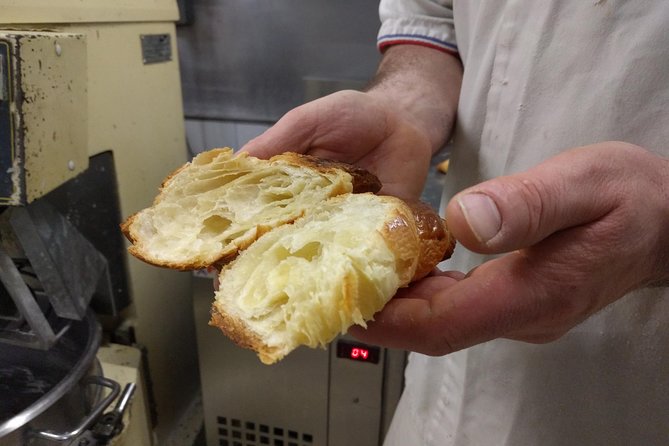
The croissant segment introduces you to laminated dough, the process that creates those thin, buttery layers. You learn about the rolling and folding technique, and you get to handle the dough rather than simply look at a finished pastry.
Pain au chocolat may also be included, along with regular croissants. This is a pleasant extra, particularly if you want to understand how the same dough becomes different French pastries.
Still, this is not a full croissant-making course. The class spends most of its time on baguettes, and you do not make croissant dough from the first ingredient to the final bake. You roll and shape prepared dough while learning how the baker manages it. The result is a useful introduction, not a complete professional pastry curriculum.
I see this as a fair trade for a 2.5-hour experience that covers both bread and pastry. If croissants are your only goal, look for a class devoted entirely to laminated dough. If you want a broad introduction to French bakery work, the combination makes sense.
More Baking Classes in Paris
- Paris: Macaron Baking Class for Families and Kids
★ 4.7 · 270 reviews - Paris: Macaron Baking Class in Central Paris
★ 5.0 · 208 reviews - Paris: Croissant Baking Class with a Chef
★ 5.0 · 201 reviews - Croissant Baking Class, Mastering the Art with a Pastry Chef
★ 5.0 · 116 reviews
Warm bread is the best part of the class
The reward comes when the bread and pastries leave the oven. You taste baguette and croissant while they are still warm, when the crust is crisp and the interior is soft.
That tasting is more than a snack. It lets you connect the technique to the finished food. After handling the dough, you can see how shaping affects the crust and how the baking process changes the texture. The croissant gives you a chance to notice the buttery layers you were learning about earlier.
You also leave with a baguette or loaf, depending on the session’s output, and recipes to use at home. One useful Paris plan is to buy cheese nearby and turn the bread into a simple picnic after class. Fresh bread is not easy to carry all day, so eating it soon is the sensible choice.
The recipes and tips are an important part of the value. You get advice for working at home, including ways to manage when your kitchen lacks the equipment of a professional bakery. Some participants have even been encouraged to send photographs of their home baking afterward.
The family question: who will enjoy it most?
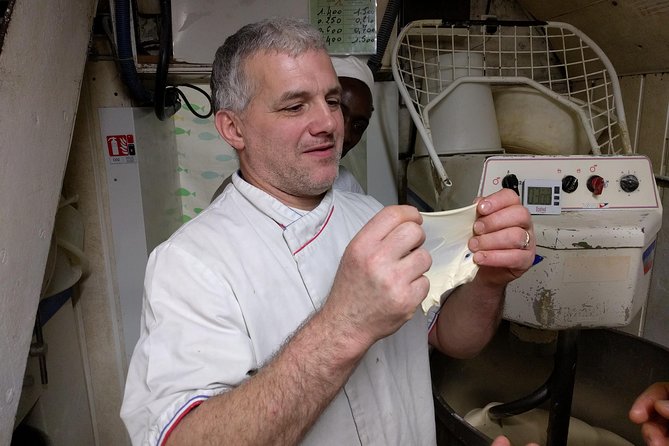
This is a strong choice for families with children age 6 or older, especially if the children already enjoy cooking or food. The work is tactile, the baker is entertaining, and the tasting gives the lesson a clear payoff.
Teenagers also fit the class well. They can follow the technical explanations, ask questions, and take the activity seriously without needing constant entertainment. A grandmother and grandson have also taken the class together, which shows how easily the format can work across generations.
Couples and solo visitors can enjoy it too. If only a few people attend, the class may feel especially personal, with more time for questions and individual guidance. The group limit of 10 keeps it from turning into a crowded demonstration.
This is less suitable for anyone with a sensitive airborne allergy. You are working in an active bakery, with flour in the air and food preparation happening around you. The published minimum age is 6, and minors must be accompanied by an adult.
How the price compares with the experience
At $264.95 per person, this is an expensive two-and-a-half-hour activity. You are paying more than the ingredients and the finished food. The price also covers access to a working bakery, a small group, instruction from an experienced baker, translation, tasting, and recipes.
The value depends on what you want from a cooking class. If you want a polished meal, several finished dishes, or a full technical course, this may not be the best use of your money. The class does not offer hotel transportation, and you do not leave with a large box of pastries.
I think the price makes more sense for someone who values personal instruction and a distinct Paris experience. You are learning a craft tied closely to everyday French life, not just preparing a dish in a tourist kitchen. The small group also matters. A class capped at 10 gives you a better chance to watch closely and take your turn.
Booking well ahead is sensible. The experience is often reserved about 43 days in advance, which suggests that popular dates can fill early. Morning and afternoon sessions let you fit the class around museum visits, but do not assume every time remains available close to your trip.
Timing, cancellations, and a detail worth checking
Free cancellation is available if you cancel at least 24 hours before the start time. Changes or cancellations made inside that window are not accepted for a refund.
The class requires a minimum number of people. If that minimum is not met, the operator may cancel after confirmation and offer another date or a full refund. This is the one logistical weakness you should take seriously if your Paris schedule is tight.
A past cancellation caused a participant to arrive at the bakery just minutes before the planned start, only to learn that the class would run the next day. Another booking problem involved a changed time that was not reflected clearly on the final ticket. These situations are not part of the intended baking lesson, but they show why you should check messages, the meeting time, and the final confirmation shortly before the activity.
If the operator offers an alternative time, make sure the new date and hour appear correctly in your booking details. That small check can prevent a ruined morning.
Is the baking class worth your Paris time?
I would book this class if you want an activity that is local, social, and hands-on. It gives you a break from museums and monuments while still teaching something you can use after the trip. Didier’s character, the translator’s help, the small group, and the warm tasting make the experience feel personal rather than generic.
I would also book it for a family, provided everyone can stay engaged for 2.5 hours. Children learn where baguettes and croissants come from, and adults get practical tips about flour, dough, shaping, and home equipment.
I would hesitate if you want to produce a full batch of croissants yourself. The lesson introduces croissant technique, but baguettes receive most of the attention. I would also think twice if $264.95 feels high for a class that includes demonstration as well as hands-on work.
For most people who want to understand French baking from the inside, the class earns its place in a Paris itinerary. Bring curiosity, arrive early, and treat the fresh baguette as part of the day’s plan, not as something to stuff into a suitcase.
FAQ
Where does the French baking class begin and end?
The class begins at Boulangerie Pâtisserie Le Petit Mitron, 8 Rue Oberkampf, 75011 Paris. It ends back at the same meeting point.
How long does the baking class last?
The experience lasts approximately 2 hours and 30 minutes.
Is the class offered in English?
Yes. The activity is offered in English with translator support. The baker may not speak English, but an English-speaking translator helps explain the lesson and handle questions.
What will I make during the class?
You will learn how to make and shape French baguettes and learn how croissants are prepared. Pain au chocolat may also be included. You will taste baguettes and pastries during the class.
Do I get recipes to take home?
Yes. Recipes are included so you can try the techniques again in your own kitchen.
Is the class suitable for children?
The minimum age is 6. Minors must be accompanied by an adult, and children should be able to stay focused during the approximately 2.5-hour session.
Can I cancel for a full refund?
You can cancel for a full refund up to 24 hours before the experience start time. Cancellations or changes made less than 24 hours in advance are not accepted for a refund.
Newest classes around Paris
- Paris: Millefeuille baking class with a chef★ 5.0 · 5 reviews
- Paris: Traditional Croissant Cooking Class With Local Baker★ 5.0 · 2 reviews
- Paris: The Soufflé Baking Class with Chef★ 4.5 · 2 reviews
- Paris: Lemon Tart Baking Class with a Pastry Chef★ 5.0 · 4 reviews
- Paris: Macaron Baking Class★ 4.4 · 26 reviews
- Paris: Hands-On Small Group Cooking Class★ 4.9 · 19 reviews
- Paris: Evening Cooking Class with Optional Market Visit★ 4.8 · 19 reviews
- Paris Cooking Class: French Desserts Class★ 4.9 · 13 reviews
Paris Cooking Classes, compared.
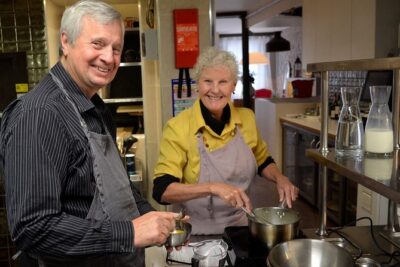
Paris Cooking Class and Lunch with Wine plus Market Visit Option
Read our review →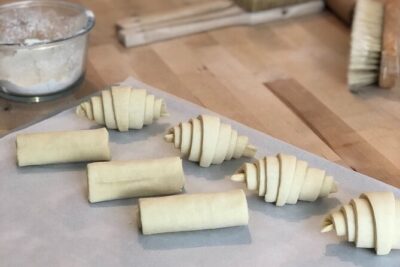
Paris Croissant Small-Group Baking Class with a Chef
Read our review →
Paris Cooking Class: Learn How to Make Macarons
Read our review →
Paris Evening Cooking Class French Dinner and Market Visit Option
Read our review →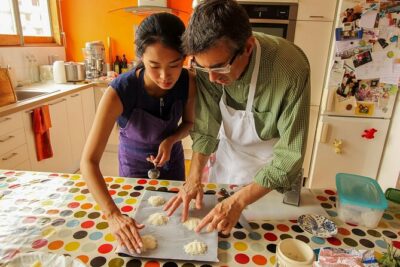
Paris French Cuisine Small Group Cooking Class with Lunch
Read our review →
Paris Macarons Small-Group Baking Class with a Chef
Read our review →Browse the lists this tour appears in