
Review · OSAKA COOKING CLASSES
Master Washoku: 5 Core Techniques for Authentic Cooking
The clever part of this Osaka class is that you move past the usual sushi lesson and learn the everyday building blocks of washoku, Japan’s traditional cooking. Chef Yuki, who spent four and a half years at a Michelin Bib Gourmand izakaya, teaches five dishes that cover grilling, simmering, marinating, pickling, and rice shaping.
I like the tiny group, limited to four people, and the practical menu. I also like that the recipes are designed to work in a home kitchen, not just in a professional restaurant. The main consideration is the setting: you cook in an apartment near central Osaka, and the meeting point can vary by booking option, so check the directions carefully.
Key points at a glance
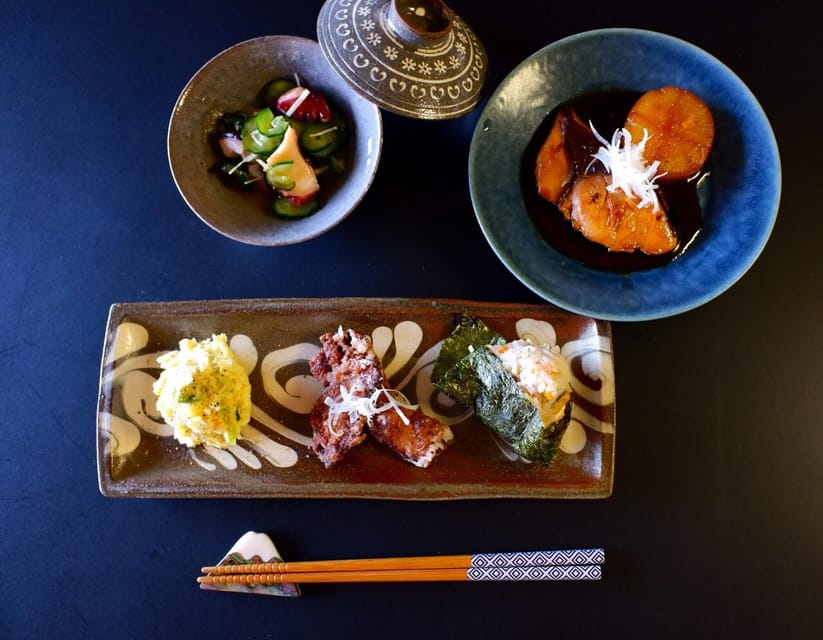
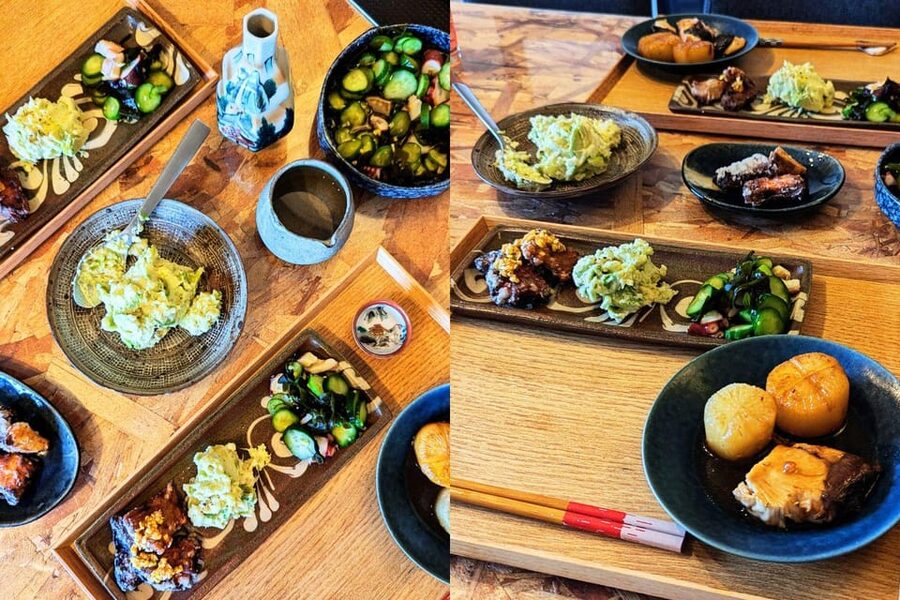
- Five dishes in three hours: Make potato salad, octopus and cucumber vinegar salad, fish tatsuta-age, simmered yellowtail, and mixed-rice onigiri.
- Chef Yuki’s izakaya background: Learn from a chef with four and a half years of experience at a Michelin Bib Gourmand restaurant.
- Only four people per class: The small group allows more direct help with knife work, seasoning, and cooking technique.
- Optional sake comparison: Taste two chilled sakes, a Junmai and Junmai Ginjo, plus one warm sake.
- Practical Osaka setting: Cook in an apartment near central Osaka, with ingredients, equipment, aprons, tea, water, and digital photos supplied.
- Flexible booking terms: The class costs $109 per person, lasts three hours, and allows cancellation up to 24 hours before the start for a full refund.
Why this class teaches more than five Japanese recipes
Many Japanese cooking classes focus on sushi, ramen, or tempura. This one takes a broader route. You work with soy sauce, mirin, sake, vinegar, fish, daikon, rice, and familiar vegetables, then see how small changes in heat, timing, and seasoning shape the final dish.
That makes the class useful for anyone who wants to understand the food served in Japanese homes and izakayas. You are not just copying a recipe. You are learning how Japanese cooks build balance with salty, sweet, sour, savory, spicy, and fermented flavors.
The menu also has a sensible rhythm. A cool salad, a fried fish dish, a simmered main course, and rice-based onigiri give you a tour of different cooking methods. The potato salad adds a modern izakaya touch, while the yellowtail with daikon connects more directly with classic Japanese home cooking.
At $109 per person, the value depends on how much you want from a cooking class. You receive three hours of instruction, five dishes, all ingredients and equipment, an apron, tea and water, digital photos, and a very small group. That is a fair package for an activity that combines a meal with skills you can take home. The optional sake tasting adds another layer for people interested in Japanese drinks, though you should confirm the price of that option when booking.
More Sushi and Japanese Classes in Osaka:
- Sushi Making Osaka! Popular Sushi Class in Japan!
★ 5.0 · 500 reviews - Osaka: Ramen and Gyoza Cooking Class in Dotonbori
★ 5.0 · 378 reviews - Osaka Cooking Class: Okonomiyaki &Japanese cuisines experience
★ 5.0 · 261 reviews
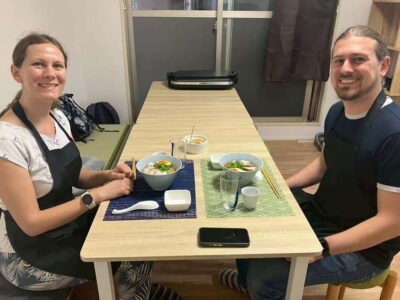
Meeting Chef Yuki in a four-person group
The class is led in English and Japanese by Yuki. The supplied information describes four and a half years of work as a chef at a Michelin Bib Gourmand izakaya in Osaka, which matters here because the menu has the feel of food made for a small neighborhood drinking spot rather than a formal restaurant.
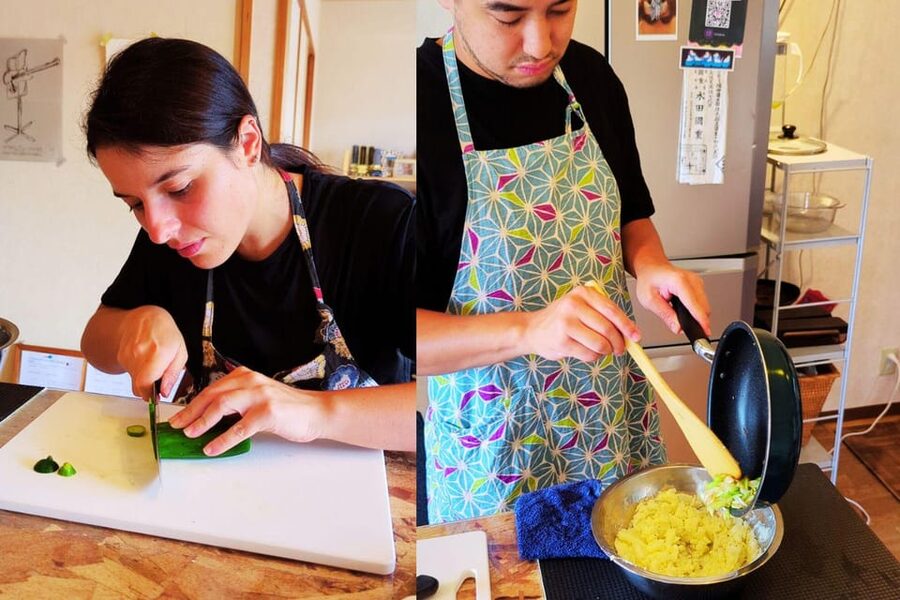
The group limit is four participants. That is one of the strongest features of the class. Cooking lessons can become frustrating when one instructor has to watch ten or fifteen people at once. In this setting, you should have a better chance to ask about seasoning, get help with preparation, and see what is happening in the pan.
The tone is intended to be relaxed and social. One particularly useful detail from the feedback is that Yuki gives lots of tips and tricks while staying attentive to the group. Another comment describes the recipes as simple and easy to follow, which is good news if you enjoy Japanese food but do not often cook it at home.
The setting is a comfortable apartment near central Osaka. That gives the class a home-style feel, but it is not a sightseeing venue with a large demonstration kitchen. If you want a polished restaurant atmosphere, this may feel modest. If you prefer an informal lesson that feels closer to cooking in someone’s home, the apartment works in its favor.
Transportation is not included. The meeting point may vary depending on the option you choose, so check the exact location before setting out. Build in enough time to find the apartment, especially if the class is part of a busy Osaka day.
Starting with wasabi garlic potato salad
The first dish, wasabi garlic potato salad, takes a familiar Japanese izakaya side dish and gives it a sharp kick. Potato salad may sound simple, but it is a useful place to begin because you can learn how Japanese flavors are added to a soft, mild base.
The wasabi brings heat, while garlic gives the dish a fuller savory note. You should pay attention to how much wasabi is used. Too little disappears into the potatoes, while too much can overpower everything else. This is the sort of adjustment that makes a recipe practical at home.
The dish also sets the mood for the class. It is casual food, easy to share, and suited to a drink. You will likely taste how a few pantry ingredients can change a familiar side dish without making it complicated.
Balancing octopus and cucumber with vinegar
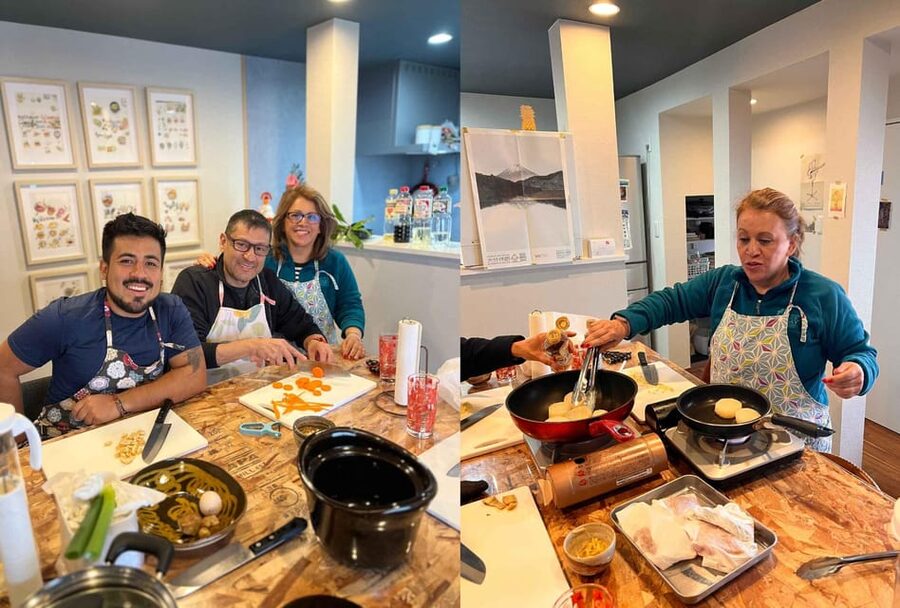
The octopus and cucumber vinegar salad is likely to be one of the clearest lessons in Japanese balance. Cucumber provides crunch and freshness, octopus adds a firm, savory bite, and vinegar brings the clean acidity that keeps the dish light.
This is also the dish that received the strongest specific praise in the supplied feedback. One participant singled out the cucumber salad with octopus as especially delicious. That makes sense: it offers a cool contrast to the fried fish and the richer simmered yellowtail later in the meal.
You will learn how to make a vinegar salad that does not taste harsh. The goal is not simply to add sourness. It is to bring the ingredients into focus. If you enjoy Japanese pickles, sunomono salads, or small side dishes served with drinks, this part of the class should be especially useful.
The octopus is an ingredient worth noting before booking. Food allergies and preferences should be shared in advance, and Yuki will adjust them as much as possible. The information does not promise that every substitution can be made, so contact the instructor early if seafood is a concern.
More Cooking Classes in Osaka:
- Osaka: Roll and Authentic Sushi Making Class in Dotonbori
★ 4.9 · 239 reviews - Ramen and Gyoza Cooking Class in Osaka
★ 5.0 · 202 reviews - Osaka Sake Tasting with Takoyaki Cooking
★ 5.0 · 156 reviews - Osaka: Cooking Class Ramen & Gyoza Course in Nanba
★ 4.9 · 86 reviews
Making crisp fish tatsuta-age
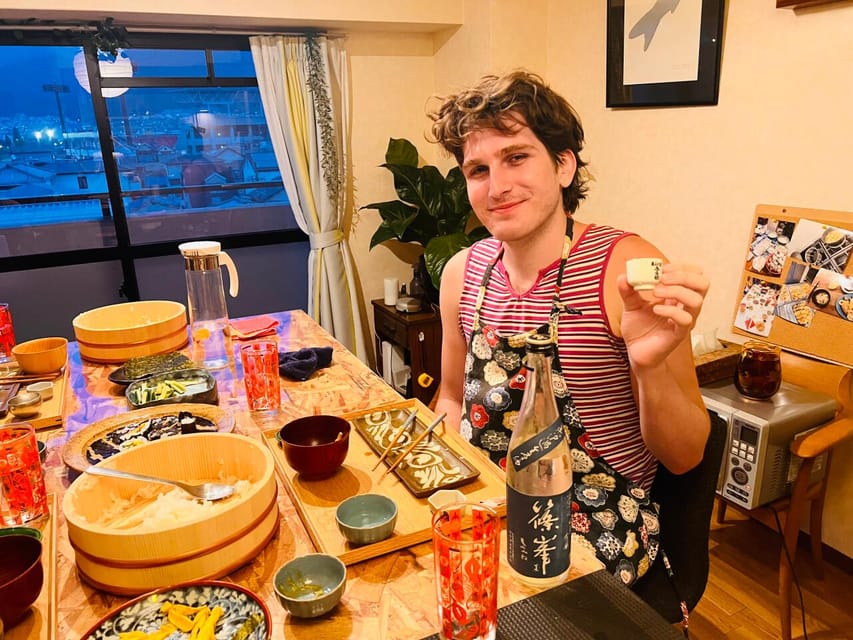
Tatsuta-age is a Japanese style of marinated and fried food. Here, fish is paired with scallion sauce, creating a dish that fits naturally beside sake.
This section gives you a chance to see how marinating affects texture and flavor before frying. The coating should provide a crisp exterior, while the fish remains tender inside. The scallion sauce adds freshness and sharpness after the frying process.
I like this dish as part of the menu because it teaches a technique that can be adapted. The same general approach can help you prepare other fish or small portions for a Japanese-style meal. It is also a good reminder that izakaya food is not limited to deep-fried snacks. The marinade and sauce carry as much importance as the crisp coating.
You will want to pay close attention to the timing here. Fried food is at its best when served promptly, and the class schedule has to coordinate several dishes at once. The small group should make it easier to follow the cooking sequence and ask questions if you are unsure when something is ready.
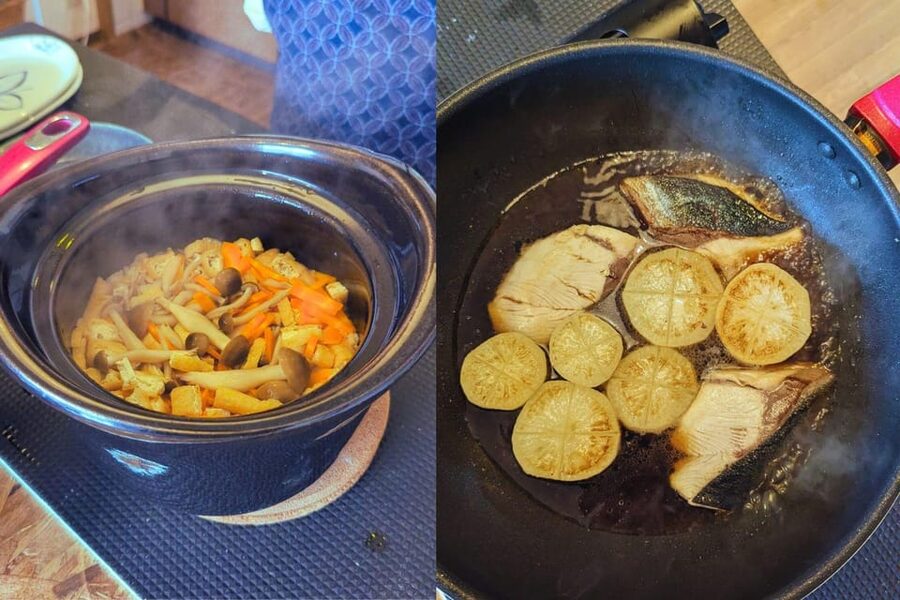
Simmering yellowtail with daikon
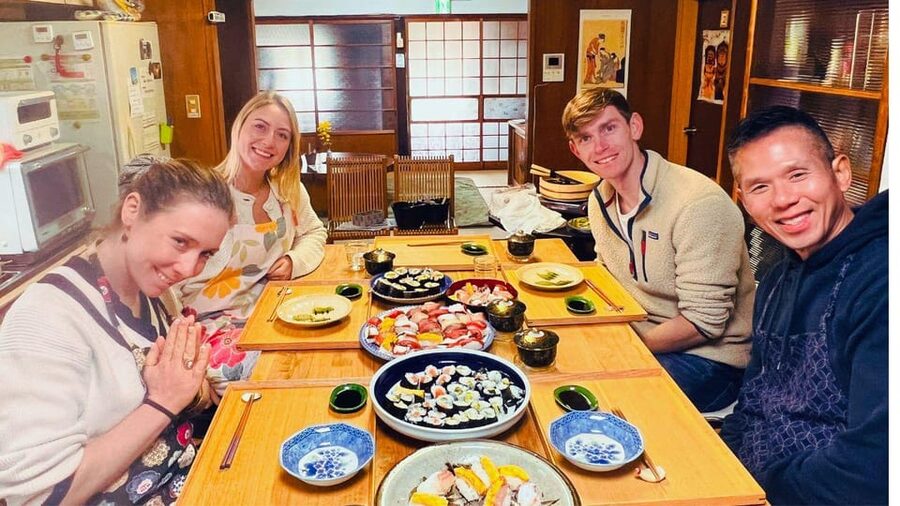
The simmered yellowtail with daikon is the most traditional-feeling dish on the menu. It uses a classic pairing and shows how Japanese cooking can turn a few straightforward ingredients into a deeply seasoned main course.
Daikon absorbs the cooking liquid as it softens, while yellowtail brings a fuller fish flavor. Soy sauce, mirin, and sake help create the savory-sweet base associated with many Japanese simmered dishes. The aim is tender daikon and properly cooked fish, not a thick sauce or heavy coating.
This is the lesson where heat control matters most. Simmering is slower and gentler than frying, and the timing affects both the fish and the daikon. You will learn why the ingredients need enough time to take on flavor without becoming overcooked.
For home cooks, this may be the most valuable recipe of the five. A simmered dish can become part of a regular meal, especially in cooler weather, and the basic method can be adapted to other fish and vegetables. It also gives you a better feel for the role of broth and seasoning in Japanese food.
Finishing with mixed-rice onigiri
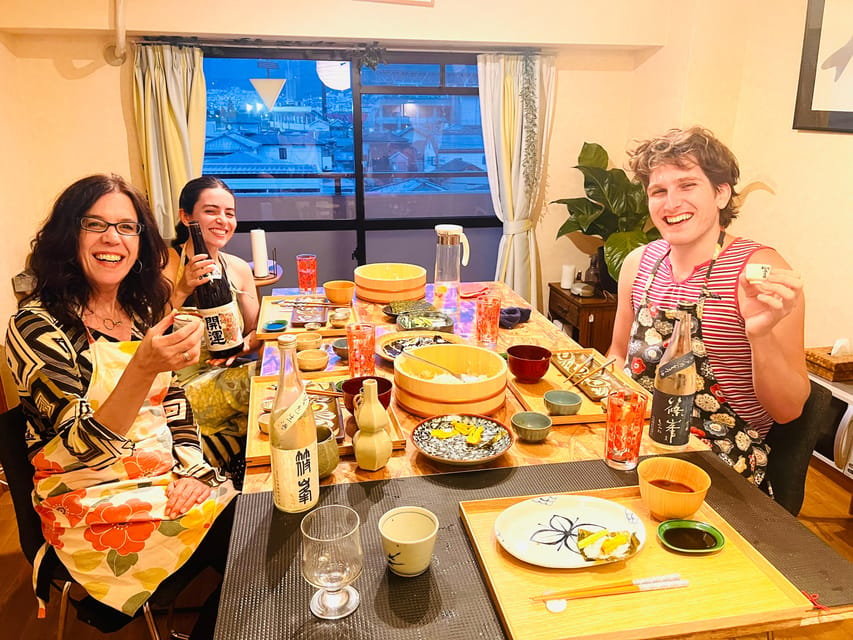
The final dish is mixed-rice onigiri. Rather than using plain white rice alone, you season mixed rice and shape it by hand into a portable snack.
This is a gentle way to finish the meal. After the stronger flavors of wasabi, vinegar, fried fish, and simmered yellowtail, rice offers comfort and balance. The hands-on shaping also makes the dish more personal than simply serving rice in a bowl.
Onigiri looks easy, but the texture of the rice and the pressure used while shaping it both matter. Press too lightly and it falls apart. Press too hard and it becomes dense. The class gives you a chance to practice that balance with guidance nearby.
The mixed-rice approach is also useful at home because it gives leftover rice a new purpose. The exact ingredients are not specified, so you should ask Yuki about the seasonings and possible variations during the lesson.
What the optional sake tasting adds
The sake option includes three pours: a Junmai and a Junmai Ginjo served chilled, both from the same brand, followed by one warm sake. Comparing two styles from the same producer is a smart format because it lets you focus on the difference between the drinks instead of being distracted by several unrelated brands.
The warm sake adds a second comparison. Temperature can change how sake smells and tastes, so you get a simple introduction to an important part of Japanese drinking culture.
The tasting is matched naturally to the food. Fish tatsuta-age is described as a good partner for sake, while the salty, sweet, sour, and savory dishes give you several flavors to compare. You do not need to be a sake specialist to enjoy this section. The point is to notice what changes when the same type of drink is chilled or warmed.
Sake is optional, which is helpful for anyone who does not drink alcohol. You can still take the cooking class and eat the food without choosing the tasting. Confirm the available option and its cost when booking.
What is included and what you should plan for
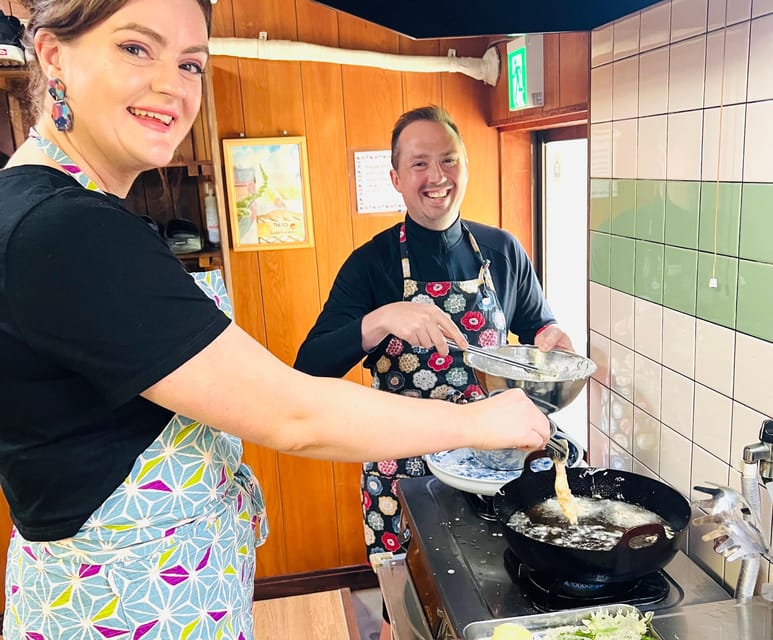
The $109 price includes expert instruction, five dishes, cooking ingredients, equipment, aprons, tea, water, cultural information, and digital photos. Those inclusions reduce the small extra costs that can make cooking activities feel less good value.
The digital photos are a nice touch, especially if you want a record of the class without spending your own cooking time taking pictures. The photos also give you something to look back on when you try the recipes later.
You need to arrange your own transportation to the venue. Since the meeting point can vary by booking option, do not rely only on a general map pin. Check the exact address and start time after selecting your option.
The class lasts three hours. That is long enough to cook and eat five dishes, but it is also a meaningful block in your Osaka schedule. Plan around it rather than trying to squeeze in a major attraction immediately before or after.
Food allergies should be reported in advance. Yuki will adjust preferences as much as possible, but you should provide clear information before arrival, especially because the menu includes fish, octopus, soy-based seasonings, and possibly other common ingredients.
Who will get the most from this Osaka class
I would choose this class if you want practical Japanese cooking skills and prefer a small, personal setting to a large group demonstration. The menu suits curious beginners, but it also gives experienced home cooks useful lessons in seasoning, simmering, frying, and rice preparation.
It is a good match for couples, friends, solo participants, and small family groups. The four-person limit means you should have room to participate rather than simply watch.
The class is also a strong choice for people who have already taken a sushi lesson and want a wider view of Japanese food. You will work with everyday ingredients and dishes that reflect izakaya and home cooking.
I would think twice if you want a full restaurant meal with no hands-on work. This is a cooking class first. You will be preparing food, following instructions, and helping with the process. The apartment setting may also feel too informal if you are looking for a formal culinary school environment.
The current rating is 4.7 from seven ratings, with four supplied comments giving full marks. The most consistent praise centers on the relaxed atmosphere, clear recipes, attentive instruction, useful tips, and delicious finished food. The cucumber and octopus salad receives a particularly strong mention, while the overall meal is described as easy to follow and enjoyable to make.
Should you book Master Washoku?
Book it if you want to leave Osaka with more than photographs and restaurant recommendations. The combination of five cooking techniques, a four-person limit, Chef Yuki’s izakaya experience, and an optional sake comparison gives you a useful introduction to everyday Japanese food.
The best reason to choose it is the menu’s range. You will make a cool vinegar salad, a seasoned potato dish, crisp fried fish, simmered yellowtail with daikon, and mixed-rice onigiri. That is a practical lesson in how Japanese meals build contrast.
Skip it if you have strict dietary needs that cannot be adjusted, dislike seafood, or want an activity with no cooking responsibility. For most food-focused visitors, though, the $109 fee is reasonable for three hours of direct instruction, a complete meal, supplies, and a small-group setting near central Osaka.
FAQ
Where does the cooking class take place?
The class takes place in a comfortable apartment near central Osaka. The exact meeting point may vary depending on the option booked.
How long does the activity last?
The class lasts three hours. Starting times depend on availability.
How many people can join the class?
The class is limited to four participants, making it a small-group experience.
Which languages does Chef Yuki speak?
Instruction is available in English and Japanese.
Is sake tasting included?
Sake tasting is an optional add-on. The tasting includes two chilled sakes, one Junmai and one Junmai Ginjo from the same brand, plus one warm sake.
Can food allergies or preferences be accommodated?
You should tell Yuki about food allergies in advance. Preferences can be adjusted as much as possible, but the provided information does not guarantee every substitution.
Newest classes around Osaka
- Okonomiyaki&Takoyaki for Families:Osaka Street Food Festival★ 5.0 · 4 reviews
- Osaka: Gluten-Free Ramen and Gyoza Cooking Class★ 5.0 · 42 reviews
- Osaka Okonomiyaki Cooking Experience for Families & Groups★ 4.9 · 8 reviews
- Osaka Sake Tasting with Takoyaki Cooking★ 5.0 · 156 reviews
- Osaka : Exclusive Tea Ceremony & Wagashi Cooking★ 5.0 · 2 reviews
- Osaka: Okonomiyaki Cooking Class with Beer or Soft Drink★ 4.9 · 9 reviews
- Osaka: Japanese Cooking Class with Matcha Experience★ 5.0 · 4 reviews
- Osaka: Cooking Class & Sake Tasting with Local Market Visit★ 4.8 · 31 reviews
Osaka Cooking Classes, compared.

Sushi Making Osaka! Popular Sushi Class in Japan!
Read our review →
Osaka Cooking Class: Okonomiyaki &Japanese cuisines experience
Read our review →
Roll and Authentic Sushi Making Class in Dotonbori
Read our review →

Browse the lists this tour appears in