
Review · COLOMBO COOKING CLASSES
Cooking Class Sri Lanka with Locals
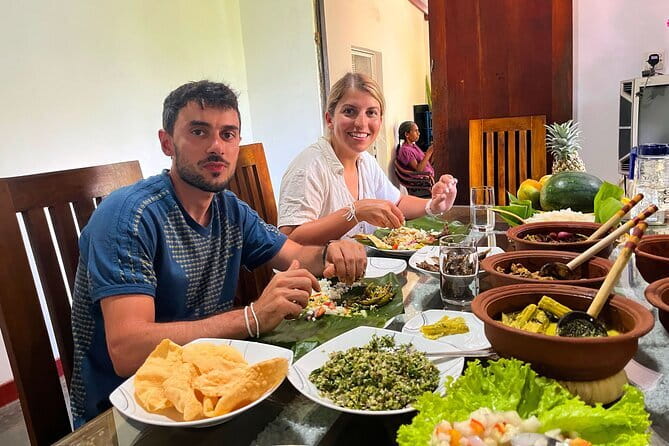
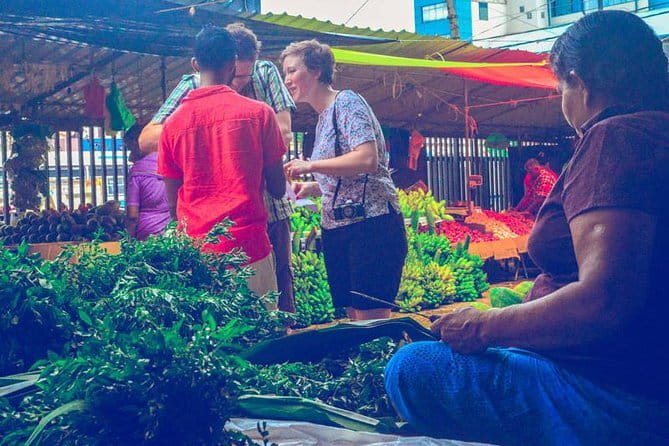
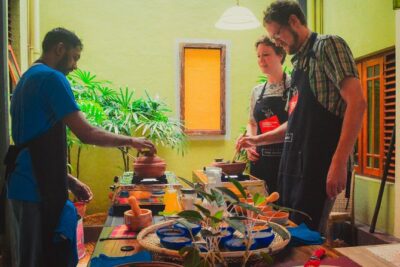
The best part of this Colombo cooking class happens before the stove is lit. Anu and Danuka take you to a local market to choose produce, sample fruit, and see how everyday Sri Lankan ingredients become a meal. I like that the class takes place in a real family home, not a polished cooking studio, and that you get hands-on help from local hosts. The use of coconut, natural spices, and no artificial additives gives the food lesson a clear sense of place.
I also like the private format. Your group participates on its own, and you can select a preferred time. The main drawback is transport after the class: pickup is included, but drop-off is not. You will need a taxi, Uber, or PickMe, though the hosts can help arrange one.
Key points to know before booking
- A market visit comes first: Choose fresh ingredients and sample local fruit before cooking.
- Anu and Danuka host you at home: The class offers a personal family setting rather than a commercial kitchen.
- Coconut takes center stage: You learn why it is such an important part of Sri Lankan cooking.
- The group is private: Only your own party takes part, with personal attention from the hosts.
- Food is included: The experience includes lunch and dinner, depending on the selected timing.
- Pickup is covered, return transport is not: An air-conditioned vehicle collects you, but you arrange your way back.
Starting with a Colombo market visit
This experience begins with a practical lesson in shopping. Instead of handing you a premeasured basket of ingredients, Anu and Danuka take you to an outdoor market so you can see how the meal begins at the buying stage.
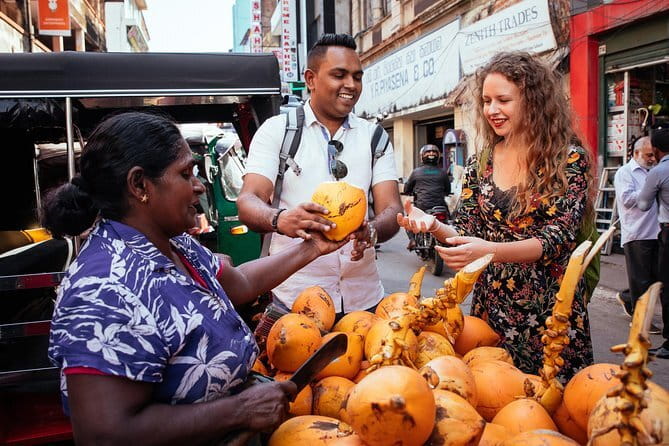
That small change matters. Sri Lankan cooking depends on fresh produce, coconut, spices, and a good sense of balance. At the market, you can learn how to select fruit and vegetables with local guidance. You also have the chance to sample some of the fruit, which gives the visit a taste element before the cooking even starts.
I like this part because it connects the final meal to ordinary life in Colombo. You are not simply learning a recipe in isolation. You are seeing the ingredients in the setting where local households buy them.
The market may feel busy and less orderly than a supermarket. That is part of the point, but it can also make the first section less relaxed for anyone who prefers a quiet, tidy environment. Keep your attention on the hosts and the produce, and treat the market as a lesson rather than a sightseeing stop.
The information provided does not specify a particular market name or exact route. Your timing is also flexible, so the order and pace may depend on the time you choose. You should confirm the meeting details when booking.
More Cooking Classes in Sri Lanka:
- Ella: Traditional Sri Lankan Cooking Class
★ 4.9 · 788 reviews - Organic cooking class sigiriya (kumara & family)
★ 5.0 · 650 reviews - Sri Lanka Cooking Class with Granny
★ 5.0 · 587 reviews
Entering Anu and Danuka’s family home
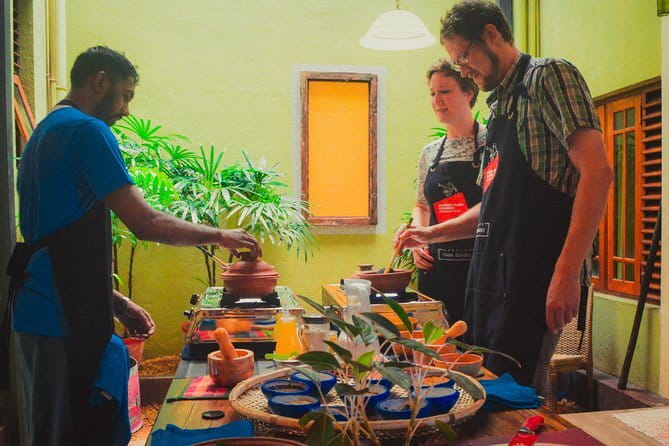
After the market, you go to the family home of Anu and Danuka. The setting is central to the experience. You are welcomed into a real local home, where Anu, Danuka, and family members guide you through the food preparation.
That gives the class a warmer feel than a standard demonstration. You can ask questions as you work, watch the hosts handle ingredients, and see how food is prepared in a household setting. The focus is on participation, not on standing at the back while someone cooks for you.
The home is described as clean and hygienic, which will matter to you if you are cautious about cooking in an unfamiliar setting. At the same time, a private home is not the same as a purpose-built culinary school. You should expect a more personal and informal atmosphere, with the character of a family kitchen rather than a professional training room.
The private setup is useful for couples, families, and small groups with different levels of cooking skill. You can ask for clarification without worrying about a large class moving on before you are ready. It also gives you room to focus on the parts of Sri Lankan food that interest you most.
Learning why coconut matters so much
One of the most useful food lessons here concerns coconut. The hosts explain that coconut is a major part of Sri Lankan cooking, not just a garnish or occasional ingredient. It can help shape the texture and flavor of a dish, and it appears in many parts of the country’s food traditions.
You also learn a broader cooking principle: less can be better. That idea is easy to miss when you first encounter a cuisine known for spices. The point is not to add every seasoning at once. It is to use a smaller number of natural ingredients in the right balance.
This is where the class offers more than a list of recipes. You are learning how local cooks think about flavor. The hosts connect the food to Sri Lanka’s culinary traditions and history, so the cooking has cultural context as well as practical instruction.
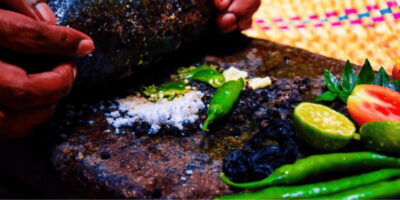
The class specifically emphasizes natural, local spices and says that artificial additives are not used. That will appeal to you if you want to understand the basic flavor of the ingredients rather than rely on packaged shortcuts. The exact menu can vary, and the available information does not name each dish, so do not book expecting a fixed list of recipes unless you confirm it in advance.
Hands-on cooking, not just a demonstration
The central part of the class is preparing traditional Sri Lankan dishes with guidance from the hosts. You take part in the work rather than simply watching a chef cook a finished meal.
That makes the four-hour duration feel useful. Time is available for the market, ingredient preparation, cooking, and eating. It is not a rushed hour-long demonstration squeezed between other activities.
You can expect personal guidance from Anu and Danuka as you work. The overview also describes personalized attention and diverse menu options, though it does not provide a detailed menu or list of dietary choices. If you have food restrictions or strong preferences, tell the provider before the activity and ask what can be accommodated.
The class is a good fit if you want to understand technique and ingredients in a straightforward way. It may be less suitable if you want a formal certificate, advanced chef training, or a fixed multi-course menu set out in advance. This is a cultural cooking visit first, and a professional cooking course second.
Same region, a different dish to learn:
- Kandy Village Cooking Class
★ 5.0 · 536 reviews - Sea waves sri lankan cooking class
★ 5.0 · 467 reviews - Ella: Sri Lankan Cooking Class with Neranji at Homestay
★ 5.0 · 276 reviews - Cook with Wasantha
★ 5.0 · 248 reviews
Lunch and dinner are part of the experience
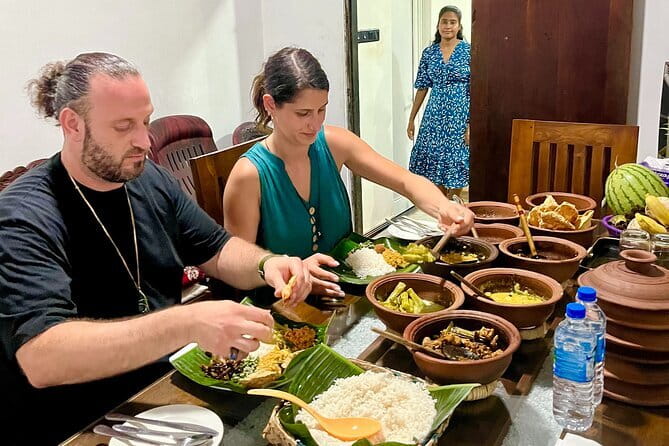
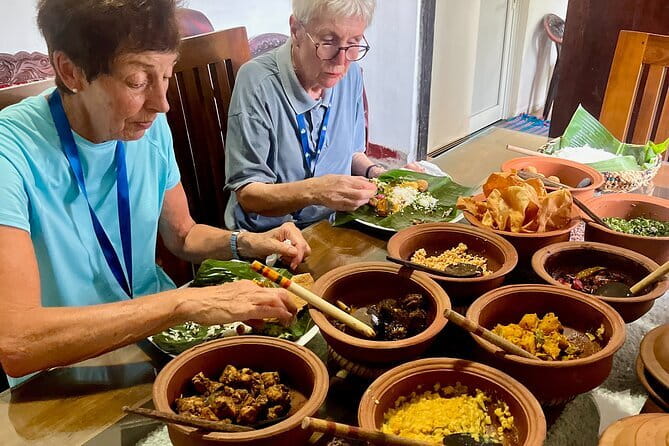
Food is not merely an example at the end. Lunch and dinner are included in the experience details. The exact meal depends on the time you select, so ask which meal you will receive when arranging your visit.
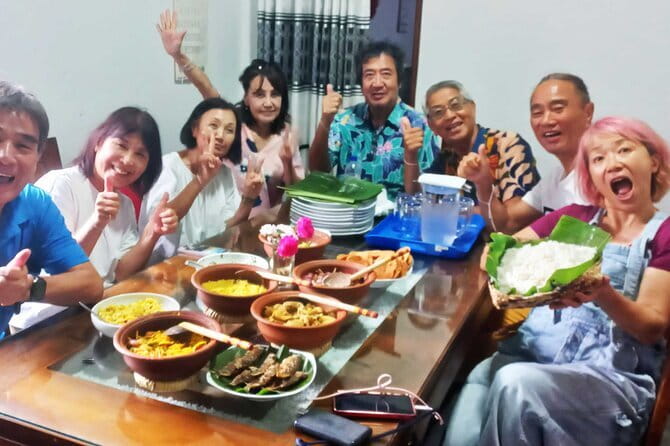
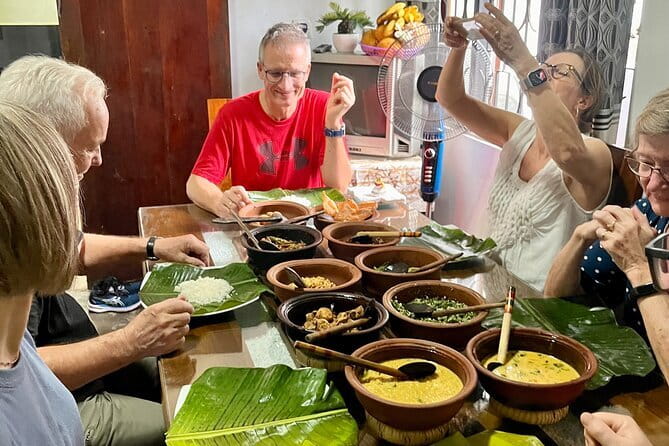
Sharing the finished food at the family home is an important part of the day. You have seen the ingredients at the market, prepared them in the kitchen, and then eaten the result in the same local setting. That sequence gives the meal a satisfying sense of purpose.
I also like that the meal lets you judge the cooking lesson by taste. You can see how the spices, coconut, and fresh produce work together rather than leaving with only written instructions.
Do not assume that lunch and dinner mean two separate full meals. The information says both are included, but it does not explain whether the selected time determines one or the other. Clarify that point if it matters to your plans.
What the $40 price gets you
At $40 per person, this is priced as a full cultural activity rather than a short cooking demonstration. You are paying for roughly four hours, a market visit, transport pickup in an air-conditioned vehicle, personal instruction, the meal, and access to a family setting.
The private format strengthens the value for a small group. A couple or family can share the activity without being combined with strangers, and the hosts can give attention to your pace and questions. For a solo visitor, the value depends more on how much you enjoy personal food instruction and cultural exchange.
The price is less compelling if your only aim is to eat a Sri Lankan meal. You could spend less on food alone. The benefit here is the complete chain from market to kitchen to table, plus the chance to learn how the ingredients are used.
Group discounts are available, which may make the cost more attractive for a larger party. Since only your group participates, ask about the discount before paying and confirm the final price for your party size.
Pickup, timing, and the trip home
Pickup is included, and the vehicle is air-conditioned. In Colombo, that is a useful comfort, especially if you are carrying shopping items or moving through warm weather. The experience is near public transportation, so you have more than one way to reach the area.
You can select your preferred activity time. That flexibility helps you fit the class around a morning arrival, an afternoon plan, or an evening meal. The experience lasts about four hours, so leave a generous gap before your next fixed booking.
The weak point is the return trip. Drop-off is not included. You can use a taxi, Uber, or PickMe from the location, and the hosts are willing to help arrange transport, but you should not assume a vehicle will be waiting for you.
I would save the address and keep your phone charged. You will have an easier time leaving if you have a ride app ready, even though the hosts can assist. If your schedule is tight, the missing drop-off service is worth considering before booking.
Who will enjoy this cooking class most
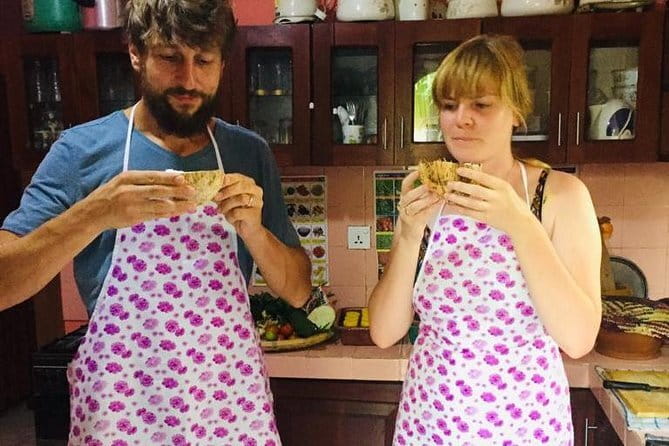
This experience suits you if food is one of your main ways to understand a country. You will get the most from it if you want to visit a local market, ask questions, work with ingredients, and eat in a family home.
It is also a strong choice for couples, families, and private groups. The hosts can focus on your party, and the flexible timing makes it easier to shape the activity around your day in Colombo.
The class may suit people with different cooking abilities because the emphasis is on guided participation. You do not need to be an expert to learn why coconut matters or how fresh produce and spices fit into the meal.
You may want another type of activity if you prefer a formal cooking school, a published menu, hotel pickup and drop-off, or advanced instruction. The menu details are not fixed in the information provided, and return transport is your responsibility.
Booking details and cancellation
Confirmation is provided at the time of booking, and mobile tickets are accepted. The activity is private, so only your group participates.
You can cancel for a full refund if you do so at least 24 hours before the local start time. Cancellations or changes made less than 24 hours before the start are not refunded or accepted. Poor weather can also affect the activity. If the provider cancels because of weather, you will be offered another date or a full refund.
Because the duration is about four hours and the timing is flexible, confirm the start time, pickup point, meal arrangement, and return transport plan before the day itself.
Should you book Cooking Class Sri Lanka with Locals?
I would book this if you want a personal Colombo experience built around food, family life, and local ingredients. The market visit, coconut lesson, natural spices, and private home setting give the class more substance than a simple cook-and-eat session.
The $40 price is fair when you use the full package: pickup, market visit, hands-on cooking, meal, and private attention. It is less useful for someone who only wants a quick meal or a formal culinary course.
Book it if you value conversation and context as much as the finished dishes. Skip it if you need a fixed menu, included transport back, or a highly structured school kitchen. For most food-focused visitors who have four hours to spare in Colombo, this offers a direct and friendly way to understand Sri Lankan cuisine.
FAQ
Where does the cooking class take place?
The class takes place in Colombo and includes time in a local outdoor market followed by cooking at the family home of Anu and Danuka.
How long does the experience last?
The activity lasts approximately four hours.
Can I choose the start time?
Yes. You have flexibility to select your preferred timing for the activity.
Is pickup included?
Yes. Pickup is included in an air-conditioned vehicle.
Is drop-off included after the class?
No. Return transportation is not included, but you can use a taxi, Uber, or PickMe. The hosts can help arrange it.
Is the class private?
Yes. This is a private activity, so only your group participates.
Are lunch and dinner included?
Yes. Lunch and dinner are listed as included. The meal you receive depends on the timing you select, so confirm the details when booking.
Will I visit a market?
Yes. The experience includes a visit to a local market to select fresh ingredients and sample local fruit.
Are mobile tickets accepted?
Yes. The activity offers a mobile ticket.
Can I cancel for a full refund?
Yes. You can cancel at least 24 hours before the local start time for a full refund. Cancellations made less than 24 hours before the start are not refunded.
Newest classes around Sri Lanka
- cooking lesson★ 5.0 · 7 reviews
- Hands-On Cooking Class in Anuradhapura-Cook Like a Local★ 5.0 · 2 reviews
- Sri Lankan Cooking Class in Bentota★ 5.0 · 2 reviews
- Sri Lanka: Cooking Class★ 4.4 · 6 reviews
- Sri Lankan Cookery with Nilu★ 5.0 · 34 reviews
- Cooking Experience from Ella★ 4.9 · 2 reviews
- Private cooking class – Personalized classic menu★ 5.0 · 5 reviews
- Nilaveli: Sri Lankan Cooking Class with a Local Family★ 5.0 · 16 reviews
Colombo Cooking Classes, compared.
Browse the lists this tour appears in