
Review · KANDY COOKING CLASSES
Sri Lanka Cooking Class with Granny
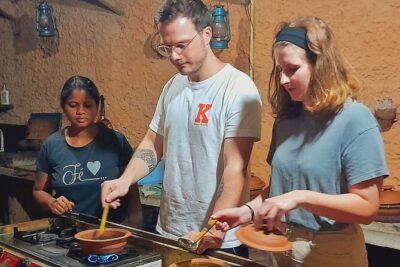
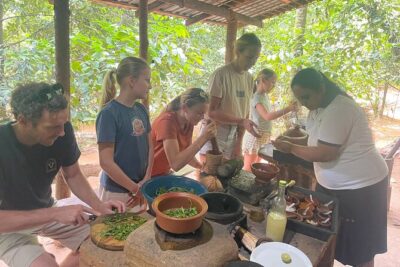
The best part of this Kandy cooking class is that you do not simply watch someone make curry. You choose vegetables, chop them yourself, learn how coconut milk is prepared, and cook several dishes with Nandini and her family in a village home. Some classes take place in a traditional clay kitchen, which makes the lesson feel more like a family meal than a polished demonstration.
I like the hands-on format and the freedom to choose dishes based on your taste and dietary needs. I also like the market option, especially if you want help identifying unfamiliar vegetables, fruit, spices, and curry ingredients before cooking. The main thing to consider is time: the advertised three and a half hours can stretch longer, particularly when the market visit is included and a large meal is prepared.
Key points at a glance
- Cook in a family home near Kandy: The class takes place outside the city, often in a covered outdoor kitchen with traditional clay pots.
- Choose your own ingredients: Fresh vegetables and other dishes depend on the market, the season, and your preferences.
- Meet Nandini and the family team: Nandini is the main cooking teacher, while Sudesh often helps with market visits and transport arrangements.
- Expect more than one curry: Past menus have included chicken, egg, pumpkin, okra, eggplant, daal, potatoes, sambol, papadums, and dessert.
- Add the market visit: You can shop for ingredients in a local market before heading into the hills outside Kandy.
- Allow extra time: The cooking, eating, conversation, and transport can make this a half-day or evening activity rather than a strict three-and-a-half-hour appointment.
Why this class feels different from a restaurant meal
Sri Lankan food is easy to admire at the table, but harder to understand from a menu. A curry may be labeled simply as vegetable, chicken, or eggplant, while its character comes from the order of cooking, the spice balance, the kind of coconut milk, and the way each ingredient is cut.
This class gives you a look at those small decisions. You begin with tea or coffee, then learn about the spices and vegetables before touching the cooking pots. You are invited to cut and chop the ingredients, rather than standing behind a counter while an instructor does the work.
I particularly like that the meal is not fixed in advance. The available vegetables change with the day’s market supply. You may choose from several options and shape the meal around what you enjoy. If you do not eat certain foods, tell the host when booking and again at the start of the class so the menu can be adjusted.
The setting also matters. This is not described as a restaurant kitchen or a school built for large groups. It takes place at a family home in a village outside Kandy, with some classes held in a covered outdoor kitchen. You might cook in traditional clay pots and see a more ordinary side of life in the hills beyond the city.
More Cooking Classes in Sri Lanka:
- Ella: Traditional Sri Lankan Cooking Class
★ 4.9 · 788 reviews - Organic cooking class sigiriya (kumara & family)
★ 5.0 · 650 reviews - Kandy Village Cooking Class
★ 5.0 · 536 reviews
Starting in Kandy with tea, spices, and a plan
Pickup is offered, and the stated meeting point is Kandy City Centre. The practical details can vary, so confirm the exact pickup arrangement when you book. Some arrangements include transport from Kandy, while a return tuk-tuk to your hotel may cost extra.
Once you arrive, the class begins at an easy pace with tea or coffee. This is a useful pause before the cooking starts. You can meet the family, explain your food preferences, and get an overview of the spices and vegetables that will shape the meal.
Nandini is the main teacher named in the class information and is often described as patient, humorous, and willing to let you do the work yourself. Other names connected with the experience include Nandi, Granny Nanti, Auntie Shanti, and Sudesh. The exact family team may depend on the date and group.
Do not expect a formal lecture. The value is in asking questions as you go. You can learn why a particular spice is toasted, how vegetables are prepared, and how the same basic ingredients can produce very different dishes. The teaching is practical, so bring questions about heat, substitutions, and how to repeat the recipes at home.
The market visit: useful, colorful, and optional
The market visit is an upgrade rather than a required part of the basic class. If you choose it, you will begin by visiting a local market with Sudesh or a member of the team, then select ingredients for the meal.
This is a good choice if Sri Lankan produce is unfamiliar to you. The market can help you connect a finished curry with the actual vegetables that go into it. You may see pumpkins, okra, eggplant, long beans, potatoes, fruit, spices, and other ingredients used in everyday cooking.
I would add the market visit if you have not already spent time in a Sri Lankan food market, or if you want a fuller half-day outing. It gives the cooking class more context and helps you understand why the menu changes from one day to the next.
There is one fair reason to skip it. If your main goal is simply to cook and eat, the market adds transport and time. One class can run to about six hours with the market included, so it may not suit a tightly planned day. You also may prefer to explore Kandy’s markets on your own.
Heading into the hills outside Kandy
After the market, or after pickup from the city, you travel to the family home. The location is described as a village in the hills near Kandy, roughly 20 minutes away by tuk-tuk in some arrangements. The ride is part of the change in mood: you leave the city and reach a quieter residential area.
Transport is the one part you should clarify before setting out. The basic information says pickup is offered, but also lists private transportation and an air-conditioned vehicle as not included. Some arrangements have included a tuk-tuk from Kandy, while the return ride has been paid separately at a reasonable or occasionally higher-than-expected price.
That does not ruin the class, but it affects the final cost. Ask whether pickup and drop-off are included, where the driver will meet you, and what the return fare will be. This is especially important if you are staying outside central Kandy.
Same region, a different dish to learn:
- Sea waves sri lankan cooking class
★ 5.0 · 467 reviews - Ella: Sri Lankan Cooking Class with Neranji at Homestay
★ 5.0 · 276 reviews - Cook with Wasantha
★ 5.0 · 248 reviews - Ella : Cooking class with amazing Spice Garden Tour
★ 5.0 · 239 reviews
Cooking in a traditional home kitchen
The cooking itself is the heart of the experience. You choose vegetables and sometimes meat or eggs, then cut and prepare them under instruction. The teacher shows you the method and steps in as needed, but you are not treated as a passive audience.
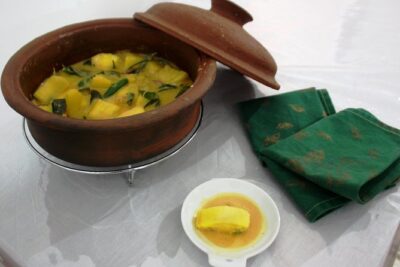
Menus can be generous. A single class may include several vegetable curries, chicken curry, egg curry, daal, tempered potatoes, sambol, papadums, and a sweet dish. One particularly broad menu included pumpkin, long beans, mango chutney, and a special eggplant preparation made because the participants liked eggplant.
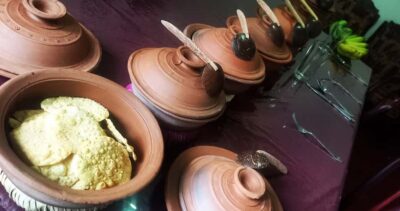
You may also learn how to make coconut milk from a whole coconut. This is a memorable lesson because Sri Lankan cooking may use different strengths of coconut milk, sometimes called first and second milk. The change can affect the body and flavor of a curry, and it is the sort of detail you are unlikely to pick up from a standard restaurant meal.
The traditional clay kitchen adds a rustic quality, but it also means you should be comfortable with a less polished setting. The class is better suited to someone who enjoys practical cooking, village surroundings, and a little dust or heat than to someone expecting a spotless culinary studio.
What you will actually eat
At the end, you sit down to eat the meal you helped prepare. Lunch or dinner is included, along with bottled water and tea or coffee. Alcohol is not included.
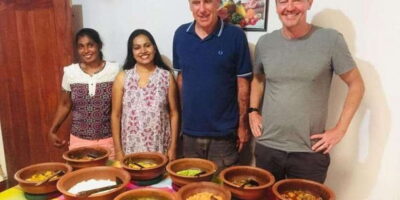
The meal is usually built around rice and several small curries, which is a useful way to understand Sri Lankan food. You taste how different vegetables respond to the same spice family, how coconut changes the texture, and how sambol or chutney adds sharpness and heat.
The amount of food can be substantial. You may prepare five to ten dishes, depending on the group, menu, and available ingredients. That sounds appealing, but it also explains why the class can run beyond the stated duration. If you have an evening train, a temple visit, or a fixed dinner booking, leave a generous gap.
Dessert can include coconut pancakes, and some groups have prepared a special sweet course after the curries. The exact dish is not guaranteed because the menu depends on fresh ingredients and the day’s plan.
Price and value at $25 per person
At $25 per person, this is a strong value if you want a full meal, instruction, and a personal look at home cooking rather than a short demonstration. You are paying for more than ingredients. The price also covers the time spent preparing multiple dishes, eating together, and learning techniques you can use later.
The value becomes even better for people who cook at home. Recipes may be sent afterward, giving you a practical way to repeat the dishes. The class can also help you shop with more confidence, since you learn what unfamiliar produce looks like and how it is used.
The price does not cover alcoholic drinks, an air-conditioned vehicle, or all private transportation. The market visit may be an upgrade, and the return tuk-tuk may cost extra. Add those costs before comparing this class with other Kandy food activities.
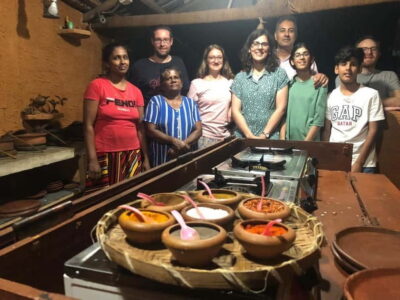
A private activity is listed as being for your group only, although the cooking format can also involve a small group in some arrangements. Either way, the setting is more personal than a large commercial class. If you want one-on-one attention, ask how many people are booked for your date.
Who will enjoy this most
I would recommend this class to food-focused visitors, couples, families, and anyone who prefers meeting a local family to visiting another formal attraction. It works especially well for people who want to take a skill home, not just take photographs of lunch.
It is also a good choice if you are unsure about Sri Lankan vegetables or spice levels. You can ask for guidance and help shape the menu. The cooking is active, so you should be willing to chop, stir, taste, and follow instructions.
The class may be less suitable if you need a tightly controlled schedule, cannot manage a rustic home kitchen, or want an advanced culinary course. It is designed around hospitality and participation rather than professional certification. The teacher’s style is warm and informal, and the menu changes with the market.
Families should find the adjustable menu helpful, but confirm any serious allergies before arrival. Dietary restrictions can be accommodated according to the information provided, yet the kitchen may handle several ingredients at once.
Timing, transport, and small practical tips
Choose a morning or afternoon start to fit your Kandy plans. If you add the market visit, plan on more than the advertised three and a half hours. A cooking class with many dishes, a full meal, and a tuk-tuk journey can easily become a major part of the day.
Wear clothes you can cook in and shoes suited to a village home. The setting may be covered but is not described as air-conditioned. Bring an appetite, but avoid planning another large meal immediately afterward.
Pickup is offered, with Kandy City Centre listed as the start point and the activity ending back at the meeting point. Because the transport wording is not completely uniform, confirm the fare and drop-off plan in advance.
Free cancellation is available up to 24 hours before the start time. Changes made inside that window are not accepted, and poor weather or failure to reach the minimum number of participants can lead to a rescheduled date or full refund.
Should you book the Granny cooking class?
Book it if you want real participation, a generous Sri Lankan meal, and time with a family in a home setting. The combination of market produce, clay-pot cooking, coconut milk, and several curries gives you a useful picture of how the food is made beyond a restaurant kitchen.
Skip the market upgrade if your schedule is tight or you have already had a full market experience. Also ask about transport before paying, since return tuk-tuk arrangements may be separate.
For $25, this is one of the better-value food activities in Kandy for people who like to cook and eat at an unhurried pace. Just treat the timing as flexible, come ready to work, and expect a welcoming village meal rather than a polished cooking-school production.
FAQ
Where does the cooking class start?
The listed start point is Kandy City Centre in Kandy, Sri Lanka. Hotel pickup is offered, but you should confirm the exact pickup arrangement when booking.
How long does the class last?
The advertised duration is approximately three hours and 30 minutes. If you add the market visit or prepare many dishes, plan for a longer outing. One arrangement took about six hours including the market.
Is the market visit included?
The market visit is offered as an upgrade. The standard class focuses on the cooking experience.
What food will I cook?
The main focus is Sri Lankan rice and curry. Depending on the market and your preferences, dishes may include vegetable curries, chicken, egg, daal, potatoes, sambol, papadums, chutney, and dessert.
Can I choose the ingredients?
Yes. You can choose vegetables and other ingredients from the available selection. The final menu depends on daily market offerings, the season, preferences, and dietary restrictions.
Is food included?
Yes. Lunch or dinner, tea or coffee, and bottled water are included. Alcoholic beverages are not included.
Is transportation included?
Pickup is offered, but private transportation and an air-conditioned vehicle are listed as not included. Some arrangements include transport from Kandy, while the return tuk-tuk may cost extra. Confirm the details before the class.
Is this a private class?
The activity is listed as private, meaning only your group will participate. The number of people in a particular cooking session can vary, so confirm the group size if that matters to you.
Can I cancel for a refund?
You can cancel at least 24 hours before the start time for a full refund. Cancellations or changes made less than 24 hours before the start are not accepted for a refund. If bad weather or minimum attendance causes cancellation, you will be offered another date or a full refund.
Newest classes around Sri Lanka
- cooking lesson★ 5.0 · 7 reviews
- Hands-On Cooking Class in Anuradhapura-Cook Like a Local★ 5.0 · 2 reviews
- Sri Lankan Cooking Class in Bentota★ 5.0 · 2 reviews
- Sri Lanka: Cooking Class★ 4.4 · 6 reviews
- Sri Lankan Cookery with Nilu★ 5.0 · 34 reviews
- Cooking Experience from Ella★ 4.9 · 2 reviews
- Private cooking class – Personalized classic menu★ 5.0 · 5 reviews
- Nilaveli: Sri Lankan Cooking Class with a Local Family★ 5.0 · 16 reviews
Kandy Cooking Classes, compared.
Private Traditional Sri Lankan Cooking Class in Kandy with Hotel Transfers
Read our review →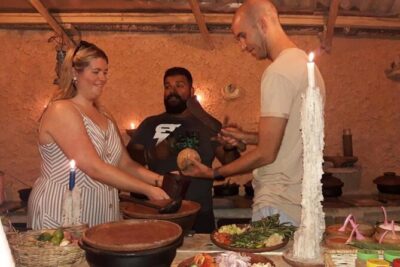
Authentic Sri Lankan Cooking Class in Kandy by Local Family
Read our review →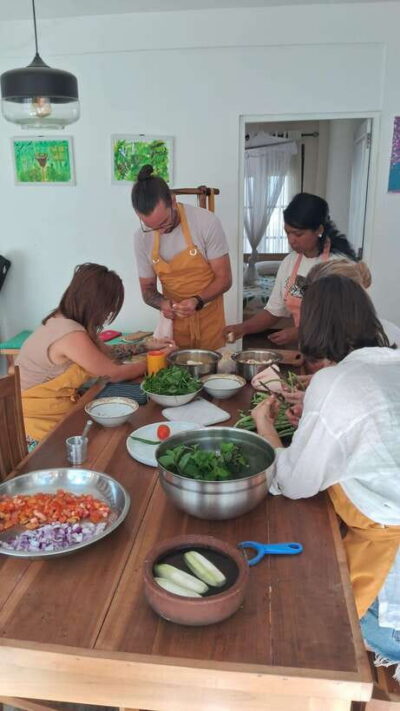
Browse the lists this tour appears in