
Review · KANDY COOKING CLASSES
Cooking With Village Family
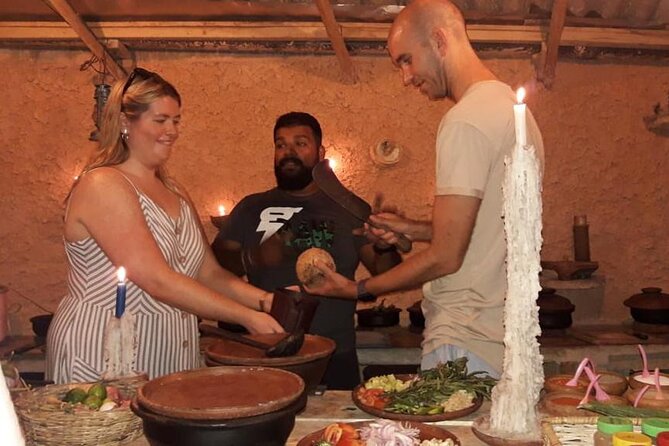
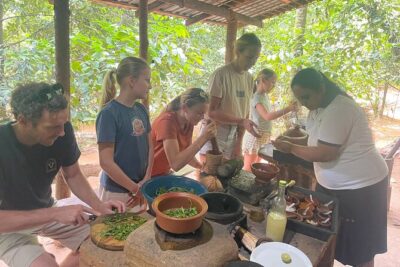
The best part of Cooking With Village Family is that you do not simply watch a chef work. You choose ingredients, prepare the meal yourself, and learn how Sri Lankan cooks turn a coconut into milk for curry. I like the private setting and the chance to cook with Nandi, whose patient guidance includes rice, daal, and several vegetable curries.
I also like that the meal becomes lunch or dinner, not just a sample at the end. The main consideration is transport: pickup is offered, but private transportation is not included, so confirm exactly where and how you will meet the family before you set off from Kandy City Centre.
Key points at a glance
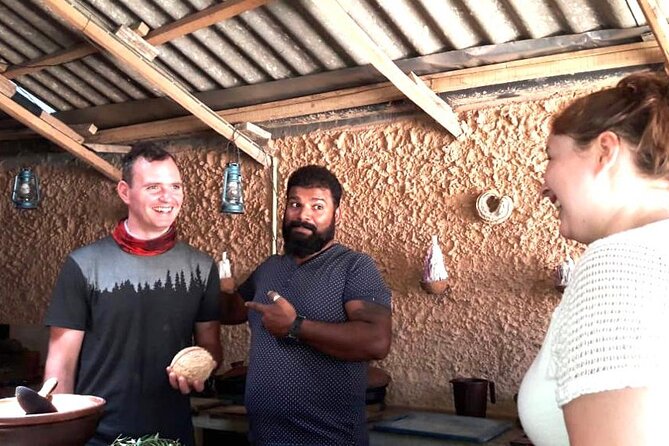
- Cook with a local family: This is a private activity for your group, rather than a large class built around a professional demonstration.
- Make coconut milk by hand: You learn an important part of Sri Lankan cooking instead of relying only on ready-made ingredients.
- Choose your own ingredients: The meal is assembled around what you select for lunch or dinner.
- Learn from Nandi: Her instruction covers rice, daal, and different vegetable curries, with you doing the work.
- Finish with your own meal: Lunch or dinner, tea or coffee, and bottled water are included.
- Allow three and a half hours: The pace gives you time to cook, eat, and enjoy the family setting outside the center of Kandy.
From Kandy City Centre to a village kitchen
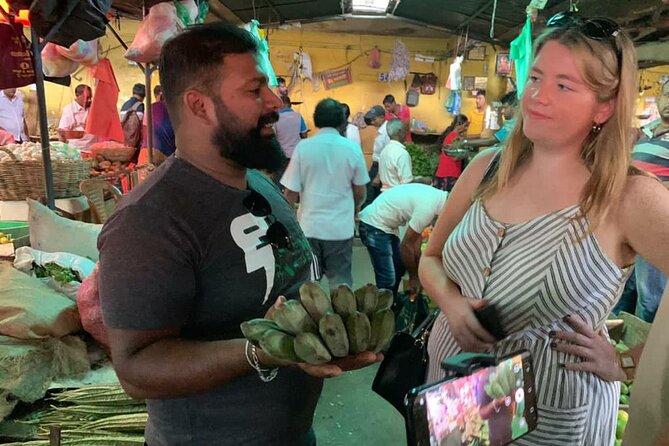
This experience begins at Kandy City Centre and lasts about three hours and 30 minutes. The setting is described as a village area just outside Kandy, so the point is to trade the city’s traffic and tour stops for a family home and a slower meal.
Pickup is offered, but the stated inclusions do not cover private transportation. That wording matters. You should confirm the pickup arrangement when booking rather than assume a private car is included in the $30 price. The meeting point is Kandy City Centre, and the activity ends back there.
Once you arrive, the first step is simple: tea or coffee. It is a small touch, but it gives you a natural start while the meal and ingredients are discussed. You are not rushed straight toward a cooking station with a list of instructions. Instead, you have time to settle in and understand what you will prepare.
The activity is private, so only your group participates. That makes a real difference if you want to ask questions, work at your own pace, or focus on the parts of Sri Lankan cooking that interest you most. It also means the class is better suited to couples, families, or friends who want a shared activity rather than a social class with strangers.
More Farm Cooking Classes in Sri Lanka
- Organic cooking class sigiriya (kumara & family)
★ 5.0 · 650 reviews - Kandy Village Cooking Class
★ 5.0 · 536 reviews - Organic Cooking Class sigiriya home Kitchen(Kumara & family)
★ 5.0 · 116 reviews
Choosing ingredients for lunch or dinner
After the welcome drink, you select the ingredients for your meal. The information does not provide a fixed menu, and that is part of the appeal. You are guided in putting together a lunch or dinner rather than handed a standard dish to copy.
This gives the class a practical edge. If you cook at home, you can pay attention to how each ingredient affects the final meal and ask which parts are essential. You can also use the selection stage to learn the basic shape of a Sri Lankan meal, with rice, daal, and vegetable curries forming the core of the dishes described.
The choice is not a promise that every possible ingredient will be available. Your meal depends on what you select and what the family can provide. Still, this format is more useful than a demonstration if your goal is to recreate Sri Lankan food later. You are making decisions, not just watching someone else make them.
I would ask about spice levels and any food restrictions early in the session. The provided details do not promise vegetarian, vegan, gluten-free, or allergy-specific menus, so you should raise those needs before cooking begins.
Learning to make coconut milk by hand
One of the most interesting parts is the lesson on getting coconut milk. Coconut milk is central to many Sri Lankan curries, and learning how it is prepared gives you a clearer sense of how the dishes are built.
Nandi guides you through this process, along with the cooking itself. The important point is that you do the work while the family guides you. This is not a polished show kitchen where you stand at a distance and take notes. You take part in assembling the meal from the start.
That hands-on style can be a little less tidy and predictable than a formal cooking school. You may need to listen closely, repeat a step, or rely on demonstration rather than a printed recipe. For many people, that is exactly what makes the session useful. You leave with a memory of the method, not only a list of ingredients.
The experience description says the chef explains how to cook and how to obtain coconut milk, but it does not identify the chef by name. The personal account available for this experience specifically names Nandi as the family member who teaches coconut milk, rice, daal, and vegetable curry. Sudesh is associated with the pickup, so you may want to confirm who will meet you and who will teach each part of the class.
Rice, daal, and vegetable curries
The food mentioned most clearly is a classic Sri Lankan combination: rice, daal, and several types of vegetable curry. These dishes make a sensible teaching menu because they show different cooking methods and textures without requiring a restaurant kitchen.
Rice may sound basic, but getting it right is an important part of a home meal. Daal introduces you to a soft, spiced dish that works with rice, while vegetable curries show how coconut milk and seasoning can change the character of a meal. The lesson is not only about one recipe. It is about how several simple dishes work together on a plate.
You should expect instruction rather than a recipe book or formal qualification. The supplied information promises guidance, but it does not state that printed recipes are provided. Bring a phone or small notebook if you want to record quantities and steps, provided that doing so does not interrupt the cooking.
The meal is described as bespoke, meaning you help shape it. That is useful if you are curious about local food but do not want a rigid class menu. The tradeoff is that the final meal may vary from one booking to another, so you should not book expecting a particular named curry unless it is confirmed in advance.
Same region, a different dish to learn:
- Ella: Traditional Sri Lankan Cooking Class
★ 4.9 · 788 reviews - Sri Lanka Cooking Class with Granny
★ 5.0 · 587 reviews - Sea waves sri lankan cooking class
★ 5.0 · 467 reviews - Ella: Sri Lankan Cooking Class with Neranji at Homestay
★ 5.0 · 276 reviews
The meal you helped prepare
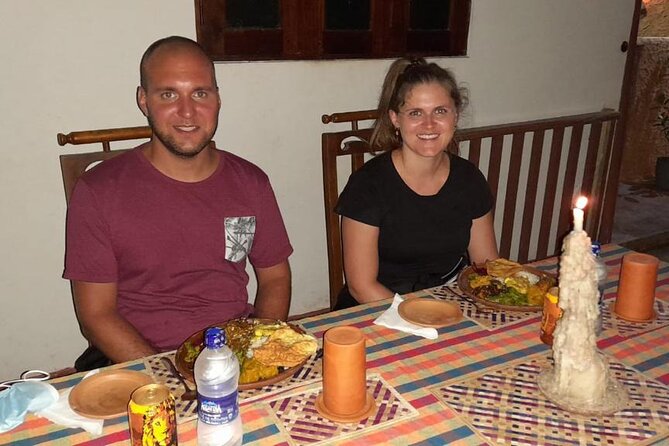
At the end, you eat the lunch or dinner you have made. This is more satisfying than receiving a separate meal because you can connect each dish to the work that produced it. You have handled the ingredients, followed the instructions, and then get to taste the result.
Lunch or dinner is included, along with bottled water and the opening tea or coffee. Alcoholic drinks are not included. That is worth noting because the experience is centered on a home meal, not a restaurant-style package with drinks.
The meal also gives you a final chance to ask questions. If a curry tastes different from what you expected, you can discuss the ingredients and method while everything is still fresh. You may find that this conversation is as useful as the cooking itself, especially if you want to adapt the dishes to ingredients available at home.
The setting is part of the meal. You are eating with a village family outside Kandy rather than simply returning to the city for a quick restaurant lunch. The available information does not promise a particular view, dining room, or cultural performance, so the value lies in the shared cooking and family setting rather than added entertainment.
What the $30 price really covers
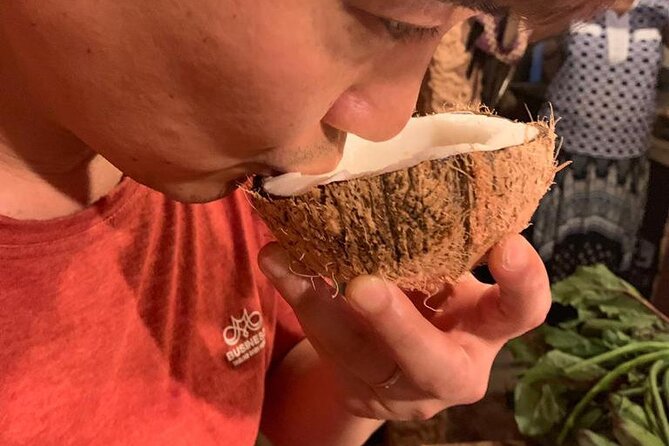
At $30 per person, this experience offers a fair amount for a three-and-a-half-hour private activity. You receive a welcome drink, ingredients selected for your meal, direct cooking instruction, lunch or dinner, and bottled water. The private format also means you are paying for time with the family, not only for food.
The price is strongest for people who want to learn. If you only want to eat Sri Lankan food, a restaurant meal will likely be quicker and may cost less. But a restaurant cannot give you the same chance to make coconut milk, choose ingredients, and prepare the dishes yourself.
Transportation is the main point to clarify. Pickup is offered, yet private transport is listed as not included. Since the tour begins at Kandy City Centre and ends back there, ask whether pickup means meeting assistance, a shared transfer, or another arrangement. Do not build your budget around a private vehicle unless the provider confirms it.
The activity is usually booked about 20 days ahead. That does not guarantee that every date sells out, but it is a useful planning signal. If this is important to your Kandy schedule, booking well before your visit gives you more choice of time and date.
Who will enjoy this Kandy cooking class
I would choose this experience if you want a personal food lesson and prefer doing the work yourself. It suits couples, families, and small private groups who can enjoy a relaxed pace and are comfortable learning in a family setting.
It is also a good choice for anyone who wants to understand Sri Lankan food beyond the restaurant plate. Making coconut milk and combining rice, daal, and vegetable curries gives you useful context for dishes you may encounter elsewhere in Sri Lanka.
The class may be less suitable if you want a polished culinary school with written recipes, professional equipment, or a fixed menu. None of those features is promised. It may also be a poor fit if you need guaranteed dietary arrangements that have not been confirmed beforehand.
Most people can participate, and the experience is near public transportation. Still, the information does not give details about step-free access, seating, or kitchen accessibility. If you have mobility needs, ask the provider before booking rather than relying on the general participation note.
Timing, weather, and cancellation details
Plan on the full three hours and 30 minutes, including the welcome drink, ingredient selection, cooking, and meal. Give yourself extra time around the Kandy meeting point so a delayed transfer or a long lunch does not affect your next plan.
Free cancellation is available if you cancel at least 24 hours before the local start time. Changes or cancellations inside that window are not accepted for a refund. The activity also depends on good weather and a minimum number of participants. If poor weather or an unmet minimum cancels the session, you are offered another date or experience, or a full refund.
Those rules are reasonable for a family-run activity, but they make it wise to avoid placing the class on the same day as a flight or a tight train connection. Keep some flexibility in your Kandy schedule.
My practical verdict
Book Cooking With Village Family if you want a private, hands-on introduction to Sri Lankan home cooking and value time with a local family more than a polished school kitchen. The strongest features are the personal instruction from Nandi, the coconut milk lesson, the freedom to select ingredients, and the chance to eat the meal you prepared.
Skip it if you only want a quick lunch, a guaranteed fixed menu, or a class with formal recipes and transport clearly included. Before paying, confirm the pickup plan, menu options, and any dietary needs. For $30, it is a good-value choice for a curious eater who wants to leave Kandy with practical cooking memories, not just another meal.
FAQ
How long does the cooking experience last?
The activity lasts approximately three hours and 30 minutes.
Where does the experience start?
It starts at Kandy City Centre in Kandy, Sri Lanka.
Where does the experience end?
The activity ends back at the meeting point.
Is pickup available?
Pickup is offered. Private transportation is not included, so confirm the exact pickup arrangement before the activity.
Is this a private class?
Yes. Only your group participates in the activity.
What food and drinks are included?
Lunch or dinner, coffee or tea, and bottled water are included. Alcoholic beverages are not included.
What will I learn to cook?
You select ingredients for your meal and receive guidance in preparing Sri Lankan food. The instruction includes coconut milk, rice, daal, and different vegetable curries.
Can I cancel for a full refund?
Yes, if you cancel at least 24 hours before the experience start time. Poor weather or an unmet minimum number of participants may also lead to a different date or a full refund.
Newest classes around Sri Lanka
- cooking lesson★ 5.0 · 7 reviews
- Hands-On Cooking Class in Anuradhapura-Cook Like a Local★ 5.0 · 2 reviews
- Sri Lankan Cooking Class in Bentota★ 5.0 · 2 reviews
- Sri Lanka: Cooking Class★ 4.4 · 6 reviews
- Sri Lankan Cookery with Nilu★ 5.0 · 34 reviews
- Cooking Experience from Ella★ 4.9 · 2 reviews
- Private cooking class – Personalized classic menu★ 5.0 · 5 reviews
- Nilaveli: Sri Lankan Cooking Class with a Local Family★ 5.0 · 16 reviews
Kandy Cooking Classes, compared.
Private Traditional Sri Lankan Cooking Class in Kandy with Hotel Transfers
Read our review →
Authentic Sri Lankan Cooking Class in Kandy by Local Family
Read our review →
Browse the lists this tour appears in