
Review · SRI LANKA COOKING CLASSES
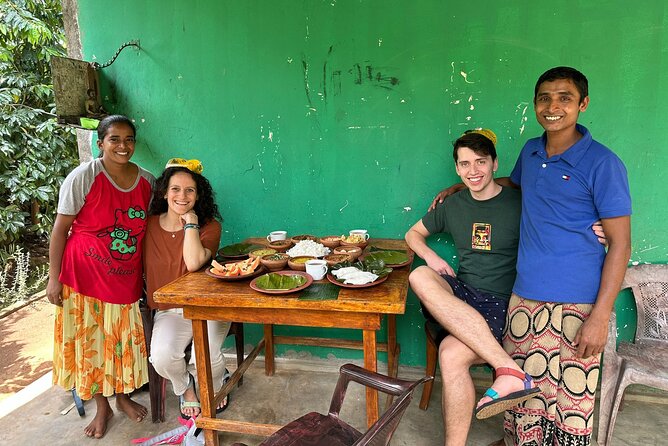
Organic cooking class sigiriya (kumara & family)
The most appealing part of this Sigiriya cooking class is that it begins in Kumara and Thanuja’s organic garden, not at a row of cooking stations. You gather or inspect vegetables, herbs, and spices before preparing a full Sri Lankan meal with the family. I like the garden-to-table flow, and I like that the meal is cooked over a traditional wood fire rather than reduced to a quick demonstration.
You also get practical lessons on spice preparation, ingredient quantities, curry technique, and the way a Sri Lankan table is arranged. The main consideration is comfort: the class takes place in a simple home kitchen and garden, and the timing may run closer to three hours. Bring your own bottled water, since water arrangements appear to vary.
Key points to know before booking
- Garden-to-table cooking: Many vegetables and spices come from Kumara’s own organic garden.
- Family-led instruction: Kumara, his wife Thanuja, and other family members guide the preparation.
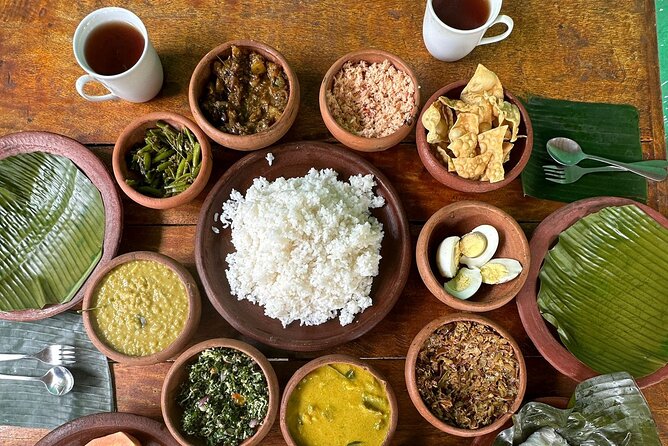
- A full Sri Lankan meal: Expect several curries and accompaniments, with dishes such as dhal, pumpkin, aubergine, sambal, string hoppers, coconut roti, or dessert depending on the session.
- Traditional methods: You learn how spices are prepared and may cook over a row of wood fires in an outdoor kitchen.
- Shared meal at the end: You eat what you prepare, with the table arranged in a Sri Lankan style.
- Good value at $28: The fee covers a private or small-group home experience, instruction, ingredients, and the meal.
Starting in Kumara’s organic garden
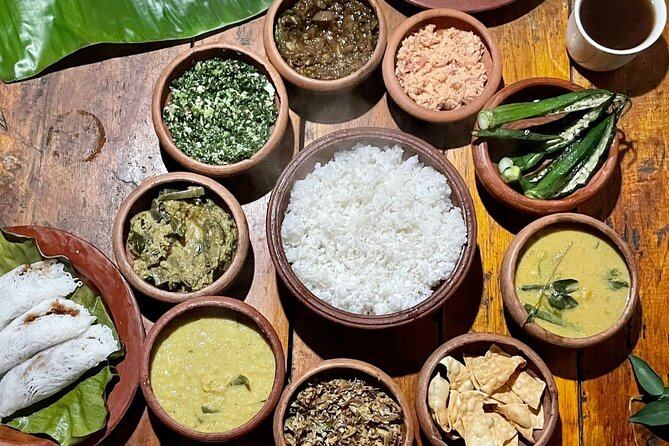
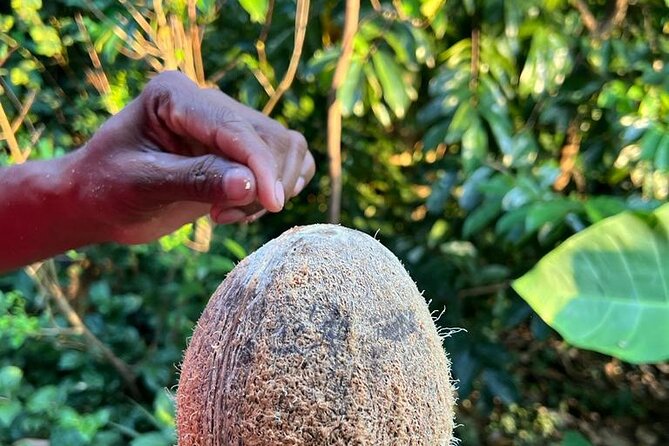
This experience gets the order right. Before you chop anything, Kumara takes you through the family garden at 284 Kahatagahayaya, Kalapuraya, in Sigiriya. That first walk gives meaning to the food on the table. You see the plants, herbs, vegetables, and spices before they become curry.
I like this part because Sri Lankan cooking can seem spice-heavy when you only encounter it in a restaurant. Here, you learn what each ingredient is doing. The family also explains traditional and Ayurvedic uses for some plants, so the garden visit becomes part food lesson and part introduction to local home remedies.
Do not expect a formal farm tour with signs and polished paths. This is a working family garden attached to a home. That informal setting is part of the appeal, but it also means conditions are simple. You may be walking outdoors in warm weather, so light clothing and comfortable footwear make sense.
The organic claim is central to the experience. The family grows the garden vegetables and many of the spices used in the meal. That does not mean every ingredient must come from the property, but the cooking is clearly built around what the family grows and prepares themselves.
More Farm Cooking Classes in Sri Lanka
- Kandy Village Cooking Class
★ 5.0 · 536 reviews - Organic Cooking Class sigiriya home Kitchen(Kumara & family)
★ 5.0 · 116 reviews - Cooking With Village Family
★ 5.0 · 104 reviews
Learning Sri Lankan spices the traditional way
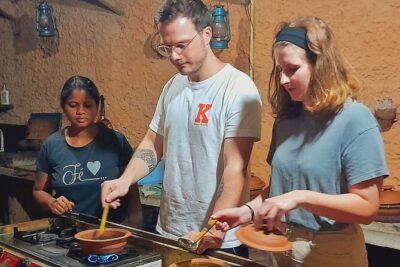
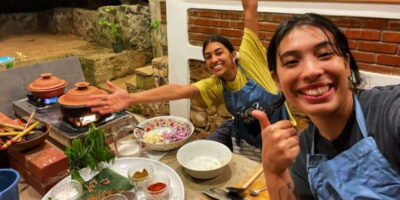
After the garden walk, the class moves to the preparation area. Kumara introduces the ingredients and explains how much of each one is needed. You do not simply watch him make dinner. You help cut, grind, mix, and cook.
A useful part of the lesson is the treatment of spices. You learn how spices are prepared in a traditional way and how they are combined for different curries. That matters because Sri Lankan food is not just about adding a generic curry powder. The flavor comes from the balance of spices, coconut, vegetables, heat, and cooking time.
The instruction seems especially suited to people who want to repeat the recipes at home. You receive detailed recipes afterward, according to the activity information and participant accounts. That gives the $28 price more weight than a meal alone. You are paying for dinner, but also for a set of techniques you can use again.
Kumara is described as speaking good English, which helps with questions and explanations. Thanuja and other family members also take part. The style is hands-on and practical rather than polished or theatrical. You may be given a small task, then move between dishes as the meal comes together.
Cooking several curries over wood fires
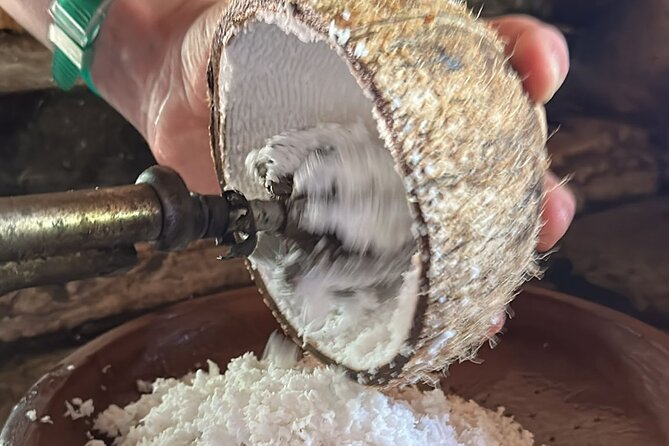
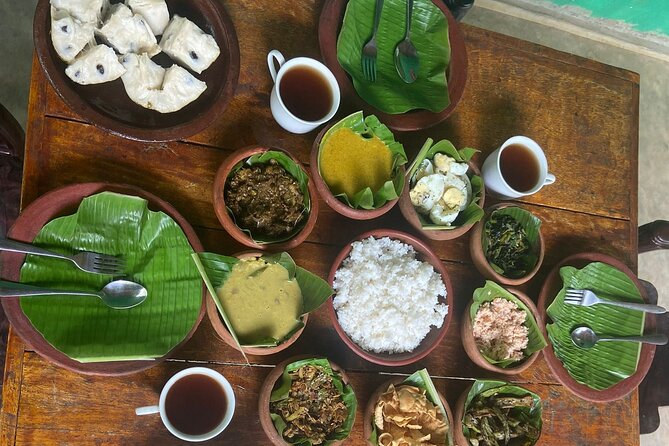
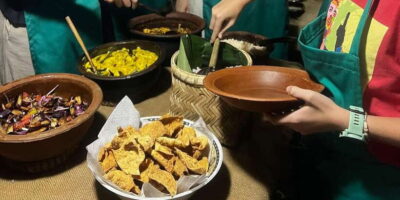
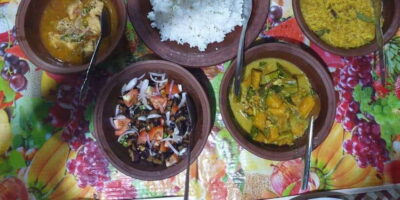
The exact menu can vary, but the class usually involves a generous plant-based spread. Dishes described include dhal, aubergine curry, pumpkin curry, sambal, coconut roti, sweet potato curry, string hoppers, and dessert. One session included seven different curry dishes.
That variety is one of the strongest reasons to book. A single curry lesson would teach you one technique. Here, you see how Sri Lankan cooks build a meal with different colors, textures, spice levels, and cooking times. Dhal provides a soft, comforting base. Aubergine takes on oil and spice. Pumpkin or sweet potato adds sweetness. Sambal brings sharpness and heat.
Some of the food is prepared on a row of small wood fires in the outdoor kitchen. You get to see how a family cooks with straightforward tools and steady attention rather than relying on restaurant equipment. This is a valuable lesson in patience. The family’s approach shows how a large meal can come from basic ingredients and simple heat.
The cooking is participatory, but you should not expect every person to make an individual dish from start to finish. In a group, tasks are shared. That can be fun, especially if you enjoy cooking alongside other people, but it means the class is less suited to anyone wanting a private chef-style lesson with complete control over every pan.
Sitting down to a Sri Lankan family meal
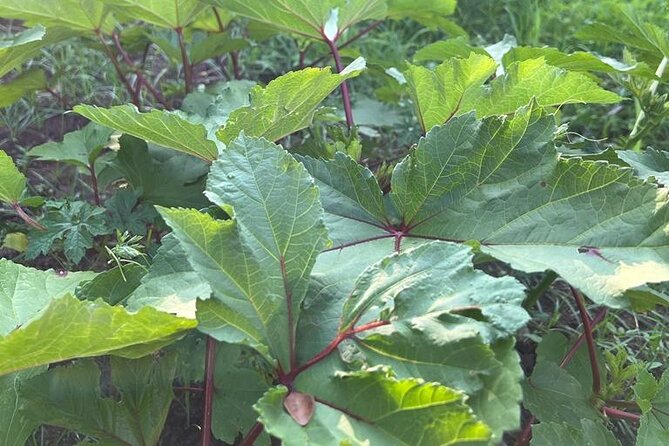
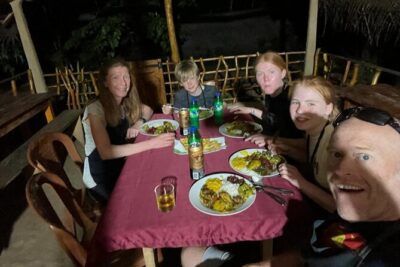
Once the curries are ready, the cooking gives way to the best part: eating together. The family shows you how a traditional Sri Lankan dinner table is arranged, then serves the meal you helped prepare.
This is not a quick tasting between activities. The meal is the point of the whole session. You can compare the dishes while they are fresh and understand how they work together. The food is generally plant-based, making this a strong choice for vegetarians and anyone curious about Sri Lankan vegan cooking.
The setting also matters. You eat at the family home, surrounded by the people who taught you. That gives the evening a personal quality that a restaurant cannot easily provide. The activity promises bottled water and herbal tea, though one note advises bringing your own bottled water because tap water and hot tea may be what is available. I would bring water and avoid relying on the inclusion wording alone.
The meal may include a dessert such as string hoppers or another sweet preparation. Since the menu is based on available garden produce, you should treat the named dishes as examples rather than a guaranteed fixed list.
Same region, a different dish to learn:
- Ella: Traditional Sri Lankan Cooking Class
★ 4.9 · 788 reviews - Sri Lanka Cooking Class with Granny
★ 5.0 · 587 reviews - Sea waves sri lankan cooking class
★ 5.0 · 467 reviews - Ella: Sri Lankan Cooking Class with Neranji at Homestay
★ 5.0 · 276 reviews
What $28 gets you in Sigiriya
At $28, this is good value if you want more than a standard restaurant meal. The price includes about two and a half hours of instruction, the garden visit, ingredients, cooking, and the meal. Some sessions take closer to three hours, so you receive a substantial evening activity for the money.
The value comes from the personal setting. You are not only eating food prepared for you. You are learning how the family grows ingredients, prepares spices, manages several curries, and sets the table. The recipes afterward make the experience useful once you are back home.
There are limits. The class is not a luxury culinary school, and the facilities are simple. The cooking may be hot, smoky, or physically active. If you want air conditioning, individual workstations, or a tightly timed menu, this will not be the right fit.
For most people staying in Sigiriya, though, the price is modest compared with the cost of a separate garden visit, cooking demonstration, and full meal. It is also a good way to spend an evening after visiting the rock, provided you are ready for a slower and more social activity.
Group size, timing, and meeting details
The class starts and ends at Organic Cooking Class Sigiriya, at 284 Kahatagahayaya, Kalapuraya, Sigiriya 21120. The activity ends back at the same meeting point. The booking includes a mobile ticket, and confirmation is sent at the time of booking.
The published duration is approximately two hours and thirty minutes. Allow closer to three hours if you want a relaxed schedule. The garden walk, chopping, cooking, table setting, and meal all take time, and the family style is not built around rushing you out.
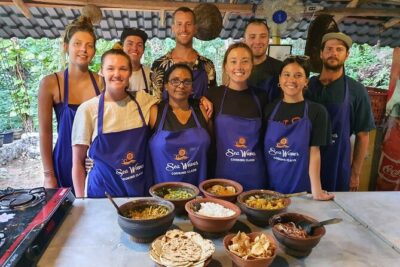
The listing describes the workshop as private, but group experiences are also possible. One couple joined a larger group of 10 people, while other descriptions refer to a small group. I would confirm the expected group size when booking if that matters to you.
The activity requires good weather. If poor weather forces cancellation, you are offered another date or a full refund. You can cancel for a full refund up to 24 hours before the start time. Changes or cancellations inside that 24-hour window are not accepted and are not refunded.
Who will enjoy this cooking class
I would choose this class if you want to meet a local family and understand how Sri Lankan food is made at home. It suits curious eaters, vegetarians, plant-based diners, couples, and anyone who likes hands-on activities more than passive sightseeing.
It is also a good choice for people who have already visited Sigiriya’s major sights and want an evening with a local focus. The garden, spice lessons, and shared meal give you a different view of the area than another restaurant dinner.
Families may enjoy the practical tasks, though the information provided does not specify a minimum age or child pricing. Ask before booking if you are traveling with young children.
You should think twice if you dislike outdoor cooking, heat, smoke, shared tasks, or informal home settings. This is not a polished hotel class. It is a family-led session with simple tools and a warm but unstructured rhythm.
A few practical tips for a better visit
Bring bottled water, even though bottled water is listed as included. That small precaution is worthwhile in Sigiriya’s warm climate.
Wear clothes and shoes suitable for a garden and cooking area. You may handle spices, vegetables, and food over wood fires, so avoid anything you would be upset to stain or smell of smoke.
Ask about dietary needs before the session begins. The food described is largely vegetable-based, but the supplied information does not promise that every dish is vegan, gluten-free, or free of a particular spice.
Keep your evening flexible. The official time is approximate, and cooking several dishes with a family can take longer than a fixed demonstration.
If you enjoy the spice blends, the family makes spices that you may be able to buy. Ask about availability during the visit rather than assuming every product will be in stock.
Should you book Kumara and his family?
I would book this if your ideal Sigiriya evening includes a garden walk, practical cooking, a generous Sri Lankan meal, and time with a local family. The strongest features are the home-grown ingredients, the range of dishes, the traditional cooking methods, and the recipes you can take home.
I would skip it only if you need polished facilities, a fixed menu, or a tightly controlled schedule. For $28, the experience offers unusually good value, but its charm depends on accepting a simple home setting and a relaxed pace. Bring water, allow three hours, and come ready to cook rather than just watch.
FAQ
Where does the cooking class take place?
The class takes place at Organic Cooking Class Sigiriya, 284 Kahatagahayaya, Kalapuraya, Sigiriya 21120, Sri Lanka.
How long does the class last?
The listed duration is approximately two hours and thirty minutes. Some sessions may take closer to three hours from start to finish.
How much does the experience cost?
The listed price is $28.
Does the experience include a meal?
Yes. You eat the Sri Lankan meal prepared during the class. Bottled water and herbal tea are also listed as included.
Is the food organic?
The family grows garden vegetables and spices organically, and the class focuses on using produce from their own garden. The information does not state that every single ingredient comes from the property.
Who leads the cooking class?
Kumara leads the instruction with help from his wife Thanuja and other family members.
What food will I cook?
The menu can include several curries and accompaniments, such as dhal, aubergine, pumpkin, sweet potato curry, sambal, coconut roti, string hoppers, and dessert. The exact dishes may vary.
Does the class include a garden visit?
Yes. The session includes a walk through the family’s organic garden, with explanations about herbs, plants, ingredients, and some traditional or Ayurvedic uses.
What happens if the weather is poor?
The experience requires good weather. If it is canceled because of poor weather, you are offered a different date or a full refund.
Newest classes around Sri Lanka
- cooking lesson★ 5.0 · 7 reviews
- Hands-On Cooking Class in Anuradhapura-Cook Like a Local★ 5.0 · 2 reviews
- Sri Lankan Cooking Class in Bentota★ 5.0 · 2 reviews
- Sri Lanka: Cooking Class★ 4.4 · 6 reviews
- Sri Lankan Cookery with Nilu★ 5.0 · 34 reviews
- Cooking Experience from Ella★ 4.9 · 2 reviews
- Private cooking class – Personalized classic menu★ 5.0 · 5 reviews
- Nilaveli: Sri Lankan Cooking Class with a Local Family★ 5.0 · 16 reviews
Sri Lanka Cooking Classes, compared.
Sri Lankan Cooking Class with Neranji at Homestay
Read our review →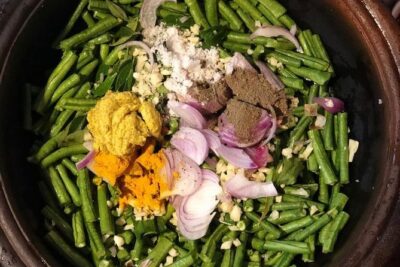
Browse the lists this tour appears in