
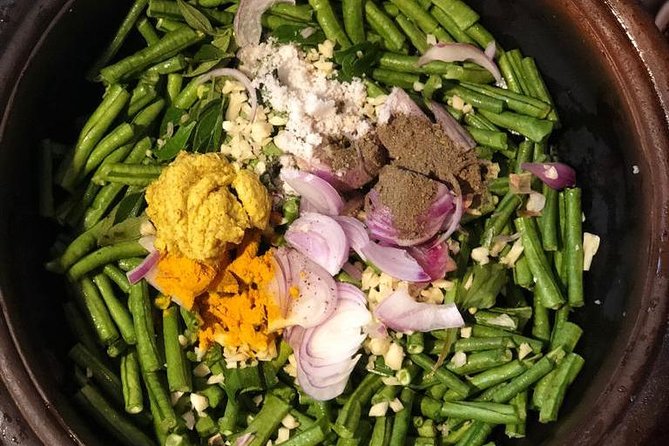
Review · GALLE COOKING CLASSES
Cook with Wasantha
Sri Lankan food makes the most sense when you see the ingredients before they reach the pot. With Wasantha, you visit the Dutch Market and fish market with her husband Sam or daughter Sasa, choose produce, then return to the family kitchen to prepare coconut milk, rice, and a full curry meal. I like the market-to-table format, and I like that the meal includes unusual local vegetables you might not find at home. The main consideration is that the class can be more demonstration than hands-on cooking, depending on the group and who leads the session.
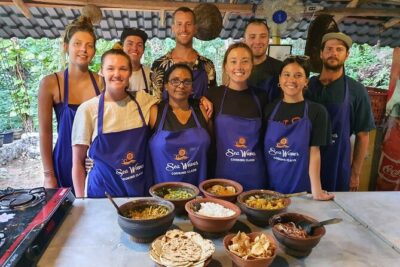
The four-hour experience costs $30 and begins at 10 a.m. in Unawatuna. Wasantha’s family recipes are the heart of the morning, while the small maximum of 10 helps keep the setting personal. Expect a warm, informal family atmosphere rather than a polished culinary school.
Key points to know before booking
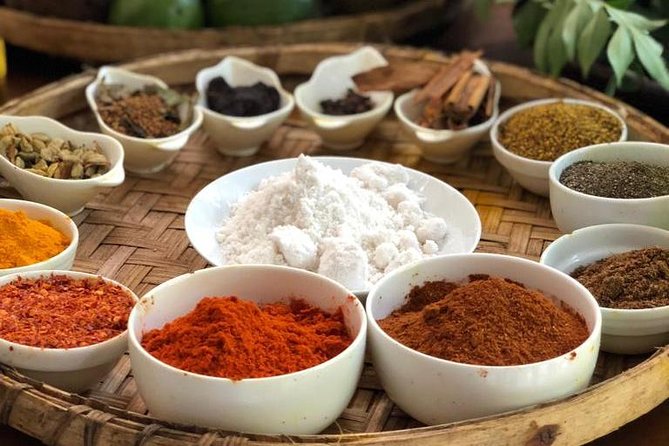
- Two markets come first: You visit Galle’s Dutch Market and a fish market before cooking, with time to select vegetables, fruit, and tuna.
- The meal is substantial: The planned spread includes rice, four vegetable curries, and a choice of tuna or chicken curry.
- Coconut milk is made from scratch: You learn a basic Sri Lankan kitchen skill that shapes the texture and flavor of many curries.
- The family runs the experience: Wasantha teaches in the kitchen, while Sam and Sasa may lead the market visits or cooking session.
- The atmosphere is intimate: Numbers are capped at 10, though the teaching style may be partly demonstrative rather than fully hands-on.
- You eat what you prepare: Lunch is served buffet-style, with the local custom of eating with your fingers.
Why this cooking class feels different from a restaurant meal
A restaurant can show you the finished curry. This experience shows you the decisions behind it: which eggplant to pick, how fresh fish looks at the market, how much coconut to use, and when rice has reached the right texture.
That connection matters in Sri Lanka. Curry is not one fixed recipe. The vegetables, coconut milk, spice balance, and cooking time all change the result. A dish can be mild and creamy, sharp with onion, sweet with pineapple, or rich with fish. You get to see how a family cook adjusts the meal instead of following a rigid restaurant formula.
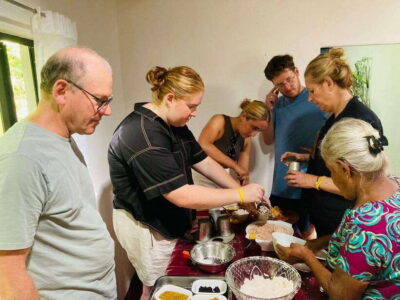
I also like the setting. Wasantha’s cooking experience is based at her family restaurant and home in Unawatuna, at 180/A Yaddehimulla Road. Her mother, daughter, and son may be involved, so the morning has the feel of being welcomed into a working family kitchen. That is part of the appeal, but it also means the experience is informal. If you want stainless-steel workstations, individual instruction, and a chef’s-school format, this may not be your ideal class.
More Cooking Classes in Sri Lanka:
- Ella: Traditional Sri Lankan Cooking Class
★ 4.9 · 788 reviews - Organic cooking class sigiriya (kumara & family)
★ 5.0 · 650 reviews - Sri Lanka Cooking Class with Granny
★ 5.0 · 587 reviews
Starting in Unawatuna and heading to the Dutch Market
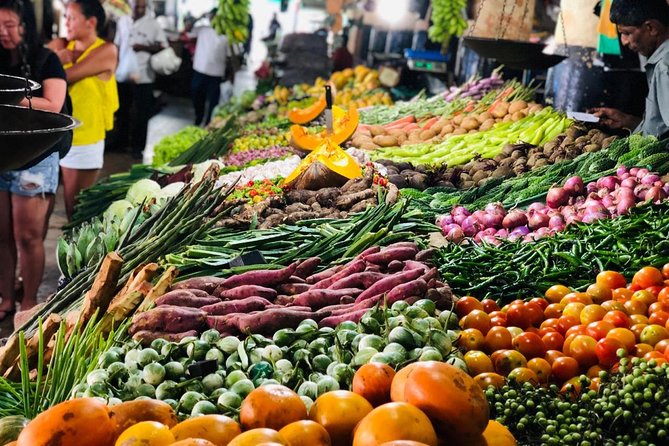
You meet at 10 a.m. at Wasantha’s Sri Lanka Cuisine in Unawatuna. From there, the group uses a tuk-tuk to reach the Dutch Market outside Galle. Transport to and from the market is included in the experience, which makes the $30 price easier to justify.
The market visit is not just a quick shopping stop. You help select the ingredients for the meal, and the choice of produce can shape the dishes. Past cooking sessions have included pineapple, pumpkin, eggplant, onion, avocado, and various local vegetables. This is a useful chance to choose something unfamiliar instead of simply accepting a pre-set menu.
Sam, Wasantha’s husband, may accompany the group. He is also a tour guide, and his role can add useful information about the produce, local customs, and getting around Sri Lanka. Sasa, Wasantha’s daughter, has also led market visits and cooking sessions. The exact family member guiding you may vary, but that family involvement is central to the experience.
The market is also where you learn to look rather than simply shop. Freshness, size, firmness, and season all matter. You may not leave with a formal lesson in every ingredient, but you will have a better sense of what local cooks are choosing and why.
The fish market and choosing the main curry
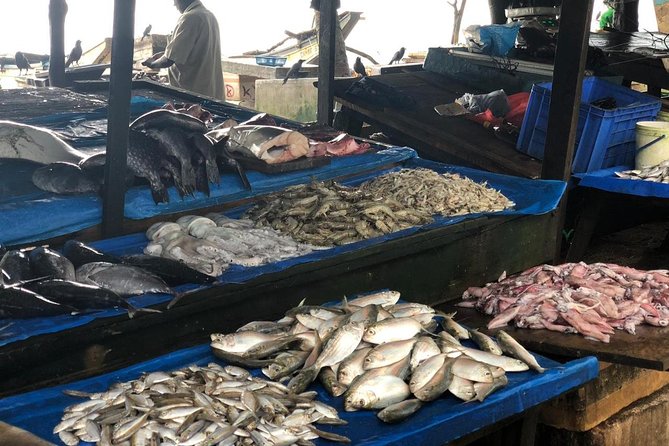
The second market stop is the fish market, where you can see the ingredients for the seafood portion of the meal. The class offers a choice of tuna or chicken curry, and tuna is a common selection in the cooking sessions described by participants.
This stop gives the meal a stronger sense of place. Fish curry is not an abstract recipe copied from a cookbook. The fish is selected locally, then brought back to the kitchen and cooked with the other dishes. If you prefer chicken, that option is available instead.
One practical point: the market visits take place in active food markets, not staged displays. Conditions may be basic, and the visit is about buying ingredients rather than sightseeing. If you dislike market environments, this part may feel less comfortable than the kitchen portion.
Making coconut milk, the base of the meal
One of the most useful parts of the class is learning to make fresh coconut milk. Coconut is a key part of Sri Lankan cooking, and the difference between thin and thick coconut milk affects the body of a curry.
You see how the coconut is prepared and how the milk is used in cooking. This is the sort of technique that can be easy to miss when eating in a restaurant. At home, you can adapt the method with the ingredients available to you, but the lesson helps you understand what the original texture and flavor should be.
Wasantha’s approach is based on years of home cooking rather than strict measurements. She is known for judging spices by smell and adjusting dishes to suit preferences. That can be fascinating to watch, especially if you want to learn how experienced cooks work without constantly checking a recipe.
It can also be a little frustrating if you want exact quantities for every step. You receive recipes after the session, including a broader collection beyond the dishes prepared that day, but some of the real instruction comes from watching and tasting.
Same region, a different dish to learn:
- Kandy Village Cooking Class
★ 5.0 · 536 reviews - Sea waves sri lankan cooking class
★ 5.0 · 467 reviews - Ella: Sri Lankan Cooking Class with Neranji at Homestay
★ 5.0 · 276 reviews - Ella : Cooking class with amazing Spice Garden Tour
★ 5.0 · 239 reviews
Getting fluffy rice and preparing five curries
Rice is treated as a skill in its own right. You learn how to cook it so the grains stay light and fluffy rather than wet or clumped. That sounds simple, but it is one of the most useful lessons to take home because rice supports nearly every Sri Lankan curry meal.
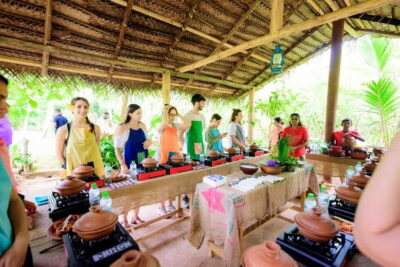
The central cooking session focuses on five different curries. The planned format is four colorful vegetable curries, plus your choice of tuna or chicken curry. Depending on the day, the spread may also include coconut sambol or other additions.
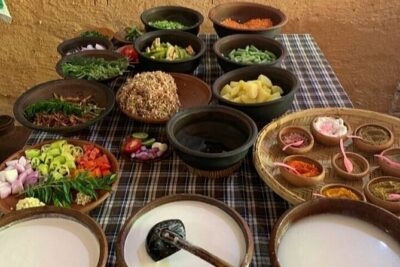
The variety is what makes the meal worthwhile. You may prepare a sweet or tangy pineapple curry, a soft pumpkin dish, eggplant and onion, dhal, or a less familiar vegetable such as avocado. These are not simply five versions of the same sauce. Each dish shows a different use of spice, coconut, sweetness, or acidity.
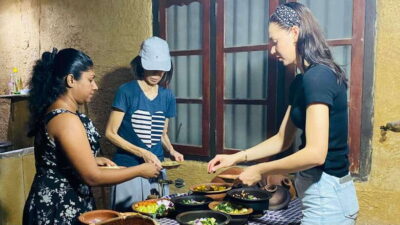
You will help with some preparation, particularly cutting vegetables and fruit. Wasantha then demonstrates the cooking methods and explains the role of the spices. This is where expectations matter most. Some sessions are quite participatory, while others are closer to a demonstration with limited individual cooking.
If your priority is learning a few reliable techniques and eating an excellent meal, that format works well. If your priority is personally cooking every dish from beginning to end, ask about the hands-on level when booking.
Eating the meal the Sri Lankan way
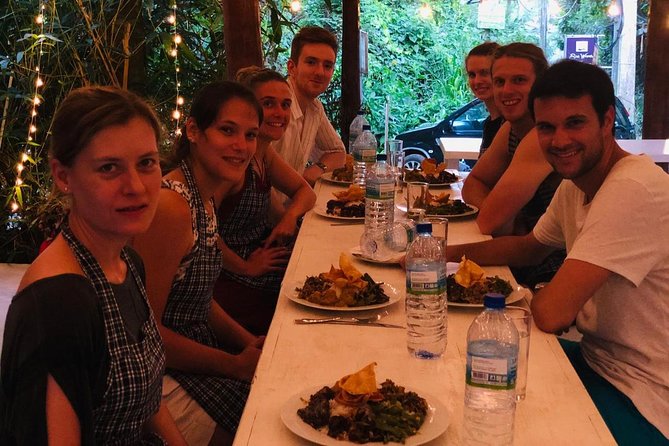
After the cooking, the food is served buffet-style. You sit down with the family and the rest of the group, then eat the curries with rice, often using your fingers in the local style.
The meal is not a small tasting plate. Five curries, rice, and accompaniments make for a generous lunch. Plan accordingly, since you may not want a large evening meal afterward.
Eating together is one of the strongest parts of the experience. You have seen the food at the market, helped prepare it, and then share it at the same table. Wasantha may also talk about the dishes and her family’s cooking traditions as you eat.
The family atmosphere is a real advantage for anyone who wants a cultural experience rather than a basic recipe lesson. It can also feel less structured than a commercial class. You may be invited to join the conversation and follow the rhythm of the household rather than move through a tightly timed lesson.
What you take home beyond lunch
The practical value of this class is greater than the four-hour schedule suggests. You learn how to combine spices, prepare coconut milk, cook rice, and balance several curries in one meal.
You also receive recipes, reportedly including about 21 dishes. That gives you more to work with than the exact curries prepared during the class. Wasantha’s family also invites questions later if you need help recreating the food at home.
A few cooking ideas are especially useful:
- Taste as you cook: Sri Lankan curries are adjusted for salt, spice, sweetness, and sourness rather than treated as fixed formulas.
- Use the vegetables available: The market visit shows how to build a meal around local produce.
- Do not neglect rice: Properly cooked rice can make a simple curry meal feel complete.
- Watch the coconut milk: Its thickness changes how a dish tastes and feels.
- Expect family methods: Some steps are taught by sight, smell, and experience instead of exact measuring.
The class is a good fit if you enjoy learning through observation and conversation. It is less suitable if you need written instructions for every action before you begin.
Price, timing, and who gets the best value
At $30 for about four hours, the experience offers solid value. The price includes the market visits, tuk-tuk transport, the cooking lesson, the meal, and recipes to use later. Even if you treated the lunch as the main purchase, the added market tour and instruction make the cost reasonable.
The small group limit of 10 matters. A cooking class can quickly become impersonal when too many people crowd around one stove. Here, the group size gives you a better chance to see what is happening and ask questions, although the amount of direct cooking may still depend on the session.
I would recommend it most strongly to:
- First-time visitors who want food and local culture in one activity
- Couples, families, and small groups who enjoy eating together
- Home cooks curious about Sri Lankan spices and coconut-based dishes
- People who want to visit a real market rather than only attend a kitchen demonstration
- Anyone interested in trying unusual vegetables and traditional family recipes
Families can fit in well, and the experience has included children in the past. Service animals are allowed, and the meeting point is near public transportation. No special accessibility details are provided, so it is sensible to ask ahead if you have mobility or other access needs.
The main drawback: hands-on expectations
The most important caveat is simple: this is not guaranteed to be a fully hands-on cooking school. You may chop vegetables and fruit, assist with preparation, and take part in selected steps, but Wasantha or another family member may handle much of the actual cooking.
For some people, that is a benefit. You can watch an experienced cook work quickly and instinctively, without spending the whole morning measuring ingredients or waiting for your turn. For others, especially anyone hoping to prepare every curry personally, it may feel limited.
The host’s energy can also vary by session and by who leads the group. Most descriptions point to a warm, welcoming family experience, but not every participant has felt equally engaged during the market commentary or introduction. Go in expecting an informal local lesson, not a polished performance.
Should you book Cook with Wasantha?
I would book this experience if you want a market visit, a generous Sri Lankan lunch, and family-style teaching in one morning. The best parts are the fresh ingredients, the range of curries, the coconut milk lesson, and the chance to eat food prepared with Wasantha’s family.
I would hesitate only if your main goal is strict, hands-on instruction. In that case, confirm how much cooking you will personally do before paying.
For most food-minded visitors in Galle or Unawatuna, the $30 price is fair and the four-hour schedule is well judged. You leave with a full meal, a better understanding of Sri Lankan ingredients, and recipes that can keep the experience going after you return home. Free cancellation is available up to 24 hours before the start time. Poor weather may lead to a new date or a full refund.
FAQ
Where does the cooking experience start?
It starts at Wasantha’s Sri Lanka Cuisine, 180/A Yaddehimulla Road, Unawatuna, Sri Lanka.
What time does the experience begin?
The start time is 10 a.m.
How long does the experience last?
It lasts approximately four hours.
Does the experience visit local markets?
Yes. You visit the Dutch Market and a fish market, where you help choose fresh ingredients.
Is transportation included?
Tuk-tuk transport to and from the market is included in the experience price.
What dishes will I prepare?
The planned meal includes four vegetable curries and your choice of tuna or chicken curry, along with rice and other possible accompaniments.
Will I learn to make coconut milk?
Yes. Making fresh coconut milk is one of the techniques covered.
How many people can join?
The group is limited to a maximum of 10 participants.
Can I cancel for a refund?
Yes. You can cancel at least 24 hours before the local start time for a full refund. Cancellations or changes made within 24 hours are not refunded, and poor weather may result in a different date or a full refund.
Newest classes around Sri Lanka
- cooking lesson★ 5.0 · 7 reviews
- Hands-On Cooking Class in Anuradhapura-Cook Like a Local★ 5.0 · 2 reviews
- Sri Lankan Cooking Class in Bentota★ 5.0 · 2 reviews
- Sri Lanka: Cooking Class★ 4.4 · 6 reviews
- Sri Lankan Cookery with Nilu★ 5.0 · 34 reviews
- Cooking Experience from Ella★ 4.9 · 2 reviews
- Private cooking class – Personalized classic menu★ 5.0 · 5 reviews
- Nilaveli: Sri Lankan Cooking Class with a Local Family★ 5.0 · 16 reviews
Galle Cooking Classes, compared.
Browse the lists this tour appears in