
Review · GALLE COOKING CLASSES
Galle: Sri Lankan Cuisine Cooking Experience
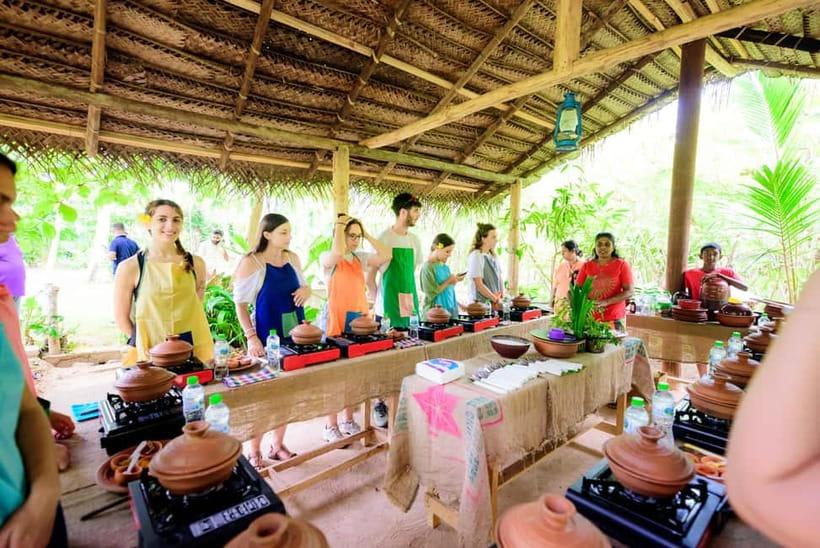
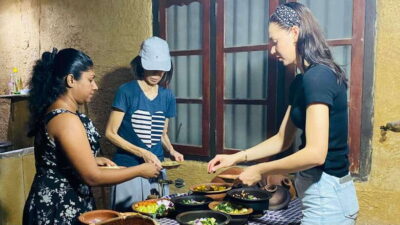
The best part of this Sri Lankan cooking class is that your meal starts at the family kitchen, not at a polished restaurant counter. You light an oil lamp, receive a flower bouquet, then work beside your hosts as the smell of spices fills the room. You are not just watching a demonstration. You are making the food you will eat.
I like the hands-on work of grinding fresh coconut for sambol and rolling roti by hand. I also like the warm family welcome, especially for families with children. One thing to consider: transportation to Galle House is not included, and the meeting details need to be confirmed before your booked date.
Key things to know before you book
- Start with an oil-lamp ceremony: Your welcome includes a traditional lamp-lighting ritual and a flower bouquet.
- Cook in a real family kitchen: You work with local hosts rather than in a formal cooking school.
- Make sambol from fresh coconut: Grinding the coconut yourself gives the lesson a useful, tactile touch.
- Roll roti by hand: The class includes practical work, not just watching someone else cook.
- Eat on a banana leaf: Utensils are available if you ask, but eating with your hands is part of the experience.
- Private, English-language, three-hour class: The $40 price includes ingredients, the lesson, and the shared meal, but not transportation.
A warm welcome at Galle House in Kotapola
This experience begins with a small ceremony that sets the mood. At Galle House, you take part in traditional oil-lamp lighting and receive a flower bouquet. It is a more personal opening than simply arriving at a kitchen, tying the meal to Sri Lankan customs of welcome and respect.
You should allow yourself to slow down here. The ceremony is not the main event, but it gives the afternoon a clear sense of place. You are entering a family home and being welcomed as a temporary part of the household.
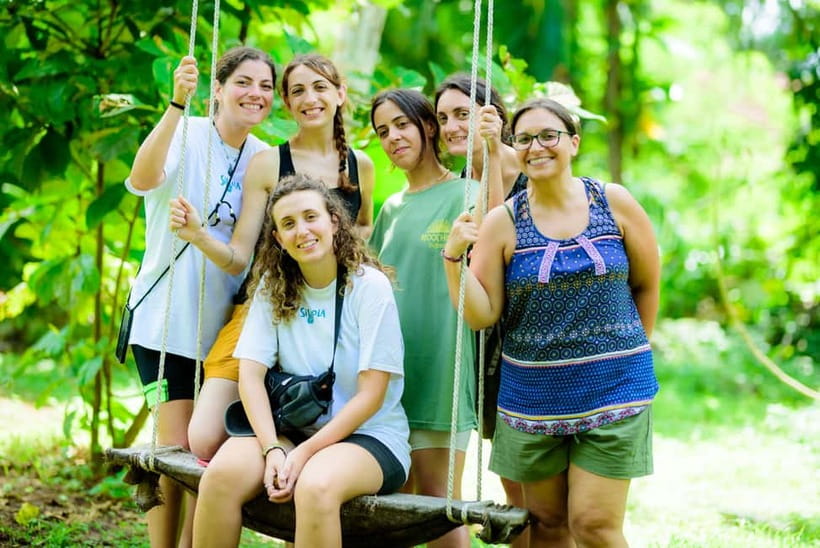
The hosts include Malika and Sanuth, who have been praised for making families feel comfortable and explaining each step clearly. One family specifically found the experience suitable with a four-year-old child. That does not mean every young child will want to take part in every task, but the private format gives your group more room to set its own pace.
The class is conducted in English. If you want detailed explanations about ingredients and preparation, English instruction is an important practical point. You can ask questions as you cook instead of waiting for a translation at the end.
More Cooking Classes in Sri Lanka:
- Ella: Traditional Sri Lankan Cooking Class
★ 4.9 · 788 reviews - Organic cooking class sigiriya (kumara & family)
★ 5.0 · 650 reviews - Sri Lanka Cooking Class with Granny
★ 5.0 · 587 reviews
What the three-hour cooking lesson feels like
After the welcome, you move into the family kitchen. The setting matters. Cooking in a home gives the food a daily context, and the lesson focuses on familiar methods rather than restaurant presentation.
The kitchen is likely to feel active and aromatic as you begin working with spices and ingredients. The supplied details do not list every dish on the menu, so you should not book expecting a fixed, named selection of curries. What is clear is that you will prepare traditional Sri Lankan dishes with your hosts, including roti and coconut sambol.
That flexibility can be a benefit. You get to focus on how the food is made, not on collecting a long list of recipes. At the same time, anyone hoping to recreate a precise menu at home should ask about the day’s dishes when confirming the booking.
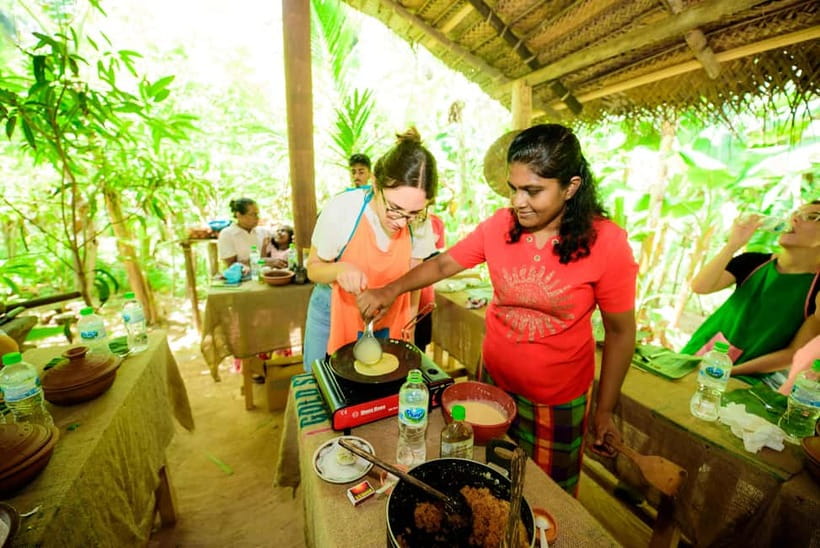
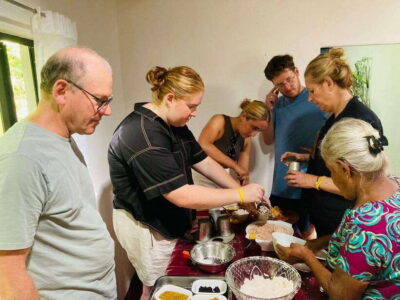
The cooking is hands-on. You will help prepare the ingredients, follow the hosts’ explanations, and take part in the work that turns them into a meal. The class is a good fit if you enjoy touching, shaping, grinding, and tasting as you go. It is less suited to someone who wants a short demonstration with no participation.
Grinding coconut and rolling roti by hand
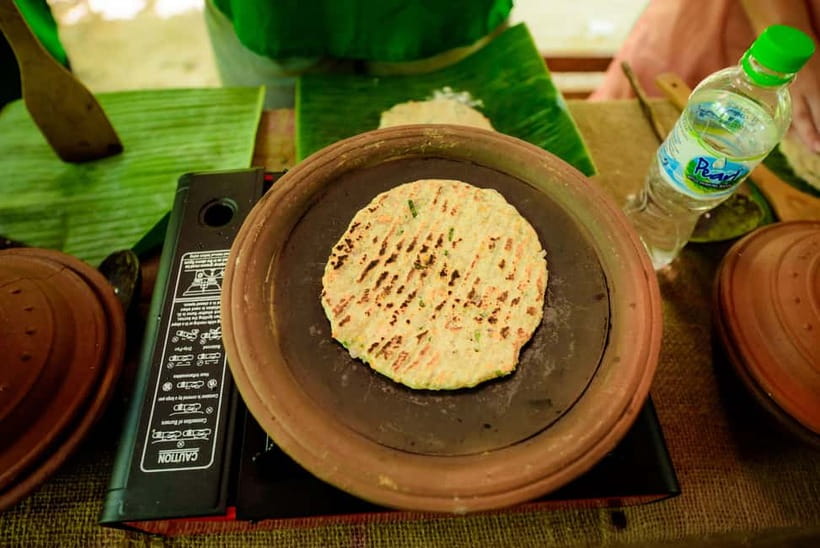
The most memorable tasks are often the simplest ones. Here, you grind fresh coconut to make sambol and roll roti by hand. These jobs give you a better feel for Sri Lankan cooking than simply watching a host stir a pot.
Coconut sambol is a useful dish to learn because it shows how a few fresh ingredients can create a strong accompaniment for a larger meal. Grinding the coconut yourself also makes you notice texture. It is a small lesson, but one you can remember and repeat.
Rolling roti brings another kind of practice. You shape the dough yourself rather than receiving a finished piece from the kitchen. Do not worry about making every roti perfectly round. The point is to learn the method and share the work, not pass a professional kitchen test.
These tasks also create natural time for conversation. You can ask about the ingredients, the preparation, and the way the food is eaten. The hosts have been praised for explaining the cooking steps carefully, so this is a good place to speak up if you want more detail.
Eating the meal you helped create
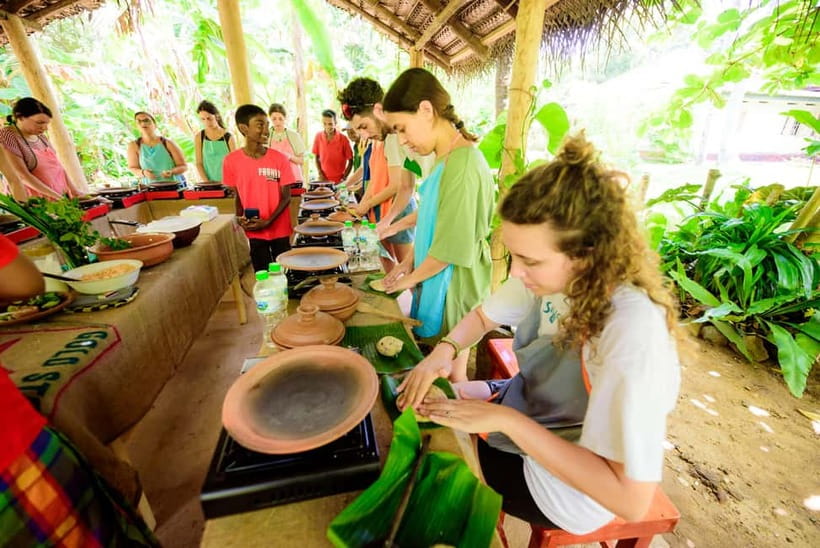
Once the dishes are ready, you sit down with the host family for the meal. Food is served on a banana leaf, and eating with your hands is part of the experience.
If you have never eaten this way, your hosts can help you get comfortable. You generally use one hand to mix and gather the food, but you do not need to arrive with special knowledge. The important thing is to follow the household’s lead and take your time.
Utensils can be provided upon request. That is useful for children, for anyone with limited hand mobility, or simply for anyone who does not feel at ease eating with their hands. Asking for a spoon does not remove the value of the class. It lets you enjoy the meal in a way that works for you.
The meal is also the social center of the experience. You share stories and laughter with the family while eating food you helped prepare. This is where the private format pays off. With no larger group to manage, the conversation can feel more natural and personal.
One family described the hosts as especially welcoming to their four-year-old son. That detail makes this a sensible choice for parents who want a cultural activity that includes the whole family, rather than one that expects children to sit quietly through a long demonstration.
Same region, a different dish to learn:
- Kandy Village Cooking Class
★ 5.0 · 536 reviews - Sea waves sri lankan cooking class
★ 5.0 · 467 reviews - Ella: Sri Lankan Cooking Class with Neranji at Homestay
★ 5.0 · 276 reviews - Cook with Wasantha
★ 5.0 · 248 reviews
Why the family setting matters
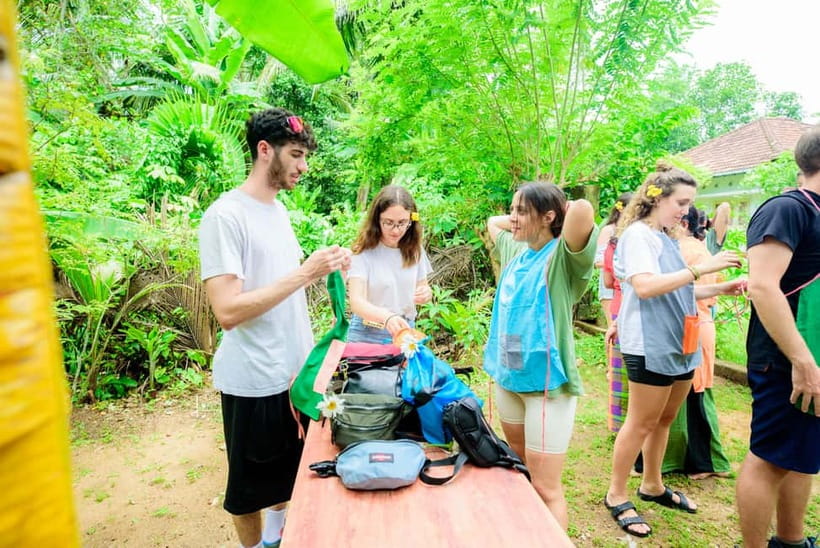
A cooking class can be useful simply because you learn a recipe. This one offers something more personal: a look at the role food plays inside a Sri Lankan home.
The oil lamp, flower bouquet, shared kitchen, banana leaf, and family meal all work together. None of these elements needs to be treated as a grand performance. Their value comes from the way they frame the cooking as an act of hospitality.
I also appreciate that the experience leaves space for ordinary human contact. You are not only discussing food measurements. You are working side by side, asking questions, and sharing a meal at the same table. That can tell you more about local hospitality than a standard restaurant meal.
Still, it is worth keeping your expectations realistic. The supplied details do not promise a tour of Galle, a market visit, or a formal lesson in every regional dish. This is a focused kitchen experience. Its strength is the family welcome and the meal, not a long list of sightseeing stops.
Is $40 per person a good value?
At $40 per person, the price includes a traditional cooking class, hands-on instruction, all cooking ingredients, the welcome ceremony, the flower bouquet, and the meal shared with the host family.
That is a fair package for a private three-hour activity, particularly if you value personal contact over a large group class. You are paying for the time of the hosts as well as the food. The chance to cook in a family kitchen and share the finished meal adds more value than a simple restaurant lunch.
The price does not include transportation to and from Galle House. This is the main cost to plan around. Before you book, work out how you will reach Kotapola and confirm the meeting arrangements with the provider. Do not assume a hotel pickup is included.
Your value depends on what you want from the outing. If you mainly want to eat Sri Lankan food, a local restaurant may cost less. If you want to learn techniques, meet a family, and make your own meal, the $40 price is easier to justify.
Who will enjoy this cooking experience most?
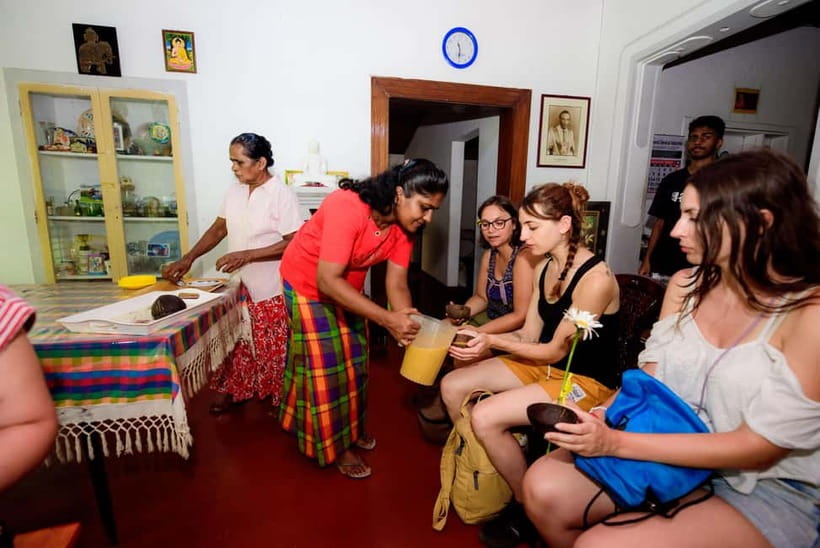
I would recommend this class to you if you enjoy food, conversation, and practical activities. It suits couples, solo visitors, and families who want a slower experience away from a standard sightseeing schedule.
It is also a good choice if you want a private group. You can ask questions freely and take part at a comfortable speed. English is the listed teaching language, so you should be able to follow the explanations and discuss the food with the hosts.
Families should note the positive experience with a four-year-old child. The cooking itself may need some supervision, but the family setting can be more forgiving than a formal class. Children may enjoy rolling roti or helping with simple preparation, depending on the host’s direction.
You may want to choose another activity if you dislike cooking, do not want to eat with your hands, or need a tightly defined menu. Again, utensils are available, but the banana-leaf meal and hand-eating tradition are central features rather than minor extras.
Practical advice before the class
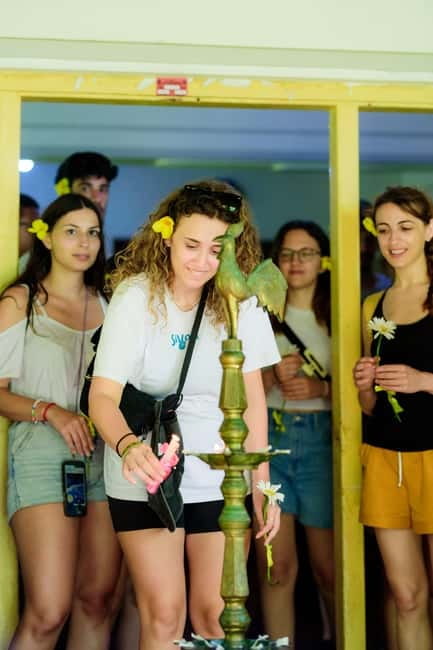
Wear comfortable clothes suitable for cooking. You will receive an apron when the lesson starts, but an apron will not protect every part of your clothing. Loose, practical clothing is the sensible choice.
Contact the provider at least one day before the booked date and confirm the date and meeting details. The information asks you to send a message and confirm before the date, so treat this as an important step rather than a formality.
The class lasts three hours, but you should also allow time for getting to and from Galle House. Since transport is not included, the total outing will take longer than the lesson itself.
The activity offers free cancellation up to 24 hours in advance for a full refund. You can also reserve now and pay later, which helps if your Sri Lanka plans are still changing. These policies are useful, but they do not remove the need to confirm the appointment directly.
The main strengths and the one real limitation
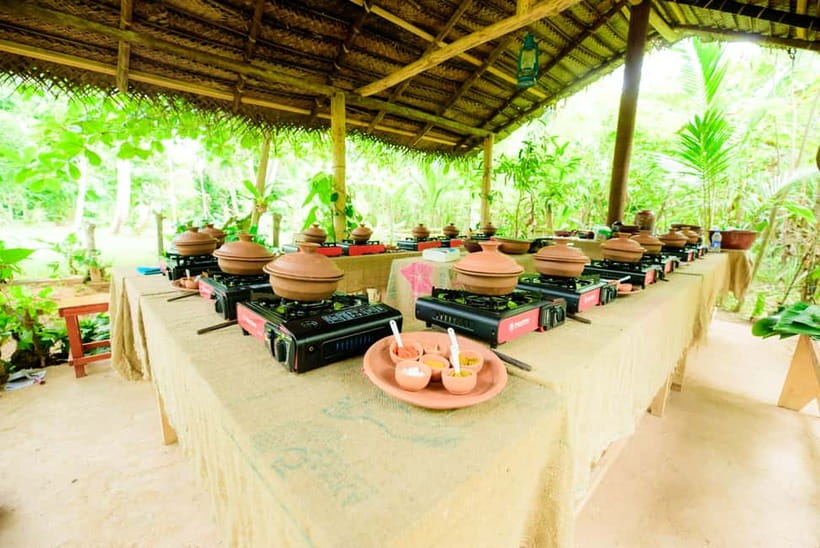
The strongest part of this experience is its welcome. The oil lamp and flowers give the visit a personal beginning, while the shared meal gives it a natural ending. Between those moments, you are involved in the preparation rather than kept on the sidelines.
The second strength is the quality of contact with the hosts. Malika and Sanuth have been singled out for their warm approach, clear cooking explanations, and kindness toward a young child. That is exactly what you want from a home-based class.
The cooking tasks are another clear advantage. Grinding coconut and rolling roti are simple, memorable jobs that make the lesson feel real. You leave with a better understanding of how the food comes together, even though the precise menu can vary.
The limitation is logistics. You must arrange your own transportation, and the location is Kotapola at Galle House rather than a clearly defined central meeting point in Galle. Confirm the address, start time, and arrival plan before setting out.
Should you book the Galle Sri Lankan Cuisine Cooking Experience?
Book this experience if you want a personal food lesson, not just a meal. The family kitchen, oil-lamp welcome, fresh coconut sambol, hand-rolled roti, and banana-leaf dinner give the three hours a clear sense of purpose.
I would especially recommend it to families, couples, and curious eaters who enjoy meeting local people. The private English-language format and kind treatment of a young child make it flexible for different groups.
Skip it if you want a sightseeing tour, a guaranteed list of specific dishes, or included transportation. For everyone else, $40 per person is a reasonable price for a hands-on meal and a genuine family welcome near Galle.
FAQ
Where does the Sri Lankan cooking experience take place?
The experience takes place at Galle House in Kotapola, Sri Lanka.
How long does the cooking class last?
The activity lasts three hours.
What is included in the price?
The price includes the traditional cooking class, hands-on instruction with a local host, all cooking ingredients, the shared meal, the oil-lamp welcome ceremony, and a flower bouquet.
Is transportation included?
No. Transportation to and from Galle House is not included.
Can I use utensils instead of eating with my hands?
Yes. Eating with your hands is part of the experience, but utensils can be provided upon request.
What language is the class conducted in?
The instructor language is English.
Do I need to confirm my booking before the date?
Yes. You should contact the provider at least one day before the booked date and confirm the date and meeting details.
What is the cancellation policy?
You can cancel up to 24 hours in advance for a full refund. The experience also offers a reserve now and pay later option.
Newest classes around Sri Lanka
- cooking lesson★ 5.0 · 7 reviews
- Hands-On Cooking Class in Anuradhapura-Cook Like a Local★ 5.0 · 2 reviews
- Sri Lankan Cooking Class in Bentota★ 5.0 · 2 reviews
- Sri Lanka: Cooking Class★ 4.4 · 6 reviews
- Sri Lankan Cookery with Nilu★ 5.0 · 34 reviews
- Cooking Experience from Ella★ 4.9 · 2 reviews
- Private cooking class – Personalized classic menu★ 5.0 · 5 reviews
- Nilaveli: Sri Lankan Cooking Class with a Local Family★ 5.0 · 16 reviews
Galle Cooking Classes, compared.
Browse the lists this tour appears in