
Review · COLOMBO COOKING CLASSES
Vegan Cooking Class Colombo with Market Tour
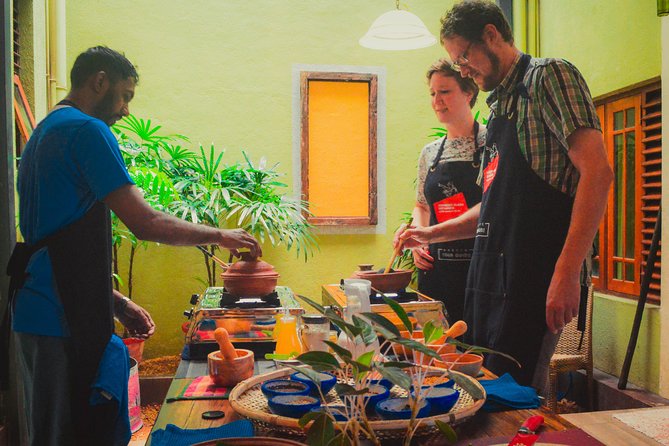
The best part of this Colombo cooking class happens before you touch a knife. You visit a local market with your chef, learn how to judge vegetables and spices, then return to a villa kitchen to cook a Sri Lankan meal from scratch in traditional clay pots. That market-to-table link gives the class more purpose than a simple recipe lesson.
I like the private format, since you can adjust the menu and ask questions without competing for the chef’s attention. I also like the amount of hands-on work: you make sauces, spice pastes, fillings, and side dishes instead of watching someone else do all the work. The main point to check is transport, since pickup is advertised but hotel pickup is also listed as not included.
Key points before you book
- A market visit comes first: Learn how to choose vegetables, spices, and other ingredients before cooking.
- You cook from scratch: Sauces, pastes, fillings, curries, and side dishes are prepared during the class.
- Clay pots add a real Sri Lankan touch: Their porous walls help food cook slowly and stay moist.
- The class is private: Only your group takes part, with one-to-one guidance from the chef and helper.
- The menu can be shaped to your tastes: Choose from several rice dishes, curries, mallum salads, and desserts.
- The five-hour schedule runs from 9:30 a.m. to 3:30 p.m.: Allow extra time for traffic if transfers are involved.
Why the market visit matters
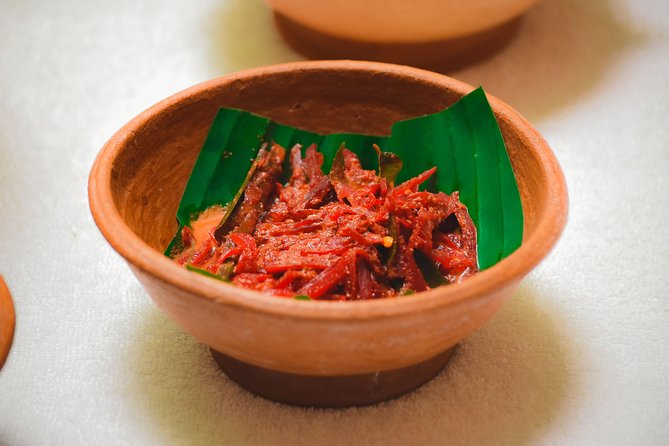
The class begins with a welcome drink, usually freshly made fruit juice or a herbal drink. You then have time to refresh yourself before heading to the local market.
This is not just a shopping stop. Sri Lankan cooking depends heavily on choosing the right produce. A good curry can change with the age of a vegetable, the freshness of leafy greens, or the quality of the coconut and spices. The market visit helps you see these choices before the food reaches the cooking pot.
You’ll also get a practical look at everyday food buying in Colombo. The market is described as similar to a European eco-shop, but the important difference is the local focus. Fresh vegetables, herbs, spices, and other cooking basics are selected for the meal rather than displayed as a quick photo stop.
I find this part especially useful for anyone who wants to cook Sri Lankan food at home. Online recipes often tell you what to use but not how to choose it. Here, you can ask about freshness, preparation, and the best use for each ingredient. The chef also helps bridge the language gap, which matters when market names and cooking terms are unfamiliar.
The drawback is that the market portion is not described with a fixed list of stalls or a precise length. Traffic, market conditions, and the pace of your group may affect the timing. Keep your expectations practical: this is a working food market visit tied to your meal, not a full Colombo market tour.
More Cooking Classes with a Market Tour in Sri Lanka
- Market Tour and Hands-On Cooking Class Colombo
★ 5.0 · 140 reviews - Galle: Cooking Class at a Local Home and Market Tour
★ 5.0 · 47 reviews - Colombo Cooking Experiance with Explore Market
★ 4.7 · 33 reviews
From raw ingredients to a real Sri Lankan meal
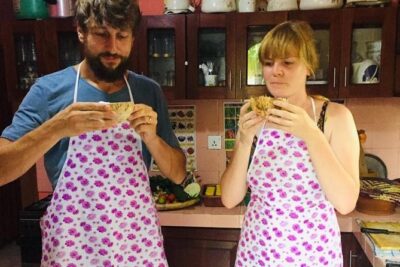
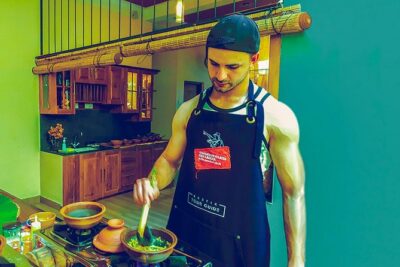
Back at the villa, the focus shifts to hands-on cooking. The class is designed to keep the group small, so you should have a role in preparing several dishes. The chef and helper explain the methods, answer questions, and share recipes and cooking tips.
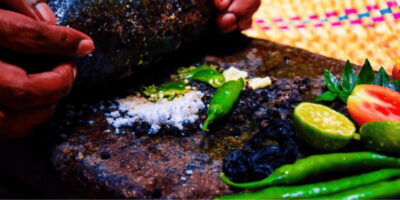
That distinction matters. Many cooking demonstrations look impressive but leave you with little to do. This class is built around making the food yourself, from sauces and spice pastes to fillings and side dishes. You can expect a useful amount of chopping, mixing, grinding, seasoning, and cooking, although the exact jobs will depend on the menu chosen.
The cooking style is described as rustic, but the kitchen is fully furnished. That gives you a working setting rather than a polished restaurant demonstration. You’ll learn how Sri Lankan cooks build flavor through several small steps, often using different cooking methods for different dishes.
Sri Lankan food is not one fixed cuisine with one standard curry. The same broad ingredients can produce very different results depending on the spice mix, cooking time, liquid, and order in which ingredients are added. The chef explains these differences as you work, which is more useful than receiving a single recipe with no context.
Cooking with clay pots
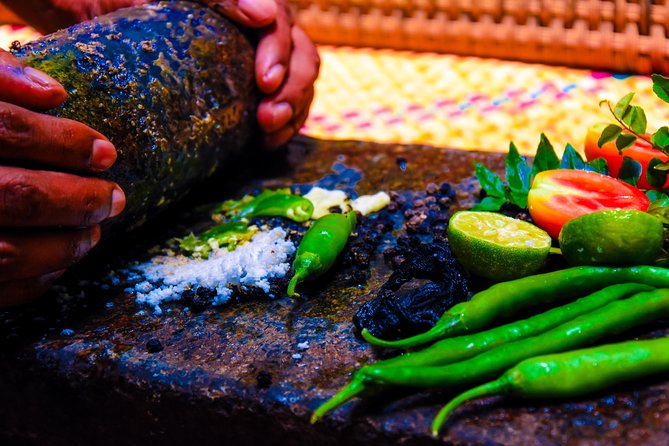
The clay pot is one of the most distinctive parts of the class. Clay pottery has long been used in Sri Lanka, and the cooking vessel affects the finished food.
The porous walls absorb and release moisture, helping food cook gently without drying out. That makes the pot suited to slow curry cooking, where vegetables and spices need time to soften and mingle. A well-seasoned clay pot can also add a particular feel and flavor to the process, even if you do not plan to buy one for your own kitchen.
You should not expect a modern induction-cooktop lesson here. The point is to see how an older cooking method works and why it remains useful. The class also presents clay cooking as a way to help preserve food because of its moisture and acidic conditions, though the practical value of that claim will depend on how the food is handled afterward.
For home cooks, the most useful lesson is likely technique. Even if you return home without a clay pot, you can still carry away ideas about slow cooking, moisture control, and building a curry gradually.
What you can choose from the menu
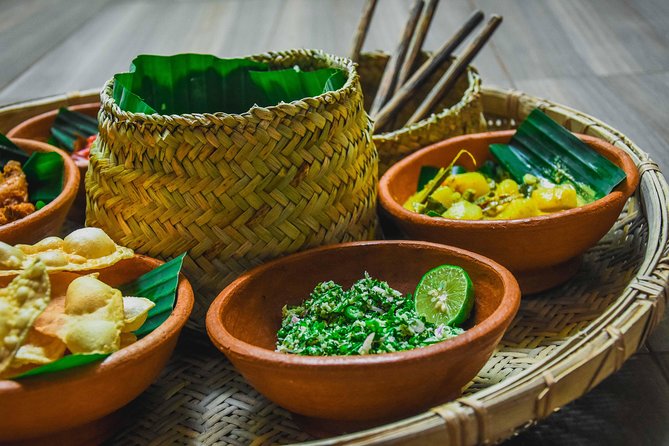
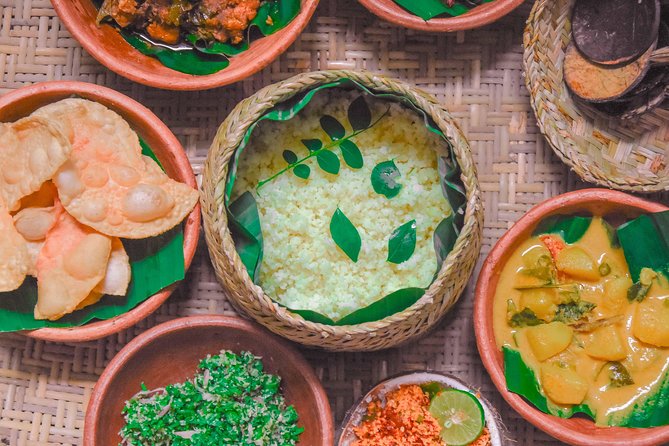
The menu offers a fair amount of choice, which is helpful for a private class. You select one rice preparation from:
- White rice
- Yellow rice
- Brown rice
The curry choices include Sri Lankan dhal, coconut sambol, potato curry, fried mushroom, and Sri Lankan chicken curry. Since this is sold as a vegan cooking class, you should confirm your preferred plant-based menu when booking, especially if the chicken option appears among the available choices.
The dhal curry and coconut sambol are natural choices for a vegan meal, while potato curry and fried mushroom offer different textures. The sambol is particularly useful to learn because it shows how a simple side dish can sharpen and balance a plate of rice and curry.
You also choose one leafy mallum, a finely prepared Sri Lankan leafy salad. Options include gotukola, mugunuanna, gova, kankun, and aguna kola. These names may be unfamiliar, which is part of the value. You get to work with local greens instead of relying only on ingredients that are easy to find abroad.
Papadum is listed as an enhancer, adding crispness to the meal. Water, tea or coffee, tropical fruit, and buffalo curd with honey are also part of the food and drink selection. Buffalo curd with honey gives the meal a distinctly local finish, though anyone following a strictly vegan diet should ask about a dairy-free dessert before arrival.
Same region, a different dish to learn:
- Ella: Traditional Sri Lankan Cooking Class
★ 4.9 · 788 reviews - Organic cooking class sigiriya (kumara & family)
★ 5.0 · 650 reviews - Sri Lanka Cooking Class with Granny
★ 5.0 · 587 reviews - Kandy Village Cooking Class
★ 5.0 · 536 reviews
The setting near Diyawanna Lake
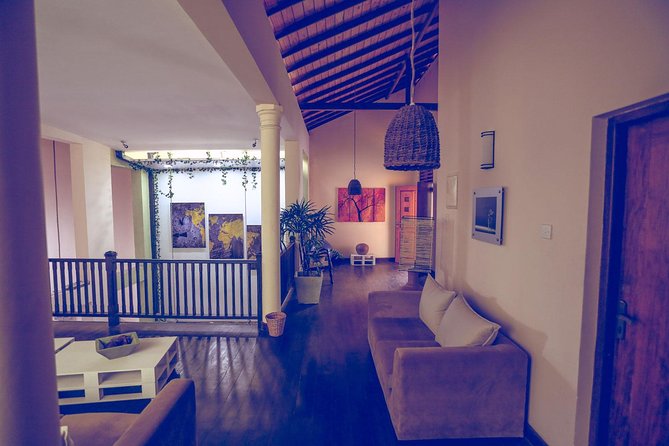
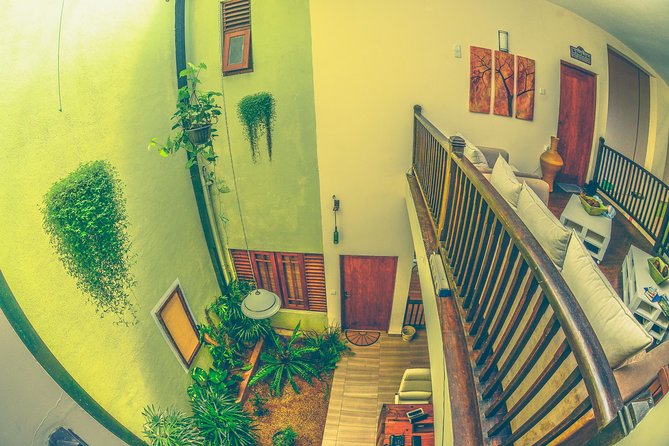
The villa is in the Sri Jayawardenepura Kotte area, close to Sri Lanka’s Parliament, the Immigration Office, and Diyawanna Lake. It is about 9 kilometers from central Colombo and near the expressway toward the airport.
That location gives the class a quieter setting than central Colombo. The property is described as part of the capital’s green belt, with birdsong and less city noise. If you have spent the morning in Colombo traffic, this change of pace may be welcome.
At the same time, the location is not central in the way some visitors may expect from a Colombo food activity. Traffic can make a short distance take longer, particularly around busy periods. Ask exactly where pickup will happen and whether the transfer is included before you pay. The meeting information names Travel Footprint in the Kollupitiya area, while the cooking setting is described in Sri Jayawardenepura Kotte, so confirming the meeting point is sensible.
The villa information also mentions an overnight stay with free breakfast. That may suit someone building a longer food-focused visit around the class, but the cooking activity itself is the main reason to book. Do not assume accommodation is included in the $80 price unless it is confirmed separately.
How much value do you get for $80?
At $80 per person, this is not the cheapest way to eat lunch in Colombo. You are paying for more than the food. The price covers a private class, a market visit, instruction, ingredients, refreshments, local taxes, and the chance to prepare several dishes with personal guidance.
The value is strongest if you want to repeat the recipes at home. You’ll learn how ingredients are selected, how a spice blend is built, how a curry is adjusted, and how leafy greens are handled. A regular restaurant meal can show you what Sri Lankan food tastes like, but it cannot teach you how to recreate it.
The price also makes more sense for a small group. Since the activity is private, you can ask for a slower pace, focus on vegan cooking, or spend more time on the techniques you care about. A family or group celebrating a birthday may find this more worthwhile than a standard group class.
For a solo visitor, $80 is a larger spend, but the private instruction may be exactly what you want. For people mainly seeking a market walk or a quick lunch, it may feel expensive. The experience is aimed at curious cooks, not bargain diners.
What the strongest feedback points to
The class is repeatedly praised for being hands-on. People who have taken several Sri Lankan cooking classes found it unusual to be involved in every process rather than standing back while the chef prepared the food.
The chef and helper also receive strong praise for answering questions and explaining things clearly. That is important in a cooking class built around unfamiliar ingredients. You can ask why one curry is cooked differently from another, how a paste should look, or what can be substituted at home.
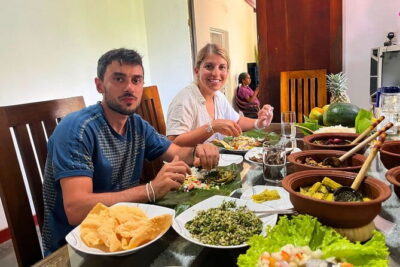
Another strength is the sense of hospitality. The villa setting, welcome drink, shared meal, and relaxed pace make the class feel personal rather than commercial. One useful sign of the class’s practical value is that a participant later managed to remake one of the dishes at home with help from her children.
The market visit is also a major part of the appeal. It gives the class a clear beginning and helps explain the food before you start cooking. If you have already spent time in Sri Lanka and want a deeper understanding of what appears on the plate, this is more useful than a class that begins with pre-measured ingredients.
Timing, transport, and what to arrange
The activity lasts about five hours and is available daily from 9:30 a.m. to 3:30 p.m. The listed schedule suggests a daytime class, even though one piece of the description refers to an evening cooking experience.
Pickup is offered in the tour details, but hotel pickup and drop-off are also marked as not included. Treat this as something to settle before booking. Transfers may take longer than expected because of Colombo traffic, and the exact duration is not fixed.
Wear smart-casual clothing. Cooking can involve spices, oil, and food preparation, so comfortable clothes are sensible. Tell the operator about dietary requirements at booking. Vegetarian cooking is available, and the vegan menu should be confirmed clearly because the listed dish choices include chicken curry and buffalo curd.
If you are arriving by cruise ship, provide the ship name, docking time, disembarkation time, and re-boarding time when you book. The activity requires good weather, and a weather cancellation brings either another date or a full refund. Otherwise, cancellation is free up to 24 hours before the start time, with no refund for a later cancellation.
Who should book this Colombo cooking class?
I would choose this class if you want to understand Sri Lankan food rather than simply eat it. It suits people who enjoy asking questions, working with their hands, and trying ingredients they may not recognize.
It is also a good match for families and small groups. The private format lets children or first-time cooks take part, while the market visit gives the day a clear sense of place. Birthday groups and food-focused couples can make good use of the personal setting.
You may want another option if you prefer a short demonstration, a central Colombo location, or a fully fixed vegan menu with no need to clarify ingredients. The transport details also deserve attention if your schedule is tight.
Should you book it?
Book this class if the idea of choosing vegetables in a local market, making spice pastes from scratch, and cooking several dishes in clay pots sounds better than a standard sightseeing stop. At $80, the value comes from private instruction and skills you can use later, not from the quantity of food alone.
Before booking, confirm the meeting point, transport, and fully vegan menu. If those details work for you, this is a thoughtful way to spend five hours near Colombo and one of the better choices for turning a Sri Lankan meal into a practical memory you can recreate at home.
FAQ
How long does the cooking class last?
The activity lasts approximately five hours. The listed operating hours are 9:30 a.m. to 3:30 p.m., Monday through Sunday.
Is this a private activity?
Yes. Only your group participates, and the private format provides one-to-one instruction from the chef.
Does the experience include a market visit?
Yes. The activity begins with a visit to a local market, where you learn how to select vegetables, spices, and other ingredients.
What food can I learn to prepare?
The menu includes a choice of white, yellow, or brown rice; several traditional curries; coconut sambol; one leafy mallum; papadum; and dessert options including buffalo curd with honey and tropical fruit. Confirm the vegan choices when booking.
Is vegetarian cooking available?
Yes. A vegetarian option is available, but you should advise the operator of dietary requirements at the time of booking.
Are hotel pickup and drop-off included?
Hotel pickup and hotel drop-off are listed as not included, although pickup is also mentioned among the tour features. Confirm the exact transport arrangement and meeting point before booking.
What happens if I need to cancel?
You can receive a full refund if you cancel at least 24 hours before the start time. Changes or cancellations made less than 24 hours before the activity are not accepted for a refund. If poor weather cancels the class, you can choose another date or receive a full refund.
More Food Outings in Sri Lanka
- Small Group Cooking Class & Market Food Tour in Florence
★ 5.0 · 1,574 reviews - Athens: Food Market Visit and Cooking Class with Wine
★ 4.9 · 1,087 reviews - Undiscovered Charleston: Half Day Food, Wine & History Tour with Cooking Class
★ 5.0 · 948 reviews - Vietnamese Food Cooking Class in Hanoi with Market Experience
★ 5.0 · 778 reviews
More Vegetarian Cooking Classes in Sri Lanka
- Private Cooking Class – Personalized menu with glutenfree & vegan
★ 5.0 · 99 reviews - Oaxacan Vegetarian Cooking Class
★ 5.0 · 235 reviews - Marrakech: Moroccan Cooking Class for vegetarians and vegan
★ 4.9 · 156 reviews - Hoi An: Vegetarian Cooking Class w Local Family and transfer
★ 4.9 · 145 reviews
Newest classes around Sri Lanka
- cooking lesson★ 5.0 · 7 reviews
- Hands-On Cooking Class in Anuradhapura-Cook Like a Local★ 5.0 · 2 reviews
- Sri Lankan Cooking Class in Bentota★ 5.0 · 2 reviews
- Sri Lanka: Cooking Class★ 4.4 · 6 reviews
- Sri Lankan Cookery with Nilu★ 5.0 · 34 reviews
- Cooking Experience from Ella★ 4.9 · 2 reviews
- Private cooking class – Personalized classic menu★ 5.0 · 5 reviews
- Nilaveli: Sri Lankan Cooking Class with a Local Family★ 5.0 · 16 reviews
Colombo Cooking Classes, compared.
Browse the lists this tour appears in