
Review · GALLE COOKING CLASSES
Galle: Traditional Sri Lankan Cooking Class
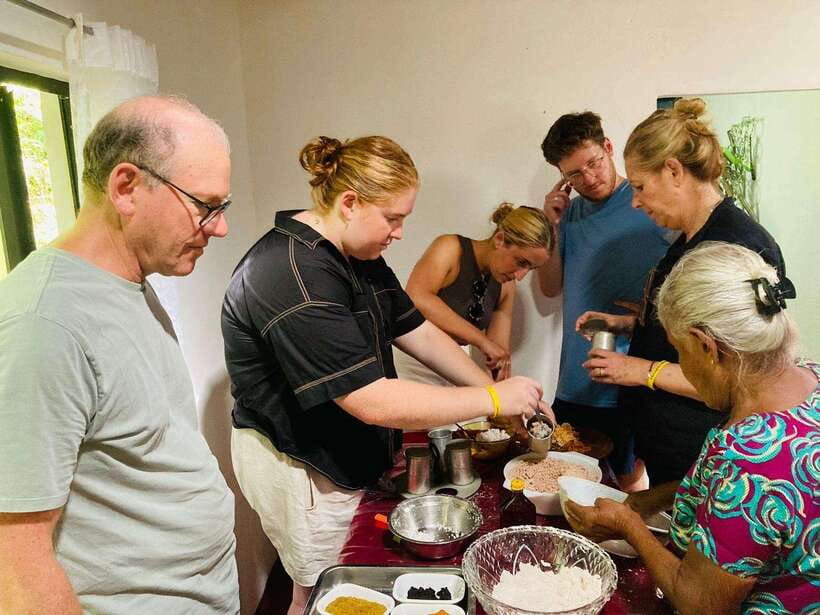
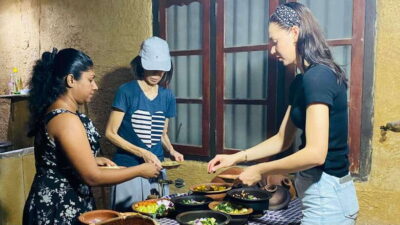
The best part of this cooking class is its setting: you cook in a local family kitchen, not a polished school built for tourists. Malik, his mother, and Chef Manogi are among the warm hosts connected with the experience, and the lesson can include spice mixes, fresh produce, and as many as eight vegan dishes when requested. You finish with the food on your plate, plus dessert.
I like the family-style welcome, from watermelon juice to buffalo curd with treacle, and I like the chance to ask about ingredients as you work. The main thing to know is that this is a guided food experience, not a long solo chef course. You may chop, shop, add spices, and help with the process while the cook handles much of the fast work.
Key points to know
- Cook in a real home kitchen: The setting gives the class a personal, everyday feel rather than a studio demonstration.
- Expect a shared cooking process: You assist with preparation, spices, and some hands-on jobs while the main cook leads the meal.
- Request vegan food in advance: The hosts have prepared eight vegan dishes for guests who asked.
- Plan to eat well: A welcome drink, the cooked meal, and dessert are included, so arrive hungry.
- Three hours for $40: The price covers the instructor, ingredients, equipment, and meal, making it good value for a private cultural activity.
- Find Kotapola before you go: Hotel transfers are not included, so allow time to arrange your own way to the meeting point.
A Sri Lankan meal begins at the family kitchen
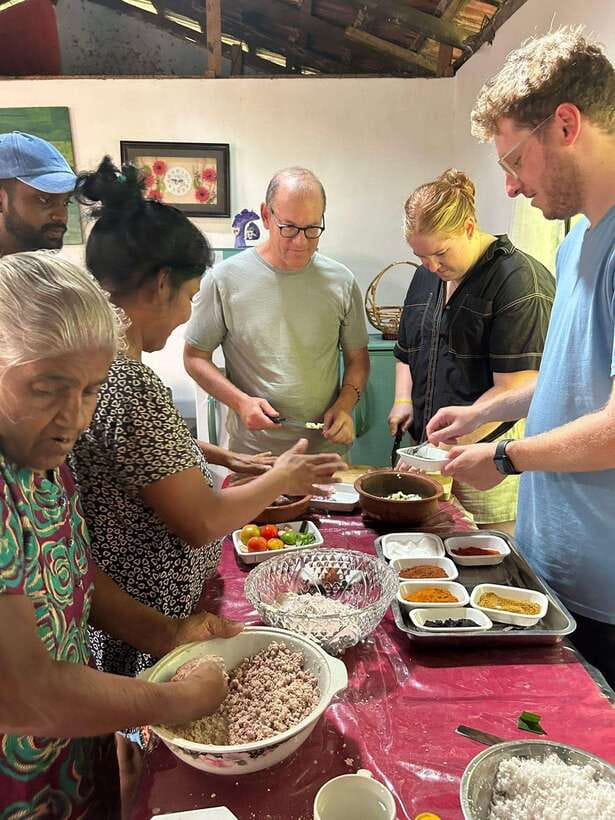
This is a cooking class with a strong sense of place. You leave the usual sightseeing route and enter a household where the kitchen itself becomes the classroom. That matters because Sri Lankan food is not just a list of recipes. It depends on how spices are combined, how vegetables are handled, and how a family turns several simple ingredients into a full table of food.
The three-hour format gives you enough time to see the meal take shape without giving up an entire day. You can expect a welcome drink before the cooking gets going. One guest received fresh watermelon juice, a small but thoughtful touch after arriving and a good introduction to the easygoing tone of the session.
The class takes place in Kotapola, in the Galle area. The supplied meeting details are brief, so you should use the map carefully and arrive 15 minutes early. If you have trouble finding the house, an English-speaking local can give directions by phone. There is no hotel pickup or drop-off, so transport is your responsibility.
More Cooking Classes in Sri Lanka:
- Ella: Traditional Sri Lankan Cooking Class
★ 4.9 · 788 reviews - Organic cooking class sigiriya (kumara & family)
★ 5.0 · 650 reviews - Sri Lanka Cooking Class with Granny
★ 5.0 · 587 reviews
What happens during the three-hour session
The exact menu can vary, but the flow is clear. You meet the local culinary host, look over the ingredients and equipment, and begin helping with the preparation. Expect to handle jobs such as cutting ingredients, adding spices, and assisting with the meal rather than following every dish from raw ingredient to finished plate entirely on your own.
That distinction is important. If you want to spend several hours cooking each dish step by step, this may feel too quick. The host does much of the skilled work, especially when several dishes are being prepared at once. If you prefer to watch a practiced cook, ask questions, and take part without carrying the full pressure of the meal, the format makes good sense.
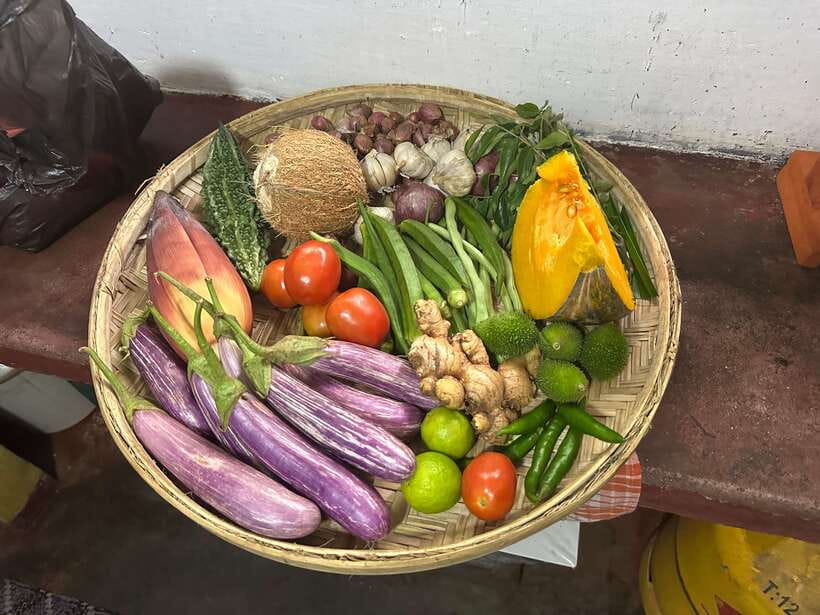
You may also take part in shopping or ingredient selection, depending on the arrangements for your session. This helps explain the food before it reaches the cooking pot. Sri Lankan cooking often relies on the balance between spices, vegetables, and coconut-based flavors, and the class gives you a chance to see how those parts work together rather than simply receiving a finished plate.
The pace can be brisk. That is part of the appeal, since you see how an experienced cook manages several dishes at once. It also means you should speak up if you want a technique explained again or want more time with a particular step.
Spices, vegetables, and the story behind the food
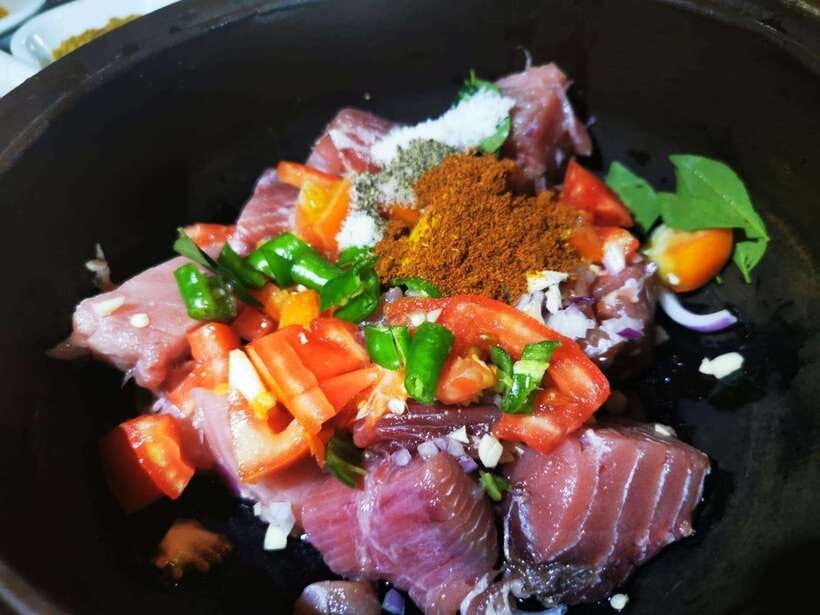
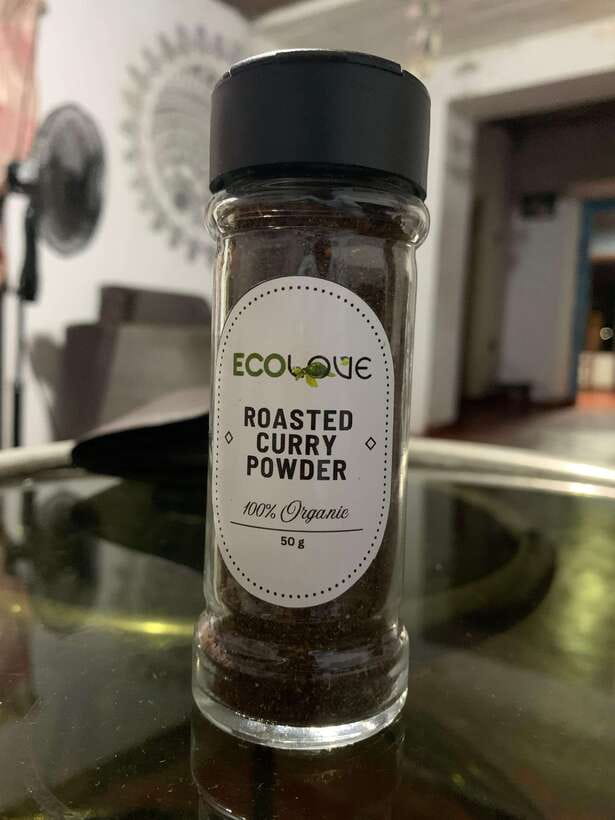
The class is designed to explain the ingredients as well as use them. You learn about the place of spices and tropical vegetables in Sri Lankan cooking, including the way spice mixes shape the character of a dish. Some sessions have included making those spice mixes from scratch, which is one of the most useful skills to take home.
I would pay close attention here. A recipe written on paper tells you what to add, but watching the host judge the amount of spice, the order of ingredients, and the timing gives you information that a restaurant meal cannot. You can ask why a particular ingredient is used and how it fits into local food traditions.
The cultural side is strongest when you treat the class as a conversation, not just a demonstration. The hosts share information about local food and customs while you work. Because the cooking happens in their own home, the experience has a personal quality that a commercial kitchen would struggle to copy.
At the same time, do not expect a formal lecture on Sri Lankan history or food science. The value comes through practical talk, family interaction, and the ingredients in front of you. You learn by watching, helping, tasting, and asking.
The meal is the main event
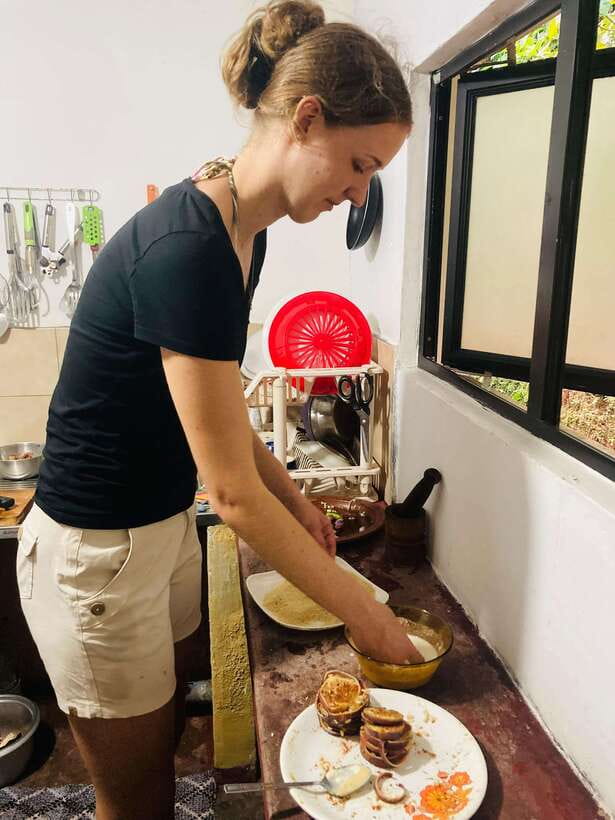
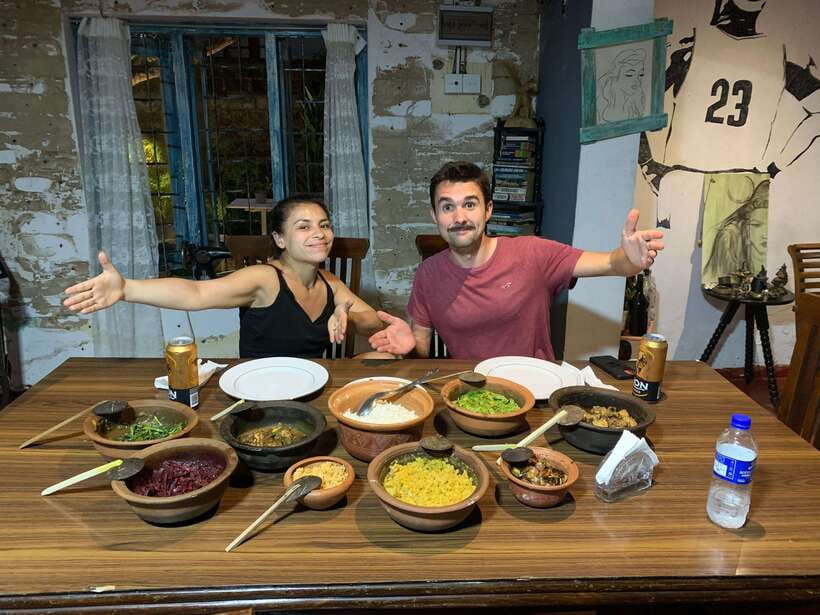
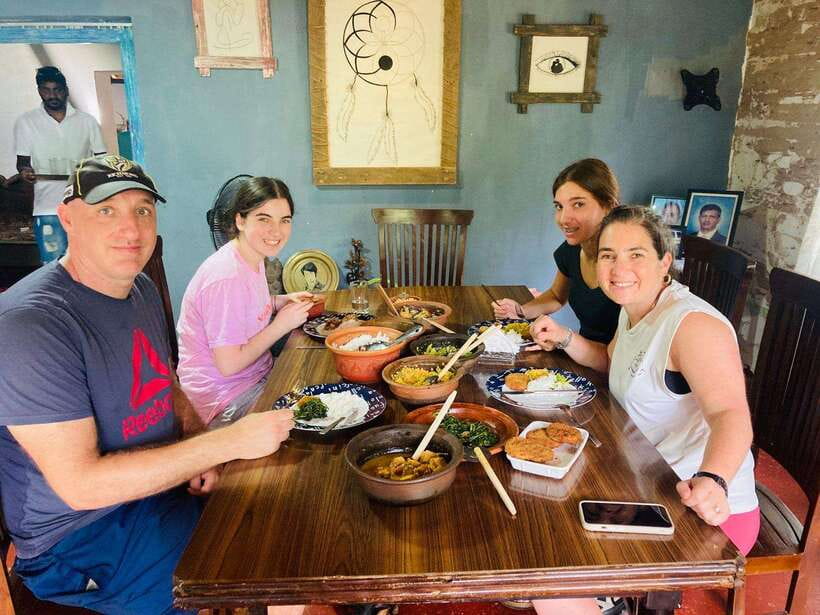
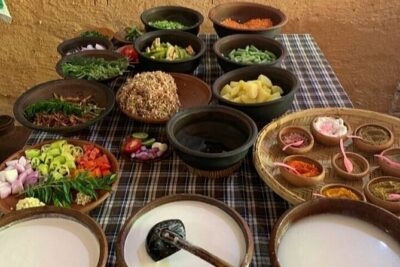
After the preparation, you sit down to eat what you have helped make. The meal is included in the price, along with dessert, so this is not a class where you leave hungry after sampling a few bites. One session produced eight vegan dishes after a dietary request, which shows how generous and flexible the menu can be when arranged ahead of time.
The food is a major reason to book. The meal may include a broad spread rather than one signature dish, allowing you to compare different spices, textures, and vegetable preparations in one sitting. A dessert of buffalo curd with treacle has also been served, giving the meal a distinctly Sri Lankan finish.
Arrive with an appetite. A guest specifically advised skipping breakfast or lunch beforehand because the amount of food can be substantial. That is practical advice, not just a polite suggestion. The welcome drink, multiple dishes, and dessert add up to a full meal.
If you have dietary restrictions or allergies, tell the provider in advance. Vegan cooking is possible when requested, but you should not wait until you arrive to explain your needs. The class includes ingredients and equipment, but personal expenses are not covered.
Same region, a different dish to learn:
- Kandy Village Cooking Class
★ 5.0 · 536 reviews - Sea waves sri lankan cooking class
★ 5.0 · 467 reviews - Ella: Sri Lankan Cooking Class with Neranji at Homestay
★ 5.0 · 276 reviews - Cook with Wasantha
★ 5.0 · 248 reviews
Why the home setting matters
A dedicated cooking studio can be easier to find and more predictable. This experience trades some of that convenience for a closer look at family life. You are cooking in the host’s own kitchen, using a space that feels connected to the food rather than arranged only for instruction.
That makes the class especially appealing if you value direct contact with local people. You have time to speak with the family, see how the meal is organized, and share food at the end. The hosts are repeatedly described as welcoming, kind, and generous, and that warmth is central to the experience.
The setting also has limits. A home kitchen may not offer the same clear workstations or polished presentation as a professional school. Directions to the meeting point may take some effort, and the cooking can move fast. Keep those points in mind if you need a highly structured class or have mobility concerns, although the activity is listed as wheelchair accessible.
The private group format helps. You are not placed into a large class with strangers, and the hosts can focus on your questions and food requests. The exact group size is not stated, so you should confirm any special needs before booking.
Is $40 a fair price?
At $40 per person, this is more than a simple restaurant meal, but you are paying for a three-hour activity, instruction, ingredients, equipment, a welcome drink, a full meal, dessert, and time with a local family. For a private cultural experience, that is a reasonable package.
The value improves if you want more than food. You gain techniques you can try again at home, learn how spice mixes are made, and get context for dishes you may see elsewhere in Sri Lanka. The meal itself is part of the experience, not an extra charge at the end.
It may be less appealing if you only want a formal cooking lesson with a detailed recipe booklet and long individual practice time. Since the host completes much of the preparation, you are paying for participation and cultural contact as much as for technical training.
I would compare this with the cost of a good lunch and a separate guided activity in Galle. On that basis, the class offers solid value, especially for couples, food-focused visitors, and anyone seeking a more personal day away from standard sightseeing.
Who will enjoy this class most?
This experience suits you if you like food, local conversation, and informal learning. It is a good choice for couples, private groups, and solo visitors who want a welcoming activity with a clear beginning and end. It also works well for people who enjoy tasting many dishes rather than mastering one recipe in detail.
Vegans can have a particularly good experience if they request a menu in advance. The hosts have prepared a large vegan spread, so this is not limited to a token vegetable dish. People with allergies should still contact the provider early, since the class uses several ingredients and the kitchen is shared.
Families and mixed-age groups may also appreciate the short three-hour length, though the suitability of the kitchen for young children is not specified. Ask before booking if that point matters to you.
This is less suited to a serious cook who wants full control over every step. You may spend much of the time assisting a skilled host while watching the main cooking happen. That is not a flaw, but it is a clear difference between a home cooking visit and a technical culinary workshop.
Practical details before you book
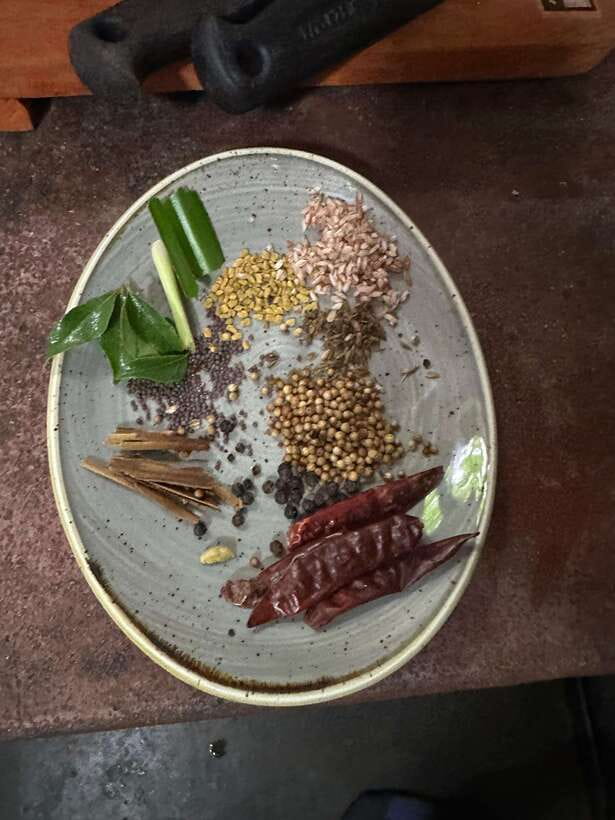
Wear comfortable clothes and shoes suitable for cooking. You do not need to bring ingredients or equipment, since both are included, but you should arrive ready to stand, help, taste, and eat.
Use the map to reach the meeting point and plan to arrive 15 minutes early. If the address proves difficult, an English-speaking local can help with directions by phone. Since transfers are not included, check your route to Kotapola before setting out from Galle.
The instructor language is English. The activity is listed as wheelchair accessible, but the home setting may still raise practical questions about entrances, kitchen space, or seating. If you use a wheelchair, contact the provider before booking so you can confirm the arrangements for your particular visit.
Booking is flexible: you can reserve now and pay later, and cancellation is free up to 24 hours before the activity for a full refund. The session lasts three hours, with start times based on availability.
Should you book it?
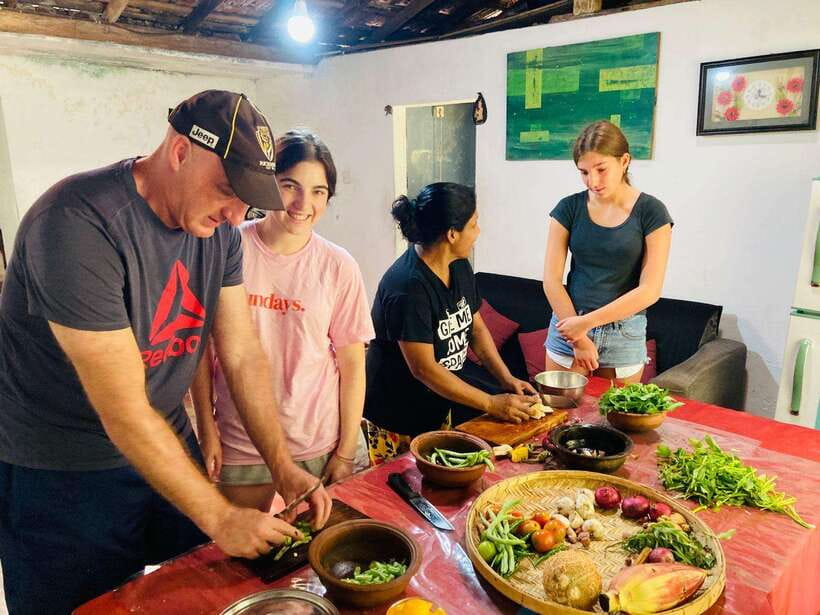
Book this class if you want a generous home-cooked meal, direct contact with a Sri Lankan family, and a relaxed introduction to spices and local cooking. The strongest features are the personal setting, the warm welcome, and the chance to request a vegan menu with several dishes.
Think twice if your main goal is to cook every dish alone from start to finish. The host leads the meal and may work quickly, so your role is often helper, learner, and taster rather than sole chef.
For $40, I see this as a strong choice for anyone who values food as a way to meet people. Arrive early, arrive hungry, tell the hosts about dietary needs, and accept that the best lesson may come from watching a practiced cook work in her own kitchen.
FAQ
Where does the Sri Lankan cooking class take place?
The class takes place in Kotapola, Sri Lanka, in the Galle area. The cooking is held in a local family kitchen.
How long does the activity last?
The cooking class lasts three hours. You should check availability for the specific starting time.
How much does the cooking class cost?
The listed price is $40 per person.
Is a meal included?
Yes. The prepared meal is included, along with a welcome drink and desserts.
Are ingredients and cooking equipment provided?
Yes. The cooking ingredients and equipment are included in the activity.
Can I request vegan food?
Yes. You should notify the provider in advance. Vegan menus have been prepared on request, including a meal with eight vegan dishes.
Is hotel pickup included?
No. Hotel pickup and drop-off are not included. You need to arrange your own transport to the meeting point.
What language is the class taught in?
The instructor language is English, and an English-speaking local can help with directions by phone if needed.
What is the cancellation policy?
You can cancel up to 24 hours before the activity for a full refund. You can also reserve now and pay later.
Newest classes around Sri Lanka
- cooking lesson★ 5.0 · 7 reviews
- Hands-On Cooking Class in Anuradhapura-Cook Like a Local★ 5.0 · 2 reviews
- Sri Lankan Cooking Class in Bentota★ 5.0 · 2 reviews
- Sri Lanka: Cooking Class★ 4.4 · 6 reviews
- Sri Lankan Cookery with Nilu★ 5.0 · 34 reviews
- Cooking Experience from Ella★ 4.9 · 2 reviews
- Private cooking class – Personalized classic menu★ 5.0 · 5 reviews
- Nilaveli: Sri Lankan Cooking Class with a Local Family★ 5.0 · 16 reviews
Galle Cooking Classes, compared.
Browse the lists this tour appears in