
Review · TOKYO COOKING CLASSES
Ramen & Gyoza Cooking Class in Tokyo with Local Supermarket Visit
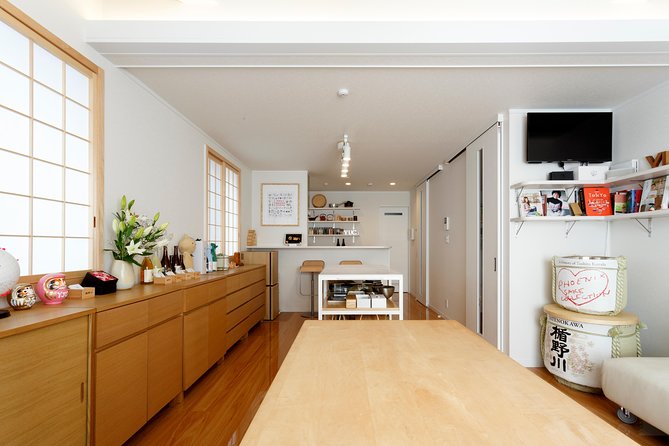
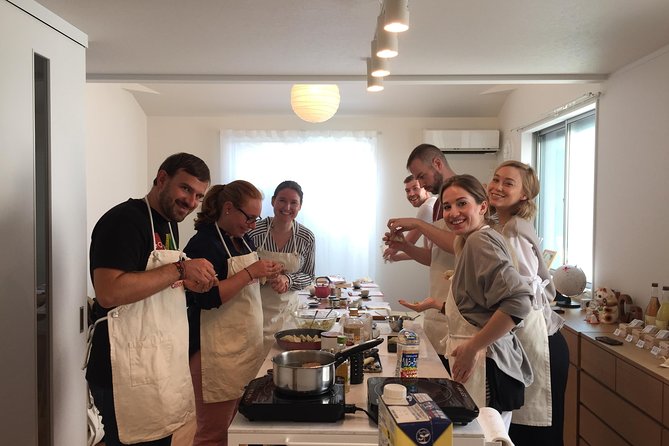
The best part of this Tokyo class is the setting: you cook in YUCa’s own home kitchen, not in a polished restaurant school. She explains Japanese home cooking and daily food customs before guiding you through ramen and gyoza, two dishes you can realistically make again at home. I especially like the warm teaching style and the chance to see a neighborhood beyond central Tokyo.
I also like the small maximum group of seven, which helps couples, families, and solo bookers meet one another. The optional supermarket visit adds useful context, though you should confirm that it is available on your date. The main drawback is that the class can feel more demonstration-led than fully hands-on when the kitchen is busy.
Key points at a glance
- A home-kitchen lesson with YUCa: You learn in a personal setting and hear about Japanese food and lifestyle from your host.
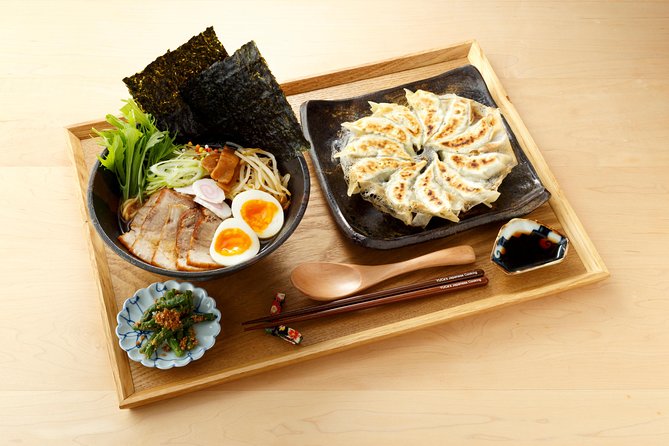
- Ramen and gyoza in one morning: Prepare noodle soup and minced-pork dumplings, then sit down to eat the results.
- A neighborhood side of Tokyo: The class takes place in Nishiogu, away from the main sightseeing core.
- Optional supermarket visit: After class, you may tour a local store and ask about Japanese ingredients and packaging.
- Good for mixed-age groups: Families, teenagers, grandparents, beginners, and keen home cooks can all take part.
- A useful caveat: Some of the work is shared or demonstration-based, so this is not a private cooking lesson for one person.
Cooking ramen and gyoza in a Tokyo home
This is a short, focused food class rather than a full-day culinary course. You meet at YUCa’s Japanese Cooking at 10:00 am in Nishiogu, in Arakawa City. The address is 2-chome-34-8 Nishiogu, Tokyo 116-0011, and the activity returns to the same point.
The location matters. Nishiogu gives you a look at ordinary Tokyo life away from the neon streets and major sights. You are not simply eating Japanese food in a tourist restaurant. You are entering a home kitchen and seeing how a local teacher organizes a familiar meal.
YUCa is the host and instructor. She teaches in English, explains the steps clearly, and brings plenty of energy to the room. Her style suits people who want cultural context along with a recipe. You may also learn small personal touches, such as Japanese name writing based on pronunciation, which adds a friendly note to the morning.
The schedule begins with a brief introduction to Japanese home cooking and lifestyle from 10:15 to 10:30. That short talk gives the food a frame. Ramen and gyoza are not just popular restaurant dishes. They are approachable home-style foods, and the class focuses on techniques and ingredients you can understand without professional training.
From 10:30 to 12:30, the main cooking and tasting session takes place. The class covers different vegetables and meat, with a particular focus on ramen and minced-pork gyoza. You make the gyoza by hand, help assemble the ramen bowls, and eat the finished meal during the class.
More Sushi and Japanese Classes in Tokyo:
- Tokyo Tsukiji Fish Market Tour and Sushi Making Lesson
★ 5.0 · 390 reviews - Tokyo: Easy Ramen Cooking Experience in Kabukicho, Shinjuku
★ 4.6 · 321 reviews - Ramen and Sushi Cooking Class with Sake Pairing Set in Tokyo
★ 5.0 · 291 reviews
What you actually do during the two and a half hours
The class is designed for beginners. You do not need to arrive with knife skills or Japanese cooking experience. Instructions are explained step by step, and the menu is familiar enough to keep the session relaxed.
The gyoza portion is likely to be the most tactile part. Shaping dumplings gives children and adults a clear task, and families can work together while the ramen cooks. You learn how the filling comes together and how the wrappers are handled, rather than only watching a finished dish appear.
The ramen work is more assembled and guided. You build the bowl and learn how the soup, noodles, toppings, vegetables, and meat fit together. This is practical for home cooks because it shows how a bowl comes together without turning the session into a complicated culinary lecture.
There is an important distinction here. The class has one kitchen and may include several people, so not every participant will perform every step independently. Some ingredients may be portioned or prepared in advance, and some actions involve adding a measured powder or liquid under instruction. If you want to spend the entire class chopping, mixing, and cooking alone, this may feel limited.
On the other hand, a guided format keeps the morning moving. You avoid standing around wondering what to do next, and YUCa can explain the purpose of each stage. The class works best if you see it as a shared home-cooking lesson, not as a private professional kitchen where you control every burner.
The food itself is the payoff. You eat the ramen and gyoza you helped prepare, which turns the lesson into lunch as well as instruction. One useful point from the available feedback is that portions may feel modest to some adults. If you arrive very hungry, keep your expectations realistic. This is a tasting and teaching meal, not a giant restaurant feast.
The local supermarket visit after lunch
The supermarket visit is scheduled for 12:30 to 1:00 pm and is described as optional. That timing makes sense: you finish the class, then look at the kinds of ingredients you might need to repeat the recipes at home.
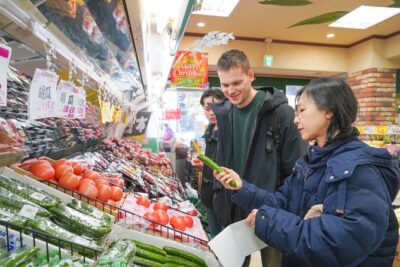
A local supermarket can be more useful than a famous food hall for this particular subject. You can ask YUCa about labels, vegetables, meat, seasonings, packaged noodles, and the unfamiliar products that fill Japanese shelves. This is the sort of practical help that makes independent cooking easier after your holiday.
The store visit also gives you another view of Tokyo. The class is in a residential district rather than the central sightseeing zone, so the supermarket helps you notice how everyday shopping works outside the postcard version of the city. Families in particular may enjoy asking about unusual snacks and products.
There is a point to clarify before booking. The supermarket visit is optional, and some participants have not taken it. One explanation given for a missed visit was the need to return quickly to a hotel, while other feedback suggests the store stop was not always included as expected. Since this is one of the reasons you might choose the class, confirm the current plan with the provider before you go.
If the supermarket stop matters more to you than the cooking lesson, do not assume it is automatic. Treat it as an added part of the morning that depends on timing and arrangements. The cooking class itself is the core activity.
Why the home setting changes the feel
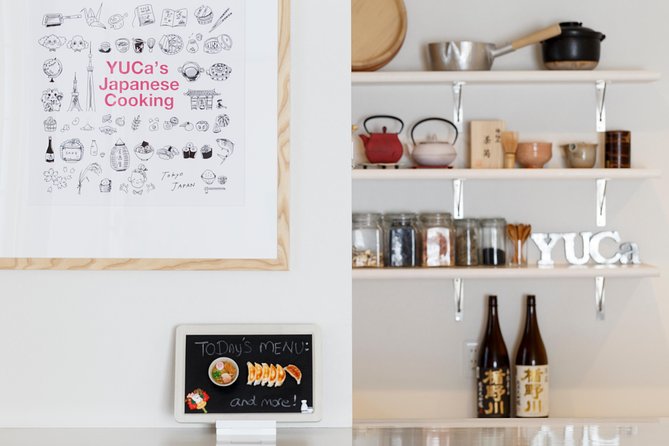
A restaurant school can offer more burners and more individual workstations. YUCa’s home kitchen offers something else: a personal view of how Japanese food fits into ordinary life.
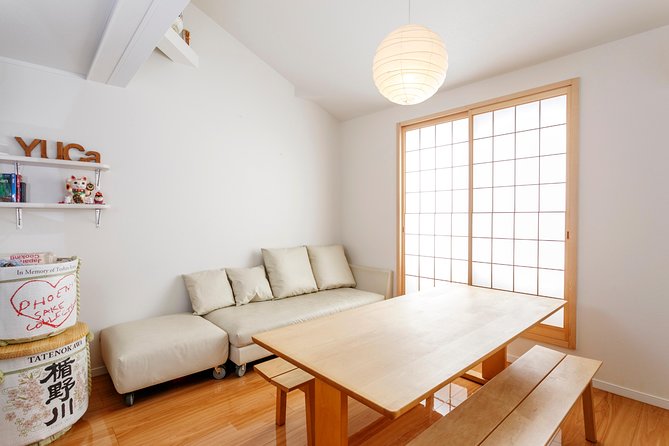
You see the cooking space where the host actually lives and teaches. That makes the class feel more intimate and less like a standard demonstration. The setting is also a good fit if you are curious about Japanese homes, table customs, and the way familiar meals are prepared in a domestic kitchen.
YUCa’s friendliness is a major part of the morning. She makes an effort to involve different ages and cooking levels, and she keeps the mood social. Couples can cook together, families can divide up tasks, and solo participants can chat with other people in the group.
This social side has a practical benefit. You may arrive as a pair or family and leave with new meal ideas, but you also share a table with people from other places. The small maximum of seven keeps that interaction manageable. It is not a huge class where you disappear in the crowd.
The tradeoff is space. A home kitchen is personal and welcoming, but it is not built like a commercial teaching studio with one station per person. If you value a quiet, highly technical lesson, the shared format may frustrate you. If you prefer conversation and a glimpse of daily life, the home setting is a strong reason to book.
More Cooking Classes in Tokyo:
- Tokyo: Wagyu and 7 Japanese Dishes Cooking Class
★ 4.9 · 273 reviews - Tokyo Washoku 4-hour Cooking Class: From Market to Table
★ 5.0 · 253 reviews - Small-Group Wagyu Beef and 7 Japanese Dishes Tokyo Cooking Class
★ 5.0 · 190 reviews - Private Home Cooking in Yanaka – Local Flavors in a Warm Setting
★ 5.0 · 173 reviews
Is $122.70 good value?
At $122.70 per person, this is not a cheap lunch. You are paying for more than the ingredients: the instruction, the use of a home kitchen, the meal, the cultural explanation, and possibly the supermarket visit.
The value is strongest for visitors who want a food activity with a personal connection. A standard ramen meal will cost much less, but it will not teach you how the dish is assembled or show you a local neighborhood. A larger cooking school may offer more individual work, but it may feel less personal.
For a family, the price can make sense if several people actively enjoy food and want one shared morning. Children and teenagers can take part in shaping gyoza, and older family members can follow the explanations without needing advanced skills. The experience also gives you a recipe to repeat at home, which adds value after you leave Japan.
For a solo visitor, the calculation is more individual. You may find the social setting worthwhile, particularly if you want to meet people during a busy Tokyo trip. But if you are mainly seeking a cheap meal or a serious chef-training session, the price may seem high.
The perfect class size is seven, though the exact number on your date may vary. More people generally means less individual cooking time, so ask yourself what you value most: personal technique practice or a relaxed group lesson with cultural conversation.
Getting there and planning your morning
The meeting time is 10:00 am, and the meeting point is also the end point. The location is near public transportation, but the supplied details do not identify a specific station or travel time. Use the full address when planning your route, and allow extra time for finding a residential address in Tokyo.
An early start is useful. You finish the cooking portion around 12:30, with the optional supermarket tour running until about 1:00 pm. That leaves the rest of the day open for another Tokyo district, a museum, or a slower lunch elsewhere.
The activity offers a mobile ticket, and confirmation is provided at booking. A minimum of two people per booking is required, so solo visitors should check the booking conditions carefully. The class accepts specific dietary requests when you book, and a vegetarian option is available if requested in advance.
Do not wait until the morning of the class to mention food restrictions. Ramen and gyoza commonly involve meat, stock, sauces, or other ingredients that may matter to your diet. Giving YUCa notice allows the class to plan the vegetarian option or address your needs.
Cancellation is free up to 24 hours before the start time. Changes or cancellations inside that window are not accepted for a refund. The activity also requires a minimum number of participants, and if the provider cancels because that minimum is not reached, you will be offered another date or experience, or a full refund.
Who will enjoy this class most
I would point this class toward several types of visitors:
- Families: The food is approachable, and gyoza shaping gives children a clear way to help.
- Couples: You can prepare and eat a meal together in a personal setting.
- First-time cooks: The instructions are structured and the recipes are not presented as advanced restaurant work.
- Food-focused visitors: You learn about ingredients and get the chance to ask questions in a supermarket.
- People seeking local Tokyo: Nishiogu offers a break from the main tourist routes.
- English-speaking visitors: YUCa teaches in English and explains the process clearly.
I would be more cautious if your main goal is detailed individual technique. The class has a shared kitchen, and some portions may involve watching, measuring, or assembling rather than doing every task from start to finish.
The class also suits people who want food they can recreate at home. Ramen and gyoza are familiar dishes in many countries, but the lesson helps connect the ingredients and methods with Japanese home cooking. You leave with more than a photograph of lunch.
My take: should you book it?
Book this class if you want a friendly food morning with YUCa, a home kitchen, and a local Tokyo setting. The strongest reasons are the personal teaching, the chance to make both ramen and gyoza in one session, and the way the activity connects food with ordinary life.
Book it with the right expectations. This is not a private chef lesson, and the optional supermarket stop should be confirmed rather than assumed. The hands-on work is real, but it is shared and guided, and some steps may be prepared or demonstrated for the group.
For families, couples, and curious first-time cooks, I think the price is defensible because the meal, lesson, cultural insight, and neighborhood setting come together in one compact morning. If you want a hard technical workshop with maximum time at the stove, choose a larger cooking studio instead. If you want to cook, eat, and see a more personal side of Tokyo, this is a strong pick.
FAQ
Where does the ramen and gyoza class take place?
It takes place at YUCa’s Japanese Cooking, 2-chome-34-8 Nishiogu, Arakawa City, Tokyo 116-0011, Japan. The activity ends at the same meeting point.
What time does the class start?
The meeting time is 10:00 am. A short lecture on Japanese home cooking and lifestyle runs from 10:15 to 10:30, followed by cooking and tasting.
How long does the activity last?
The main activity lasts about two and a half hours. Cooking and tasting run until about 12:30 pm, followed by an optional supermarket tour from 12:30 to 1:00 pm.
Is a vegetarian option available?
Yes. A vegetarian option is available, but you must advise the provider of your dietary requirement when booking.
Is the supermarket visit included?
The supermarket visit is optional and is scheduled after the cooking class. Since it may depend on arrangements and timing, confirm its availability before attending if it is important to you.
Can I cancel for a full refund?
Yes, if you cancel at least 24 hours before the experience start time. Cancellations or changes made less than 24 hours before the start time are not accepted for a refund.
Newest classes around Tokyo
- Tokyo: Sushi roll and side dish cooking experience★ 5.0 · 2 reviews
- Tokyo: Sushi Making Experience & Japanese Cooking Class★ 5.0 · 2 reviews
- Tokyo: Sushi Cooking Class with Sake Tasting★ 4.8 · 55 reviews
- Tokyo: Real Ramen & Dumpling Cooking with Master Chef★ 5.0 · 10 reviews
- Tokyo: Sushi and Ramen Cooking Class with Sake Pairing Set★ 5.0 · 81 reviews
- Tokyo: Kawaii Bento Cooking Class – Cute Character Lunchbox★ 4.9 · 55 reviews
- Tokyo: Gyoza Making from Scratch – Ultimate Cooking Class★ 5.0 · 2 reviews
- Tokyo: Night Cooking Class: 5 Home-Cooked Japanese Dishes★ 4.9 · 13 reviews
Tokyo Cooking Classes, compared.
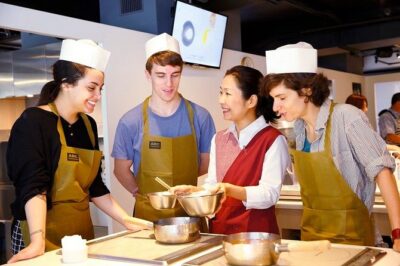
Tokyo Tsukiji Fish Market Tour and Sushi Making Lesson
Read our review →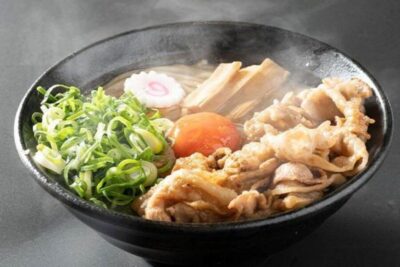
Easy Ramen Cooking Experience in Kabukicho, Shinjuku
Read our review →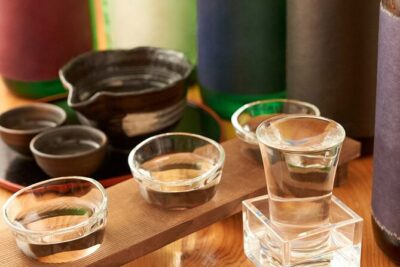
Ramen and Sushi Cooking Class with Sake Pairing Set in Tokyo
Read our review →
Tokyo Washoku 4-hour Cooking Class: From Market to Table
Read our review →
Small-Group Wagyu Beef and 7 Japanese Dishes Tokyo Cooking Class
Read our review →
Private Home Cooking in Yanaka – Local Flavors in a Warm Setting
Read our review →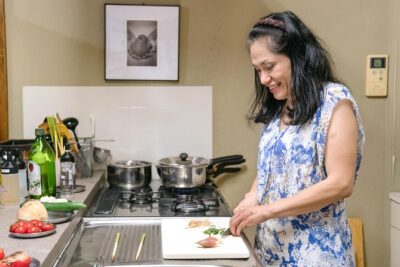
Unique Private Cooking Class with a Tokyo Local Emi
Read our review →Browse the lists this tour appears in