
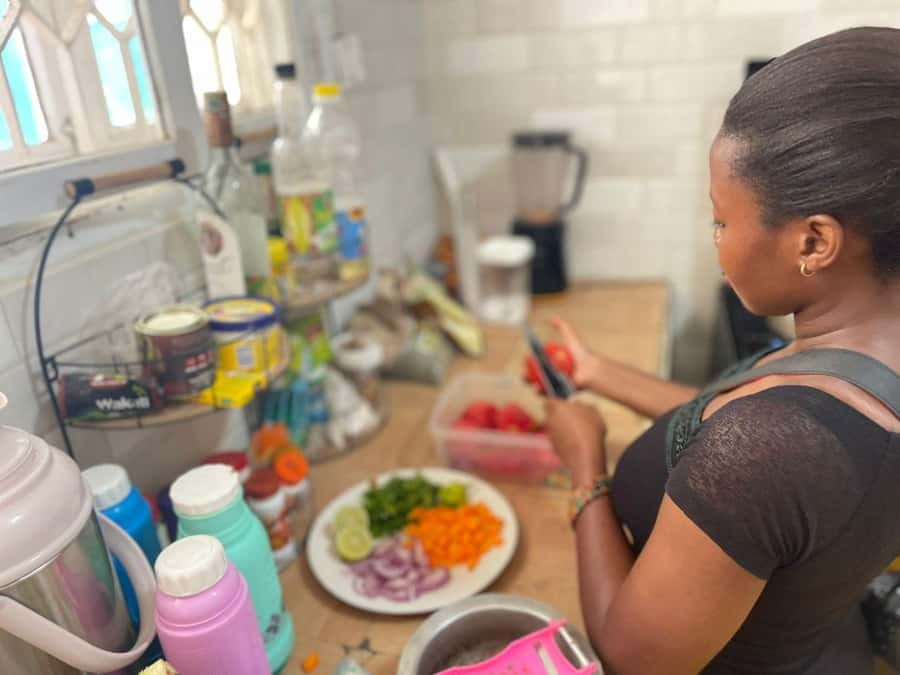
Review · TANZANIA COOKING CLASSES
Dar es Salaam: Taste of Tanzania Cooking Class and Food Tour
The best part of this experience is the move from market stall to cooking pot. You see the produce, spices, and staples first, then use them in a local kitchen to make ugali, pilau, or chapati. That link between shopping, cooking, and eating gives the outing a useful sense of place.
I like the traditional tools, especially the mbuzi coconut scraper and kinu mortar and pestle. I also like the friendly, personal setup with hosts Angel and Irene, plus the chance to sit down over your own food with hibiscus juice or maziwa mgando. The main drawback is logistics: the meeting point can change, transportation is not included, and one booking had serious trouble reaching the host by phone.
Key points to know before booking
- Market first, cooking second: You source seasonal produce, spices, and staples before heading into the kitchen.
- Traditional tools are part of the lesson: Expect demonstrations with a mbuzi, ungo, kinu, chungu, sufuria, and mikeka.
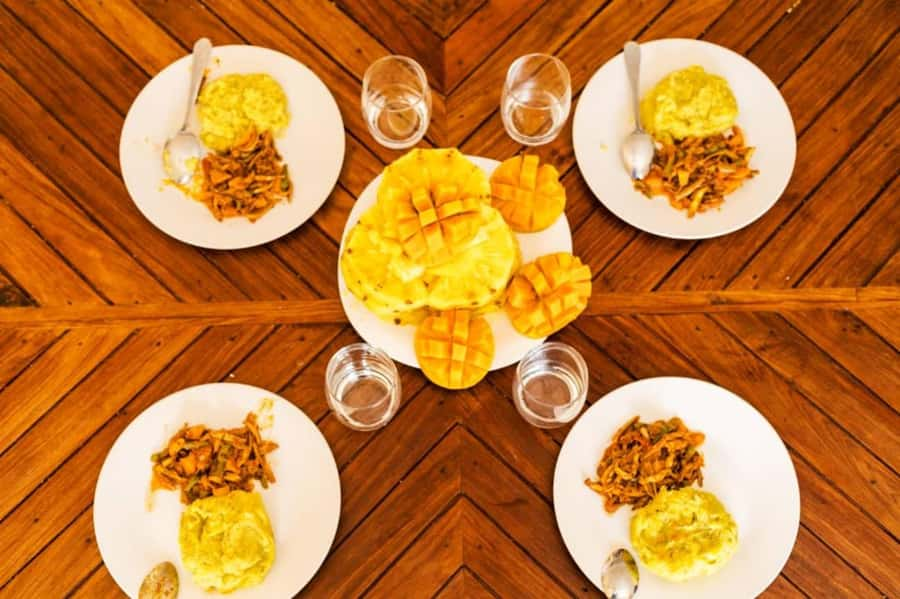
- You cook and eat your own meal: Ugali, pilau, chapati, vegetables, and local drinks may form the shared feast.
- A personal format: Private and small-group options are available, with English instruction.
- Optional extras cost more: Swimming, exotic fruit platters, coconut drinks, and handmade souvenirs are separate.
- Confirm the meeting details: The location varies by option, and the temporary phone number should be checked before you go.
From Tanzanian street food to a home kitchen
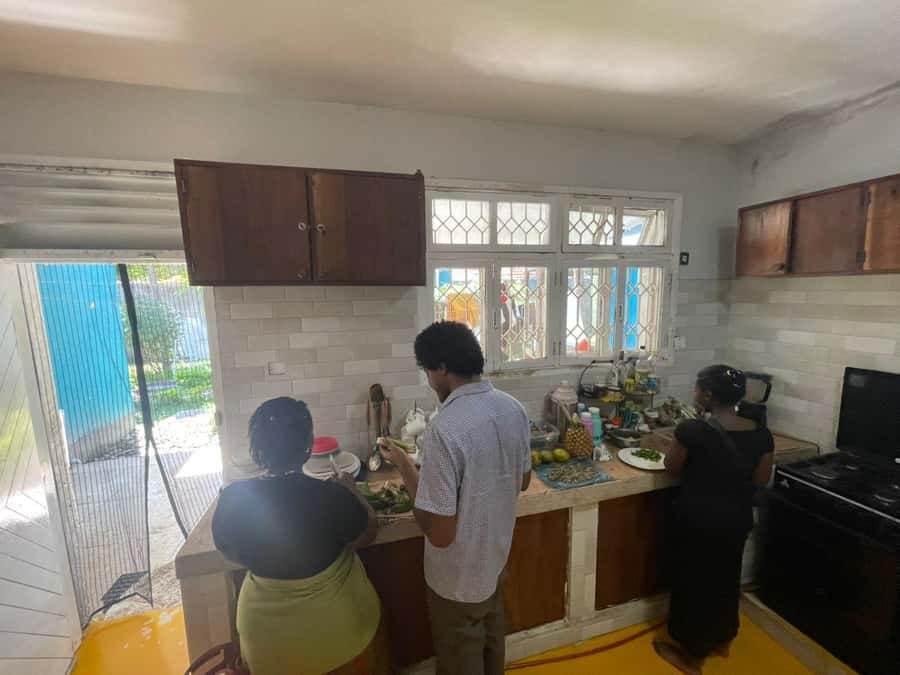
This is not just a cooking lesson. It begins with food in its everyday setting, on the street and at the market, then follows each ingredient into the kitchen.
Your guide leads you through local food stops where you can sample Tanzanian snacks and street foods. The exact snacks are not specified, so you should expect variety rather than a fixed tasting menu. The useful part is the explanation around each food: what it is, how it is eaten, and why it matters in local cooking.
I like this opening because it gives the meal a human setting. You are not simply handed a plate and told that it is traditional. You see the sellers and ingredients that support daily food culture, and you help support those vendors through your purchases and tastings.
The street portion also makes the experience more active than a standard cooking class. You will walk through busy public areas, so comfortable shoes matter. Bring water and sunscreen, particularly if your session includes a longer market visit or takes place during the hotter part of the day.
More Food and Drink Outings in the world:
- Small Group Cooking Class & Market Food Tour in Florence
★ 5.0 · 1,574 reviews - Paella Cooking Class, Wine Tasting & Central Market in Valencia
★ 5.0 · 1,150 reviews - Athens: Food Market Visit and Cooking Class with Wine
★ 4.9 · 1,087 reviews
Reading the market through ingredients
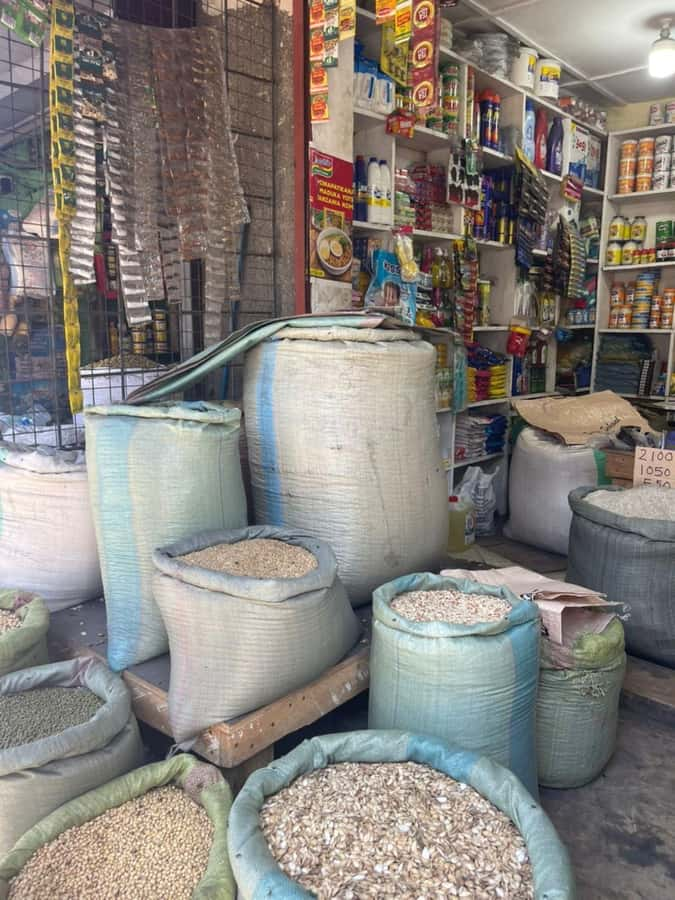
The local market visit is where the experience becomes practical. Stalls are filled with seasonal produce, spices, and familiar Tanzanian staples. You source ingredients for the lesson, rather than watching someone produce a ready-made dish from supplies hidden in the kitchen.
That may sound like a small difference, but it changes how you understand the food. You can connect the finished pilau or chapati to the raw ingredients, the spices, and the choices made while shopping.
The guides also introduce you to vendors. This is a good chance to ask questions about ingredients, though the amount of time at each stall can vary with the private or small-group format. If you have a particular interest, such as spice blends, coconut, vegetables, or flatbreads, tell your guide early.
The market can also be the least predictable part of the outing. It is a working place, not a polished attraction. Expect movement, noise, changing meeting instructions, and the need to keep track of your belongings. That is part of the setting, but it means you should allow some flexibility rather than planning a tight connection afterward.
Using a mbuzi, kinu, and traditional cooking pots
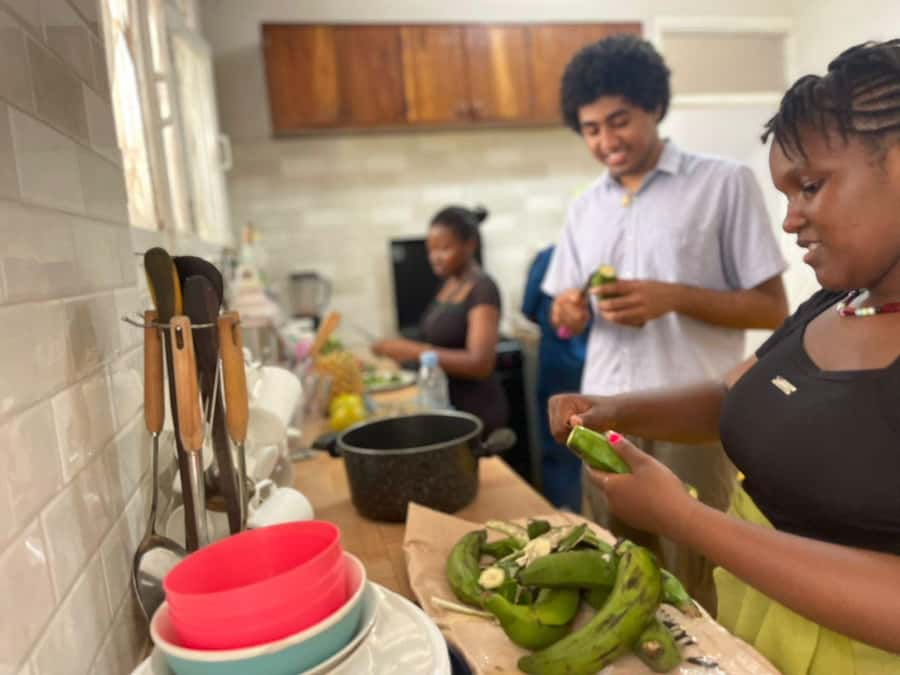
The cooking lesson takes place in a homey, traditional setting. Instead of relying only on modern kitchen equipment, you are shown tools that carry their own practical story.
The mbuzi is used to scrape coconut. The ungo is a sieve. The kinu is a mortar and pestle. You may also work around a chungu, a clay pot, a sufuria, a steel pot, and mikeka, woven mats used in the cooking environment.
These details are valuable because they make the class about method as well as ingredients. You learn how food is prepared with the tools available in a local household. The lesson is designed for beginners, so you do not need advanced kitchen skills to take part.
The exact dishes depend on the option and the day, but the central choices named for the class are ugali, pilau, and chapati. Ugali is a staple made from a grain flour mixture and is shaped into a firm, filling accompaniment. Pilau brings rice and spices together in a dish suited to a shared meal. Chapati gives you a chance to work with dough and cooking technique.
Do not expect a restaurant-style demonstration where you only watch. The point is to roll up your sleeves, take part, and leave with recipes. The pace may feel relaxed, especially in a private session, but that is useful if you want time to ask how a dish should look or feel at each stage.
Why the shared meal matters
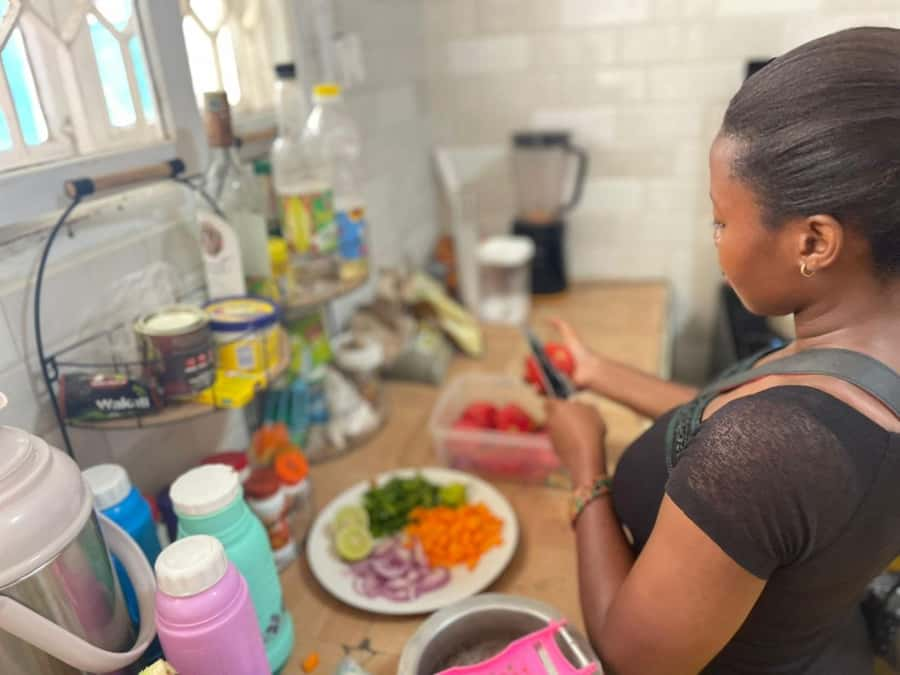
After the cooking, you sit down to eat the dishes you helped prepare. Seasonal vegetables accompany the meal, and drinks may include hibiscus juice or maziwa mgando, a fermented milk drink.
I like this finish because it gives the class a clear reward without making the meal feel separate from the lesson. You can taste the results while the techniques are still fresh in your mind. If your chapati is uneven or your pilau differs from what you expected, that is part of learning to cook rather than simply ordering food.
The meal also gives you time with the hosts. A five-star booking from the United Kingdom specifically praised Angel and Irene for making the setting feel welcoming, and praised the food as well. Shipra was also credited with handling booking and arrangements promptly for that booking. Those names are useful to know, though the host you meet may depend on the date and option you choose.
Drinks are included, but optional extras are not. You can ask about an exotic fruit platter or a fresh coconut drink if you want a slower finish. Swimming is also offered as an add-on. Confirm the extra cost before committing, since these are not part of the $45 base price.
More Food Outings in the world:
- Undiscovered Charleston: Half Day Food, Wine & History Tour with Cooking Class
★ 5.0 · 948 reviews - Vietnamese Food Cooking Class in Hanoi with Market Experience
★ 5.0 · 778 reviews - Milan: Italian Cooking Class with Food and Wine
★ 4.7 · 509 reviews - Mexican Cooking Class with Food Market Visit in Mexico City
★ 5.0 · 506 reviews
How much value you get for $45
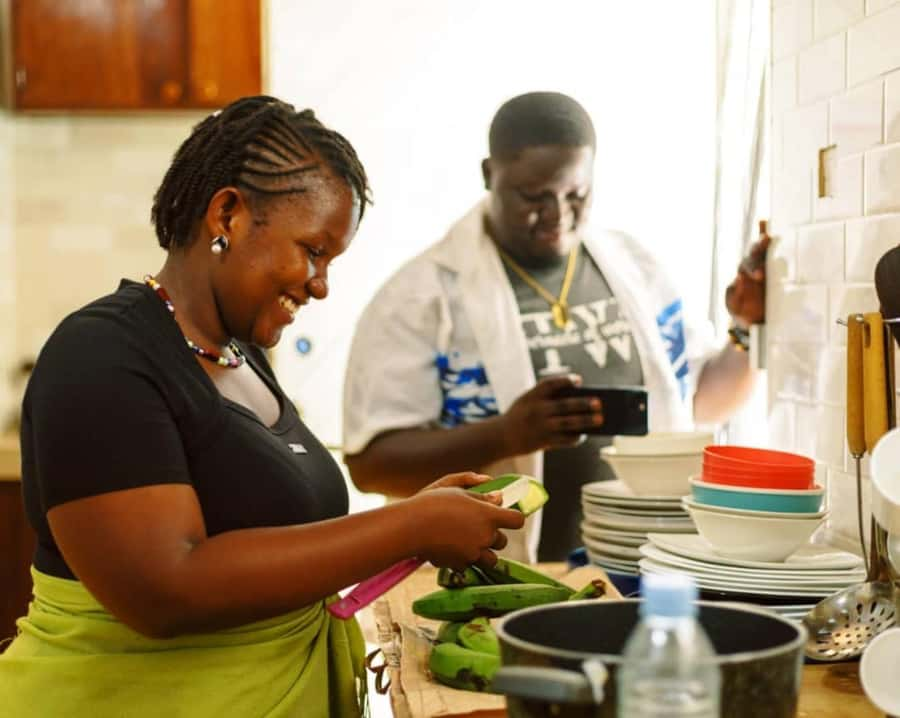
At $45 per person, the experience offers more than a meal. You receive a guided food tour, market visit, hands-on class, tool demonstration, prepared dishes, drinks, and candid photos.
That is a fair package if you value participation and cultural context. A simple cooking class might give you recipes and food, while a market tour might give you a look at ingredients. Here, both are joined together, and the meal is included at the end.
The value is less clear if you mainly want a long food crawl with many tastings. The description promises samples of local snacks and street foods, but it does not specify the number of stops or portions. Nor does it give a fixed menu for every booking. You are paying for the full experience, not a guaranteed list of dishes.
The same is true for the two to five-hour duration. That is a wide range. A shorter option may focus on the class and meal, while a longer one may allow more time for the market or optional activities. Check the available start times and exact duration for your chosen option before booking.
The price does not include transport to the meeting point, personal shopping, souvenirs, or add-ons. Handmade cultural sandals, aprons, dresses, waist beads, and Tanzanian or Maasai cloth can be arranged, but you need to request them in advance so they can be made for you.
The location needs careful checking
There is an important geographic point to settle before you pay. The experience title refers to Dar es Salaam, while the supplied location is Unguja South Region. Those are not interchangeable areas, so do not assume the meeting point from the title alone.
The meeting point varies by the option booked. Transportation is not included, which means you must arrange your own way there. One United States booking had a poor start because the driver could not find the address and the listed phone number disconnected. That is the clearest practical warning attached to this activity.
The contact instructions say to use +601125581518 or email for questions because the regular number was temporarily blocked after the provider lost a phone. I would confirm the correct contact details, exact meeting point, and local directions at least 48 hours before the class. Save the information offline and do not rely only on an app message when you are already on the way.
This is a small operation, and advance notice is requested even if an online system appears to accept a last-minute booking. The provider says it can operate daily from 6 a.m. to 11 p.m. with sufficient notice, but you should still allow at least 48 hours for preparation.
Who will enjoy this cooking class most
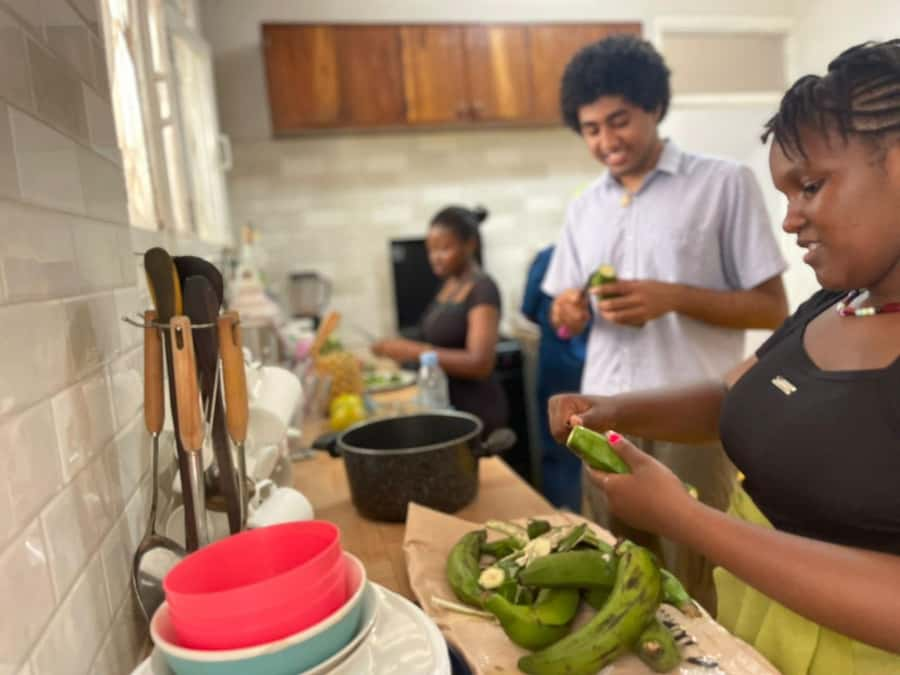
I would choose this for you if you want a hands-on cultural activity rather than a passive sightseeing stop. It suits people who like markets, home cooking, local ingredients, and shared meals.
It is also a good fit for beginners. The class is designed for all cooking levels, and the traditional tools give the lesson interest even if you already cook often. Families and small groups may appreciate the private format, provided everyone is comfortable walking through public market areas and taking part in the kitchen work.
Food-focused visitors will get the most from it if they ask questions. Ask how to recognize good produce, how spices are used, how firm the ugali should be, or what makes a good chapati. The more curious you are, the more you are likely to take home beyond a few recipes.
This may not suit you if you need a fixed, highly timed itinerary. The meeting point can vary, the duration can run from two to five hours, and the street and market portions are naturally less controlled than a restaurant reservation. It is also not ideal for anyone who does not want to arrange independent transportation.
What to bring and how to prepare
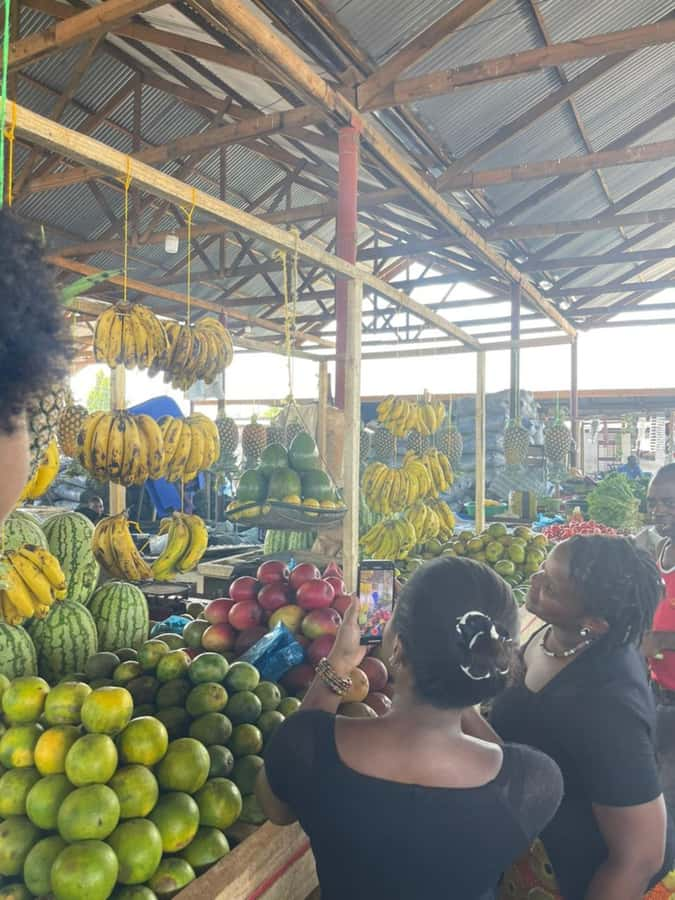
Wear comfortable walking shoes. The experience includes a guided food tour and market visit, so sandals or formal shoes may become tiring.
Bring a water bottle, sunscreen, and a camera. Candid photos are included, but your own camera lets you record ingredients, tools, and the finished dishes. Ask before photographing market sellers or other people.
Tell the provider about optional souvenirs before the date of your visit. Handmade items need advance preparation, and they are not included in the base price. The same advice applies to optional swimming, fruit, and coconut drink arrangements.
Finally, check the food plan when you book. The named dishes include ugali, pilau, and chapati, but the exact combination is not guaranteed in the information provided. If you have dietary restrictions or want one particular dish, ask in advance rather than assuming it will be available.
Should you book Taste of Tanzania?
I would book this experience for the connection between shopping, cooking, and eating. The traditional tools, local market, English instruction, and meal make the $45 price reasonable for someone seeking an active introduction to Tanzanian food.
I would not book it without first confirming the location and contact details. The phone problem and unclear geography are not minor points when you must arrange your own transport. Get the exact address, meeting instructions, host contact, duration, and any extra costs in writing at least 48 hours ahead.
If those details are settled, this can be a warm and useful way to spend part of a day. If they are not, choose only after the provider responds clearly. The food and personal hosting appear to be the strongest parts, while the logistics require your attention.
FAQ
Where does the Taste of Tanzania cooking class take place?
The supplied location is Unguja South Region, Tanzania, while the activity title refers to Dar es Salaam. The meeting point may vary by the option booked, so confirm the exact location before going.
How much does the experience cost?
The listed price is $45 per person.
How long does the cooking class and food tour last?
The duration is listed as two to five hours. Check the available option and starting time for the exact length.
What food might I prepare?
The named dishes include ugali, pilau, and chapati. Seasonal vegetables are also served with the meal.
Is the meal included?
Yes. You eat the dishes prepared during the class, with drinks included.
What drinks are included?
Drinks may include hibiscus juice or maziwa mgando. An additional coconut drink is available as an optional add-on.
Are market visits part of the experience?
Yes. The activity includes a guided food tour through local streets and a visit to a local market to source ingredients.
Is transportation included?
No. Transportation to the meeting point is not included.
Can I book a private session?
Yes. Private and small-group options are available.
What should I bring?
Bring comfortable walking shoes, sunscreen, a water bottle, and a camera.
Newest classes around the world
- Aroidee’s Farm-Fresh Thai Cooking Experience★ 5.0 · 8 reviews
- Authentic Thai Cooking Class and Farm Visit in Chiang Mai★ 5.0 · 66 reviews
- Signature Thai Cooking Course★ 5.0 · 79 reviews
- Half Day Guided Thai Cooking Class in Chiang Mai★ 5.0 · 13 reviews
- Yummy Tasty Thai Cooking School in Chiang Mai★ 5.0 · 2 reviews
- Online Thai and Akha Cooking Class★ 5.0 · 70 reviews
- Northern Thai Cooking Class in Chiang Mai in a Countryside Home★ 5.0 · 2 reviews
- Private Half-Day Thai Cooking Class in Chiang Mai★ 5.0 · 4 reviews
Tanzania Cooking Classes, compared.
NGO Lifted Strong – Traditional Tanzanian Cooking Class
Read our review →
Arusha: Traditional Tanzania Cooking Class & Food Market Tour
Read our review →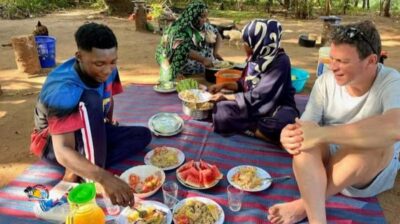
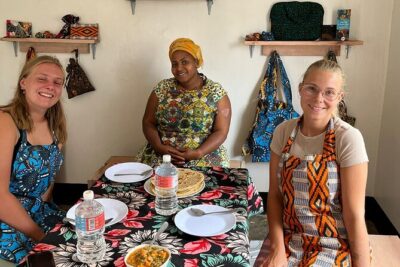
Cooking and Sewing & Jewelry Workshops in Arusha
Read our review →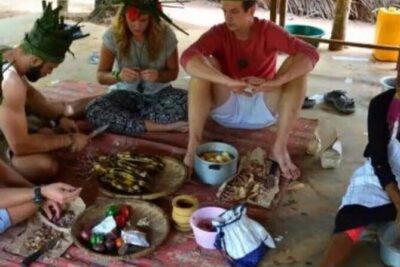
A private half day spice farm with a cooking lesson
Read our review →Arusha: Traditional Tanzania Cooking class& Food Market Tour
Read our review →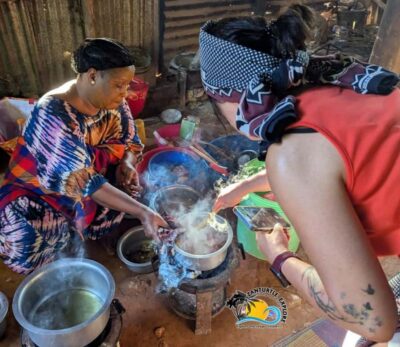
Browse the lists this tour appears in