
Review · TANZANIA COOKING CLASSES
Cooking and Sewing & Jewelry Workshops in Arusha
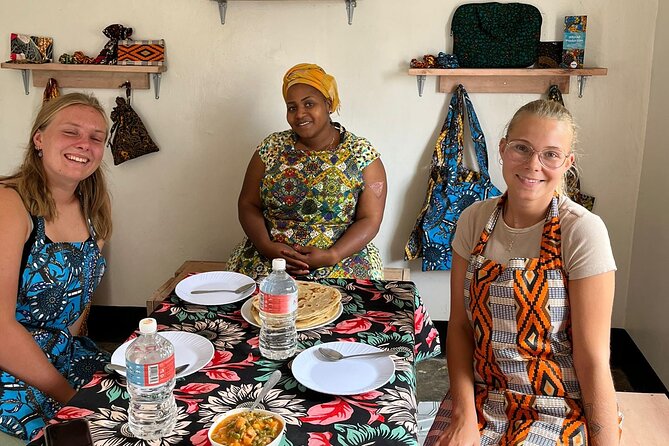
Arusha’s WEHAF workshops put you beside the people doing the teaching, cooking, sewing, and beadwork. You can prepare chapati or pilau with the mamas, or choose the sewing and jewelry option to leave with a handmade souvenir and a better sense of how practical skills support local families.
I like the warm welcome and the direct community connection. I also like that the money and attention support women, children, and families affected by HIV/AIDS. The main thing to check before booking is the workshop price: the listed cost is $33, but the details also say the cooking or sewing and jewelry workshop is not included.
Key points to know before booking
- Three hands-on choices: Pick cooking, sewing, or sewing combined with jewelry-making.
- Guide Glory leads the visit: Your English-speaking guide introduces you to WEHAF and helps explain the activities.
- Meet local women at the mama center: The workshop is tied to training and income-building for women.
- Cooking includes a shared meal: Learn the spices, make chapati or pilau, then eat the food together.
- Sewing and jewelry create take-home items: Choose fabric for a sewn piece and make jewelry with a Maasai mama.
- Small private setting: Only your group participates, with a meeting point near WEHAF in Arusha.
Why this Arusha workshop feels different
Many Arusha activities show you a finished product. This one lets you see how the product is made and who is building a livelihood through the work. That difference matters.
WEHAF stands for Widows Encouragement & HIV/AIDS Foundation. Its work centers on widows, children, and people affected by HIV/AIDS, with a focus on health, social justice, and economic opportunity. Your visit is not simply a craft class. It takes place within that wider effort.
I especially like the practical nature of the program. Sewing classes give women a usable skill. Cooking classes pass on local food knowledge. The daycare gives children a place to learn and play while their mothers take part in training. You are seeing several pieces of the organization’s work in one short visit.
The experience lasts about three hours. That is enough time for an introduction, a workshop, and conversation without taking up an entire day in Arusha. It also makes a useful half-day activity before or after other plans.
More Cooking Classes in the world:
- Half-Day Thai Cooking Class at Organic Farm in Chiang Mai
★ 5.0 · 19,087 reviews - Florence: Pasta Cooking Class with Unlimited Wine
★ 4.9 · 10,285 reviews - 3 in 1 Cooking Class near Navona: Fettuccine, Ravioli & Tiramisu
★ 5.0 · 7,376 reviews
Arriving at WEHAF with Glory
The stated starting point is Larry V Garden on Olkereyan Bypass Road in Arusha. The meeting instructions also mention Pillars Bar & Lounge, which is close to the organization and serves as the initial meeting place. Confirm the exact meeting instructions when you book so you know where to go first.
From there, Glory, the English-speaking guide, introduces you to the WEHAF mama center. This opening visit matters because it gives the workshop some context. You are not walking into an anonymous class. You first see the place where women receive sewing and cooking training, then learn how the children are cared for at the daycare.
The visit to the mama center is likely to be most useful for people who want more than a quick souvenir stop. You can ask questions, see the setting where the classes happen, and understand why the organization links skills training with family support.
The activity is private, so only your group takes part. That gives you more room to ask Glory questions and work at your own pace. It also makes the visit a better fit for families, couples, or small groups who prefer a personal setting rather than a large class.
Choosing between cooking and sewing
You choose one workshop when booking. The cooking option focuses on local food. The sewing and jewelry option combines a sewn item with a craft lesson.
That choice changes the feel of the afternoon:
- Cooking is best if you want a shared meal and a quick introduction to Tanzanian spices.
- Sewing and jewelry are best if you want physical souvenirs to take home.
- The sewing and jewelry option may appeal to anyone who enjoys fabric, design, beadwork, or handcrafts.
- Cooking may be the simpler choice if you want to work with food rather than select an item and fabric.
The activity details describe the cooking choice and the sewing and jewelry choice separately. Do not assume you can do both during the same three-hour visit. The workshop is presented as either cooking or sewing and jewelry.
Cooking chapati or pilau with the mamas
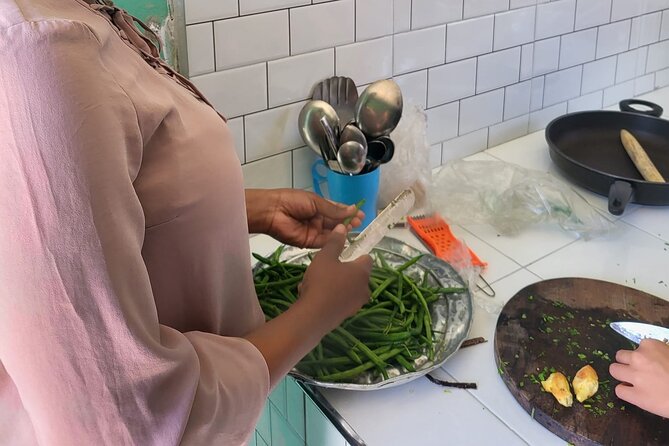
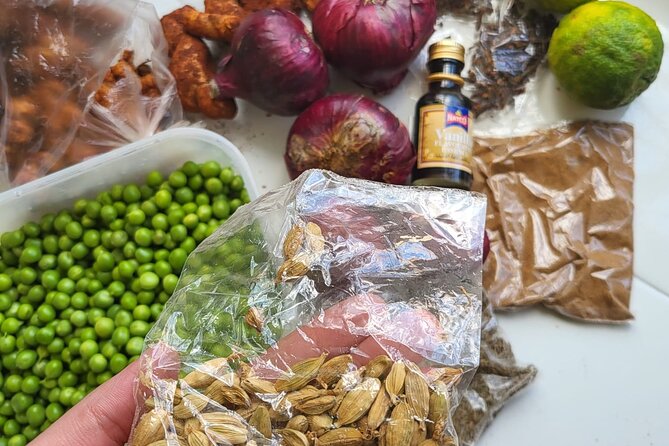
If you choose cooking, you go to the kitchen at the daycare. Glory explains the different spices used in Tanzanian dishes before the cooking begins.
That introduction is a useful part of the class. Spices can tell you a great deal about a cuisine, but a short explanation helps you understand what you are using rather than simply copying steps. You can ask about the ingredients as you work.
The mamas then teach you, step by step, how to make chapati or pilau. Chapati is a flatbread, while pilau is a seasoned rice dish. The two choices give you different kinds of kitchen work, so consider what sounds more appealing before you book.
The class is hands-on rather than a demonstration alone. You follow the process with the mamas, then enjoy the local lunch together. That shared meal is one of the strongest parts of the cooking option. It turns the lesson into a social experience and gives you a chance to talk after the work is done.
The description also promises a surprise after lunch, but it does not explain what that surprise is. That is best left as part of the experience rather than something to plan around.
Coffee or tea and a snack are included. The details do not specify exactly what the snack is, so do not book this as a full-day food tour. Think of it as one local dish, a shared meal, and a light refreshment within a three-hour community visit.
Same region, a different dish to learn:
- Florence: Pasta & Tiramisu Cooking Class with Unlimited Wine
★ 4.9 · 6,708 reviews - Florence: Pasta Cooking Class with Unlimited Wine
★ 5.0 · 6,413 reviews - Hanoi Cooking Class: Culture, Local Market & Meaning CSR Impact
★ 5.0 · 5,147 reviews - 5 Traditional Dishes Hanoi Cooking Class with Market Trip
★ 5.0 · 4,890 reviews
Sewing a local item and making jewelry
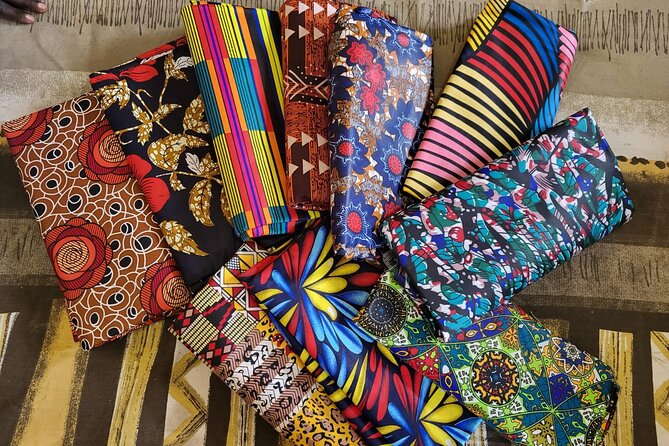
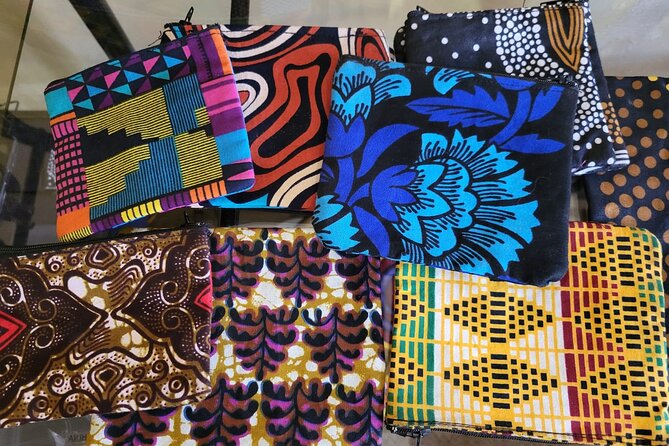
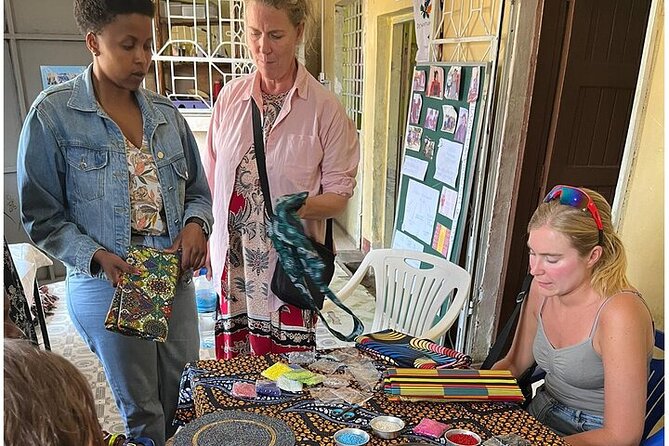
The sewing and jewelry option begins at the mama center with Glory. The women can sew an item from their collection, and you choose both the item and the fabric.
This is a nice feature for anyone who wants some say in the final souvenir. You are not simply handed a ready-made product. You make choices about what will be sewn, then one of the mamas begins working on it.
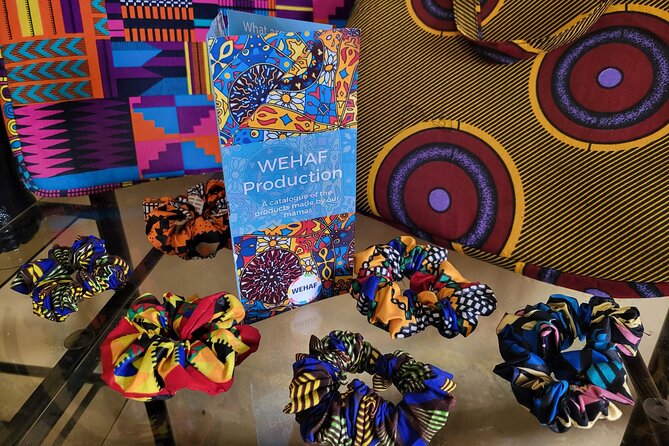
While the sewing is underway, a local Maasai mama teaches you how to make your own piece of jewelry. The two activities happen together, so you get to see a skilled maker at work while your own hands stay busy.
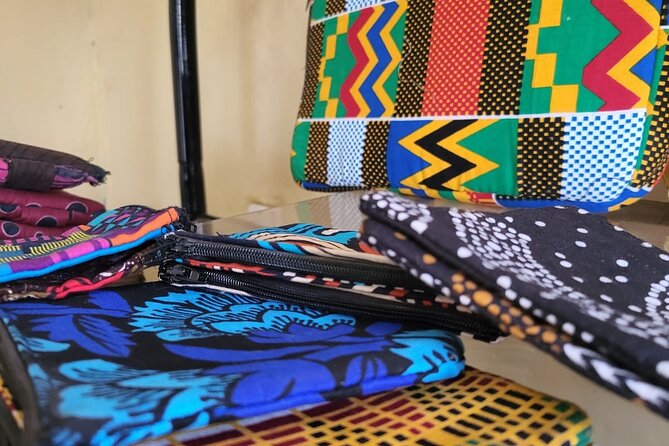
The experience description says you leave with beautiful local souvenirs. It also notes that a tote bag may be among the items available through the sewing work. Since the exact collection and fabrics can vary, treat that as an example rather than a guarantee of one specific design.
This option gives you a good balance between buying and making. You support the sewing work by choosing an item, but you also take part in the jewelry lesson yourself. I would choose this workshop if you want something tangible to remember Arusha and prefer crafts to cooking.
Keep in mind that the sewing portion may involve waiting while an item is made. That is not necessarily a problem, since the jewelry lesson fills the time, but you should expect a relaxed pace rather than a rapid shopping stop.
The value of a $33 Arusha activity
At $33 per person, the experience is priced like a short, private cultural activity rather than a simple craft purchase. The value comes from several parts working together: the introduction to WEHAF, the guide, the hands-on class, the food or souvenirs, and the support for the organization’s programs.
I would not judge the price only by the amount of food or the market value of a finished item. You are also paying for access to a local setting and instruction from people connected to the work. That makes the experience more meaningful than buying a souvenir from a shop, especially if you care about where your money goes.
Still, check the payment details carefully. The listed price is $33 per person, while the included and not included sections create a confusing point: tea, coffee, and a snack are listed as included, but the selected cooking or sewing and jewelry workshop is also listed as not included. Ask WEHAF to confirm the total price for your chosen option before finalizing plans.
The activity is booked, on average, 34 days ahead. That suggests you should reserve early if it fits your schedule, especially if you need a particular date. The confirmation is provided at booking, which gives you a clear starting point for checking the meeting details and workshop choice.
What the community setting adds
The setting is the main reason to choose this over a standard cooking lesson or souvenir stop. WEHAF connects the workshop to women’s training, children’s care, and support for vulnerable families.
You get a look at the mama center, then see the daycare where children learn and play. That link helps explain why the organization’s work is practical. Supporting a mother’s new sewing or cooking skill can affect the wider household, not just the person in the class.
I also appreciate that the activity is built around conversation and shared work. A welcoming atmosphere is mentioned as a central part of the visit, and the strongest praise focuses on the warm welcome, the fun jewelry-making, and the handmade tote bags. Those details point to an experience that depends on personal contact more than polished presentation.
You should come ready to participate. If you only want to watch, you will miss much of the value. The workshops are designed around choosing, making, cooking, and sharing.
Who will enjoy this most
I would recommend this experience to you if you want a short activity with a clear community purpose. It suits first-time visitors to Arusha who want a local introduction without committing to a full-day tour.
It is also a good choice for:
- Couples looking for a shared activity.
- Families who want a practical cultural lesson.
- Small groups that prefer a private setting.
- Anyone interested in women’s economic empowerment.
- People who prefer handmade souvenirs to mass-produced gifts.
- Food lovers who want to make chapati or pilau.
The sewing and jewelry class may be especially appealing to anyone who likes choosing fabrics and making small items by hand. The cooking option is better for people who want to eat what they prepare and learn about Tanzanian spices.
This may not suit you if you want a formal cooking school, a broad tour of Arusha, or a long list of attractions. You will spend most of the time at WEHAF. The experience is focused, personal, and hands-on.
Practical details for your three hours
Plan for about three hours from the meeting point and back. The activity ends where it begins, which keeps the logistics simple.
The meeting point is listed as Larry V Garden on Olkereyan Bypass Road, while Pillars Bar & Lounge is described as the place to meet near WEHAF. Confirm which location applies to your booking. This is the one detail I would clarify before setting off.
The activity is near public transportation, and service animals are allowed. It is a private activity for your group only. Mobile tickets are available, and confirmation is sent when you book.
Free cancellation is available if you cancel at least 24 hours before the start time. Cancellations or changes made inside that 24-hour window are not refunded or accepted. Use the local Arusha start time when counting backward.
The experience has a 4.9 rating from 14 published ratings, with 100 percent recommending it. The most praised features are the warm welcome, the fun jewelry-making, and the handmade tote bags. Those are useful clues about the character of the visit, but your final experience will depend on which workshop you select.
Should you book the WEHAF workshop?
Book it if you want an authentic, small-scale activity where you can meet local women, learn a practical skill, and support an organization working with widows, children, and families affected by HIV/AIDS.
Choose cooking if a shared lunch and Tanzanian spices sound best. Choose sewing and jewelry if you want to select fabric, watch an item being made, and create a Maasai-inspired souvenir yourself.
Before paying, confirm the total cost of your selected workshop and the exact meeting point. Once those details are clear, $33 can be good value for a private three-hour experience with food or handmade items and a direct connection to community work in Arusha.
FAQ
Where does the WEHAF workshop take place?
The activity takes place at WEHAF in Arusha, Tanzania. The listed starting point is Larry V Garden on Olkereyan Bypass Road, and the meeting instructions also mention Pillars Bar & Lounge close to the organization.
How long does the activity last?
The workshop lasts approximately three hours and ends back at the meeting point.
Who leads the experience?
Glory is the English-speaking guide who introduces you to WEHAF and helps with the workshop visit.
What workshop choices are available?
You can choose a cooking workshop or a sewing and jewelry workshop.
What do you make during the cooking class?
The mamas teach you step by step how to make chapati or pilau. You then enjoy a local lunch together.
What happens during the sewing and jewelry workshop?
You choose an item and fabric from the collection, and a mama begins sewing it. At the same time, a local Maasai mama teaches you how to make a piece of jewelry.
Are food and drinks included?
Coffee or tea and a snack are listed as included. The cooking workshop details also include a shared local lunch, but the listing says the selected workshop is not included, so confirm the final package and price before booking.
Is this a private activity?
Yes. Only your group participates in the activity.
Can I cancel for a full refund?
Yes, if you cancel at least 24 hours before the experience start time. Cancellations or changes made less than 24 hours before the start time are not refunded or accepted.
Newest classes around the world
- Aroidee’s Farm-Fresh Thai Cooking Experience★ 5.0 · 8 reviews
- Authentic Thai Cooking Class and Farm Visit in Chiang Mai★ 5.0 · 66 reviews
- Signature Thai Cooking Course★ 5.0 · 79 reviews
- Half Day Guided Thai Cooking Class in Chiang Mai★ 5.0 · 13 reviews
- Yummy Tasty Thai Cooking School in Chiang Mai★ 5.0 · 2 reviews
- Private Half-Day Thai Cooking Class in Chiang Mai★ 5.0 · 4 reviews
- Online Thai and Akha Cooking Class★ 5.0 · 70 reviews
- Northern Thai Cooking Class in Chiang Mai in a Countryside Home★ 5.0 · 2 reviews
Tanzania Cooking Classes, compared.
NGO Lifted Strong – Traditional Tanzanian Cooking Class
Read our review →
Arusha: Traditional Tanzania Cooking Class & Food Market Tour
Read our review →
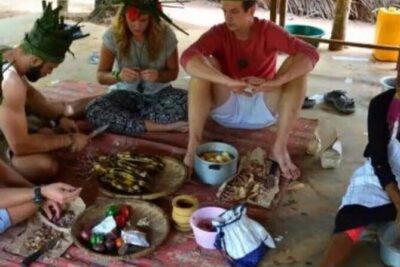
A private half day spice farm with a cooking lesson
Read our review →Arusha: Traditional Tanzania Cooking class& Food Market Tour
Read our review →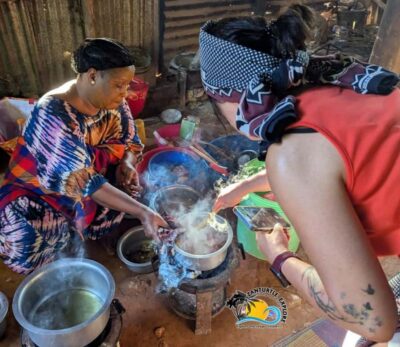
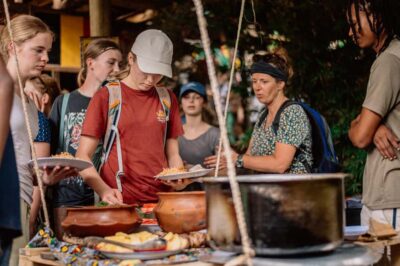
Arusha: Local Tanzanian Cooking Class by Kingstone Asilia
Read our review →Browse the lists this tour appears in