
Review · TANZANIA COOKING CLASSES
NGO Lifted Strong – Traditional Tanzanian Cooking Class
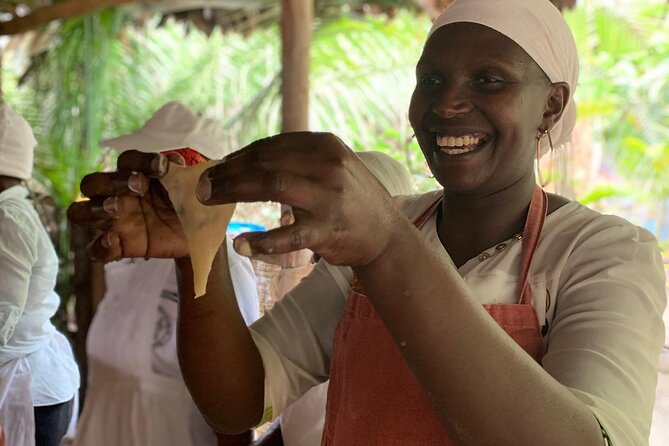
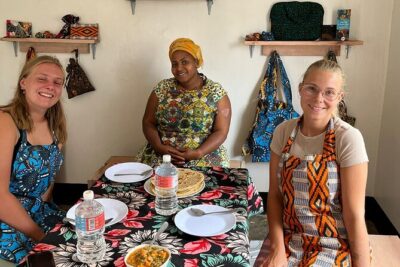
What makes this Arusha cooking class special is the link between the food and Lifted Strong Community Organization, which supports women facing poverty, poor health, HIV, and domestic violence. You cook alongside local mamas, learn Swahili names for ingredients, and share a meal rather than simply watching a demonstration.
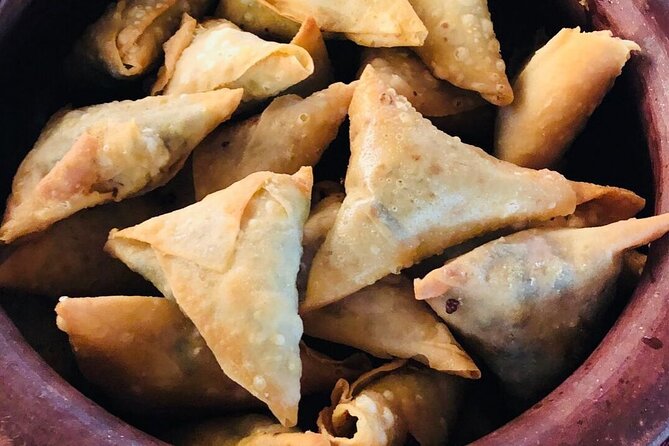
I like two things right away: your $50 fee supports a clear community purpose, and the menu can be shaped around your interests and diet. Joyce has contacted participants before the class to discuss dishes, and past sessions have included samosas, soup, ugali with vegetables, rice, and cooked bananas.
The main consideration is that this is more like cooking together than a polished chef-led lesson. That is part of its charm, but you should choose it for personal contact and a useful afternoon, not for a formal culinary school setting.
Key Things to Know Before You Book
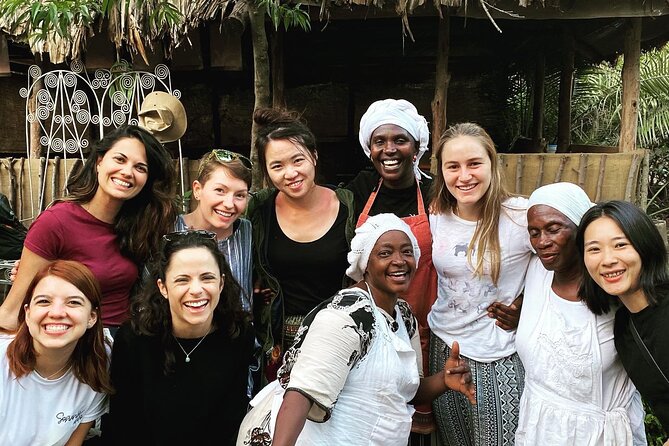
- Cook with local mamas: You help prepare the ingredients and food instead of sitting back for a demonstration.
- Expect a changing menu: Samosas, soup, ugali, vegetables, rice, and cooked bananas have all featured in past classes.
- Meet Joyce and the LISCO team: Joyce handles communication and can discuss the cooking plan before your visit.
- Your fee supports women: The class contributes to Lifted Strong Community Organization and its work with women and girls facing serious hardship.
- Plan for three hours: The class starts at 2:00 p.m. and leaves the rest of your day free.
- Small groups keep it personal: No more than 10 people join the activity, and pickup can be arranged.
Cooking With LISCO in Arusha
At MJHR+GF in Arusha, you meet the team from Lifted Strong Community Organization, known as LISCO. The activity lasts about three hours and ends back at the meeting point, so you can fit it into a day of sightseeing without giving up your whole afternoon.
The format is simple. You meet the mamas, hear about the organization’s work, and then help prepare a traditional Tanzanian-inspired meal. You learn the Swahili names for ingredients along the way, which gives the class a small language lesson as well as a cooking lesson.
I like this approach because food becomes a reason to talk. You are not only learning how a dish is made. You are learning the words used for the ingredients, handling the produce, and spending time with women connected to the community project.
The class is limited to 10 people. That matters. A group this size gives you a better chance to take part in rolling, chopping, stirring, or shaping food, rather than watching from the edge of a crowded room.
More Cooking Classes in the world:
- Half-Day Thai Cooking Class at Organic Farm in Chiang Mai
★ 5.0 · 19,087 reviews - Florence: Pasta Cooking Class with Unlimited Wine
★ 4.9 · 10,285 reviews - 3 in 1 Cooking Class near Navona: Fettuccine, Ravioli & Tiramisu
★ 5.0 · 7,376 reviews
What the Afternoon Looks Like
The advertised start time is 2:00 p.m. You can meet at the center, or arrange pickup if that suits your plans. Since the activity ends at the same meeting point, ask about the pickup details when you book and leave enough time for the journey back to your accommodation afterward.
The first part focuses on introductions and the work of LISCO. This is important context, not a long lecture added before the fun begins. Lifted Strong works with women dealing with poverty, poor health, HIV, and domestic violence. Your participation helps support an organization focused on advocacy and practical empowerment.
Next comes the kitchen work. You help prepare produce and learn the Swahili names for the ingredients. The exact menu can vary, so you should not book expecting one fixed recipe. Joyce and her team have contacted participants before the class to discuss what they would like to make.
That flexibility is useful for a short visit. You may want to learn samosas, a dish that several sessions have included. You might instead focus on soup, ugali with vegetables, rice, or cooked bananas. If you are vegetarian or vegan, tell the team in advance. Dietary preferences can be accommodated when arranged ahead of time.
The final part is eating what you have prepared and spending more time with the women. Some groups have made more food than they could finish and were allowed to take some home. That will depend on the menu and the amount prepared, so treat it as a possibility rather than a promise.
The Dishes You Might Prepare
Samosas are one of the most useful options if you want a hands-on lesson. You can learn the technique from start to finish, including the preparation and shaping. It is the kind of dish where working beside the mamas makes more sense than watching a distant demonstration.
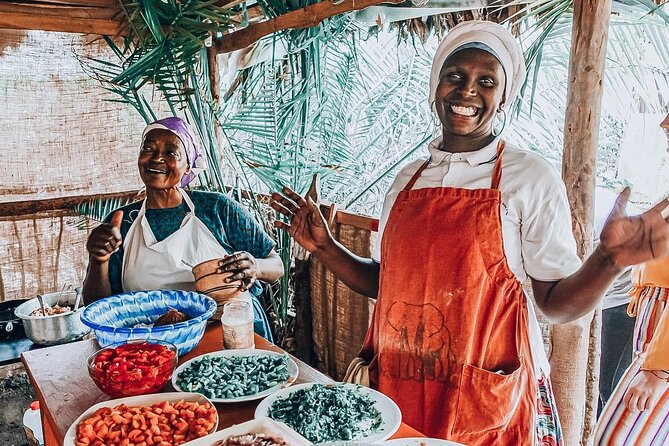
Soup offers a different kind of lesson. You see how local ingredients come together in a straightforward, comforting dish. The class may also include ugali with vegetables, rice, or cooked bananas. These foods give you a broader taste of everyday Tanzanian cooking than a single specialty dish would.
Because the menu is flexible, I recommend contacting the team with a clear request. Tell them if you are especially interested in samosas, want a vegetarian meal, or need to avoid a certain ingredient. The cooking plan has been adjusted for dietary needs before, and early communication gives the team time to prepare.
Do not expect a restaurant-style tasting menu. The appeal is the process, the shared work, and the chance to eat food you helped make. You may learn more from the informal exchanges than from a list of exact measurements.
Meeting the Women Behind Lifted Strong
The social purpose is not an extra paragraph added to a normal food class. It is the reason the class exists. LISCO aims to help women facing hard circumstances and support their pursuit of a better life.
You hear about the organization’s work while spending time with the women involved. That makes the contribution easier to understand. Your fee is connected to a real community activity, and the class gives you a direct way to support it while learning something practical.
I appreciate that the experience does not separate the cause from the activity. You are not simply making a donation and leaving. You are taking part in a shared afternoon that creates space for conversation and personal contact.
Keep your expectations respectful. This is not a staged performance about hardship, and the women are not there only to tell difficult stories. The cooking gives everyone a normal, useful reason to work together. That balance is one of the strongest parts of the experience.
Same region, a different dish to learn:
- Florence: Pasta & Tiramisu Cooking Class with Unlimited Wine
★ 4.9 · 6,708 reviews - Florence: Pasta Cooking Class with Unlimited Wine
★ 5.0 · 6,413 reviews - Hanoi Cooking Class: Culture, Local Market & Meaning CSR Impact
★ 5.0 · 5,147 reviews - 5 Traditional Dishes Hanoi Cooking Class with Market Trip
★ 5.0 · 4,890 reviews
How Much Value You Get for $50
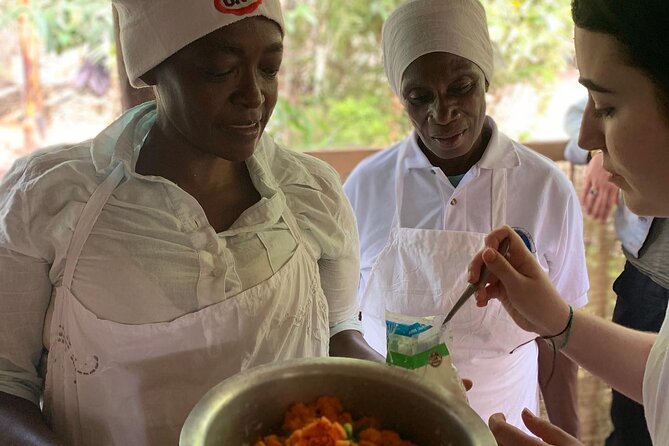
At $50 per person, this class costs more than buying an inexpensive local meal in Arusha. The comparison is not quite fair, though. You are paying for about three hours of instruction and participation, the food, a small-group setting, and support for LISCO’s community work.
The value is strongest if you want an activity with a social purpose. A standard restaurant meal may cost less, but it will not give you the same chance to prepare dishes, learn Swahili food names, and meet the women connected with the organization.
The value is less obvious if your only goal is advanced cooking technique. The class is informal and collaborative. You may not receive a printed recipe, a detailed lesson on every method, or the precision of a professional kitchen.
For many people, that tradeoff works well. You spend an afternoon doing something concrete, eat the results, and support a local project. If you are comparing this with a polished chef class, choose the chef class for technical instruction. If you want food, community contact, and a clear charitable purpose, the $50 fee makes more sense.
Timing, Transport, and Group Size
The 2:00 p.m. start gives you a free morning for other plans in Arusha. The activity lasts around three hours, so you should finish at roughly 5:00 p.m., allowing for the flexible pace of a small community class.
You can meet at MJHR+GF, Arusha, or arrange pickup. The center is near public transportation, and one participant specifically found the walk from the main street manageable, though a little farther than expected. If you are unsure of the route, ask about pickup rather than arriving late.
The class has a maximum of 10 people. That is a practical limit for shared food preparation. Couples, families, school groups, and small groups of friends can all fit the format, though younger participants will need the usual supervision around cooking equipment and hot food.
Service animals are allowed. Confirmation is provided when you book. The experience is usually booked about 17 days ahead, so I would not leave it until the last minute if it is important to your Arusha schedule.
What I Like Most About the Experience
The strongest point is the welcome. Joyce and the team have shown flexibility with timing, including moving a booking to the morning when a group needed to fit the class into a tight schedule. Do not assume every change will be possible, but it is worth asking early.
The cooking also appears genuinely hands-on. You help make the food, and the mamas encourage participation. A school group making samosas found the women welcoming and supportive, which suggests the format can work well for families and organized youth groups.
The food itself is another clear strength. Samosas, soup, ugali with vegetables, rice, and cooked bananas give you a good range of flavors and textures. If your group makes extra food, you may be able to take some home.
I also like that you can learn basic Swahili terms in a natural setting. You are not studying a long vocabulary list. You are learning words tied to the ingredients in front of you, which makes them easier to remember and use later.
Where the Experience May Not Suit You
The class is not ideal if you want a strict timetable or a fixed menu. The dishes can be discussed ahead of time, but the final plan may depend on the group, the ingredients, and the team’s arrangements.
It may also feel less structured than a commercial cooking school. You are working with the mamas and learning by doing. That can mean a little less polish, but it also makes the class feel more personal and less like a performance.
The meeting point may require a walk from the main street if you do not arrange pickup. The center is near public transportation, but you should confirm directions in advance if you are unfamiliar with Arusha.
Finally, the subject matter connected to LISCO is serious. The organization works with women facing HIV, domestic violence, poverty, and poor health. You should come prepared to listen respectfully and understand that the class has a purpose beyond lunch.
Who Should Book This Arusha Cooking Class?
I would choose this class if you want to meet local women, cook rather than simply watch, and support a community organization at the same time. It works especially well for couples, friends, families, school groups, and anyone looking for a meaningful half-day activity in Arusha.
It is also a good choice for vegetarians and vegans, provided you give notice. Samosa fans should mention that preference when communicating with the team, since the dish has been a favorite part of past sessions.
You may want another type of class if you need advanced culinary training, a fixed recipe list, or a polished professional demonstration. This experience is about shared work, local connection, and food made together.
Should You Book the Lifted Strong Cooking Class?
Book it if the purpose matters as much as the meal. For $50, you receive a small-group cooking session, a flexible menu, a taste of Swahili language, and a direct way to support Lifted Strong’s work with women and girls.
Before booking, confirm your preferred dishes, dietary needs, pickup plans, and timing. If you do that, you will know what to expect and give the team the best chance to shape the afternoon around your group.
The class earns its strong reputation through warmth, good food, and a useful cause. Just remember what you are buying: not a formal culinary course, but an intimate cooking afternoon with the LISCO team and the mamas who make the experience meaningful.
FAQ
Where does the cooking class start?
The meeting point is MJHR+GF in Arusha, Tanzania. The activity also ends back at the meeting point.
What time does the class begin?
The scheduled start time is 2:00 p.m.
How long does the experience last?
The cooking class lasts approximately three hours.
Can pickup be arranged?
Yes. You can meet at the center or arrange pickup.
What food might I learn to prepare?
Possible dishes include samosas, soup, ugali with vegetables, rice, and cooked bananas. The menu may be discussed with the team before the class.
Can vegetarians and vegans join?
Yes. Vegetarian and vegan preferences can be accommodated when you tell the team in advance.
How many people can join the class?
The activity allows a maximum of 10 travelers.
Can I cancel for a full refund?
Yes, if you cancel at least 24 hours before the local start time. Cancellations made less than 24 hours before the start time are not refunded, and changes during that final 24-hour period are not accepted.
Newest classes around the world
- Aroidee’s Farm-Fresh Thai Cooking Experience★ 5.0 · 8 reviews
- Authentic Thai Cooking Class and Farm Visit in Chiang Mai★ 5.0 · 66 reviews
- Signature Thai Cooking Course★ 5.0 · 79 reviews
- Half Day Guided Thai Cooking Class in Chiang Mai★ 5.0 · 13 reviews
- Yummy Tasty Thai Cooking School in Chiang Mai★ 5.0 · 2 reviews
- Online Thai and Akha Cooking Class★ 5.0 · 70 reviews
- Northern Thai Cooking Class in Chiang Mai in a Countryside Home★ 5.0 · 2 reviews
- Private Half-Day Thai Cooking Class in Chiang Mai★ 5.0 · 4 reviews
Tanzania Cooking Classes, compared.
Arusha: Traditional Tanzania Cooking Class & Food Market Tour
Read our review →
Cooking and Sewing & Jewelry Workshops in Arusha
Read our review →
A private half day spice farm with a cooking lesson
Read our review →Arusha: Traditional Tanzania Cooking class& Food Market Tour
Read our review →
Arusha: Local Tanzanian Cooking Class by Kingstone Asilia
Read our review →Browse the lists this tour appears in