
Review · ZANZIBAR COOKING CLASSES
Zanzibar: Spice Farm Tour and Cooking Class with Lunch
Zanzibar’s spices make more sense when you meet them growing on a tree, leaf, or strip of bark. This tour takes you from village paths to Jambo Spice Farm Dole, where you can smell, touch, and taste cloves, cinnamon, ginger, lemongrass, and other plants before helping prepare a Swahili meal over an open fire.
I like the direct contact with the food, especially the chance to taste red bananas, small mangoes, pineapple, oranges, and watermelon. I also like the palm-leaf decorations and the chance to watch workers climb spice and coconut trees. The main caution is pickup reliability: most of the day can be enjoyable, but delayed pickups have caused some people to lose part of the tour.
Key points at a glance
- Spices straight from the plant: Smell and handle cloves, cinnamon, ginger, lemongrass, and other ingredients at the farm.
- A shared Swahili meal: Help prepare pilau rice, curry, side dishes, and dessert with a local chef.
- Fruit tasting included: Try tropical fruit such as pineapple, red bananas, small mangoes, oranges, and watermelon.
- Private five-hour outing: Hotel pickup and drop-off are offered from Stone Town and several parts of Unguja.
- Local village setting: Walk through village paths and plantations while learning about everyday life and traditional cooking.
- Allow for extra cash: Tips may be requested at several points, and spice purchases cost extra.
What the $63 price really covers
At $63 per person, this is not simply a spice-farm walk. The fee covers a five-hour private outing, hotel transportation, a guided plantation visit, a cooking class, ingredients, equipment, fruit, soft drinks, and the meal you help prepare.
That package can be good value if you want several Zanzibar experiences in one half-day. You get transport, food, a village visit, a farm tour, and time with a local cooking team. You also avoid arranging separate rides to a farm in the central part of the island.
The value is less clear if your main goal is a serious cooking lesson. The hands-on work can involve chopping vegetables and stirring while the chef directs the process. You are participating in the meal, but you may not receive a detailed lesson on every technique or recipe.
I would also budget for personal spending and possible tips. Tips are not included, and cash is specifically recommended. Some people have felt uncomfortable being asked for money by several people during the day, including individuals who spent only a short time with the group. Spice shopping is optional, but one account found prices high, while another found the farm prices better than those in Stone Town. Ask for the price before buying.
More Farm Cooking Classes in Tanzania
- Zanzibar: Spice Farm Tour with Traditional Cooking Lesson
★ 4.8 · 77 reviews - Zanzibar: Spice Farm Tour with Traditional Cooking Class
★ 4.6 · 16 reviews - A private half day spice farm with a cooking lesson
★ 5.0 · 13 reviews
The drive from your hotel to Dole
The tour begins with hotel pickup and takes about one hour by van to the farm. Pickup is available from Stone Town, Unguja South Region, Unguja North Region, and Mjini Magharibi Region.
That drive matters. Zanzibar is not a small city outing, so a large part of your five-hour schedule is transport. From some hotels, the trip may be easy and direct. From others, road time can take up much of the day. The return drive also takes about one hour.
Confirm the hotel name and room number when booking, then be ready in the lobby or reception area. Pickup has generally worked well, but there have also been serious delays. One person waited more than an hour because the driver collected other people from the same hotel, while another reported a 90-minute delay after several phone calls. That is not a small inconvenience on a five-hour tour.
If the driver is late, contact the provider promptly rather than waiting quietly. It is worth confirming the pickup time with your hotel as well. The return transfer has been more dependable in the available accounts, but I would still keep the rest of your day flexible.
Reading Zanzibar through cloves and cinnamon
The farm tour is the heart of the experience. Instead of seeing spices only as dried powders in market bags, you get to connect them with their living form.
You can smell leaves, touch bark, and taste parts of the plants. The tour covers familiar ingredients such as cloves, cinnamon, ginger, and lemongrass, along with other spices used in Zanzibari cooking. The guide may ask you to guess the spice from a leaf or tree, which turns the walk into a simple sensory game rather than a string of plant names.
Cloves and cinnamon are especially useful examples because the finished products look so different from the plants they come from. Ginger and lemongrass also help explain how fresh ingredients shape the flavor of Swahili food. The point is not botany for its own sake. It is learning why these ingredients matter at the cooking table.
The walk also includes village paths and plantation areas. You may see workers cut bark, search for particular plants, and climb trees. Coconut tree climbing is part of the experience, along with traditional palm-leaf crafts. You may be given a palm-leaf tie, ring, armband, glasses, or crown.
Those small touches make the visit fun, especially for families and children. They can also feel staged if you are expecting a quiet farm visit. I would treat them as part of the entertainment rather than proof of a fully independent agricultural visit.
Fruit tasting in the shade
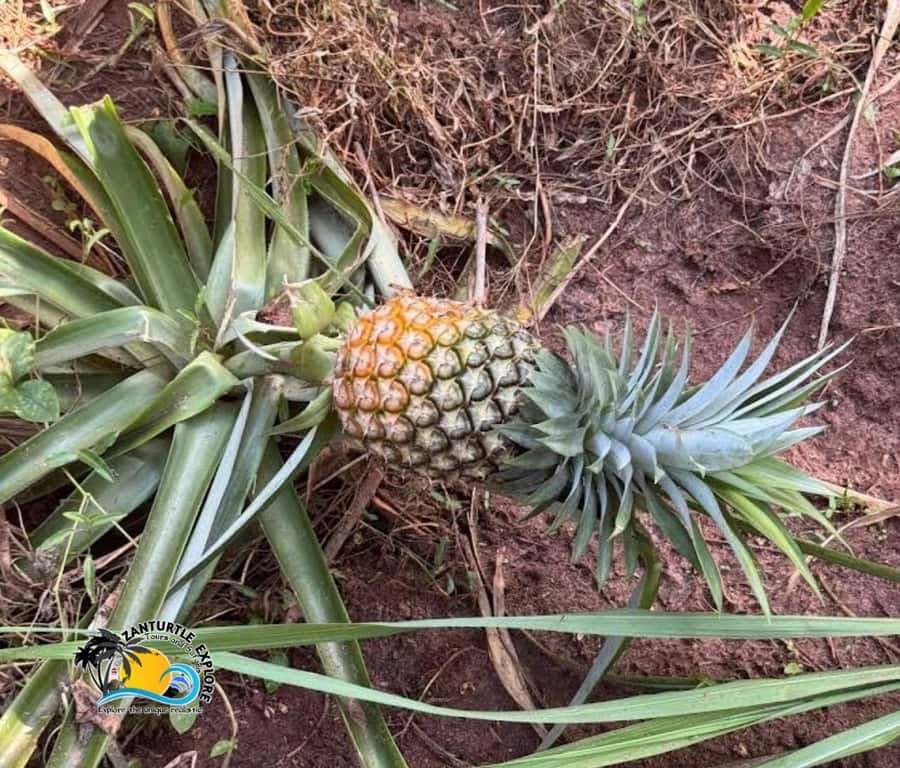
The farm stop includes tropical fruit tasting. Expect options such as pineapple, bananas, red bananas, small mangoes, oranges, and watermelon.
Fruit is a useful part of the tour because it gives you another way to compare local produce with what you find at home. The red bananas and small mangoes have been particularly memorable for some people, while pineapple and watermelon provide familiar reference points.
The fruit stop is also a pause between walking and cooking. Zanzibar can be hot, and the combination of plantation paths, sun, and transport makes breaks welcome. Bring water, a hat, sunscreen, and comfortable shoes, even though soft drinks and fruit are included.
Do not expect a full market tour or a large tasting menu. The information promises samples of tropical fruit rather than a fixed list or formal fruit lesson. What is available may depend on the farm and season.
More Farm Cooking Classes in the world:
- Half-Day Thai Cooking Class at Organic Farm in Chiang Mai
★ 5.0 · 19,087 reviews - Cooking Class and Lunch at a Tuscan Farmhouse with Local Market Tour from Florence
★ 5.0 · 4,831 reviews - Chiang Mai: Authentic Cooking Class with Market & Farm Visit
★ 4.9 · 4,546 reviews - Ubud: Balinese Cooking Class at an Organic Farm
★ 5.0 · 1,786 reviews
Cooking pilau, curry, and side dishes
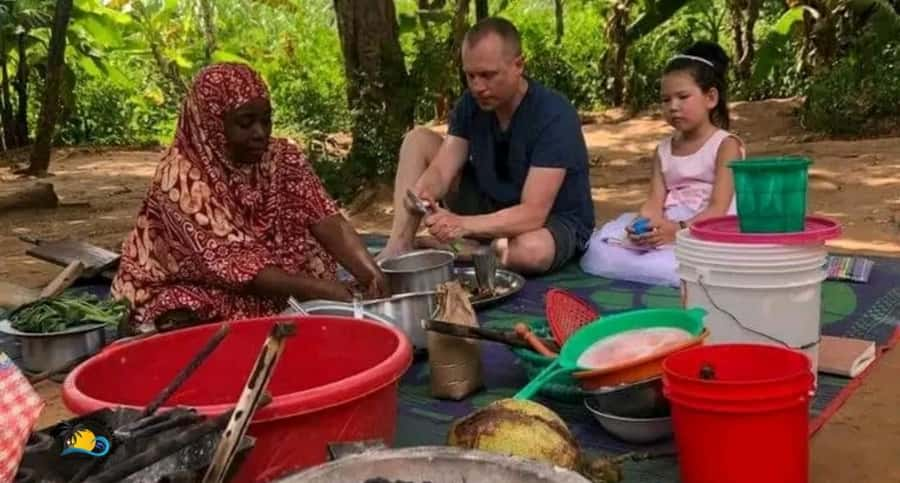
After the walking portion, you return to the cooking area and work with a local chef. The class includes ingredients and equipment, and you prepare a three-course meal with dessert.
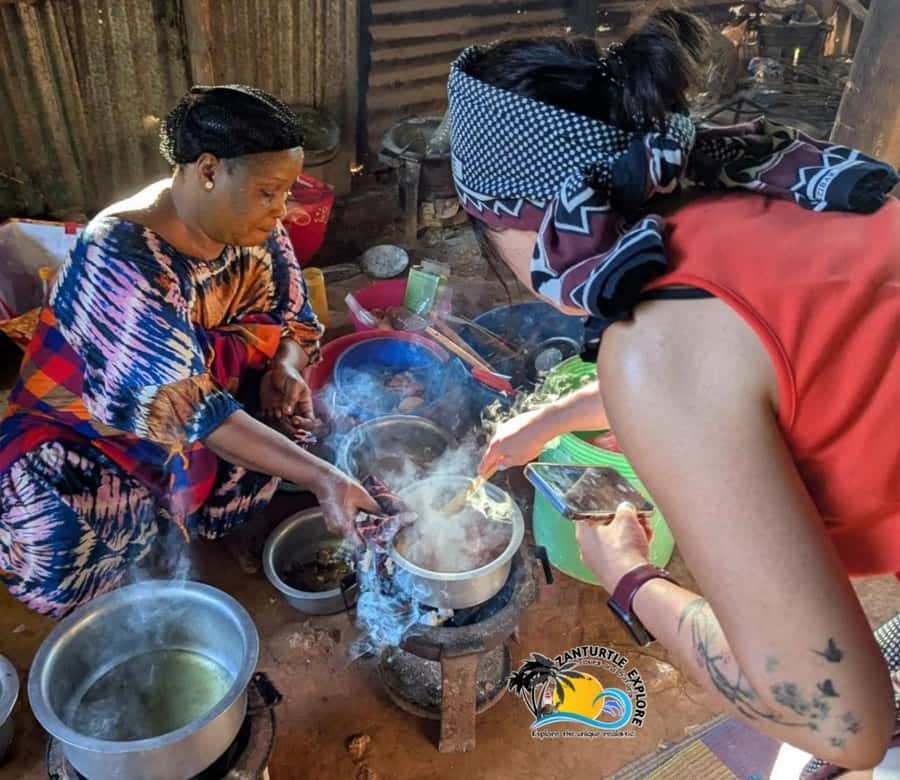
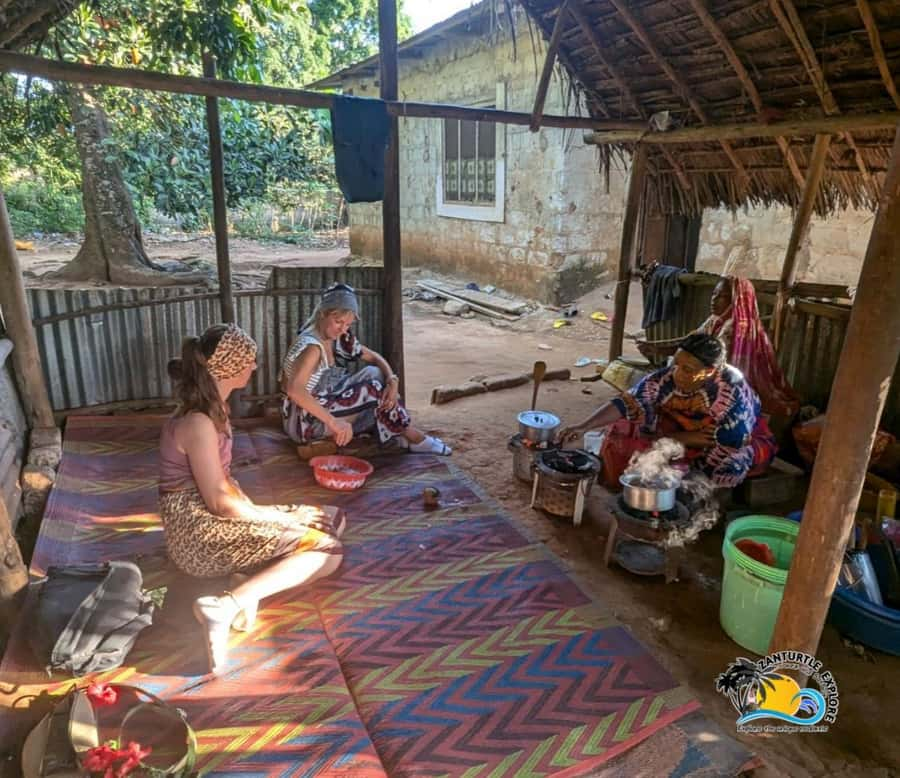
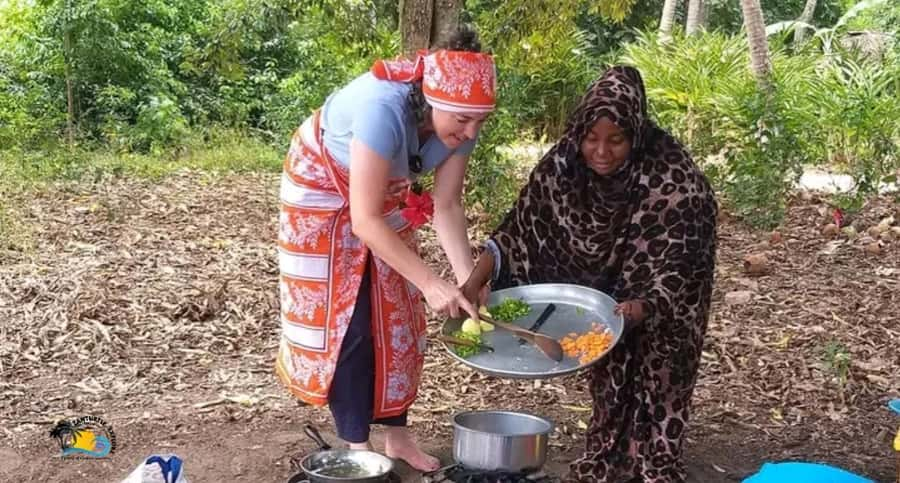
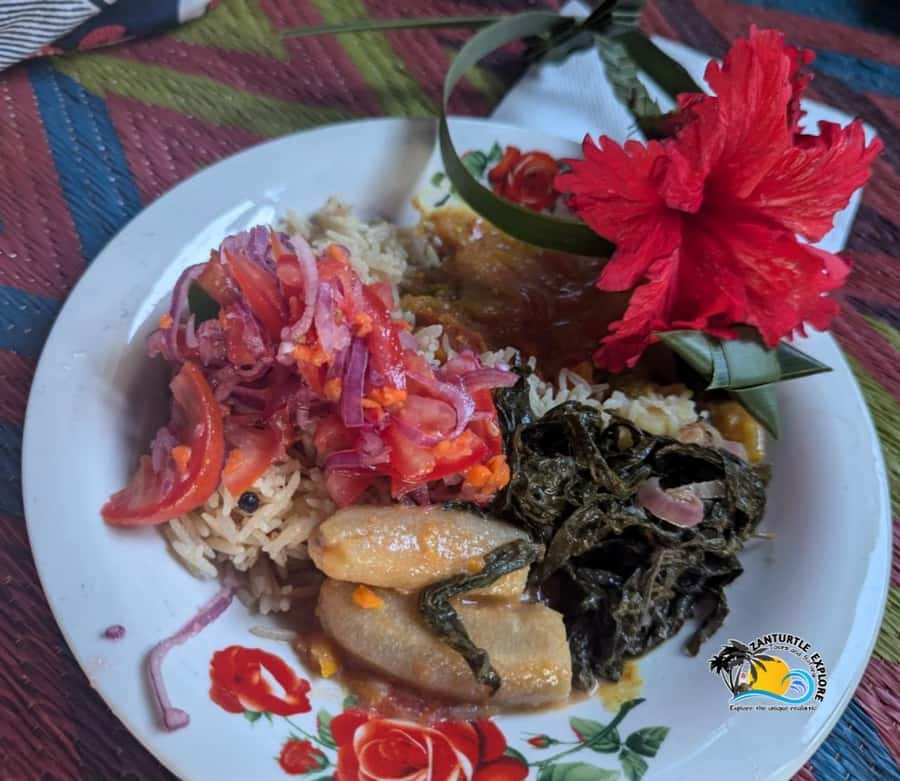
A typical session can include Tanzanian pilau rice, a curry, and side dishes. The food is cooked using traditional tools and methods passed down through local families. Some sessions take place outdoors over an open fire, which gives the activity a more local feel than a polished demonstration kitchen.
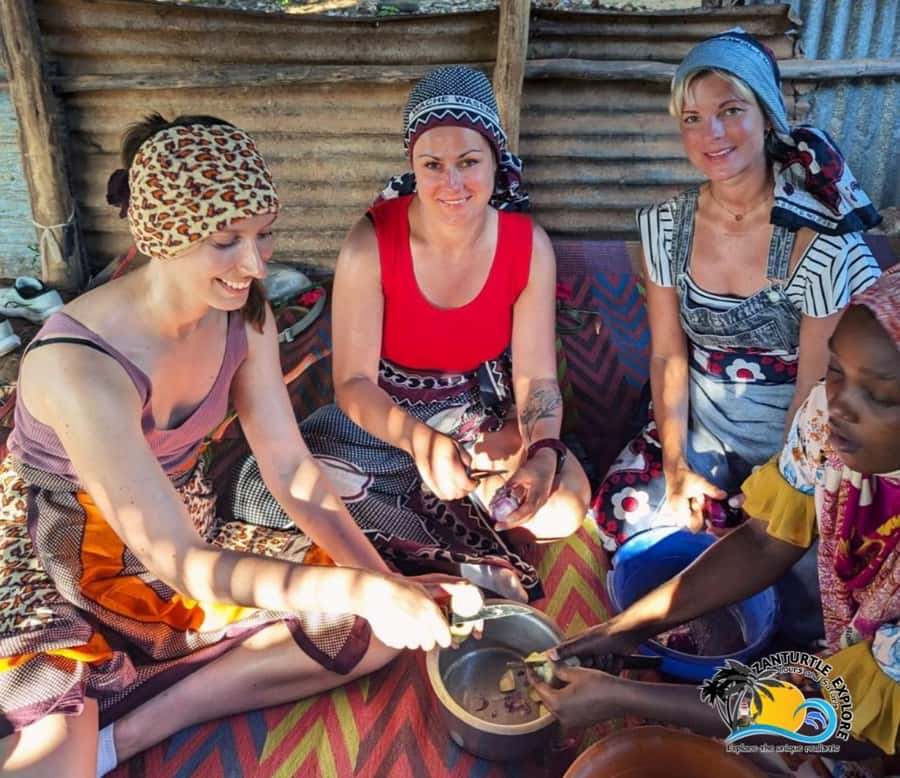
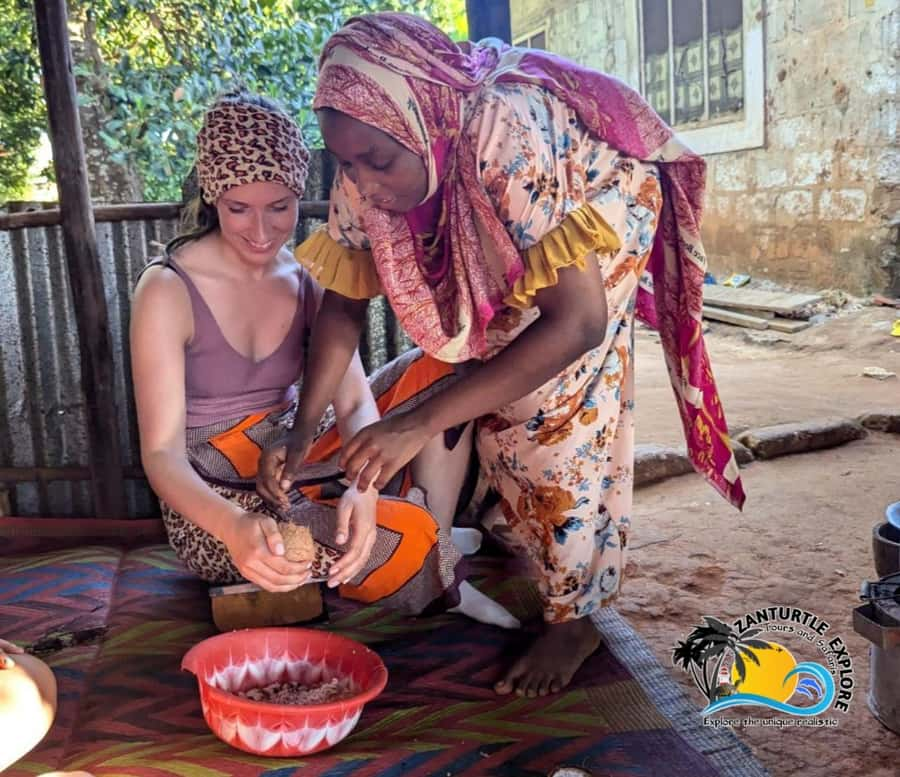
You should set your expectations correctly. This is a cook with the locals experience more than a formal school lesson. You may chop ingredients, stir pots, and help with preparation while the chef handles parts of the cooking. That is ideal if you want conversation, teamwork, and a taste of daily food preparation.
It may disappoint you if you want to master exact spice ratios or take home a carefully written recipe. The cooking is described as fun and delicious, but the teaching level can be modest. I would choose this tour for the shared meal and cultural contact first, and for technical cooking instruction second.
The meal you prepare becomes your lunch. That gives the class a clear purpose, and you can taste how the spices work together rather than simply smelling them on a farm path. The group format also gives you time to talk with the chef and the people helping with the meal.
The people and the feel of the farm
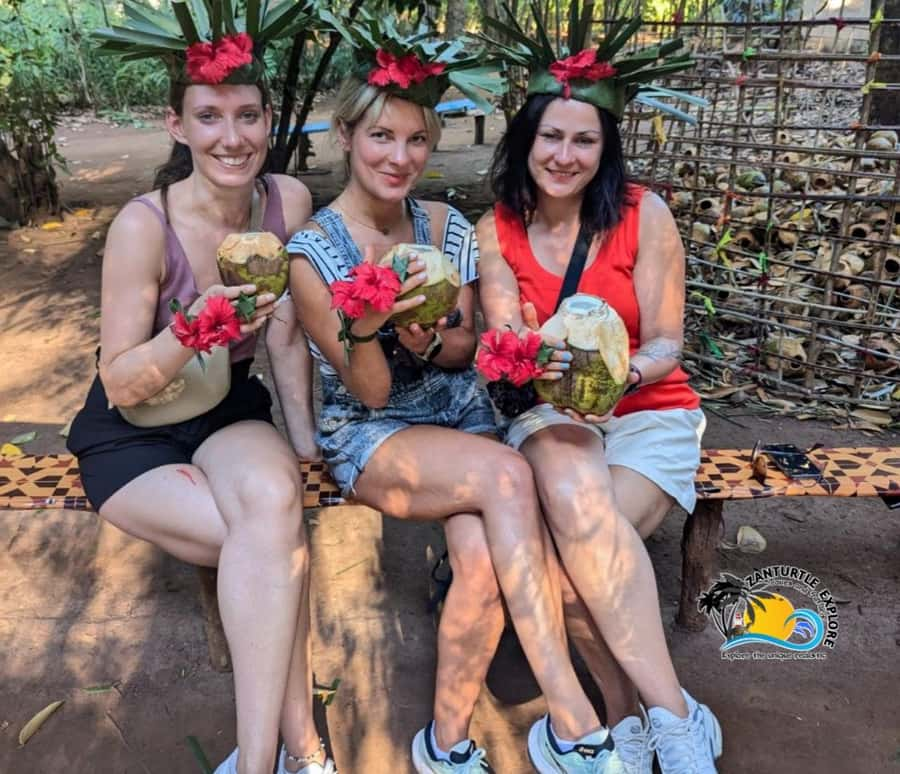
The strongest part of the day is the contact with local people. You are not only shown plants from a distance. You help collect ingredients, prepare food, eat together, and watch practical work such as tree climbing and bark cutting.
One guide named Mateo has been praised for making the farm walk playful and interactive. His style included asking people to identify spices from trees and leaves, which kept the tour moving. Guide language options are unusually broad, including English, Italian, French, German, Portuguese, Spanish, Polish, Arabic, Swahili, Czech, Russian, and Romanian.
The activity is sold as a private group, which is useful if you want to keep the day within your own party. The exact level of personal attention may still depend on how many people are in your booking and how the cooking team organizes the work.
There is one awkward side to this kind of cultural outing. Several people may ask for tips during the day, sometimes after only a brief interaction. You can appreciate the work and still find repeated requests tiring. Carry small cash, decide in advance what you consider fair, and ask your guide how tipping is handled at the start.
Walking conditions and what to bring
The outing includes walking through villages and spice plantations, so this is not a seated farm visit. Paths may be uneven, and you will spend time outdoors. Comfortable shoes are more useful than sandals with thin soles.
Bring:
- Comfortable walking shoes
- A hat
- Sunscreen
- A camera
- Cash for personal purchases and tips
Alcohol and drugs are not allowed, and pets are not permitted. The activity is listed as wheelchair accessible, but the supplied details do not explain the exact surfaces, vehicle setup, or accessibility of every plantation path. If you use a wheelchair, state your needs when booking and use the special-request field.
The five-hour duration includes the two one-hour van rides. The farm and cooking portions together take about three and a half hours, with roughly two hours for the guided plantation walk and about 90 minutes for cooking, lunch, free time, and possible shopping.
Who will enjoy this outing most
I would recommend this experience to you if you want a broad taste of Zanzibar in one day. It suits people who enjoy food, plants, village visits, informal cultural contact, and hands-on activities more than polished sightseeing.
Families may like the fruit tasting, palm-leaf accessories, tree climbing, and spice-guessing games. Couples and small private groups can enjoy the cooking and meal without arranging several separate activities.
It is also a good fit if you are curious about how familiar ingredients begin life. Smelling a fresh plant and tasting the prepared dish later gives the day a clear thread.
I would be cautious if punctual transport is essential, if you dislike repeated tip requests, or if you want a serious culinary course. The pickup issue is the most practical concern. A late start can shorten the farm walk and cooking time, which weakens the value of the price.
Booking advice and final verdict
This is a worthwhile choice if you see it as a cultural food outing, not a professional cooking lesson. The best parts are the direct contact with spice plants, the tropical fruit tasting, the open-fire meal, and the chance to work alongside local people.
At $63, the inclusion of transport, lunch, ingredients, equipment, fruit, and a private booking makes the price reasonable for a well-run day. The value drops if your pickup is badly delayed or if you spend more than expected on tips and spices.
I would book it with three precautions: confirm the hotel pickup details, keep cash for tips and optional purchases, and leave room in your schedule in case the van runs late. If those conditions suit you, this is a tasty and practical way to see a side of Zanzibar beyond Stone Town and the beach.
FAQ
How long does the Zanzibar spice farm and cooking tour last?
The activity lasts five hours, including transport. The drive to the farm takes about one hour each way.
What is the price of the experience?
The listed price is $63 per person.
Where does the tour take place?
The main visit is at Jambo Spice Farm Dole in the central region of Zanzibar, within the Unguja South Region, Tanzania.
Is hotel pickup included?
Yes. Hotel pickup and drop-off are included from Stone Town, Unguja South Region, Unguja North Region, and Mjini Magharibi Region.
What food will I prepare?
The cooking session prepares a traditional Swahili meal with three courses and dessert. Dishes can include Tanzanian pilau rice, curry, and side dishes.
Is lunch included?
Yes. Lunch consists of the dishes prepared during the cooking class.
Which spices will I see?
The tour includes spices such as cloves, cinnamon, ginger, and lemongrass, along with other plants and ingredients used in Zanzibar cuisine.
What fruit will I taste?
Fruit may include pineapple, bananas, red bananas, small mangoes, oranges, and watermelon.
What languages are available?
Guiding is available in English, Italian, French, German, Portuguese, Spanish, Polish, Arabic, Swahili, Czech, Russian, and Romanian.
Can I cancel the booking?
You can cancel up to 24 hours in advance for a full refund. The activity also allows you to reserve now and pay later.
More Lunches Out in the world
- Paris Cooking Class and Lunch with Wine plus Market Visit Option
★ 5.0 · 1,024 reviews - Austrian Apple Strudel Cooking Class including Lunch in Salzburg
★ 5.0 · 929 reviews - Phuket: Elephant Sanctuary Tour, Cooking Class & Lunch
★ 4.9 · 856 reviews - Cape Town: Malay Cooking Class and Lunch in Bo-Kaap
★ 4.8 · 515 reviews
More Classes with a Sit-Down Meal in the world
- Palermo: Pizza and Gelato Cooking Class with Dinner and Wine
★ 4.9 · 951 reviews - Seville: Spanish Cooking Class with Dinner
★ 4.9 · 900 reviews - Paris Evening Cooking Class French Dinner and Market Visit Option
★ 5.0 · 430 reviews - Paris French Cuisine Small Group Cooking Class with Lunch
★ 4.5 · 418 reviews
Newest classes around the world
- Aroidee’s Farm-Fresh Thai Cooking Experience★ 5.0 · 8 reviews
- Authentic Thai Cooking Class and Farm Visit in Chiang Mai★ 5.0 · 66 reviews
- Signature Thai Cooking Course★ 5.0 · 79 reviews
- Half Day Guided Thai Cooking Class in Chiang Mai★ 5.0 · 13 reviews
- Yummy Tasty Thai Cooking School in Chiang Mai★ 5.0 · 2 reviews
- Private Half-Day Thai Cooking Class in Chiang Mai★ 5.0 · 4 reviews
- Online Thai and Akha Cooking Class★ 5.0 · 70 reviews
- Northern Thai Cooking Class in Chiang Mai in a Countryside Home★ 5.0 · 2 reviews
Zanzibar Cooking Classes, compared.
A private half day spice farm with a cooking lesson
Read our review →
Cooking Class Tour, Stone Town Tour, Horseback Riding
Read our review →Browse the lists this tour appears in