
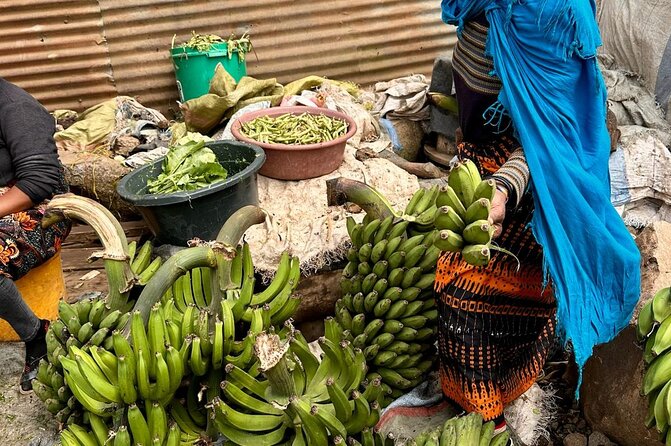
Review · TANZANIA COOKING CLASSES
Arusha: Traditional Tanzania Cooking Class & Food Market Tour
Arusha’s best food lesson begins before you reach the kitchen. You walk through the central market, see what people buy for daily meals, choose two local dishes, then take ordinary public transport to Sanawari to cook them with a local chef. It is a practical way to connect food with daily life.
I like the market-first format, since you see the ingredients before they become lunch. I also like that the price includes hotel pickup, transport, market shopping, the cooking lesson, and the meal you prepare. The main consideration is the kitchen itself: expect low tables, charcoal burners, a gas burner, tubs, and basic tools, not a polished cooking studio.
Key points at a glance
- Central market before the lesson: Spend about 30 minutes seeing local produce, meat, and food stalls with a guide.
- Choose two dishes: Your guide explains the available local foods, then you select two for the cooking lesson.
- A real local kitchen: Cooking takes place with simple equipment, including charcoal burners and low work surfaces.
- Public transport included: Travel from the market to Sanawari using the kind of ordinary transport locals use.
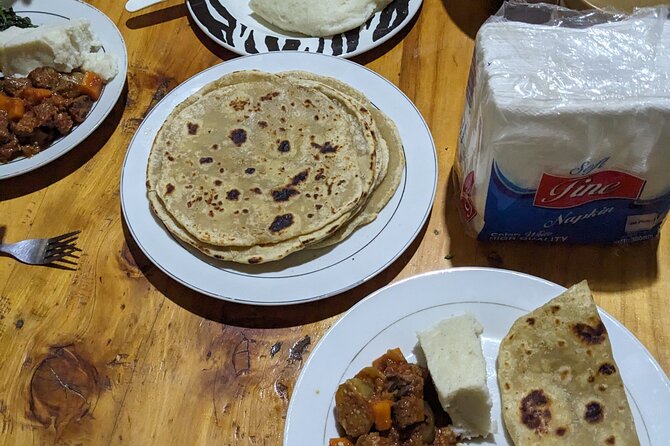
- Meal included: Eat what you prepare for lunch or dinner, with takeaway food offered afterward.
- Good value at $42: Ingredients, shopping, pickup, drop-off, transport, and the meal are covered, though drinks and spices cost extra.
Why the market is the real beginning
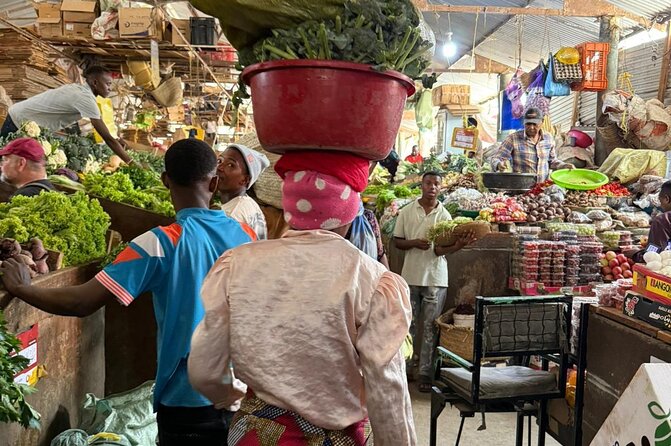
Many cooking classes start with ingredients already measured and arranged on a spotless counter. This one begins at Arusha’s central food market, where the buying is part of the lesson.
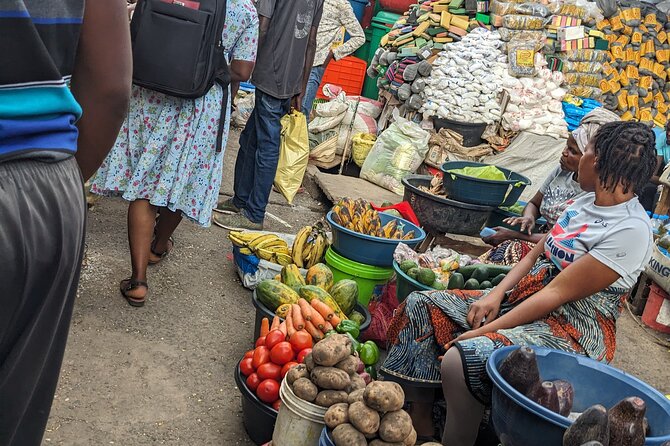
You spend roughly 30 minutes walking through the market with your guide. You can expect to see local produce, fresh meat, and foods that are commonly used in Tanzanian homes. Much of what is sold comes from Tanzania, with a smaller share brought in from elsewhere.
That matters because food becomes easier to understand when you see it in its everyday setting. Instead of hearing a short explanation about an unfamiliar ingredient, you can see its size, color, texture, and place in the market. Your guide explains how different foods are used in traditional cooking and helps you find your way through the stalls.
The market is also a chance to watch ordinary Arusha life without turning the visit into a staged performance. The people selling food are described as friendly, and the guide helps with introductions and explanations. You should still remember that this is a working market, not a museum. It may be crowded, noisy, or less orderly than a food hall at home.
The market visit is short, so it will not cover every corner of central Arusha. Think of it as an introduction to local buying habits and cooking ingredients before the hands-on portion begins.
More Cooking Classes with a Market Tour in the world:
- Hanoi Cooking Class: Culture, Local Market & Meaning CSR Impact
★ 5.0 · 5,147 reviews - 5 Traditional Dishes Hanoi Cooking Class with Market Trip
★ 5.0 · 4,890 reviews - Cooking Class and Lunch at a Tuscan Farmhouse with Local Market Tour from Florence
★ 5.0 · 4,831 reviews
Choosing two Tanzanian dishes
After seeing the food available, you choose two dishes for the lesson. The exact choices depend on what is offered that day, so this is not a fixed menu experience.
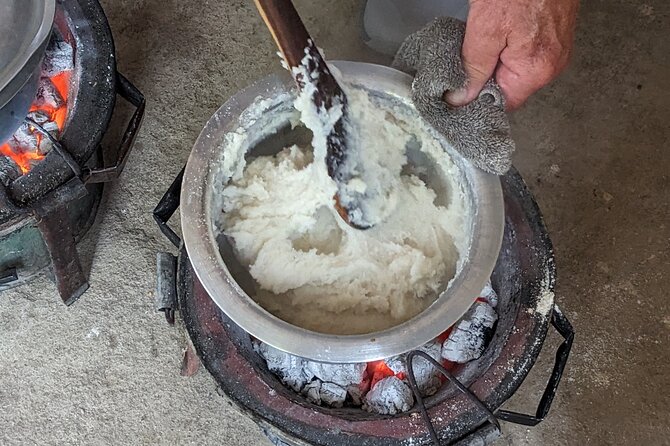
The food named in the experience includes ugali and ndizi. Ugali is a firm maize-based staple served across much of East Africa. Ndizi means bananas, and in a cooking context it can refer to a local banana dish. Other local foods may be available, but you should choose from the options explained by your guide on the day.
This choice gives you a small say in the meal, which is useful if you already know what you want to learn or eat. It also means you should not book expecting a set recipe list or a restaurant-style tasting menu. The class is built around what is practical and available at the time.
If you have food allergies, dietary restrictions, or ingredients you cannot eat, tell the operator when booking and confirm again with the guide. The supplied information does not promise special menus, so you should not assume substitutions are available.
From the market to Sanawari by local transport
The market is not the location of the cooking lesson. After shopping, you head to Sanawari, an area a little farther from the central market.
The transfer is part of the experience. The tour uses ordinary public transport, described as a common way locals travel to shop and move around. That makes the outing feel less like a sealed excursion vehicle and more connected to the city around you.
For some people, this will be one of the most interesting parts. You get a brief look at how a normal local journey fits into the day. For others, public transport may feel less comfortable than a private car, especially if you prefer a controlled schedule or have mobility concerns.
Pickup and drop-off are offered at hotels near Arusha city center. The guide collects you at your hotel and returns you there at the end. Since the listing gives no pickup range beyond hotels near the city center, confirm your address before the day of the tour.
The full experience lasts about four hours, but the stated market and cooking times add up to roughly two hours. The remaining time is likely used for pickup, shopping, transport, preparation, eating, and return travel. Do not schedule a tight activity immediately afterward.
What the Sanawari cooking lesson is really like
This is not a modern teaching kitchen. The most useful expectation to set is that you will cook in a local home-style setup.
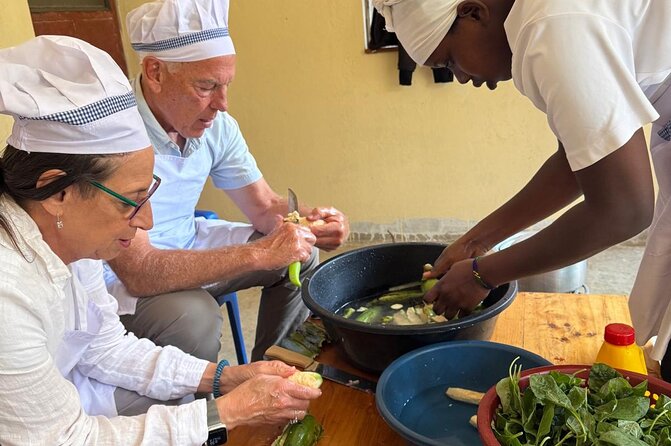
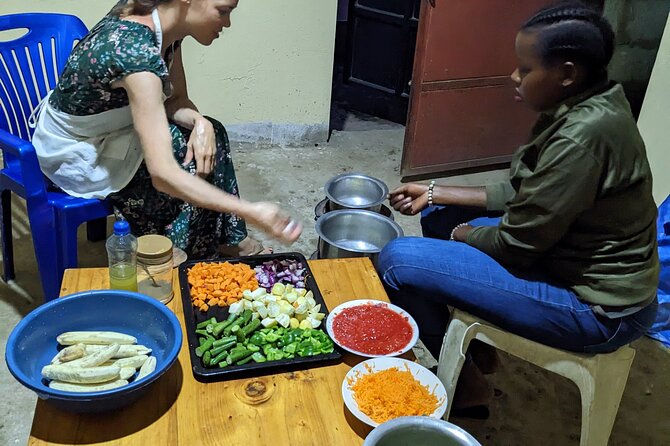
The available details describe a low table, two charcoal burners, a gas burner, large tubs, and basic cooking tools. There may not be standard countertops, a sink, or the kind of stove you use at home. That is not a flaw if your goal is to see how food is prepared in a simpler daily setting. It is a drawback if you want polished equipment, individual workstations, or a formal culinary course.
You will meet a local chef and help prepare the two selected dishes. The guide or chef explains the food and the way it is cooked, while the exact amount of hands-on work can depend on the group and the dishes chosen.
The cooking space is also a cultural lesson. Fuel, workspace, washing, and serving all work differently from the setup in many Western homes. The experience gives you a better sense of the labor behind an ordinary meal, rather than showing only the finished plate.
Because charcoal is used, smoke and heat may be part of the setting. Wear clothes that are comfortable and practical. Closed shoes are sensible for any market and cooking activity, though the supplied details do not set a dress code.
More Food and Drink Outings in the world:
- Small Group Cooking Class & Market Food Tour in Florence
★ 5.0 · 1,574 reviews - Paella Cooking Class, Wine Tasting & Central Market in Valencia
★ 5.0 · 1,150 reviews - Athens: Food Market Visit and Cooking Class with Wine
★ 4.9 · 1,087 reviews - Undiscovered Charleston: Half Day Food, Wine & History Tour with Cooking Class
★ 5.0 · 948 reviews
Eating what you prepare
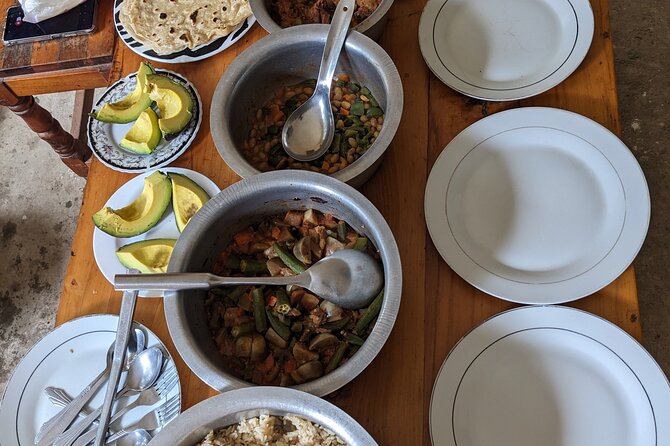
The best reward comes after the cooking. You sit down and eat the meal prepared during the class. It can be arranged for lunch or dinner, depending on the start time.
This is more satisfying than simply sampling a plate because you have seen the ingredients, helped buy them, and taken part in preparing them. The food also has context. You know where it came from and how the guide or chef described its place in local cooking.
The experience offers takeaway food afterward as an option. The information does not specify the amount or packaging, so ask on the day if you want to carry some with you.
Drinks are not included. Water, soda, or beer can be purchased along the way, so bring some cash for that extra cost. Spices from the market are also excluded. If you want to take home a particular spice, plan to buy it separately rather than expecting it to be part of the included shopping.
Guides and the human side of the outing
The guide is important here because the market and meal both depend on explanation. Names connected with this experience include Israel, Jack, James, Lameck, Magret, and Bariki. Your assigned guide may be someone else, but the repeated focus is on friendly introductions, clear explanations, and enthusiasm for Tanzanian food.
Israel is associated with several departures and is described as positive and helpful. Magret is connected with the market walk and cooking class. Jack and James are described as welcoming guides, while Lameck is linked with hotel pickup. These names are useful when communicating after booking, but do not assume a particular person unless the operator confirms it.
The operator sends booking details by WhatsApp or email after you reserve. Keep an eye on both. A working phone number is useful for confirming your hotel location and meeting time.
The best part of the guide’s role is not simply naming foods. It is explaining how people use them, helping you navigate the market, and connecting the meal with local routines. If you want more detail, ask questions as you go. A short market walk can become much more useful when you ask which foods are cooked at home, which are everyday staples, and which are bought for special occasions.
Is $42 a fair price?
At $42 per person, this is a solid value if you want several small experiences combined into one half-day outing.
The price includes hotel pickup and drop-off near central Arusha, the guided market visit, ingredients bought fresh from the market, public transport to Sanawari, the cooking lesson, and the meal. If you paid separately for a guided market visit, transport, ingredients, and a meal, the total would likely be more complicated and less convenient.
The value is strongest for someone who wants cultural contact and practical context, not just food. You are paying for access to a local market and kitchen as much as for the dishes themselves.
The value is weaker if you want a professional cooking school. The equipment is basic, the menu is not fixed, and the class may not teach precise restaurant techniques. You are buying a local food experience, not a certificate or a polished recipe workshop.
At least 23 days of advance booking is typical for this activity. That suggests you should reserve ahead if the class is important to your Arusha plans, especially if you have limited time before or after a safari.
Who should book this Arusha food experience?
I would choose this for you if you want to see daily life through food and are comfortable with simple conditions. It suits people who enjoy markets, local transport, shared meals, and learning by doing.
It is a good fit for:
- First-time visitors to Arusha who want more than hotel dining
- Food and culture enthusiasts
- People who enjoy trying local staples such as ugali and ndizi
- Families or small groups looking for an activity that is not focused on wildlife
- Anyone with a free half-day before or after a safari
You may want another option if you need a fully equipped kitchen, a fixed menu, private transport, or a detailed professional cooking course. The activity can take up to four hours, and the public transport and basic kitchen setup may not suit every person.
The maximum group size is listed as 200 people. That is a high possible limit, although the supplied details do not say how many people usually attend a particular departure. If group size matters to you, ask before booking.
Practical advice before you go
Wear clothes that can handle cooking and market dust. The equipment is simple, and charcoal burners are part of the setup, so leave your best outfit in the hotel.
Bring money for drinks and any spices you want to buy. These are not included. Since the activity uses a food market and public transport, keep your belongings secure and carry only what you need.
Tell the operator your hotel details when you book. Pickup is offered near the city center, not clearly throughout the wider Arusha area.
The tour requires good weather. If poor weather causes cancellation, you can receive a different date or a full refund. You can also cancel for a full refund up to 24 hours before the start time. Changes or cancellations made less than 24 hours before the start time are not accepted for a refund.
Should you book it?
Book this if you want a ground-level look at Tanzanian food, from market shopping to cooking and eating. The combination of a central market, local transport, Sanawari, and a simple home-style kitchen gives the outing more meaning than a class held entirely behind a restaurant counter.
I would skip it if you want luxury, speed, or a highly structured culinary lesson. For $42, though, the package is appealing: you get transport, ingredients, instruction, and a meal, plus a direct look at ordinary food culture in Arusha. Go with an open mind, expect basic conditions, and you should come away with more than a recipe.
FAQ
How long does the cooking and market experience last?
The experience lasts approximately four hours, including pickup, the market visit, transport, cooking, eating, and return to your hotel.
Where does the market portion take place?
The tour begins at Arusha’s central food market, where you spend roughly 30 minutes learning about local foods and shopping for ingredients.
Where is the cooking class held?
The cooking lesson takes place in Sanawari, after traveling from the central market using ordinary public transport.
What food will I cook?
You choose two dishes from the local food options explained by your guide on the day. Ugali and ndizi are examples of dishes associated with the class.
Are drinks included in the price?
No. Water, soda, and beer are not included, but you can buy drinks along the way.
Is hotel pickup available?
Yes. Pickup and drop-off are offered at hotels near Arusha city center.
Can I cancel for a full refund?
Yes. You can cancel at least 24 hours before the experience starts for a full refund. Poor weather cancellations also qualify for a different date or a full refund.
More Food Outings in the world
- Vietnamese Food Cooking Class in Hanoi with Market Experience
★ 5.0 · 778 reviews - Milan: Italian Cooking Class with Food and Wine
★ 4.7 · 509 reviews - Mexican Cooking Class with Food Market Visit in Mexico City
★ 5.0 · 506 reviews - Ao Nang: Hands-on Learn to Cook 3 Popular Thai’s street food
★ 4.8 · 417 reviews
Newest classes around the world
- Aroidee’s Farm-Fresh Thai Cooking Experience★ 5.0 · 8 reviews
- Authentic Thai Cooking Class and Farm Visit in Chiang Mai★ 5.0 · 66 reviews
- Yummy Tasty Thai Cooking School in Chiang Mai★ 5.0 · 2 reviews
- Signature Thai Cooking Course★ 5.0 · 79 reviews
- Half Day Guided Thai Cooking Class in Chiang Mai★ 5.0 · 13 reviews
- Online Thai and Akha Cooking Class★ 5.0 · 70 reviews
- Northern Thai Cooking Class in Chiang Mai in a Countryside Home★ 5.0 · 2 reviews
- Private Half-Day Thai Cooking Class in Chiang Mai★ 5.0 · 4 reviews
Tanzania Cooking Classes, compared.
NGO Lifted Strong – Traditional Tanzanian Cooking Class
Read our review →
Cooking and Sewing & Jewelry Workshops in Arusha
Read our review →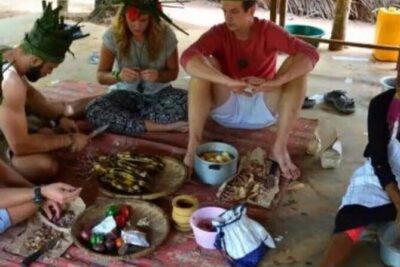
A private half day spice farm with a cooking lesson
Read our review →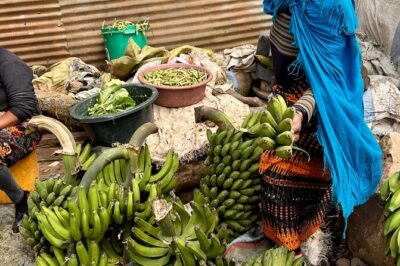
Arusha: Traditional Tanzania Cooking class& Food Market Tour
Read our review →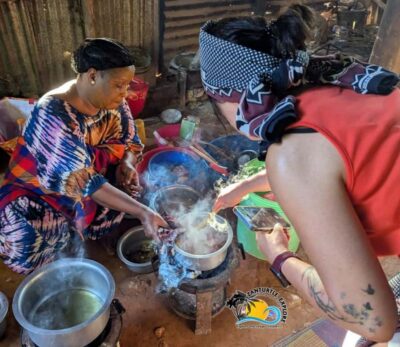
Arusha: Local Tanzanian Cooking Class by Kingstone Asilia
Read our review →Browse the lists this tour appears in