Review · MILAN COOKING CLASSES
Milan: Italian Cooking Class with Food and Wine
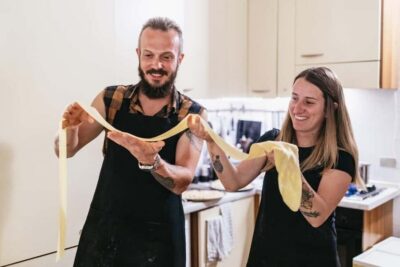
Milan’s Chef and the City cooking class puts you to work quickly: mixing dough, shaping pasta, preparing an appetizer, and making dessert before sitting down to eat. I like the hands-on format and the useful recipes, especially the fresh pasta lesson, which gives you skills you can repeat at home rather than just a plate to admire.
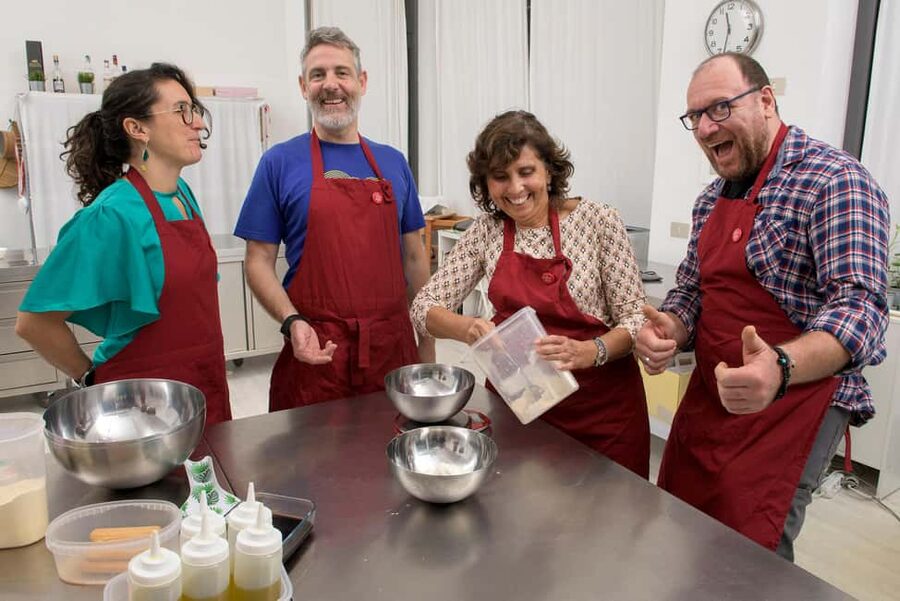
I also like the friendly, social setup. Chef Ilaria is funny, clear, and generous with practical tips, while the wine and shared meal help solo visitors meet people. The main consideration is that the exact menu can change, and some sauces may be prepared in advance because a three-hour class cannot cover every slow-cooked step from start to finish.
Key points to know before booking
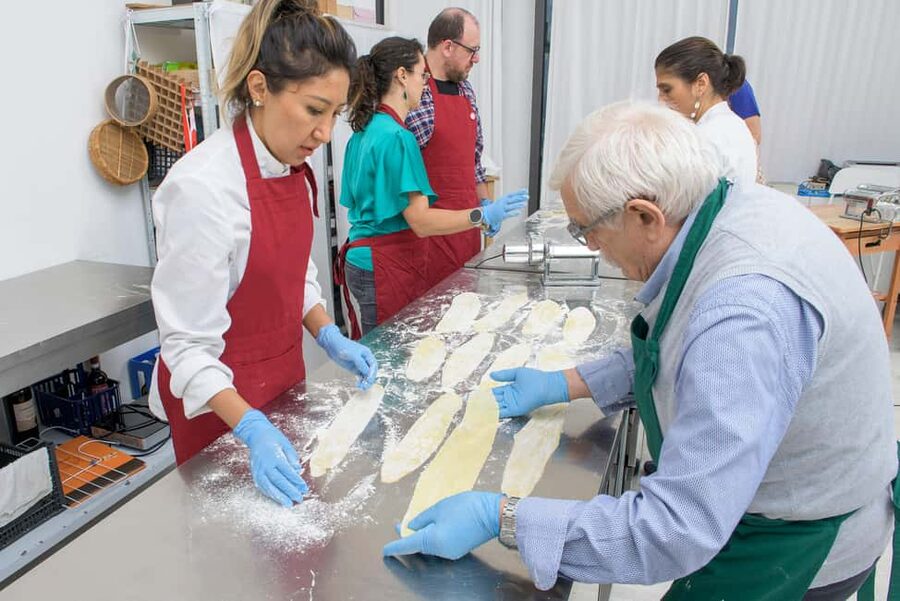
- Fresh pasta is the main practical lesson: You may make tagliatelle, ravioli, or another pasta shape and learn how dough should feel and work.
- Chef Ilaria leads with warmth and humor: English instruction is available, and her explanations cover both technique and Italian food customs.
- The menu changes: Classes may include bruschetta, gnocchi, tiramisù, strudel, biscotti, or pasta with sauces such as ragù and cacio e pepe.
- You eat what you prepare: The class ends around a shared table with wine, rather than stopping after the cooking.
- Recipes go home with you: This makes the $80 price more useful for anyone who plans to cook Italian food again.
- The kitchen has firm rules: No eating or drinking while cooking, long hair must be tied back, and large bags, pets, and smoking are not allowed.
What you actually do during the three-hour class
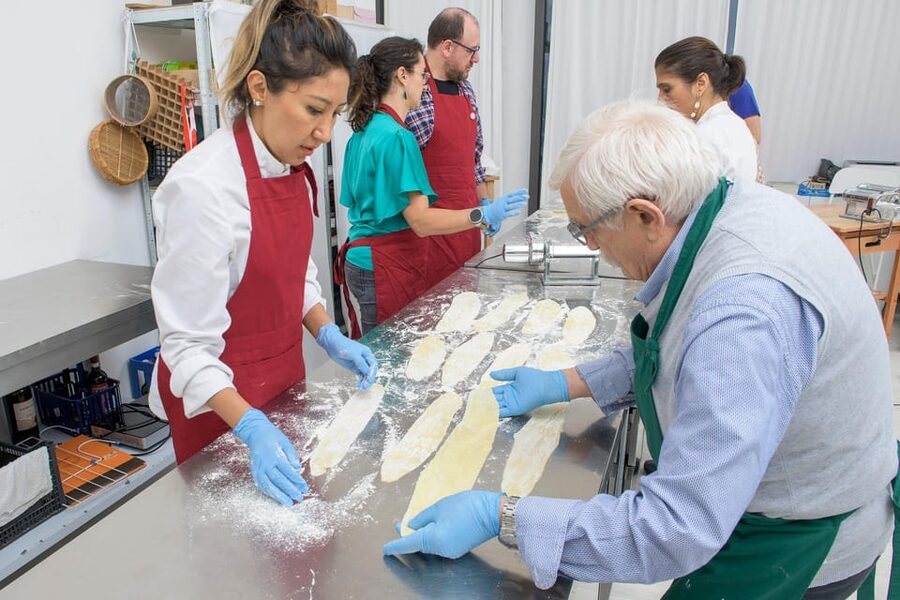
The class takes place at Chef and the City, a street-level shop marked by three large windows and red signs above them. You ring the bell at the main windowed door when you arrive. The setting is a professional cooking lab, not a restaurant kitchen where you simply watch a chef work.
You receive an apron and gloves, and cooking tools and ingredients are provided. Each person works from a personal station, which matters because you get direct practice instead of waiting for one shared counter to become free. The setup also suits beginners who want clear steps and experienced home cooks who want to pick up a few Italian methods.
The session usually builds a three-course meal. The exact dishes can vary, but the format often includes an appetizer, fresh pasta or another main dish, and a sweet course. Past menus have included bruschetta, tagliatelle, ravioli, gnocchi, eggplant parmigiana, focaccia, cacio e pepe, ragù, tiramisù, biscotti, cantucci, and apple strudel.
That variety is appealing, but it creates one booking caveat. If you have your heart set on gnocchi or tiramisù, you should not assume those dishes will be served on your date. The experience description lists many possible recipes rather than one fixed menu.
More Cooking Classes with Wine Tasting in Italy
- Milan: Pasta and Tiramisu Cooking Class with Wine
★ 4.8 · 1,106 reviews - Milan: Pasta and Tiramisu Small Group Cooking Class with Wine
★ 5.0 · 660 reviews - Pizza Cooking Class with Tiramisù and Wine Tasting in Milan
★ 5.0 · 172 reviews
The fresh pasta lesson is the strongest part
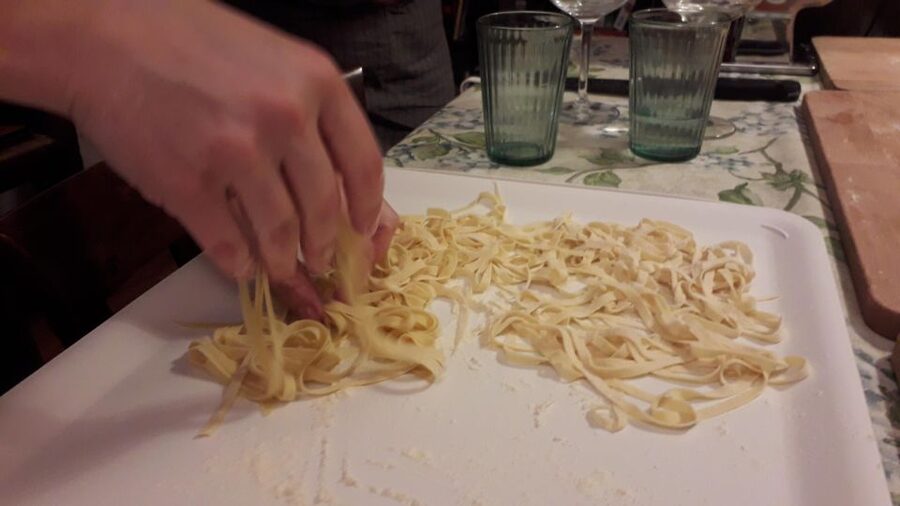
For most people, the pasta portion will be the most valuable skill of the afternoon or evening. You learn how to make pasta from scratch and may use a pasta machine to roll and shape it. Tagliatelle and ravioli are among the possibilities, and one class included a lesson in making a different pasta shape.
I like that this is practical rather than theatrical. You handle the dough, see how the texture changes, and get corrected when your technique needs work. That kind of instruction is more useful than watching perfect pasta come together from a distance.
You may also learn how to prepare gnocchi. One particularly popular combination has been butter and sage gnocchi, while other sessions have used pasta with sauces prepared by the chef. The result is a good introduction to the difference between shaping the pasta and finishing it properly.
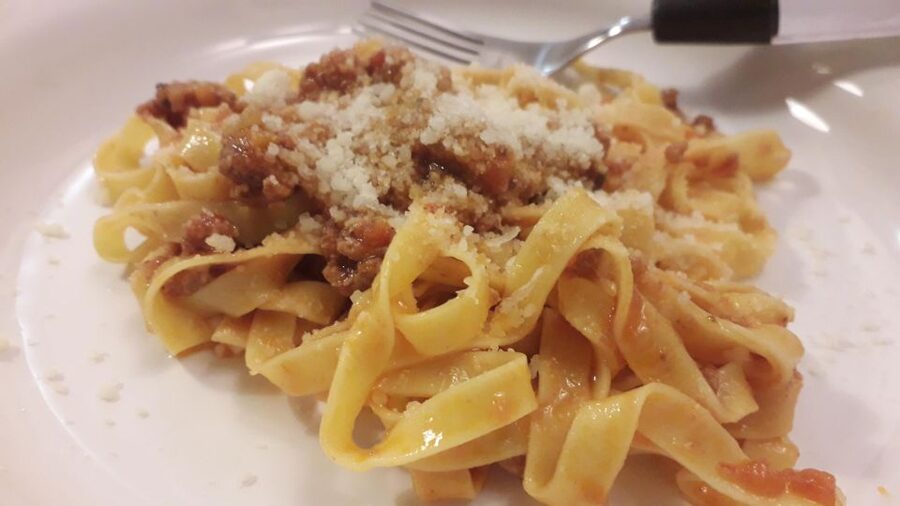
There is an important limit here. Slow sauces such as ragù take hours to cook, so the chef may prepare them in advance and provide the recipe instead of making the sauce from raw ingredients during the class. That means you may not cook every component from start to finish, but you do get a realistic lesson in how the full dish works.
The same point applies to cacio e pepe. The class can teach you the technique and show you how the sauce behaves, while the chef may supply a prepared version to keep the schedule moving. If you want a full lesson in sauces, ask about the menu before booking.
Chef Ilaria turns instruction into a social evening
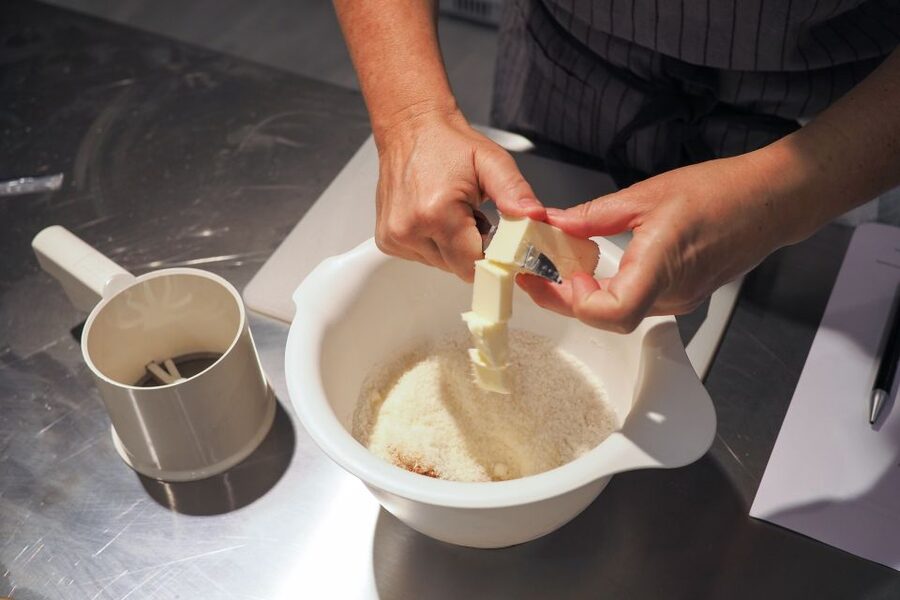
Chef Ilaria is central to the experience. She explains steps in English and Italian, answers questions, and adds stories about the dishes and their place in Italian cooking. Her style is energetic and playful, so the class feels less like a formal school session and more like cooking with a very capable host.
I especially like the way food rules become part of the lesson. Carbonara, for example, may prompt a lively explanation about traditional ingredients and the difference between adapting a recipe at home and calling it by its Italian name. These small points give the class a sense of food culture, not just a list of instructions.
The atmosphere depends partly on the group. Some sessions are intimate, with only two people, while others bring together cooks from several countries. A small group gives you more direct attention, but a larger group can make the shared meal livelier. If you are traveling alone, I would not hesitate to book. The personal workstations make it easy to participate, and the final meal gives you a natural way to talk with other people.
Chef Ilaria may be assisted by members of the team, including Fernando or Klara. The teaching team has also helped with preparation and made sure ingredients and utensils were ready. The language support is useful for international visitors, and English instruction is specifically offered.
Snacks, wine, and the meal at the end
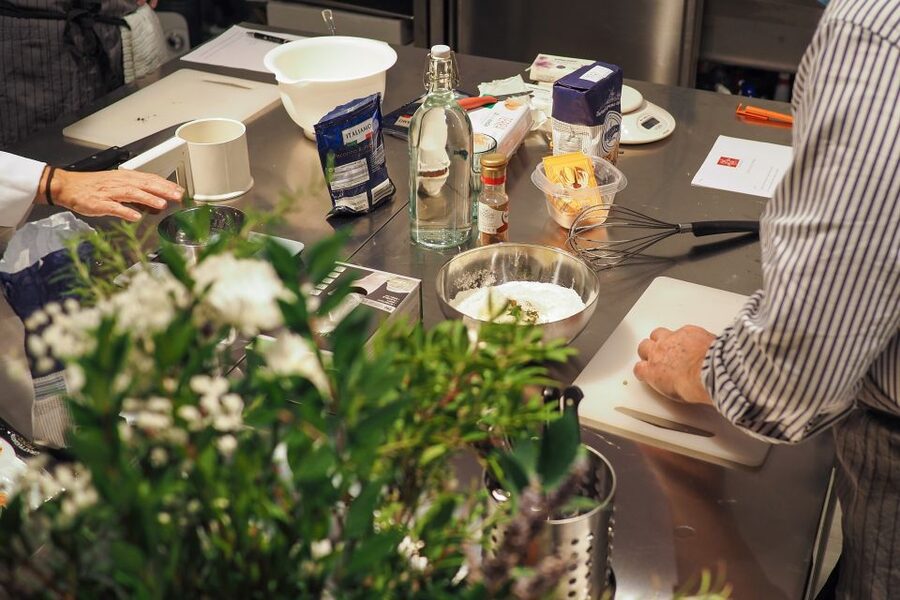
You do not spend three hours cooking on an empty stomach. Light snacks can include cheese, sun-dried tomatoes, mortadella, olives, cookies, biscuits, candies, coffee, tea, infusions, and water. These are meant to keep the session comfortable, but the kitchen rules still matter: you are not allowed to eat or drink while actively cooking.
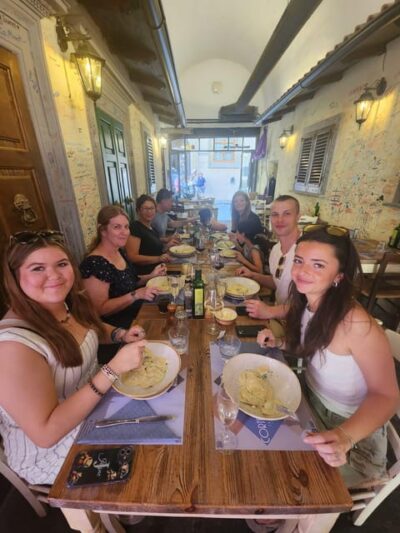
At the end, the class changes pace. You sit down with the group and eat the dishes you helped prepare. Wine is included, with red and white options available, and this shared meal is one of the best reasons to choose a class over a standard restaurant dinner.
The meal also gives you a chance to understand the work on your plate. You have handled the pasta, seen the ingredients, and learned why a technique matters. That connection makes even a simple bruschetta or bowl of pasta feel more satisfying.
The wine is part of the package, not an extra purchase. You should still pace yourself, especially if you have an evening train, a museum visit, or a long walk afterward. One class included generous wine service, so this is not an activity to combine with heavy drinking before arrival.
More Cooking Classes with Wine Tasting in Milan
- Milan: Pasta, Gnocchi and Tiramisù Cooking Class with Wine
★ 5.0 · 117 reviews - Pizza and Tiramisu Cooking Class with Wine in Milan
★ 4.9 · 80 reviews - Milan: Hands-On Pasta & Dessert Cooking Class & Wine Pairing
★ 5.0 · 3 reviews
Healthy cooking and less kitchen waste
The class presents Italian food in a modern, practical way, with attention to healthy and waste-free cooking. That does not mean you are taking a nutrition seminar. It means the chef discusses how to use ingredients sensibly and how to avoid treating cooking as a series of disposable steps.
For a home cook, this is useful. Italian recipes often depend on a few good ingredients, careful handling, and proper timing rather than a long shopping list. Learning how to use the same dough, herbs, sauces, or leftover ingredients across a meal can save money and reduce waste once you return home.
The recipes are provided after the class. This is a real part of the value, since you can recreate the dishes instead of relying on memory. The recipes may include sauces that were prepared ahead of time, giving you a way to make those components properly at home when you have several hours available.
How the $80 price compares with the experience
At $80 per person, the class is not the cheapest way to eat in Milan, but the price includes food, wine, cooking tools, gloves, aprons, and instruction. You also receive recipes and a three-hour activity. I consider that fair value if you want an evening that combines a meal with a practical skill.
The value is strongest for couples, families with older children, and solo visitors who enjoy social activities. You are not paying only for the final plate. You are paying for ingredients, kitchen access, equipment, teaching, and the chance to make pasta yourself.
The value is weaker if you want a highly specialized class focused on one dish. The changing menu means you cannot count on a full tiramisù, gnocchi, or sauce lesson every time. Some preparation may also involve cutting and mixing more than advanced cooking, depending on the menu.
Still, the included wine and the meal help the price make sense. A restaurant dinner can easily approach the same cost, while this gives you an activity and recipes to take home. I would book it as a food experience, not as professional chef training.
Who will enjoy this Milan cooking class?
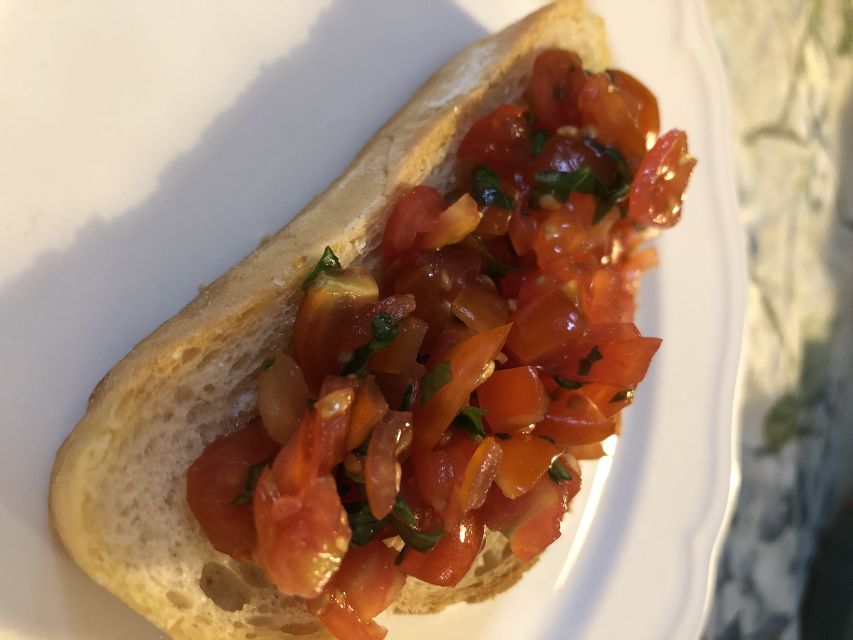
I would recommend it to beginners who want patient, direct instruction. The class is designed so you can follow along even if you have little pasta-making experience, and the chef corrects mistakes without making the process stressful.
It also suits experienced home cooks. You may already know how to chop an onion, but pasta texture, shaping, sauce technique, and Italian food customs can still offer useful new details. The class allows questions, so you can ask why a method is used rather than simply copying it.
Solo visitors are a good match. The group setting is social without requiring you to arrive with a partner, and the shared meal creates easy conversation. Couples can enjoy it as a hands-on alternative to another restaurant night.
The age minimum is 10, so young children cannot attend. People with mobility impairments may find the class unsuitable, and the activity is not wheelchair accessible. Pets are not allowed. Large bags and luggage are also prohibited, with no luggage storage provided, so plan to arrive without bulky belongings.
Dietary needs may be manageable, but you should communicate them before the class. One gluten-free participant was accommodated without losing the practical parts of the experience, and other sessions have taken food restrictions into account. That is encouraging, but the available menu and kitchen setup can change, so do not treat any particular accommodation as automatic.
Practical details for arriving and cooking
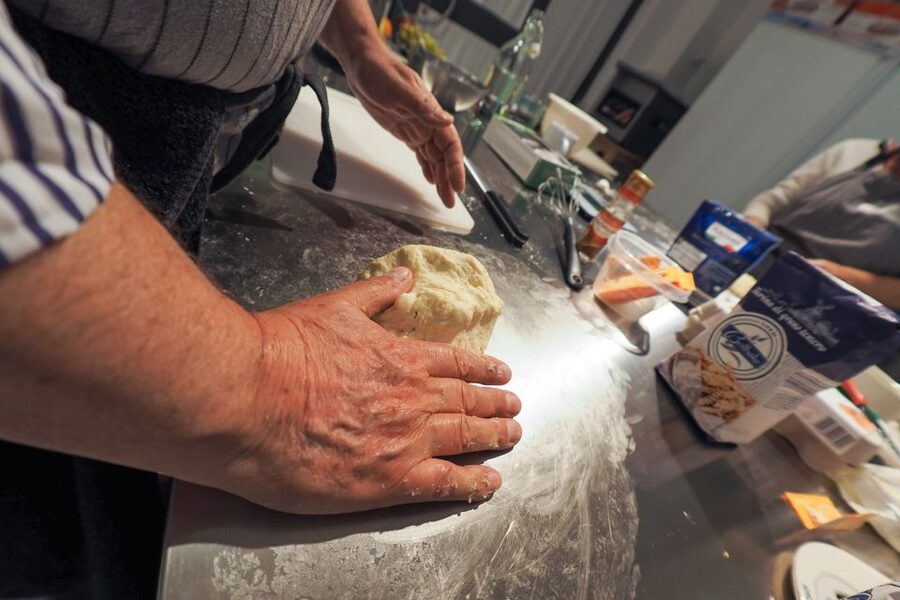
Allow enough time to find the street-level shop. Look for three large windows and three red signs bearing the Chef and the City name. Ring the bell at the main windowed door when you arrive.
The class lasts three hours, but the start time depends on the date you book. Italian and English are offered. You should wear something comfortable and practical for kitchen work, tie back long hair, and leave large bags elsewhere.
The kitchen rules are simple but strict. Do not bring food or drinks into the cooking process, and do not taste ingredients while you are working. This may feel formal compared with cooking at home, but it keeps the professional lab clean and safe.
Free cancellation is available up to 24 hours before the start time for a full refund, and you can reserve now and pay later. Those terms help if your Milan schedule is still moving, though you should check the available time before finalizing your day.
Should you book Chef and the City?
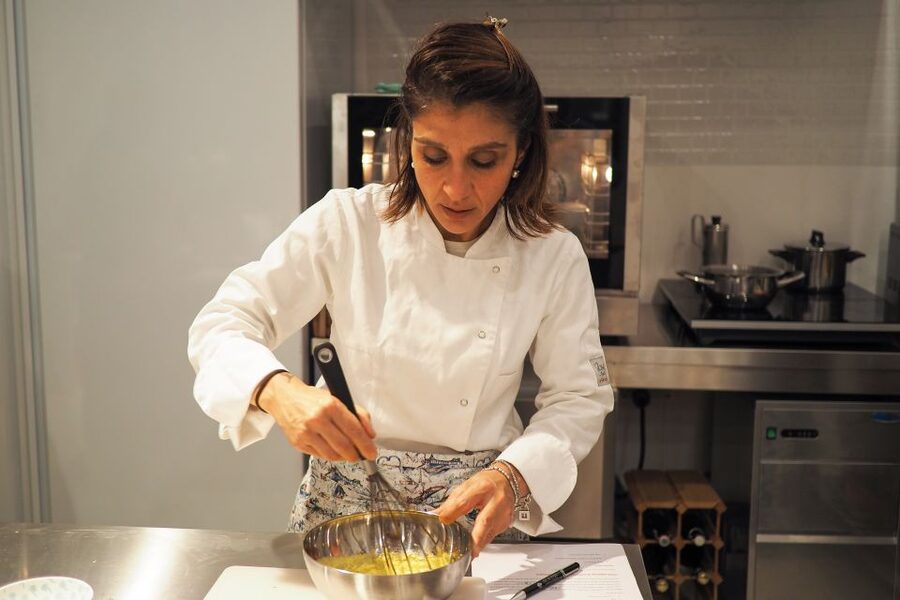
Book this class if you want to make fresh pasta, learn useful techniques, and eat with a friendly group. Chef Ilaria’s warmth, the practical instruction, the included wine, and the take-home recipes give the experience more substance than a simple demonstration.
Go in knowing that the menu can change and that some long-cooked sauces may be prepared ahead of time. If you need a wheelchair-accessible activity, plan to skip it, and if you are traveling with luggage, arrange storage before arrival.
For most food-focused visitors to Milan, I would put this high on the list. The class gives you a taste of Italian kitchen culture, a proper meal, and skills you can use after Italy. At $80, that is a solid deal for a three-hour experience.
FAQ
How long does the Milan cooking class last?
The class lasts three hours. Starting times vary by date, so check availability when booking.
What dishes will I make?
The menu can vary. Possible dishes include bruschetta, fresh tagliatelle, ravioli, gnocchi, focaccia, eggplant parmigiana, tiramisù, biscotti, cantucci, apple strudel, ragù, and cacio e pepe.
Is wine included?
Yes. Food, beverages, and wine are included in the price. Red and white wine may be served with the meal.
Do I receive the recipes?
Yes. The chef provides copies of the recipes so you can prepare the dishes at home.
Is the class taught in English?
Yes. The host or greeter can speak Italian and English, and English instruction is available.
Can children, pets, or large bags attend?
Children under 10 are not permitted. Pets, smoking, luggage, and large bags are not allowed. The activity is not wheelchair accessible and is not suitable for people with mobility impairments.
More Food and Drink Outings in Milan
- Small Group Cooking Class & Market Food Tour in Florence
★ 5.0 · 1,574 reviews - Pasta Making & Wine Tasting with Dinner in Frascati from Rome
★ 5.0 · 1,326 reviews - Paella Cooking Class, Wine Tasting & Central Market in Valencia
★ 5.0 · 1,150 reviews - Athens: Food Market Visit and Cooking Class with Wine
★ 4.9 · 1,087 reviews
More Italian Classes in Milan
- Learn to Cook Italian Recipes with an Italian Chef
★ 5.0 · 283 reviews - only in ITALIAN – International aperitif + cooking class in Italian
★ 4.8 · 22 reviews - Cooking Class and Lunch at a Tuscan Farmhouse with Local Market Tour from Florence
★ 5.0 · 4,831 reviews - Tuscan Cooking Class and Dinner in Florence
★ 4.5 · 732 reviews
Newest classes around Milan
- Small Group Cozy Cooking Class in a Typical Milanese Home★ 4.8 · 27 reviews
- Pizza and Tiramisu Cooking Class with Wine in Milan★ 4.9 · 80 reviews
- only in ITALIAN – International aperitif + cooking class in Italian★ 4.8 · 22 reviews
- Milan: Homemade Pasta, Sauce, and Tiramisu Cooking Class★ 5.0 · 3 reviews
- Milan: Private Cooking Class at a Local’s Home★ 5.0 · 9 reviews
- Milan: Market and Cooking Class at a Local’s Home★ 4.0 · 5 reviews
- Milan: Pasta, Gnocchi and Tiramisù Cooking Class with Wine★ 5.0 · 117 reviews
- Milan: Cooking Class for Families with Children★ 5.0 · 5 reviews
Milan Cooking Classes, compared.
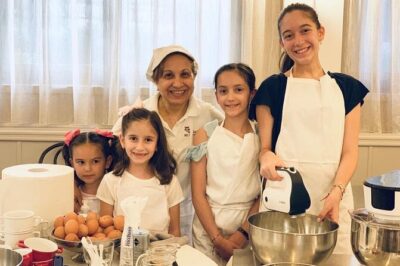
Pasta and Tiramisu Small Group Cooking Class with Wine
Read our review →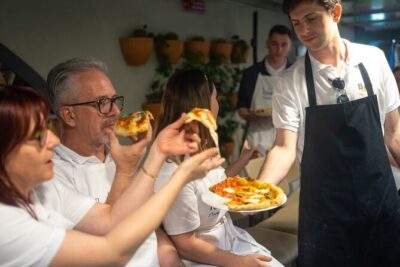
Milan Cooking Class: Authentic Pizza & Gelato Making
Read our review →
Milan Culinary Experience: Pasta & Gelato or Tiramisù Class
Read our review →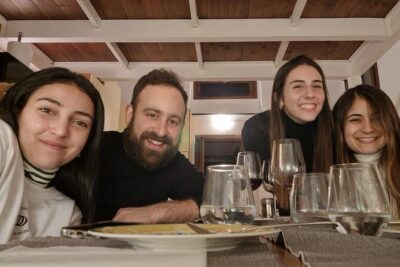
Small Group Cozy Cooking Class in a Typical Milanese Home.
Read our review →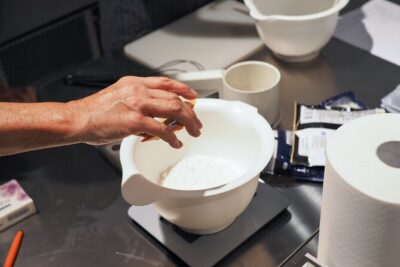
Learn to Cook Italian Recipes with an Italian Chef
Read our review →
Pasta, Ravioli, and Gelato Class in a Glamorous Home
Read our review →