Review · ROME COOKING CLASSES
Rome Pasta Making Class with Italian Sauces and Wine Included
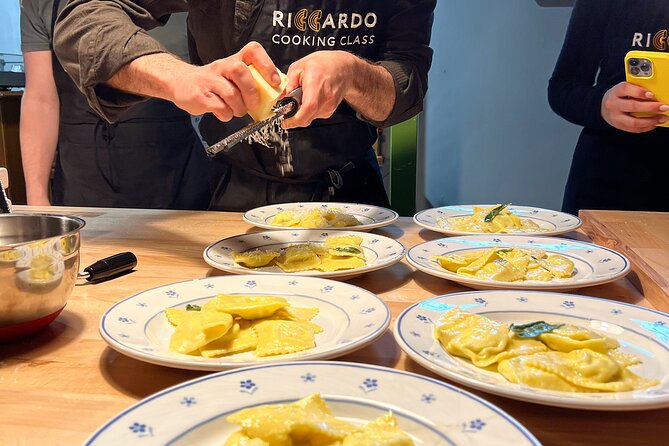
Fresh pasta is the star here, not a token demonstration. You work the dough, roll it, shape it, and cook it, then sit down to eat pasta made by your own hands. Chefs including Riccardo, William, and Leo lead the sessions, with plenty of room for questions and practical tips.
I like the small-group format, which keeps the class personal, and the chance to make several pasta shapes rather than just one. I also like that the sauces matter as much as the dough: carbonara, arrabbiata, butter and sage, cacio e pepe, and gricia-style preparations give you useful Roman cooking skills.
The main consideration is time. Three hours of cooking, eating, wine, and conversation can feel long if you want a quick activity between sightseeing stops. Dietary changes beyond the standard menu are mainly arranged through a private class, so ask before booking.
What makes this Rome pasta class worth your time
- You make three kinds of pasta: Depending on the class, that can include ravioli, fettuccine, spaghetti alla chitarra, tortellini, or cappelletti.
- The sauces receive real attention: You may prepare carbonara, arrabbiata, butter and sage, cacio e pepe, or gricia-style sauces.
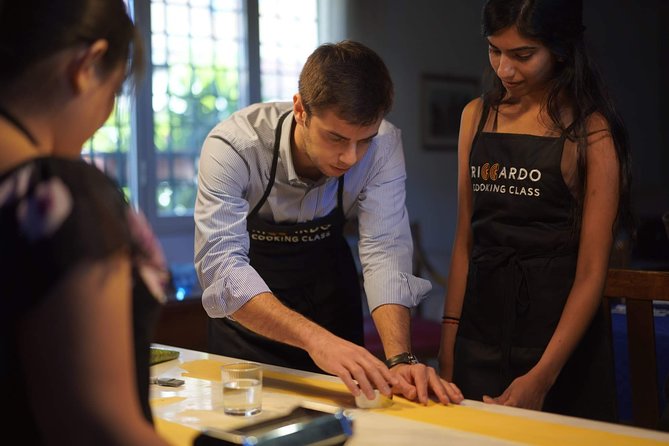
- The class is hands-on: You make the dough, roll it, cut it, and shape it rather than watching a chef do all the work.
- The group stays small: The maximum is 10 people, which allows direct help from the instructor.
- Your meal is included: Wine and coffee accompany the pasta you prepare, with some sessions also featuring cheese tasting and prosecco.
- Private classes allow more flexibility: Gluten-free, dairy-free, vegetarian, vegan, gnocchi, risotto, and tiramisu options can be arranged privately.
From dough to dinner in about three hours
This is a cooking class first and a meal second, though you get both. Plan on roughly three hours from meeting the chef to finishing the dishes. The pace gives you time to learn the basic technique, repeat it, and ask why each step matters.
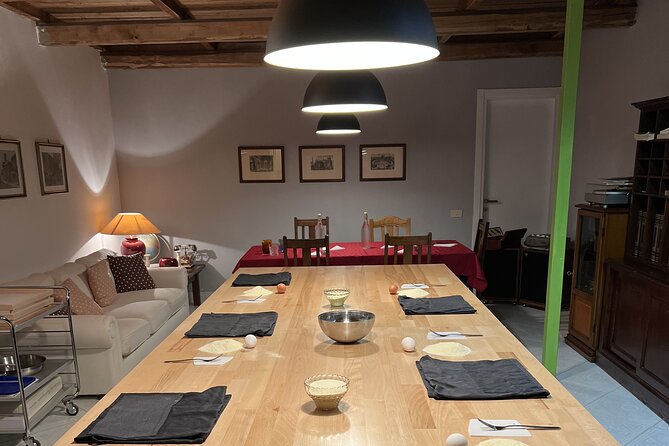
You meet at Circonvallazione Gianicolense 418, in Rome’s 00151 postal area. The class may take place at Riccardo’s grandmother’s house or at The Cooking Lab. The exact setting matters less than the family-kitchen feel the class aims for, but you should check the meeting details carefully before setting out.
The location is near public transportation, which helps. Still, I would avoid scheduling a major timed attraction immediately afterward. Pasta dough takes the time it takes, and the meal at the end is part of the point.
More Cooking Classes with Wine Tasting in Italy
- Rome: Pasta Making Class with Wine, Limoncello, and Dessert
★ 4.9 · 3,177 reviews - Fettuccine & Tiramisù: Cooking Class with Wine & Limoncello
★ 4.9 · 2,103 reviews - Pasta Making & Wine Tasting with Dinner in Frascati from Rome
★ 5.0 · 1,326 reviews
Starting with pasta dough and a Roman welcome
The class begins with an introduction to the chefs and the cooking setup. Riccardo leads the operation, while William and Leo also teach sessions. Their styles differ, but the common thread is active instruction, humor, and a willingness to answer questions.
Some classes begin with cheese tasting and prosecco before the pasta work gets serious. Wine is also served with the meal, and coffee is included at the end. This makes the class feel like a shared Roman meal rather than a technical lesson held in silence.
The first major task is making fresh pasta from scratch. You learn how the dough comes together, how it should feel, and how to work it into a usable sheet. The useful part is not only the ingredient list. You also pick up the habits that help at home, such as judging the dough by touch and cooking by taste rather than blindly following quantities.
That is especially helpful for first-time cooks. The class is structured so a beginner can take part, while a practiced home cook can still learn better shaping, handling, and sauce techniques.
Making ravioli, fettuccine, and spaghetti alla chitarra
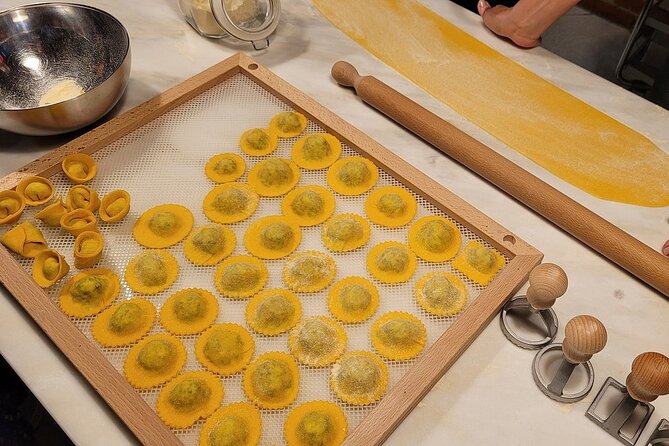
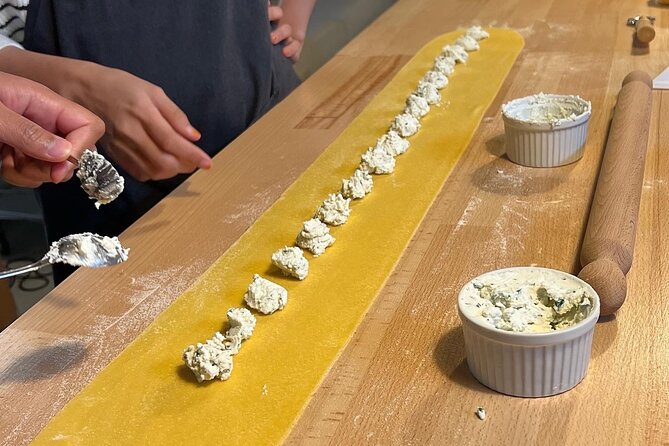
The sample menu centers on ricotta-filled ravioli, fresh fettuccine, and spaghetti alla chitarra. Other traditional shapes may include tortellini and cappelletti. You do not simply receive a plate of each one. You roll, fill, cut, and shape the pasta with guidance from the chef.
Ravioli is often the most detailed part of the lesson. You need enough filling to make the pasta satisfying, but not so much that the edges fail. Butter and sage is a natural match for ricotta-filled pasta because it keeps the dish simple and lets the filling show through.
Fettuccine teaches a different skill: making an even sheet and cutting consistent strands. Spaghetti alla chitarra adds another texture and tool to the lesson. Learning several forms in one session gives you a better sense of how fresh pasta changes with shape, thickness, and sauce.
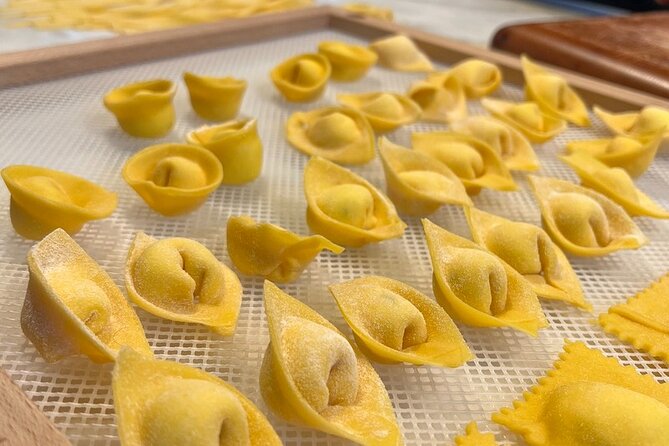
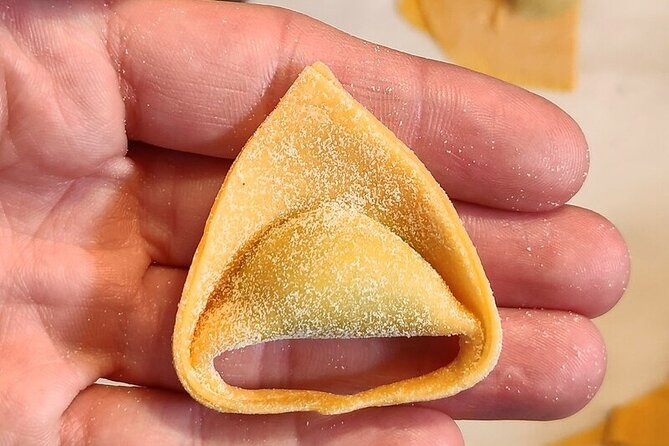
You may also work with tortellini or cappelletti, especially in a class where the chef offers a choice. Those small filled shapes require patience and neat fingers. They are fun to make, but they can take more effort than broad noodles.
The class is suitable for beginners because the chef guides each stage. You should not expect restaurant-level results on your first attempt, but the instruction is meant to make the methods repeatable at home.
Roman sauces are more than an afterthought
The sauce portion adds real value. Many pasta classes teach dough and then pour on a premade sauce. Here, you help prepare several sauces, so you can see how different ingredients change the final dish.
Carbonara gives you a lesson in balance and timing. The sample menu also includes arrabbiata, a tomato sauce with heat, and butter and sage for the ravioli. Other combinations can include cacio e pepe or a gricia-style sauce, with the exact choice affected by the menu and dietary preference.
This range is useful because the sauces cover different techniques. Arrabbiata is direct and bold. Butter and sage is spare and gentle. Cacio e pepe and gricia-style sauces depend on careful mixing and restraint. Carbonara asks you to pay attention to temperature and texture.
The chef also explains the background of classic Roman sauces. That context gives the meal more meaning, but the practical tips are what you are most likely to use later. You leave with methods you can adapt rather than one rigid recipe.
Recipes are provided after the class, and one session included a recipe book sent by mail the following day. Keep the recipes handy when you get home. The real success of a cooking class is not only enjoying dinner in Rome, but being able to repeat part of it later.
More Cooking Classes with Wine Tasting in Rome
- Rome Cooking Class: Make Pasta, Dine & Drink Wine With Local Chef
★ 5.0 · 1,263 reviews - Rome: Combo Pizza and Pasta Cooking Class with Wine
★ 4.6 · 1,180 reviews - Rome: Pasta Making with Wine Tasting and Dinner in Frascati
★ 4.9 · 979 reviews - Super Fun Pasta & Gelato Class by Vatican with Wine + Oil Tasting
★ 5.0 · 726 reviews
Wine, coffee, and the meal you helped create
Once the pasta and sauces are ready, everyone sits down to eat. The wine is complimentary, and coffee is included. The meal is not an extra course tacked onto the end. It is the reward for the work you have just done.
This shared table is one reason the class works well for couples, families, and solo visitors who enjoy meeting people through food. Several participants may arrive as strangers and leave having cooked together for hours. The format naturally creates conversation without forcing a formal social activity.
Come hungry. The menu can include multiple pasta dishes and several sauces, so portions add up. If you are drinking wine, remember that the experience is best treated as a relaxed meal, not as a quick class before another demanding activity.
A few sessions include an opening cheese tasting and prosecco. The standard information promises wine and coffee, so those extras should not be treated as guaranteed at every sitting. The main certainty is that the pasta you make is cooked and served during the class.
What the small group changes
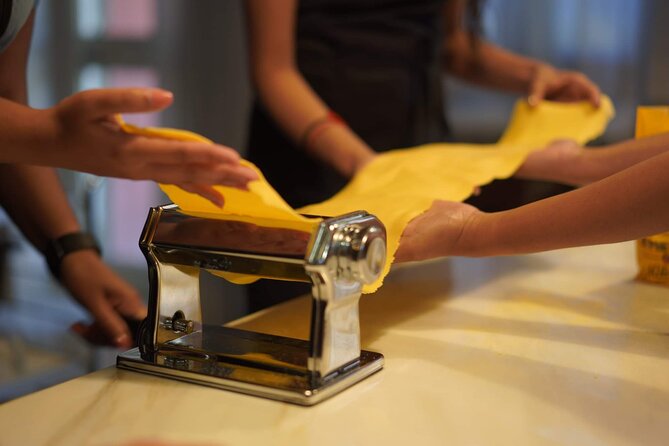
The maximum group size is 10 people. That is large enough for a lively table but small enough for the instructor to watch your technique. You can ask for help with dough texture, pasta thickness, filling, or sauce consistency without waiting through a huge class.
The atmosphere aims to resemble cooking with an Italian family. That means the tone is friendly and informal rather than polished and theatrical. You may work alongside couples, families, or other small parties, and the experience depends partly on the group’s energy.
This format suits you if you want to participate. It is less suited to anyone hoping to sit back while a chef demonstrates a meal. The class involves flour, shaping, mixing, and shared work. You should be ready to get your hands busy.
Private classes are available as an upgrade. A private booking is the better choice if your party needs a customized menu or has serious dietary restrictions. It can also make sense for a family that wants a more flexible pace.
Dietary needs and menu choices
The standard sample menu includes ricotta, butter, and cheese-based sauces, along with traditional pasta. Vegetarian food is available, and the class can adapt the sauce selection according to personal preference in some sessions.
For gluten-free, dairy-free, or vegan cooking, book a private class and discuss the request in advance. Private sessions can also be arranged around gnocchi, tiramisu, risotto, or other special recipes.
Do not wait until arrival to mention an allergy. The provider specifically asks for allergies and dietary restrictions ahead of time. A private class offers the clearest path to a safe, customized menu, but you should still confirm exactly what can be prepared before paying.
Price, demand, and what you receive
The listed price is $95.53 per person. That is not cheap for a meal, but the comparison is not simply with the cost of a plate of pasta in Rome. You are paying for about three hours of instruction, several pasta shapes, multiple sauces, the meal, wine, coffee, and recipes to use later.
The value is strongest if you want a practical skill and a social meal. If you only want to taste Roman pasta, a restaurant costs less and takes less time. If you want to learn how to make ravioli and fresh noodles, the class gives you far more than dinner alone.
The experience is often booked well ahead, with an average booking lead time of 44 days. That suggests you should not leave it until the final day of your Rome planning, especially if your dates are fixed or you want a private class.
Group discounts may be available. Since the class is capped at 10 people, larger family groups should ask about the best arrangement rather than assuming separate bookings will be combined.
Who will enjoy this most
I would recommend this class to couples who want a relaxed evening away from monuments, families with older children or teenagers, and home cooks who enjoy learning by doing. It also works well as a change of pace after several days of museums, churches, and crowded streets.
You do not need advanced cooking skills. The instructors explain the process clearly, and the experience is designed to help beginners succeed. At the same time, an experienced home cook can pick up useful lessons about pasta texture, shaping, sauce balance, and cooking by taste.
It is less ideal if you have a tight schedule, dislike group activities, or need a fully customized menu but do not want to pay for a private class. It is also not a quick photo stop. You need to give it a full three hours and take part.
Booking and cancellation details
Confirmation is issued when you book, and mobile tickets are accepted. The class is offered in English. It ends back at the meeting point, so you do not need to arrange a separate return transfer.
Free cancellation is available until 24 hours before the start time for a full refund. Cancellations or changes made less than 24 hours before the class are not accepted for a refund, and the cut-off follows Rome’s local time.
Should you book the Rome pasta class?
Book it if you want to learn a skill, eat what you make, and spend an easy three hours in the company of a chef and a small group. The strongest reasons are the hands-on work, the three pasta styles, the Roman sauces, and the chance to take the recipes home.
Choose the private option if you need gluten-free, dairy-free, or vegan cooking, or if you want gnocchi, risotto, tiramisu, or another custom menu. If you only have time for a fast meal or prefer to watch rather than cook, spend the money at a good Roman trattoria instead.
For most food-focused visitors, this is a strong use of an afternoon or evening in Rome. Reserve ahead, arrive ready to work with your hands, and leave room afterward for the meal to settle.
FAQ
How long does the Rome pasta-making class last?
The class lasts about three hours, including preparation, cooking, the shared meal, wine, and coffee.
Where does the class meet?
The meeting point is Circonvallazione Gianicolense 418, 00151 Rome. The class may take place at Riccardo’s grandmother’s house or at The Cooking Lab.
What kinds of pasta will I make?
The sample menu includes ricotta-filled ravioli, fettuccine, and spaghetti alla chitarra. Depending on the session, you may also make tortellini, cappelletti, or other traditional pasta shapes.
Which sauces are included?
The sample menu includes carbonara, arrabbiata, and butter and sage sauce. Other sessions may include cacio e pepe or a gricia-style sauce, depending on the menu and dietary preferences.
Is wine included?
Yes. Complimentary wine is included with the meal, and coffee is also provided. Some sessions may include cheese tasting and prosecco.
Can I cancel for a full refund?
Yes. You must cancel at least 24 hours before the start time for a full refund. Cancellations or changes made less than 24 hours before the experience are not accepted for a refund.
More Italian Classes in Rome
- Rome Small Group Pasta Making Class with Wine and Italian Chef
★ 5.0 · 295 reviews - Rome: Neapolitan Pizza Cooking Class in Front of the Vatican
★ 4.8 · 137 reviews - Cooking Class: Pasta & Tiramisu with a Private Italian Chef
★ 5.0 · 46 reviews - Rome: Cooking Class with a Master Neapolitan Pizzaiolo
★ 4.0 · 16 reviews
More Pasta Making Classes in Rome
- 3 in 1 Cooking Class near Navona: Fettuccine, Ravioli & Tiramisu
★ 5.0 · 7,376 reviews - Rome Cooking Class: Make Pasta and 3 Spritz Cocktails
★ 5.0 · 2,937 reviews - Rome: 3-in-1 Fettuccine, Ravioli, and Tiramisu Cooking Class
★ 4.9 · 2,704 reviews - Rome: Fettuccine Pasta Cooking Class in Rome’s City Center
★ 4.8 · 2,414 reviews
Newest classes around Rome
- Testaccio: Home Cooking Cacio e Pepe, Amatriciana, Carbonara★ 4.9 · 57 reviews
- Super Fun Pasta and Gelato Cooking Class by the Vatican★ 5.0 · 6 reviews
- Spritz and Spaghetti Traditional Cooking Class in Rome★ 4.9 · 30 reviews
- ROME:Hands-On Lasagna & Marsala Tiramisu Cooking Experience”★ 5.0 · 3 reviews
- Rome: Vatican Food Tours, Cooking classes & Free Tours★ 4.9 · 11 reviews
- Rome: Trastevere Pasta Making Class★ 4.9 · 33 reviews
- Rome: Small Group Pasta cooking class near Piazza Navona★ 4.9 · 8 reviews
- Rome: Traditional Cooking Class in the Jewish Ghetto★ 4.9 · 75 reviews
Rome Cooking Classes, compared.
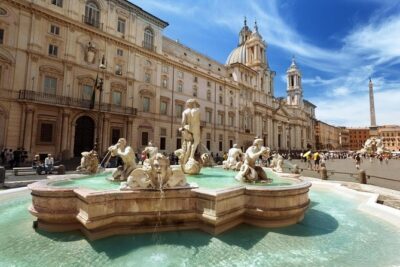
3 in 1 Cooking Class near Navona: Fettuccine, Ravioli & Tiramisu
Read our review →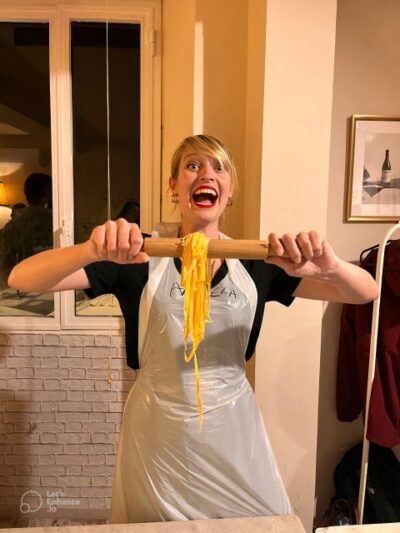
Pasta Making Class with Wine, Limoncello, and Dessert
Read our review →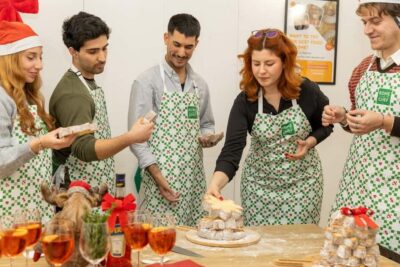
Rome Cooking Class: Make Pasta and 3 Spritz Cocktails
Read our review →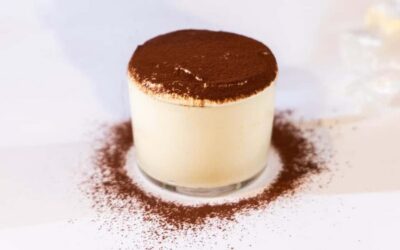
3-in-1 Fettuccine, Ravioli, and Tiramisu Cooking Class
Read our review →
Fettuccine Pasta Cooking Class in Rome’s City Center
Read our review →
Fettuccine & Tiramisù: Cooking Class with Wine & Limoncello
Read our review →
Pasta Cooking Class Near the Colosseum with 3 Spritz Cocktails
Read our review →