
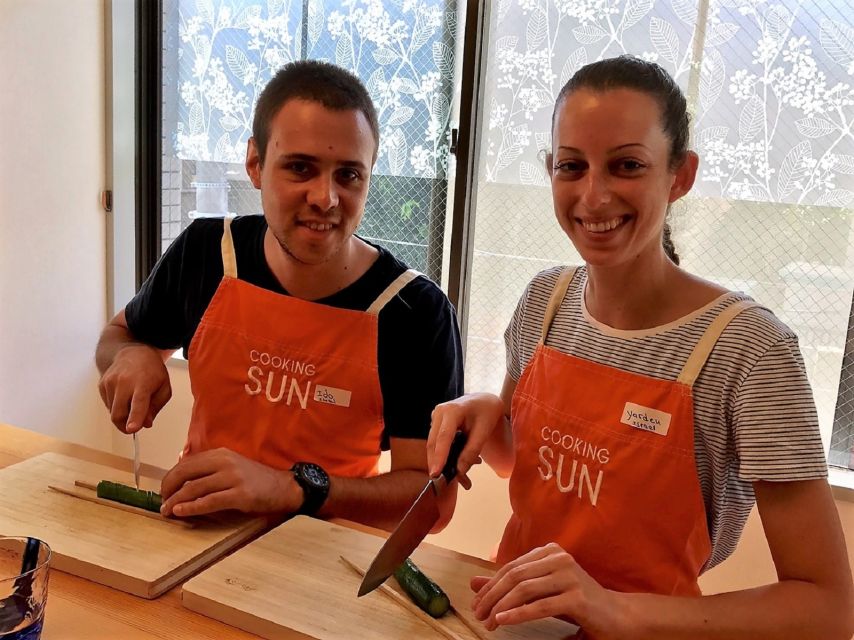
Review · TOKYO COOKING CLASSES
Tokyo: Wagyu and 7 Japanese Dishes Cooking Class
The best part of this class is that Wagyu is only the beginning. You prepare a broad Japanese meal, from dashi-based soup and rolled omelette to cucumber salad, tofu, sukiyaki, and dorayaki pancakes. It gives you more than a taste of luxury beef. You get a practical look at the everyday building blocks of Japanese cooking.
I like the friendly, patient instruction and the clean, homey studio. I also like that the recipes are realistic for home kitchens, with useful advice on finding Japanese ingredients and making substitutions abroad. The main drawback is simple: the studio sits in a residential building and can be tricky to find, so you need to allow extra time for directions.
Key points to know before booking
- Wagyu sukiyaki is the centerpiece: You cook and eat tender beef in a Japanese hotpot-style dish.
- Seven Japanese dishes fill the three-hour class: The menu covers soup, vegetables, meat, side dishes, and dessert.
- English instruction stays practical: Instructors explain methods, ingredients, food customs, and the background of each dish.
- The class suits beginners: The recipes are hands-on but not technically demanding, with demonstrations before you cook.
- The group is small: A maximum of eight participants makes it easier to ask questions and get help.
- The $67 price includes the meal: Ingredients, utensils, recipes, apron, towel, and welcome tea are included, but transportation is not.
What this Tokyo cooking class is really about
Many Tokyo cooking classes focus on sushi. This one takes a broader route. You work with familiar Japanese staples such as dashi, miso, tofu, rice flour, sesame, ginger, edamame, and Wagyu beef.
That matters because Japanese home cooking is not just raw fish or restaurant presentation. It is also soup, small side dishes, simple vegetables, simmered foods, and a carefully balanced meal. I like that this class shows you how several modest components come together to make a satisfying Japanese table.
The pace is active, but the recipes are designed for ordinary cooks. You are not expected to master restaurant-level knife work or complicated plating. One participant specifically noted that the class is less about advanced cutting techniques and more about learning how Japanese ingredients are combined and seasoned.
You should expect about two and a half hours of cooking within a three-hour experience. The remaining time allows for eating the food you have prepared and enjoying the relaxed social side of the class.
More Sushi and Japanese Classes in Tokyo:
- Ramen & Gyoza Cooking Class in Tokyo with Local Supermarket Visit
★ 5.0 · 823 reviews - Tokyo Tsukiji Fish Market Tour and Sushi Making Lesson
★ 5.0 · 390 reviews - Tokyo: Easy Ramen Cooking Experience in Kabukicho, Shinjuku
★ 4.6 · 321 reviews
Entering the residential studio near Shinanomachi
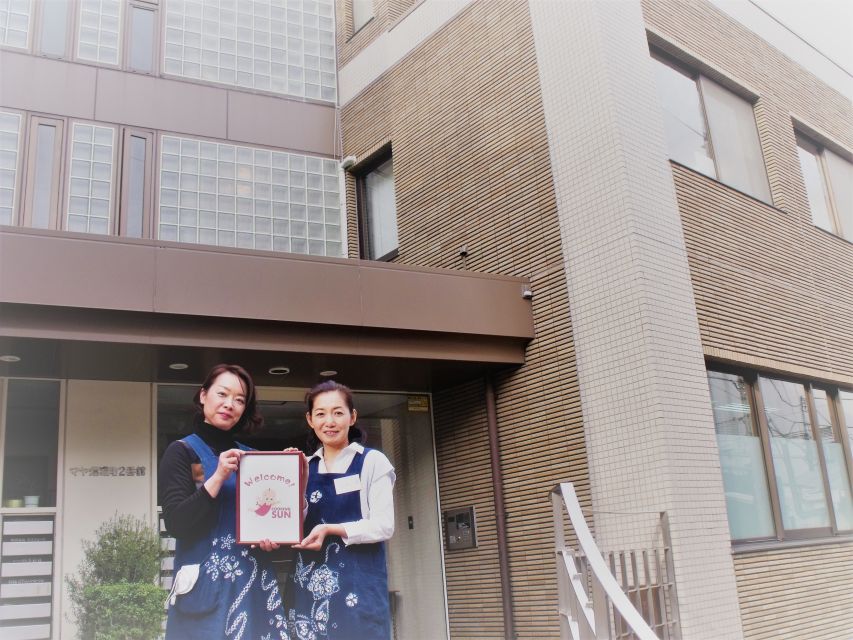
Cooking Sun Tokyo is located at Shinanomachi 18-39 in Shinjuku-ku, in a quiet residential area. This is not a shopfront that you will spot instantly on a busy commercial street.
The studio is on the second floor of a beige residential building. At the entrance, you will see two doors. Use the door on the right, then press 314 on the intercom to call the studio.
I would not leave this detail until the last minute. If you have mobile data, search Google Maps for Cooking Sun Tokyo rather than relying only on the street address. Without Wi-Fi, check the detailed directions before leaving your hotel and save them where you can read them offline.
This location has a small benefit: you see a quieter residential side of Tokyo that you might otherwise miss. It also creates the one real arrival nuisance. If you come by private vehicle, do not wait in front of the building or block the neighborhood. Your driver should use a nearby coin-operated parking lot.
The opening lesson: dashi, miso, and Japanese flavor
The class begins with an introduction to the ingredients and the menu. English-speaking instructors explain what you are using and how each item fits into Japanese cooking.
One of the most useful lessons is making dashi from scratch for miso soup. Dashi is a foundation of Japanese cooking, and learning to make it gives you a better sense of why Japanese soups and sauces taste so savory without being heavy.
You also get a chance to compare different kinds of miso. One participant singled out the difference between red miso and white miso as a question they had always wanted answered. This is exactly the kind of small, useful information that makes the class worth doing early in your Japan trip.
The instructors also explain food customs and the way a Japanese meal is arranged. You learn not only how to cook the food, but also what to say before and after eating and how the dishes relate to one another.
Seven dishes, seven different cooking lessons
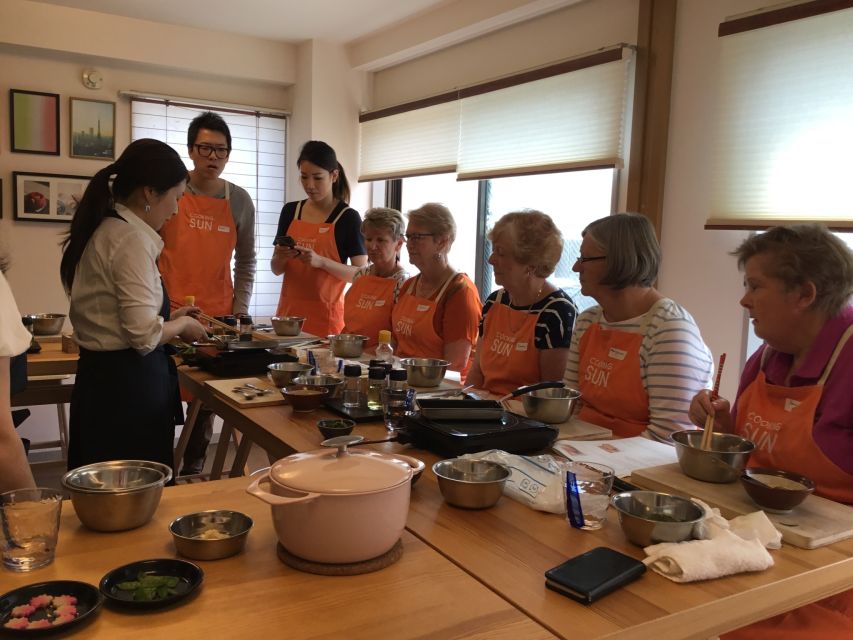
The menu is presented as a Wagyu and seven Japanese dishes class, with eight preparations described in the course information. The exact selection can reflect seasonal ingredients, but the examples give you a good idea of the range.
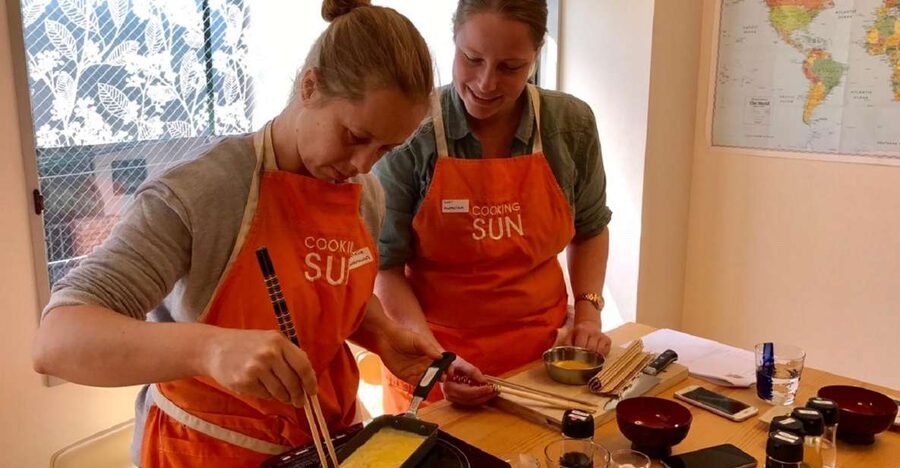
You may roll your own Japanese omelette, prepare an accordion-cut cucumber salad, and make a sesame potato salad. These dishes are useful because they show how Japanese meals use texture and seasoning to keep simple vegetables interesting.
The soup lesson centers on dashi and miso. You might also prepare tofu stuffed with ground chicken, ginger, and edamame, a dish that teaches you how Japanese cooking can combine soft textures with a savory filling.
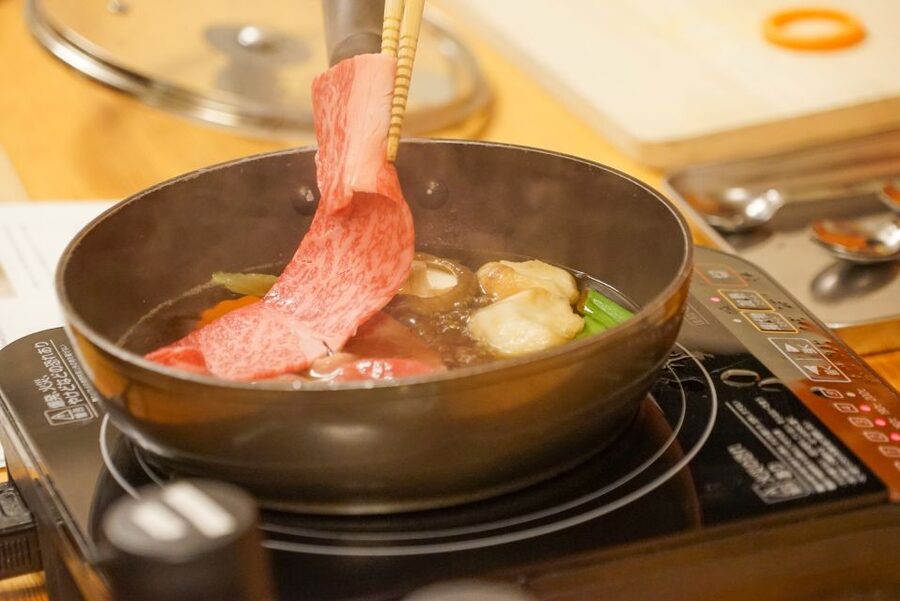
The Wagyu dish is sukiyaki, a hotpot-style preparation that lets the beef remain the star. The meat is tender and flavorful, but the class also helps you understand how the sweet and savory seasoning works with the other ingredients.
Dessert may be dorayaki made with rice flour pancakes. This gives the meal a clear finish and keeps the menu from becoming an all-savory exercise.
I appreciate the balance here. You are not spending three hours on one narrow skill. You move through soup, eggs, vegetables, tofu, beef, and sweets. That variety also makes the final meal feel like a proper Japanese spread rather than a single cooking demonstration.
More Cooking Classes in Tokyo:
- Ramen and Sushi Cooking Class with Sake Pairing Set in Tokyo
★ 5.0 · 291 reviews - Tokyo Washoku 4-hour Cooking Class: From Market to Table
★ 5.0 · 253 reviews - Small-Group Wagyu Beef and 7 Japanese Dishes Tokyo Cooking Class
★ 5.0 · 190 reviews - Private Home Cooking in Yanaka – Local Flavors in a Warm Setting
★ 5.0 · 173 reviews
Cooking alongside Yuki, Yuko, Kaori, and the team
The instructors are one of the strongest parts of the experience. The class uses English, and the teaching style is step by step rather than rushed.
Names mentioned by participants include Yuki, Yuko, Kaori, and Bifuka, although the exact teaching team can vary. You can expect local instructors to demonstrate each preparation, explain the ingredients, and then let you try it yourself.
The tone is encouraging. You get help with practical tasks, and the instructors keep an eye on timing while preparing and cleaning the work area. Several instructors may be present, which helps keep a group moving through several dishes without turning the lesson into a long wait.
The cultural explanations add value. You hear about the background of ingredients and dishes, not just a list of cooking steps. That makes the meal easier to remember and gives you context for dishes you may order later in Japan.
The group limit of eight is important. It is large enough to meet other people, but small enough for the instructors to answer questions and help when you need it. Solo visitors can join without feeling out of place, and couples, families, and teenagers can all take part.
The Wagyu course and the meal at the end
Wagyu is the headline ingredient, and the sukiyaki course gives you a proper chance to appreciate it. You do not simply watch someone cook a premium cut and place it in front of you. You take part in preparing the dish, then eat it as part of the meal you made.
The beef is especially appealing for anyone who wants to compare Japanese Wagyu with beef served at home. One participant felt the Wagyu here was more tender and flavorful than beef they had eaten in a restaurant during the same trip.
Still, keep your expectations sensible. This is a cooking class, not a dedicated Wagyu tasting. The beef is one part of a large meal, and the point is to understand how it works in sukiyaki alongside the other ingredients.
By the end, you sit down and eat the dishes prepared during the lesson. This is a satisfying finish because you can see the entire meal at once, taste how the flavors balance, and enjoy the results while the cooking is still fresh in your mind.
You may want to arrive hungry, but not uncomfortably so. The menu is substantial, and you will be eating several courses after working through them.
Why the recipes are useful after your trip
A good cooking class should give you something to take home besides a full stomach. This one includes recipes, and the dishes are intended to be manageable outside a professional kitchen.
The instructors offer suggestions for finding ingredients and making substitutions in other countries. That is useful if your local supermarket does not carry the exact miso, flour, or seasonings used in Tokyo.
I also like that the menu includes everyday food rather than only dishes most visitors already know. You learn how to prepare Japanese-style meals that can fit into regular home cooking.
The recipes are not meant to turn you into a chef in one morning. If you want advanced knife training, professional plating, or a highly technical lesson, this may feel too easy. If you want a clear introduction to Japanese flavors and repeatable dishes, the level is about right.
The value of $67 for three hours
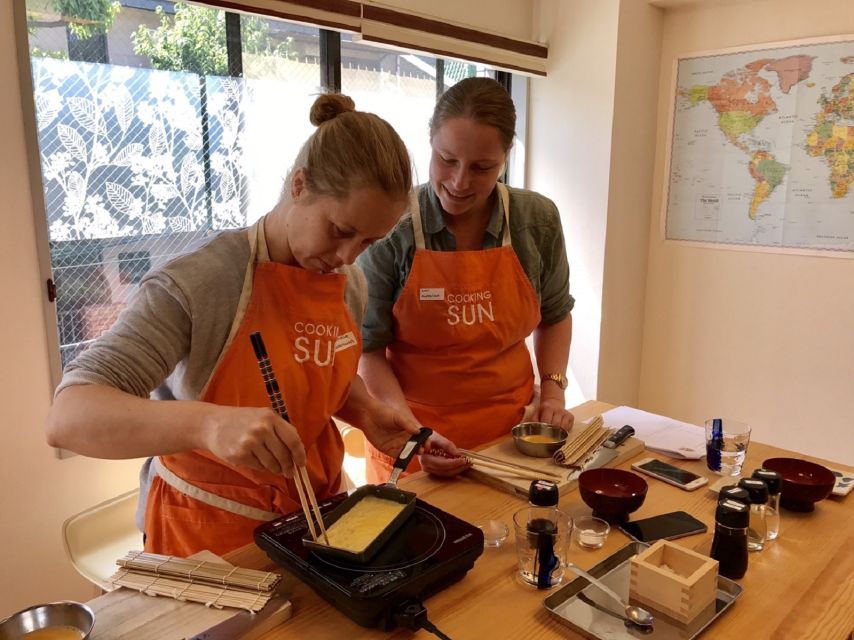
At $67 per person, the class offers good value for a three-hour activity. The price includes the ingredients, utensils, recipes, welcome tea, apron rental, and towel rental. It also includes the meal you prepare, which makes the comparison with a standard Tokyo lunch more favorable.
The real value is the range. You receive instruction in several dishes, not just a short demonstration, and you leave with recipes and techniques that can be used again.
The small group adds to that value because you are not watching from the back of a crowded room. With a maximum of eight participants, the experience has room for questions and personal guidance.
Transportation is not included, so you need to make your own way to Shinanomachi. That is normal for a city cooking class, but budget a little extra time for finding the residential building.
The booking terms are also flexible. You can cancel up to 24 hours before the class for a full refund, and the reserve-now, pay-later option lets you keep your schedule open.
Who will enjoy this class most
I would recommend this class to first-time visitors who want a useful introduction to Japanese food. It works particularly well near the start of a Japan trip because the lessons can help you recognize ingredients and dishes during the rest of your visit.
It is also a good pick for people who do not eat fish. The menu contains meat, tofu, vegetables, soup, and sweets, and substitutions can be arranged for dietary needs.
Couples, families with older children, solo visitors, and groups of friends can all fit comfortably into the format. The hands-on work gives everyone something to do, while the shared meal creates an easy way to talk with other participants.
You should state allergies, vegetarian preferences, gluten-free needs, religious restrictions, or other dietary requirements when booking. The instructors can substitute ingredients, but they need that information ahead of time.
This is less suitable if your only goal is sushi, advanced culinary training, or a quiet private meal. It is also not ideal if you dislike group activities or want to spend the entire class focused on Wagyu alone.
Practical details that make the morning easier
Wear clothes you can cook in and arrive with enough time to locate the studio. The building entrance is the part most likely to cause delay, not the cooking itself.
The class includes apron and towel rental, so you do not need to pack those. Ingredients and utensils are supplied, and you receive a welcome tea before getting started.
The studio has been described as clean, bright, and well organized. Good knives, pans, tables, and utensils are available, so you are not trying to cook with makeshift equipment.
The class lasts three hours, with roughly two and a half hours devoted to preparation. Starting times vary, so check availability when choosing your date.
Should you book the Cooking Sun Wagyu class?
You should book it if you want to understand Japanese food beyond sushi and restaurant dining. For $67, you get Wagyu, seven Japanese dishes, English instruction, a small group, recipes, and a substantial meal.
I especially recommend it for beginners, solo visitors, families, and anyone planning to cook Japanese food at home. Book it early in your trip if you want the lessons to shape what you order and notice later.
Skip it if you want advanced technique training or a dedicated beef tasting. Otherwise, allow extra time for the residential meeting point, share your dietary needs in advance, and arrive ready to cook. This is a practical, friendly way to turn a Tokyo meal into a skill you can carry home.
FAQ
How long does the Tokyo Wagyu cooking class last?
The experience lasts three hours. About two and a half hours are spent learning and preparing the dishes, followed by time to eat the meal.
How many dishes do you make?
The class is described as a Wagyu and seven Japanese dishes experience, with eight preparations in total. The menu can include appetizers, dashi-based soup, side dishes, a meat course, and dessert.
Is the class taught in English?
Yes. The instructors provide English instruction and explain the cooking steps, ingredients, and cultural background of the dishes.
What is the maximum group size?
The class is limited to eight participants, making it a small-group activity.
Is Wagyu included in the meal?
Yes. Wagyu beef is the main highlight and is prepared as a sukiyaki hotpot-style dish.
Are recipes and ingredients included?
Yes. The price includes recipes, all ingredients, utensils, a towel, apron rental, and welcome tea.
Can the class accommodate dietary requirements?
Yes. Ingredient substitutions can be arranged for allergies, gluten-free diets, religious restrictions, vegetarian preferences, and other dietary needs. Tell the provider when booking.
How do you find the studio?
Search Google Maps for Cooking Sun Tokyo at Shinanomachi 18-39, Shinjuku-ku, Tokyo. The studio is on the second floor of a beige residential building. Use the right-side entrance door and press 314 on the intercom.
Is transportation included?
No. Hotel pickup and transportation are not included. You must make your own way to the studio.
Newest classes around Tokyo
- Tokyo: Sushi roll and side dish cooking experience★ 5.0 · 2 reviews
- Tokyo: Sushi Making Experience & Japanese Cooking Class★ 5.0 · 2 reviews
- Tokyo: Sushi Cooking Class with Sake Tasting★ 4.8 · 55 reviews
- Tokyo: Real Ramen & Dumpling Cooking with Master Chef★ 5.0 · 10 reviews
- Tokyo: Sushi and Ramen Cooking Class with Sake Pairing Set★ 5.0 · 81 reviews
- Tokyo: Kawaii Bento Cooking Class – Cute Character Lunchbox★ 4.9 · 55 reviews
- Tokyo: Gyoza Making from Scratch – Ultimate Cooking Class★ 5.0 · 2 reviews
- Tokyo: Night Cooking Class: 5 Home-Cooked Japanese Dishes★ 4.9 · 13 reviews
Tokyo Cooking Classes, compared.

Ramen & Gyoza Cooking Class in Tokyo with Local Supermarket Visit
Read our review →
Tokyo Tsukiji Fish Market Tour and Sushi Making Lesson
Read our review →
Easy Ramen Cooking Experience in Kabukicho, Shinjuku
Read our review →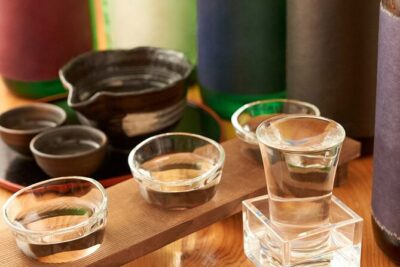
Ramen and Sushi Cooking Class with Sake Pairing Set in Tokyo
Read our review →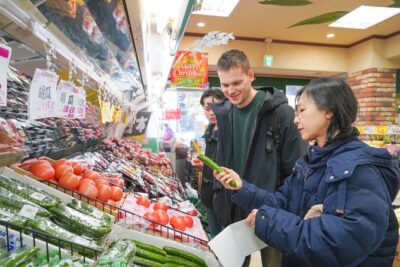
Tokyo Washoku 4-hour Cooking Class: From Market to Table
Read our review →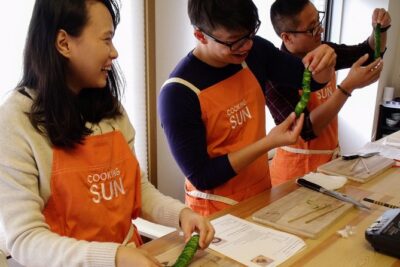
Small-Group Wagyu Beef and 7 Japanese Dishes Tokyo Cooking Class
Read our review →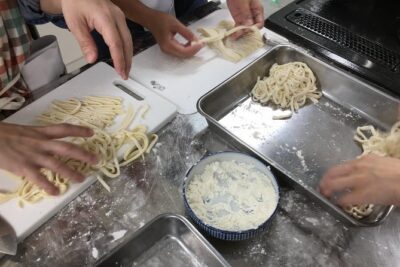
Private Home Cooking in Yanaka – Local Flavors in a Warm Setting
Read our review →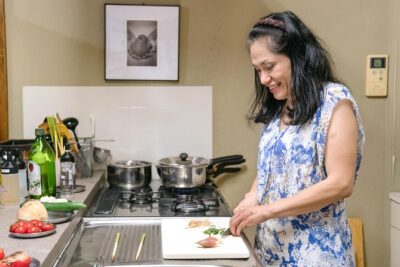
Unique Private Cooking Class with a Tokyo Local Emi
Read our review →Browse the lists this tour appears in