
Review · TOKYO COOKING CLASSES
Takoyaki cooking experience in Kabukicho, Shinjuku
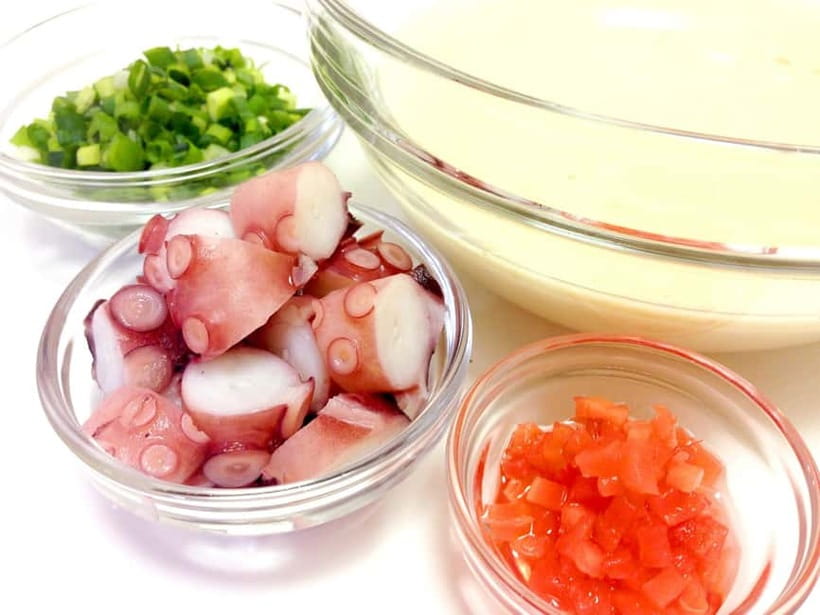
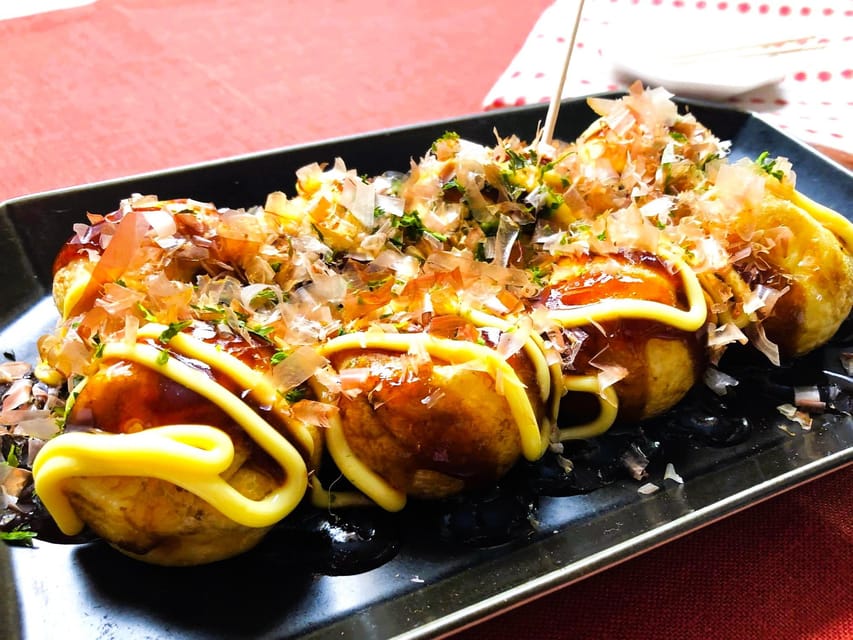
Takoyaki is not just a snack you buy from a street stall. In this one-hour Kabukicho class, you make the round octopus dumplings yourself, watch the batter set, turn each piece, then eat it piping hot with sauce, mayonnaise, bonito flakes, and green laver. I like the small group size and the chance to cook a real Japanese comfort food rather than simply photograph it.
I also like the location, just five minutes from Shinjuku Station and close to the Godzilla head and TOHO Cinemas. Guides including Chihiro, Sakiko, Shuma, Koi, and Kai have been praised for friendly, personal help. The main consideration is heat: the takoyaki comes straight from the griddle, and children under four cannot join. People with gluten intolerance should also skip this experience.
Key points about the Kabukicho takoyaki class
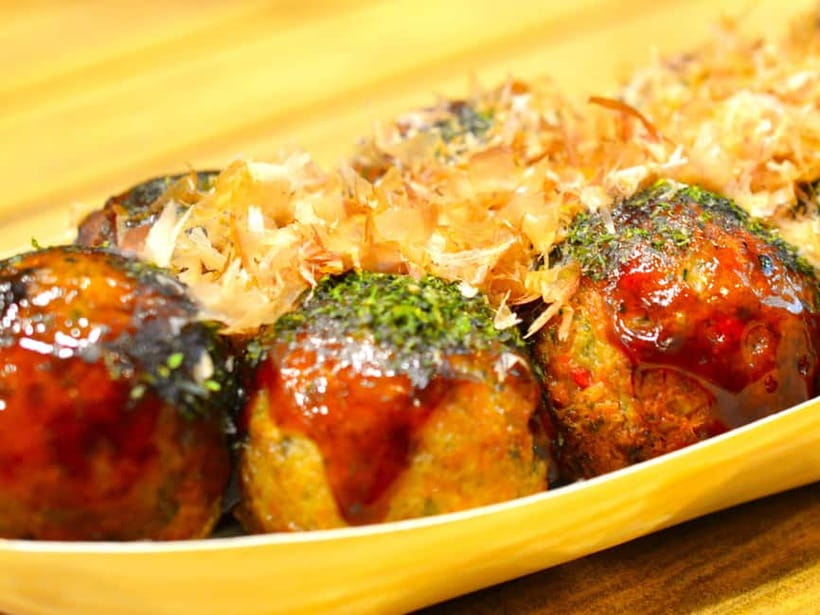
- Turn your own takoyaki: You pour the batter, add chopped octopus, and shape the dumplings into rounds as they cook.
- Small six-person maximum: The limited group gives the instructor room to help with the tricky turning stage.
- A meal is included: Your cooked takoyaki is served hot with classic toppings, while bottled drinks and extra food cost more.
- Easy Shinjuku location: Walk about five minutes from the JR Yamanote Line’s Shinjuku Station along Kabukicho Central Road.
- Friendly language support: Instruction is offered in English and Japanese, with a translation machine used when needed.
- Good family option for older children: Children aged four and above can join, and one family reported careful attention to kitchen safety.
What you actually do during the one-hour class
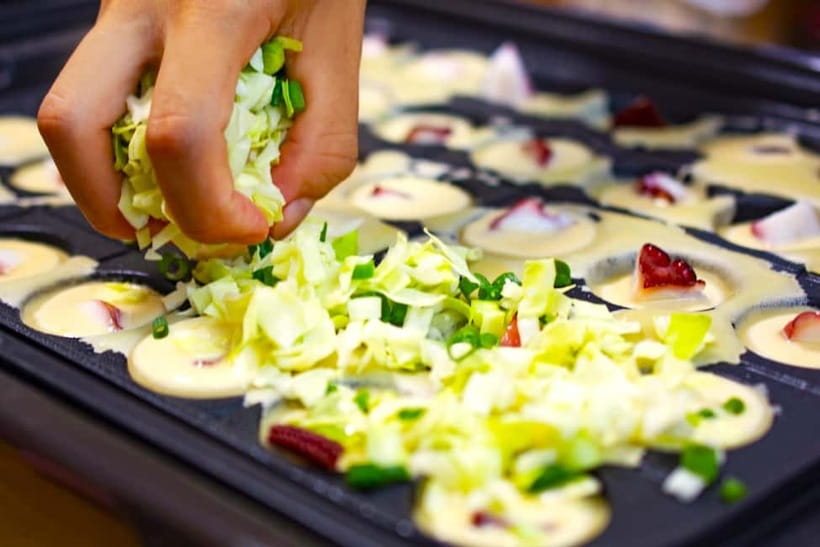
The class centers on a simple Japanese dish with a surprisingly hands-on technique. Takoyaki begins as a loose batter made from flour, water, and eggs. That batter goes into the round wells of a special griddle, followed by chopped octopus. Your job is to cook the mixture and turn it until each piece becomes a neat ball.
This sounds easy until you try it. The batter starts soft and spills across the spaces between the wells. As it cooks, you use a pick or similar tool to draw the edges inward and rotate the piece. The goal is a browned outside with a soft, fluffy center. The class gives you a chance to learn that motion instead of simply watching someone else do it.
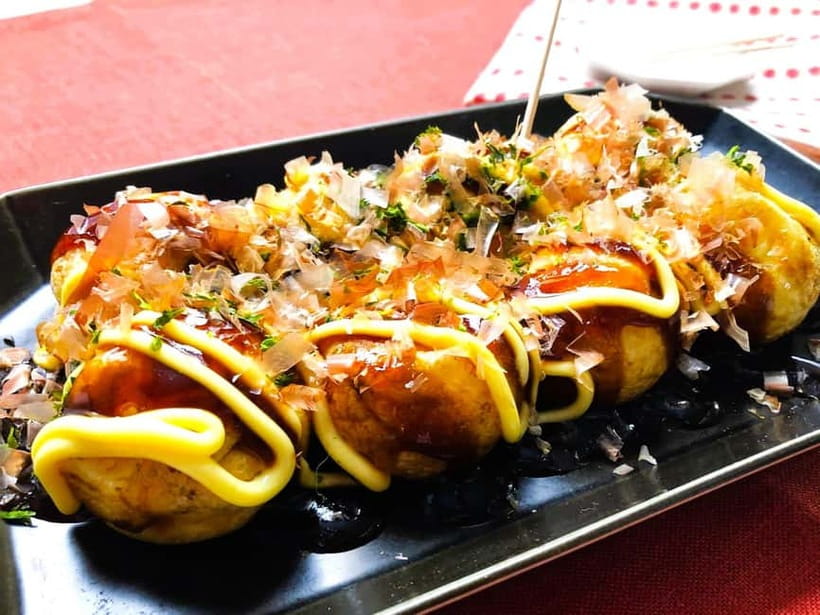
Once the takoyaki is ready, it goes onto a plate while still hot. The usual finish includes sauce, mayonnaise, dried bonito flakes, and aonori, also called green laver. The combination gives you sweet, savory, creamy, salty, and seaweed flavors in one bite.
I would not rush the first piece. Fresh takoyaki can be much hotter inside than it looks, so let it cool briefly before eating. That small pause matters, especially when you are cooking with children.
The experience ends after you finish eating. It is not a long restaurant meal or a full cooking course with several dishes. That focused format is useful if you have a packed day in Shinjuku and want one memorable food activity without giving up an entire afternoon.
More Cooking Classes in Tokyo:
- Ramen & Gyoza Cooking Class in Tokyo with Local Supermarket Visit
★ 5.0 · 823 reviews - Tokyo: Easy Ramen Cooking Experience in Kabukicho, Shinjuku
★ 4.6 · 321 reviews - Ramen and Sushi Cooking Class with Sake Pairing Set in Tokyo
★ 5.0 · 291 reviews
Why making takoyaki is more fun than simply ordering it
Takoyaki is common across Japan, especially at casual food stands, festivals, shopping streets, and neighborhood restaurants. Ordering a tray takes only a moment. Making it yourself shows you the skill hidden inside that quick snack.
The cooking process is social. You are watching the batter change, checking which pieces are ready, and laughing at the first few uneven shapes. A perfect round is satisfying, but an imperfect one still tastes good. That makes this a low-pressure class for beginners.
The dish also connects well with everyday Japanese food culture. Takoyaki is often described as Japanese soul food because it is warm, filling, inexpensive, and easy to share. You are not preparing an elaborate ceremonial dish. You are learning something ordinary and beloved, which can tell you more about daily eating in Japan than a formal meal sometimes can.
I especially like that the meal is part of the activity rather than an extra charge for a separate course. At $25 per person, you are paying for instruction, the cooking setup, the takoyaki meal, and a small-group experience in central Tokyo. Bottled drinks, extra meals, and transportation are not included, so plan on paying separately if you want more food or drinks.
A small group makes the turning stage easier
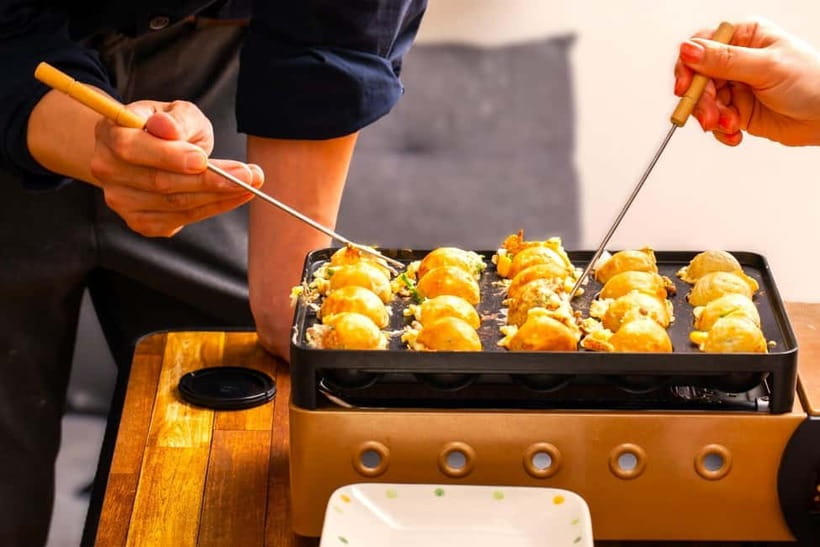
The class is limited to six participants. That number matters because the difficult part of takoyaki is not pouring the batter. It is knowing when and how to turn the pieces without tearing them apart.
A small group gives the guide a chance to show you the motion and correct your timing. It also keeps the session more personal than a large demonstration. Karl from Australia described receiving personalized service and starting as soon as he arrived, while other participants enjoyed chatting with the staff during the cooking.
The instructors named in the feedback include Chihiro, Shuma, Sakiko, Koi, and Kai. Sakiko was described as making the lesson feel like cooking with a friend while having a drink. Koi and Kai helped connect the food lesson with Japanese culture and casual conversation. Chihiro and Shuma were singled out for friendly, clear assistance.
Staff can speak English or Japanese. You should still expect that the level of spoken English may vary by instructor. If someone helping you is not fluent in English, a translation machine is used. That may make the conversation slower, but it also means you have a practical way to follow the instructions.
The small group setting is a good match for solo visitors, couples, families, and friends. It may be less suitable if you want a quiet meal with no participation. This is a cooking activity first, and the food comes as the reward.
Cooking with children: fun, but keep an eye on the heat
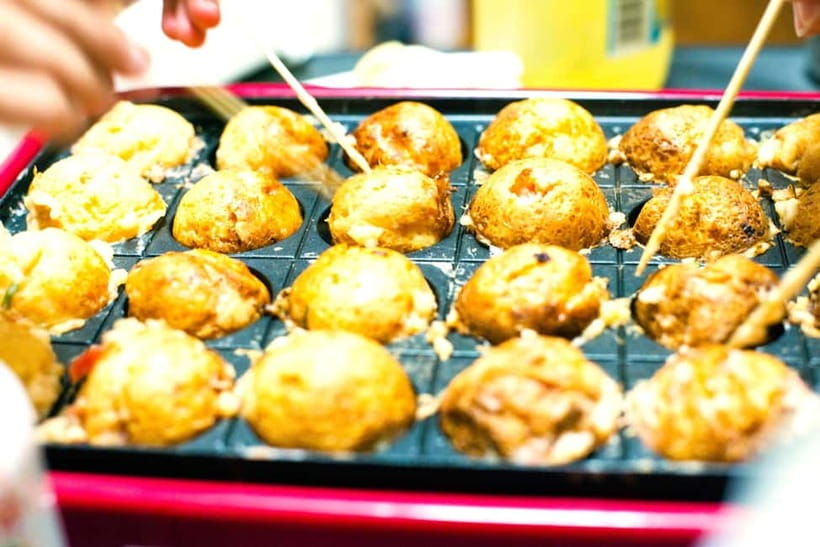
Children aged four and above can join. One family came with two children and found that the staff took care to help keep them safe. That is encouraging, but the hot griddle still requires adult attention.
Takoyaki cooking involves hot metal and food that stays hot in the middle. Younger children may enjoy adding ingredients and watching the shapes form, while an adult or instructor may need to handle the turning and serving. The activity works best when everyone understands that this is a kitchen class, not a hands-off demonstration.
The one-hour length is also family-friendly. It is long enough to feel like a proper activity, but short enough for children who lose patience during extended lessons. If your child is under four, this experience is not suitable.
The flour-based batter also rules it out for people with gluten intolerance. The ingredients listed include flour, water, eggs, and octopus, but no separate gluten-free preparation is promised. If that restriction applies to you, choose another food activity.
Same region, a different dish to learn:
- Tokyo Tsukiji Fish Market Tour and Sushi Making Lesson
★ 5.0 · 390 reviews - Tokyo: Wagyu and 7 Japanese Dishes Cooking Class
★ 4.9 · 273 reviews - Tokyo Washoku 4-hour Cooking Class: From Market to Table
★ 5.0 · 253 reviews - Small-Group Wagyu Beef and 7 Japanese Dishes Tokyo Cooking Class
★ 5.0 · 190 reviews
Getting to 1-14-5 Kabukicho from Shinjuku Station
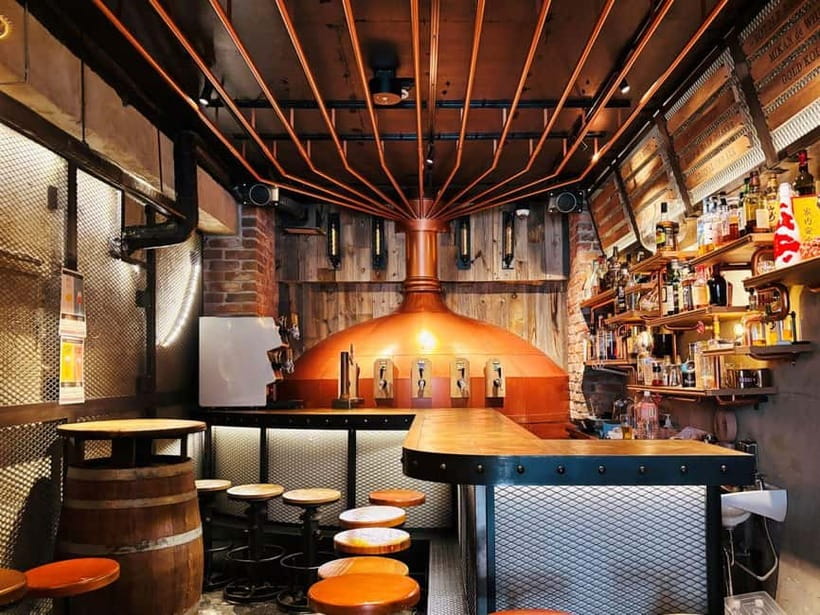
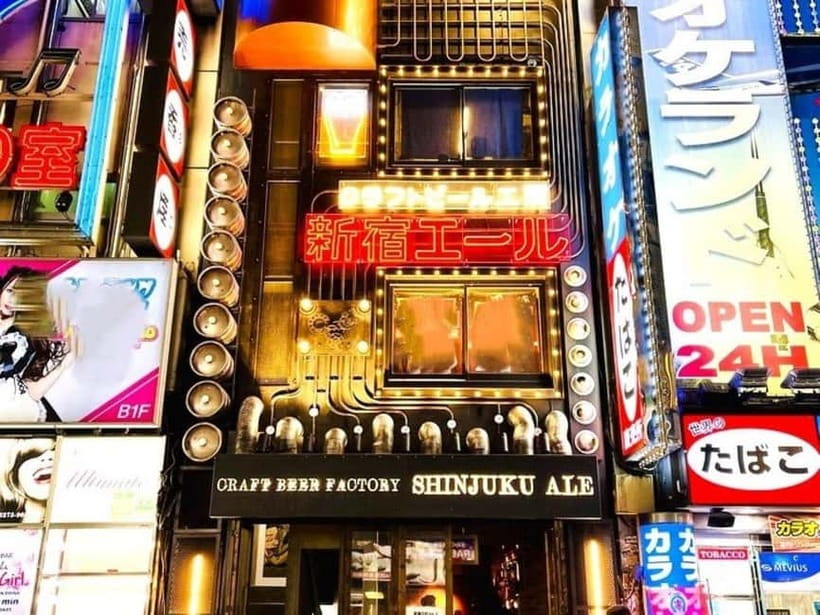
The meeting point is about five minutes from Shinjuku Station on the JR Yamanote Line. Walk along Kabukicho Central Road toward TOHO Cinemas. Before reaching the end of the road, look for Shinjuku Ale beside Karaoke 747 on the right.
The address is 1-14-5 Kabukicho, Shinjuku-ku, Tokyo. The Google Plus Code is MPV2+VR Shinjuku City, Tokyo. I would save both the street address and the Plus Code before setting out, since Kabukicho has many signs, lanes, and entertainment businesses close together.
The location is useful for building a larger Shinjuku plan. You can pair the class with a visit near TOHO Cinemas, then take photos of the Godzilla head afterward. One participant specifically appreciated being very close to Godzilla for pictures. The meeting point is central, but you still need to find the correct business rather than simply heading toward the general Kabukicho area.
Transportation is not included. Since the activity is close to the station, most people will simply walk, but any train fare or other transport cost remains your responsibility.
What the finished takoyaki tastes like
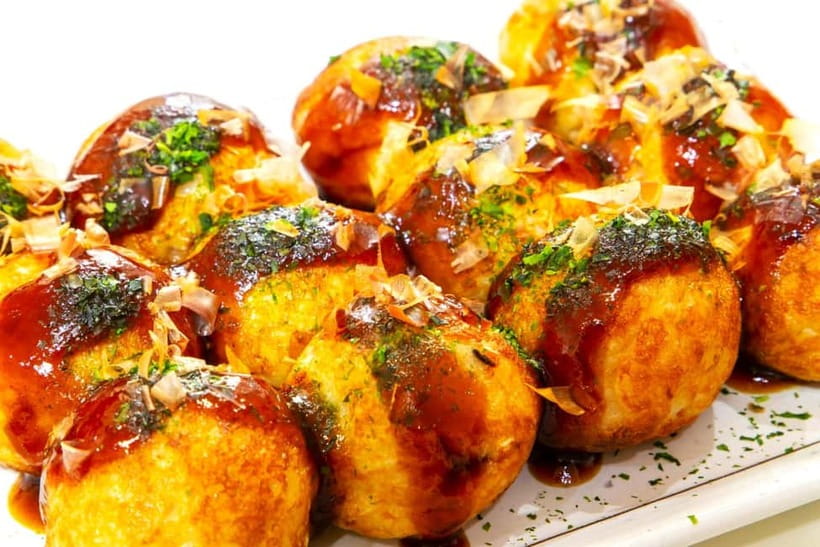
Properly cooked takoyaki gives you two textures. The outside should have some browning and light crispness, while the inside stays soft and fluffy. The octopus adds a firm, savory center.
The toppings complete the dish. Sauce brings sweetness and salt, mayonnaise adds richness, dried bonito contributes a smoky seafood note, and aonori supplies a light seaweed flavor. The result is messy in the best way, especially when the toppings begin to soften over the hot dumplings.
Takoyaki pairs well with beer, although drinks are not included. Bottled drinks and additional food must be purchased separately. The included meal should satisfy you as a light lunch or snack, but the experience is not advertised as a large multi-course meal.
You may find that the first few pieces are more irregular than those made by an experienced cook. That is part of the appeal. The instructor can help you improve the shape, but this is not a test of kitchen skill. You leave with the basic method and the memory of making the food yourself.
The value of $25 in central Tokyo
At $25 per person, this is reasonably priced for a one-hour, instructor-led food activity in central Tokyo. You are not paying only for ingredients. The price also covers the cooking equipment, guidance, a small group, and the meal you prepare.
The value is strongest if you want interaction. If you only want to eat takoyaki, a food stall or casual restaurant will usually be faster and may cost less. If you want to understand how the dish is made, practice the turning technique, and speak with a local guide, the class gives you something a quick order cannot.
The price does not include bottled drinks, extra meals, or transport. Keep that in mind if you are planning a full evening in Kabukicho. You may want to treat the class as a snack and cultural activity rather than your only meal of the day.
There is also some booking flexibility. You can reserve now and pay later, and cancellation is free up to 24 hours in advance for a full refund. Starting times vary, so check availability for your chosen date.
Who will get the most from this experience
I would choose this class for you if you want a short, practical food experience between sightseeing stops. It suits people who enjoy learning by doing, even if their cooking skills are basic.
It is also a good fit for:
- Families with children aged four or older
- Couples looking for a relaxed activity in Shinjuku
- Solo visitors who want a small group and easy conversation
- First-time visitors who want to try a familiar Japanese dish in a new way
- Food fans who want to learn a technique they can remember after the trip
- People with a free hour before or after visiting the Kabukicho area
I would be more cautious if you have gluten intolerance, dislike octopus, need a fully fluent English lesson, or want a substantial meal. The activity is focused, hot, and hands-on. It is not designed for dietary customization based on the information provided.
The 4.8 rating from 36 reviews reflects a clear pattern in the experience: friendly instructors, tasty food, relaxed help, and easy instruction. The most praised feature is the staff’s personal attention. That matters more here than polished presentation, because the success of the class depends on someone helping you at the griddle at the right moment.
Should you book the Kabukicho takoyaki experience?
Book it if you want to make a Japanese comfort food yourself and have only an hour to spare. The $25 price is fair for a small group, an included meal, and instruction in a central Shinjuku location.
The strongest reasons to book are the hands-on cooking, the friendly personal guidance from instructors such as Sakiko, Chihiro, Shuma, Koi, and Kai, and the easy location near TOHO Cinemas and Godzilla. Families should appreciate the short format and careful attention around children.
Skip it if you cannot eat gluten, need a large meal, or prefer simply ordering food without cooking. For everyone else, this is a cheerful, useful way to turn a common Japanese snack into a real food memory.
FAQ
How long does the takoyaki cooking experience last?
The experience lasts about one hour and ends after you finish eating the takoyaki you make.
How much does the activity cost?
The listed price is $25 per person.
What does the price include?
The price includes the takoyaki cooking experience and the meal.
Are drinks included?
Bottled drinks are not included. Additional meals and drinks also cost extra.
Where is the meeting point?
The meeting point is at 1-14-5 Kabukicho, Shinjuku-ku, Tokyo, about five minutes from Shinjuku Station on the JR Yamanote Line. Walk along Kabukicho Central Road toward TOHO Cinemas and look for Shinjuku Ale beside Karaoke 747 on the right. The Google Plus Code is MPV2+VR Shinjuku City, Tokyo.
Is the activity available in English?
The listed languages are English and Japanese. If a staff member is not fluent in English, a translation machine is used.
Can young children join the class?
Children under four years old cannot join. Children aged four and above may participate, and the class information advises care around the hot cooking equipment.
Newest classes around Tokyo
- Tokyo: Sushi roll and side dish cooking experience★ 5.0 · 2 reviews
- Tokyo: Sushi Making Experience & Japanese Cooking Class★ 5.0 · 2 reviews
- Tokyo: Sushi Cooking Class with Sake Tasting★ 4.8 · 55 reviews
- Tokyo: Real Ramen & Dumpling Cooking with Master Chef★ 5.0 · 10 reviews
- Tokyo: Sushi and Ramen Cooking Class with Sake Pairing Set★ 5.0 · 81 reviews
- Tokyo: Kawaii Bento Cooking Class – Cute Character Lunchbox★ 4.9 · 55 reviews
- Tokyo: Gyoza Making from Scratch – Ultimate Cooking Class★ 5.0 · 2 reviews
- Tokyo: Night Cooking Class: 5 Home-Cooked Japanese Dishes★ 4.9 · 13 reviews
Tokyo Cooking Classes, compared.
Ramen & Gyoza Cooking Class in Tokyo with Local Supermarket Visit
Read our review →
Tokyo Tsukiji Fish Market Tour and Sushi Making Lesson
Read our review →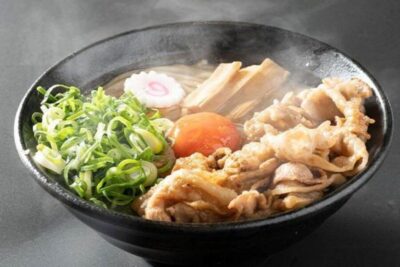
Easy Ramen Cooking Experience in Kabukicho, Shinjuku
Read our review →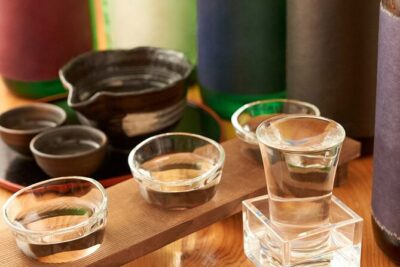
Ramen and Sushi Cooking Class with Sake Pairing Set in Tokyo
Read our review →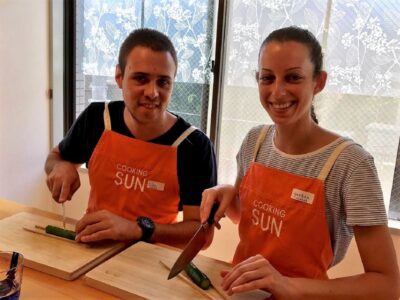
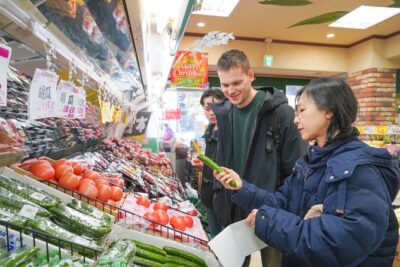
Tokyo Washoku 4-hour Cooking Class: From Market to Table
Read our review →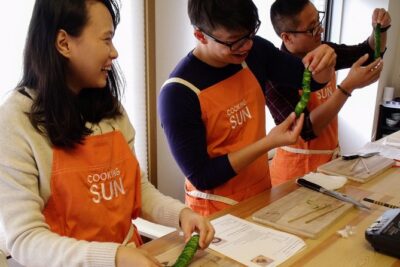
Small-Group Wagyu Beef and 7 Japanese Dishes Tokyo Cooking Class
Read our review →
Private Home Cooking in Yanaka – Local Flavors in a Warm Setting
Read our review →Browse the lists this tour appears in