
Review · KANDY COOKING CLASSES
Sri Lankan Cookery with Nilu
Sri Lankan food makes more sense once you understand the spices, and this class begins there. Nilu leads the cooking in her family home near Kandy, while her husband Janaka explains the dishes in English and helps you follow each step. You cook a full meal, then sit down with the family to eat it.
I like the small limit of three participants, which gives you room to ask questions and take part instead of watching from the back. I also like the practical approach: the menu can be adjusted to your tastes, and the recipes use ingredients you can find at home, including in Europe.
The main consideration is that this is a home-based class, not a polished cooking studio. You will not take food away, and the number of dishes can make the four-hour session feel full. Tell Nilu about allergies and food preferences before you go.
Key points to know before booking
- You cook in Nilu and Janaka’s family home, in a village setting outside Kandy.
- The group is limited to three people, so you receive close attention during the cooking.
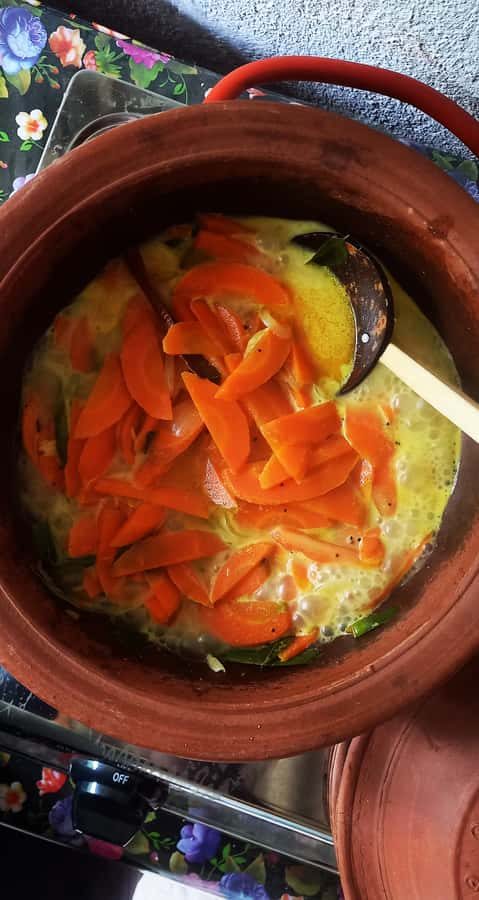
- The menu includes several vegetable dishes, a protein curry, accompaniments, and dessert, with changes possible for dietary preferences.
- Janaka provides English explanations, including help with spices, ingredients, and cooking methods.
- Hotel pickup and drop-off in Kandy are included, making the trip simple to arrange.
- You receive recipes for cooking at home, but no prepared food is available to take away.
A village kitchen outside Kandy
The experience begins with pickup from your hotel lobby in Kandy. A driver brings you to the village where the kitchen is located. This transfer matters because the class takes place in Nilu’s own home, not in a central cooking school.
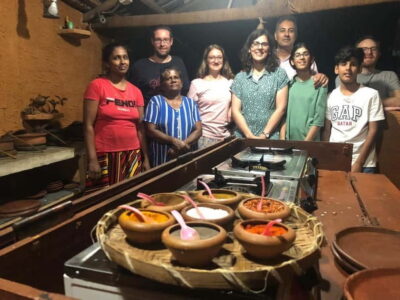
That setting gives the class a personal feel from the first moment. You are welcomed with a drink, meet Nilu and Janaka, and settle into a family home rather than a commercial venue. Their children may also be around, adding to the sense that you are being invited into ordinary home life.
I would allow the full four hours rather than trying to fit this between tightly timed sightseeing stops. The drive, welcome, briefing, cooking, meal, and return transfer all form one experience. The schedule has starting times that vary, so check availability before booking and make sure the pickup works with your day in Kandy.
The group limit of three is one of the strongest practical features. In a larger class, you often watch someone else chop, stir, and season. Here, you should have a better chance to handle the ingredients yourself and ask Janaka to explain anything that seems unclear.
More Cooking Classes in Sri Lanka:
- Ella: Traditional Sri Lankan Cooking Class
★ 4.9 · 788 reviews - Organic cooking class sigiriya (kumara & family)
★ 5.0 · 650 reviews - Sri Lanka Cooking Class with Granny
★ 5.0 · 587 reviews
Learning the logic of Sri Lankan spices
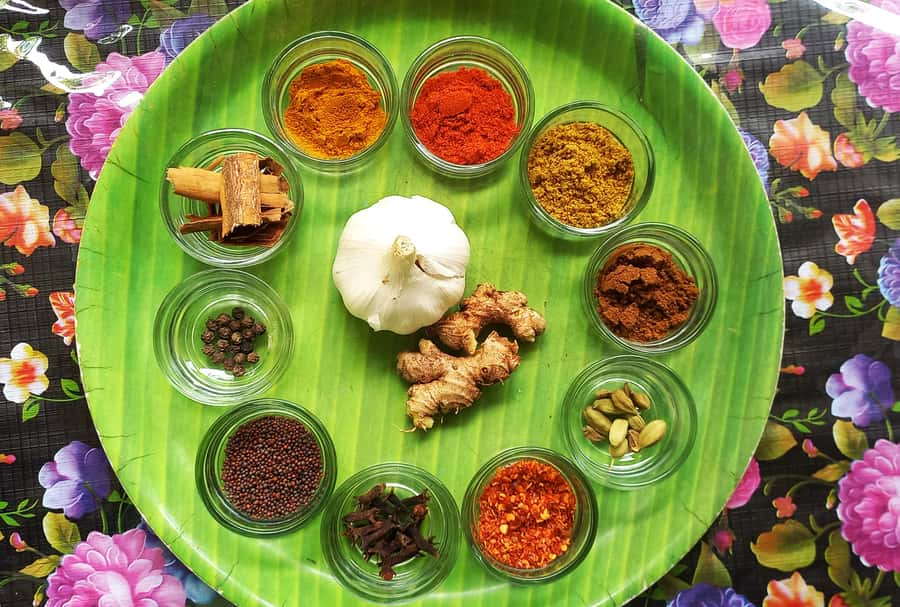
The cooking starts with an introduction to Sri Lankan cuisine, including the local spices and ingredients used in the dishes. This is more useful than simply being handed a recipe. Sri Lankan cooking depends on how ingredients are combined, and understanding the basic flavors helps you recreate the food later.
Janaka speaks English and stays available to answer questions. Nilu demonstrates the cooking with patience, then guides you through the preparation. The class is designed for people who want to understand the method, not just copy a finished dish.
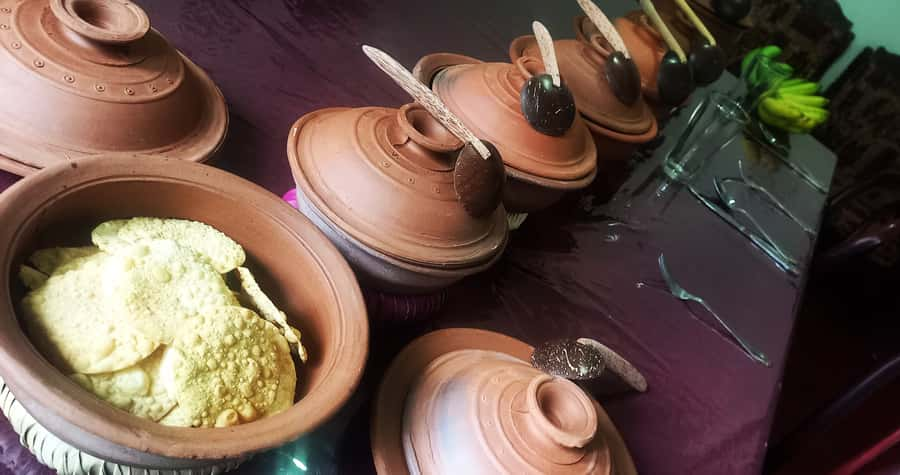
You may work with fragrant spice blends, vegetables, herbs, and other local ingredients. The exact menu can change according to your preferences, so you should not expect every group to cook the same meal. One session may include four vegetable dishes and a protein cooked in Sri Lankan style, while other menus may include a larger selection of vegetable dishes, chicken, poppadoms, and extra accompaniments.
That flexibility is particularly helpful for vegetarians. One vegetarian menu included eight vegetable-based dishes, showing that a meat-free class does not have to be a reduced version of the meal. If you eat meat, the protein dish gives you another way to understand how Sri Lankan seasoning works.
Be clear about allergies and food preferences before the class. The hosts ask you to share this information, and advance notice gives them a better chance to adjust the menu.
Cooking a full Sri Lankan meal
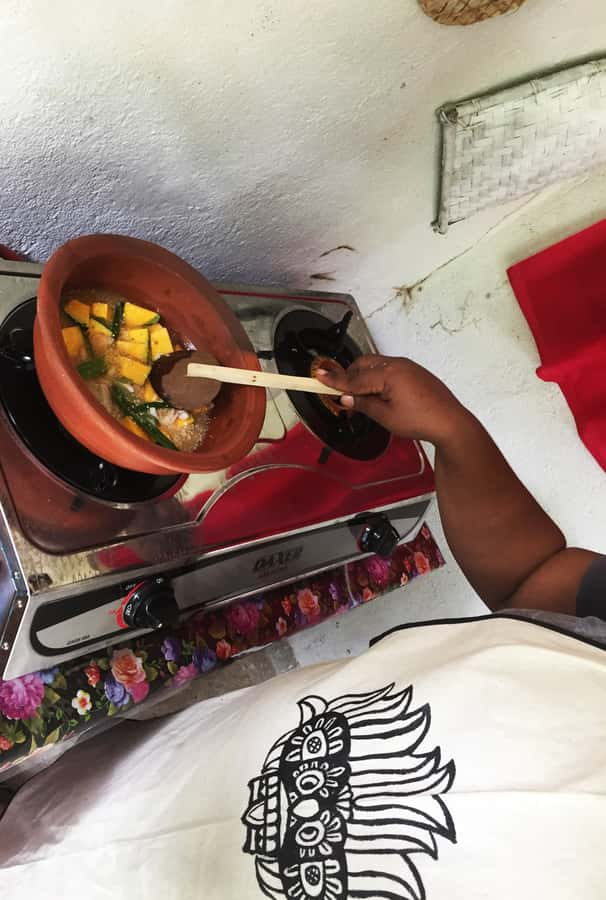
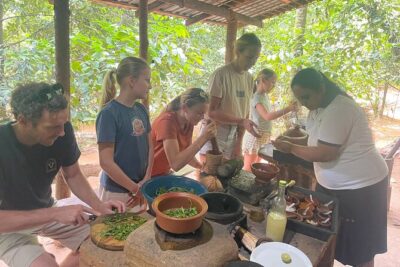
The class is not just a demonstration followed by lunch. You take part in preparing the food, with Nilu showing you how to handle each dish. The recipes are meant to be manageable at home, without hard-to-find ingredients or overly complicated instructions.
That practical focus is important. Some cooking classes are memorable on the day but difficult to repeat once you return home. Here, the menu is planned around ingredients that are easier to find outside Sri Lanka. You can ask how to replace a local ingredient or how to adjust the level of spice to suit your own kitchen.
The meal may include several vegetable preparations, a protein curry, accompaniments, and poppadoms. Since the menu responds to food preferences, you should think of the stated dishes as a guide rather than a fixed promise of every item.
The range of food is a major part of the value. Four hours gives you enough time to see how several dishes come together, rather than learning one curry in isolation. You can compare the way spices work with vegetables and protein, then see how the different dishes balance one another at the table.
There is also a traditional Sri Lankan dessert at the end of the cooking session. Dessert is easy to overlook in a savory cooking class, so this is a useful extra if you want a broader picture of the meal.
Do not expect a takeaway box. The food is prepared for the shared meal at Nilu’s home, and takeaway food is not included. If you want to recreate the experience later, the recipes are the part you carry with you.
Eating what you prepared at Nilu’s home
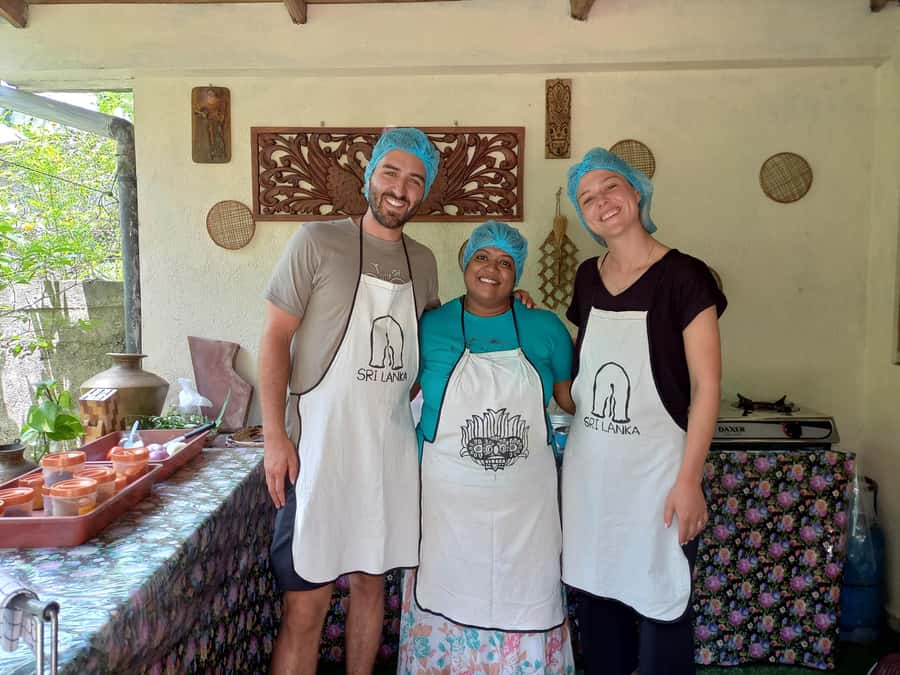
Once the cooking is finished, you eat the meal at the house. This is the natural payoff of the class, and it also lets you taste the dishes together rather than judging each one separately from the stove.
The home setting keeps the meal relaxed. You are not being rushed through a restaurant course, and you can continue asking about ingredients and techniques. Janaka’s English makes it easier to discuss the food, while Nilu’s role in the kitchen gives you direct access to the person preparing the dishes.
The food is the central reason to book this experience, but the hospitality adds value. You get a meal, a lesson, and time with a Sri Lankan family in one outing. For me, that is more useful than a class held in a tourist area where the cultural setting is mostly decoration.
At the same time, remember that a family home has its own rhythm. This is not a formal restaurant service, and the class may feel informal and personal. That will suit you if you enjoy conversation and a home meal. If you prefer a precise professional kitchen, printed workstations, or a tightly controlled timetable, this may not be your ideal format.
Same region, a different dish to learn:
- Kandy Village Cooking Class
★ 5.0 · 536 reviews - Sea waves sri lankan cooking class
★ 5.0 · 467 reviews - Ella: Sri Lankan Cooking Class with Neranji at Homestay
★ 5.0 · 276 reviews - Cook with Wasantha
★ 5.0 · 248 reviews
Why the recipes matter after your holiday
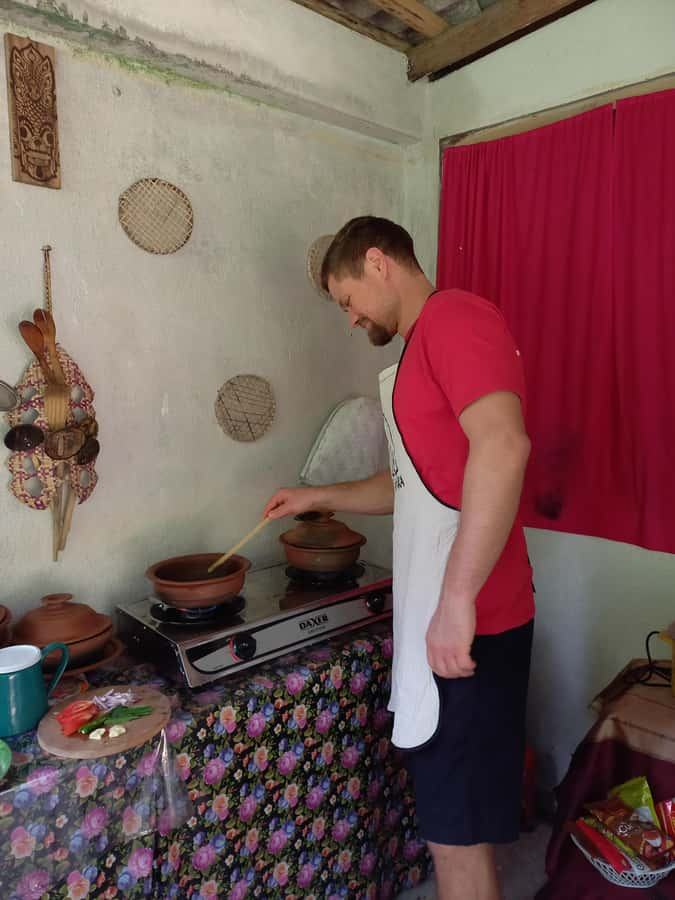
The most useful souvenir from this class is not a spice packet. It is the ability to make the food again.
A recipe PDF is provided, with ingredients that can be found in Europe according to the information available from past participants. That makes the class more practical than a meal that depends entirely on ingredients you cannot buy at home.
Take notes during the session anyway. Write down which ingredients were adjusted for your preferences, how much spice suited you, and which dishes you liked best. Ask questions about substitutions while the food is being made, because those details are easier to understand in the kitchen than later from a recipe sheet.
The class also gives you a feel for the balance of a Sri Lankan meal. You are not simply learning one curry and serving it with rice. You see how vegetable dishes, protein, accompaniments, poppadoms, and dessert fit together.
For a home cook, that broader view is valuable. You can repeat the full spread for friends, or make one or two dishes on an ordinary weeknight. The recipes are designed to make Sri Lankan cooking feel possible once you are back home.
Price, timing, and what you receive
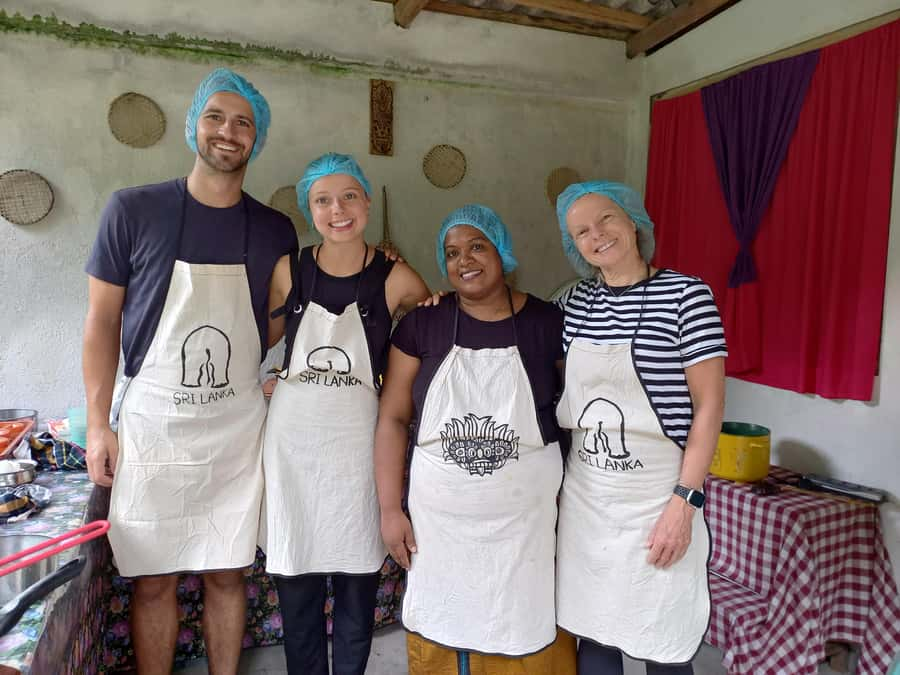
The price is $31 per person for about four hours. With hotel pickup and drop-off, English instruction, a small group, a full cooked meal, and recipes included, that is a fair price for a hands-on experience near Kandy.
The value is strongest if you plan to cook the dishes again. If you only want lunch, there are simpler and cheaper ways to eat Sri Lankan food. You are paying for the instruction, the family setting, transport, and the chance to participate in preparing several dishes.
Pickup is included from your hotel in Kandy, with the driver meeting you in the lobby. Drop-off is also included. If you need to be left somewhere other than your hotel, confirm that before booking rather than assuming the route can be changed.
The booking terms are friendly for uncertain plans. You can reserve now and pay later, and cancellation is free up to 24 hours before the activity for a full refund. Starting times depend on availability, so check the schedule carefully.
Who will enjoy this cooking class most
I would recommend this class to you if you want a personal food experience rather than a standard restaurant meal. It suits curious eaters, home cooks, couples, solo visitors, and small groups who enjoy asking questions.
It is especially good for:
- People who want to understand Sri Lankan spices rather than simply taste them.
- Vegetarians who want a full menu built around vegetables.
- Visitors who prefer a small group and direct contact with the hosts.
- Home cooks who want recipes using ingredients available outside Sri Lanka.
- Anyone staying in Kandy who appreciates included hotel transport.
Families may also enjoy the home setting, but the available information does not specify a minimum age or child pricing. Ask before booking if you are traveling with children.
You should think twice if you need a fully fixed menu, guaranteed private use of the kitchen, or food to take away. The activity is limited to three participants, but the details provided do not say that every booking is private. Ask if that point matters to you.
A few practical tips for making the most of it
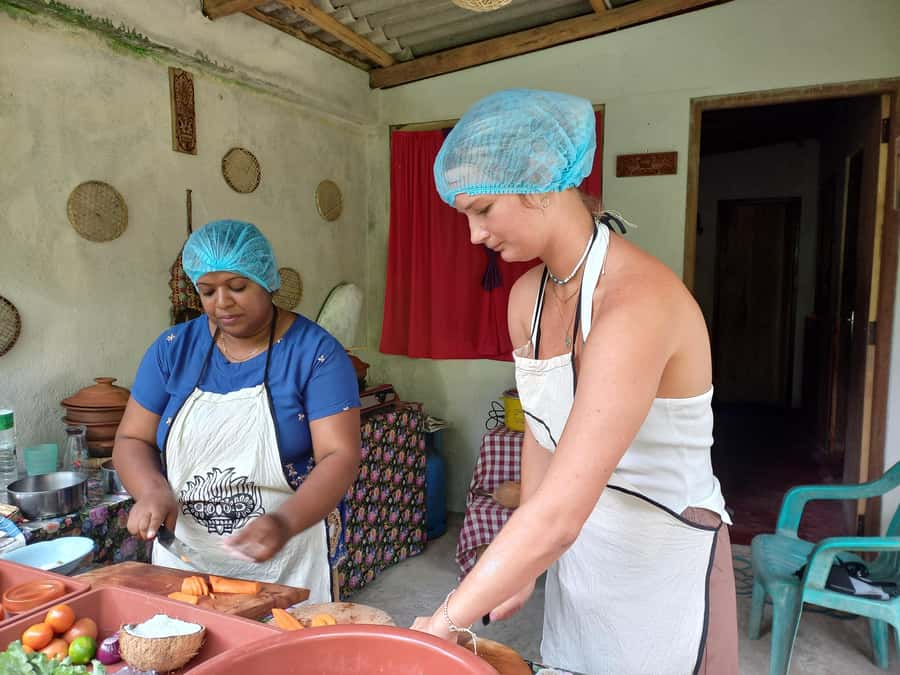
Tell Nilu your food preferences and allergies as soon as you book. This is the best way to shape the menu, particularly if you are vegetarian or need to avoid specific ingredients.
Wear something comfortable for a home cooking session and leave room in your schedule after the class. You will eat a substantial meal, and the whole activity lasts about four hours before you account for any extra time you may need around the pickup.
Bring questions. Ask about spice levels, ingredient substitutions, and which dishes are easiest to repeat at home. Janaka’s English makes this a good place to get clear answers while the food is in front of you.
If you are traveling onward by train, allow plenty of time. One person was helped with a train-station stop after the class, but that does not make a changed drop-off part of the standard arrangement. Your included transport is hotel pickup and drop-off, so arrange anything different in advance.
Should you book Sri Lankan Cookery with Nilu?
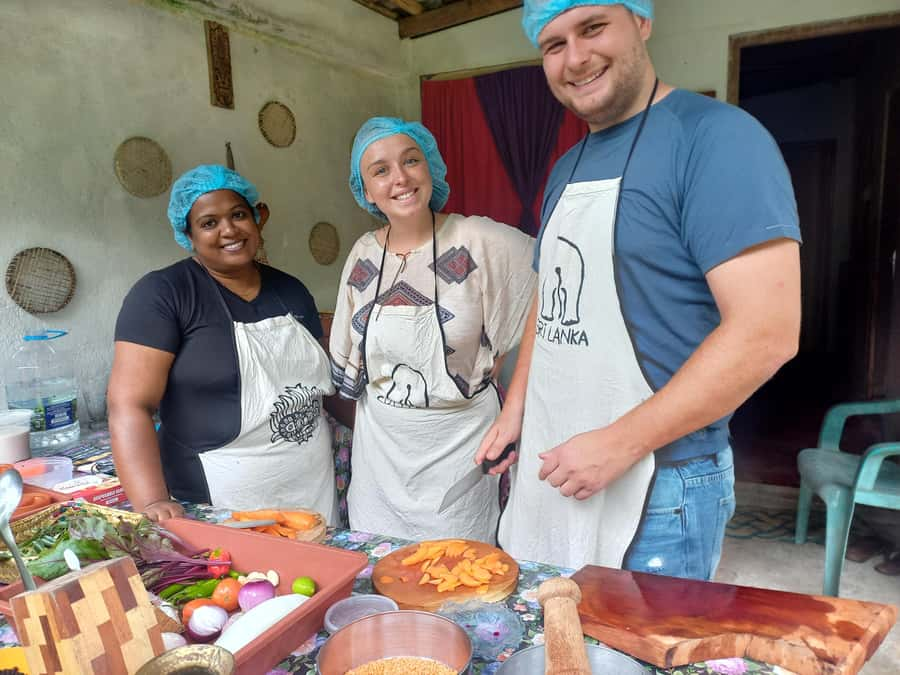
Book it if you want a small, friendly cooking lesson with a real family, a broad Sri Lankan meal, and recipes you can use after your trip. Nilu’s patient cooking, Janaka’s English explanations, adjustable menus, and included transport make this a strong value at $31.
The biggest choice is the setting. You are visiting a family home in a village, not attending a polished culinary school. That means the experience is personal and informal. For most people seeking local food and useful skills, that is the point. If you want a quick class, a fixed menu, or takeaway dishes, choose something else.
FAQ
Where does the cooking class take place?
The class takes place in Nilu’s home in a village near Kandy, Sri Lanka. Hotel pickup and drop-off in Kandy are included.
How long does the experience last?
The cooking class lasts about four hours. Starting times depend on availability.
How many people can join?
The activity is limited to three participants, making it a small-group experience.
Is hotel transportation included?
Yes. A driver picks you up from your hotel lobby in Kandy and returns you after the class.
Is the class taught in English?
Yes. English instruction is provided, and Janaka helps explain the food and answer questions.
What food will I cook?
The menu includes several vegetable dishes, a protein prepared in Sri Lankan style, accompaniments, and a traditional Sri Lankan dessert. The exact dishes can be adjusted to food preferences.
Can I request vegetarian food or report an allergy?
Yes. You should tell the hosts about your food preferences and allergies before the class.
Can I take the food home?
No. Takeaway food is not included. You eat the meal at Nilu’s home, and recipes are provided for cooking later.
Newest classes around Sri Lanka
- cooking lesson★ 5.0 · 7 reviews
- Hands-On Cooking Class in Anuradhapura-Cook Like a Local★ 5.0 · 2 reviews
- Sri Lankan Cooking Class in Bentota★ 5.0 · 2 reviews
- Sri Lanka: Cooking Class★ 4.4 · 6 reviews
- Cooking Experience from Ella★ 4.9 · 2 reviews
- Private cooking class – Personalized classic menu★ 5.0 · 5 reviews
- Nilaveli: Sri Lankan Cooking Class with a Local Family★ 5.0 · 16 reviews
- Mirissa: Cooking Class with Beer and Meal★ 3.3 · 4 reviews
Kandy Cooking Classes, compared.
Private Traditional Sri Lankan Cooking Class in Kandy with Hotel Transfers
Read our review →
Authentic Sri Lankan Cooking Class in Kandy by Local Family
Read our review →
Browse the lists this tour appears in