
Review · OSAKA COOKING CLASSES
Osaka Okonomiyaki Cooking Experience for Families & Groups
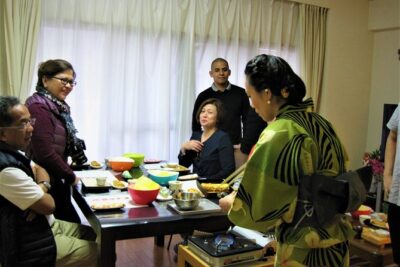
Osaka’s favorite savory pancake becomes your hands-on meal in this lively 90-minute class. You mix, customize, and cook your own okonomiyaki on a real teppan while wearing a colorful happi coat, then take home a playful Okonomiyaki Master certificate. I like the mix of cooking and festival games, especially Super Ball Scooping. I also like the six topping choices, which include vegetarian and seafood options. The main thing to note is that extra drinks cost more, so the $23 price covers the core activity and food, not an open bar.
This works especially well for families and groups because nobody has to sit quietly through a cooking demonstration. You get involved right away, and the English-speaking host keeps the process simple for beginners. One small caution: the meeting point is described by a nearby Family Mart rather than a famous landmark, so allow a little time to find it.
Key points at a glance
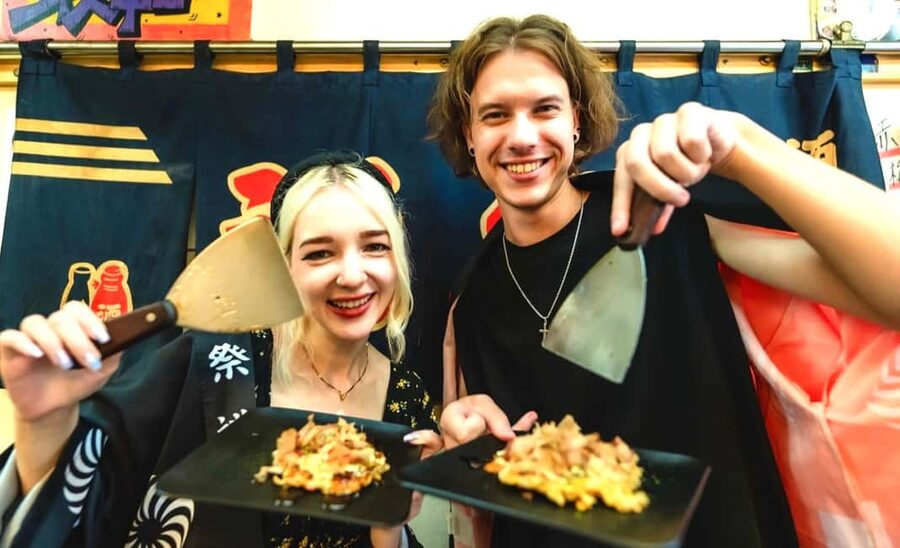
- Cook on a real teppan: Mix your ingredients, shape the pancake, and practice the famous flipping technique under guidance.
- Pick from six toppings: Build your okonomiyaki with choices that include vegetarian and seafood options.
- Wear a colorful happi coat: The festival-style clothing adds a cheerful Japanese touch and makes the included photos more memorable.
- Play Super Ball Scooping: The traditional festival game breaks up the cooking and gives children something else to enjoy.
- Receive photos and a certificate: Photos are sent to your phone, and you leave with an Okonomiyaki Master certificate.
- Book with modest financial risk: The $23 price is reasonable for a 90-minute food activity, and cancellation is free up to 24 hours before the start.
Starting with Osaka’s favorite comfort food
Okonomiyaki is often described as a Japanese savory pancake, but that plain label does not tell you much about the fun of making it. You work with a batter, add your chosen toppings, cook the mixture on a hot iron griddle, and finish it with sauce. The result is filling, social, and easy to adjust to your taste.
Here, you do not simply watch a cook prepare the dish. You make it from scratch with help from an English-speaking host. That matters if you have never used a Japanese teppan before, or if you want more than a standard restaurant meal.
I especially like the beginner-friendly setup. The class is built around participation, so you do not need previous cooking experience. The host shows you how to handle the mixture and guides you through the flipping technique, one of the most entertaining parts of the meal.
The six daily toppings give you room to make the dish your own. Vegetarian and seafood choices are available, although the exact options can change from day to day. If you have a strong preference, ask the host what is available when you arrive.
More Sushi and Japanese Classes in Osaka:
- Sushi Making Osaka! Popular Sushi Class in Japan!
★ 5.0 · 500 reviews - Osaka: Ramen and Gyoza Cooking Class in Dotonbori
★ 5.0 · 378 reviews - Osaka Cooking Class: Okonomiyaki &Japanese cuisines experience
★ 5.0 · 261 reviews
The 90-minute cooking flow
The activity lasts 90 minutes, which is long enough to cook, eat, take photos, and enjoy the game without turning into a half-day commitment. That makes it easy to fit into a day of sightseeing in Osaka.
The first stage is getting ready for the cooking session. You wear a festival-style happi coat, the short traditional jacket often linked with Japanese festivals. It is a simple touch, but it changes the mood from an ordinary meal to a shared activity.
Next, you choose from the day’s six toppings. The range includes vegetarian and seafood options, so members of one group can make different versions. This is useful for families with varying tastes and for couples who want to compare their finished dishes.
You then prepare the okonomiyaki from scratch. The host explains the basic steps in English and helps you work out the right way to handle the mixture. Since the class is aimed at beginners, the focus is on having a good time while learning a practical technique, not on producing restaurant-perfect food.
The cooking happens on a real teppan. You get to practice flipping the pancake, which can be the moment when the room becomes loud with encouragement and laughter. Follow the host’s instructions rather than trying to show off too early. A careful flip is better than a dramatic one that sends dinner across the griddle.
Once the okonomiyaki is cooked, you can try different sauces. Sweet, spicy, and classic choices are available, letting you adjust the final flavor. This sauce stage is more important than it may sound. It gives you a quick way to see how the same basic dish can taste quite different.
The meal itself is included. Additional drinks are available for purchase, but they are not part of the stated price. Plan your budget around the food and activity fee, then treat drinks as an optional extra.
Why the happi coat and festival game matter
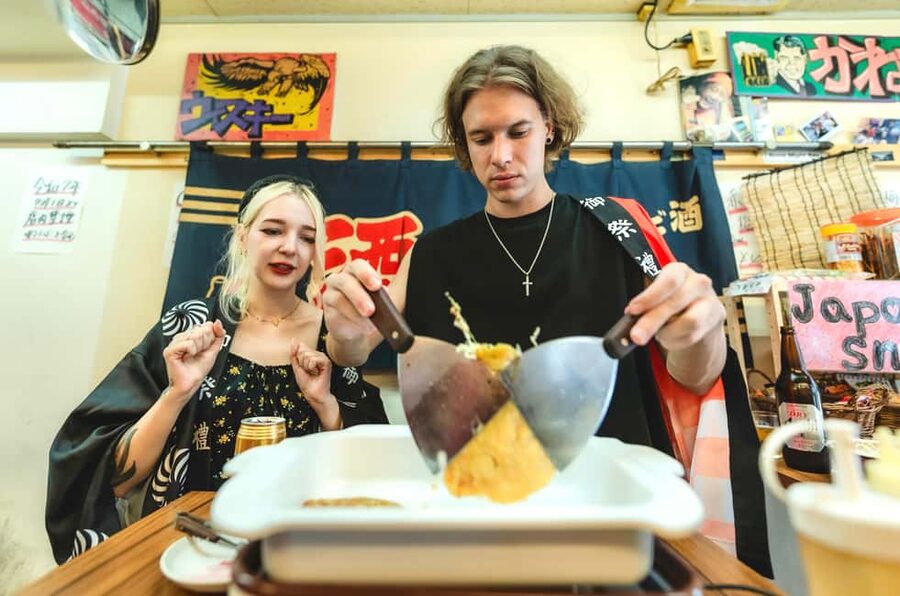
The happi coat is not just a costume for a photograph. It helps create the festival feel promised by the activity and gives the group a shared role. Families can take photos of everyone dressed alike, while couples and solo participants get an easy souvenir from the session.
The traditional festival game, Super Ball Scooping, adds another layer to the class. It gives you a short change of pace after cooking and may be particularly useful for children who need more than a food lesson to stay interested.
I like this combination because the activity does not depend on food alone. If one person in your group is less excited about cooking, the game and the clothing keep the session social. On the other hand, anyone hoping for a serious Japanese cooking lesson should keep expectations in check. This is a light, playful introduction rather than a long technical course.
The activity also includes photos sent to your phone. That is a useful touch because cooking on a hot griddle can leave you with little time to take your own pictures. You can concentrate on mixing and flipping, then receive a record of the session afterward.
What the food choices mean for your group
The six daily toppings are a practical feature, especially when you are booking for several people. Each person can make a version that fits their taste instead of accepting one fixed recipe.
Vegetarian and seafood options are specifically available. That is helpful, but the information does not give a full ingredient list or promise accommodation for every dietary restriction. If you have allergies or need to avoid particular ingredients, contact the provider before booking rather than relying on the topping categories alone.
The sauce selection also lets you make a small personal choice at the end. Classic sauce keeps things familiar, while sweet or spicy options can change the character of the dish. The sauce was a particular hit in one family’s visit, with the children eager to eat what they had made.
That point is worth keeping in mind if you are booking with children. Some children who might hesitate at an unfamiliar Japanese meal are more willing to try it after mixing and cooking it themselves. The activity turns dinner into something they helped create.
More Cooking Classes in Osaka:
- Osaka: Roll and Authentic Sushi Making Class in Dotonbori
★ 4.9 · 239 reviews - Ramen and Gyoza Cooking Class in Osaka
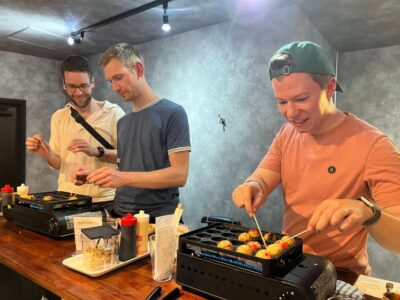
★ 5.0 · 202 reviews - Osaka Sake Tasting with Takoyaki Cooking
★ 5.0 · 156 reviews - Osaka: Cooking Class Ramen & Gyoza Course in Nanba
★ 4.9 · 86 reviews
A good choice for families and groups
This is strongest as a shared activity. Families can cook together, play a game, and take group photos without needing to organize separate entertainment for children. The format also suits couples who want a casual date activity with food at the center.
Groups benefit from the choice of toppings and sauces. You can compare different versions of the same dish, and the festival clothing gives the session a common theme. The setting is designed to be social rather than formal, so it should suit people who enjoy a little noise, laughter, and hands-on work.
Solo visitors can also take part. The host provides the structure, and the cooking process gives you an easy way to interact with others. Still, if you prefer a quiet meal or a private cooking lesson, this may feel more energetic than you want.
The English-language instruction is important. You can ask questions and follow the cooking steps without needing Japanese. The host’s tone appears to be a major part of the experience. Jailor is named as a particularly good host, and the class is described as funny and positive throughout. Host personalities can vary by date, but the activity clearly depends on friendly guidance rather than a formal lecture.
The value of $23 for 90 minutes
At $23 per person, the price is fair for an activity that includes food, an English-speaking host, the happi coat, the festival game, photos, and a certificate. You are paying for a meal, but also for the chance to prepare it yourself and take part in a short cultural activity.
The value is strongest if you would otherwise spend money on both lunch and a separate family activity. Here, those needs are combined. You get a meal and something to do, with a souvenir certificate and phone photos included.
The price is less compelling if you only want to eat okonomiyaki as cheaply as possible. A regular restaurant meal would give you less interaction, but this class is not trying to compete with a quick lunch. Its appeal comes from the cooking, the social setting, and the small festival details.
Remember that drinks are sold separately. The supplied information includes one comment about a complimentary drink, but the current activity details list additional drinks as an extra purchase. I would budget for drinks separately and confirm the arrangement at the venue.
Finding the meeting point in Osaka
The meeting point is identified using a Family Mart diagonally ahead to the left. That is useful once you are in the immediate area, but it is not as clear as a major station exit or a large public landmark.
I would check the exact meeting instructions before setting out and avoid arriving at the last minute. This is especially sensible with children, a larger group, or anyone unfamiliar with Osaka’s streets. The activity itself lasts 90 minutes, so a late arrival could take a noticeable piece out of your cooking time.
The location is in Osaka, on Honshu. No transport route is provided in the activity details, so you should use the confirmed booking information for the final approach.
Booking flexibility and practical limits
You can cancel up to 24 hours in advance for a full refund. That is useful if your Osaka schedule depends on weather, rail plans, or a family itinerary that may change.
You can also reserve now and pay later. This gives you a way to hold a place without paying on the day you book. It does not remove the need to check the final payment terms during checkout, but it does make early planning easier.
The activity is offered in English. Duration is fixed at 90 minutes, with starting times depending on availability. Since this is a food activity, I would avoid scheduling it too close to another major meal. The portions are intended to be eaten as your main dish, not treated as a tiny cooking sample.
No group size, accessibility details, or exact topping list are provided. If any of those points affect your decision, ask the provider before paying. That is better than assuming the colorful, family-friendly format will meet every individual need.
Who should book this okonomiyaki class?
I would recommend it most strongly to families, couples, and groups looking for a relaxed Osaka activity with plenty of participation. It is also a good pick for first-time visitors who want a simple introduction to okonomiyaki without needing to understand a Japanese menu or cooking method on their own.
Children are likely to appreciate the combination of food, costumes, photos, and Super Ball Scooping. The certificate gives them something physical to take home, and making their own meal may encourage them to try more of it.
Solo visitors can book too, especially if they like meeting people through shared activities. The English-speaking host and guided format make the class approachable.
I would be more cautious if you want a detailed lesson in regional okonomiyaki styles, a full explanation of ingredients, or a quiet, private meal. The focus here is fun, participation, and a festival mood. It delivers that better than it delivers advanced culinary instruction.
Should you book the Osaka okonomiyaki class?
Book it if you want to cook your own Osaka comfort food, enjoy a playful group setting, and leave with photos and a certificate. The $23 fee gives you more than a plate of food, and the 90-minute length fits neatly into a busy sightseeing day.
Skip it if you are looking only for the cheapest meal, need a guaranteed ingredient list for a strict diet, or dislike interactive activities. For families and first-time visitors, though, the mix of teppan cooking, happi coats, sauces, and festival games makes this a sensible way to spend part of an Osaka day.
FAQ
How long does the Osaka okonomiyaki cooking experience last?
The activity lasts 90 minutes.
How much does the experience cost?
The stated price is $23 per person.
Is the activity conducted in English?
Yes. An English-speaking instructor or host guides the activity.
What is included?
The package includes a local host guide, okonomiyaki, a festival-style happi coat, and the Super Ball Scooping festival game. Photos are also taken and sent to your phone, and you receive an Okonomiyaki Master certificate.
Are drinks included?
Additional drinks are available for purchase and are listed as not included in the activity price.
Can I cancel for a full refund?
Yes. You can cancel up to 24 hours in advance for a full refund.
Newest classes around Osaka
- Okonomiyaki&Takoyaki for Families:Osaka Street Food Festival★ 5.0 · 4 reviews
- Osaka: Gluten-Free Ramen and Gyoza Cooking Class★ 5.0 · 42 reviews
- Osaka Sake Tasting with Takoyaki Cooking★ 5.0 · 156 reviews
- Osaka: Okonomiyaki Cooking Class with Beer or Soft Drink★ 4.9 · 9 reviews
- Osaka: Japanese Cooking Class with Matcha Experience★ 5.0 · 4 reviews
- Osaka : Exclusive Tea Ceremony & Wagashi Cooking★ 5.0 · 2 reviews
- Osaka: Cooking Class & Sake Tasting with Local Market Visit★ 4.8 · 31 reviews
- Osaka: Cooking Class Ramen & Gyoza Course in Nanba★ 4.9 · 86 reviews
Osaka Cooking Classes, compared.

Sushi Making Osaka! Popular Sushi Class in Japan!
Read our review →
Osaka Cooking Class: Okonomiyaki &Japanese cuisines experience
Read our review →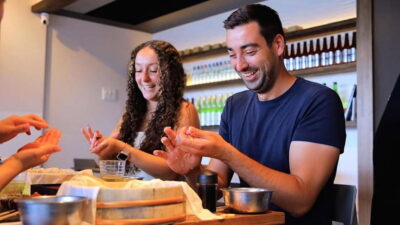
Roll and Authentic Sushi Making Class in Dotonbori
Read our review →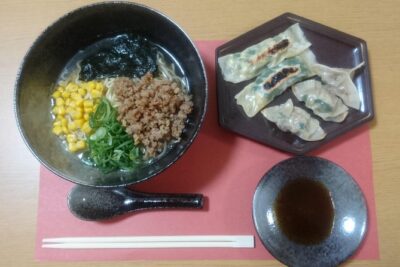
Browse the lists this tour appears in