
Review · KATHMANDU COOKING CLASSES
Kathmandu: About 3-hour Cooking Class Experience near Thamel
Nepal’s best food lesson may be the one that puts you in front of a bowl of lentils, a pile of dough, and a hot pan. This three-hour class near Thamel lets you choose three dishes, then prepare and eat them with local instructors. Dal bhat and momos are the main attractions, but chatamari, bara, yomari, and thukpa give you a wider taste of Nepal.
I like the choice built into the class. You can focus on everyday food such as dal bhat, or choose something more unusual, such as sweet yomari or spicy mushroom choila. I also like that the food is prepared and eaten during the same visit, with ingredients and cooking equipment supplied. Bikram and Kamal are named instructors, and one especially useful result is that you can request recipes for a small extra fee.
The main consideration is that this is a small, focused activity rather than a full tour of Kathmandu’s food scene. You need to select only three dishes from the menu, and drinks beyond the welcome tea or coffee and food prepared in class are not included. Pick your menu before you arrive so the three hours feel relaxed rather than rushed.
Key points at a glance
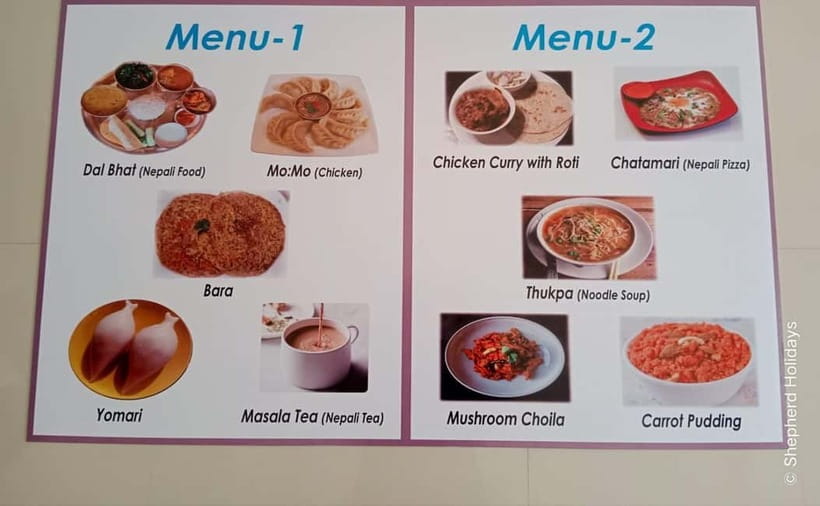
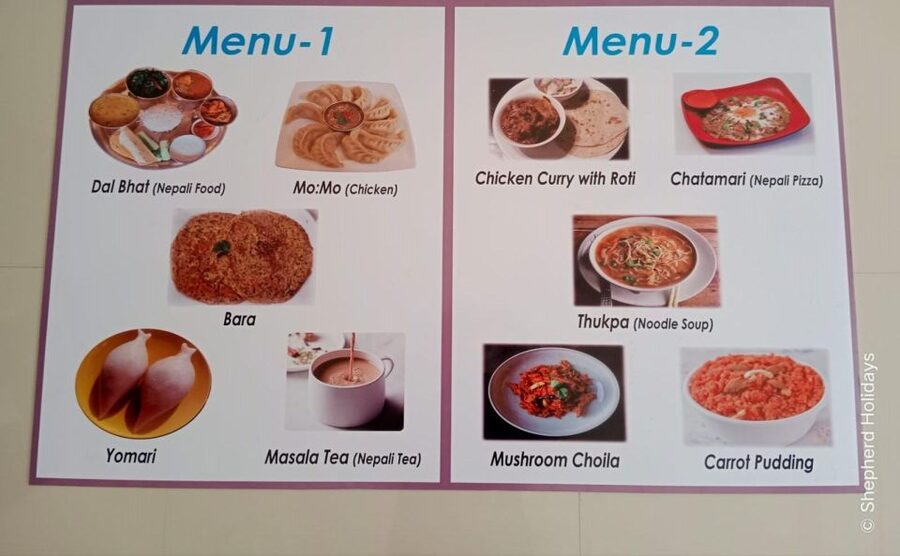
- Three dishes by your choice: Select from dal bhat, chicken or vegetable momos, bara, yomari, chicken curry with roti, chatamari, thukpa, mushroom choila, and carrot pudding.
- A short walk from Thamel: The class takes place in the same building as the Shepherd Holidays office, making it easy to reach if you are staying in the popular tourist area.
- Hands-on instruction: You chop, stir, season, shape, and cook rather than simply watch a demonstration.
- A full meal at the end: The dishes you prepare are served for you to eat during the class, with large portions noted by one participant.
- English instruction: Bikram and Kamal are named local instructors, and the class also includes a helper.
- Useful flexibility: You can cancel up to 24 hours ahead for a full refund and reserve without paying immediately.
What this Kathmandu cooking class is really like
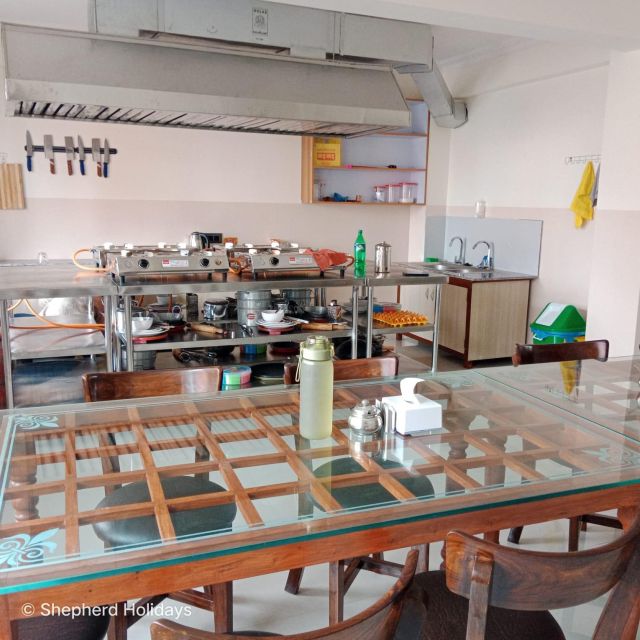
The class begins at Shepherd Holidays, in the same building as its office. The meeting point is listed near Thamel, with the cooking activity taking place at P874+X7H. Since the class starts and ends at the meeting point, you do not lose time crossing Kathmandu during a three-hour visit.
You receive tea or coffee when you arrive. That small welcome matters after a walk through central Kathmandu, and it gives you time to settle in before choosing your food. The staff then prepare the fresh ingredients and take you into the kitchen with an instructor and helper.
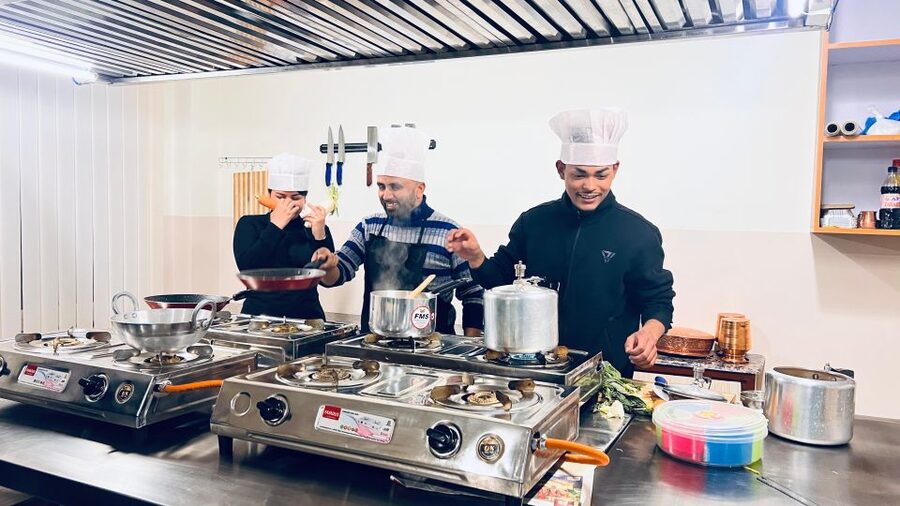
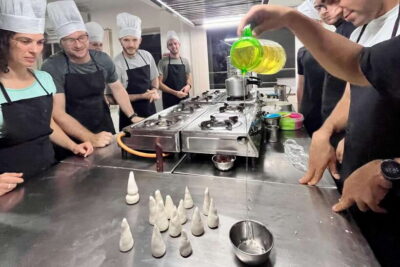
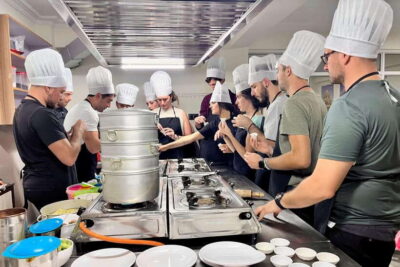
This is not a lesson where you sit at the back and watch someone else do all the work. You take part in the preparation, guided through the cooking steps in English. The exact balance between demonstration and hands-on work can depend on your menu, but the format is built around making the food yourself.
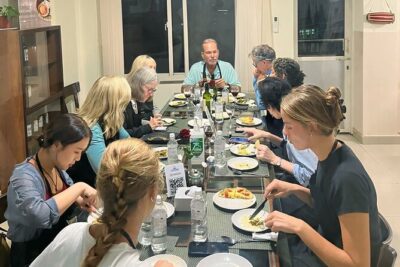
The class finishes at the table with the dishes you cooked. One participant who booked at short notice and ended up as the only person in the class still received the full menu and described the portions as large. That suggests the class can work well for a solo booking, though your group size and exact format may vary with the date.
More Three-Hour Sessions in Kathmandu:
- Marrakech: 3-Hour Open-Air Moroccan Cooking Course
★ 4.9 · 74 reviews - 3-Hour Cooking Class overlooking the Blue City
★ 5.0 · 36 reviews - 3-hour Tuscan Cooking Class with Wine & Oil Tasting
★ 4.5 · 36 reviews
Choosing three dishes from Nepal’s kitchen
The menu is wide enough to make the decision harder than it first sounds. You are choosing three items, not trying every dish listed, so think about what you want to learn and what you want to eat.
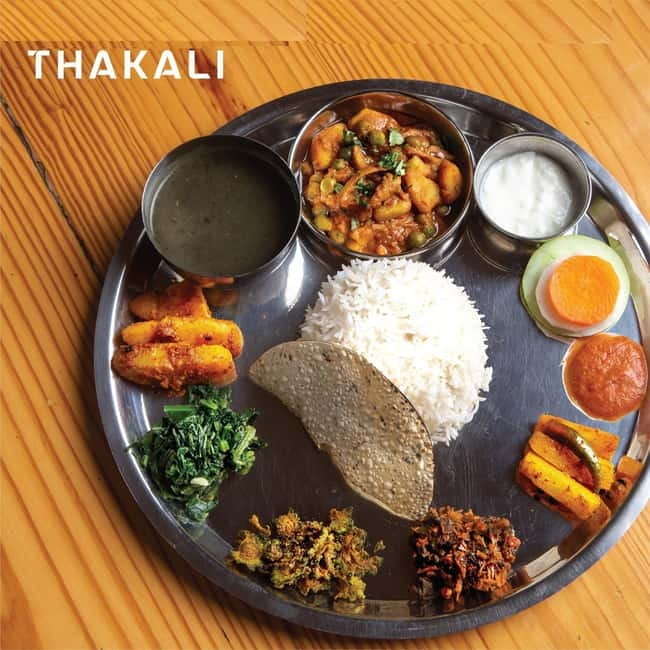
Dal bhat is the practical choice. Lentil soup with rice is one of Nepal’s defining meals, and learning it gives you a useful base for cooking Nepali food at home. It is also a good option if you want a substantial meal rather than a snack or dessert.
Momos are the crowd-friendly choice. You can make them with chicken or vegetables, and the lesson covers the work that makes these dumplings special: preparing the filling, handling the dough, and shaping the parcels. If you have eaten momos in Kathmandu and want to understand how they are made, this is an obvious pick.
Chatamari offers something less familiar. Often called Nepali pizza, it is a flatbread with toppings. The comparison is convenient, but do not expect Italian pizza. The appeal is the Nepali approach to a crisp or soft base and a choice of toppings.
Bara is a good snack-sized dish. These lentil patties are deep-fried, crisp outside, and tender within. Choose bara if you want to learn a Newar-style favorite and enjoy something with a different texture from rice, noodles, or dumplings.
Yomari brings sweetness to the menu. These dumplings contain jaggery and sesame seeds, so they show a different side of Nepali cooking. Yomari makes sense if you want a dessert, though choosing it means giving up one of the savory dishes.
The remaining choices widen the menu further:
- Chicken curry with roti focuses on aromatic spices and flatbread.
- Thukpa is a hearty noodle soup with Tibetan roots that has become part of Nepali food culture.
- Mushroom choila is a spicy marinated mushroom dish.
- Carrot pudding offers a sweet finish and a lesson in Nepali dessert making.
My advice is to choose one familiar dish, one item you may not find as often at home, and one dish that fills a different role. For example, dal bhat, momos, and yomari give you a staple, a snack, and a sweet course. Chatamari, bara, and mushroom choila make a more adventurous savory menu. If you want recipes you can repeat later, dal bhat, momos, and chicken curry are especially practical choices.
From welcome tea to the cooking table
The opening is straightforward. After tea or coffee, you select your three dishes. Fresh ingredients are prepared for you, and the instructors guide you through the cooking process in a traditional kitchen setting.
That setup keeps the focus where it belongs: on the food. You are not shopping for ingredients, washing up a large kitchen, or trying to translate a recipe while a class moves ahead. The equipment is included, and a helper is available along with the instructor.
The value of local instruction is clearest with seasoning. Nepali food can look simple on the plate, but lentils, spice mixes, fillings, and marinades depend on balance. A local chef can show you how the ingredients come together instead of handing you a list of measurements without context.
Bikram and Kamal are specifically associated with the teaching. One participant credited both instructors with making the lesson easy to follow and with teaching food good enough to recreate at home. That is exactly the useful outcome you should want from a cooking class: not only a pleasant meal, but a method you can remember.
The class is in English. If you have questions about ingredients, spice levels, or substitutions, ask during the preparation rather than waiting until the meal is served. The supplied information does not promise printed recipes as part of the basic price, but recipes are available for a small additional fee. If you want to cook these dishes again, that fee may be worthwhile.
Eating what you made
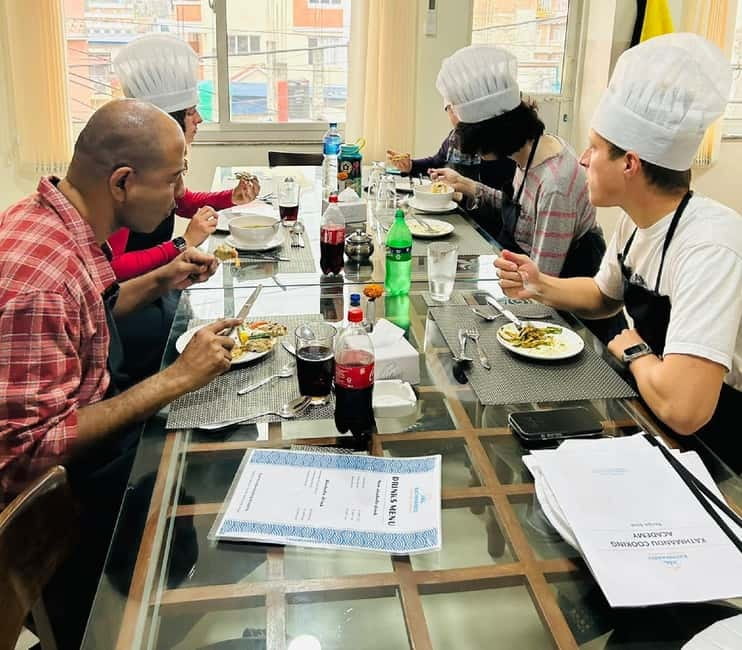
The final meal is the reward for the work at the counter. You eat the food prepared during the class, and the portions are described as large. That makes the activity more than a tasting session. Depending on your three choices, it can function as a proper lunch or dinner.
The meal also helps you judge what you learned. A momo that looks uneven still tastes like something you made yourself. A dal bhat that needs more seasoning gives you a clear lesson for next time. Cooking classes are most useful when they let you taste the result while the preparation is still fresh in your mind.
Food and drink prepared during the class are included. The separate note about beverages means you should not assume that extra drinks beyond the included welcome tea or coffee and prepared food are covered. If you have specific drink needs, check the details when booking.
Cleanliness is another practical concern in any cooking activity. A participant who attended alone described the kitchen as clean enough and the food as delicious. That is encouraging, though it is not the same as a formal hygiene inspection. If you have allergies or strict dietary needs, confirm what can be changed before booking, since the available information does not list allergy arrangements.
More Cooking Classes in Kathmandu:
- Half day cooking class in Thamel kathmandu
★ 5.0 · 607 reviews - Kathmandu: Local Women-Led Nepali Cooking & Momo Class
★ 4.9 · 360 reviews - Kathmandu: Local Lead Nepali Cooking & Momo-Making Class
★ 5.0 · 212 reviews - Local Women Lead Nepali Cooking Class
★ 5.0 · 125 reviews
Location, timing, and pickup choices
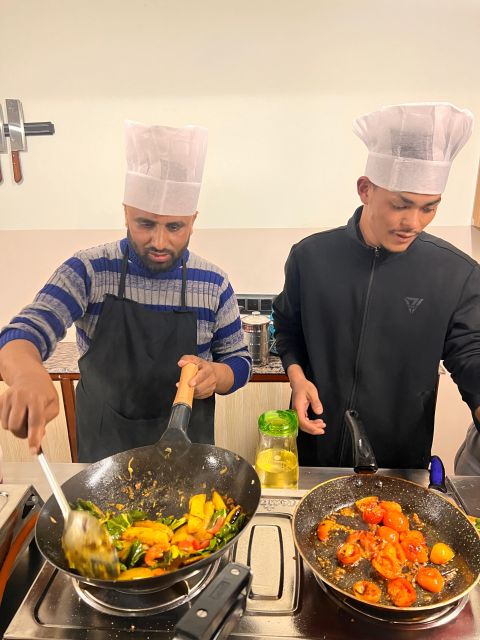
The class lasts about three hours. Starting times vary, so check the available slots before you commit it to a busy sightseeing day. A morning class can leave your afternoon free, while an evening class can serve as dinner. The activity ends back at the meeting point.
For anyone staying near Thamel, the location is convenient because the class is within short walking distance of the tourist center. You do not need to pay for a transfer or build a separate transport plan into the day.
If you stay outside Thamel, pickup and drop-off can be arranged for an extra charge. This is useful if you are carrying luggage, traveling with children, or staying far enough away that Kathmandu traffic would make the meeting point awkward. The transfer is not part of the base price, so compare the extra cost with a taxi or local ride before adding it.
The activity is offered with an English-speaking instructor. The supplied details do not give a fixed group size, so do not book on the assumption that it will be private. The short-notice booking that became a one-person class shows that a solo session is possible, but it does not guarantee one.
Is $32 a fair price?
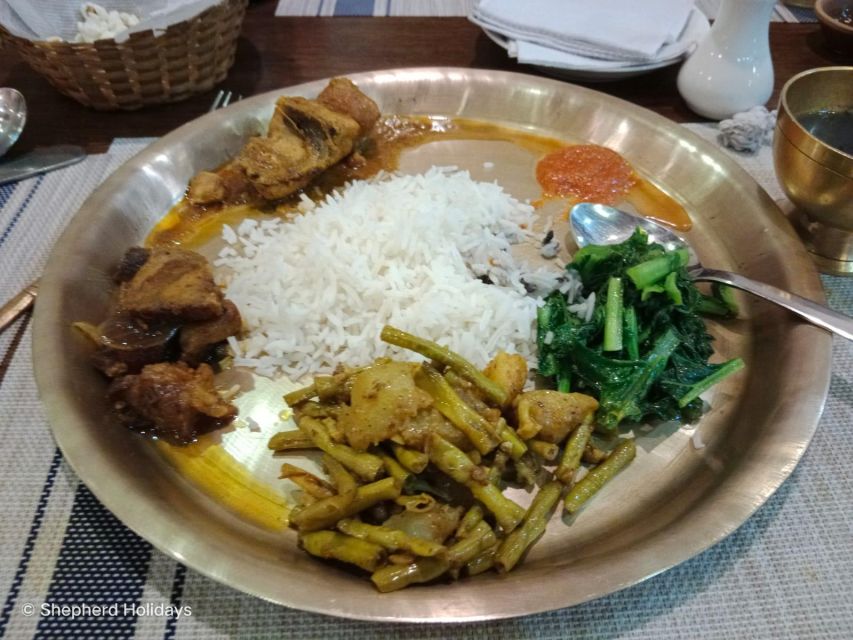
At $32 per person, the price covers more than a meal. You receive instruction, ingredients, all equipment, a helper, and the food you prepare. You also get three hours of guided activity in a central part of Kathmandu.
That is a fair package for someone who wants more than a restaurant dinner. A meal alone might cost less, especially if you eat at a simple local restaurant. The class earns its extra cost through participation and the chance to carry the techniques home.
The value improves if you choose dishes you genuinely want to repeat. Dal bhat and momos are practical lessons. Yomari and bara are harder to justify as everyday cooking projects for some people, but they offer a better introduction to Nepali food than ordering another familiar curry.
The price does not include accommodation, personal expenses, additional beverages, or pickup and drop-off. Those exclusions are normal, but they matter when you set your final budget. The class also does not promise a printed recipe packet in the base price, and recipes cost a small additional fee.
You can reserve now and pay later, which helps if your Kathmandu plans are still shifting. Cancellation is free up to 24 hours before the activity for a full refund. Those terms make it easier to place the class in your schedule early, then adjust if your plans change.
Who will enjoy this class most
I would recommend it to anyone who wants a direct introduction to Nepali food without committing to a full-day food tour. It works especially well for a first visit to Kathmandu, when you want context for the dishes appearing on restaurant menus.
It is also a good fit for home cooks. The chance to request recipes, combined with hands-on preparation, gives you something useful after the trip. If you already cook often, choose less familiar dishes such as bara, yomari, or mushroom choila rather than spending all three choices on food you know well.
Families and mixed groups may also like the menu choice. One person can select chicken momos, another can choose vegetables, and someone else can focus on dessert. The information does not specify age limits or child arrangements, so ask about those points before booking for young children.
This may not suit someone who wants a large culinary tour, market visit, or restaurant-hopping evening. The class stays in one location and centers on three dishes. It is also not the best choice if you dislike cooking or want to spend the full evening sightseeing.
My verdict on the Shepherd Holidays cooking class
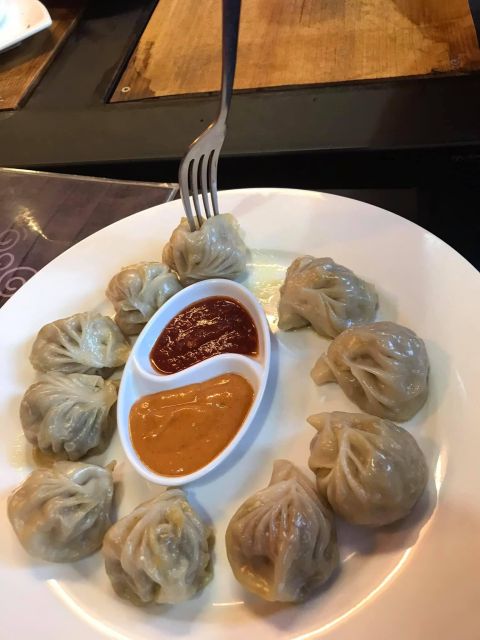
Book this class if you want to understand Nepali food by making it, not simply eating it. The strongest reasons are the three-dish choice, central location near Thamel, English instruction, included ingredients and equipment, and the chance to sit down to a generous meal afterward.
I would choose dal bhat, momos, and either yomari or bara for a first visit. Ask for recipes if you plan to cook at home, and confirm any dietary needs before you pay. Skip it if you want a broad Kathmandu food crawl or if paying extra for transport and drinks would stretch your budget.
For $32, this is a practical, personal introduction to Nepal’s kitchen. It gives you a meal, a few cooking skills, and a better idea of why these dishes matter in daily life.
FAQ
Where is the cooking class located?
The class is at Shepherd Holidays, in the same building as the company office, near Thamel in Kathmandu. The cooking activity is listed at P874+X7H.
How long does the cooking class last?
The activity lasts about three hours. Starting times depend on availability.
What language is used during the class?
The instructor teaches in English.
Which dishes can I choose?
The menu includes dal bhat, chicken or vegetable momos, bara, yomari, chicken curry with roti, chatamari, thukpa, mushroom choila, and carrot pudding. You choose three dishes.
Are ingredients and cooking equipment included?
Yes. Ingredients and all equipment needed to prepare the food are included.
Is food included in the price?
Yes. You eat the food prepared during the class. A welcome tea or coffee is also provided, while additional beverages are not included.
Can I get pickup and drop-off?
Pickup and drop-off are available for an extra charge, particularly if you are staying outside Thamel.
Does the activity start and end at the same place?
Yes. The class starts at the meeting point and ends back there.
Can I cancel the booking?
You can cancel up to 24 hours in advance for a full refund. You can also reserve now and pay later.
Newest classes around Kathmandu
- Kathmandu: 3-Hours of Cooking Class with Meals★ 5.0 · 10 reviews
- Local Women Led Nepali Cooking Class★ 5.0 · 6 reviews
- Kathmandu: Women-Led Cooking Class & Momo Making-Local Taste★ 4.8 · 15 reviews
- Kathmandu: Nepali Cooking Class with Hotel Pickup★ 4.1 · 5 reviews
- Kathmandu: Local Women-Lead Nepali Cooking & Momo Class★ 4.9 · 45 reviews
- Cook with Lisha: Nepali and Newari Cooking Class★ 5.0 · 2 reviews
- Kathmandu: Local Lead Nepali Cooking & Momo Making Class★ 4.9 · 40 reviews
- Kathmandu: Cooking Class in Nepal★ 5.0 · 2 reviews
Kathmandu Cooking Classes, compared.
Women-Led Cooking Class & Momo Making-Local Taste
Read our review →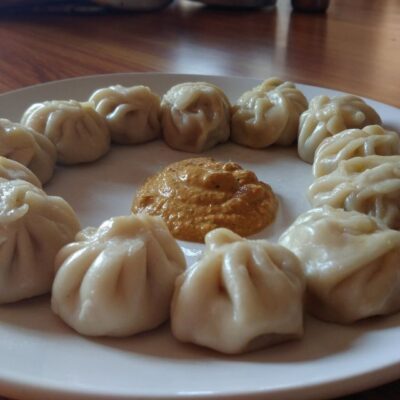
Browse the lists this tour appears in